

Short answer: The shofar is a ritual horn, traditionally taken from a ram, that is sounded during the Hebrew month of Elul and on the High Holidays of Rosh Hashanah and Yom Kippur. Its blasts act as a spiritual wake-up call to repentance and self-examination, and the horn carries layered meanings: the ram of the Binding of Isaac, the blast at Mount Sinai, the coronation of God as King, and the hope of redemption and a rebuilt Temple. Today the shofar also appears widely as merchandise, from kosher ram's-horn and Yemenite kudu instruments to decorative, hand-painted, or silver-adorned pieces that are display items rather than ritually valid horns.
What the shofar means
The Hebrew word shofar means ram's horn, and the instrument turns up again and again in the Bible as both a ceremonial and a signal horn, used for war, for coronation, and to gather a sacred assembly. The ram's horn is the preferred material because of the Binding of Isaac, and its bent, curved shape is traditionally read as a picture of the humility a person feels while standing before God. Classical rabbinic teaching, often attributed to Saadiah Gaon, gathers the horn's messages into a handful of themes: crowning God as King, remembering the revelation at Sinai, hearing the call to repent during the Ten Days of Penitence, recalling the Binding of Isaac, and looking forward to the messianic redemption and the rebuilding of the Temple.
Origins: Isaac, Sinai, and the King
The horn's oldest association comes from Genesis 22. When Abraham's hand is stayed at the Binding of Isaac, he lifts his eyes and sees a ram caught in a thicket by its horns, and offers it in place of his son, which is why a ram's horn became the preferred shofar (Chabad.org). A second root is Mount Sinai: as God gave the Torah, a shofar blast grew louder and louder (Exodus 19), tying the horn to divine revelation and awe. On Rosh Hashanah the sound is likened to the trumpets that announce a king's coronation, a public acknowledgment of God as Sovereign.
When and how it is sounded
The shofar's season begins before the Days of Awe. It is sounded on weekday mornings throughout Elul, the month leading into Rosh Hashanah, as a daily call to introspection. Customs vary, and many communities omit the morning right before Rosh Hashanah, so it is not a nonstop blast all month. On Rosh Hashanah itself the horn is blown during the daytime service, building to a customary total of 100 blasts assembled from three sounds: tekiah, a long blast; shevarim, three broken wails; and teruah, a run of staccato bursts (Chabad.org). At the very close of Yom Kippur, a single long tekiah gedolah ends the Neilah service, a moment linked to the future Great Shofar of redemption and the ingathering of the exiles (Chabad.org).
Two details are worth stating plainly. A valid shofar must come from the horn of a kosher animal, which rules out a cow or ox horn (that is called keren, not shofar, a distinction also tied to not invoking the sin of the Golden Calf), and when the first day of Rosh Hashanah falls on Shabbat the shofar is not sounded that day (Chabad.org; Britannica).
The shofar as merchandise
Beyond the synagogue, the shofar has become a familiar object in Judaica shops, and it helps to know what you are looking at. Ritual-grade horns come in a few forms: natural half-polished or fully polished ram's horns, and the long, dramatic spiral of the Yemenite kudu horn. Alongside these sit decorative pieces, hand-painted or silver-plated, that are made to be admired on a shelf. The honest distinction to draw is simple: the plain, natural ram's horn and the Yemenite kudu are blowable instruments suitable for the mitzvah, while the heavily ornamented decorative versions are generally display items and are not considered kosher to blow.
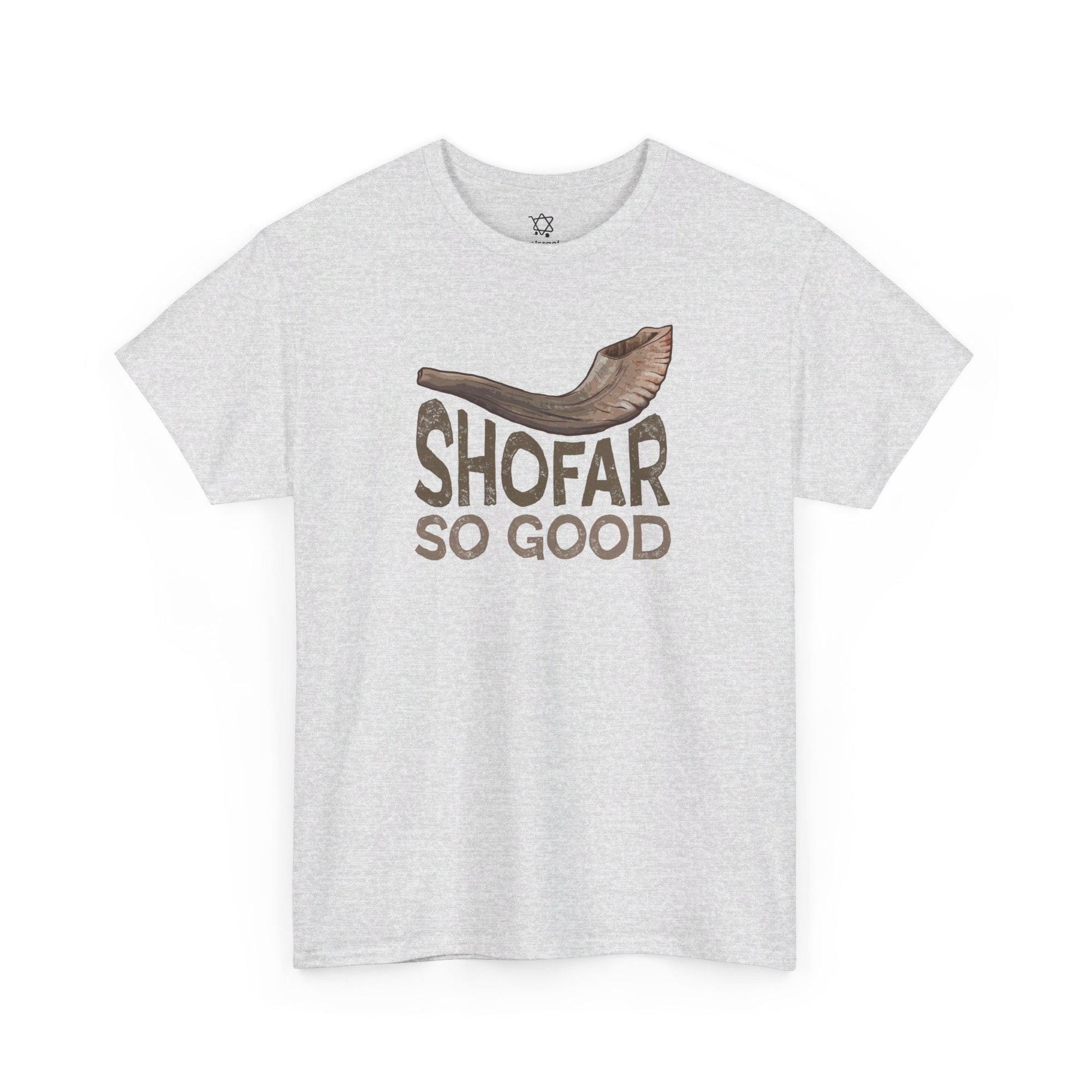
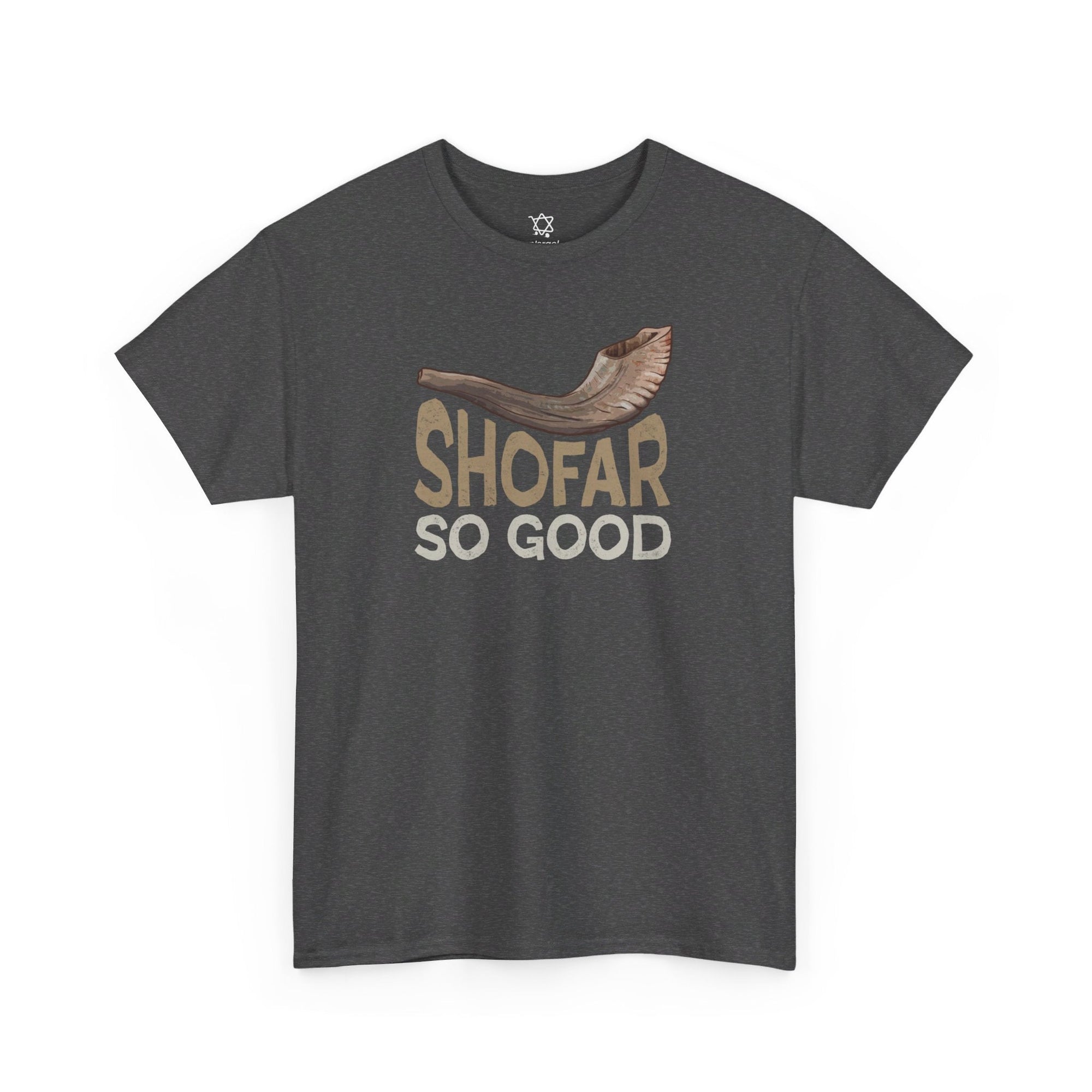
If you are shopping for the season rather than for a ritual horn, Shop Israel leans into the celebration side of the High Holidays. Our playful Shofar So Good t-shirt puts the symbol front and center, and the wider Rosh Hashanah gifts collection gathers apparel and keepsakes for the New Year table. These are gifts and wearables that carry the spirit of the shofar. For a horn you intend to actually sound in shul, buy a certified kosher ram's-horn or Yemenite shofar from a specialist.
Related
- The shofar's historical and spiritual significance explained
- How the shofar shapes Jewish festival traditions and merchandising
- Shofar-inspired products, from tradition to trend
Last updated July 2026.