

Short answer: The shofar is an ancient Jewish wind instrument made from the horn of a kosher animal, most traditionally a ram. It is one of the oldest ritual instruments still in use, and it appears throughout the Hebrew Bible, announcing sacred and civic moments from the revelation at Mount Sinai to the Jubilee year. Spiritually, its raw, piercing blasts serve as a call to repentance, awakening, and remembrance of God. Its central use today is on Rosh Hashanah and at the close of Yom Kippur, when hearing its sound is a core mitzvah of the Jewish New Year season.
What the shofar is and what it means
The shofar is not a musical instrument in the ordinary sense. It produces only a few raw notes, and it is valued for its primal, wailing sound rather than for melody. It is made by hollowing out, shaping, and polishing the horn of a kosher animal, most traditionally a ram, though the horns of other kosher species such as goats or antelopes may be used. A cow or ox horn is not used, in part because it would evoke the sin of the Golden Calf (Chabad.org).
The ram's horn carries a specific memory. In the Binding of Isaac, a ram is caught in a thicket and offered in Isaac's place (Genesis 22), so sounding a ram's horn recalls that moment of mercy, and the horn's bent shape is traditionally read as a symbol of humility before God (Chabad.org). The instrument is chosen for what it recalls, not for how it sounds, and that is part of what gives it its weight.
The shofar through the Hebrew Bible
The word shofar first appears in the Torah at the revelation at Mount Sinai, where a loud and growing shofar blast heralds God's descent and the giving of the Ten Commandments (Exodus 19:16), tying the instrument forever to divine encounter and awe (Judaica Webstore). From there it punctuates the defining moments of ancient Israel.
The Torah commands a day of blowing, Yom Teruah, on the first day of the seventh month (Leviticus 23:24; Numbers 29:1), the biblical basis for sounding the shofar on Rosh Hashanah. The horn also marked civic and military turning points: it announced the Jubilee, or Yovel, year on Yom Kippur every fifty years, when land reverted to its owners and debts were released, and seven priests sounded shofars as Joshua's forces encircled Jericho (Chabad.org). The Jubilee's Hebrew name, Yovel, is itself linked to the ram's horn. The shofar also sounded at the anointing of kings, and in the Temple period it announced the new moon and the approach of Shabbat.
The sound and its spiritual call
On Rosh Hashanah exactly one hundred blasts are sounded, built from three sound types: tekiah, one long note; shevarim, three broken wails; and teruah, nine or more staccato bursts, often ending in an extended tekiah gedolah (Chabad.org). The shofar is blown during the daytime of Rosh Hashanah, but not when the first day falls on Shabbat, out of the rabbinic concern against carrying and work on the Sabbath, in which case it is sounded only on the second day.
Its enduring spiritual reading comes from Maimonides, who wrote in the Mishneh Torah (Laws of Repentance 3:4) that although the mitzvah is a divine decree, the shofar hints: "Wake up, sleepers, from your sleep... search your ways and return in repentance and remember your Creator" (Sefaria). A single long tekiah gedolah also marks the close of the Neilah service that ends Yom Kippur. Across these settings the recurring theme is a summons: to attention, to memory, to repentance, and to renewed connection with God. For many, the shofar also carries a note of hope and redemption, associated in tradition with future ingathering and deliverance.
Bringing the shofar's spirit into the season
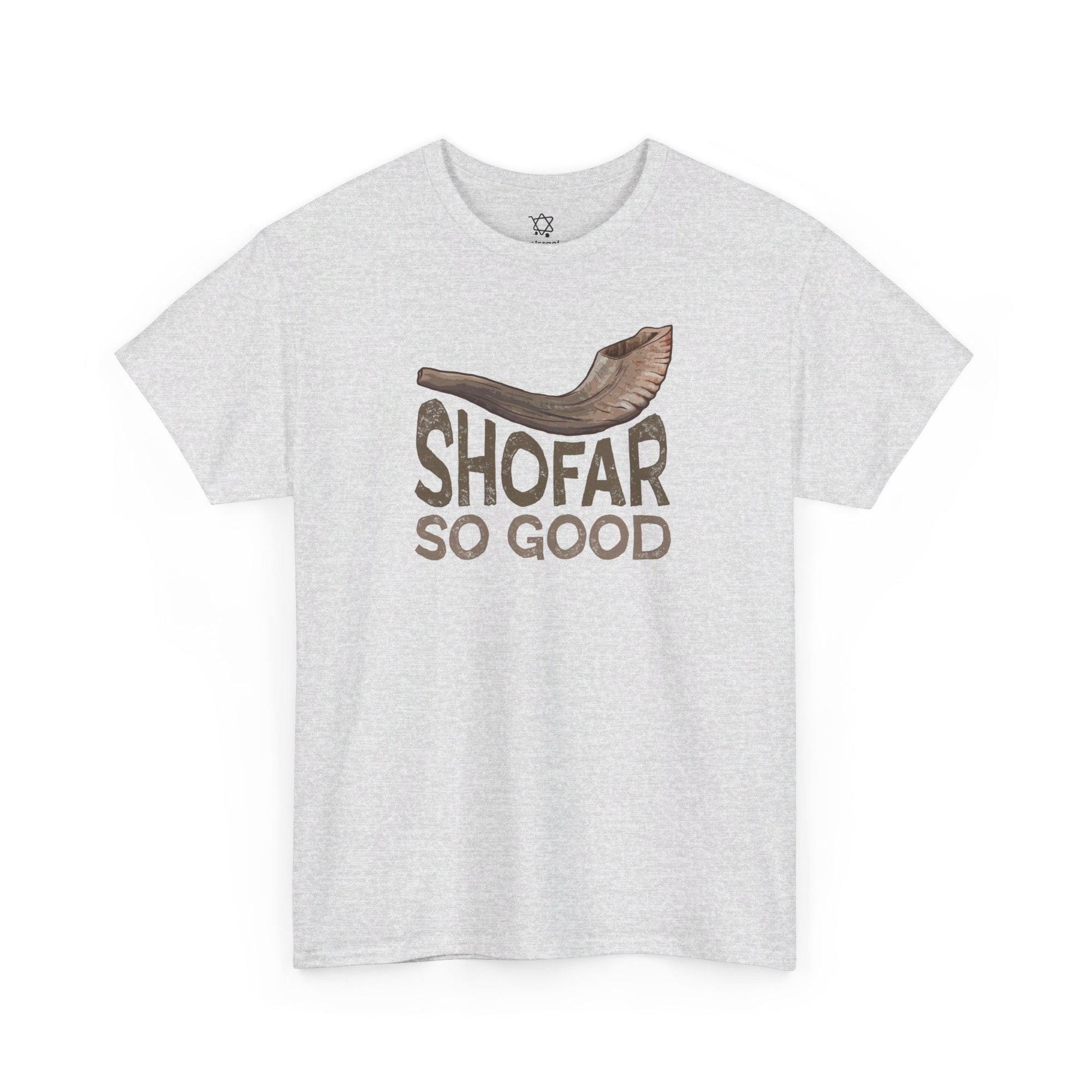
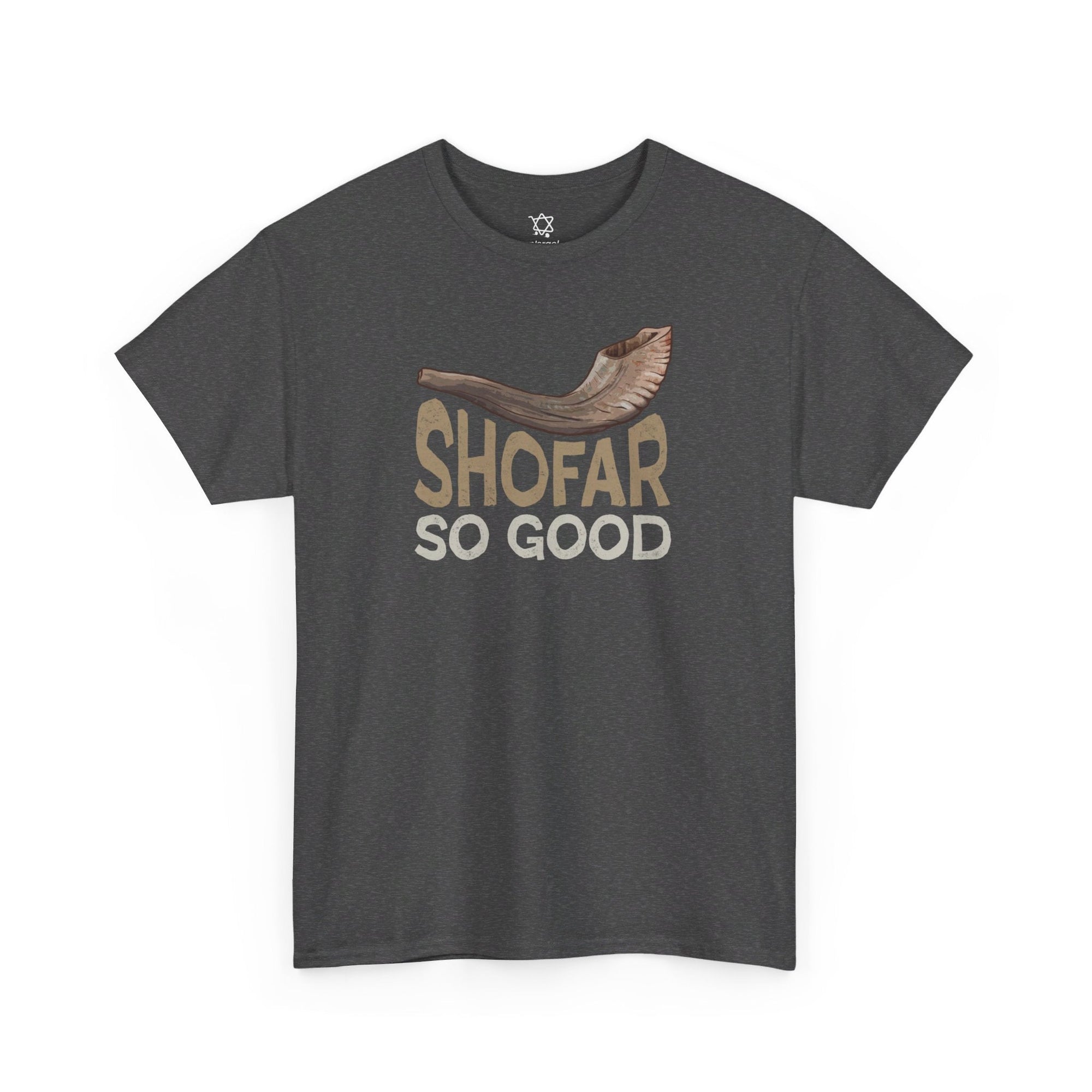
You cannot bottle the sound of a shofar, but you can carry its spirit into your home and your holiday table. The shofar's primary season is the High Holidays, and a thoughtful piece can be a warm way to mark Rosh Hashanah and Yom Kippur, or to gift someone celebrating them. For a lighter touch, the playful Shofar So Good t-shirt wears the tradition with a smile.
If you are shopping for the season, browse Shop Israel's High Holidays collection for Rosh Hashanah and Yom Kippur pieces made in Israel, a simple way to bring meaning, and a connection to the Land, into the days when the shofar calls.
Related
- Top Jewish Symbols and Their Meaning
- How the Shofar Shapes Jewish Festival Traditions
- The Historical Significance of the Shofar in Jewish Culture
Last updated July 2026.