

Short answer: The shofar is a ram's horn sounded as a ritual instrument in Judaism, most prominently on Rosh Hashanah and at the close of Yom Kippur, where its piercing blasts serve as a call to repentance, spiritual awakening, and the "coronation" of God as king. Its ram's horn form recalls the Binding of Isaac, and across the Bible it heralded pivotal moments: the giving of the Torah at Sinai, the fall of Jericho, the Jubilee year, and the anointing of kings. Today it remains a living symbol of Jewish identity and renewal, blown at communal and Israeli national moments and given as a cherished, heritage-rich gift for milestones such as a Bar or Bat Mitzvah.
What is a shofar?
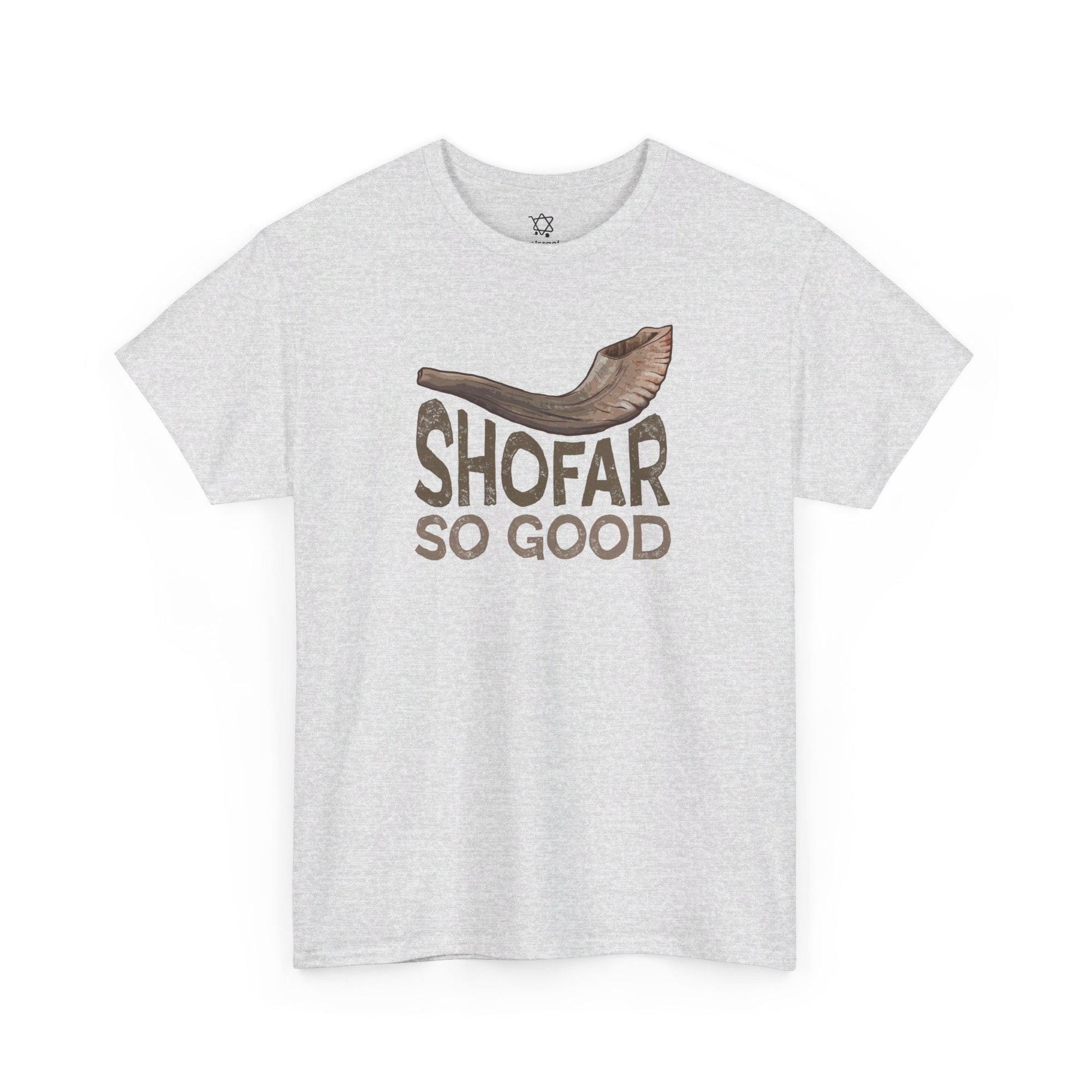
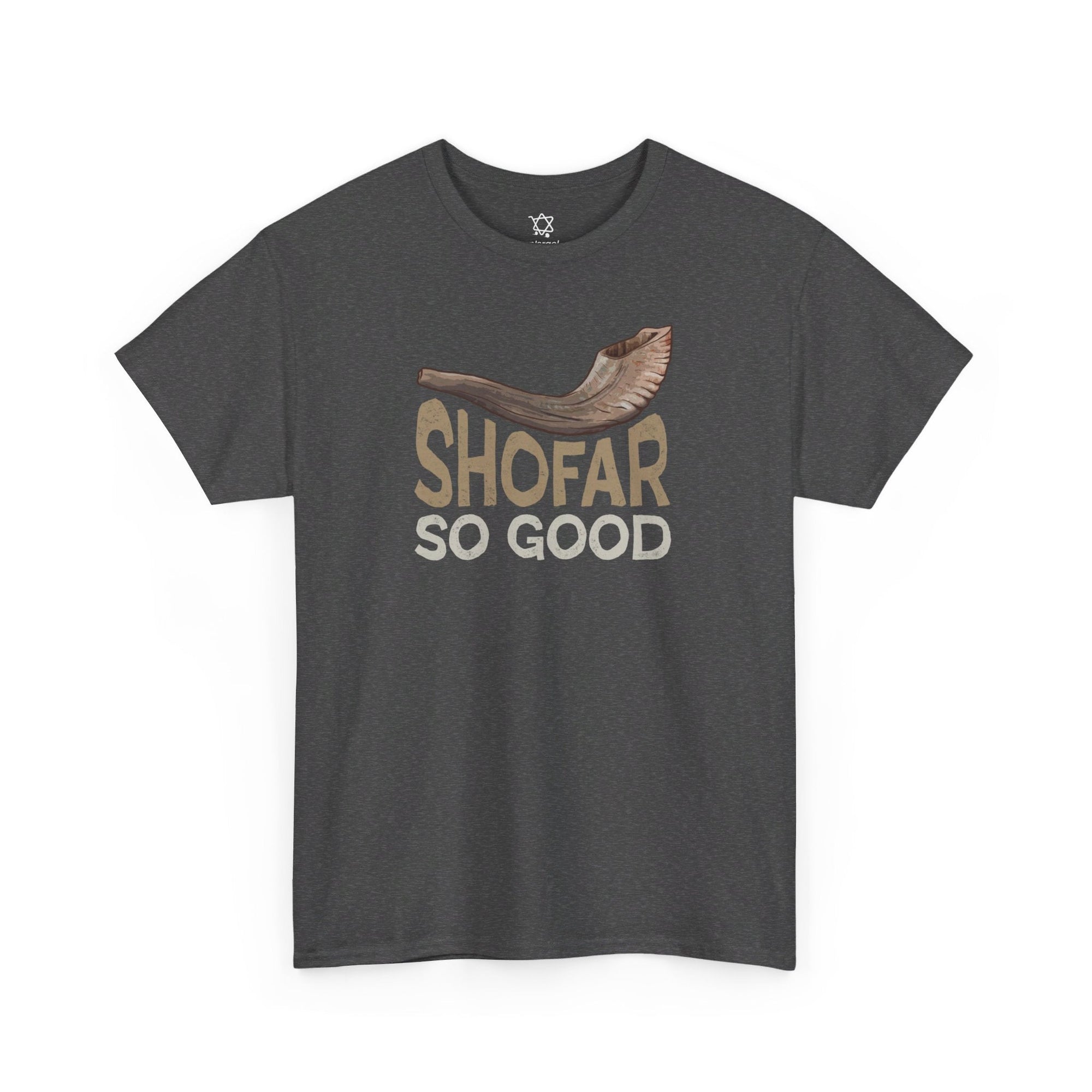
The shofar is one of the oldest ritual instruments still in regular use, traditionally made from a ram's horn. Jewish law requires it to come from the horn of a kosher animal, which is why a cow's horn is disqualified (its horn is called a keren, not a shofar), a distinction often tied to avoiding a reminder of the Golden Calf. Longer, dramatically spiraled shofarot are made from the kudu antelope horn and are known as Yemenite shofars. The ram's horn form is not incidental. It recalls the Binding of Isaac (the Akedah), the ram that Abraham offered in place of his son, a lasting symbol of faith, devotion, and humility before God.
Across the Hebrew Bible, the shofar marks turning points. It sounded at the giving of the Torah at Mount Sinai, helped bring down the walls of Jericho, proclaimed the Jubilee (yovel) year, and announced the anointing of kings. It also heralded the New Moon and signaled in battle, appearing at nearly every pivotal moment in the nation's early story.
The blasts that wake the soul
The shofar's central annual role comes on Rosh Hashanah, the Jewish New Year, which the Torah describes as a day of blasting. A total of 100 blasts are sounded across the service using four distinct sounds: tekiah (one long blast), shevarim (three short wails), teruah (nine or more staccato bursts), and a concluding tekiah gedolah, an especially long final note. When the first day of Rosh Hashanah falls on Shabbat, the shofar is not blown that day, and a single blast traditionally marks the end of the Yom Kippur fast.
Layered on the ritual are centuries of meaning. In the 10th century, Saadiah Gaon enumerated ten things the shofar symbolizes, among them the coronation of God as King, the revelation at Sinai, the ram of Isaac, the Day of Judgment, the return from exile, and the coming of the Messiah. Two centuries later, Maimonides framed the blast as a wake-up call, rousing "slumbering souls" from spiritual complacency to reflect, repent, and return. That reading still anchors the shofar's meaning during the High Holy Days.
A shofar for the nation
Beyond the synagogue, the shofar carries powerful national resonance. In 1930, under the British Mandate, Rabbi Moshe Segal defied a British ban on shofar blowing at the Western Wall by sounding it at the close of Yom Kippur. His arrest, and his release after Chief Rabbi Kook intervened, launched a decades-long tradition of defiant Yom Kippur blasts at the Wall, as recounted by both Aish and the Gal Einai institute.
The image grew even more iconic on June 7, 1967. After Israeli forces captured the Old City of Jerusalem in the Six-Day War, IDF Chief Rabbi Shlomo Goren blew the shofar at the newly liberated Western Wall, a scene documented by Aish and the Jewish Virtual Library. It fused the ancient horn with the modern reality of Jewish return and national renewal.
Carrying the shofar's spirit into modern gifts
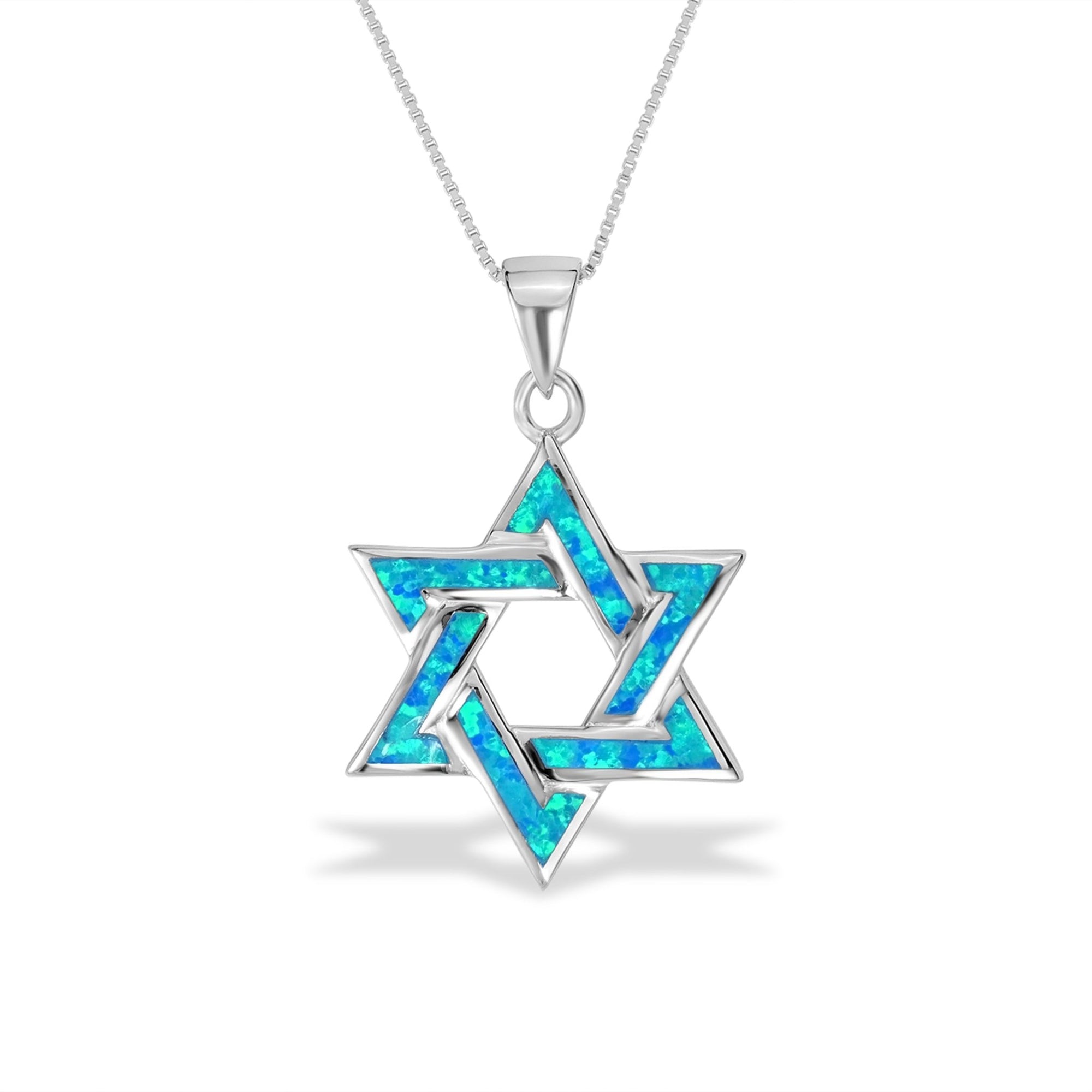
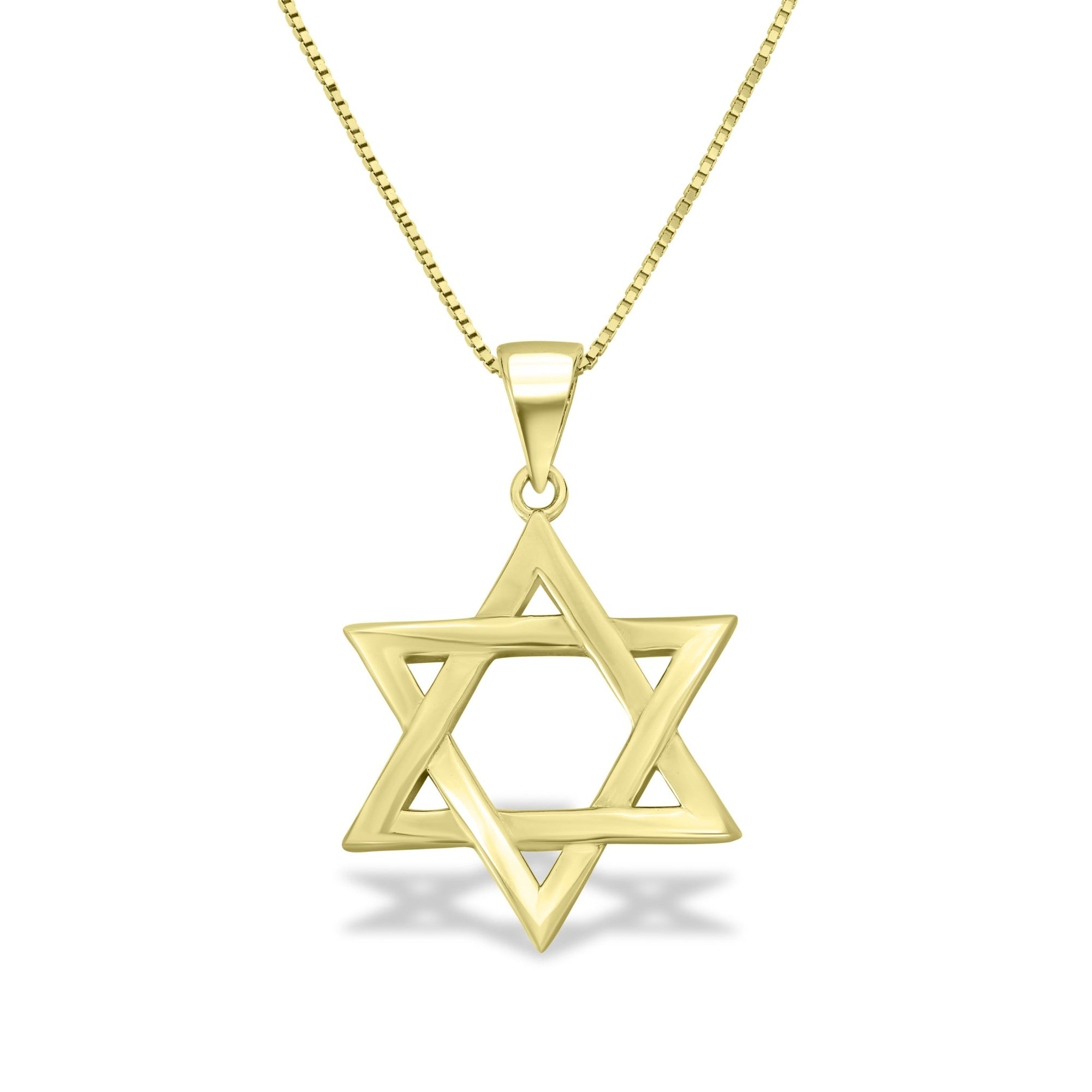
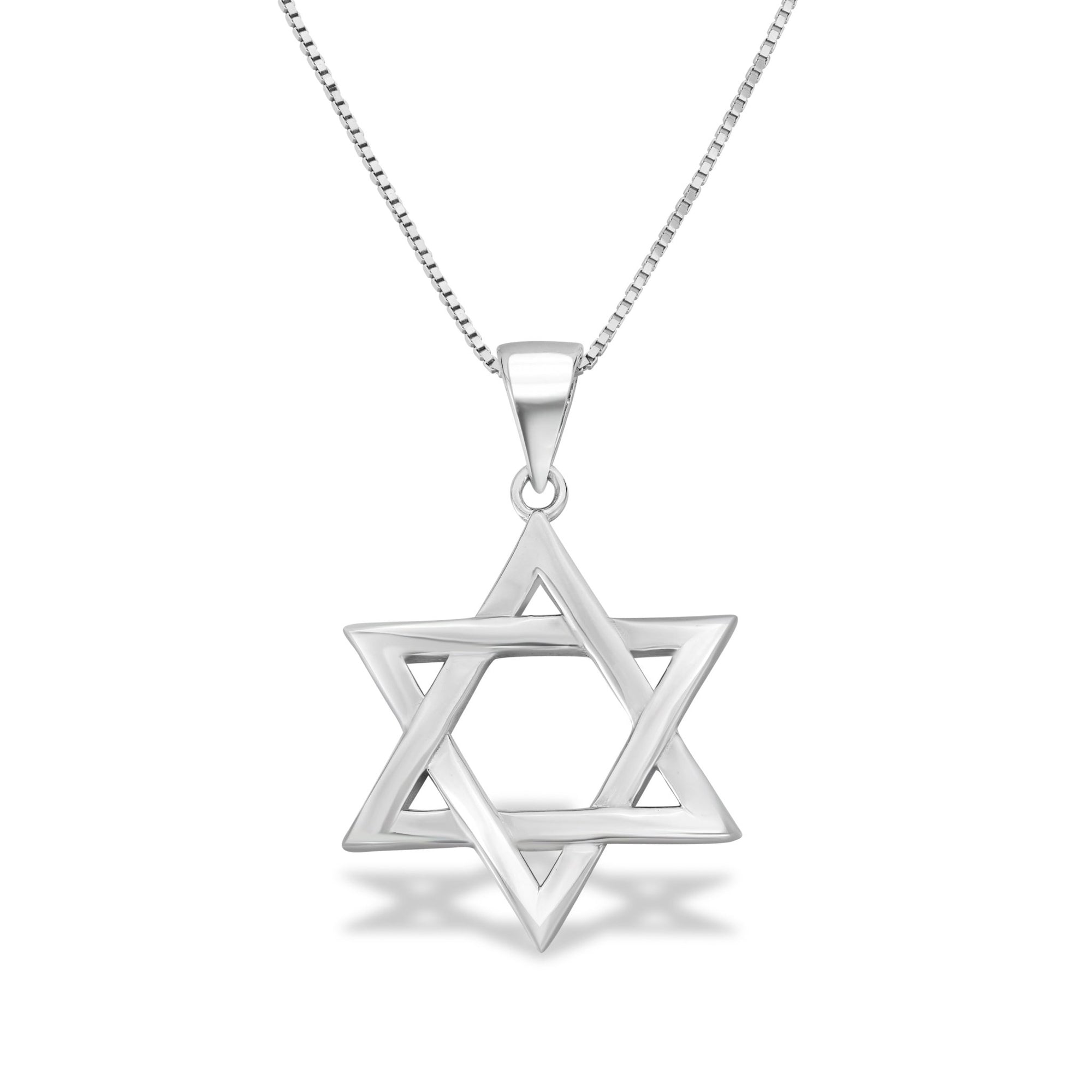
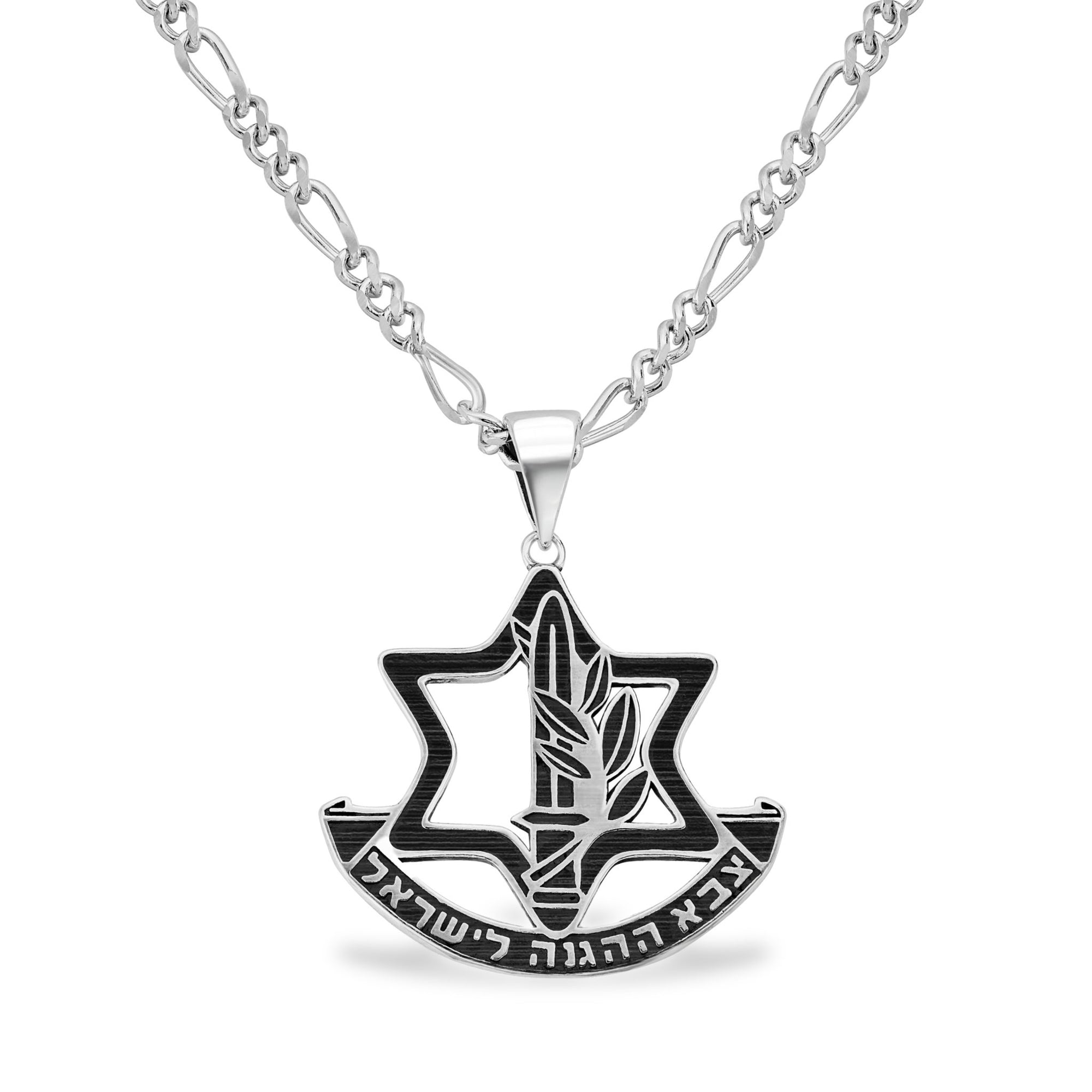
The shofar's blast cannot be gift-wrapped, but its meaning travels well. The horn itself has long been given as a heritage-rich present, especially for a Bar or Bat Mitzvah, sold as a functional ram's horn or a longer spiraled Yemenite horn and often paired with a display stand as a lasting emblem of heritage. The same instinct, marking a milestone with something that carries Jewish identity, is why meaningful jewelry endures as a gift. If you want a keepsake that speaks to that spirit of renewal and belonging, our Jewish Symbols Jewelry collection gathers Star of David, Hamsa, and other heritage pieces designed to be worn and passed down.
Shop the collection: Jewish Symbols Jewelry, heirloom pieces for the milestones a shofar's blast celebrates.
Related
- The shofar's historical and spiritual significance, explained
- How the shofar shapes Jewish festival traditions
- Top Jewish symbols and their meaning
Last updated July 2026.