

Short answer: The shofar is an ancient wind instrument, most traditionally a ram's horn (though the kudu antelope and other kosher-animal horns are used), that is hollowed, shaped, and polished, then sounded chiefly during the Hebrew month of Elul, on Rosh Hashanah, and at the close of Yom Kippur. Its blasts call the Jewish people to repentance, renewal, and awareness of divine kingship, echoing the ram of the Binding of Isaac, the revelation at Mount Sinai, and the fall of Jericho. In the present day that heritage reaches beyond the ritual horn into shofar-inspired jewelry, hand-painted decorative horns, and home decor, especially from Israeli artisans.
What the shofar is and where it comes from
Halachically, a shofar must come from the horn of a kosher animal, one that has split hooves and chews its cud. That rule permits rams, goats, and antelopes but excludes the cow, whose horn is treated as a separate category and is deliberately avoided: it evokes the sin of the Golden Calf, and tradition reasons that the prosecutor should not double as the defense on the Day of Judgment. The ram's horn is preferred above all others because it recalls the Akedah, the Binding of Isaac, when Abraham offered a ram caught in a thicket in place of his son (Chabad.org).
The ram is preferred, but it is not the only horn in use. The Yemenite community commonly sounds the long, spiraled horn of the kudu, an African antelope; because it comes from a kosher animal it is fully valid, and such horns are often left in their natural, unshaped state rather than straightened (Orthodox Union). The shofar is also one of the oldest wind instruments still in continuous use. In ancient Israel it announced the New Moon and the Sabbath, proclaimed the anointing of a king, declared war, summoned the people to assembly, and marked the arrival of the Jubilee year.
The sounds and the story behind them
The shofar is sounded on every weekday of the month of Elul, on Rosh Hashanah, and once more at the close of Yom Kippur, with 100 blasts blown across the service on Rosh Hashanah itself. Three blast types carry the ritual: tekiah, a single long blast; shevarim, three medium sighing bursts; and teruah, at least nine short staccato cries (My Jewish Learning). Each is understood to voice a different register of human crying and awakening. The tekiah rings out as a note of coronation and triumph, announcing divine kingship, while the shevarim and teruah are heard as sighing and sobbing that call the listener inward toward introspection and repentance.
Those sounds also carry the weight of some of Scripture's most dramatic scenes. At Mount Sinai, as God descended to give the Torah, the text describes thunder, lightning, a thick cloud, and the blast of an exceedingly loud shofar that grew louder and louder (New World Encyclopedia). At the conquest of Jericho, seven priests carried seven shofars around the city walls for seven days; on the seventh day, after circling seven times, the shofars sounded, the people shouted, and the walls of the city fell (New World Encyclopedia). To hear the horn today is to stand inside that lineage of revelation, deliverance, and awe.
From tradition to trend: shofar-inspired products
Traditional working shofars are still crafted in Israel. Barsheshet-Ribak Shofarot Israel, co-owned by Eli Ribak, is documented as one of the country's largest shofar producers, turning raw horns sourced from Africa and the Middle East into finished instruments through straightening, cutting, drilling, molding the mouthpiece, and polishing (Jewish Telegraphic Agency). Smaller makers, such as Kol Shofar in the Golan, keep the craft alive at a workshop scale.
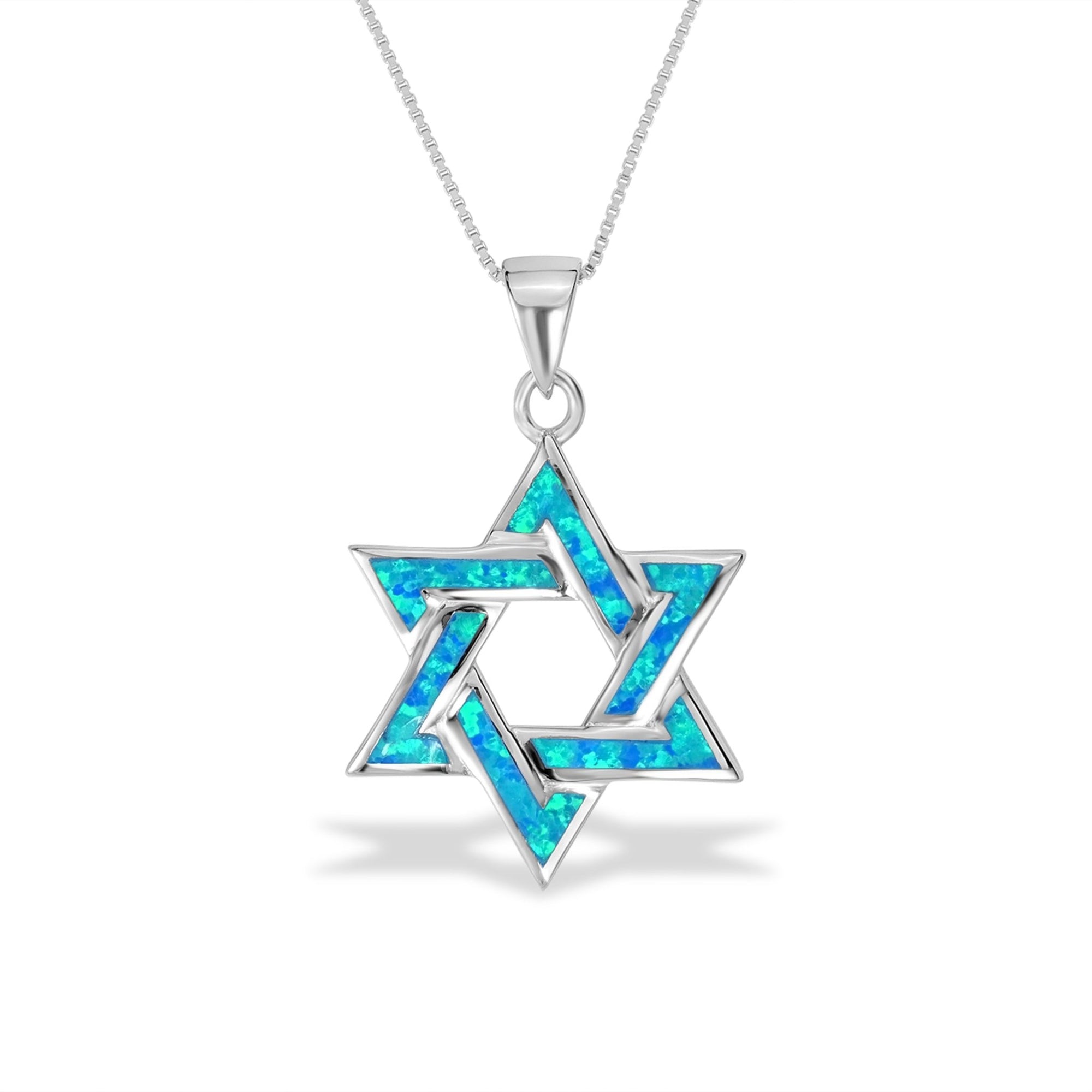
Alongside the ritual horn, contemporary Israeli artisans have carried the symbol into everyday objects: sterling silver Yemenite and classic shofar necklaces, silvered ram's-horn replicas and miniatures for the home, and hand-painted Yemenite shofars decorated with Jerusalem skylines and biblical motifs (aJudaica). This "tradition to trend" turn is a present-day phenomenon, a modern design vocabulary drawn from an ancient object, rather than a documented old product lineage.
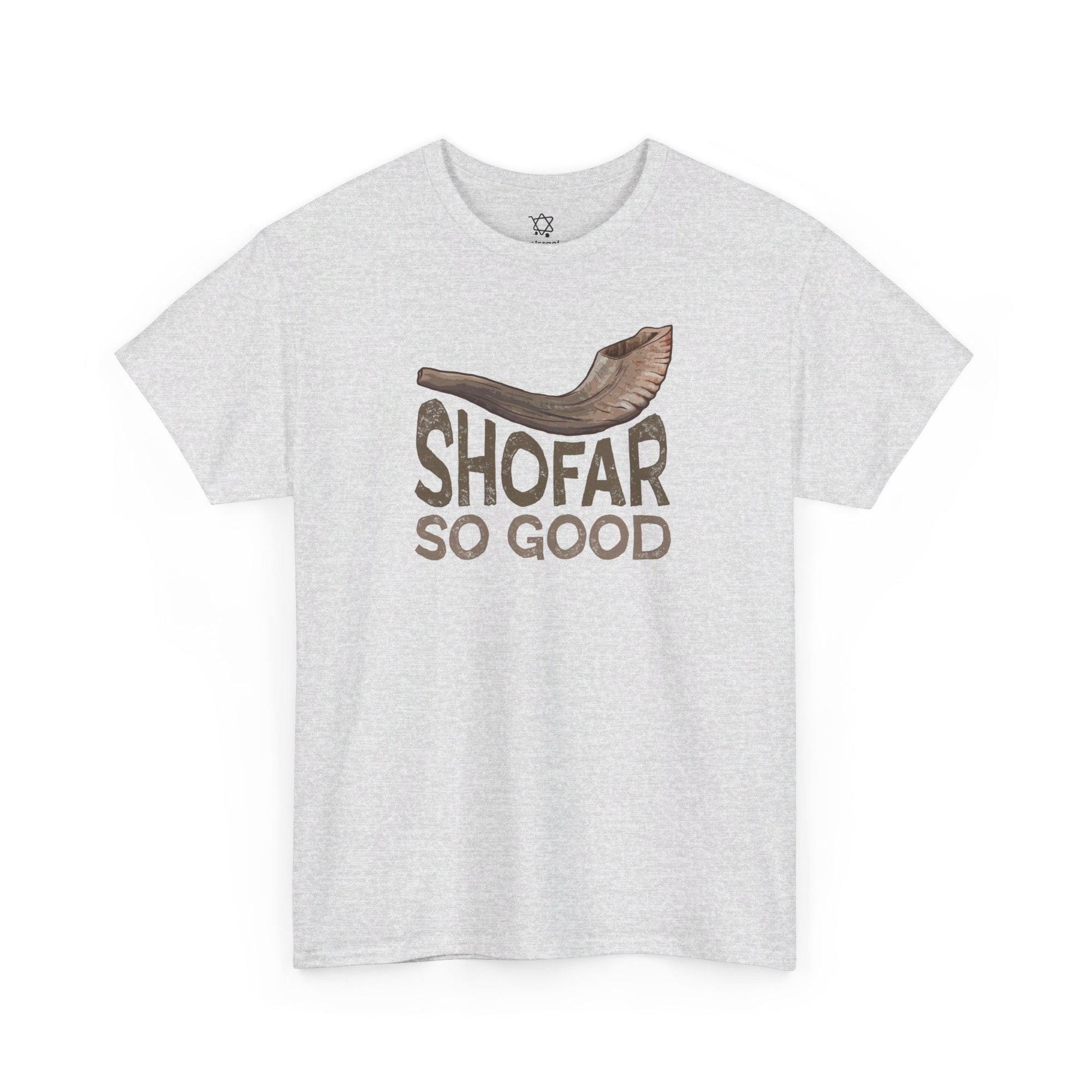
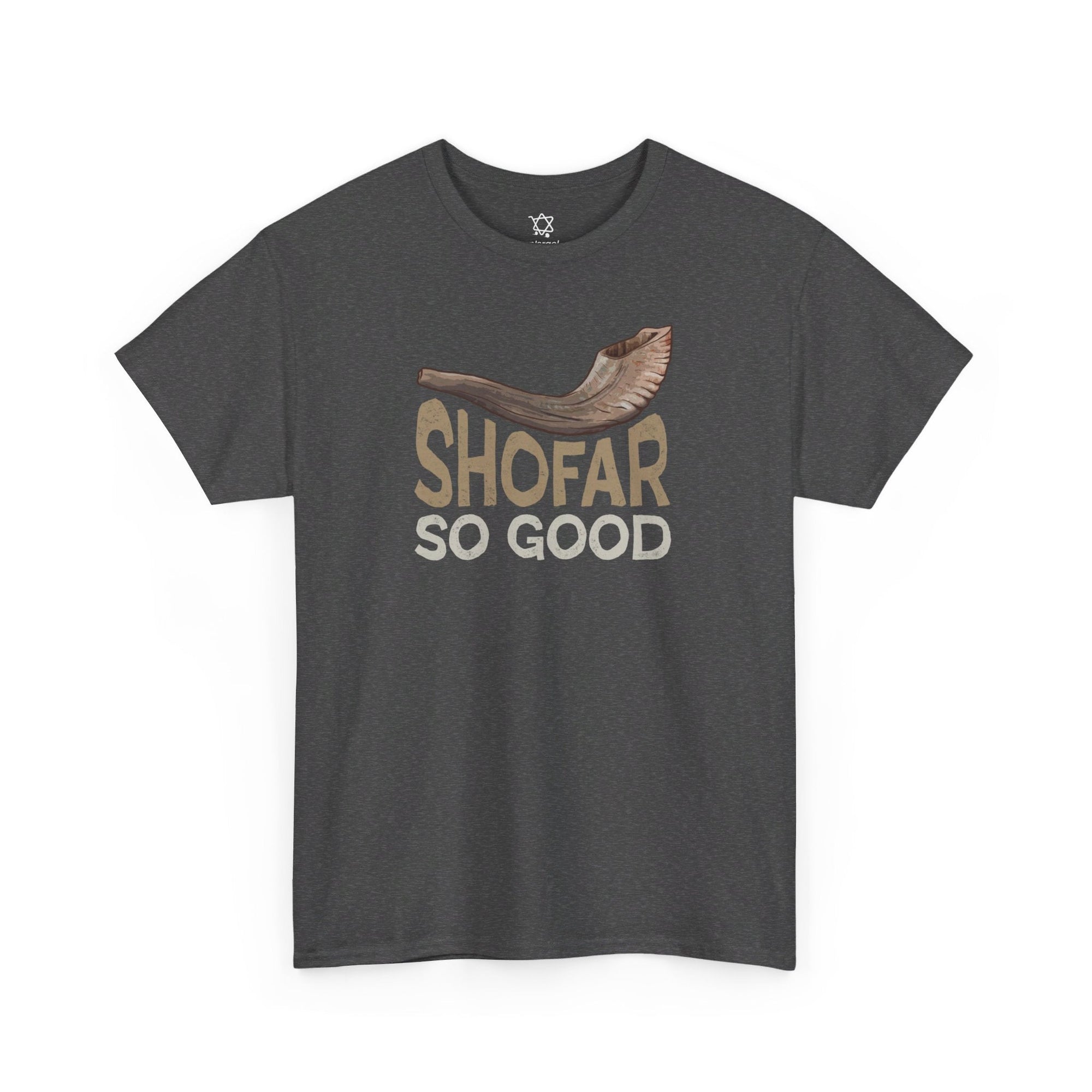
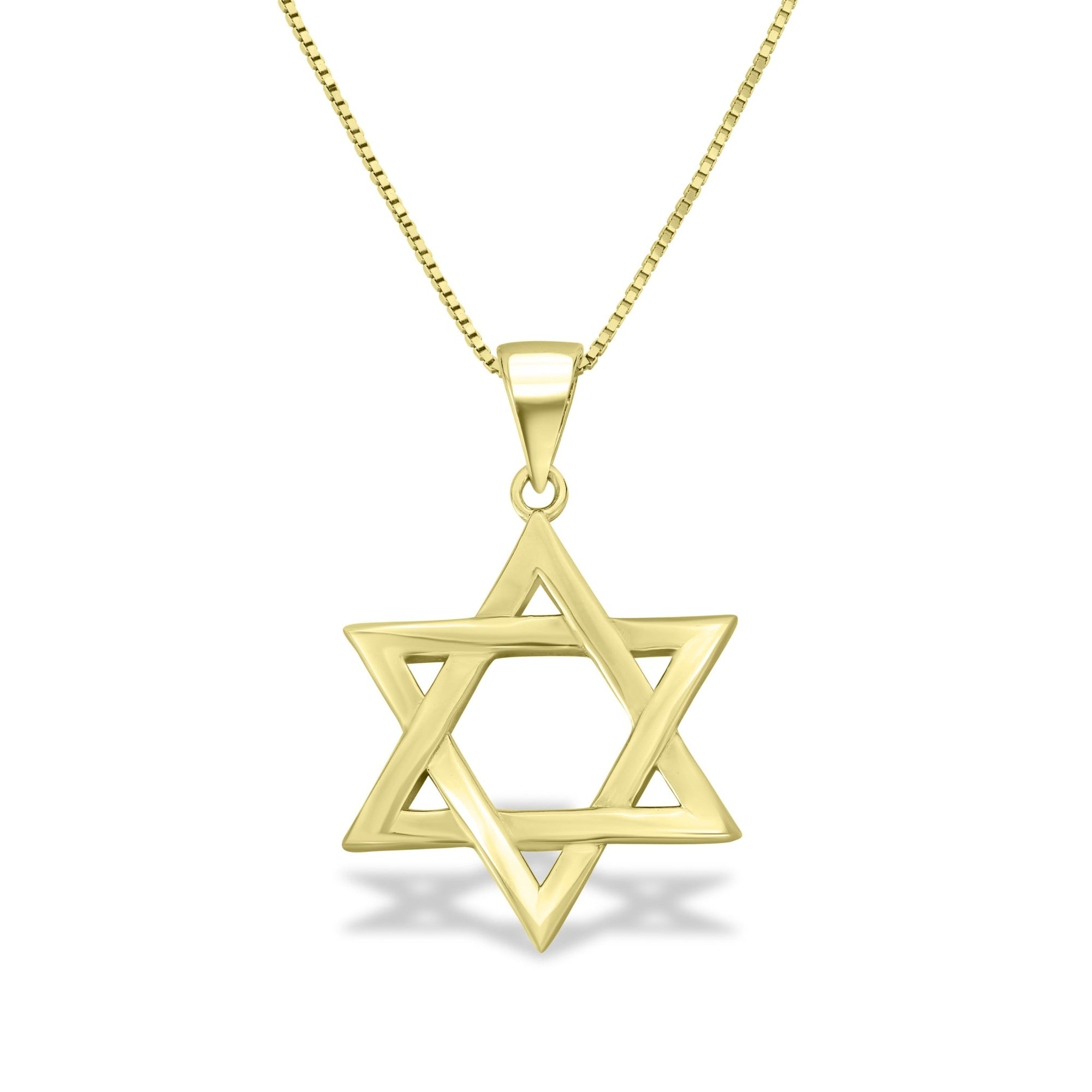
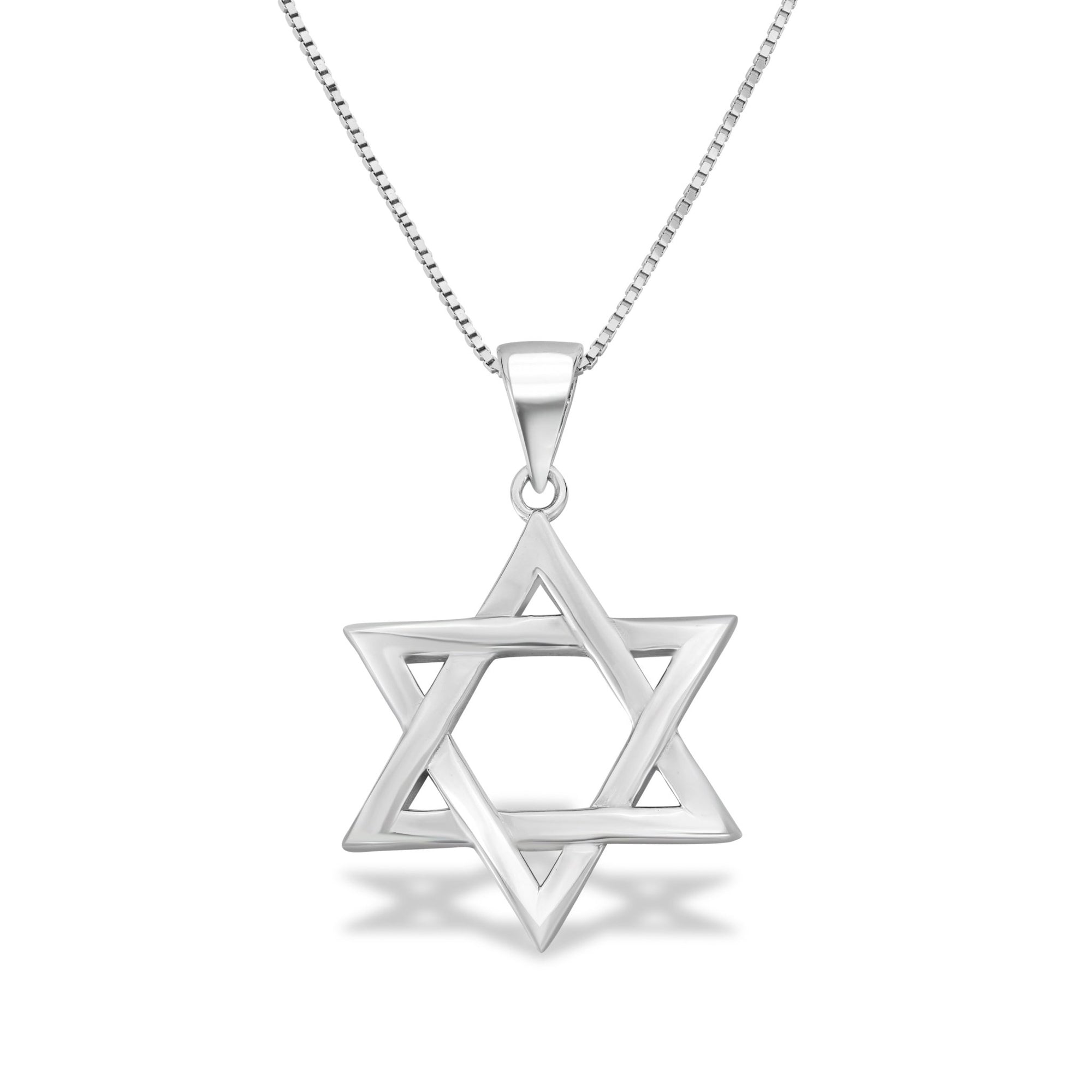
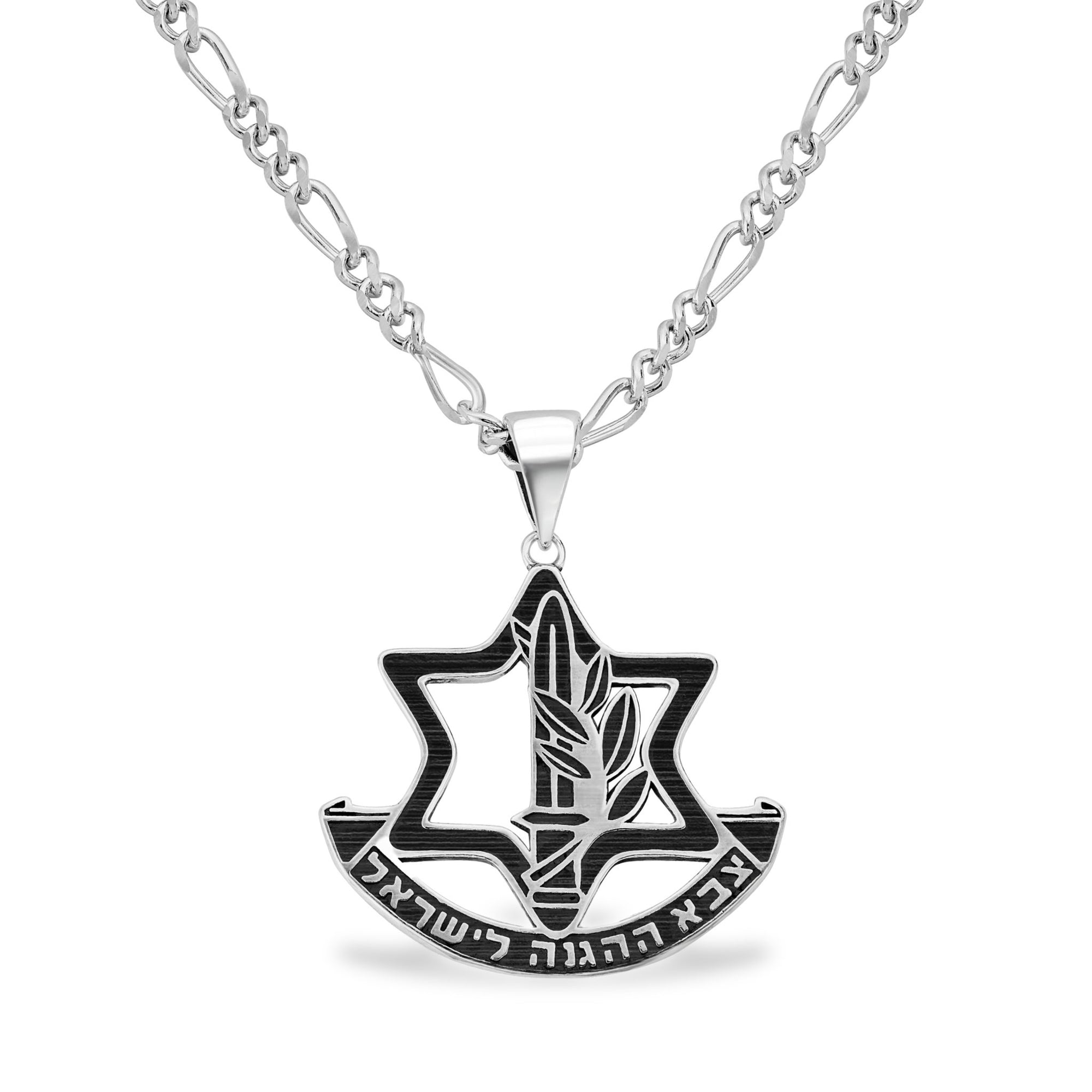
If you want to wear or gift that symbolism, our Jewish symbols jewelry collection gathers pieces built around heritage motifs, and for something lighthearted our Shofar So Good t-shirt plays on the same imagery. Each keeps the shofar's meaning close, whether the season is Elul, Rosh Hashanah, or any day you want a reminder of renewal.
Related
- The Shofar's Historical and Spiritual Significance Explained
- How the Shofar Shapes Jewish Festival Traditions and Merchandising
- Shofar Traditions and Merchandise for Contemporary Fans
Last updated July 2026.