

Short answer: The shofar is an ancient Jewish ritual instrument made from a hollowed, shaped, and polished animal horn, most often a ram's horn (the long, spiraled Yemenite version comes from the kudu, an African antelope). It is sounded through the month of Elul, on Rosh Hashanah, and at the close of Yom Kippur as a call to repentance, spiritual awakening, remembrance, and recognition of God's kingship. Because the ram's horn recalls the Binding of Isaac, shofar-inspired artifacts (hand-painted or silver-adorned horns and decor bearing shofar, Menorah, Lion of Judah, and Star of David motifs) carry layered meanings of heritage, faith, and identity.
What the shofar means and why it is sounded
The shofar is one of the oldest continuously used ritual instruments in the world, and one of the few Temple-era objects still central to Jewish practice today. In the Bible it serves as a signal-horn of many purposes: it accompanies the giving of the Torah at Sinai, topples the walls of Jericho, proclaims the Jubilee year of release (Leviticus 25:9), heralds the new moon, and rallies armies. The Hebrew word for jubilee, yovel, itself means ram's horn (Orthodox Union).
Each fall, tradition layers three ritual themes onto the sound: God's sovereignty and coronation as King, remembrance and the merit of the Binding of Isaac, and the messianic hope of the "great shofar" that will gather the exiles. The blasts themselves have names, tekiah, shevarim, teruah, and the closing tekiah gedolah, and several are meant to evoke a crying or sobbing voice (My Jewish Learning). Around 1180 CE, Maimonides distilled the shofar's ethical charge into an image that still frames the High Holy Days, writing that the sound calls out, "Awake, O sleepers, from your sleep... search your deeds and return in repentance" (Mishneh Torah, Laws of Repentance 3:4).
From ram's horn to kudu: how shofars are made and decorated
A kosher shofar is made from the horn of a kosher animal that is not a bovine. The ram's horn is by far the most common, and it carries the Isaac symbolism directly: the Talmud (Rosh Hashanah 16a) explains that the ram's-horn shofar is sounded so that God will "remember the binding of Isaac," when a ram was offered in Isaac's place (My Jewish Learning). The dramatic, long spiraled Yemenite shofar comes instead from a kudu, an African antelope. In every case the horn is hollowed, straightened or shaped, and polished (Chabad.org).
Artisans often finish shofars as art, adding hand-painted Jerusalem scenes or trimming the horn with silver bands and crowns bearing the Star of David or the Lion of Judah. One point matters for anyone buying a shofar for ritual use, not just display: decoration and ritual fitness are not the same thing. Light, artisan decoration that leaves most of the horn intact is generally fine for the mitzvah, but heavy silver-plating or coverings that change the sound can render a shofar unfit for the commandment of hearing it on Rosh Hashanah and Yom Kippur, even though it stays a beautiful and fully blowable object (Yeshivat Har Etzion; Tallit Shop buyer's guide). If you want a shofar for the mitzvah, look for kosher certification. If you want a display or gift piece, you can choose freely on beauty.
The motifs on shofar artifacts: Menorah, Lion of Judah, Star of David
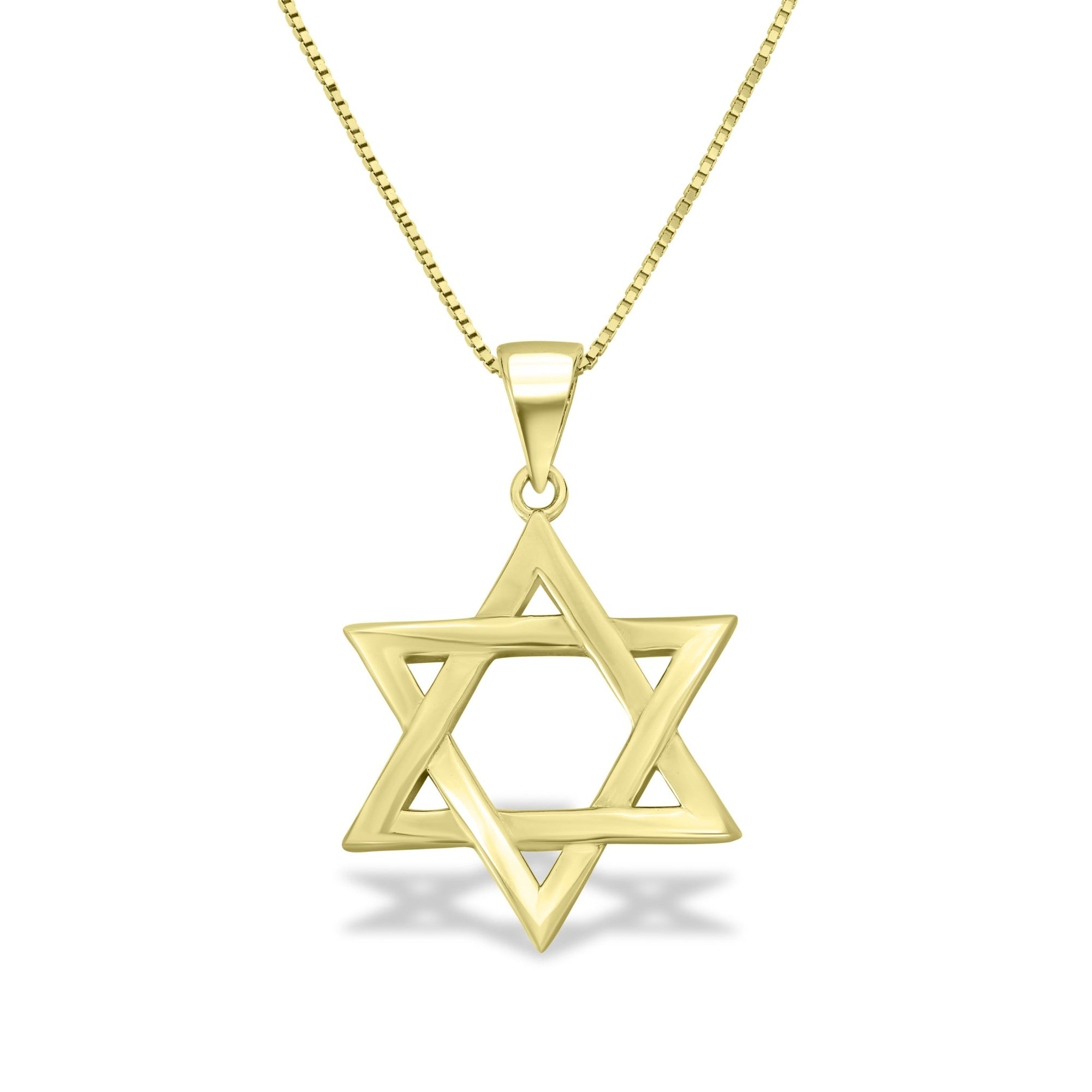
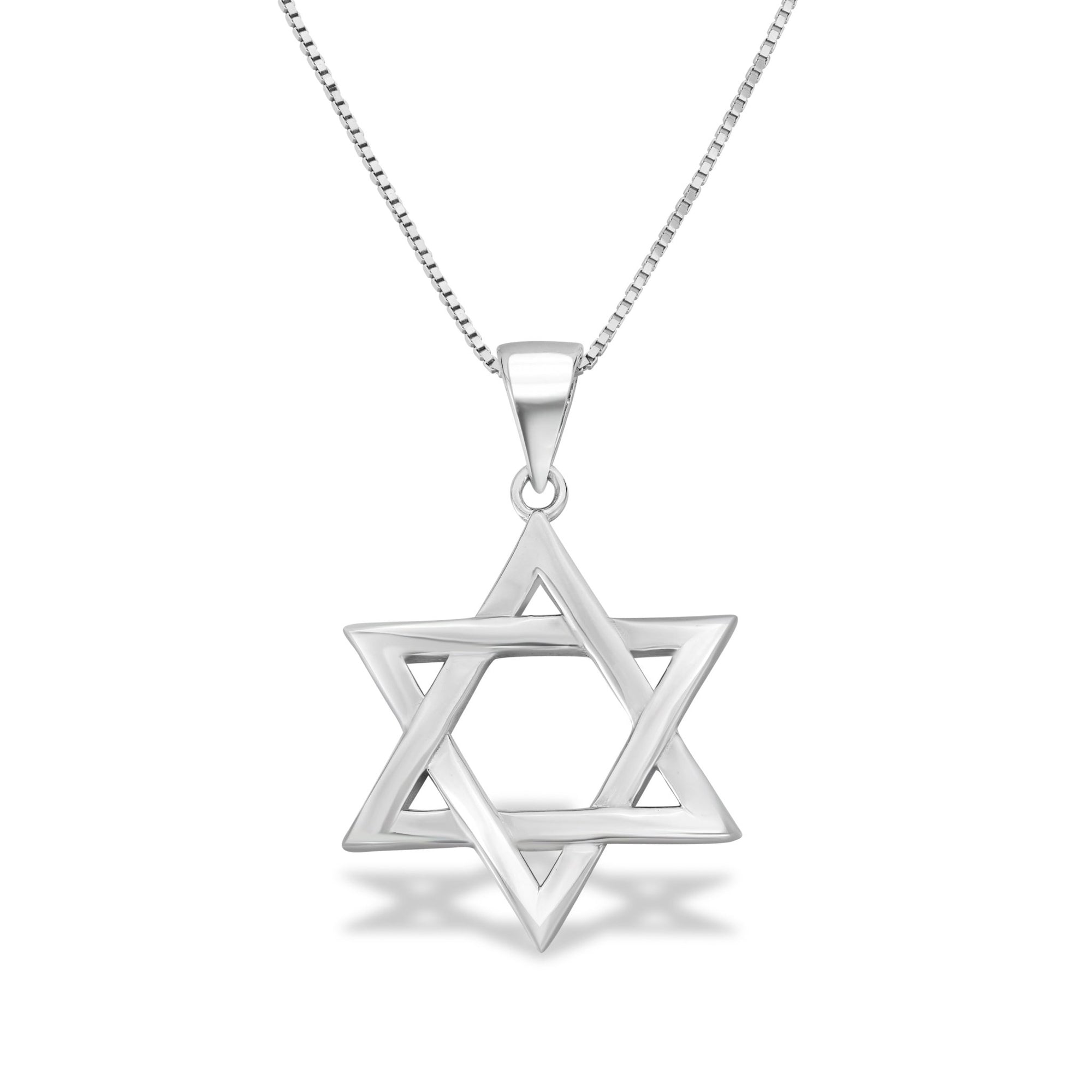
The same emblems that decorate shofars appear across Judaica, and they differ in age and authority. The Menorah is the oldest, described directly in the Torah as the seven-branched lamp of the Tabernacle and later the Temple. The Lion of Judah traces to Jacob's deathbed blessing, which calls his son Judah "a lion's cub," a symbol of strength, royalty, and leadership that became linked to the House of David and the tribe of Judah (BibleRef, Genesis 49:9). The Star of David (Magen David), by contrast, has no biblical or Talmudic basis. It was first used as an official communal emblem by the Jewish community of Prague and spread from the 17th century onward, then rose to prominence when the Zionist movement adopted it at the First Zionist Congress in 1897 (My Jewish Learning; Britannica). Knowing this history lets you read a shofar artifact not as a single symbol but as a small anthology of Jewish memory.
Bringing shofar symbolism into your home and wardrobe
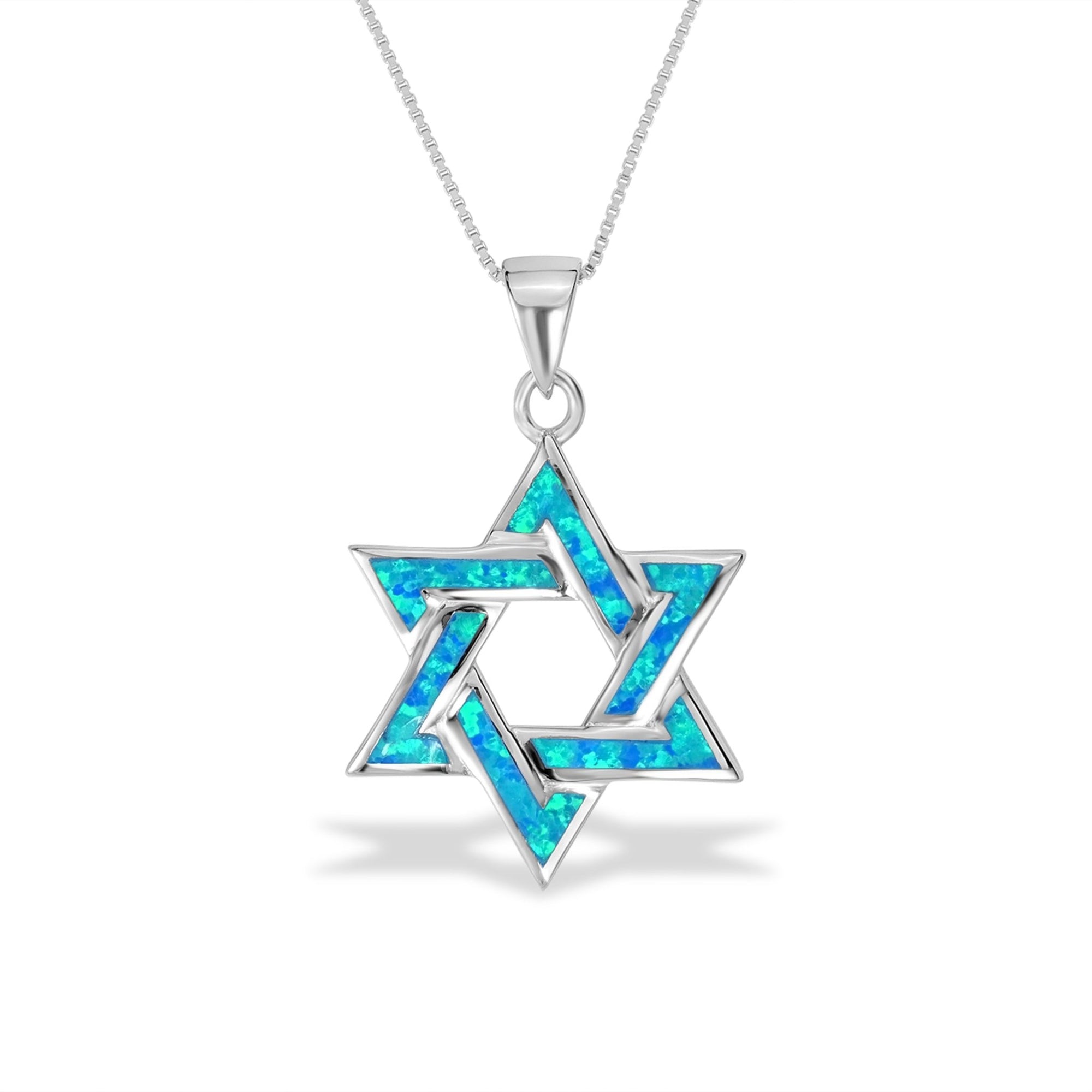
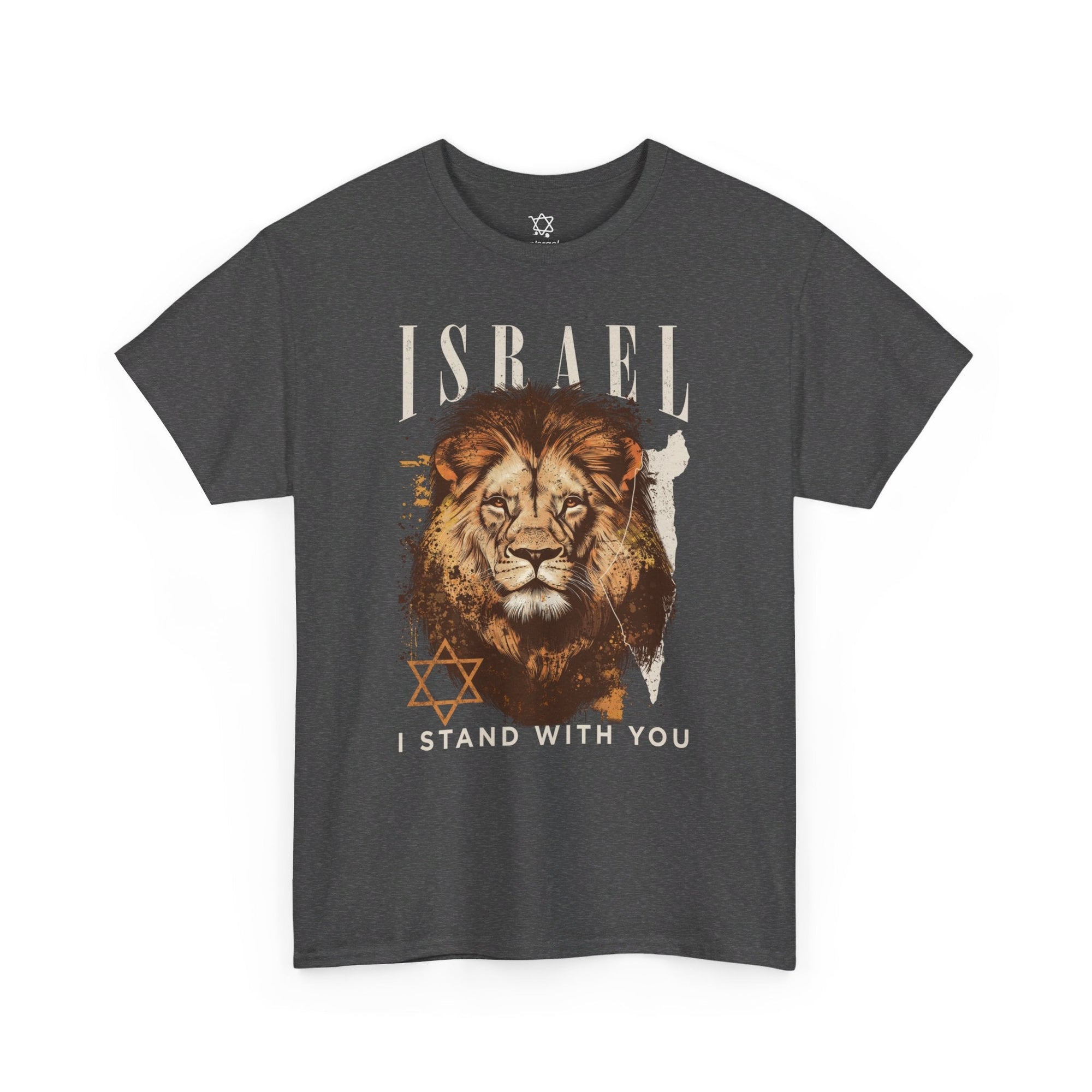
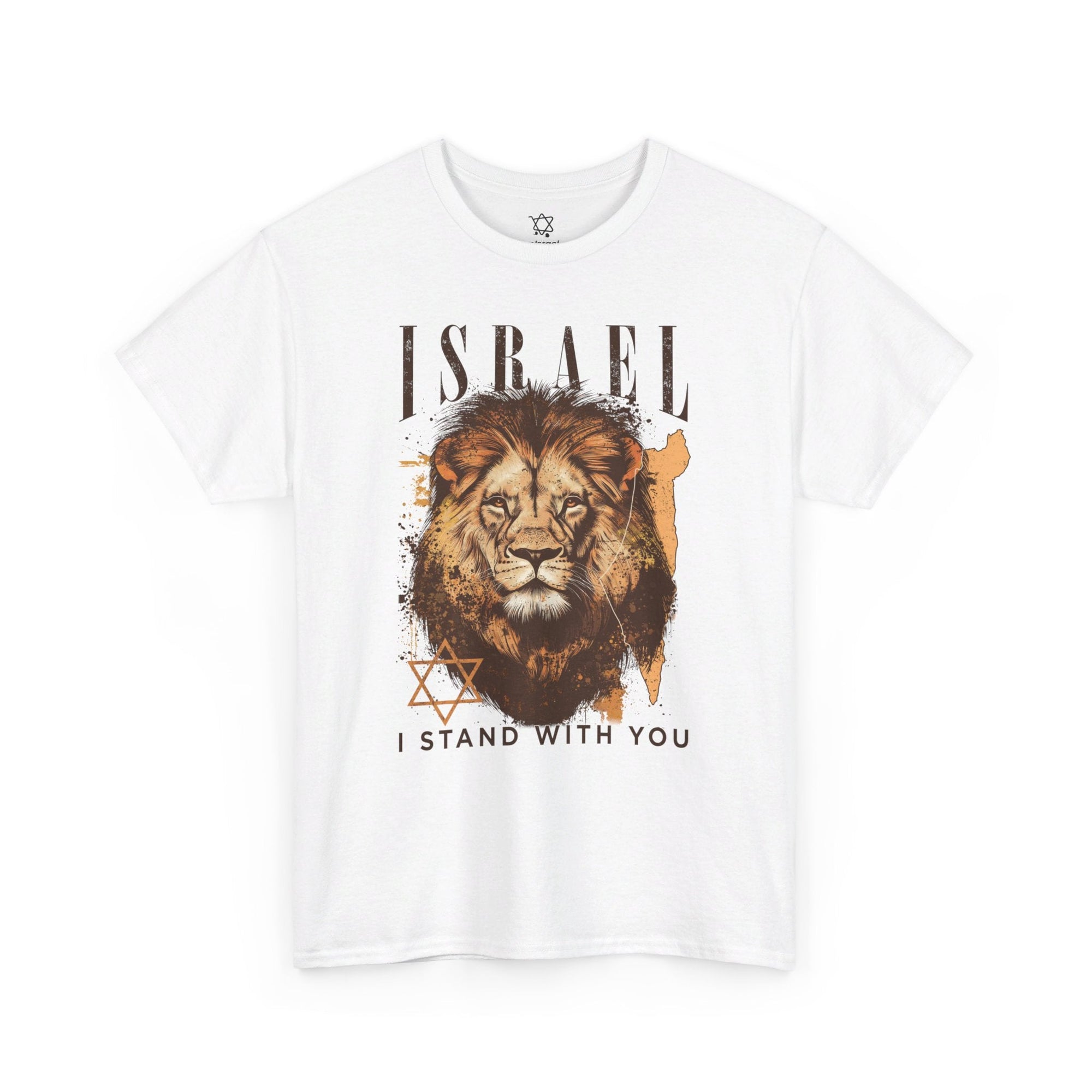
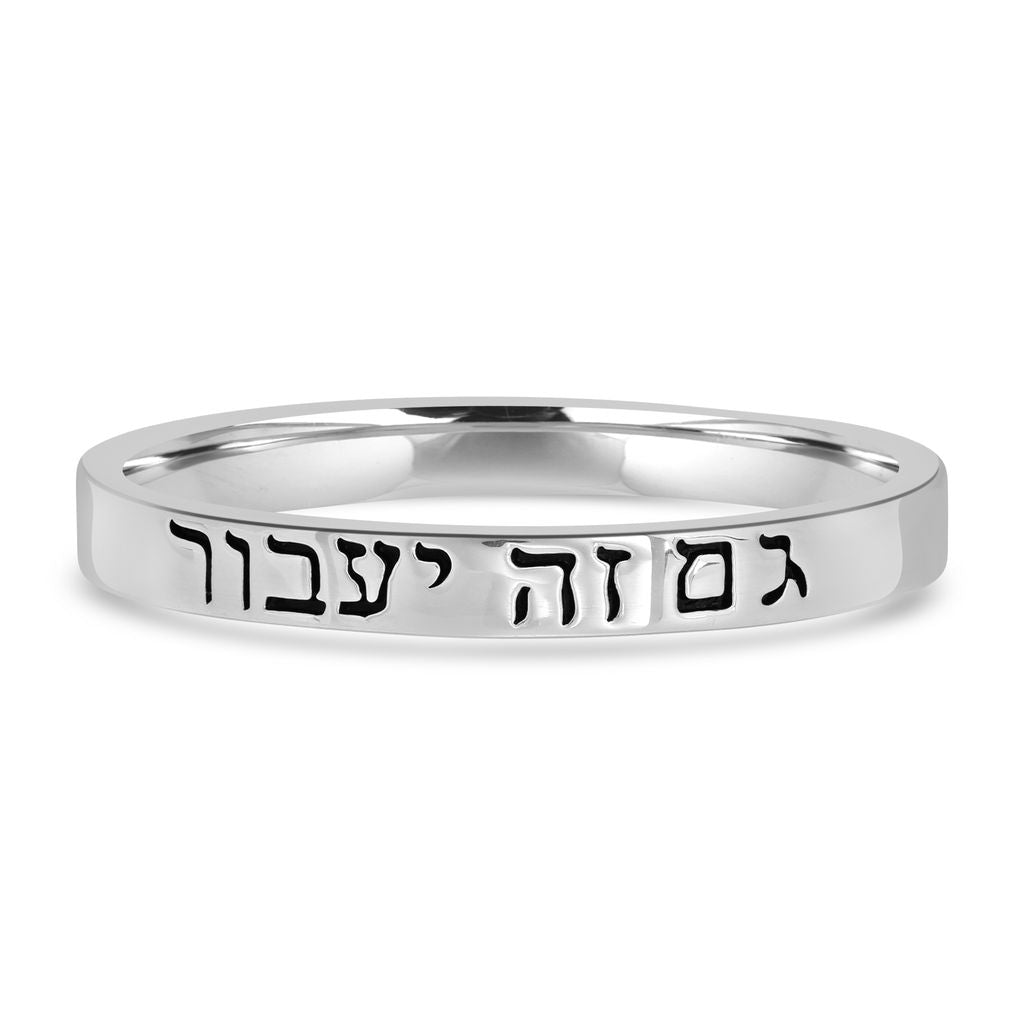
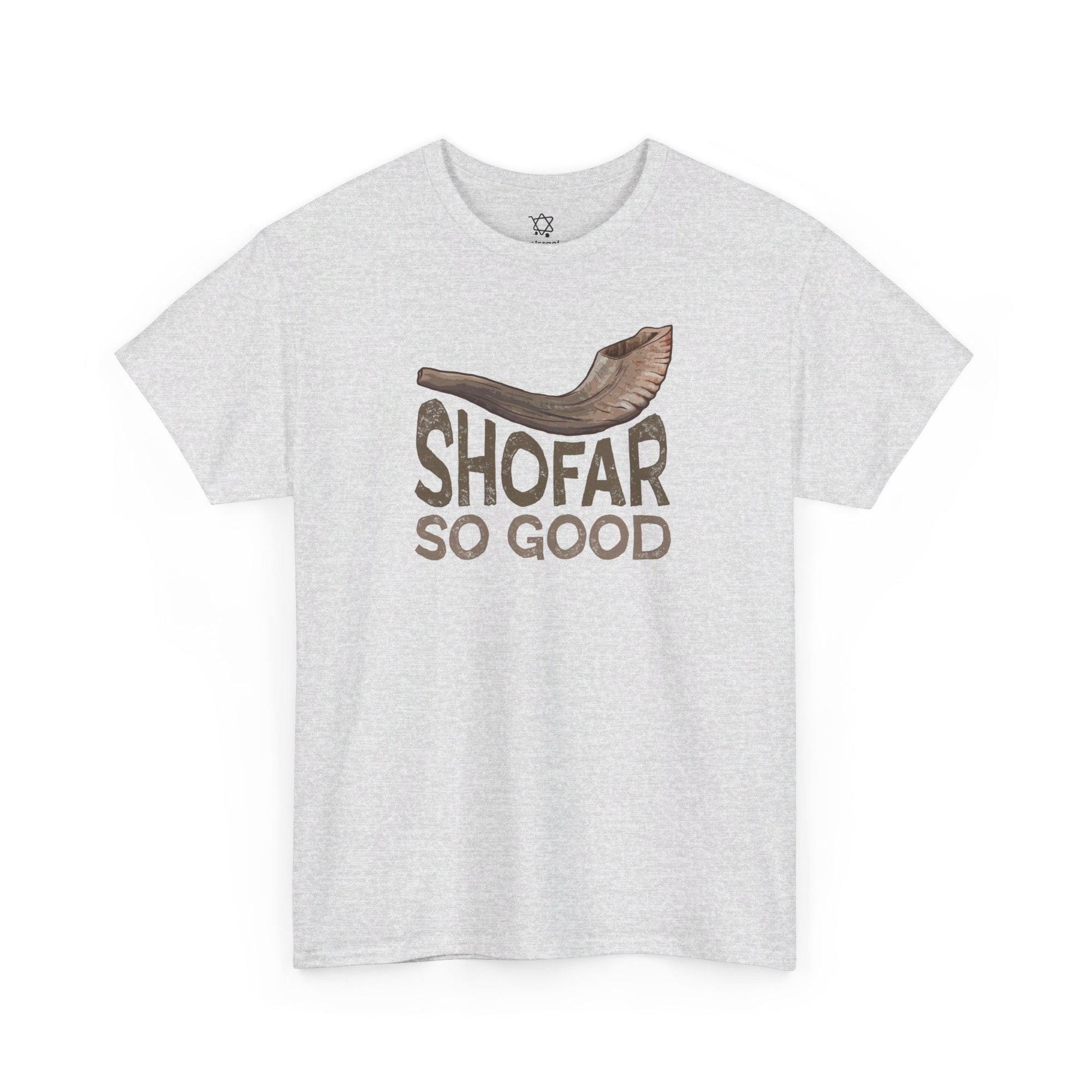
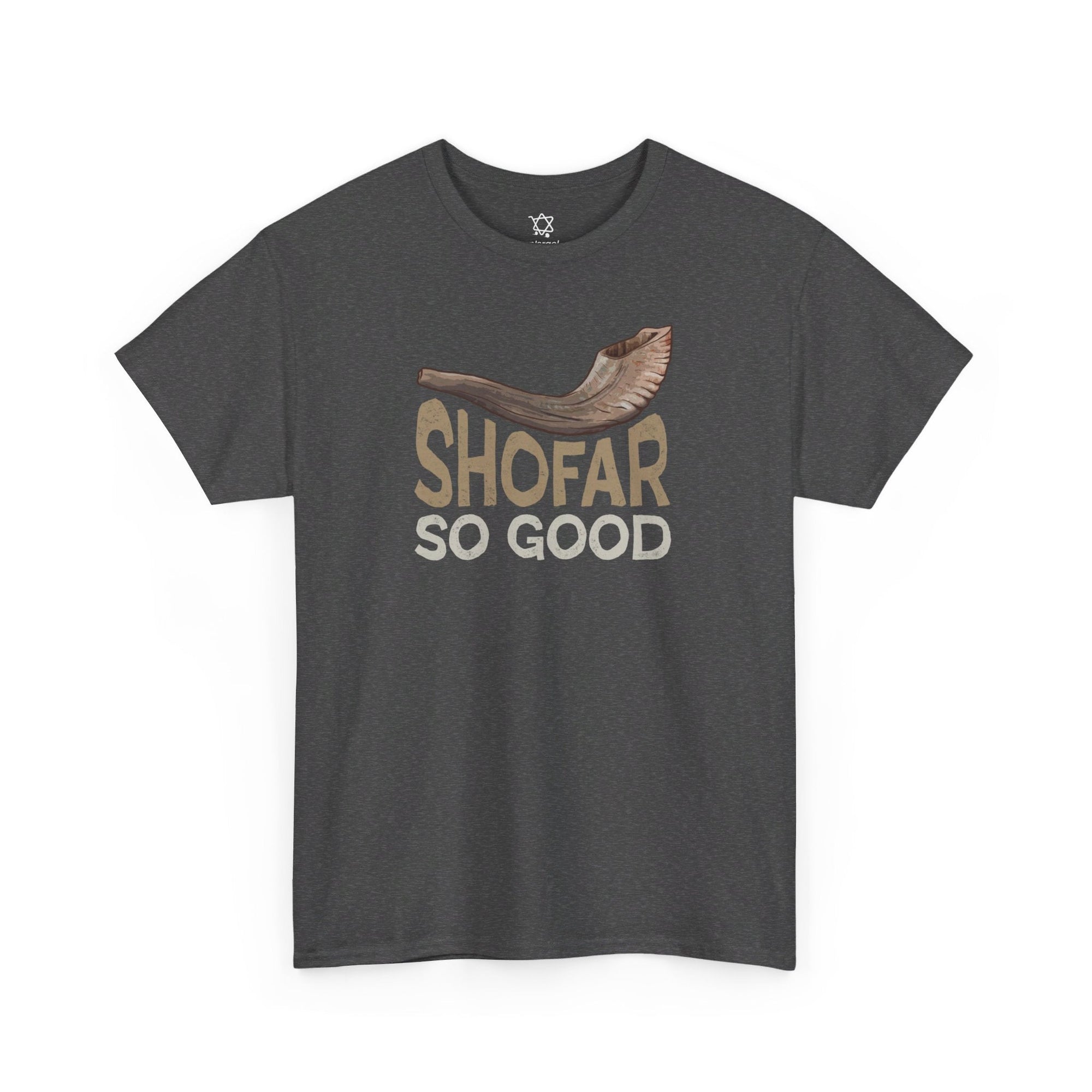
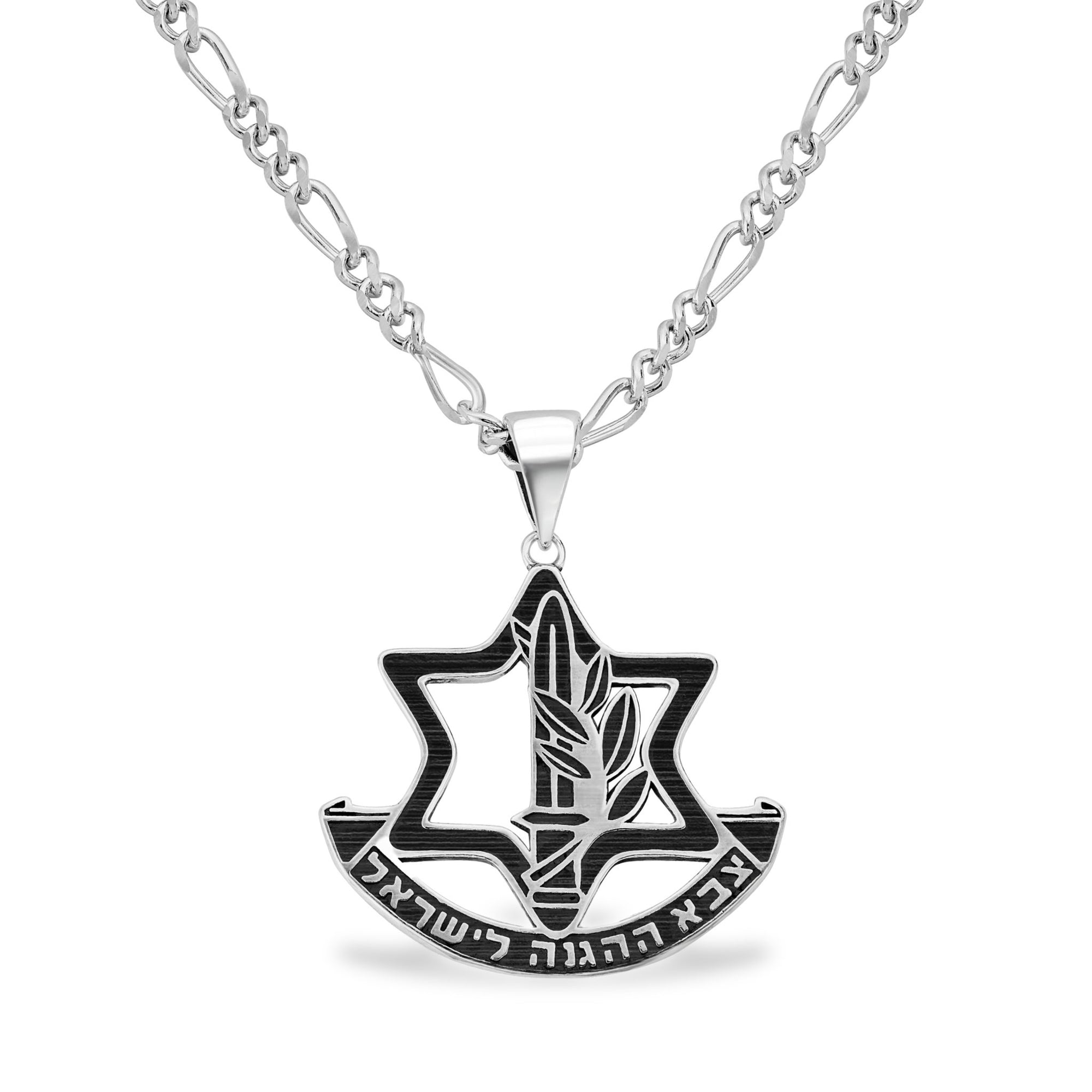
You do not need to wait for the High Holy Days to keep this heritage close. The motifs that adorn shofars, the Lion of Judah, the Menorah, and the Star of David, also live in wearable form. Our Jewish symbols jewelry collection gathers necklaces, rings, and charms built around these same emblems, so you can carry the meaning every day rather than once a year. For something lighter and a little playful, the shofar itself shows up on our Shofar So Good tee, a nod to the sound that opens the Jewish year.
Wear the meaning year-round
Heritage motifs like the Lion of Judah and Star of David, translated into everyday pieces.
Related
- The Shofar's Historical and Spiritual Significance Explained
- Lion of Judah Meaning
- Top Jewish Symbols and Their Meaning
Last updated July 2026.