

Short answer: The shofar is an ancient ritual horn, traditionally a ram's horn, and one of Judaism's oldest and most enduring symbols. Named more than 70 times in the Hebrew Bible, it is commanded for the first of Tishrei (Rosh Hashanah, also called "Yom Teruah," the day of blowing), and its piercing blasts call the Jewish people to repentance, spiritual awakening, and recognition of God's sovereignty. Its ram's-horn form recalls the Binding of Isaac, and across the centuries it has marked the covenant at Sinai, the Jubilee's proclamation of freedom, coronations, war, and the Jewish people's return to Jerusalem.
What the shofar is and where it comes from
The shofar is an animal horn, most often a ram's horn, sounded as a wind instrument. A valid shofar comes from a kosher animal, which is why a cow's horn is excluded: it evokes the sin of the Golden Calf. The horn appears more than 70 times in the Hebrew Bible, where it signaled festivals, coronations, processions, and war.
Tradition traces the ram's horn to the Binding of Isaac (the Akedah). In Genesis 22:13, a ram caught by its horns is offered in Isaac's place, and the ram's horn is said to recall Abraham's devotion and to awaken divine mercy. The horn's other defining biblical moment is Sinai: at the revelation described in Exodus 19:16-19, an ever-louder shofar blast accompanies God's descent and the giving of the Torah, one of the earliest scriptural mentions of the instrument.
The shofar through Jewish history
The command to sound the horn on the first of Tishrei comes straight from the Torah. Leviticus 23:24 calls the day a "zikhron teruah" (a remembrance of the blast) and Numbers 29:1 calls it a "yom teruah" (a day of blowing), the scriptural basis for sounding the shofar on Rosh Hashanah.
The horn also proclaimed freedom. In the Jubilee (Yovel) year, once every 50 years, a shofar blast was sounded on Yom Kippur throughout the land of Israel to proclaim liberty: land reverted to its original owners, debts were released, and indentured servants went free (Leviticus 25:9-10).
By the 2nd century CE, the scholars who compiled the Mishnah (the codification of Jewish oral law) fixed Rosh Hashanah on the first of Tishrei as the new year and understood it to commemorate the beginning of creation, formalizing the framework in which the shofar is heard. Centuries later, in the 12th century, Maimonides taught that although the shofar is a divine decree, its blast carries a moral message: "Wake up, you sleepers, from your sleep, and you who slumber, arise." That framing of the sound as a summons to repentance is still cited today.
The sounds, the season, and one point of accuracy
Jewish liturgy fixes three shofar sounds: tekiah (one long summoning blast), shevarim (three medium "broken" notes likened to weeping), and teruah (rapid staccato notes likened to an alarm). Built up across a service, these can reach about 100 blasts on Rosh Hashanah. Three themes anchor the day's meaning: Malchuyot (God's kingship), Zichronot (remembrance, including the Binding of Isaac), and Shofarot (the horn itself, from Sinai to the messianic future). A widespread custom, not a Torah law, is to sound the shofar on weekday mornings throughout the preceding month of Elul as a call to prepare for the Days of Awe.
One detail is worth stating precisely: the main day of shofar blowing is Rosh Hashanah, not Yom Kippur. On Yom Kippur the horn is customarily sounded only once, in a single closing blast at the end of the Neilah service, a custom some trace to the Jubilee blast (per Chabad.org). So the shofar is not blown through Yom Kippur the way it is on Rosh Hashanah. In our own era the horn remains a potent emblem of continuity and return, famously sounded at the Western Wall in Jerusalem, tying present-day Jewish identity back to its ancient covenant.
Bringing the shofar's meaning home
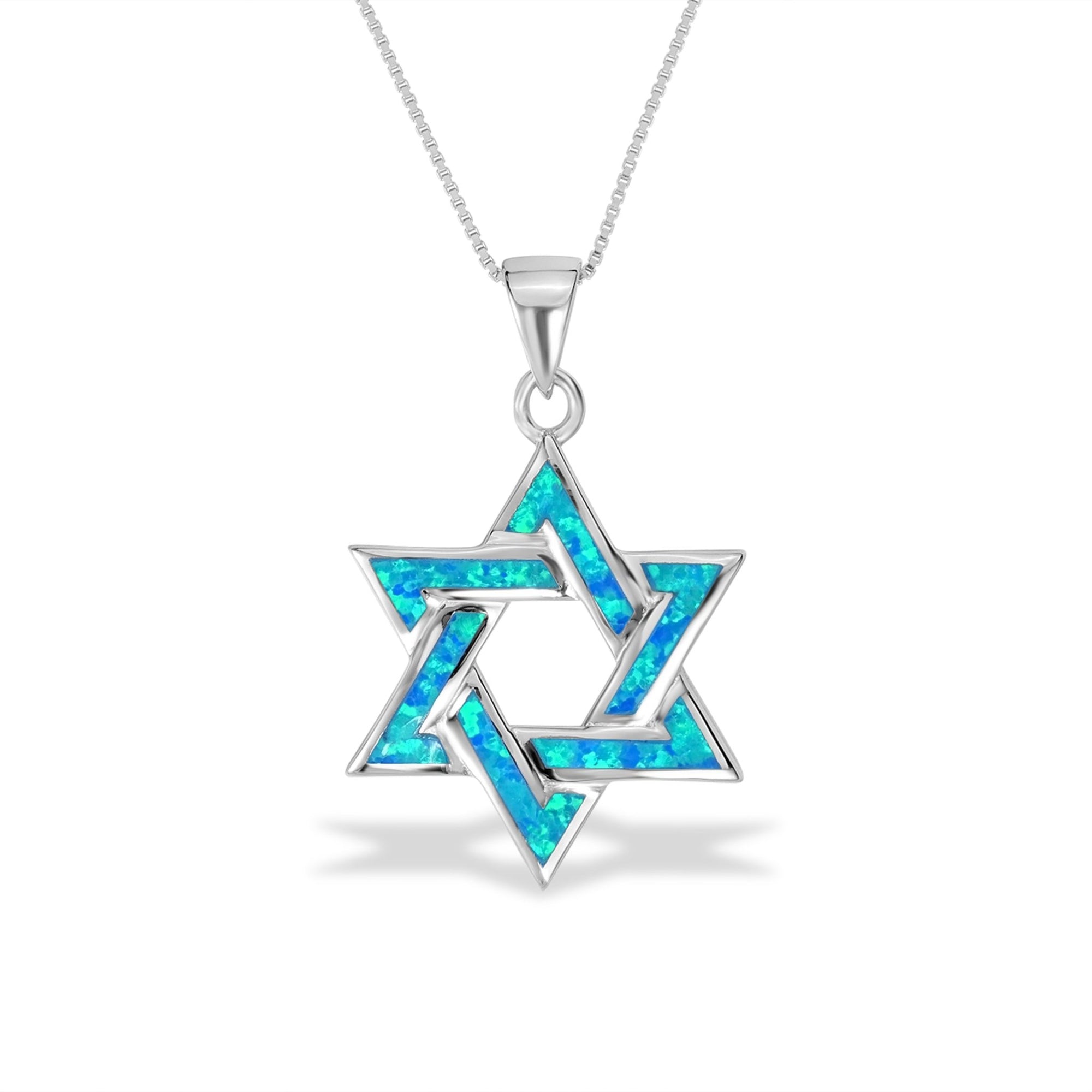
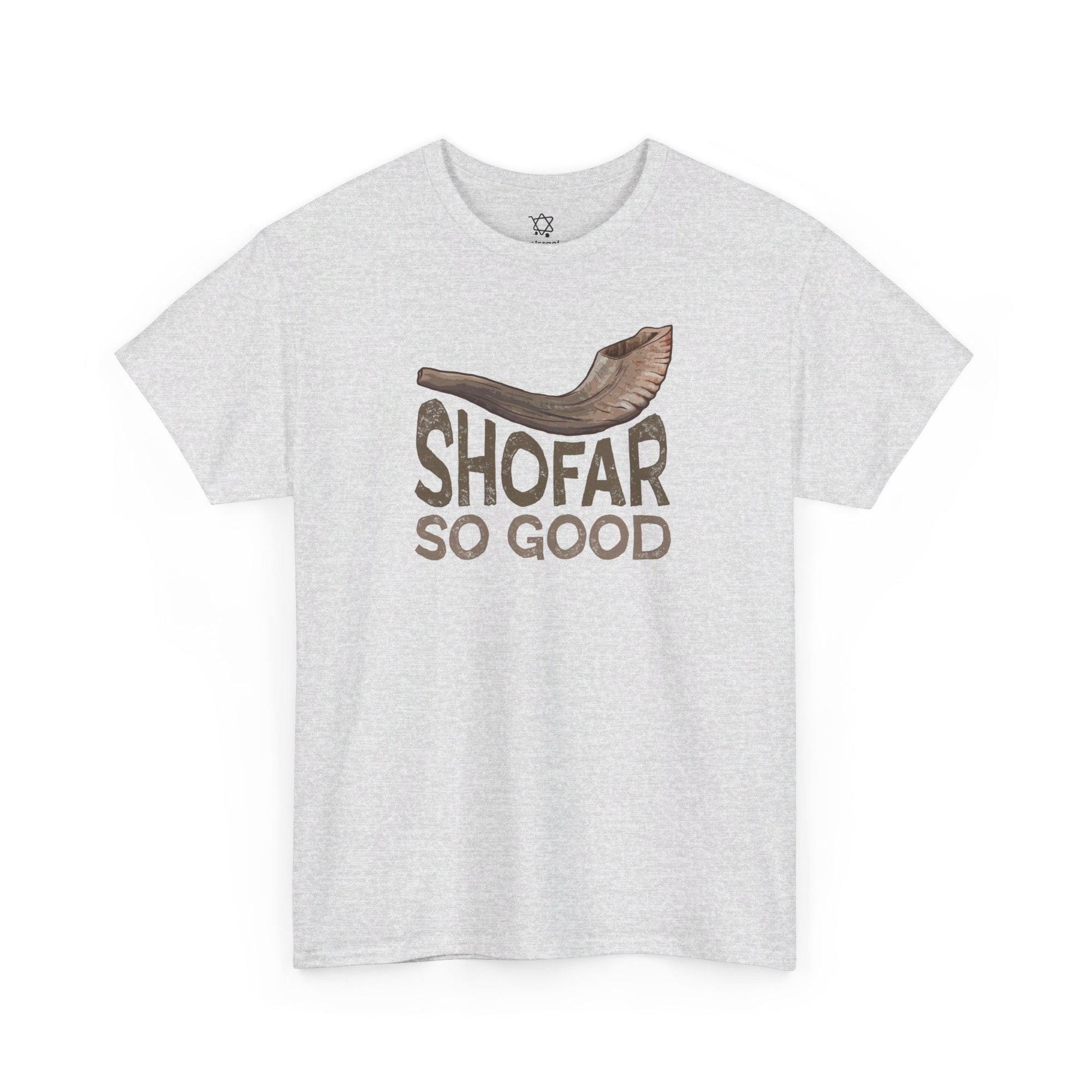
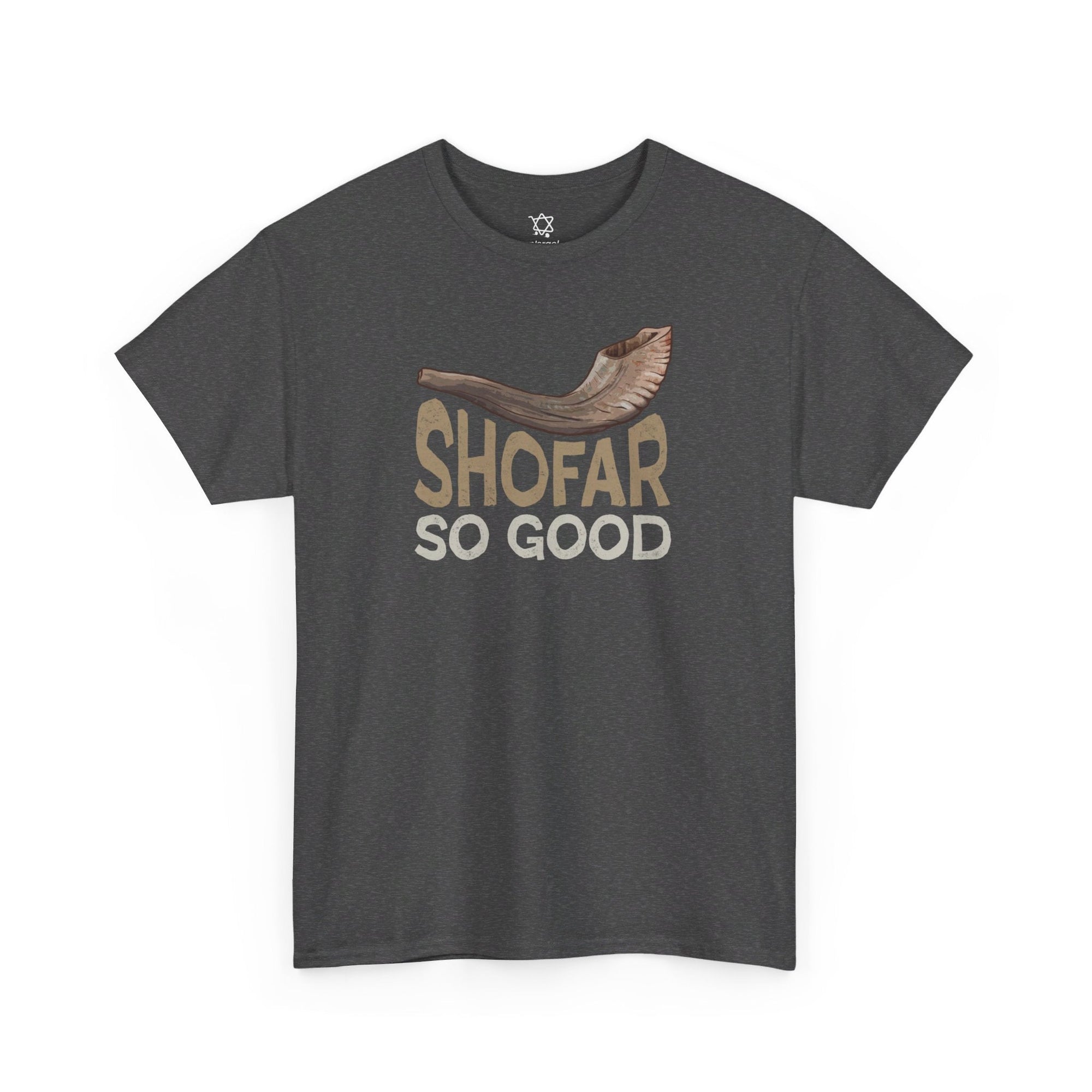
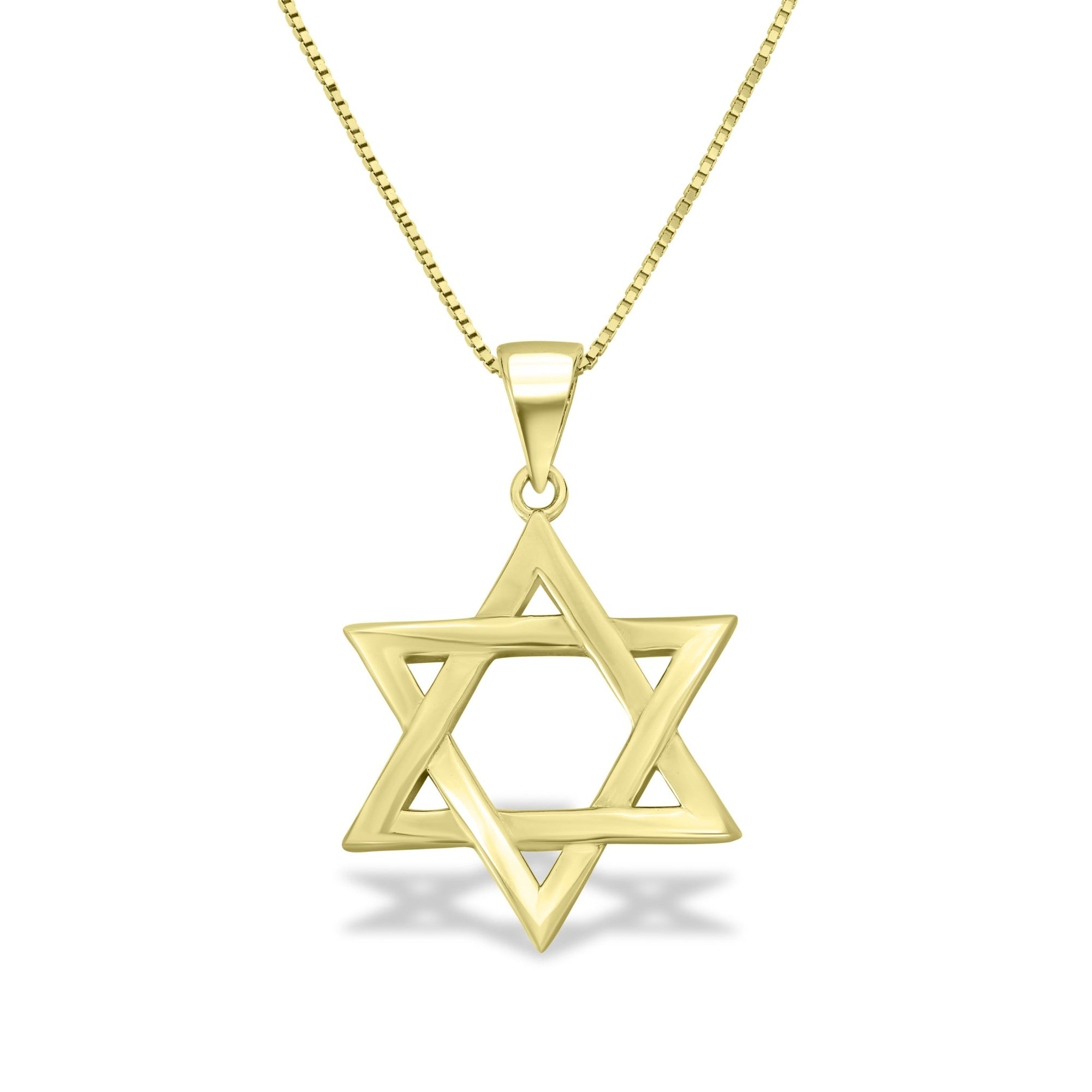
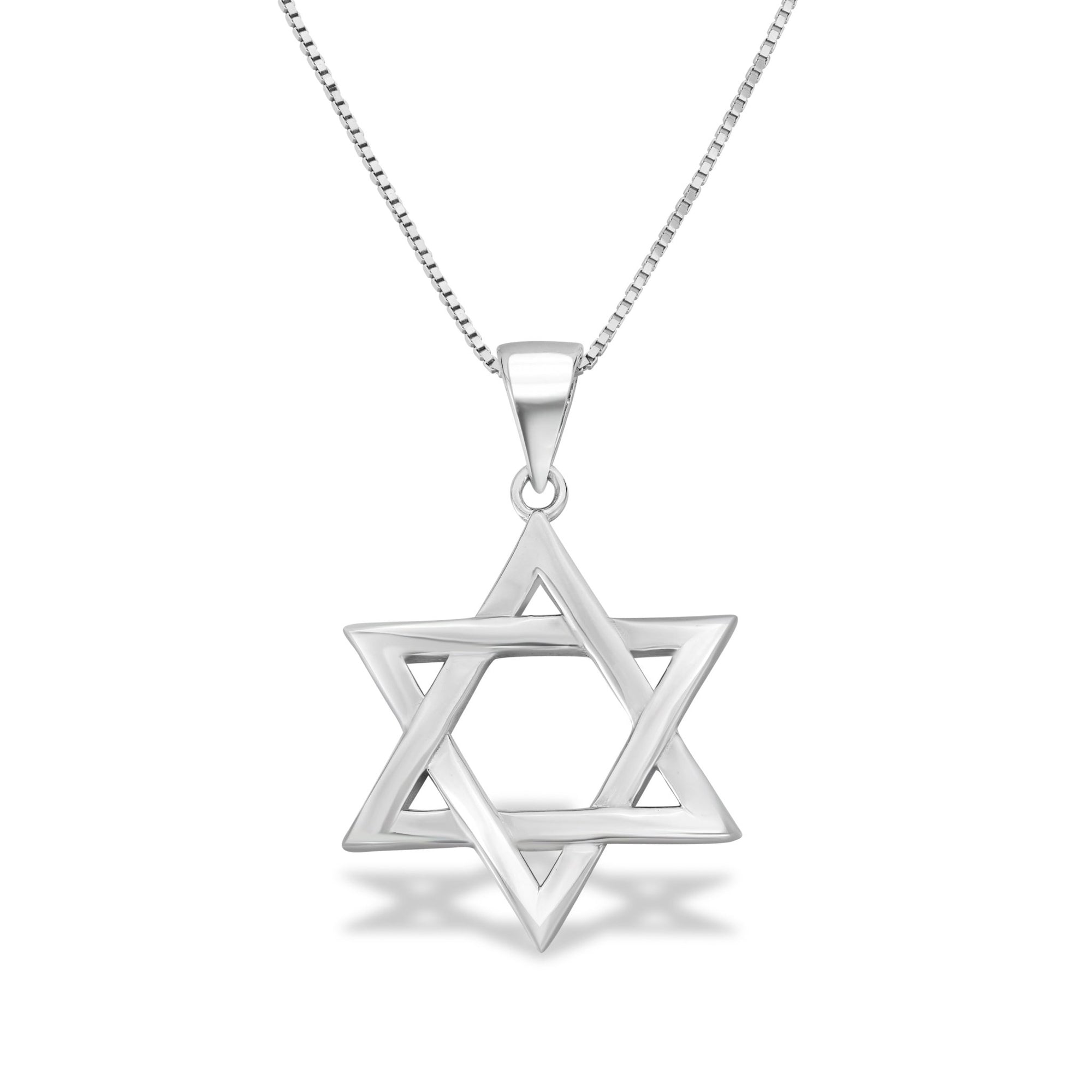
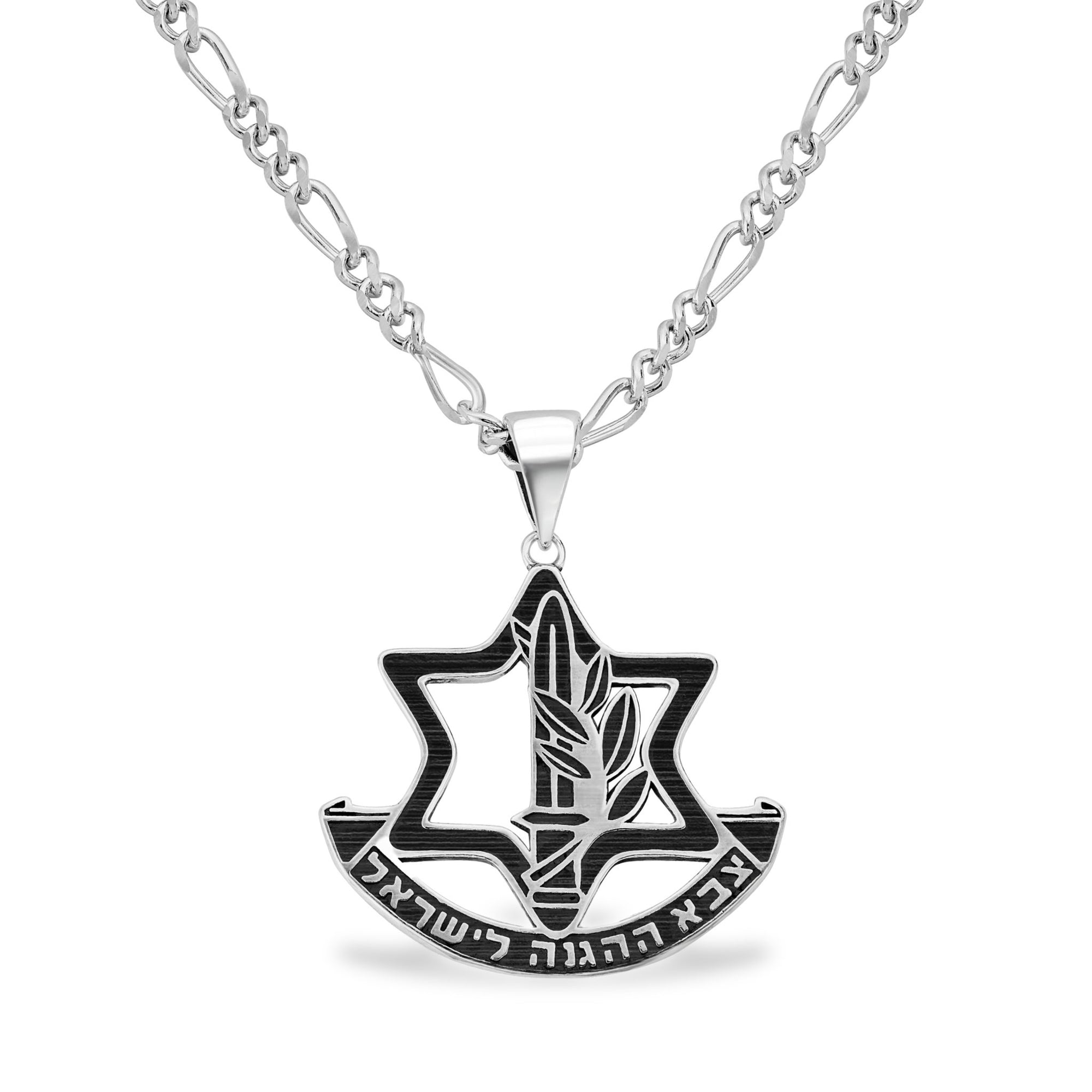
The shofar endures because it is tangible: a biblically rooted object you can hold, hear, and hand down, carrying themes of renewal, freedom, and belonging. If the horn's story speaks to you, our playful Shofar So Good tee wears that heritage with a smile, and our Jewish symbols jewelry collection lets you keep the meaning close year-round, not only during the High Holidays.
Every purchase from Shop Israel supports Israeli artisans and businesses, so celebrating your heritage also helps strengthen the Land the shofar has called toward for thousands of years.
Related
- The shofar's historical and spiritual significance, explained
- How the shofar shapes Jewish festival traditions
- Top Jewish symbols and their meaning
Last updated July 2026.