

Short answer: The shofar is an ancient horn, traditionally a ram's horn, sounded most prominently on Rosh Hashanah and at the close of Yom Kippur. Its raw, wordless blast works as a call to repentance, a proclamation of God as king, and a remembrance of the ram offered in place of Isaac in Genesis 22. Jewish law permits horns from most kosher animals but forbids cow horn, which is why a real shofar is ram or (for Yemenite shofars) African kudu horn.
The meaning behind the sound
Jewish tradition layers many meanings onto one plain, piercing note. The medieval sage Saadiah Gaon catalogued ten, among them the coronation of God as king, an awakening of conscience toward repentance (teshuvah), the revelation at Sinai, the voice of the prophets, the ram of Isaac's binding, the Day of Judgment, the future ingathering of exiles to the Land of Israel, and messianic hope. Maimonides read the blast most simply of all: a wake-up call. Rouse the sleepers, examine your deeds, return. That is why the sound is meant to be wordless and startling rather than musical, according to Chabad.org.
One terminology note worth clearing up: Rosh Hashanah is sometimes called the "Feast of Trumpets" in English, a translation of Leviticus. In Hebrew tradition the instrument is a horn (shofar), not a metal trumpet (chatzotzrah), and the two are treated as distinct instruments (Wikipedia).
From Sinai to the High Holidays
The horn runs through the Torah's biggest moments. A shofar blast sounds from the cloud at Mount Sinai during the giving of the Torah (Exodus 19), and the same instrument later signals new moons, Jubilee years, war, and the anointing of kings (Wikipedia). Its preferred material carries its own story: in Genesis 22, Abraham's hand is stayed and a ram caught in a thicket is offered in Isaac's place, so a ram's horn became the traditional shofar (Chabad.org).
The Torah commands a day of horn-blasts on the first of the seventh month (Leviticus 23:24), which is Rosh Hashanah. Today the shofar is sounded every weekday morning through the preceding month of Elul as a spiritual warm-up, on both days of Rosh Hashanah (unless the first day falls on Shabbat), and in one climactic blast that closes Yom Kippur and the Days of Awe. Three blast types structure the service: tekiah (one long blast), shevarim (three broken wails), and teruah (nine or more staccato bursts). The Torah minimum is 30 blasts, while the widespread custom reaches 100, ending in an extended tekiah gedolah (Chabad.org).
How a kosher shofar is made (and why it is usually Israeli)
Halacha shapes the object as much as the ritual. A shofar may come from the horn of most kosher animals, but cow horn is barred by its association with the golden calf, so authentic shofars are ram or, for the long spiraled Yemenite style, African kudu antelope horn. A valid shofar cannot be cracked, patched, or painted on the surface where it sounds (Wikipedia).
Turning a raw horn into an instrument is hands-on work: the horn is boiled or heated to soften it, the inner bone and cartilage are removed so only the hollow outer sheath remains, and the tip is bored to form a mouthpiece before polishing. Kudu horns are longer and more spiraled than ram horns, which gives Yemenite shofars their dramatic shape and deeper tone (Shofarot Israel). Because that finishing has to be done by hand, much of the world's supply comes from Israeli workshops. The Ribak family became the first shofar makers to set up in Tel Aviv in 1927, later merging with the BarSheshet family (a shofar-making line traced to 14th-century Spain and then Morocco) to form Shofarot Israel BarSheshet-Ribak, which describes itself as the world's largest shofar manufacturer (Ami Magazine).
The religious calendar creates a sharply seasonal market. Sales spike in the weeks before Rosh Hashanah (September in 2026), with retail listings commonly spanning roughly $18 to $250 and higher for larger, decorated, or plated pieces, typically sold as Israel-made and kosher-certified (The Jewish Museum Shop).
Marking the High Holidays
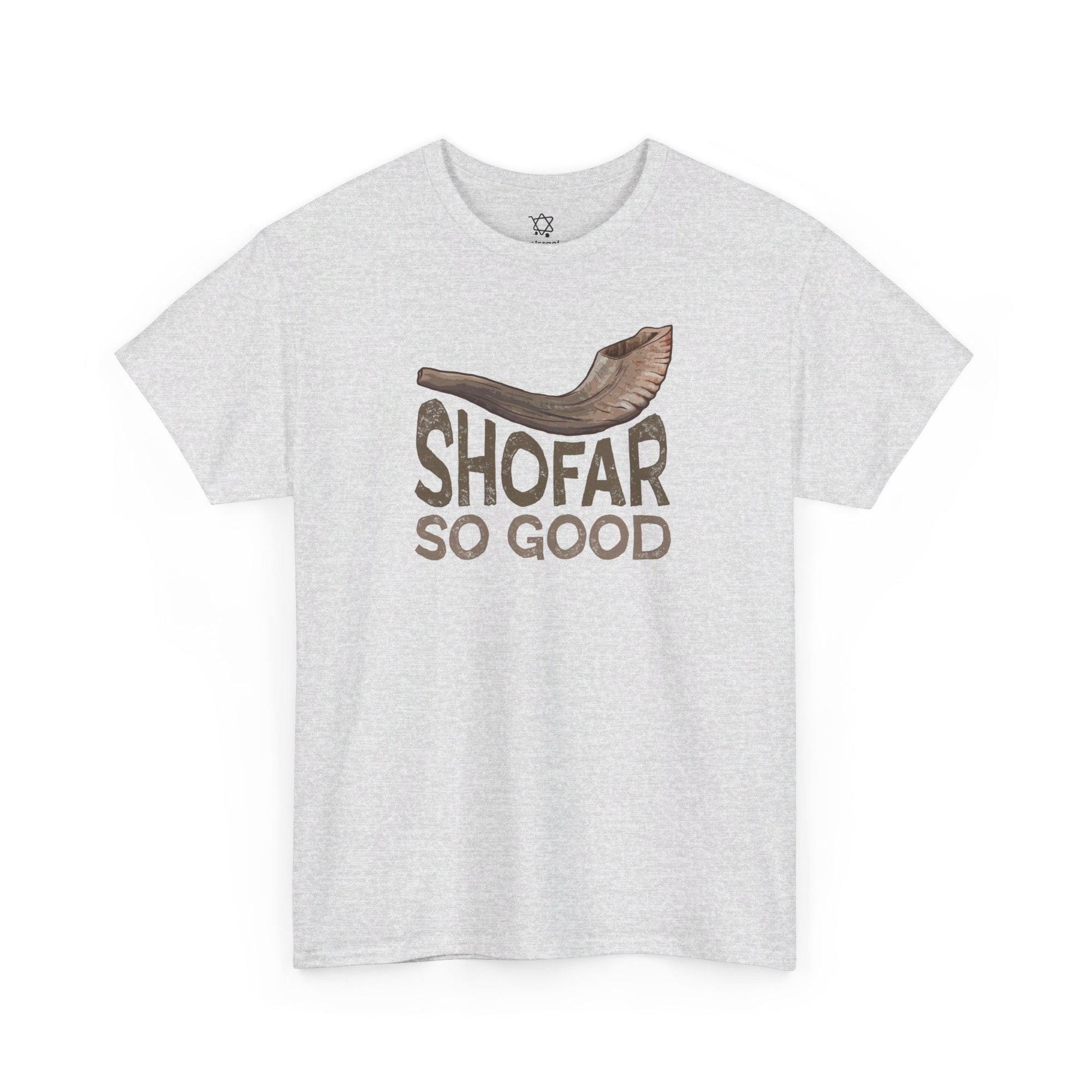
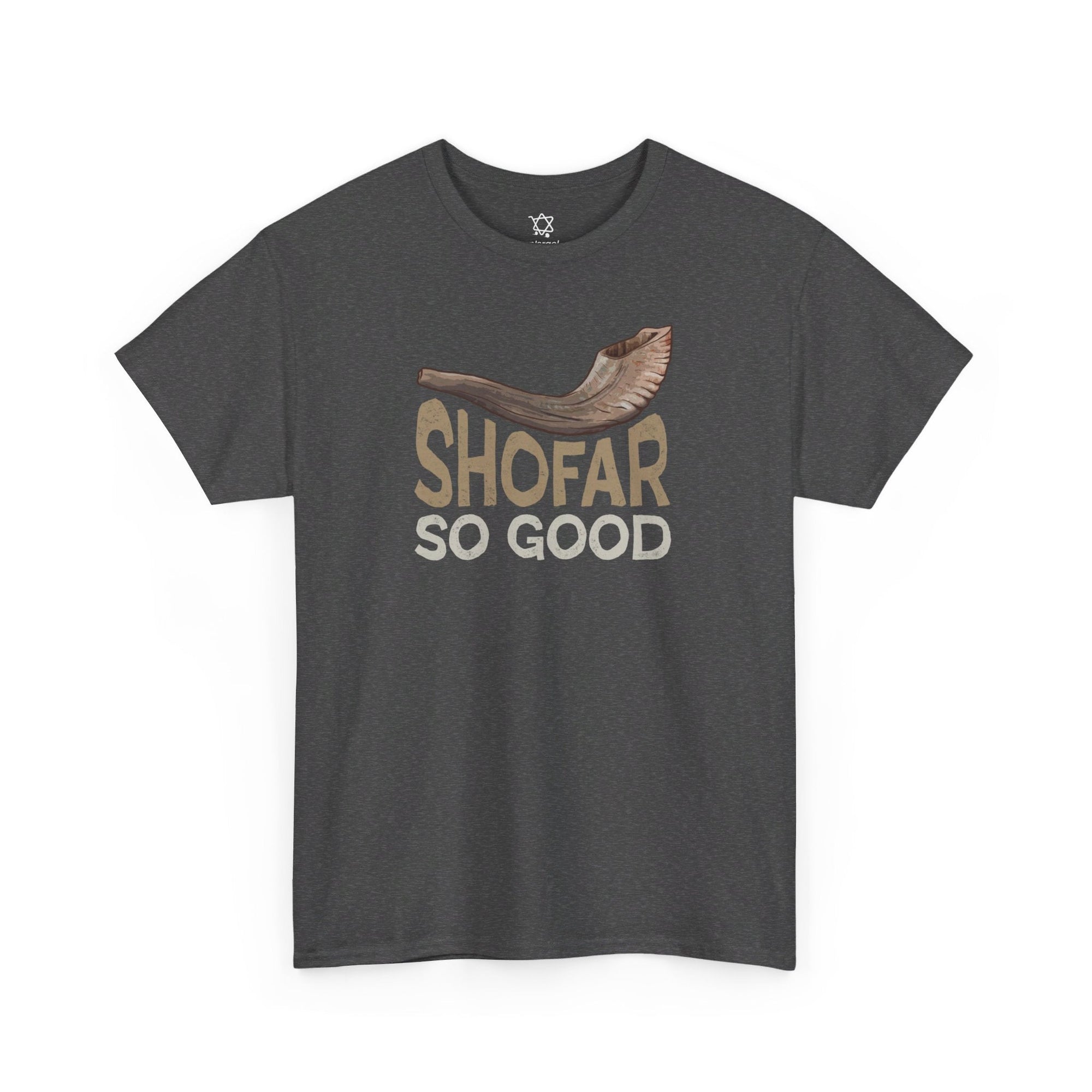
You do not have to be a baal tekiah (the one who sounds the shofar) to carry the season with you. If you want to wear the spirit of the horn without the mystical overclaims that clutter a lot of shofar e-commerce, our playful "Shofar So Good" t-shirt keeps it warm and unpretentious.
Planning ahead for Elul and the Days of Awe? Browse our Rosh Hashanah gifts collection for Israel-made pieces to send family and friends before the holiday, all designed and shipped in support of Israel.
Related
- The shofar's historical and spiritual significance explained
- Shofar-inspired products: from tradition to trend
- Top Jewish symbols and their meaning
Last updated July 2026.