

Short answer: The shofar is an ancient Jewish wind instrument, traditionally a hollowed ram's horn, and its piercing blast is the central mitzvah of Rosh Hashanah and the sound that closes Yom Kippur. That blast carries layered meaning at once: a call to repentance and spiritual awakening, a memory of the ram offered in place of Isaac, an echo of the revelation at Mount Sinai, and a herald of freedom. As merchandise, a shofar fit for ritual use must be a single natural horn from a kosher animal (never a cow, whose horn recalls the Golden Calf), left essentially unadorned so it stays valid for the prayers.
A blast that means "wake up"
The shofar's first great biblical moment is not a holiday but a revelation. At Mount Sinai, "a very loud blast of the shofar" grew louder and louder as thunder, smoke, and fire signaled God's descent, forever tying the horn to awe and encounter (Exodus 19:16-19). Centuries later, Maimonides distilled why we still sound it. Though the blast is a divine decree, he wrote, it also whispers a message: "Wake up, sleepers, from your sleep... inspect your deeds, repent, and remember your Creator" (Mishneh Torah, Hilchot Teshuvah 3:4).
The meanings stack from there. The bent ram's horn recalls the ram Abraham offered in place of his son Isaac, and its curved shape is read as humility bowed before God. The shofar is also a herald of liberty: on Yom Kippur of the fiftieth year, the horn proclaimed the Jubilee and "liberty throughout the land." The English word Jubilee even descends from the Hebrew Yovel, itself a name for the ram's horn (Chabad.org).
The sounds, the seasons, and a modern echo
On each day of Rosh Hashanah, custom calls for 100 shofar blasts, built from three sound types: tekiah, one long blast; shevarim, three broken wails; and teruah, nine short staccato notes often compared to weeping (My Jewish Learning). Together they coronate God as King and rouse the soul during the Days of Awe. A single long final blast, the tekiah gedolah, then marks the close of Yom Kippur.
Outside the calendar, the horn has always signaled gathering and deliverance. At Jericho the Israelites circled the city for seven days sounding shofarot, and on the seventh the walls fell (Joshua 6:4-5). That image carried into modern history: on June 7, 1967, during the Six-Day War, IDF chief chaplain Rabbi Shlomo Goren blew the shofar at the newly reached Western Wall in Jerusalem, a moment that became an enduring symbol of Jewish return (Ynetnews; Jewish Virtual Library).
What makes a shofar kosher (and what makes it merchandise)
A shofar is a single natural horn with the inner core removed and a mouthpiece hole opened at the narrow end. The most traditional and widely used is the ram's horn, prized for its link to Isaac and its humble curve. It is the preferred material, not the only valid one: horns of other kosher animals qualify too, most famously the Yemenite kudu, a long, dramatically spiraled antelope horn historically favored by Yemenite Jews because kudu were more available to them than rams. Ibex, oryx, and aoudad horns also appear on the market.
One horn is firmly excluded. A cow or ox horn may not be used: Jewish law even calls it keren rather than shofar, and by the principle that "the prosecutor cannot become the defender," the horn tied to the sin of the Golden Calf cannot plead for forgiveness (Chabad.org). For ritual validity the horn must also stay essentially unadorned. Painting or coating the sound-producing surface can invalidate it, which is why authentic ritual shofarot are polished but not lacquered over the blowing channel; purely decorative display horns are a separate category. If you want a horn valid for the High Holidays, the guidance is simple: a kosher animal, a single natural horn, no cracks through the wall, and no coating over the sounding surface. Recognized Israeli workshops such as Barsheshet-Ribak (Shofarot Israel) and Kol Shofar are known makers.
Carrying the shofar's meaning
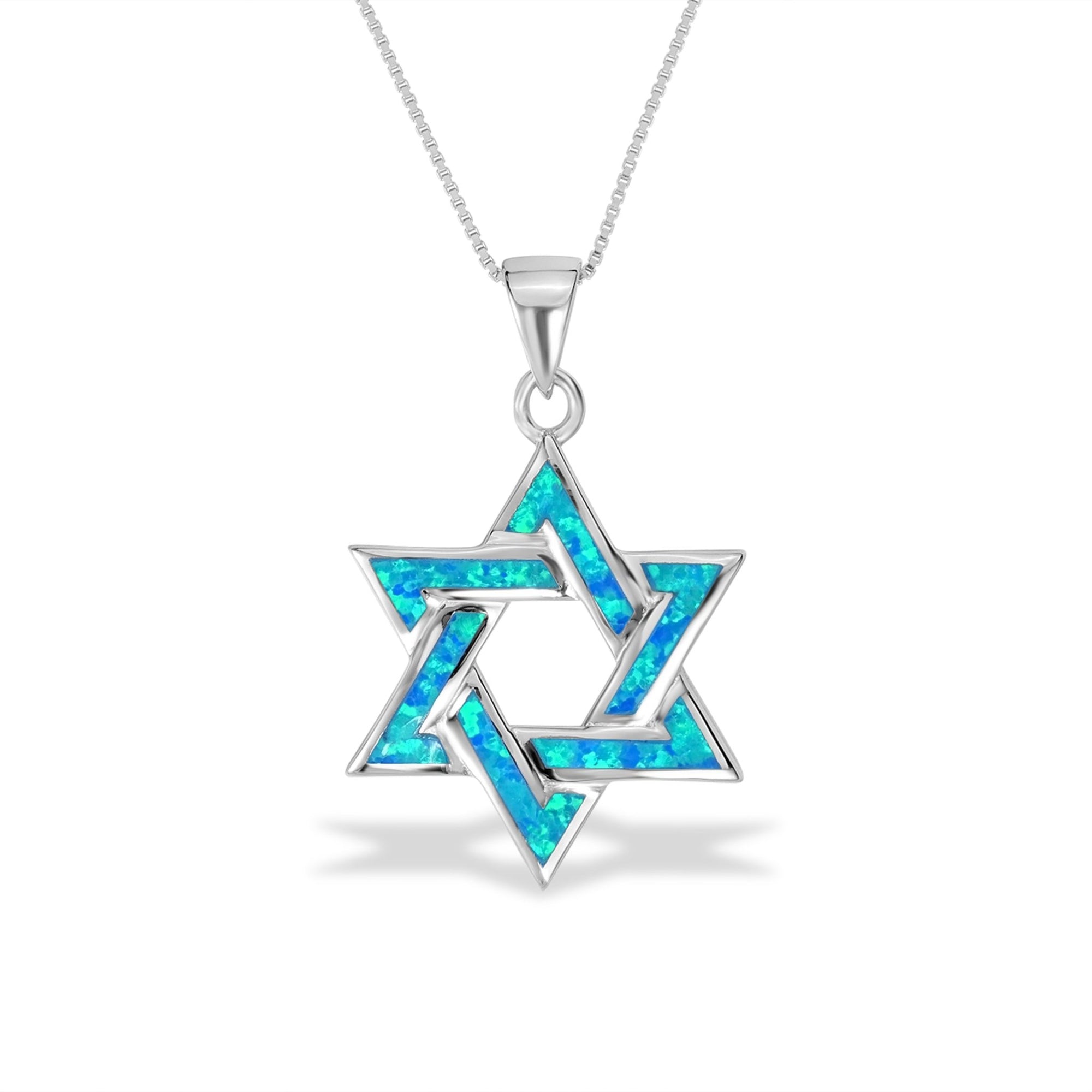
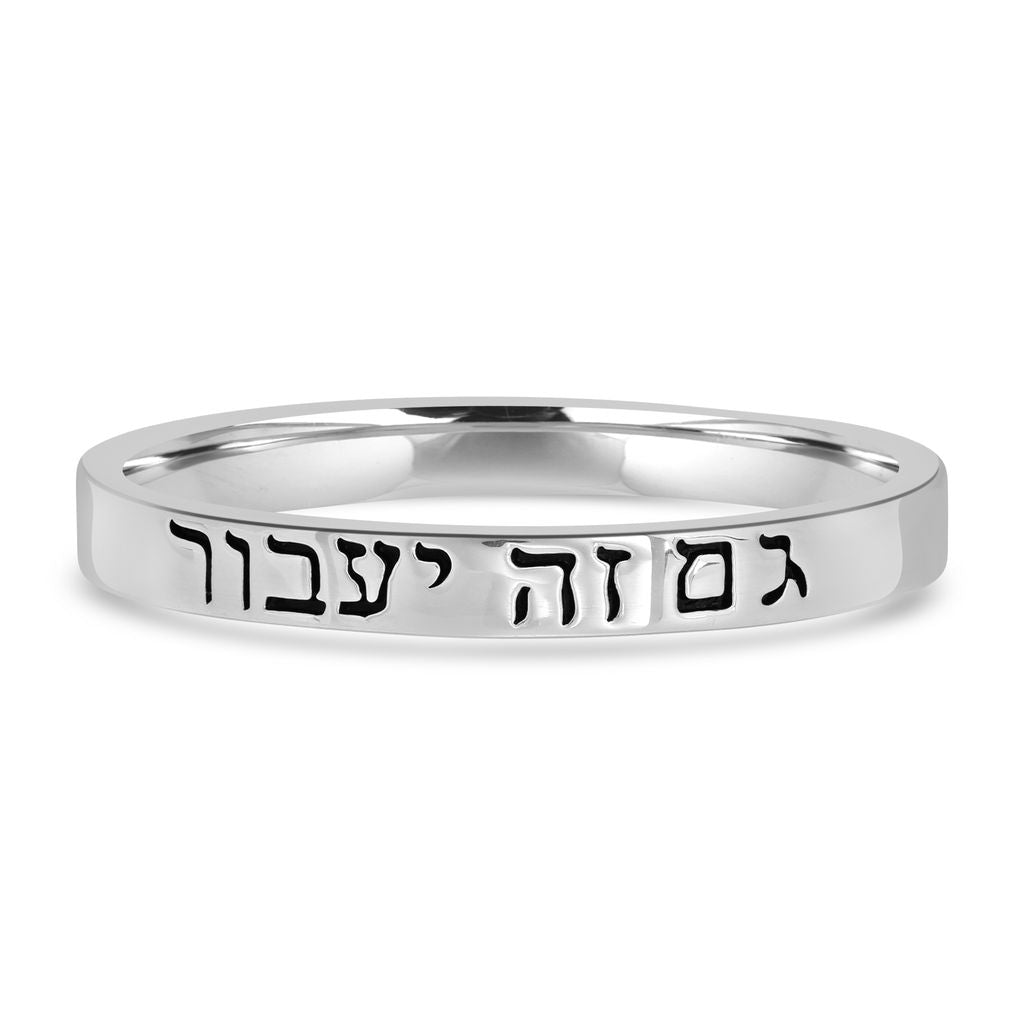
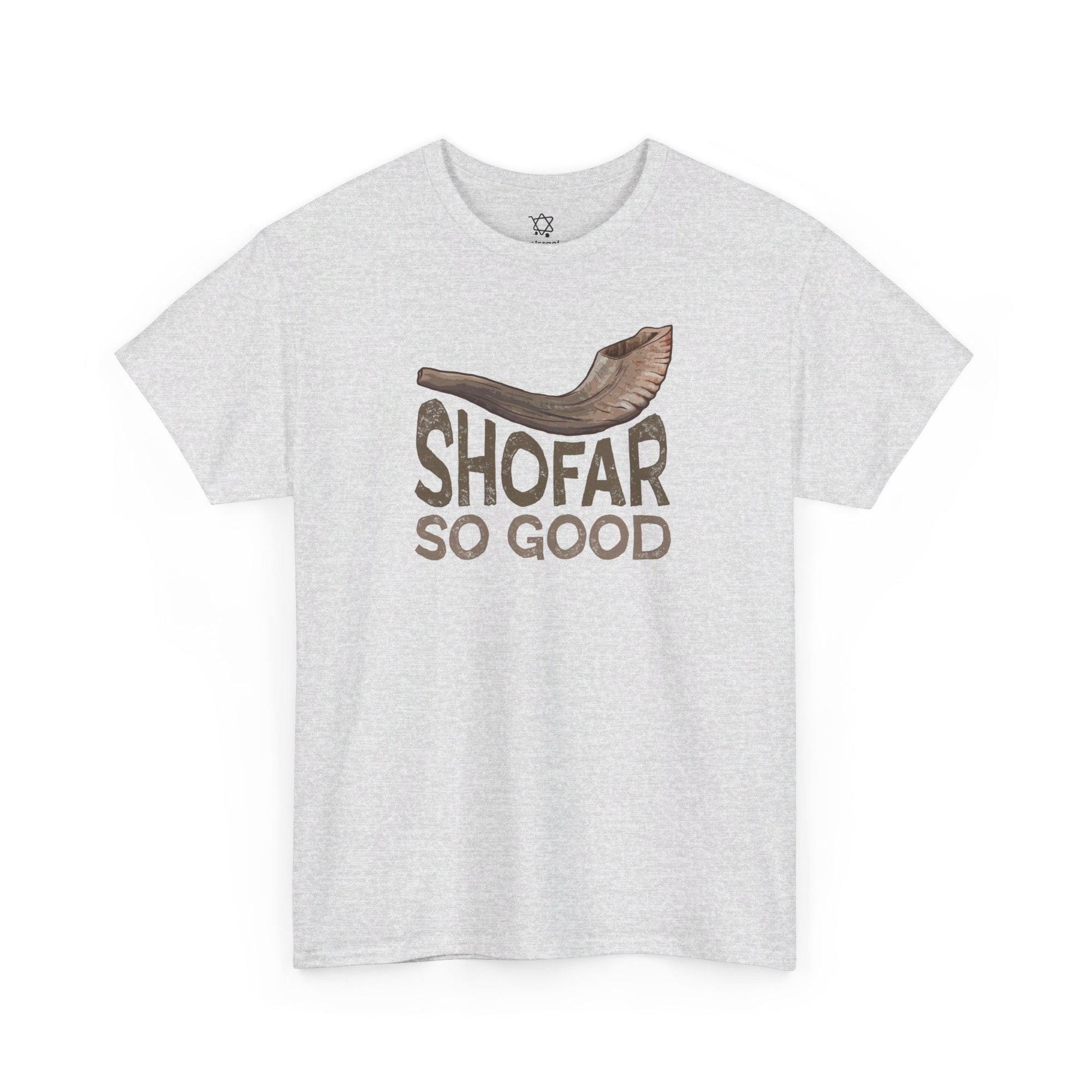
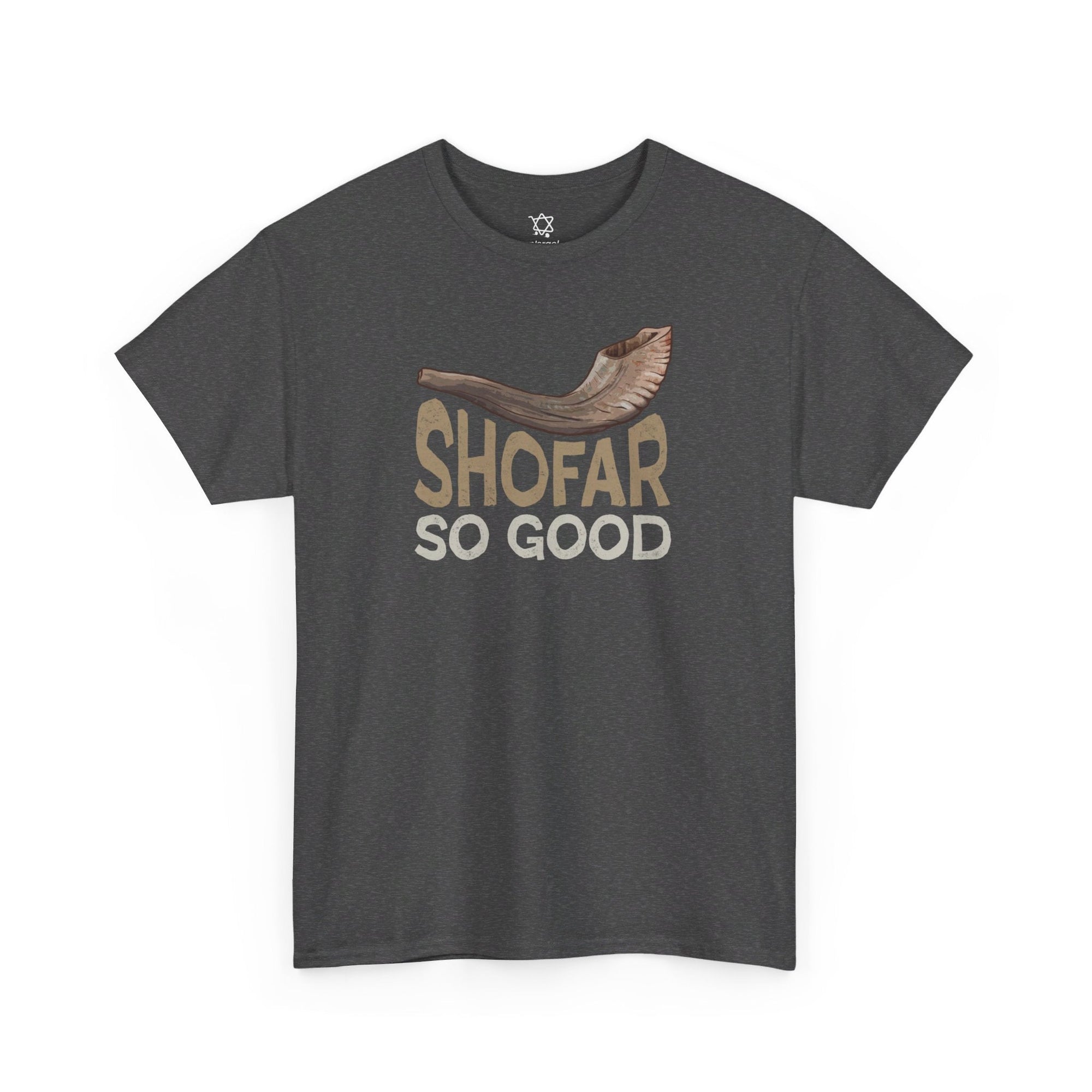
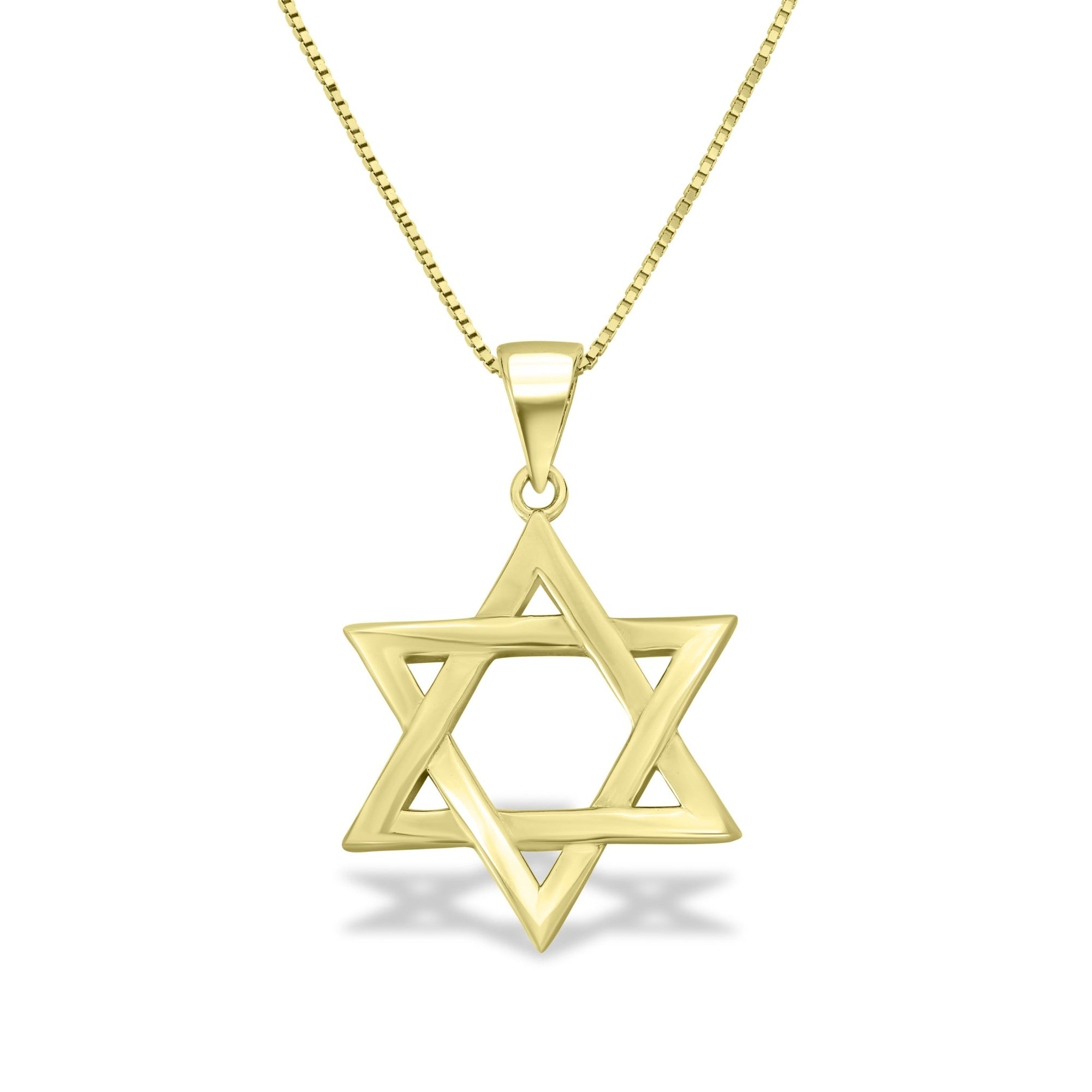
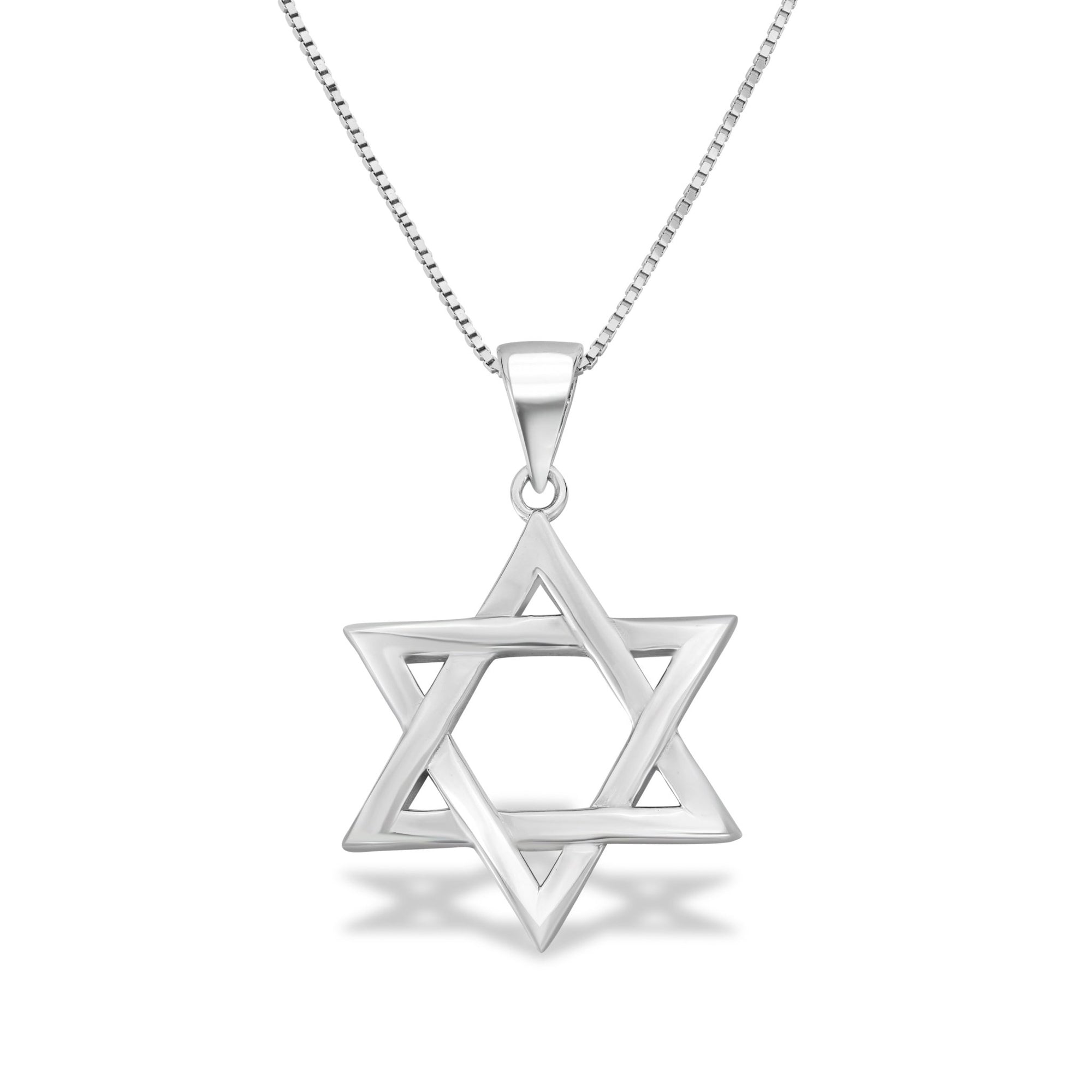
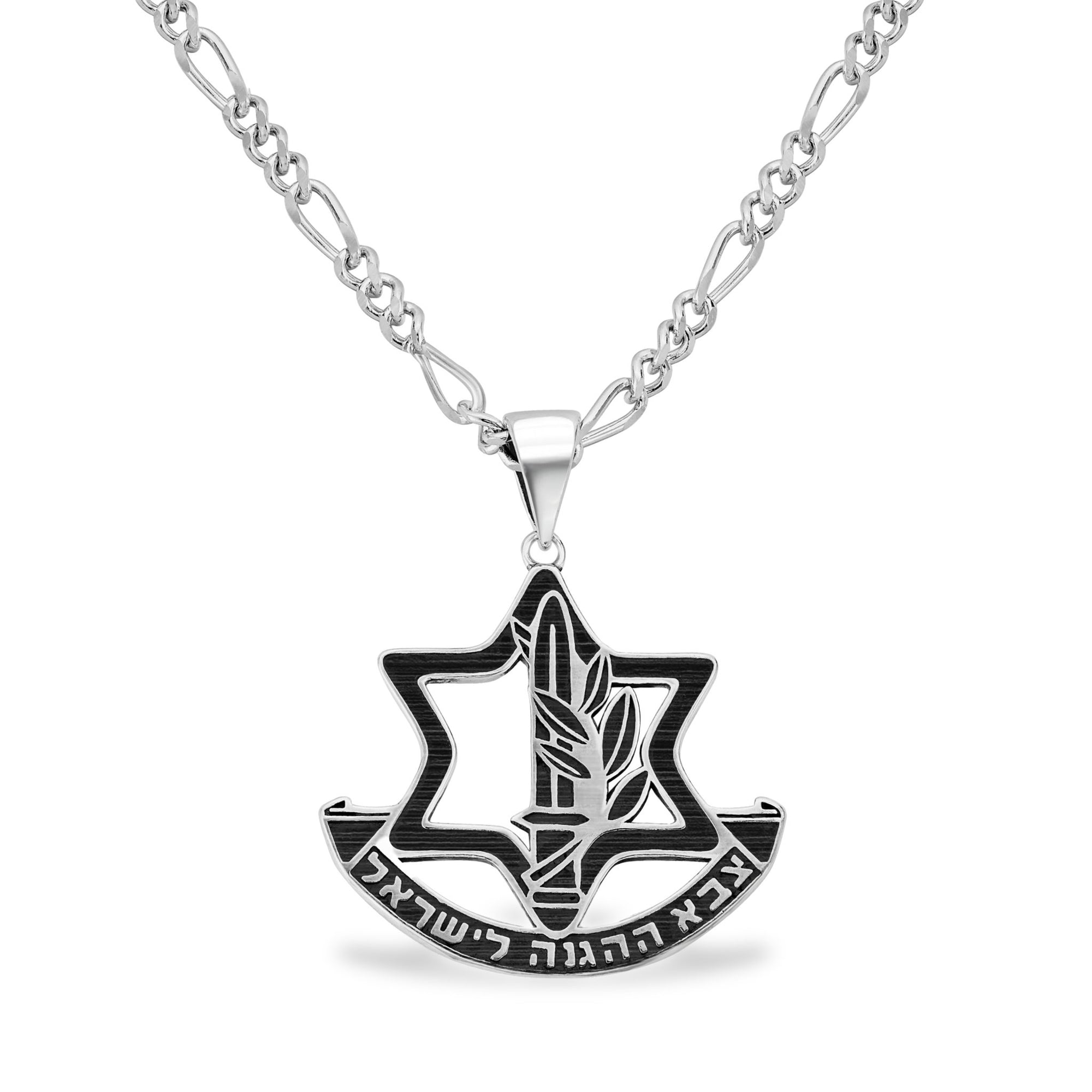
You sound a shofar only a few days a year, but its message (wake up, return, be free) is one people like to keep close all year. That is where wearable pieces come in. Shop Israel's Jewish symbols jewelry gathers the icons of Jewish identity into everyday designs, and for a lighter nod to the season there is the playful "Shofar So Good" tee. Neither replaces a kosher horn for the prayers, and we would not suggest otherwise; think of them as ways to carry a bit of that Rosh Hashanah spirit into ordinary days.
Related
- The shofar's historical and spiritual significance, explained
- How the shofar shapes Jewish festival traditions and merchandising
- Shofar-inspired products: from tradition to trend
Last updated July 2026.