

Short answer: A shofar is a trumpet made from the natural horn of a kosher animal, most often a ram, hollowed out and shaped rather than cast from metal, which is what gives it its raw, primal tone. It is one of Judaism's oldest and most powerful symbols: sounded through the month of Elul, on Rosh Hashanah, and at the close of Yom Kippur, its wordless blast is a call to repentance, an affirmation of God's kingship, and a reminder of the covenant at Sinai. That same pull sustains a living Israeli craft of handmade ram's-horn and Yemenite shofars sold worldwide.
What the shofar means
The shofar's meaning is layered, but three ideas sit at its core. First, it is a call to teshuvah, the Hebrew word for repentance and return, an alarm meant to wake the conscience before the Days of Awe. Second, it proclaims divine kingship (malchuyot), announcing God as sovereign the way trumpets once announced a king. Third, it summons the community to remember its covenant with God. The instrument speaks without words on purpose. Its three core sounds, tekiah (one long blast), shevarim (three broken notes), and teruah (a rapid staccato series), are traditionally compared to sobbing or crying, an intentionally wordless cry that reaches past language, as My Jewish Learning explains. Jewish tradition also reads the shofar forward in time, linking it to the "great shofar" that will one day herald the ingathering of the exiles and the coming of Mashiach, so the instrument carries hope alongside its themes of memory and repentance, per Chabad.org.
Origins in the Torah, from the ram to Jericho
The shofar's earliest and most dramatic biblical appearance is at Mount Sinai, where Scripture describes "the blast of an exceedingly loud shofar" accompanying thunder, lightning, and a thick cloud as God descends to give the Ten Commandments (Exodus 19:16-19), as detailed by the Judaica Webstore Blog. The preference for a ram's horn traces to the Binding of Isaac in Genesis 22, where a ram caught in a thicket is offered in Isaac's place. That story is read in synagogue on Rosh Hashanah, which is why the ram's horn is understood as a symbol of faith, mercy, and self-sacrifice. It is fitting, then, that one scriptural name for Rosh Hashanah is "Yom Teruah," the Day of Sounding the Shofar (Numbers 29:1), making the blast the most characteristic mitzvah of the holiday. The shofar also carries the memory of deliverance: at the battle of Jericho, priests circled the city blowing rams' horns for seven days, and on the seventh day the walls fell (Joshua 6), marking the instrument as a sign of both revelation and miracle.
How the shofar is sounded, and how it is made
The rhythm of the shofar follows the calendar. It is sounded on each weekday of the month of Elul as spiritual preparation, extensively on Rosh Hashanah (a customary total of 100 blasts drawn from the four sounds tekiah, shevarim, teruah, and the long tekiah gedolah), and once at the very conclusion of Yom Kippur, after the Ne'ilah service. It is not blown on Shabbat, even when Rosh Hashanah falls on a Saturday, according to Chabad.org. Jewish law also shapes which horn may be used. A shofar may come from almost any kosher animal, but not a cow or ox, because that would recall the sin of the Golden Calf, on the principle that an accuser should not serve as defender before the Heavenly Court. This ruling is noted by both The Rabbinical Assembly and Chabad.org. Beyond the traditional ram's horn, artisans craft shofars from exotic kosher horns, most notably the long, spiraled Yemenite kudu. Horns are heated in water to straighten, then carefully drilled, and any hole in the side renders the shofar non-kosher, which is why this remains a specialized Israeli craft, as the Orthodox Union describes.
Bringing the shofar's spirit home
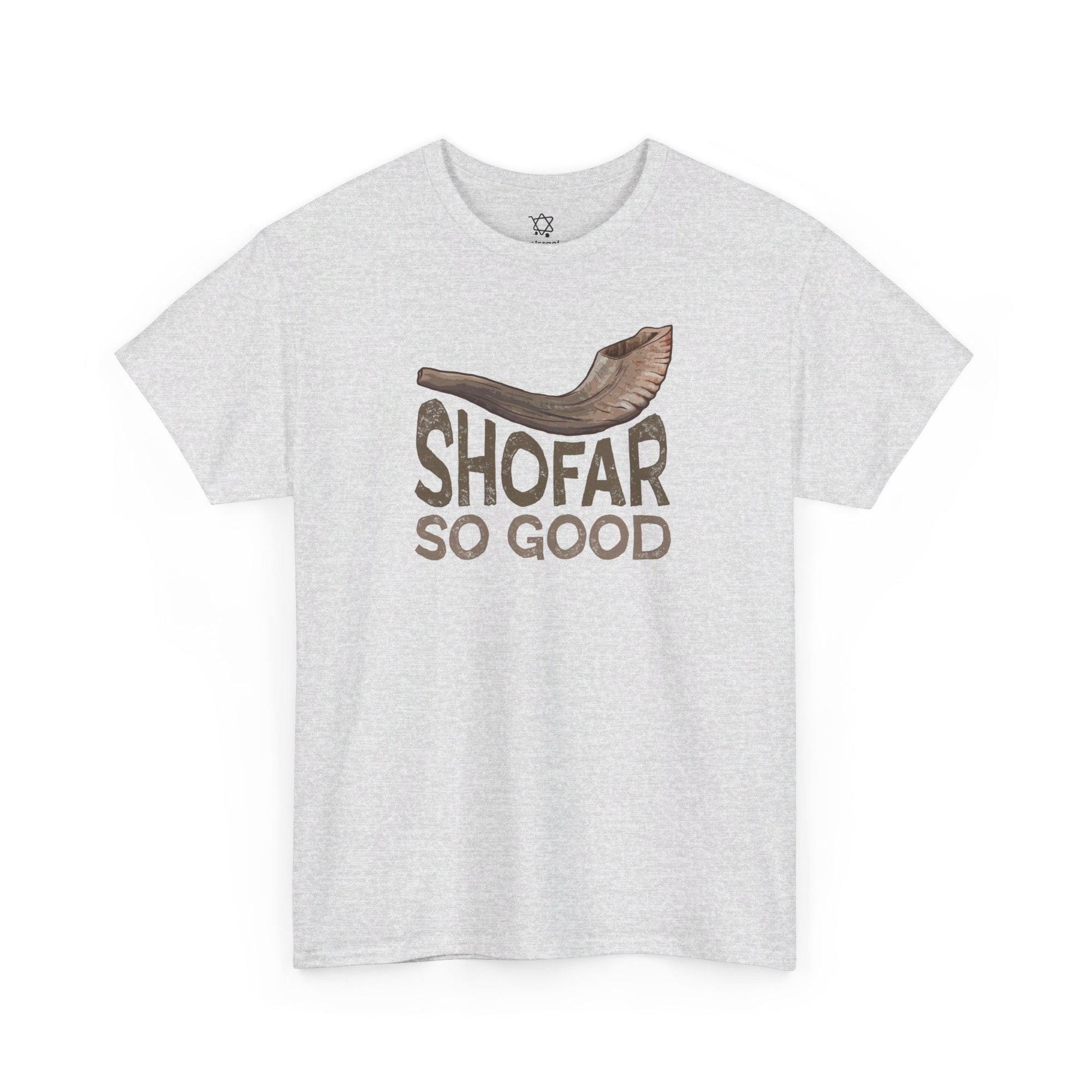
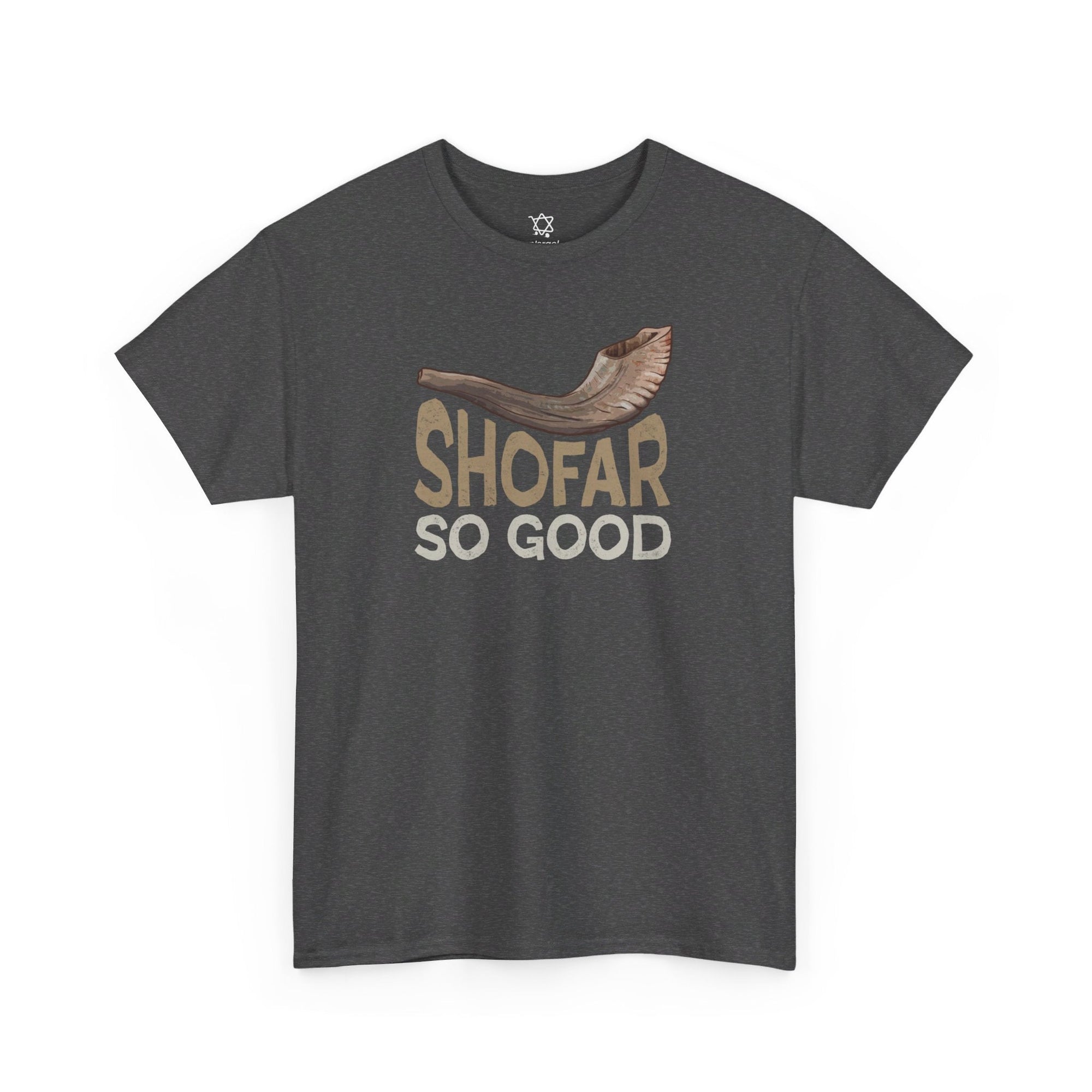
You do not have to be a baal tekiah (the person who sounds the shofar) to keep its message close. For many families the High Holiday season is when Jewish identity feels most vivid, and a small object can carry that feeling all year. Shop Israel's playful Shofar So Good t-shirt turns the season's central symbol into everyday wear, and our wider High Holidays collection gathers Rosh Hashanah and Yom Kippur gifts designed in and inspired by Israel. Each piece is a way to hold onto the shofar's themes of memory, repentance, and hope long after the last blast fades.
Related
- The shofar's historical and spiritual significance explained
- How the shofar shapes Jewish festival traditions and merchandising
- Shofar-inspired products, from tradition to trend
Last updated July 2026.