

Short answer: The shofar is an ancient Jewish wind instrument, traditionally a ram's horn, and one of the oldest instruments still used in ritual today. In the Bible its blast announces the giving of the Torah at Mount Sinai, brings down the walls of Jericho, proclaims kings and the jubilee year, and calls people to assembly. On the High Holy Days its sounds anchor the Rosh Hashanah service and the close of Yom Kippur as a call to reflection and repentance (My Jewish Learning). That same curved shape now inspires modern Judaica, from sterling silver and gold shofar pendants to clean, contemporary designs.
What the shofar is, and why it is a ram's horn
The word shofar is Hebrew for "ram's horn," and the instrument is exactly that: a horn from a kosher animal, hollowed and shaped so it can be sounded. It has no reeds and no mouthpiece; the sound comes from the player's breath and lips alone, which is part of why the plain horn has stayed essentially unchanged for thousands of years (My Jewish Learning). By long tradition the ram's horn is preferred, recalling the ram that was offered in place of Isaac at the Binding of Isaac (Chabad.org). The horns of a goat, antelope, or gazelle are also permitted, but a cow's horn is deliberately avoided so the sound does not recall the sin of the Golden Calf, since the shofar is understood to plead Israel's case before the Heavenly Court (Chabad.org; The Jewish Chronicle).
From Sinai to Yom Kippur: the shofar in scripture and ritual
The shofar runs through some of the Bible's defining scenes. At Mount Sinai, as the Torah is given, a very loud horn blast grows louder and louder while the people stand in awe, a sound heard as part of the revelation itself rather than blown by any person (My Jewish Learning). At the conquest of Jericho, seven priests carry seven rams'-horn trumpets and march around the city for seven days; on the seventh day, after a long blast and a great shout, the walls come down (Battle of Jericho, Joshua 6). Elsewhere the shofar proclaims the jubilee year, announces the anointing of kings, and calls people to war or assembly (My Jewish Learning).
Today the shofar's most familiar role is on the High Holy Days. Three sound-shapes structure the Rosh Hashanah service: tekiah, one long steady blast like a summons or a coronation call; shevarim, three medium sighing bursts; and teruah, nine or more short staccato blasts like sobbing or an alarm (Chabad.org). The horn is also sounded on weekday mornings through the month of Elul, the run-up to the new year, and a single long tekiah gedolah marks the close of Yom Kippur. Across all of these, the blast works as a spiritual wake-up call, a summons to look inward and return (My Jewish Learning).
Tradition meets modern design
The shofar has never stopped evolving as an object. Beyond the classic curved ram's horn, the long, tightly spiraled Yemenite shofar, made from the horn of a kudu antelope and often 30 to 60 inches long, has become one of the most striking and popular forms worldwide (Judaica Webstore; aJudaica). Its dramatic silhouette, half-polished and half-natural in many versions, reads as much like sculpture as instrument.
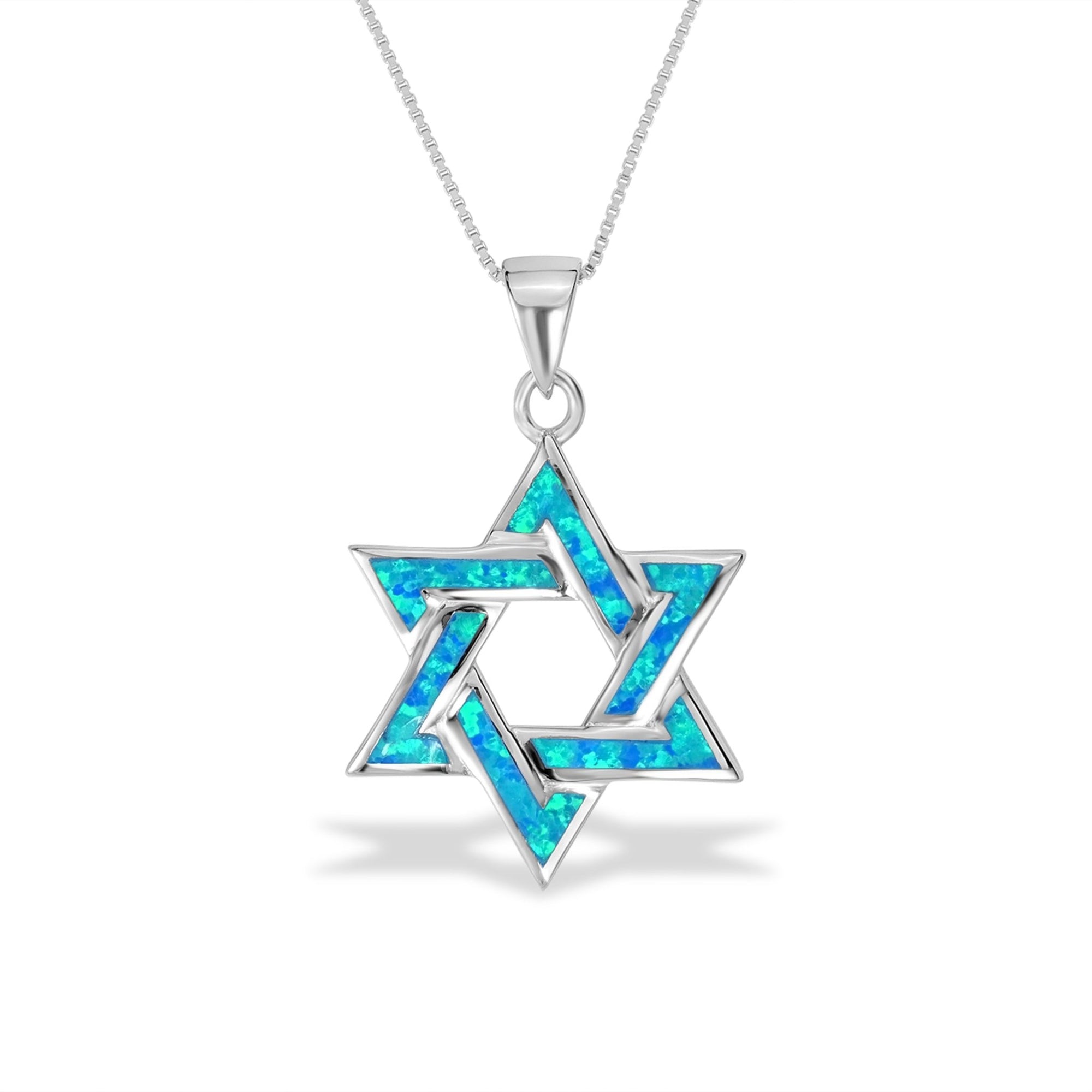
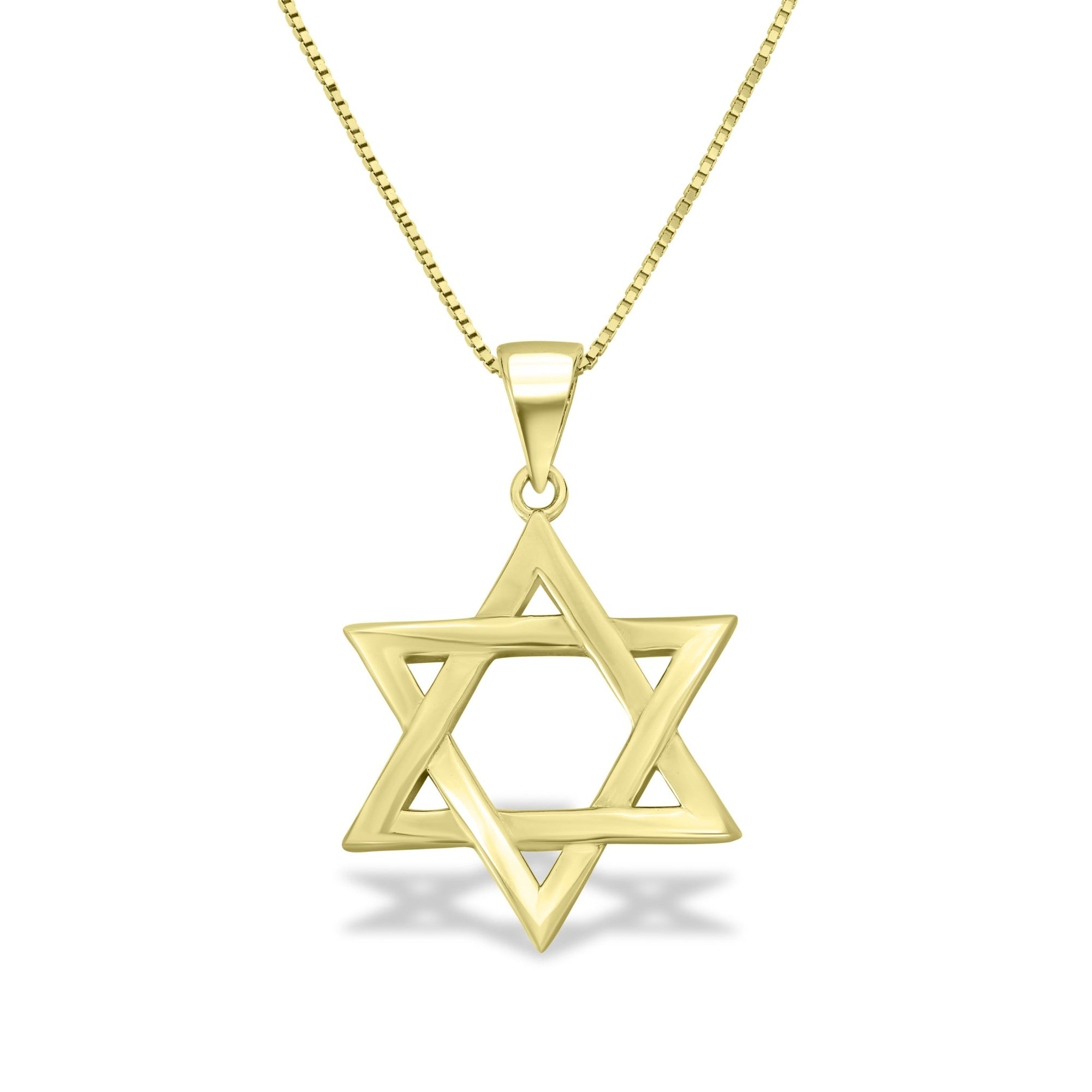
The shape's appeal now reaches well past the synagogue. It turns up in wall art and home decor, on High Holiday cards and apparel, and in fine jewelry, each version trading the raw horn for a cleaner, more graphic line while keeping the instantly readable curve. Israeli makers such as Rafael cast that ram's-horn curve into sterling silver and gold pendant necklaces, and contemporary artists reinterpret the form in clean, minimalist designs meant to be worn every day rather than sounded once a year (Rafael Jewelry). The result is a small piece of the High Holy Days you can carry with you: ancient meaning in a modern shape.
Wearing the symbol
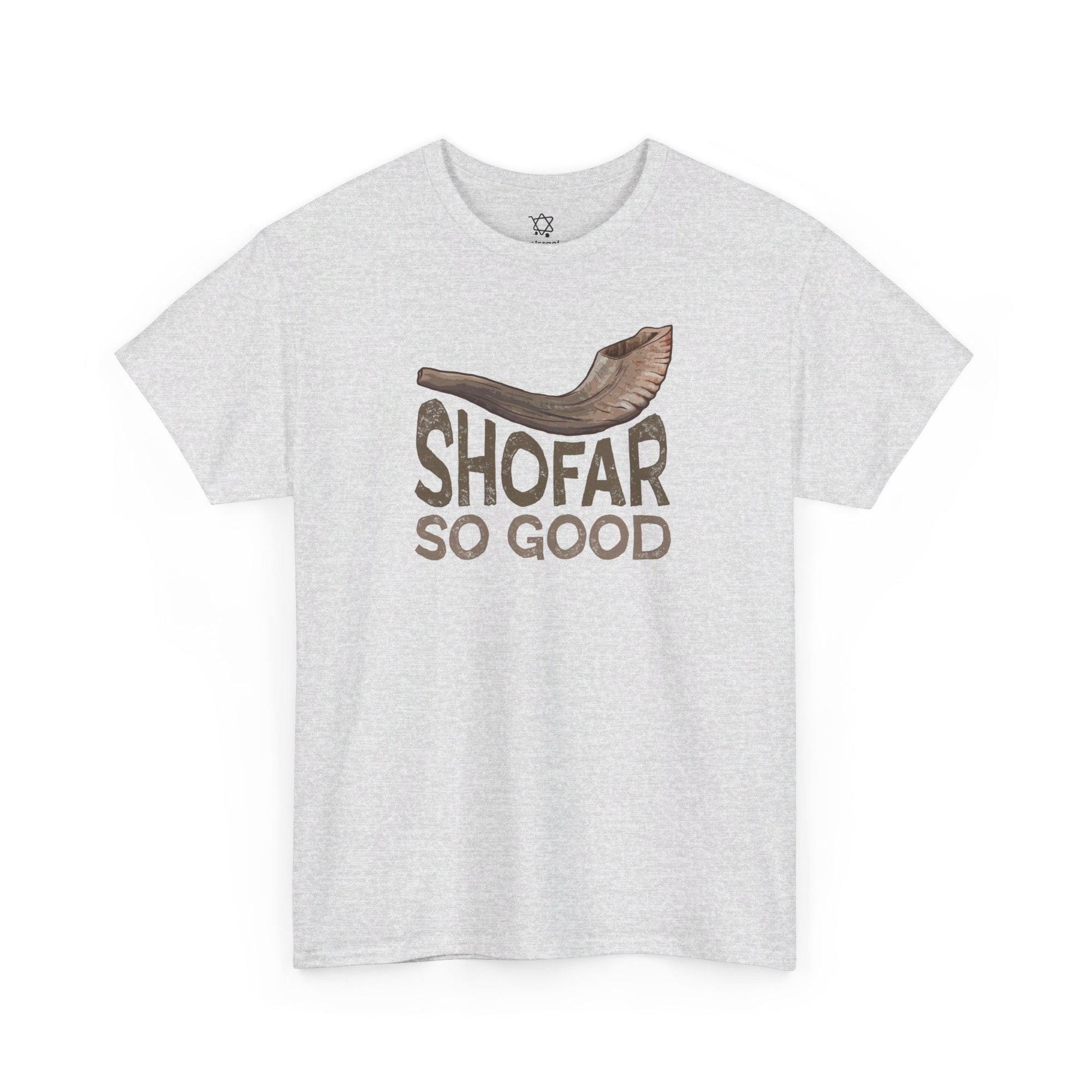
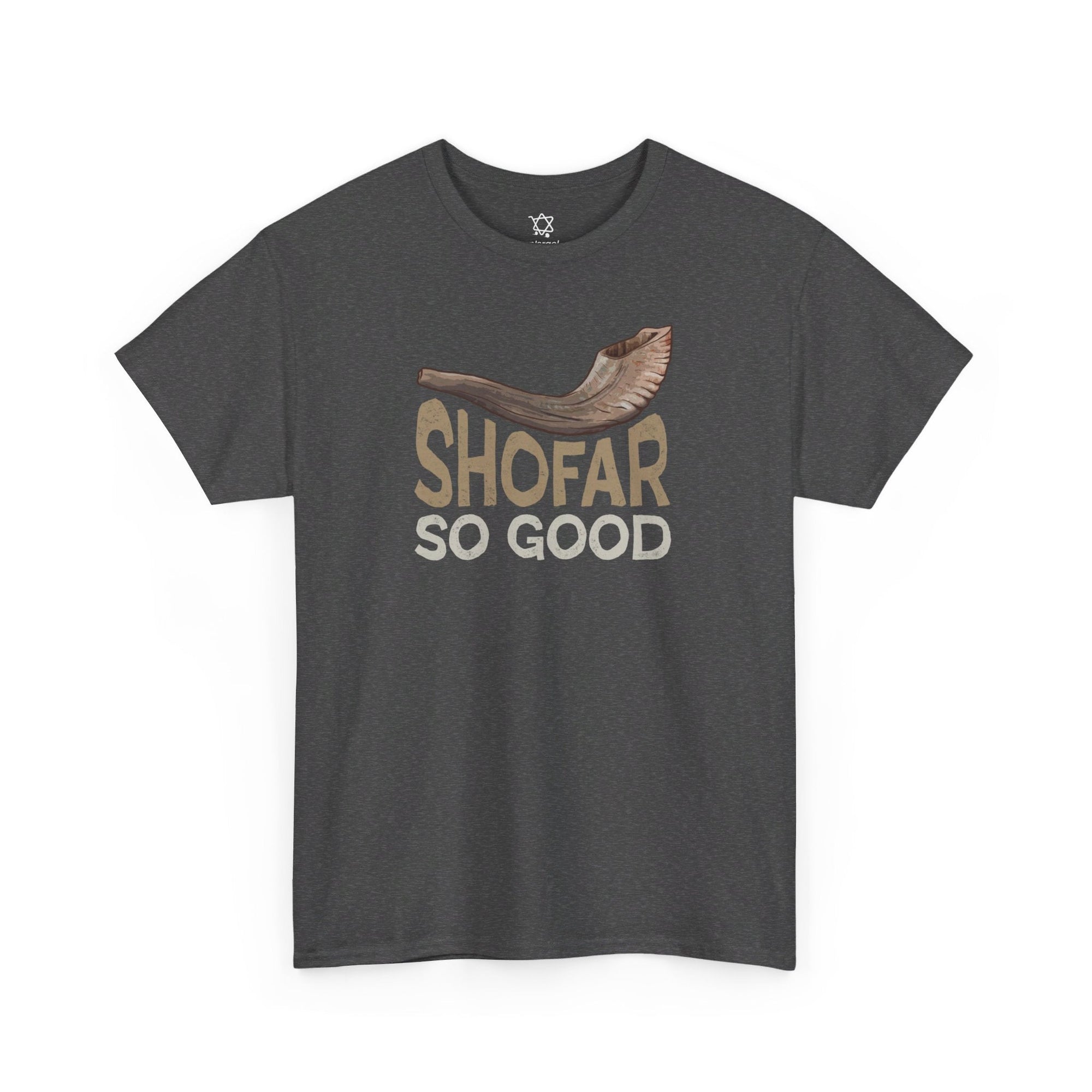
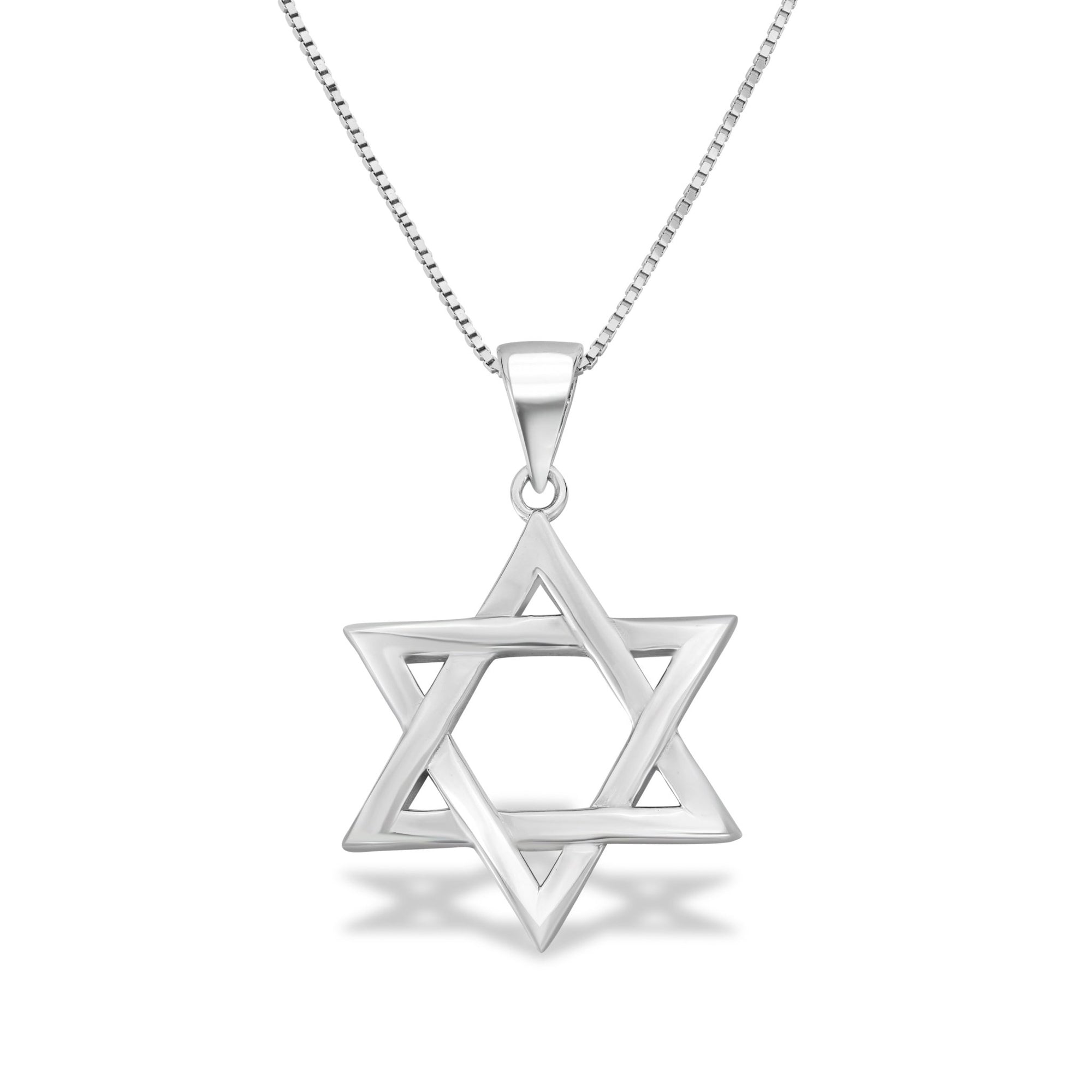
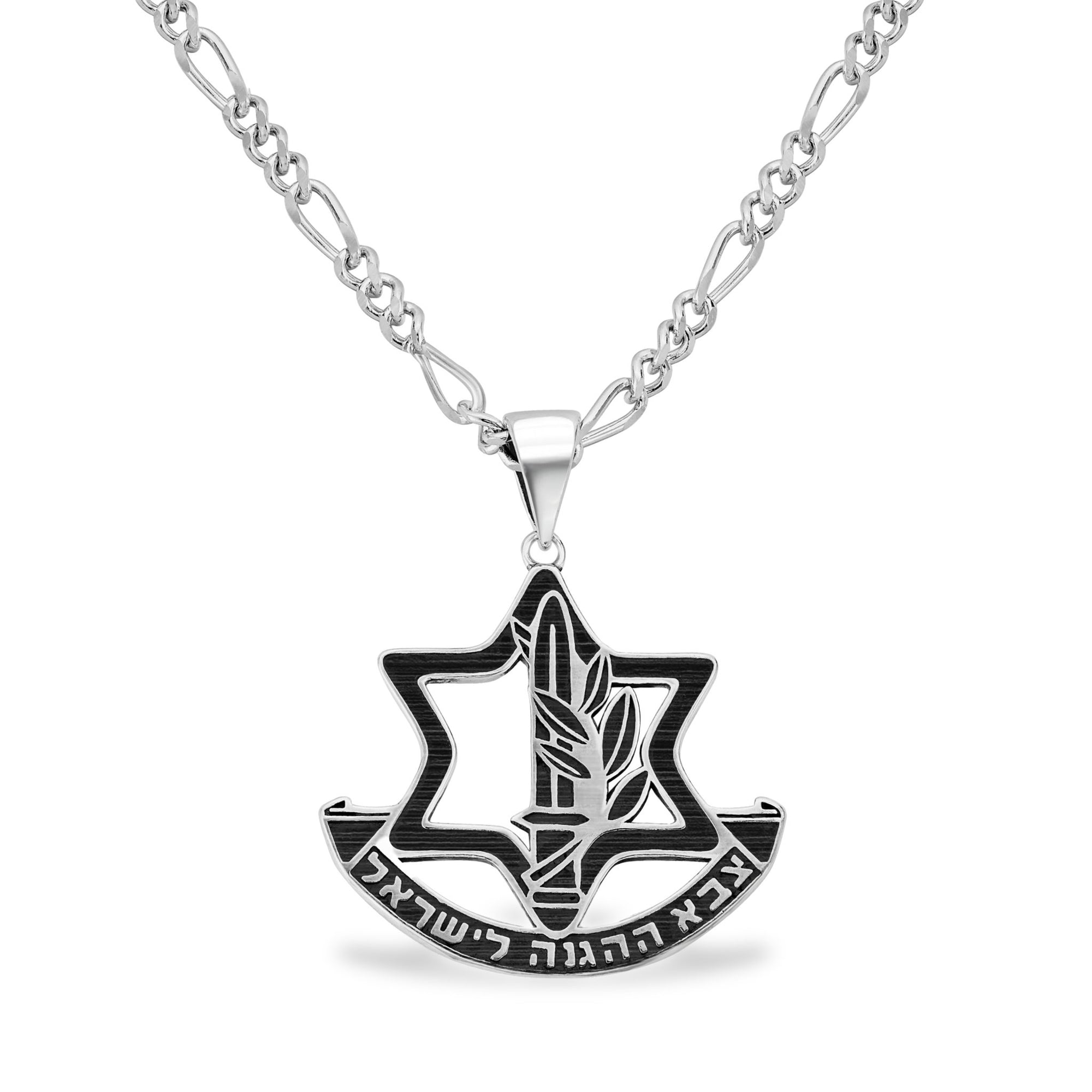
If the shofar's blend of history and design speaks to you, our Jewish symbols jewelry collection gathers pieces built on exactly that idea, meaningful shapes rendered in modern metalwork you can wear all year. For something lighter and a little playful, the Shofar So Good t-shirt puts the same tradition on a tee. Every purchase also supports Israel directly.
Related
- The shofar's historical and spiritual significance explained
- Shofar-inspired products: from tradition to trend
- How the shofar shapes Jewish festival traditions and merchandising
Last updated July 2026.