

Short answer: The shofar is an ancient ritual horn, traditionally a ram's horn (though other kosher animal horns, such as antelope or the long, spiraling Yemenite kudu, also qualify), hollowed out and sounded like a trumpet. Its defining role today is on Rosh Hashanah, the Jewish New Year, where hearing its raw, piercing blasts is the central commandment: a call to repentance and a coronation of God as King. The shofar is also blown each weekday morning through the preceding month of Elul, and a single closing blast marks the end of Yom Kippur.
What the shofar means
The shofar produces a sound often described as somewhere between a human cry and an otherworldly hum, made by removing the inner marrow of a kosher animal's horn and blowing through it like a trumpet. Jewish law prefers a ram's horn because it recalls the binding of Isaac (the Akedah), when a ram caught in a thicket was offered in Isaac's place, a story of faith and divine mercy (Chabad.org).
The classic list of the shofar's meanings comes from the 10th-century sage Saadiah Gaon: it heralds God's kingship, stirs the conscience to repentance, recalls the covenant at Sinai, echoes the prophets, evokes the ram of Isaac, mourns the Temple while hoping for its rebuilding, foreshadows the final judgment, and anticipates the messianic redemption and the ingathering of exiles (My Jewish Learning). More than an instrument, it is a wake-up call for the soul.
Origins in the Torah: Sinai, Jericho, and the ram of Isaac
The shofar runs through the Hebrew Bible. It sounds at the revelation on Mount Sinai, when God descends to give the commandments (Exodus 19:16), one of its earliest and most powerful appearances (Chabad.org). In the Book of Joshua, priests carry and blow rams' horns while marching around Jericho, and on the seventh day the city's walls fall, the best-known biblical account of the shofar in warfare (My Jewish Learning). In ancient Israel the horn also announced kings, sounded alarms, rallied troops, and proclaimed the Jubilee year. Fittingly, the word "shofar" itself likely derives from Akkadian terms for rams, deer, or wild goats (The Conversation; My Jewish Learning).
How and when the shofar is sounded today
Hearing the shofar is the central mitzvah of Rosh Hashanah. Jewish law requires a minimum of 30 blasts, and by widespread custom about 100 (some say 100 to 102) are sounded each day (Exploring Judaism). The blasts come in three forms: tekiah, one long blast; shevarim, three medium wailing notes; and teruah, a series of at least nine short staccato notes, closing with an extended tekiah gedolah (My Jewish Learning). If the first day of Rosh Hashanah falls on Shabbat, the shofar is not sounded that day.
The shofar's season is longer than a single holiday. Through the preceding month of Elul it is blown each weekday morning (except Shabbat) as a wake-up call preparing the soul for the High Holidays (Chabad.org). And at the very end of Yom Kippur, as the Neilah service closes and the fast ends, a single blast is sounded, a custom rather than a Torah requirement (Chabad.org).
Choosing a shofar and carrying its meaning
If you are buying a shofar, a few practical notes help. The most common offerings are the classic curved ram's horn (often in an affordable half-polished or natural finish) and the dramatic spiral Yemenite kudu shofar. Other kosher horns, such as goat or antelope, are widely used, but cow horns are disqualified (associated with the sin of the golden calf) and solid antlers cannot be used because a shofar must be hollow. Note one halachic nuance: some authorities following Maimonides (Rambam) hold that only a ram's horn is fully valid, so a ram's horn is the safest choice for fulfilling the commandment. Whatever you choose, look for a kosher-certified, crack-free horn with a clear tone.
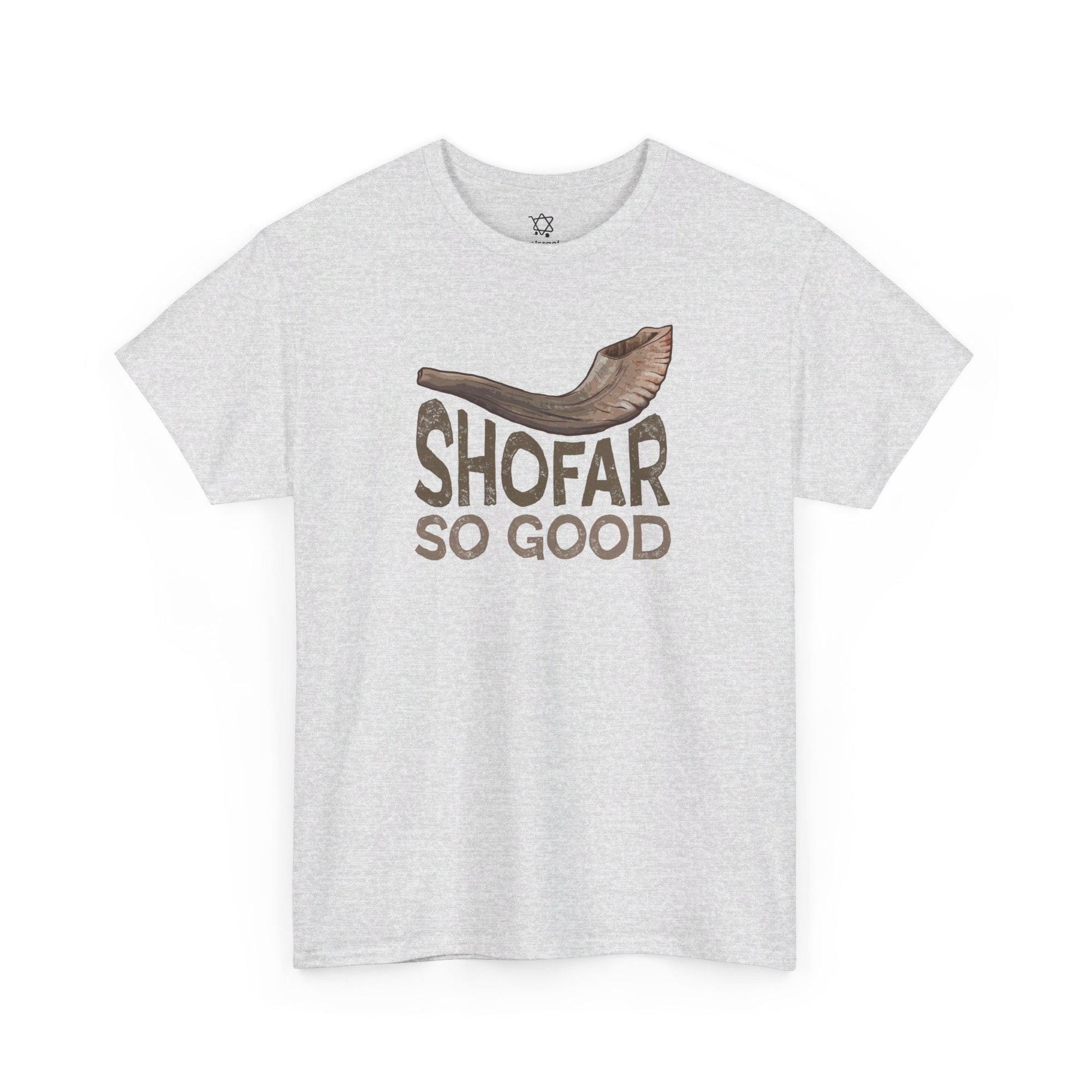
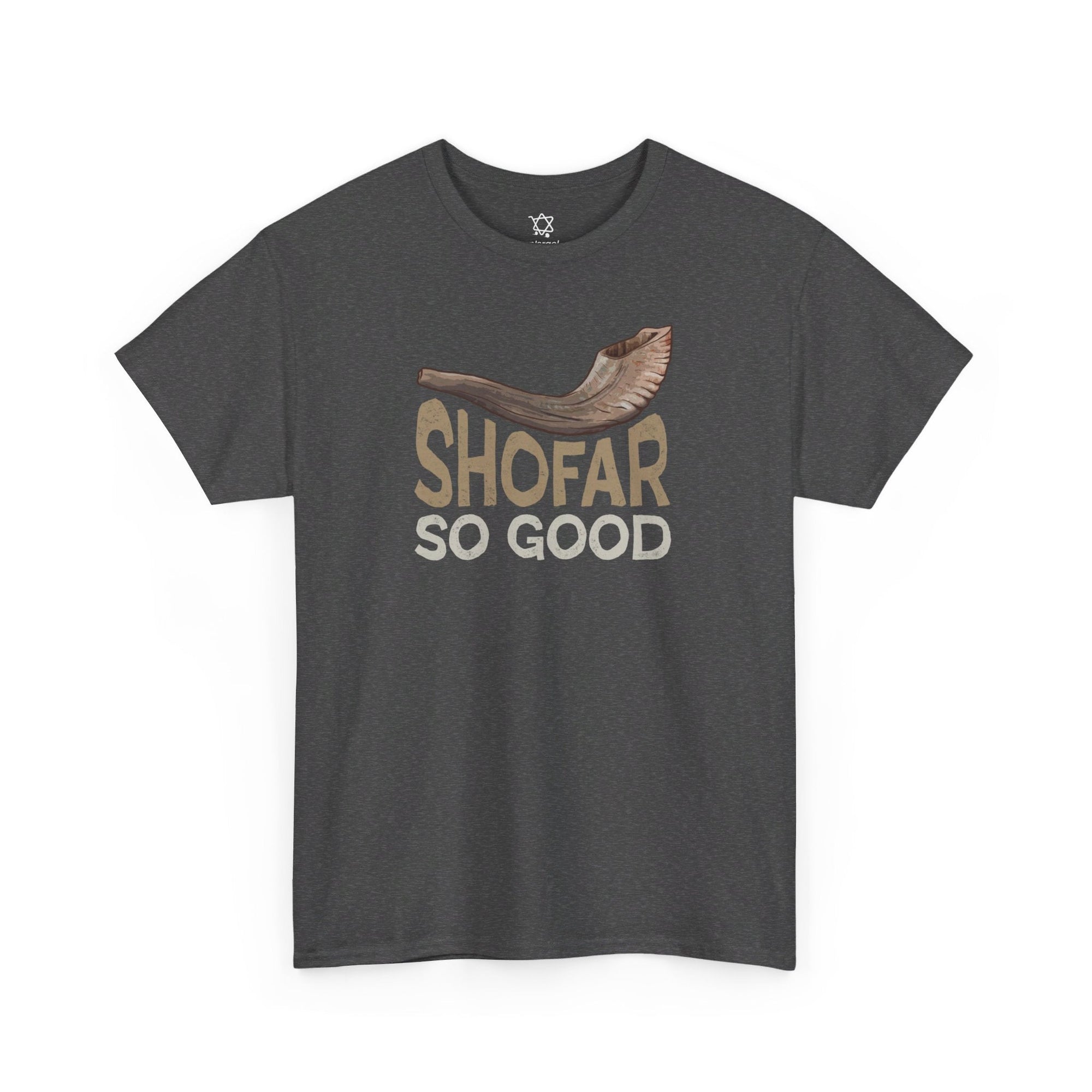
Not everyone needs a working horn to keep the shofar close. Its shape and spirit show up across meaningful jewelry and gifts, and you can explore pieces in our Jewish symbols jewelry collection. For a lighter nod to the season, the playful Shofar So Good t-shirt is a favorite High Holidays gift.
Bridge: Shopping for the New Year? Browse our Rosh Hashanah gifts to bring the sound and symbolism of the shofar into your celebration.
Related
- The Shofar's Historical and Spiritual Significance Explained
- How the Shofar Shapes Jewish Festival Traditions
- The Historical Significance of the Shofar in Jewish Culture
Last updated July 2026.