

Short answer: The shofar is an ancient Jewish wind instrument, most traditionally a ram's horn that is hollowed, heated, straightened, and polished by hand. Its sound rang out at Mount Sinai, toppled the walls of Jericho, and proclaimed the Jubilee year, and today it is blown throughout the month of Elul, on Rosh Hashanah, and at the close of Yom Kippur as a call to awakening, repentance, and remembrance (My Jewish Learning). That layered meaning is exactly why the shofar keeps reappearing as a design motif in modern Judaica and pro-Israel merchandise.
What the shofar is, and where it comes from
A shofar is a natural horn rather than a manufactured brass instrument, which is part of its emotional power: no two sound exactly alike. Jewish law requires that it come from a kosher animal, and a ram's horn is customarily preferred because it recalls the Binding of Isaac (Genesis 22), when a ram caught in a thicket was offered in Isaac's place. Cattle are excluded because a cow's horn would evoke the Golden Calf, and solid-horned animals such as deer cannot be hollowed into a working instrument (My Jewish Learning). Ashkenazi communities tend to favor the ram, while Yemenite Jews prize the long, dramatically spiraled kudu horn.
Making a shofar is patient, physical work. The bony inner core is removed and the keratin sheath is boiled or softened, then heated so it can be partially straightened, drilled through, shaped, set in cold water to hold its form, and finally sanded smooth. Kosher horns used for this include ram, ibex, goat, gazelle, and the large Yemenite kudu (Orthodox Union). The result is an object that is at once rustic and refined, and no two are exactly alike.
From Sinai to the High Holidays
The shofar is one of the oldest instruments still in ritual use, named dozens of times across the Hebrew Bible. The Israelites heard a shofar "exceeding loud" issuing from the cloud at Mount Sinai as the commandments were given (Exodus 19:16). The Torah later commands a "memorial of blowing" on the first day of the seventh month, Rosh Hashanah (Leviticus 23:24), and the sounding of the horn to proclaim the Jubilee year of release (Leviticus 25:9) (Jewish Encyclopedia). In antiquity its blasts also announced the new moon and festivals, anointed kings, and warned of approaching war, most famously at the fall of Jericho.
Today the shofar is sounded in three basic notes: tekiah, one long blast; shevarim, three broken blasts; and teruah, nine short staccato blasts, often ending with a long tekiah gedolah. It is blown daily through Elul, throughout Rosh Hashanah, and once more at the end of the Neilah service that closes Yom Kippur (My Jewish Learning). Rabbinic tradition reads these patterns as a wordless language of the soul: the whole, unbroken tekiah, the sighing shevarim, and the sobbing teruah, together a summons to look inward, repent, and return.
Jericho, the Western Wall, and a modern symbol
The shofar gained a powerful national resonance in the twentieth century. On June 7, 1967, during the Six-Day War, IDF Chief Rabbi Shlomo Goren sounded the shofar at the newly liberated Western Wall, an image that became an enduring symbol of the horn and of Jerusalem's reunification after decades in which shofar-blowing at the Wall had been restricted under British rule (Jewish Virtual Library). Later testimony complicates the famous photograph: several accounts hold that Goren, overwhelmed by the moment, struggled to produce a sound, and that paratrooper officer Uzi Eilam, a trained trumpeter, took the shofar and actually blew it (Ynetnews; The Jerusalem Post). Either way, that moment fused the ancient sound with a very modern one, and it is part of why the shofar now reads as a symbol of resilience as much as of prayer.
Wearing and owning the shofar today
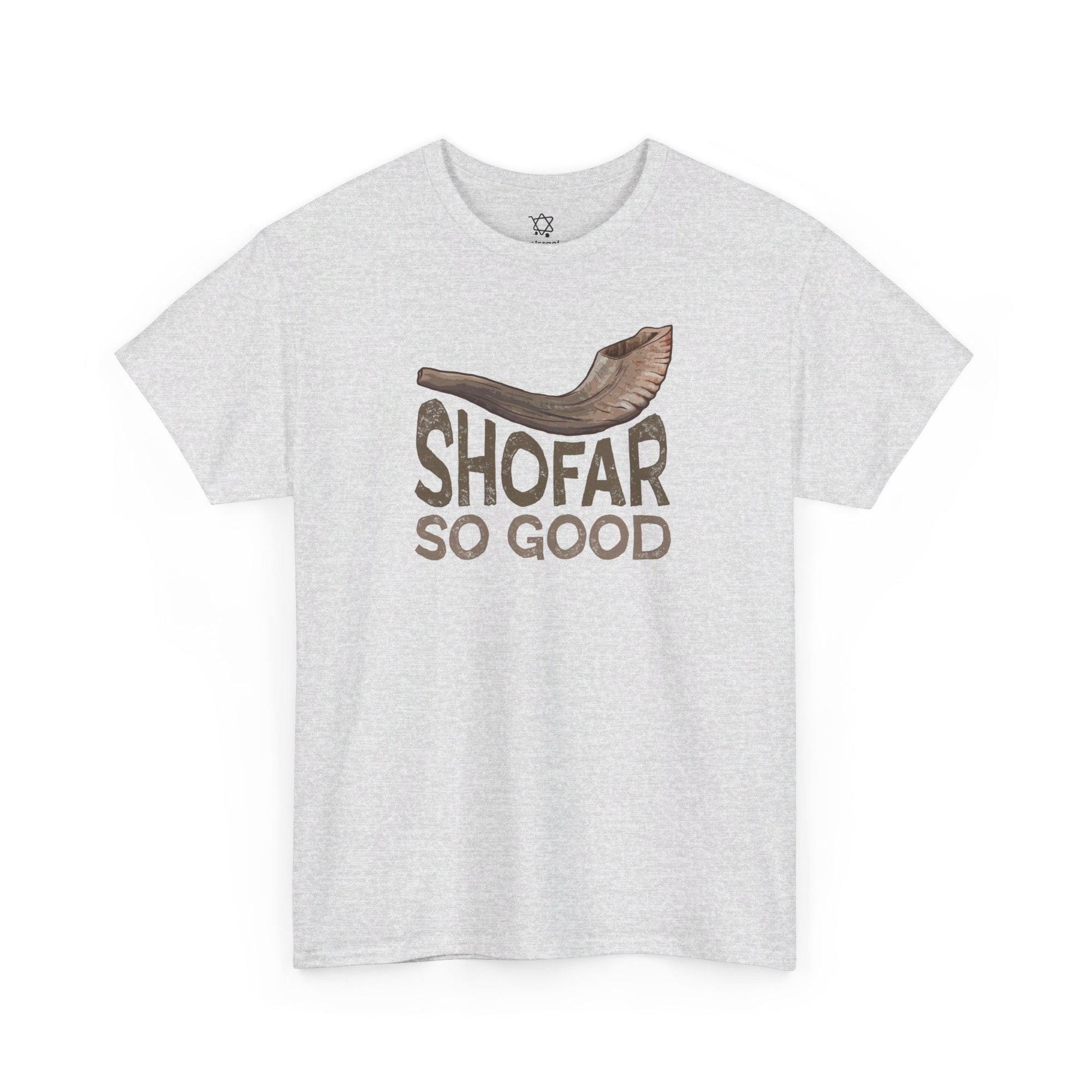
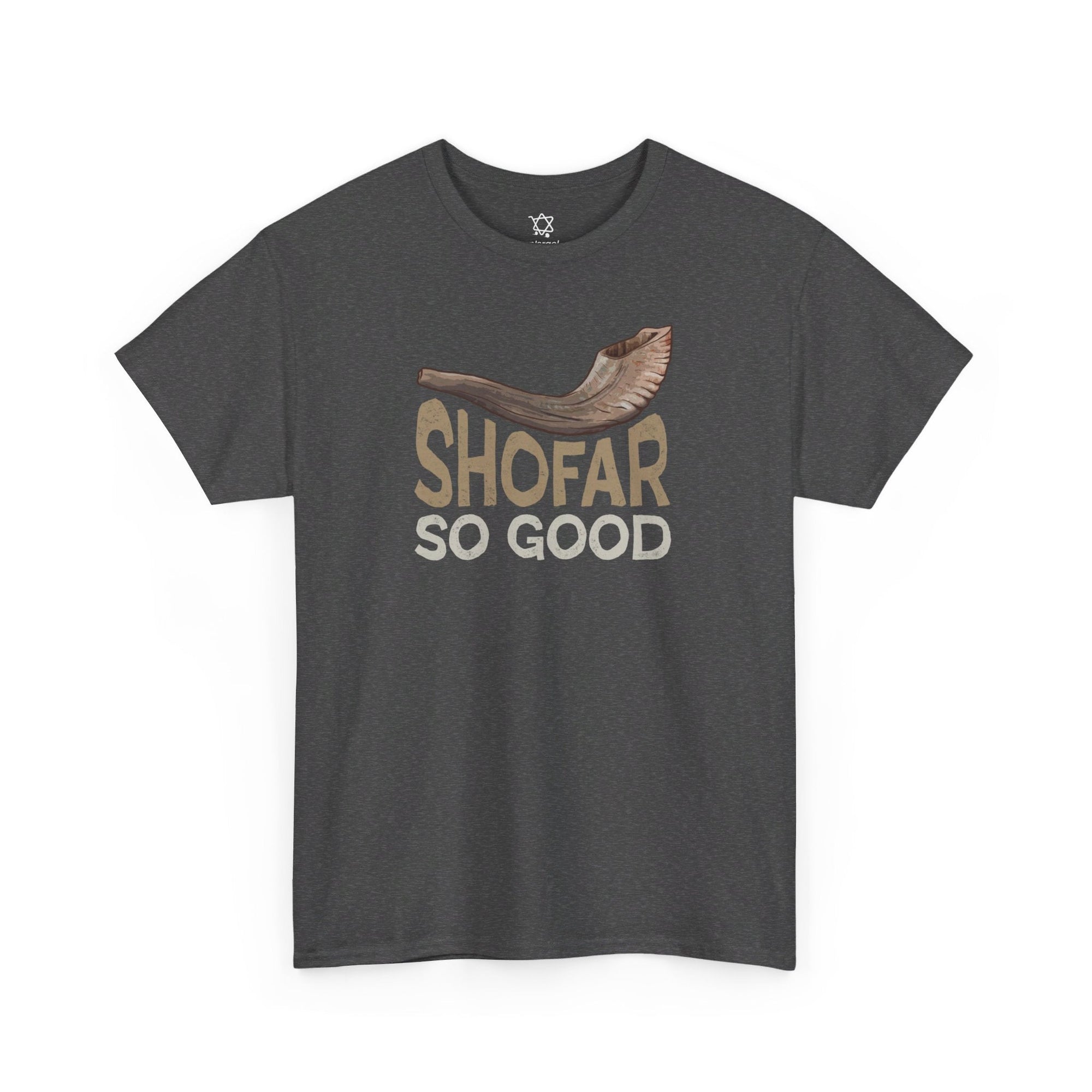
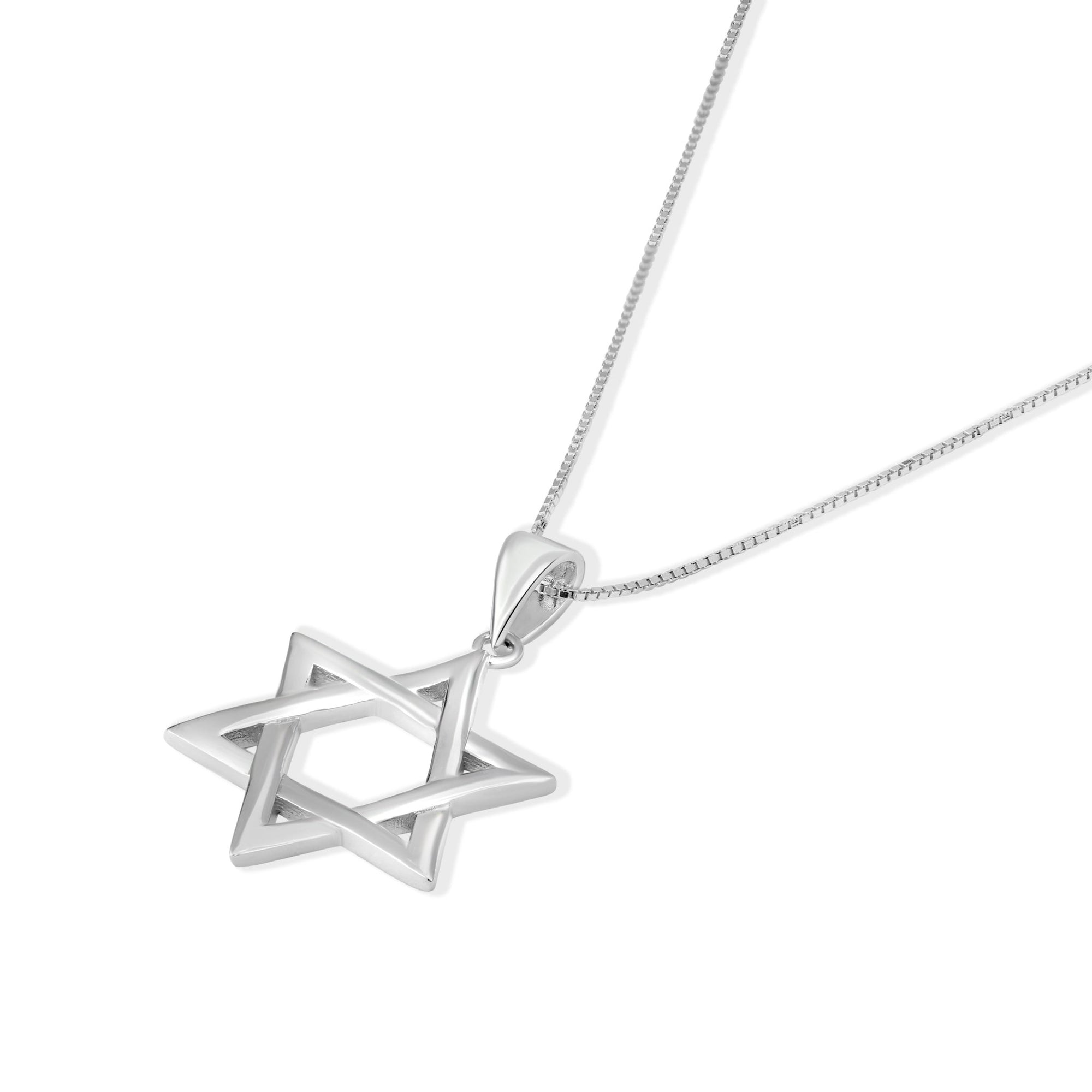
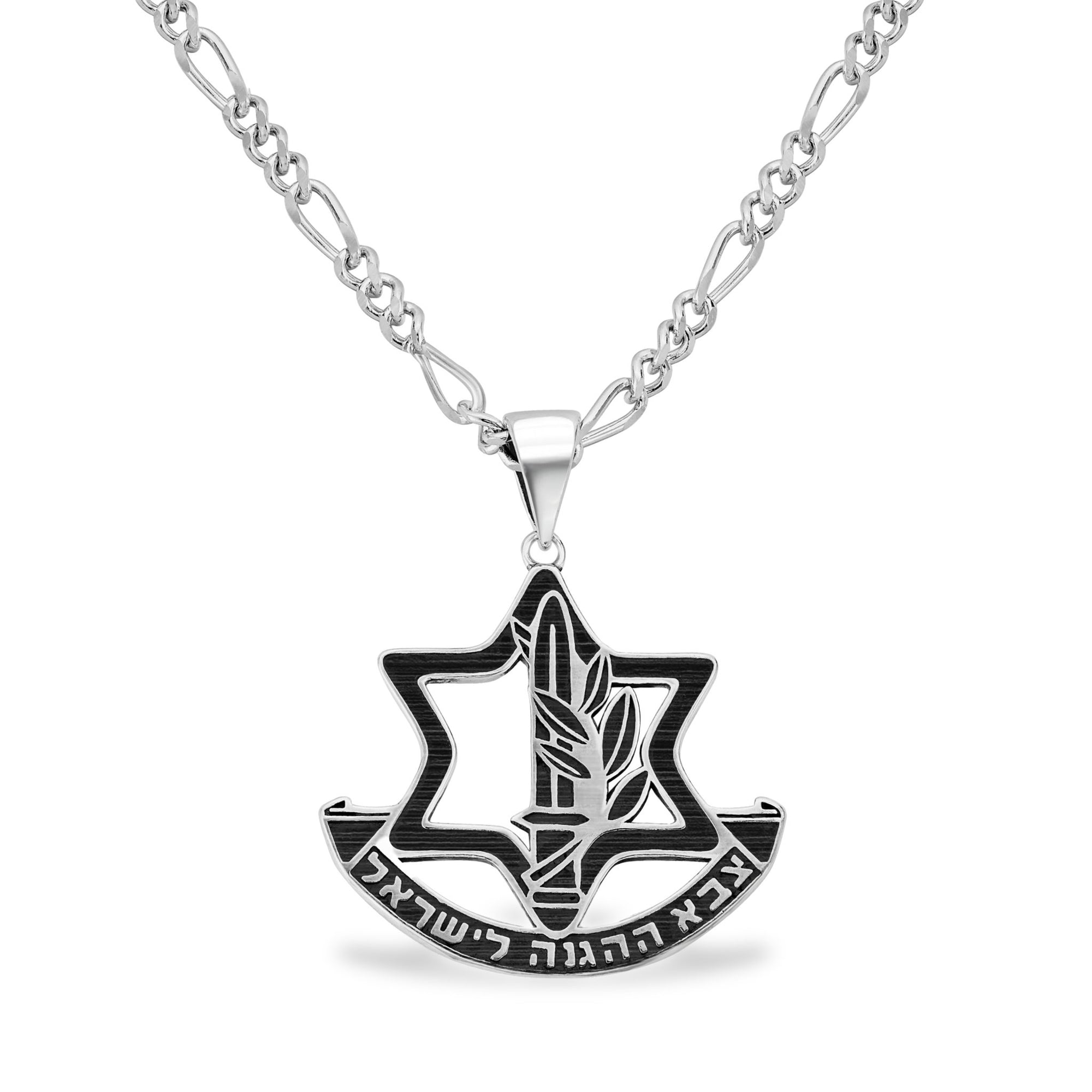
That layered meaning, biblical, spiritual, and national, is exactly why the shofar shows up so often in contemporary Judaica: on pendants and wall art, on holiday home goods, and on apparel that carries a bit of Rosh Hashanah spirit year round. Around the High Holidays especially, a shofar design becomes a small visual shorthand for the season's themes of renewal and return, which is why it appears on so many gifts and keepsakes. If you want to keep the symbol close all year, our Jewish symbols jewelry collection gathers pieces built around the motifs at the heart of Jewish identity, the kind you can wear every day and explain to anyone who asks.
One distinction is worth keeping: a decorative shofar motif on a shirt, a mug, or a necklace is a symbol, meant to celebrate and remember. A genuine, playable shofar intended for the Rosh Hashanah mitzvah is a ritual object that must meet kosher-horn requirements. Both have their place; they simply serve different purposes.
Related
- The shofar's historical and spiritual significance explained
- How the shofar shapes Jewish festival traditions and merchandising
- Understanding the role of the shofar in Jewish culture and merchandise
Last updated July 2026.