

Short answer: The shofar is a wind instrument made from the hollow horn of a kosher animal, most traditionally a ram, and it is one of Judaism's oldest and most resonant ritual objects, appearing more than 70 times in the Torah. Its blasts (tekiah, shevarim, teruah, and the closing tekiah gedolah) work as a spiritual wake-up call to repentance and renewal, sounded above all on Rosh Hashanah and at the close of Yom Kippur, and daily through the month of Elul that leads up to them, according to My Jewish Learning. The ram's-horn form deliberately recalls the Binding of Isaac, and today most shofarot are crafted and sold from Israel.
What the shofar means and where it comes from
The shofar is not a musical instrument in the ordinary sense. It plays no melody, only a small set of ritual calls, and its power lies in that raw, wordless sound. The horn's biblical resume is long. Its blast (the kol shofar) accompanies the revelation at Mount Sinai in Exodus 19, signaling divine presence, as a Jewish studies scholar explains in The Conversation. In the book of Joshua 6, seven priests carry seven ram's-horn trumpets around Jericho, and on the seventh day, after seven circuits and a great shout, the city walls fall.
The holiday command is spelled out in the Torah. Leviticus 23:24 and Numbers 29:1 set aside the first of the seventh month as a day of loud blasts, the one distinctive mitzvah of Rosh Hashanah beyond rest, as My Jewish Learning notes. The same horn carries a message of freedom: in the Jubilee year the shofar is sounded on Yom Kippur to proclaim liberty throughout the land, and the Hebrew word for that year, yovel, itself means ram's horn. Centuries later Maimonides distilled the meaning into a single line in the Mishneh Torah (Laws of Repentance 3:4): the blast says "Wake up, sleepers, from your sleep ... search your ways and return in repentance," as quoted by Chabad.org.
The four sounds and when they are blown
There are four recognized calls. Tekiah is a single sustained note, often understood as a royal coronation call, since Rosh Hashanah crowns God as King. Shevarim is three broken notes likened to sighing or moaning. Teruah is a rapid staccato series, nine short notes that sound like an alarm or urgent weeping. Tekiah gedolah is the final, extended blast, held as long as the blower can manage. Jewish law requires 30 blasts on each day of Rosh Hashanah, and longstanding custom raises the total to 100 (some communities 101), per My Jewish Learning.
The shofar's season is wider than a single holiday. It is sounded through the month of Elul as a daily summons to introspection (customarily every weekday except the day before Rosh Hashanah), across the two days of Rosh Hashanah, and in one climactic blast at the very close of Yom Kippur's Neilah service.
From ram's horn to kudu: how a kosher shofar is made
Halachically, a shofar must be the hollow horn of a kosher animal, which is why cow and bull horns are excluded, both on technical grounds and by the symbolic association with the sin of the Golden Calf, as the Orthodox Union explains and the Judaica Web Store confirms in its own guidance. A ram's horn is the ideal, chosen to evoke the Binding of Isaac in Genesis 22, where a ram caught in a thicket was offered in place of Isaac, notes Reform Judaism. Other kosher horns are permitted and popular: the short, curved ram's horn is the most common, while the long, dramatically spiraled Yemenite shofar is made from African kudu antelope horn, and gemsbok or oryx horns are used as well.
On the commercial side, Israel is the center of shofar craftsmanship, with well-known family workshops producing everything from plain ritual shofarot to polished and decorative pieces. That is why shofar merchandise carries both religious weight and a strong made-in-Israel identity for buyers worldwide.
Bringing the shofar's spirit home
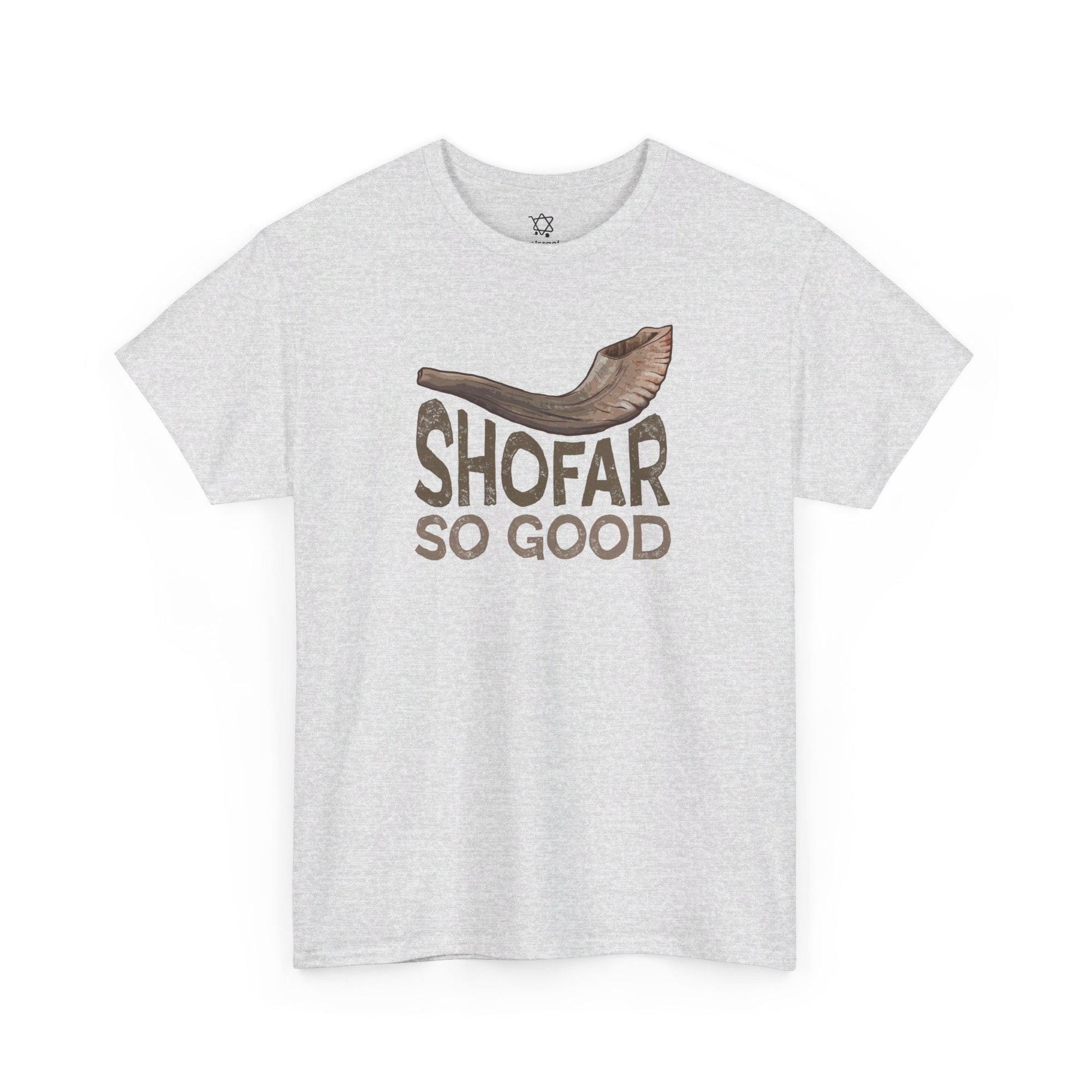
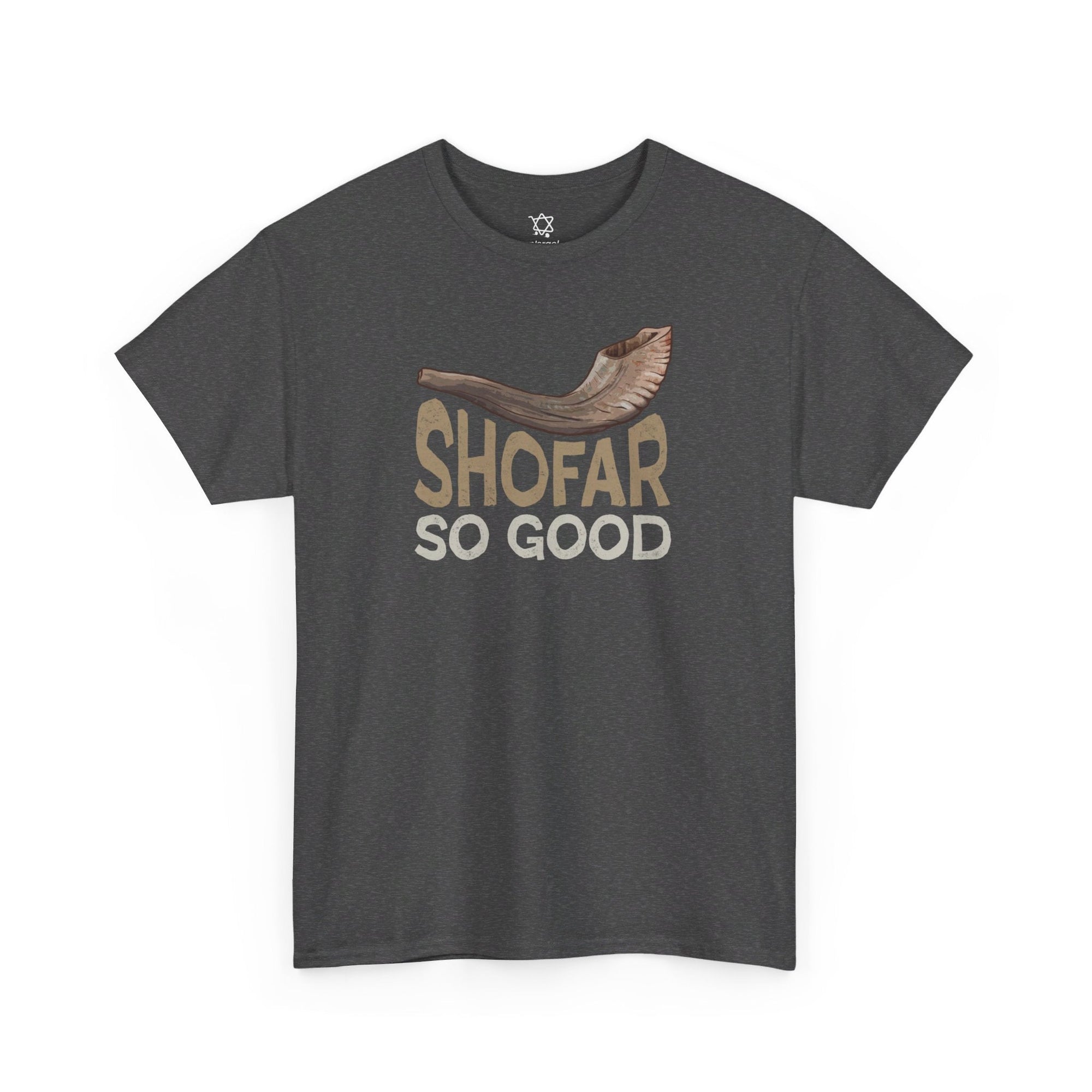
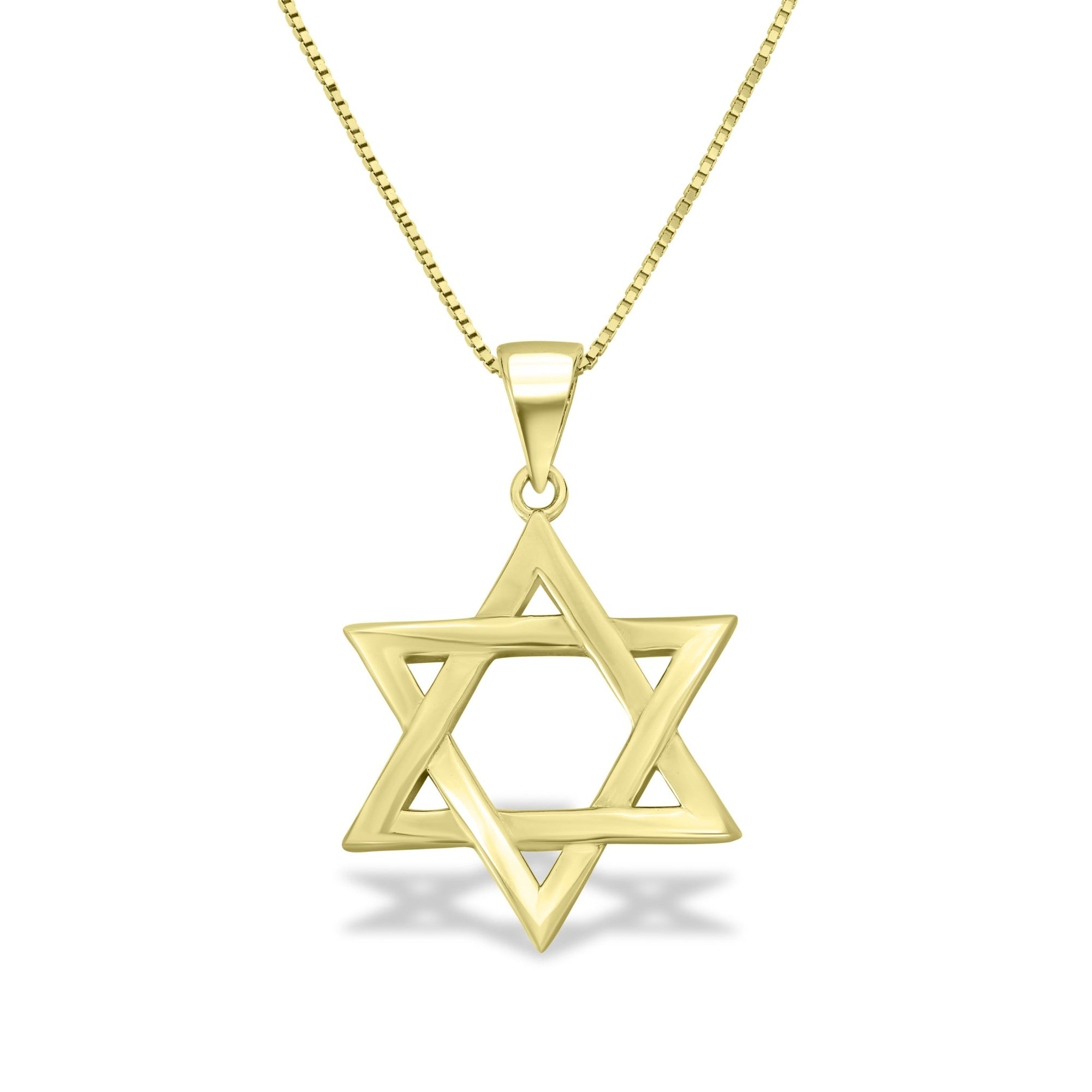
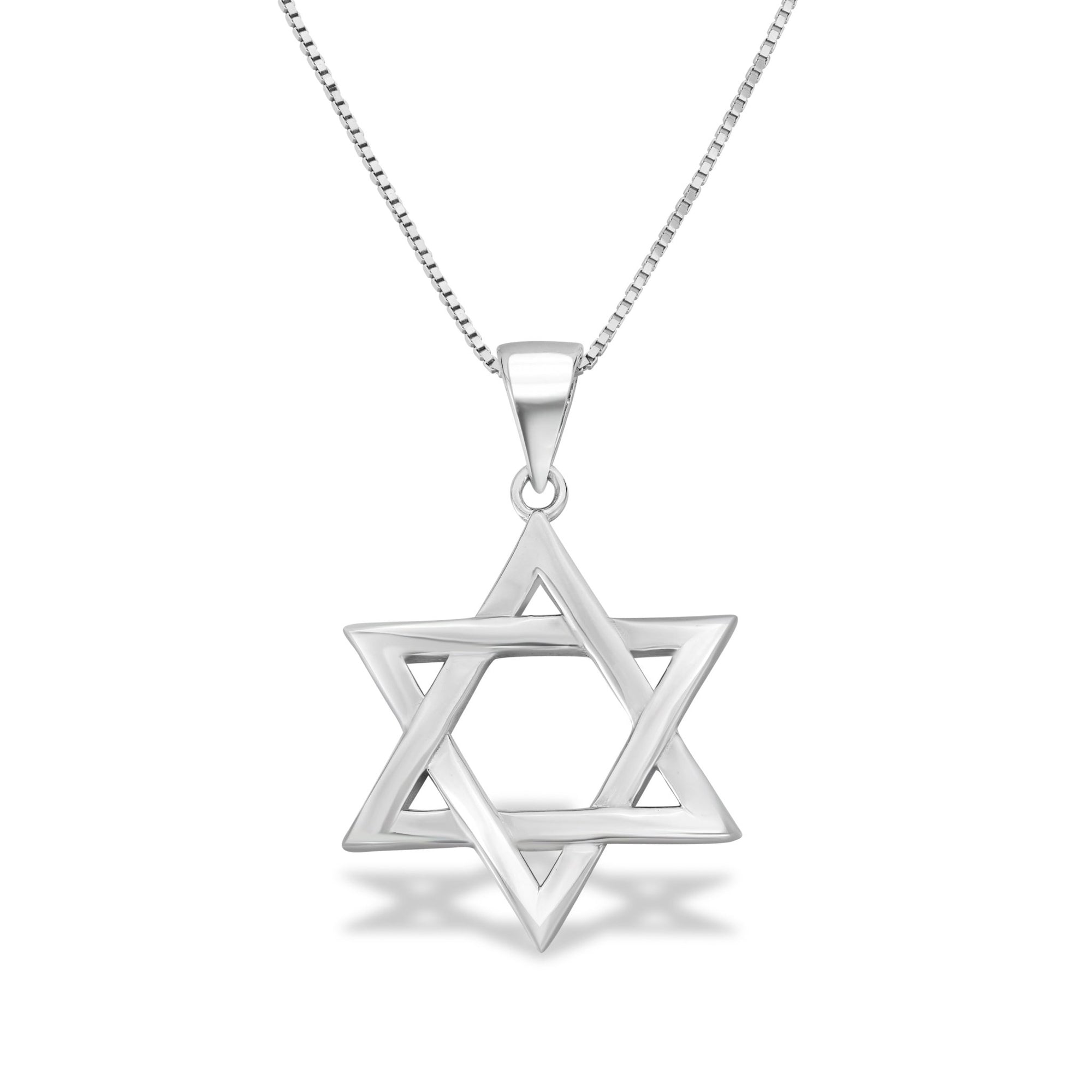
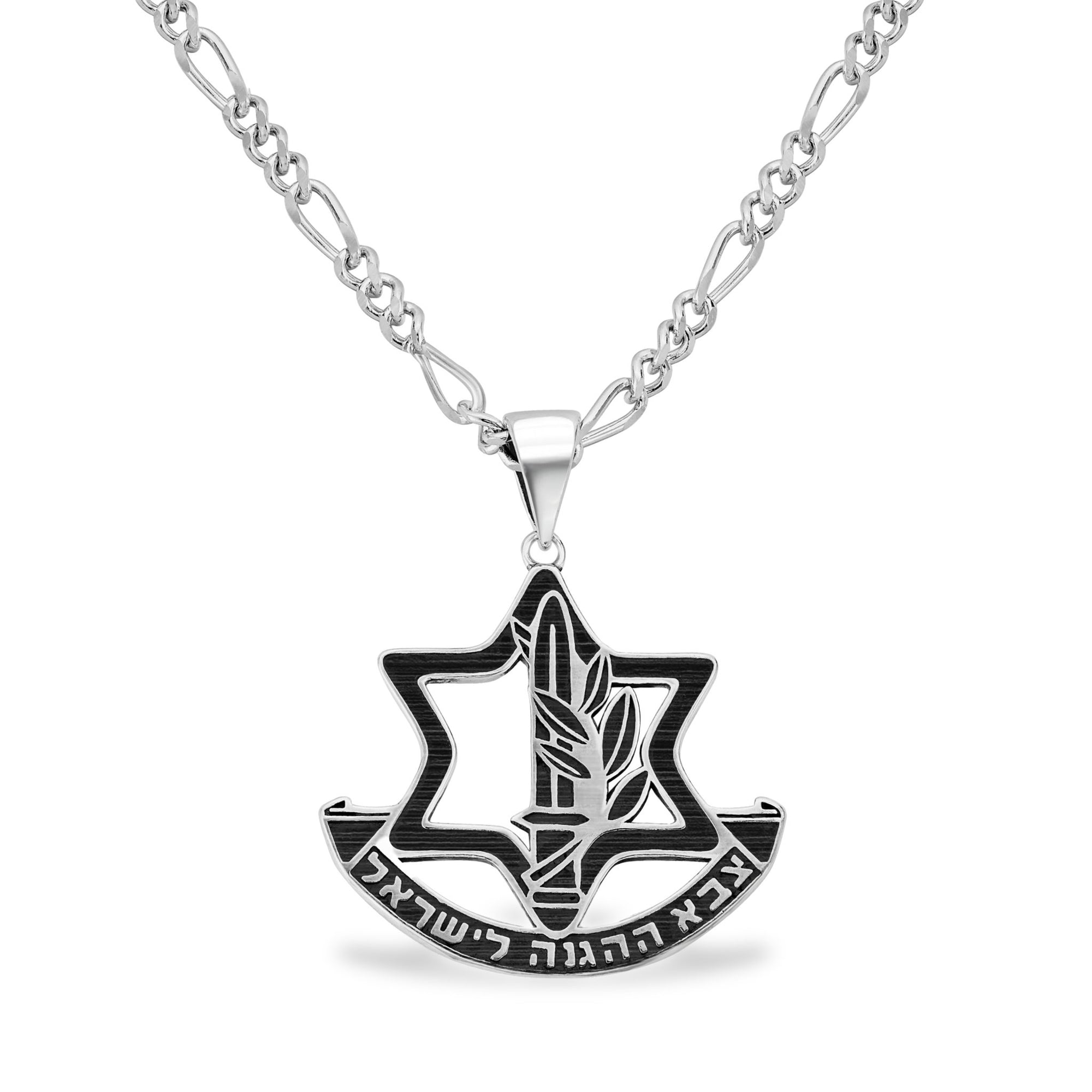
A kosher shofar belongs in the synagogue, but the horn's message of awakening and renewal travels well beyond the High Holidays. If you want to carry that spirit day to day, our playful "Shofar So Good" tee is a lighthearted nod to the tradition, and our Jewish symbols jewelry collection lets you wear enduring Jewish symbols in pieces made and shipped from Israel. Every purchase is a small way to keep these symbols close and support Israeli makers directly.
Related
- The shofar's historical and spiritual significance explained
- How the shofar shapes Jewish festival traditions and merchandising
- Shofar-inspired products, from tradition to trend
Last updated July 2026.