

Short answer: The shofar is an ancient Jewish wind instrument, traditionally a ram's horn, sounded as a wordless call to spiritual awakening and repentance. It is central to Rosh Hashanah (the Jewish New Year) and marks the close of Yom Kippur, and it carries layered meaning: God's revelation at Sinai, the ram of the Binding of Isaac, and the proclamation of divine kingship. Its raw, unpolished blast is meant to stir the heart where words cannot.
What the shofar is, and what it means
In Hebrew, the word shofar means ram's horn. It is a ritual wind instrument, and it is one of the oldest instruments still in continuous use in worship anywhere in the world. While the ram's horn is the traditional and preferred material, Jewish law permits the horn of almost any animal in the Bovidae family, with one notable exception: the cow. Yemenite Jewish communities often use a long, spiraled kudu horn instead (Encyclopaedia Britannica). A curved horn is favored over a straight one, since tradition reads its bent shape as a picture of a humble, bowed heart.
The shofar is not a melody instrument. Its purpose is arousal, not music: a piercing, deliberately rough sound meant to shake the listener awake. The ram's horn is preferred because it recalls the Binding of Isaac (the Akedah), where a ram caught by its horns in a thicket was offered in Isaac's place. The Talmud teaches that the horn is sounded so that God will "remember to your credit the binding of Isaac." A ram is favored by tradition, though no law strictly mandates it, and cattle horns are avoided in part so as not to recall the sin of the Golden Calf (Judaica Webstore).
Origins and history in the Bible
The shofar runs through the Hebrew Bible from Sinai onward. At Mount Sinai, the blast of a shofar sounding from the thick cloud on the mountain made the Israelites tremble in awe as the Torah was given, tying the instrument forever to revelation and the presence of God (Wikipedia). At the siege of Jericho, the Israelites marched around the city blowing shofars, and on the seventh day the blasts accompanied the collapse of the city's walls, linking the horn to military signaling and divine deliverance (Chabad.org).
The Hebrew word shofar appears about 72 times across the Tanakh, the entire Hebrew Bible (Study.com). A common claim that it appears "over seventy times in the Torah" is imprecise: that count is for the whole Hebrew Bible, not for the Five Books of Moses alone. Across those passages the shofar announces the New Moon and the Sabbath, signals war, proclaims the anointing of kings, and calls the people to repentance.
The shofar in Jewish worship today
On Rosh Hashanah the shofar is sounded in the synagogue as a call to spiritual reawakening. Jewish law requires 30 blasts each day, but by widespread custom the total reaches 100 (and in some communities 101 or 102). The blasts follow three patterns, a kind of emotional grammar: tekiah, one long, steady note; shevarim, three broken, sighing notes; and teruah, nine rapid staccato notes like an alarm, with the whole sequence framed by unbroken tekiah blasts (Chabad.org).
The season begins earlier than the New Year itself. The shofar is blown every weekday morning through the preceding month of Elul, and a single long tekiah gedolah, the "great blast," marks the very end of Yom Kippur at the closing Neilah service, signaling the close of the Day of Atonement (Orthodox Union). The ancient practice of sounding the shofar to crown a king even survives in the modern State of Israel: a shofar is blown at the inauguration of the President of Israel once the president is sworn in, a custom seen from Chaim Weizmann in 1949 through Isaac Herzog in 2021 (Wikipedia; The Jerusalem Post).
Bringing the shofar's spirit home
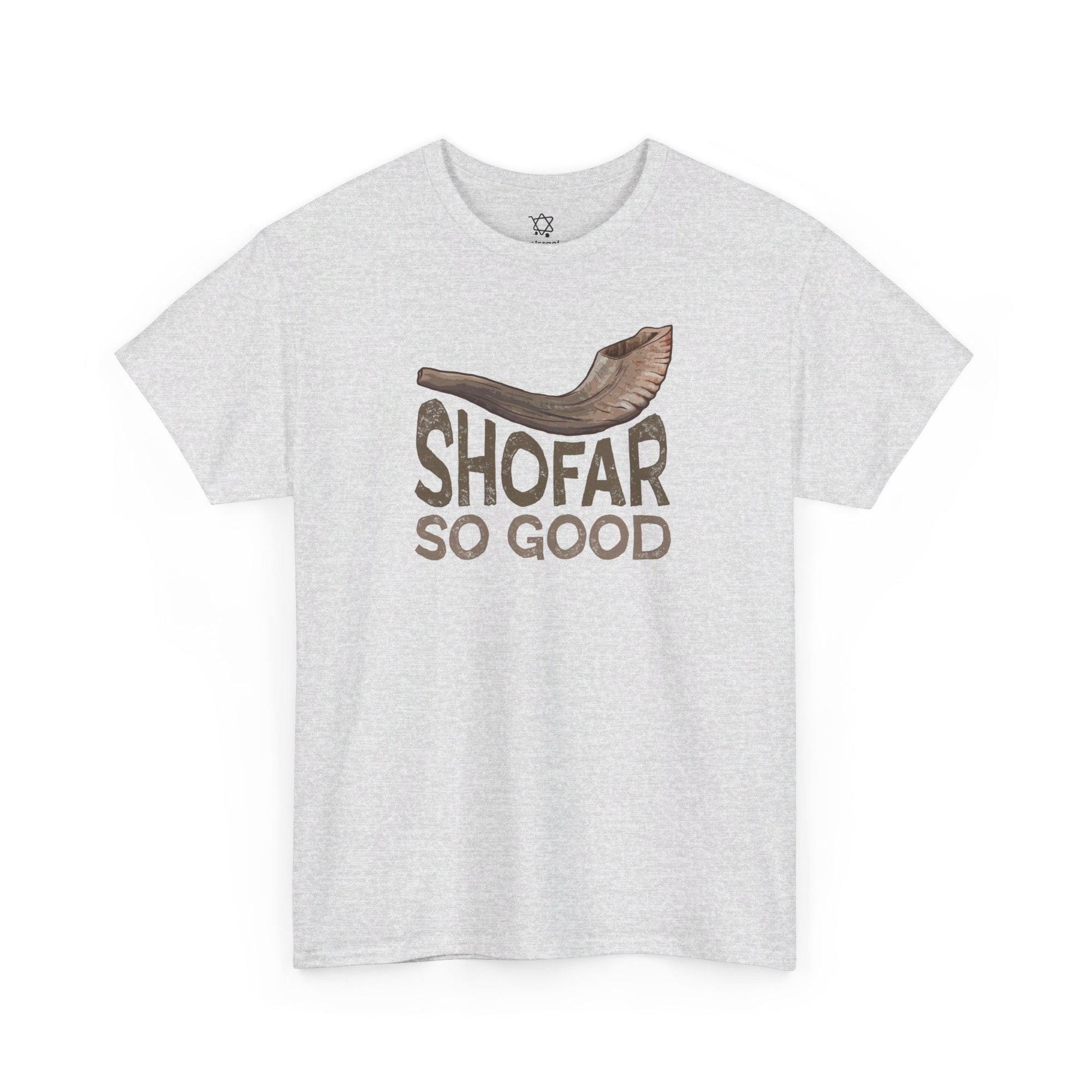
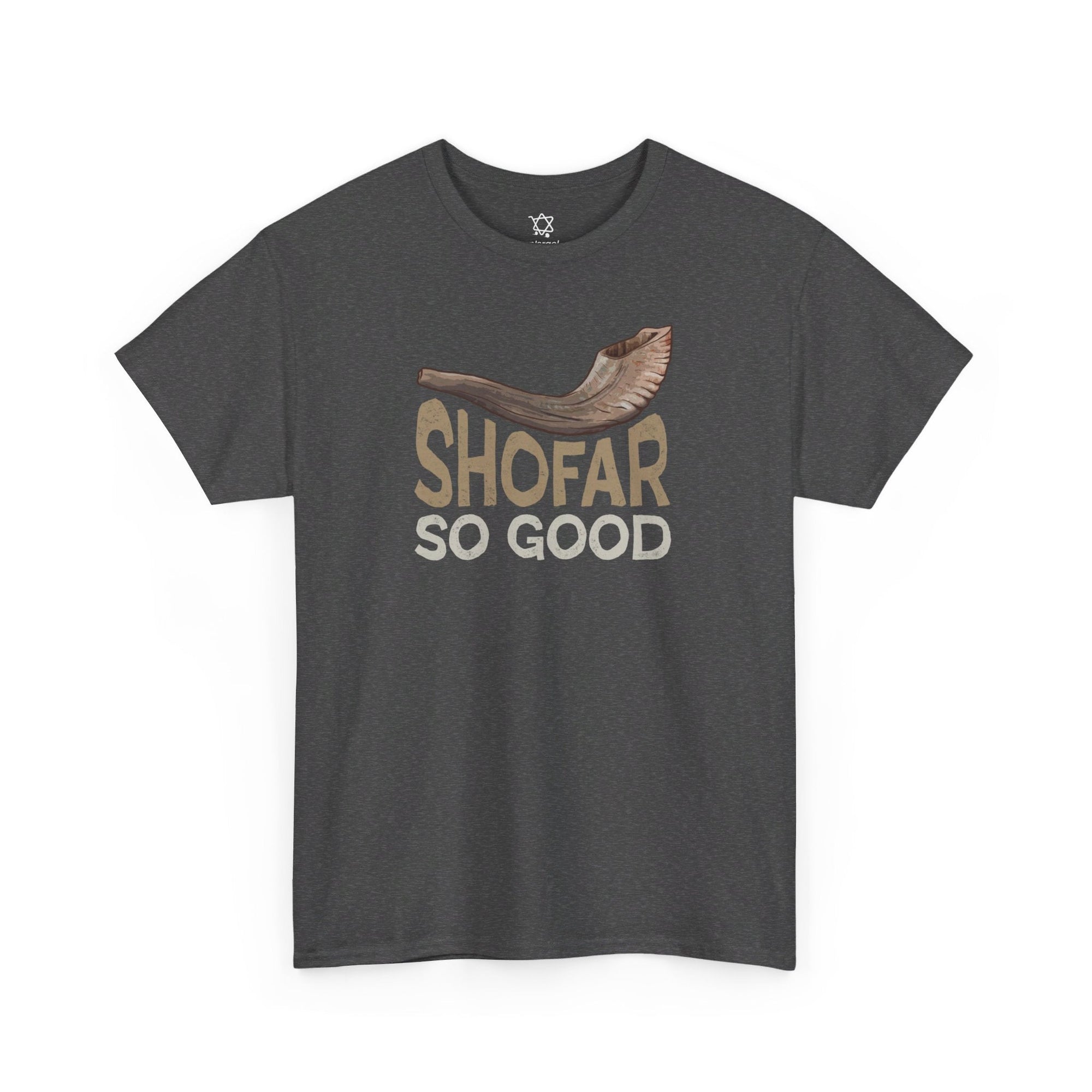
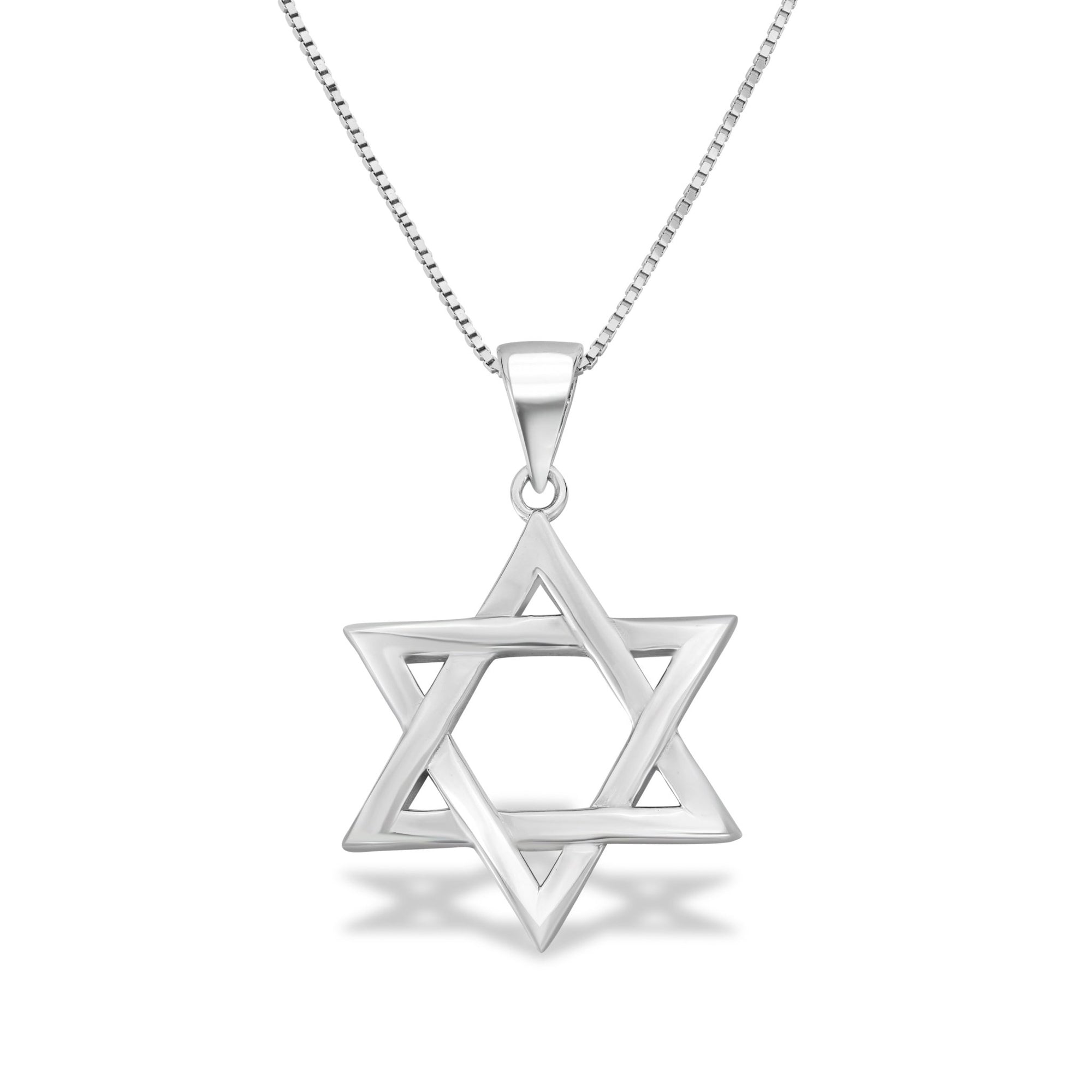
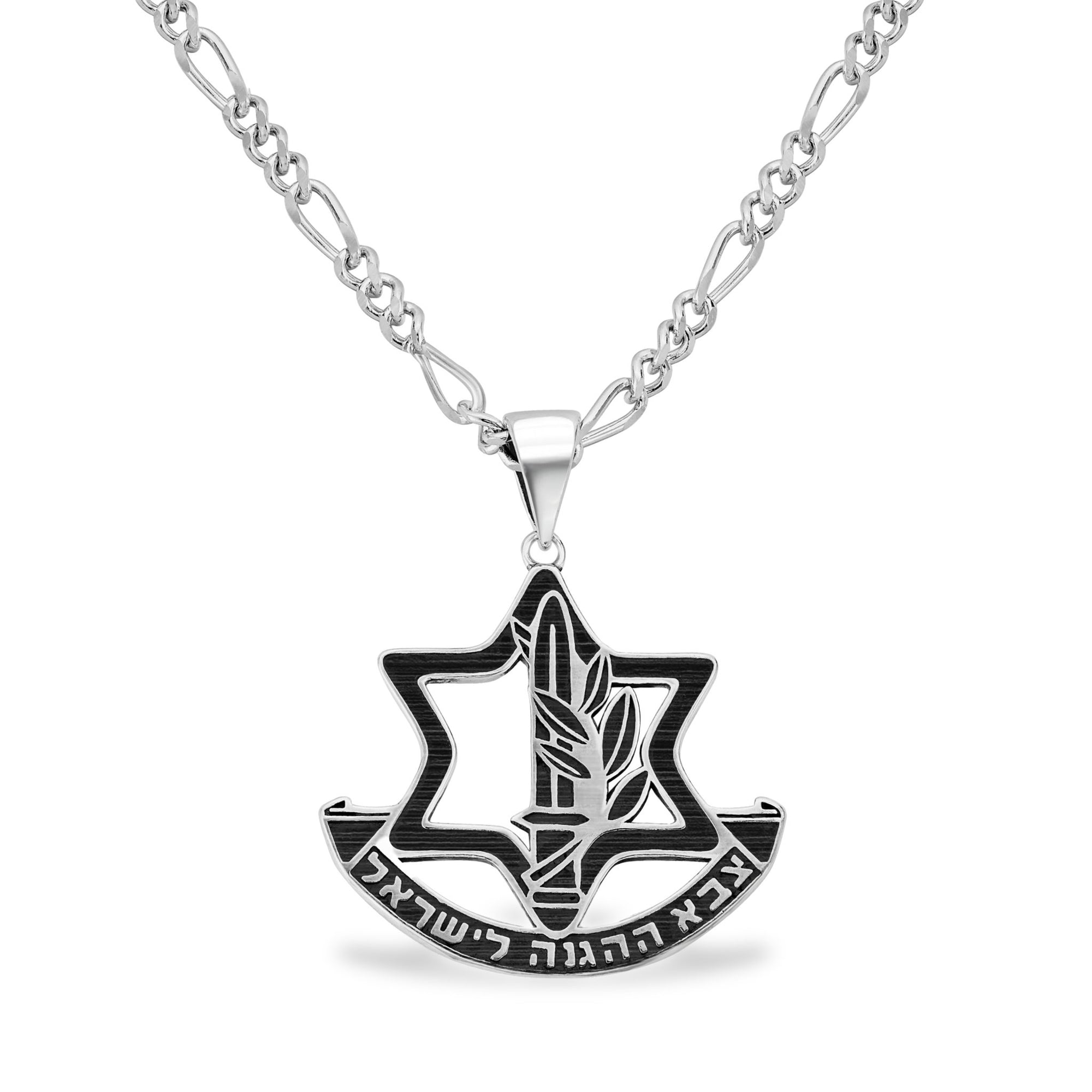
Because the shofar bridges the sacred and the tangible, it has long inspired heritage goods that carry its spirit into everyday life. If you want the sound of the season without the solemnity, our playful "Shofar So Good" tee wears the High Holiday spirit with a smile. For gifts built around the Rosh Hashanah and Yom Kippur season, browse the High Holidays collection, and for those who prefer to carry Jewish tradition as jewelry, the Jewish symbols jewelry collection turns heritage into something you can wear every day.
Related
- The shofar's historical and spiritual significance explained
- How the shofar shapes Jewish festival traditions and merchandising
- The historical significance of the shofar in Jewish culture
Last updated July 2026.