

Introduction to Jewish Jewelry's Cultural and Historical Importance
Historical significance of Jewish jewelry
Jewish jewelry has a rich history that dates back thousands of years, deeply intertwined with religious, cultural, and social life. Ancient Israelites adorned themselves with gold, silver, and semi-precious stones, using jewelry not only as a display of wealth but also as spiritual tokens. Biblical references highlight their use in wedding customs, rituals, and religious symbolism — for instance, the high priest's breastplate featuring twelve stones representing Israel's tribes symbolized divine connection and tribal identity. Archaeological finds from sites like Jerusalem and Megiddo confirm the craftsmanship and symbolic value of these adornments.
Role of jewelry in Jewish identity and cultural expression
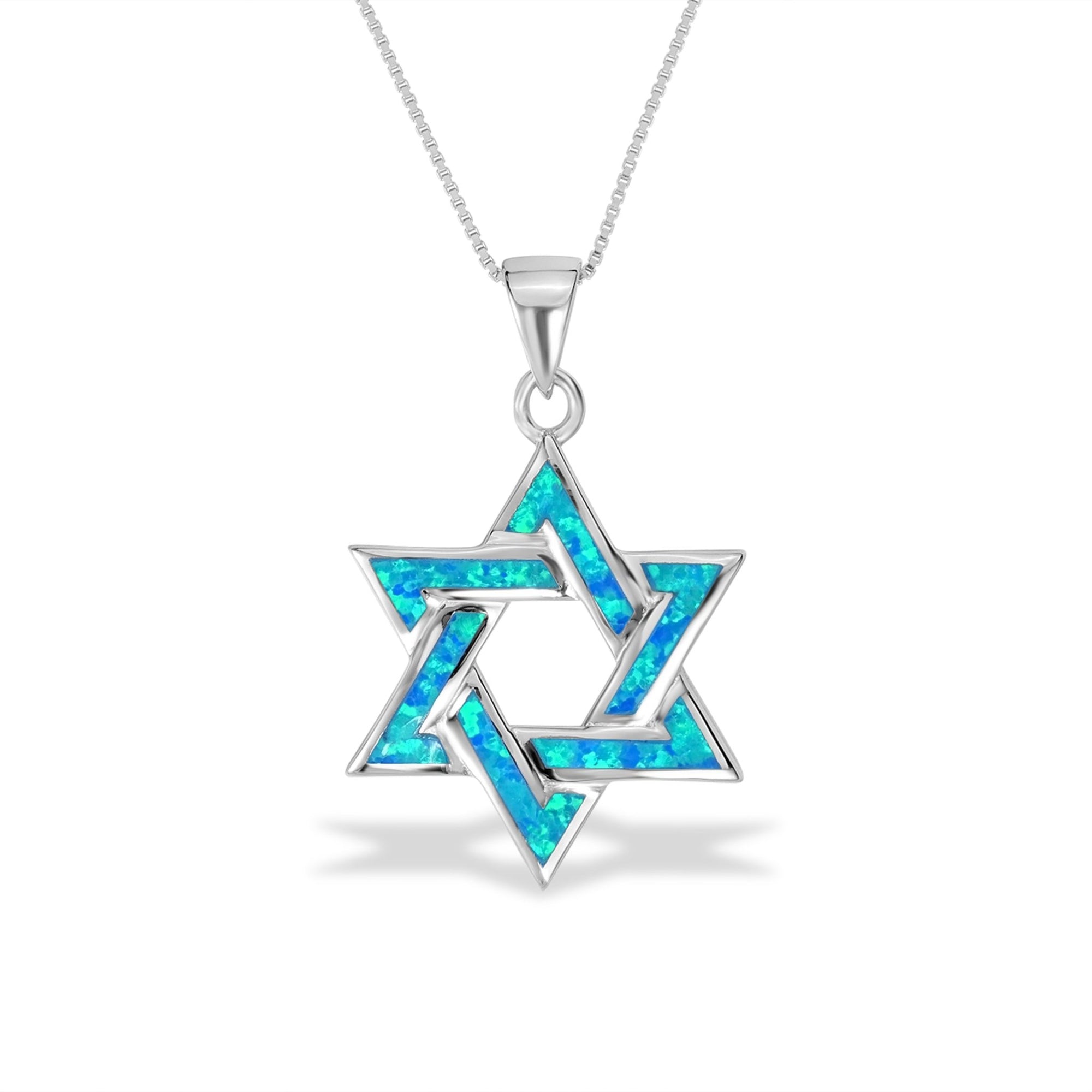
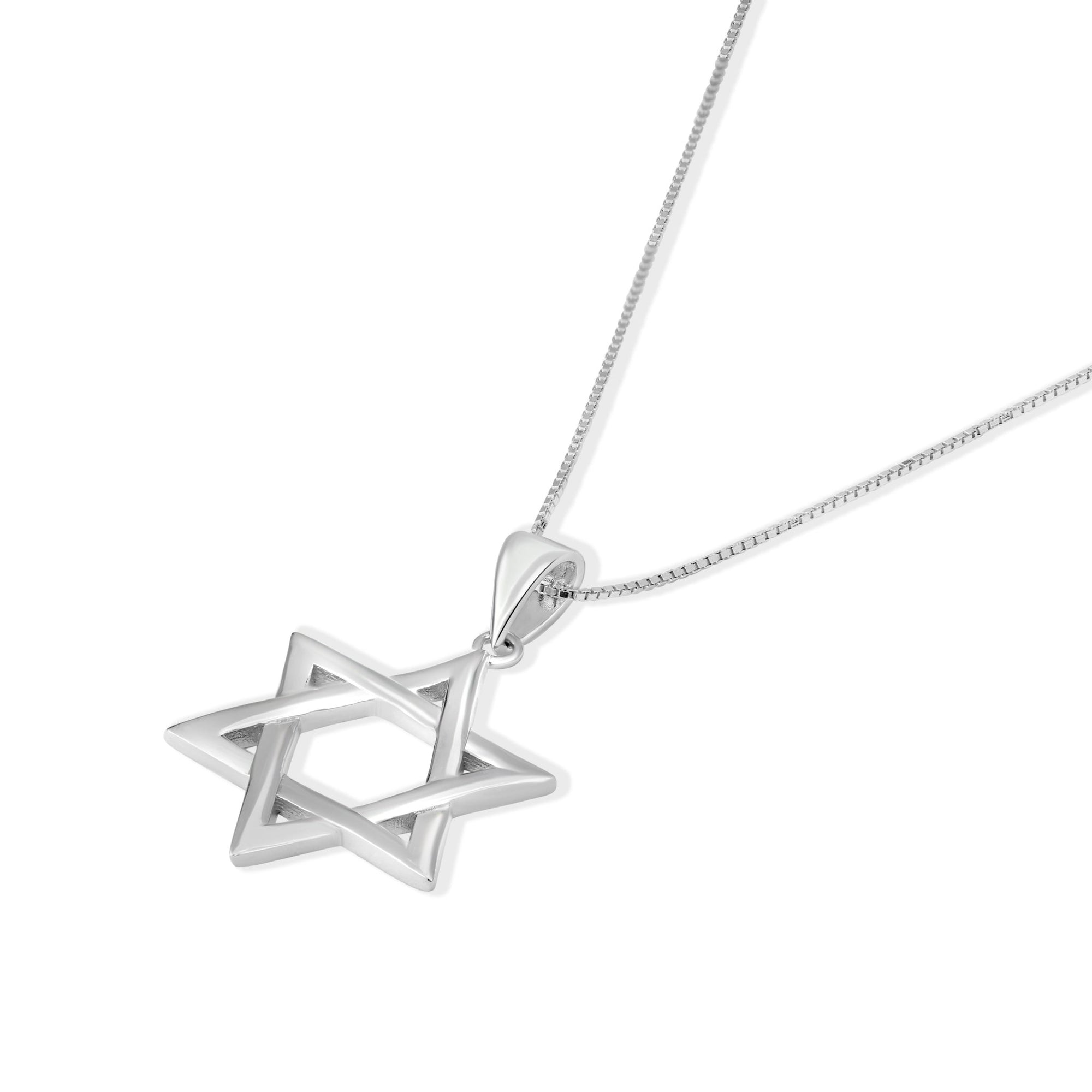
Jewelry remains a powerful expression of Jewish identity and heritage today, embodying symbols such as the Star of David, Hamsa, Chai, and pomegranates. These motifs reflect profound themes like protection, faith, life, and prosperity. Israeli artisans craft pieces from sterling silver, gold, and precious stones, often personalizing them with Hebrew names and spiritual inscriptions. This blend of tradition and modern design allows individuals to proudly showcase their roots, legacy, and patriotism. Jewish jewelry embraces both sacred and national symbolism, connecting wearers personally to enduring cultural values, faith, and the collective memory of the Jewish people.
The Cultural Connection: Jewelry as a Jewish Heritage Expression
What is the connection between Jewish culture and jewelry?
Jewish culture embraces Jewish Jewelry not just as adornment but as a profound expression of identity and heritage. For centuries, Jewish communities have used jewelry to convey faith, resilience, and pride. Symbols like the Hamsa hand symbol and the Star of David symbol often serve dual purposes: spiritual protection and cultural affirmation.
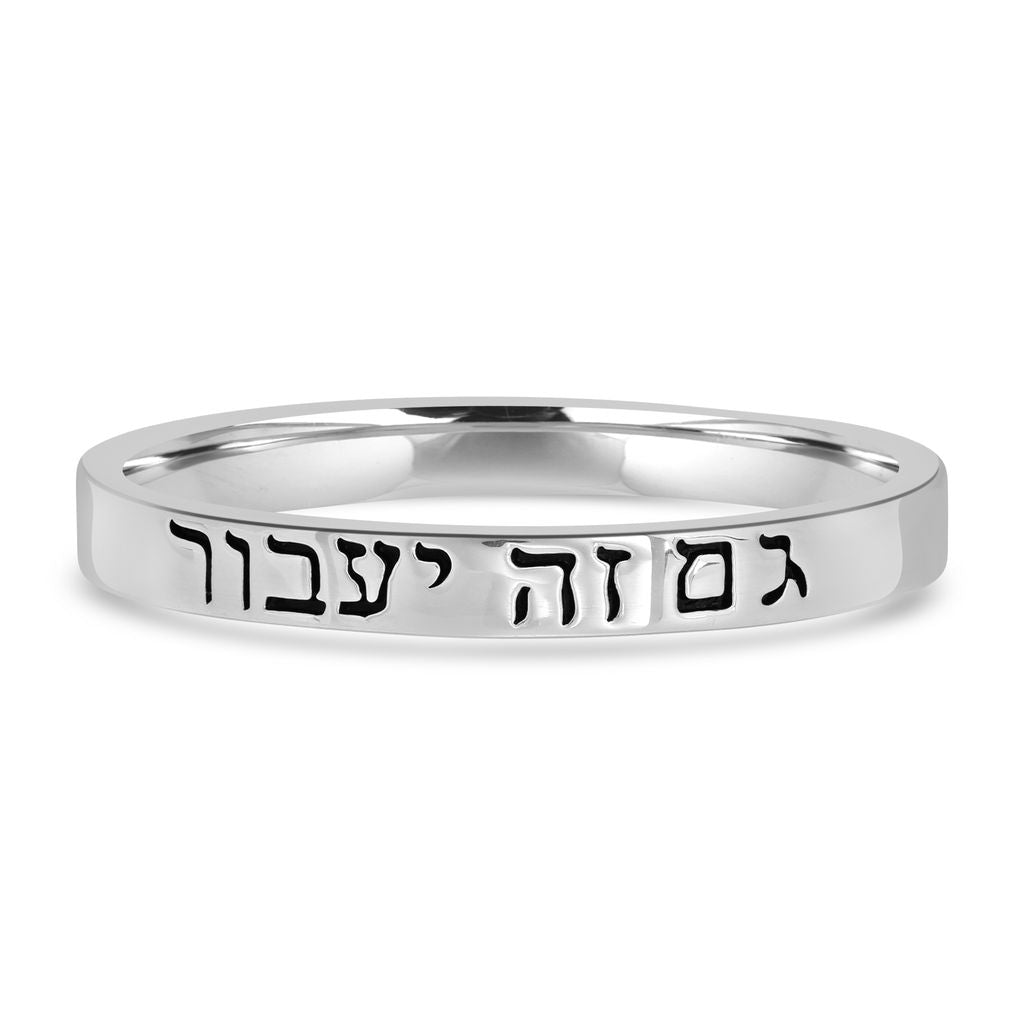
Jewelry pieces are frequently inscribed with Hebrew phrases such as Gam Ze Yaavor jewelry ("This Too Shall Pass") and Am Yisrael Chai ("The People of Israel Live"), messages that embody hope and perseverance amid adversity. These inscriptions forge a personal and collective bond with Jewish history and faith.
What symbols convey faith and Jewish pride in jewelry?
Jewish jewelry features iconic symbols with deep spiritual roots:
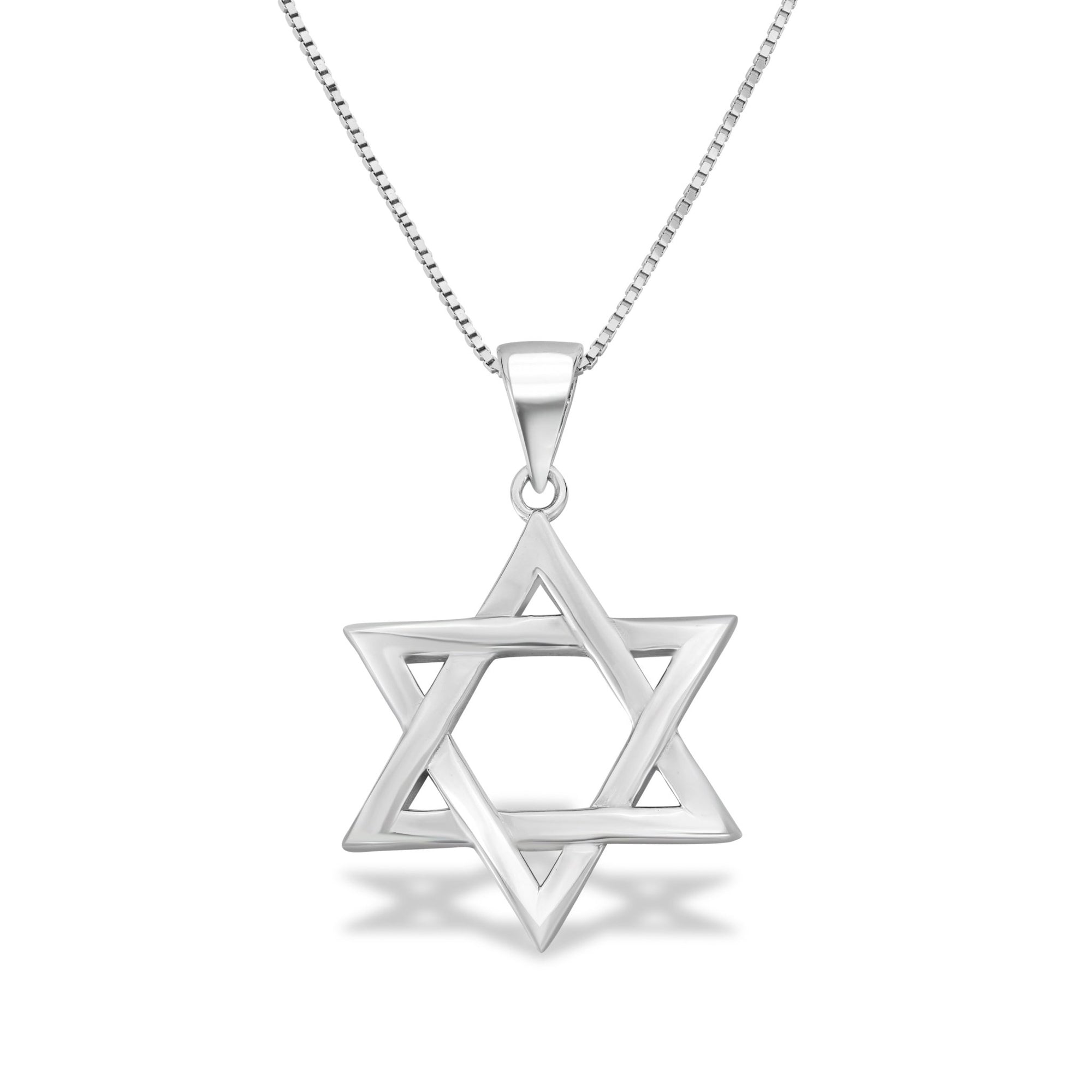
- Star of David (Magen David): Represents divine protection and Jewish unity.
- Hamsa: An open hand believed to ward off evil and bring blessings.
- Chai: Meaning "life," symbolizing luck and vitality.
- Pomegranates: Symbolize fertility, abundance, and the Land of Israel's richness.
- Menorah: Reflects religious tradition and the Israeli state’s heritage.
Jewelry artisans blend these motifs into necklaces, rings, and bracelets that reflect both tradition and contemporary styles, making them wearable expressions of Jewish identity.
How are Hebrew inscriptions and motifs used in Jewish jewelry?
Hebrew inscriptions personalize jewelry with cultural, spiritual, and familial meaning. Common inscriptions include prayers like the Shema inscription on jewelry or phrases such as Gam Ze Ya'avor, reminding wearers of faith and resilience.
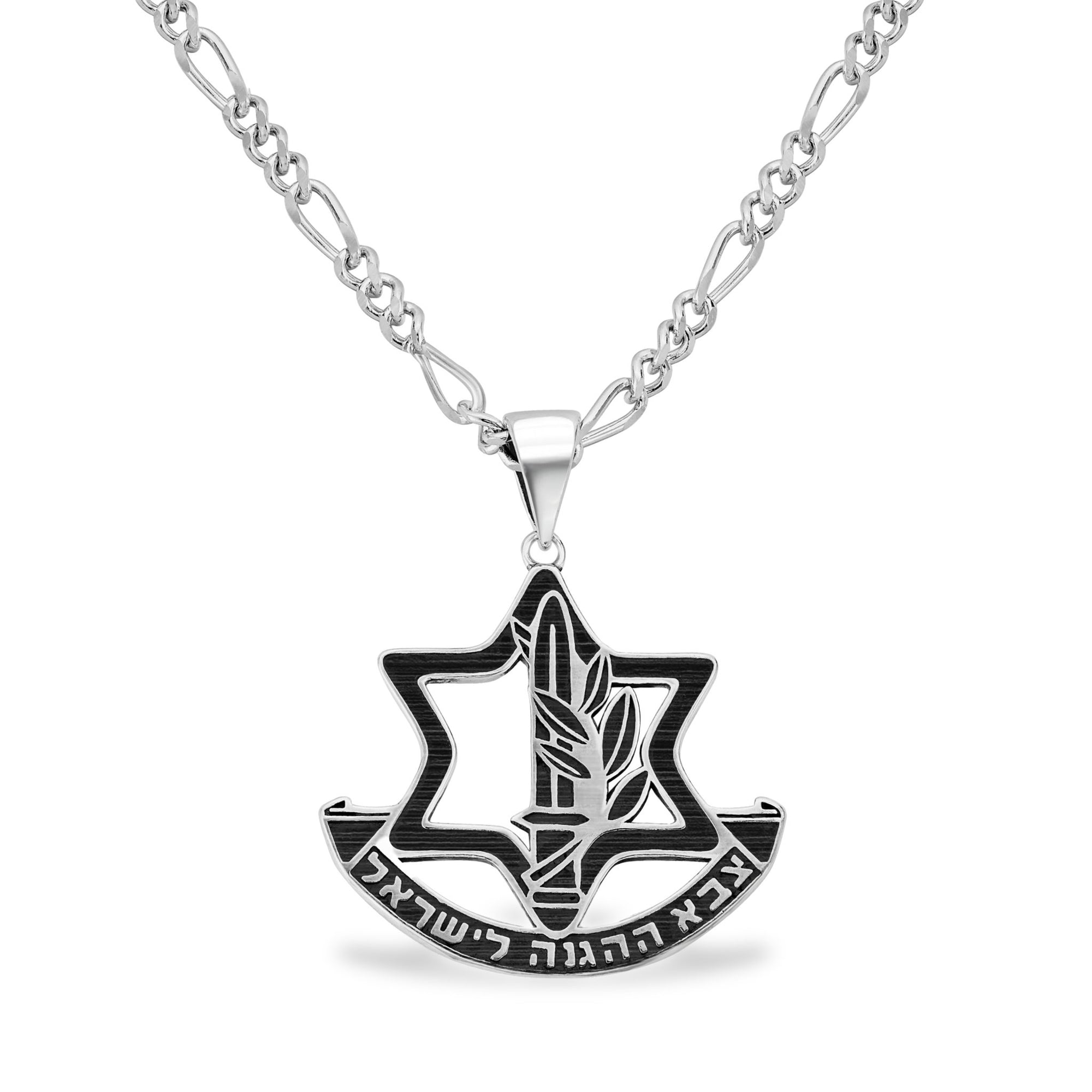
Motifs like the Jewish Jewelry Map of Israel or flag further deepen the connection to the homeland. Many pieces are crafted in Israel, ensuring authenticity and cultural significance.
Jewelry becomes a family heirloom that carries personal stories, history, and collective memory, tying generations through a visual language of symbols and words.
Jewish jewelry stands as more than decoration—it is a vibrant testament to enduring faith, history, and pride, celebrated across the Jewish world and diaspora.
Traditional and Symbolic Designs in Israeli Jewelry
What are typical designs and styles in traditional Israeli jewelry?
Traditional Israeli jewelry artfully blends rich Jewish heritage jewelry symbols with the natural and historical beauty of Israel. Pieces frequently feature revered icons like the Star of David Jewelry, Hamsa Jewelry, and Chai Jewelry, crafted in Sterling Silver Jewish Jewelry or 14k Gold Jewish Jewelry. These materials often include fine touches such as Semi-Precious Stones in Jewish Jewelry or Diamond Jewish Jewelry, adding elegance and significance. Styles vary from deeply intricate, hand-crafted designs that echo Traditional Jewish Jewelry Motifs to modern, streamlined forms ideal for Daily Wear Jewish Jewelry or Special Occasion Jewish Jewelry. Each item reflects a connection to tradition and serves as a tangible expression of pride and identity within the Jewish and Israeli community.
What are common cultural symbols from Israel used in jewelry, and what meanings do they hold?
Jewish jewelry symbols are rich with symbols that carry profound spiritual and cultural significance. The Hamsa hand symbol, popularly known as the protective hand, is believed to shield its wearer from the Evil Eye protection charm and invite blessings and good fortune. The Jewelry with Star of David, or Magen David, serves as a powerful emblem of Jewish faith and unity, often evoking divine and earthly harmony. The Chai Hebrew symbol composed of Hebrew letters, embodies life, vitality, and prosperity, and is cherished as a token of good luck. Additional motifs like the Jewish Menorah symbolism evoke biblical history and spiritual light, while Pomegranate Jewish symbolism represent fertility, abundance, and divine promise, linking wearers to ancient Israelite tradition.
What is the significance of the Menorah, Hamsa, Star of David, and Pomegranates?
The Menorah, a seven-branched candelabrum, is not only a sacred artifact originating from the Jerusalem Temple but also the official emblem of modern Israel, symbolizing enlightenment and resilience. The Hamsa offers protective power and blessing, a talisman rooted in both Jewish and broader Middle Eastern protective symbols cultures. The Star of David stands as a universal symbol of Jewish heritage and identity, historically worn for both spiritual protection and communal connection. Pomegranates, commonly appearing in jewelry, weave a thread of fertility, prosperity, and divine favor throughout Jewish history, symbolizing the Land of Israel’s bounty and spiritual richness, as explored in Jewelry in ancient Israel. Collectively, these symbols encapsulate faith, protection, history, and hope, making their presence in jewelry deeply meaningful for those wishing to celebrate Jewish culture and Israeli pride.
Jewelry in Ancient Israel: Roots of Spirituality and Identity
What Archaeological and Biblical Evidence Shows About Jewelry in Ancient Israel
Ancient Israelite jewelry was deeply woven into both daily life and spiritual practice. Archaeologists have uncovered rings, earrings, necklaces, and bracelets crafted from gold, silver, bronze, semi-precious stones, and glass beads at historical sites like Megiddo, Jerusalem, and Jericho. These finds reflect advanced craftsmanship and the vibrant trade networks of the time. Biblical texts mention jewelry items such as gold nose rings and bracelets, highlighting their role as markers of wealth, honor, and social status among Israelites. For more details, see Jewelry in ancient Israel and Ancient Israelites and jewelry.
How Was Jewelry Used in Rituals and Social Customs?
Jewelry was significant in wedding ceremonies and other customs, serving symbolic and aesthetic purposes. Brides often wore amulets and necklaces inscribed with blessings, underscoring jewelry’s spiritual importance. Notably, some jewelry was melted down to create the Golden Calf, illustrating its connection to worship and cultural expression. The High Priest’s breastplate, decorated with twelve precious stones representing each tribe of Israel, exemplifies the profound spiritual symbolism embedded in jewelry. For further insight, explore Jewelry in ancient Israel wedding customs and Jewish Jewelry History.
What Symbolism Do Motifs Like Pomegranates and Amulets Hold?
Pomegranates appear frequently in ancient jewelry and priestly garments, symbolizing fertility, abundance, and divine promise rooted in Jewish tradition. Amulets with inscriptions of blessings and protective prayers served as spiritual safeguards, integrating faith into everyday adornment. Such motifs reflect a culture where jewelry was not only decoration but also a vehicle of identity, divine connection, and protection, themes still resonant in modern Israeli and Jewish jewelry design. Learn more about Pomegranate motifs in jewelry and Jewish Amulets and Symbols.
The Spiritual and Protective Power of Jewish Jewelry Symbols
What Is the Significance of the Jewish Chai Symbol and Necklace?
The Chai Hebrew symbol is composed of the Hebrew letters Chet and Yud, which combine to mean "life." This emblem holds deep cultural and spiritual importance in Judaism. Originating in medieval Spain and later flourishing in Eastern Europe in the 18th century, the Chai has become a powerful symbol of resilience and vitality for the Jewish people.
The number 18 is significant because it corresponds to the gematria (numerical value) of the word "Chai." As a result, giving gifts or making donations in multiples of 18 is considered an act of blessing and good fortune. Wearing a Chai Jewelry necklace or medallion is an expression of Jewish identity, hope, and a celebration of life. It binds communities worldwide, serving as a timeless reminder of strength and continuity.
What Is the Meaning of the Mezuzah Necklace and Why Do People Wear It?
Traditionally, a Mezuzah Hebrew parchment is a parchment inscribed with Torah verses, placed at doorways to protect homes and their residents. The Mezuzah necklace translates this ancient practice into a personal piece of jewelry, symbolizing protection and spiritual connection.
People wear the Mezuzah necklace to carry its blessings wherever they go, especially in places where a traditional Mezuzah can’t be affixed. These necklaces are often crafted from Jerusalem stone, silver, or glass and might include additional symbols like the Star of David or Hebrew inscriptions such as "Shaddai" (one of God's names) or "Chai." Beyond its beauty, the Mezuzah necklace is a wearable declaration of faith, Jewish pride, and cultural heritage.
Jewelry as a Medium of Protection and Spiritual Expression
Jewish jewelry often incorporates symbols thought to provide divine protection, such as the Star of David, Hamsa, and Kabbalah charms in Jewish jewelry. The Hamsa, a hand-shaped talisman with an eye, is especially associated with warding off the Evil Eye and bringing blessings.
Blessings and Hebrew inscriptions frequently adorn Jewish jewelry, serving as spiritual reminders and expressions of faith. For instance, inscriptions like “Gam Ze Ya’avor” (This too shall pass) reflect hope and endurance. This tradition continues a long heritage where Jewelry as spiritual reminders was not only ornamental but a form of spiritual armor and cultural identity.
Jewish jewelry thus connects wearers to their roots, acts as a personal talisman, and celebrates a rich spiritual heritage through powerful symbols and meaningful inscriptions.
Materials, Craftsmanship, and Regional Styles in Israeli Jewelry
What materials are commonly used in Jewish and Israeli jewelry?
Jewish and Israeli jewelry often features Sterling Silver Jewish Jewelry, 14k Gold Jewish Jewelry, gold plating, and sometimes incorporates Semi-Precious Stones in Jewish Jewelry or Diamond Jewish Jewelry. Gold and silver remain predominant due to their historical and cultural significance, with gold symbolizing wealth and silver representing purity. These materials allow for diverse designs, from delicate filigree to bold pieces.
What traditional techniques and regional craftsmanship influence Israeli jewelry?
Jewelry crafted in Israel reflects a blend of ancient traditions and modern artistry. Techniques such as filigree, detailed engraving, and stone setting are widely used. Handcrafted pieces often incorporate Hebrew engraved jewelry, symbolic motifs, and references to biblical themes, connecting wearers to their spiritual and cultural heritage.
How have Yemenite silversmithing and Sephardic artistry shaped Jewish jewelry?
Yemenite Silversmithing is renowned for its intricate filigree work, meticulous patterns, and textured surfaces, passed down through generations. This craftsmanship highlights the unique Yemenite Jewish cultural heritage.
Sephardic jewelry displays vibrant Sephardic jewelry artistic traditions with elaborate designs, including Hamsa Jewelry motifs and Pomegranate Jewish symbolism, that represent fertility and prosperity.
Do Jewish men wear gold or silver jewelry?
Jewish men regularly wear both gold and silver, reflecting personal preferences and cultural traditions. Historically, men adorned themselves with rings, necklaces, and amulets in gold, silver, and with semi-precious stones, each carrying religious and symbolic meaning. Today, Jewish men choose meaningful symbols like the Jewelry with Star of David or Hebrew inscriptions in jewelry crafted from these materials, expressing their identity and heritage. While wearing jewelry is generally embraced, cultural respect guides the avoidance of non-Jewish religious symbols.
This rich blend of materials and artistry not only preserves Jewish heritage jewelry but also offers meaningful ways for wearers to display their connection to Israel and Judaism.
Eilat Stone: Israel's National Gemstone in Jewelry Art
What is the rarity and significance of Eilat Stone in Israeli jewelry?
Eilat Stone is a rare and exceptional gemstone found exclusively near the city of Eilat in Israel's Timna Valley. Known as Israel's national stone, it boasts a vibrant mix of copper minerals such as malachite, azurite, turquoise, pseudomalachite, and chrysocolla. This combination creates breathtaking blue-green hues and intricate patterns unique to Eilat Stone.
Sometimes called the "King Solomon Stone," the gem holds deep biblical and historical significance. It's believed to be linked to the treasures mined during King Solomon's reign, connecting modern jewelry to ancient heritage. As mining ceased in the mid-20th century, Eilat Stone has grown increasingly rare, adding to its value and mystique.
How is Eilat Stone used in modern Israeli jewelry design?
Contemporary Israeli artisans embrace the rich colors and heritage of Eilat Stone by incorporating it into rings, necklaces, and bracelets that symbolize Jewelry inspired by Israeli culture. These pieces often highlight Eilat Stone's natural patterns without heavy modification, allowing each stone's story to shine.
By combining Eilat Stone with precious metals like Sterling Silver Jewish Jewelry or 14k Gold Jewish Jewelry, designers craft meaningful heirlooms that resonate with wearers connected to Israel’s cultural and religious roots. Such designs blend tradition with modern elegance, making Eilat Stone jewelry a treasured symbol of resilience and beauty.
Its singular connection to Israel’s landscape, faith, and history ensures that Eilat Stone remains a powerful emblem worn with pride within the Jewish Jewelry Cultural Heritage and global diaspora communities.
Contemporary Israeli Jewelry Designers and Their Legacy
Who are some notable modern Israeli jewelry designers?
Israel is home to several distinguished contemporary jewelry designers who artfully blend tradition with innovation. Noteworthy names include Yvel, revered for its handcrafted pieces that harmonize classic Jewish symbols with fresh, creative styles. Anat Jewelry excels in transforming Jewish heritage jewelry and Israeli imagery into sleek, modern designs that appeal globally.
Rony Tzofey crafts collections that fuse cultural symbols with sophisticated modern aesthetics, earning acclaim both within Israel and abroad. Yael Ravid is celebrated for her artistic flair, merging contemporary art elements with Jewish themes to create striking statement jewelry.
How do these designers fuse tradition with modernity?
These designers preserve heritage by incorporating iconic symbols such as the Star of David, Hamsa, and Hebrew inscriptions into their creations. Yet, they refresh these motifs through contemporary materials, innovative forms, and stylistic trends.
For instance, traditional elements like the Chai or pomegranate (Pomegranate motifs in jewelry) are reimagined into minimalist or avant-garde designs suitable for everyday wear, special occasions, or personal expression. The craftsmanship reflects both ancient symbolism and modern taste, appealing to diverse audiences worldwide.
What role do they play in promoting Israeli cultural identity through jewelry?
Their work acts as a vibrant bridge connecting wearers to Jewish Jewelry History and Israeli culture. By blending authentic Israeli craftsmanship with meaningful emblems, these designers contribute to global awareness and pride in Israeli heritage.
Jewelry bearing Jewish Jewelry Map of Israel, Hebrew names, or spiritual symbols serves not just as adornment, but also as a statement of identity, resilience, and connection to Jewelry connecting to Jewish roots. These artists foster a sense of belonging and patriotic pride among the diaspora and modern Israeli society alike, making their work a living legacy of cultural storytelling through adornment.
Where to Find Authentic Handcrafted Judaica Jewelry
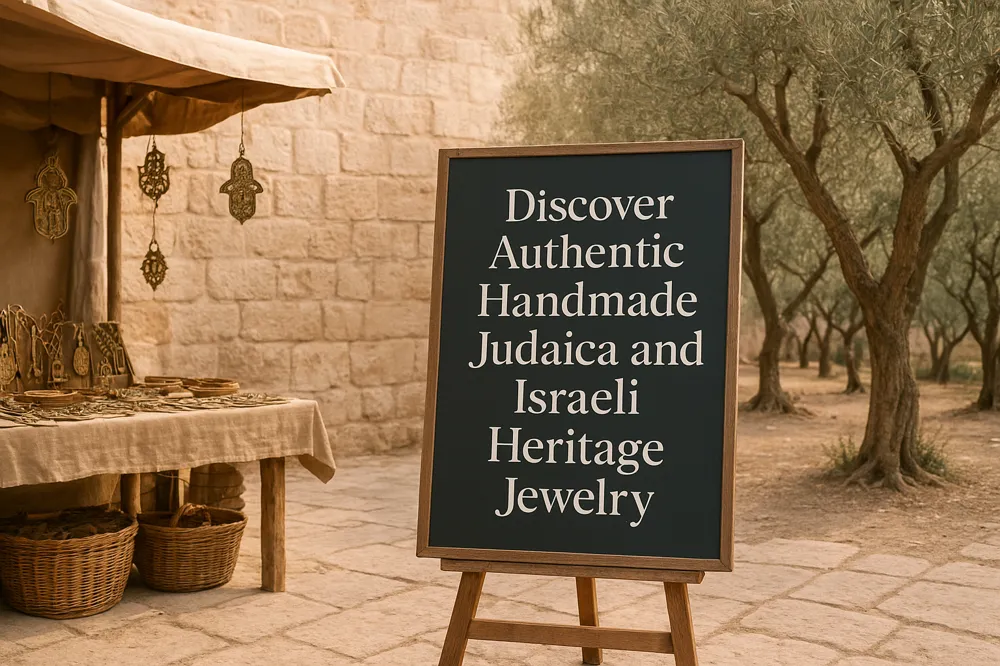
Where can one find handcrafted and Judaica jewelry inspired by Israeli culture and heritage?
Authentic Jewish heritage jewelry, deeply embedded in cultural and spiritual symbolism, can be found through specialized online stores dedicated to Judaica and Israeli art. Websites like JewelryJudaica.com and similar outlets offer a rich selection of pieces handcrafted in Israel by skilled artisans. These creations prominently feature traditional symbols such as the Star of David symbol, Hamsa hand symbol, Jewish Menorah symbolism, and Mezuzah Hebrew parchment, each with profound historical and religious roots.
Importance of handmade craftsmanship
Handmade craftsmanship is vital in preserving the authenticity and cultural significance of Handmade Israeli Jewelry. Israeli artisans blend Ancient Israelite gold and silver jewelry motifs with modern techniques, often using precious materials like Sterling Silver Jewish Jewelry and 14k Gold Jewish Jewelry. This approach sustains centuries-old traditions passed down through generations, making each piece not just a decorative item but a meaningful expression of Jewish Jewelry History and identity.
Jewelry stores focused on Israeli cultural heritage
Many family-owned and boutique stores specialize in jewelry that celebrates Israeli Heritage Jewelry and Jewelry inspired by Israeli culture. These shops prioritize locally made, handcrafted pieces that narrate stories of resilience and faith. By purchasing from such sources, supporters and diaspora community members can proudly wear symbols that honor their Jewish Family Heirlooms, history, and the enduring spirit of Israel.
| Aspect | Description | Significance |
|---|---|---|
| Where to buy | Online Judaica stores, Israeli boutiques | Access to authentic, culturally-rich pieces |
| Craftsmanship | Handmade by Israeli artisans | Preservation of tradition and quality |
| Cultural motifs | Star of David, Hamsa, Menorah, Mezuzah | Symbols of faith, protection, and heritage |
| Materials | Sterling silver, 14k gold, semi-precious stones | Reflects value and craftsmanship |
Jewelry as Everlasting Emblems of Jewish Culture and Resilience
Celebrating Faith and Heritage Through Jewelry
Jewish jewelry has long been more than mere adornment; it is a profound expression of faith and cultural identity. Incorporating sacred symbols such as the Star of David, Hamsa, Chai, and pomegranates, these pieces honor centuries of Jewish tradition and spirituality. From ancient times, jewelry carried blessings, showcased devotion, and served as personal anchors to the divine.
Artistic and Cultural Storytelling
Each piece conveys stories of resilience and connection to Israel and Jewish heritage. Craftsmen in Israel create necklaces, rings, and bracelets that blend historic motifs like the Torah or Menorah with modern design. Personalized engravings in Hebrew weave family legacies into wearable art. Jewelry symbolizes protection, prosperity, and the enduring spirit of the Jewish people, making each item a living testament to cultural memory and pride.