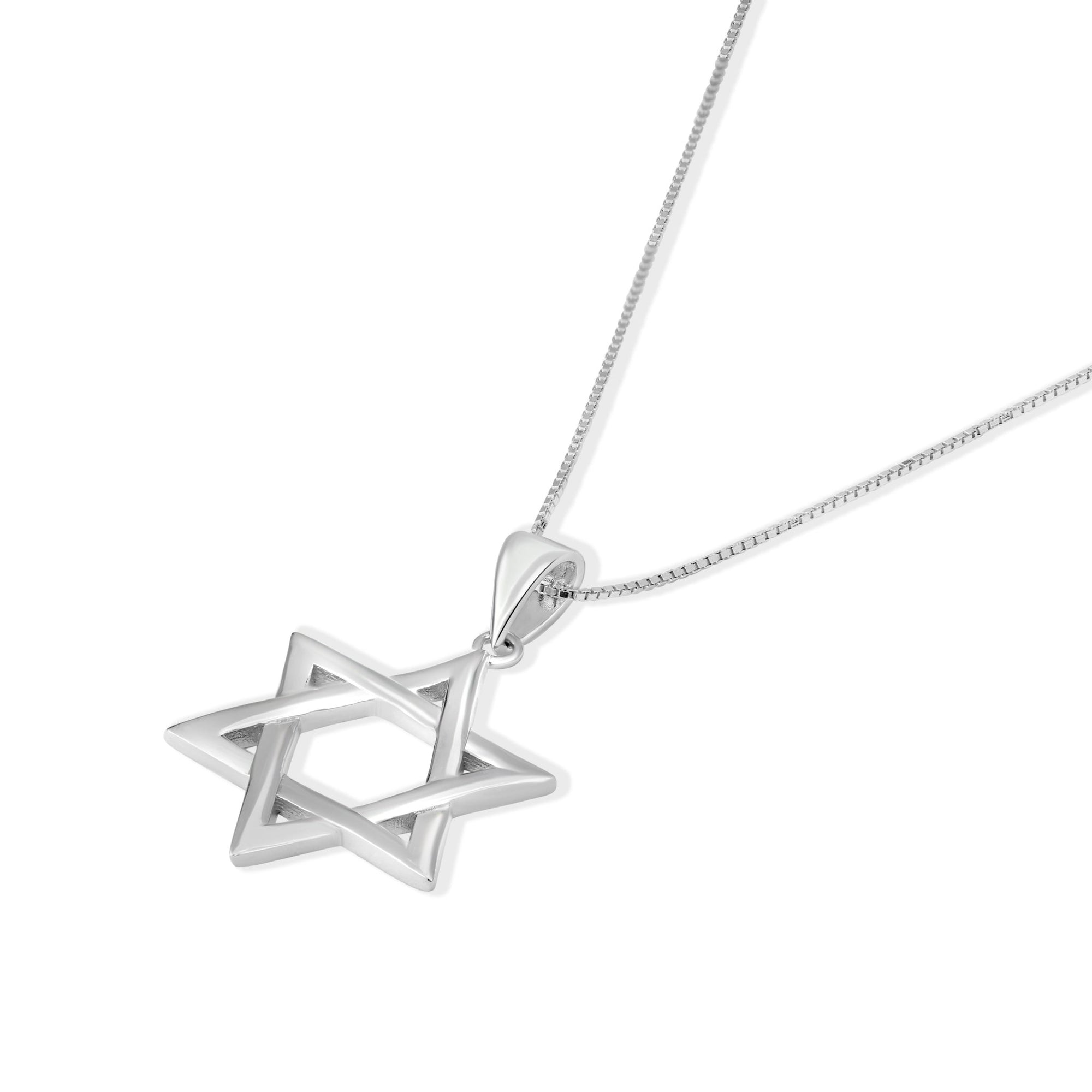


Exploring the Fusion of Tradition and Modernity in Israeli Jewelry
Israeli culture and its influence on jewelry design
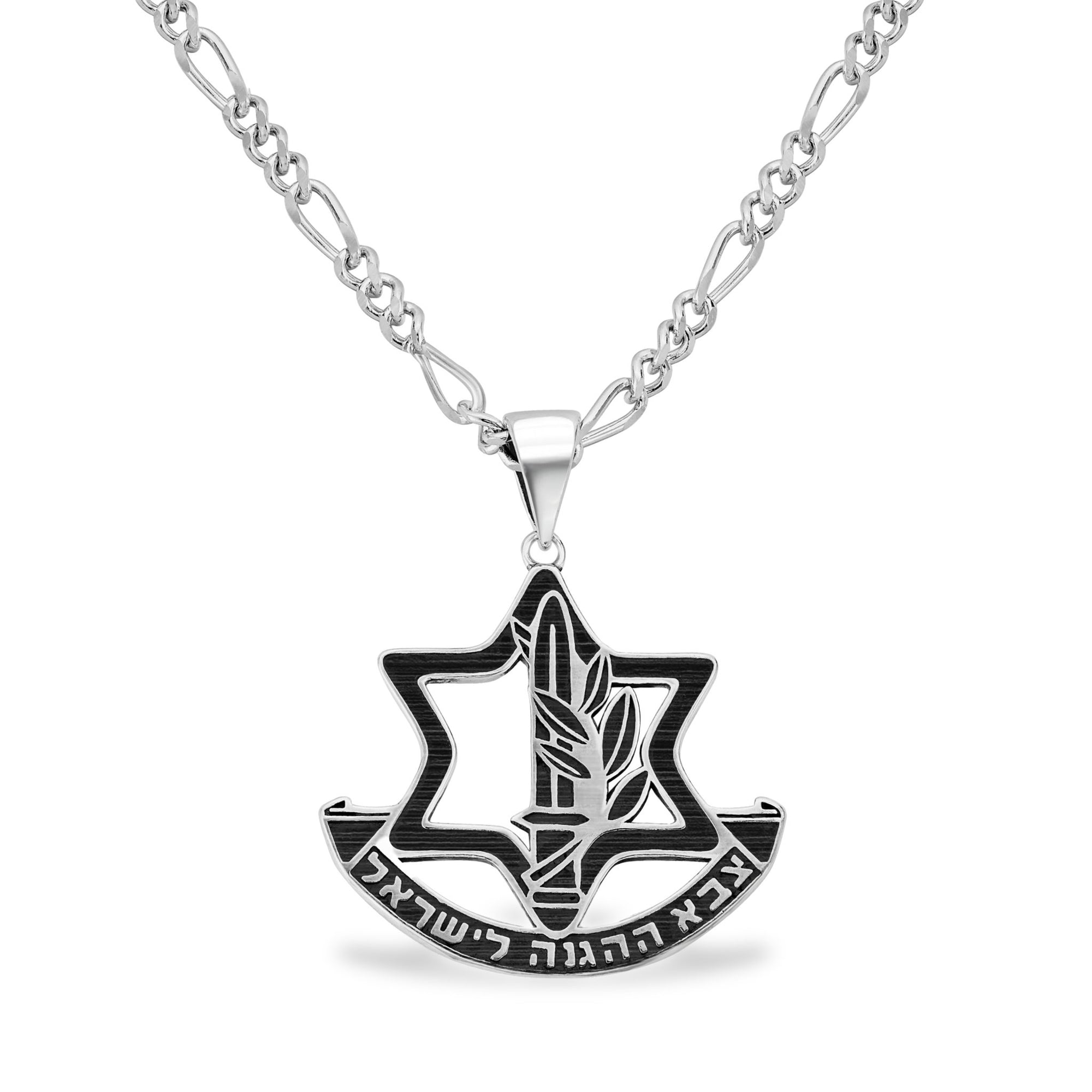
Israeli jewelry embodies a rich cultural tapestry, weaving together ancient heritage with vibrant contemporary creativity. Rooted in a history that spans millennia, Israeli jewelry often draws inspiration from spiritual and national symbols such as the Star of David, Hamsa hand, and the Lion of Judah. These motifs not only reflect the nation’s multifaceted Jewish identity but also serve as a living connection to the land and history of Israel.
Local artisans craft jewelry using materials like 925 sterling silver, 14kt and 18kt gold, Israeli amethysts, lapis, and Jerusalem stone. This use of native gemstones and stones directly links each piece to the physical and cultural landscape of Israel, creating a wearable story of place and heritage.
The importance of Jewish symbols in cultural identity
Jewish symbols featured in Israeli jewelry are more than decorative elements; they are profound expressions of faith, resilience, and pride. The Star of David, for example, symbolizes unity and protection, while the Chai pendant represents life and good fortune, resonating deeply with Jewish communities worldwide.
Similarly, the Hamsa hand is believed to guard against the evil eye and brings blessings of luck and safety. The Tree of Life, Lion of Judah, and pomegranate motifs speak to strength, growth, prosperity, and spiritual connection. Incorporating Hebrew inscriptions or biblical verses further personalizes jewelry as a token of religious conviction and cultural belonging.
Blending ancient motifs with contemporary craftsmanship
Israeli women jewelers and designers are redefining traditional jewelry through ethical sourcing and innovative designs that balance nostalgia and futurism. Brands such as Hotcrown and Dada by Dana emphasize sustainability, using recycled materials and conflict-free stones, marrying high craftsmanship with social responsibility.
The art of jewelry-making in Jerusalem connects centuries-old techniques with modern aesthetics, producing pieces that are both timeless and fashion-forward. Personalization through engraving and enamel inlay allows wearers to carry intimate stories and identity markers, making each piece uniquely meaningful.
Thus, Israeli jewelry stands as a harmonious fusion between the enduring symbols of Jewish heritage and the fresh, dynamic spirit of contemporary design—an authentic expression of cultural pride and faith that resonates deeply within Israel and the diaspora.
| Aspect | Tradition | Modernity | Cultural Significance |
|---|---|---|---|
| Materials | Gold, Silver, Jerusalem stone | Recycled gold, conflict-free gems | Connection to land and ethics |
| Symbols | Star of David, Hamsa, Chai | Personalized engravings, enamel | Faith, protection, identity |
| Craftsmanship | Ancient techniques near Western Wall | Innovative women-led brands | Heritage preservation and innovation |
| Design Focus | Religious and cultural symbols | Contemporary aesthetics | Pride, resilience, personal expression |
Jewish and Israeli Jewelry Key Facts
- Judaica jewelry features symbols like the Star of David, representing Jewish identity and heritage.
- The Star of David has mystical origins linked to Kabbalistic traditions and symbolizes protection and community resilience.
- Jewelry with the Star of David is crafted from premium materials such as 14kt and 18kt gold and 925 sterling silver.
- The Eilat Stone is Israel's national gemstone, characterized by blue-green hues and unique patterns, symbolizing Israeli land and pride.
- Jewelry incorporating Eilat Stone often features symbols like the Star of David, Lion of Judah, and olive branches.
- The Hamsa Hand is an ancient protection amulet symbolizing blessings, protection, and faith, used widely in Israeli jewelry.
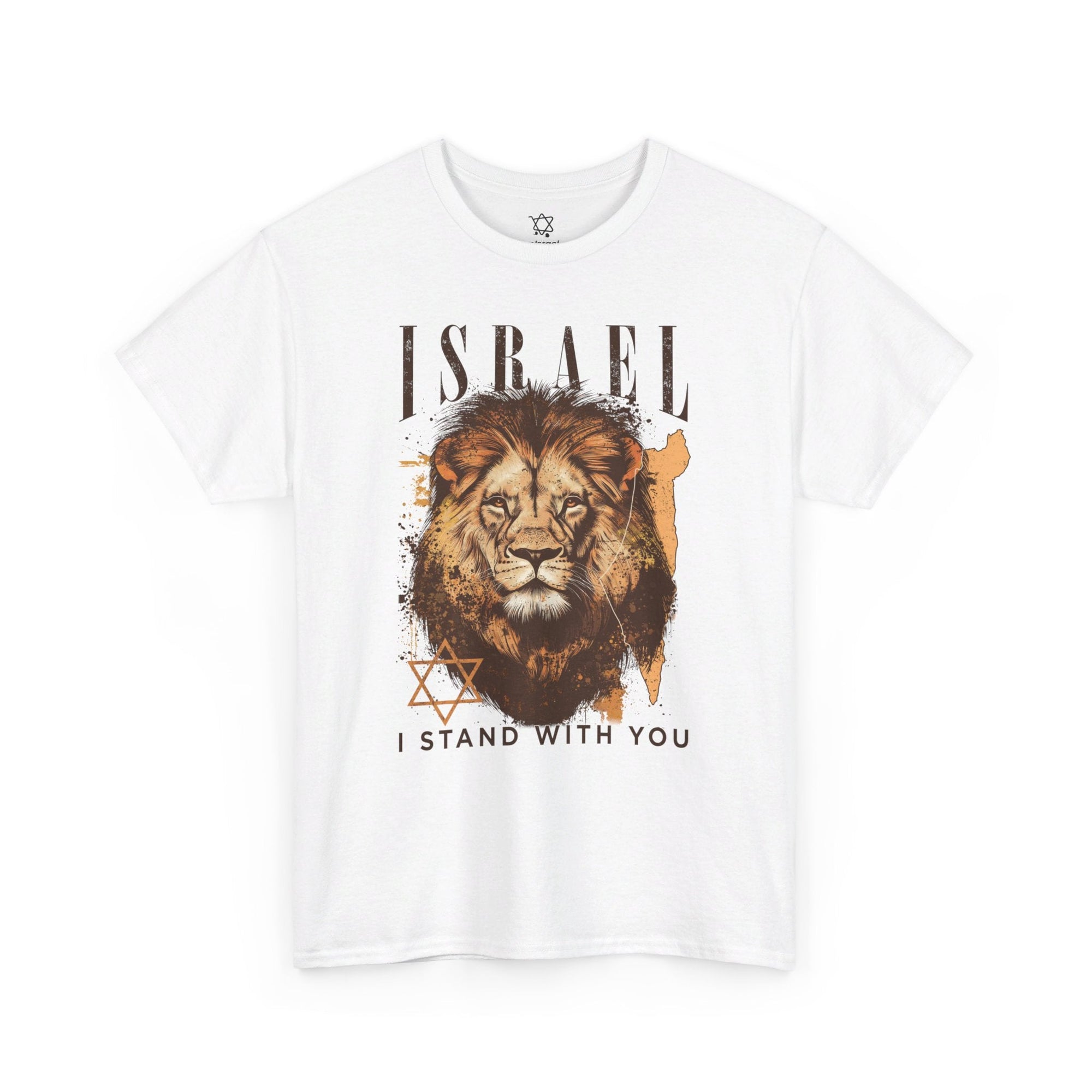
- The Lion of Judah symbolizes strength, courage, and biblical royalty, representing Jewish pride and resilience.
- Jewelry with Menorah and Tree of Life motifs embodies faith, divine light, growth, and heritage within Jewish culture.
- Modern Israeli women jewelers like Hotcrown and Dada by Dana are pioneering sustainable, ethical jewelry designs combining tradition and modernity.
- Jewish and Israeli jewelry heavily feature symbols like the Chai, Menorah, Star of David, and Lion of Judah, serving as markers of faith and heritage.
1. Star of David: The Iconic Emblem of Jewish Identity and Unity
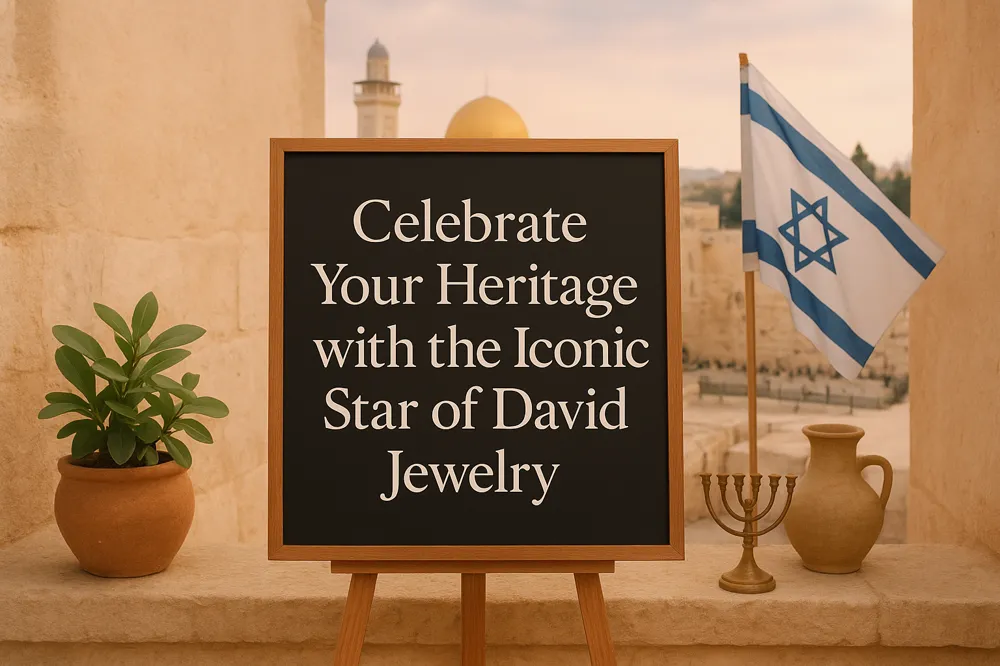
What is Judaica jewelry?
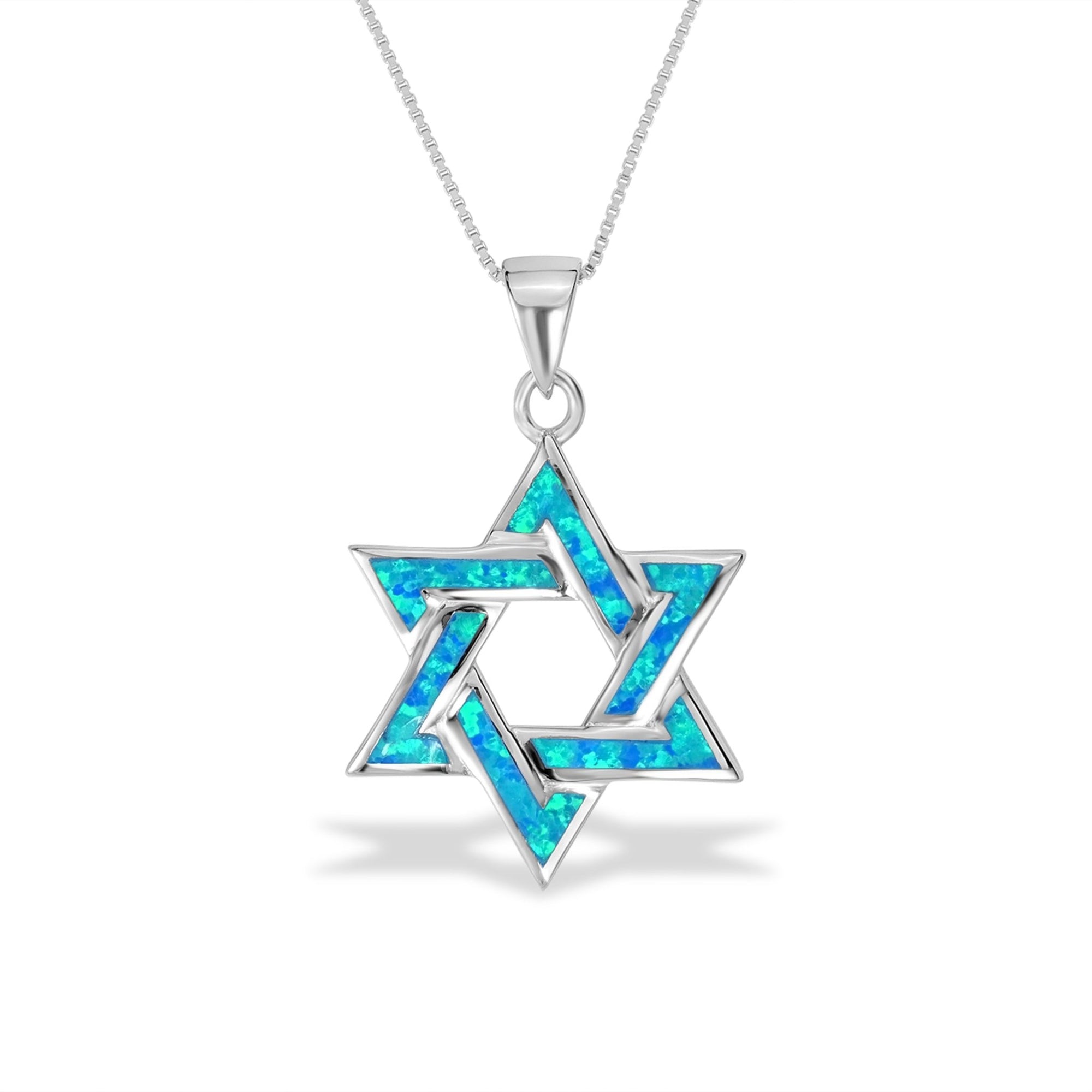
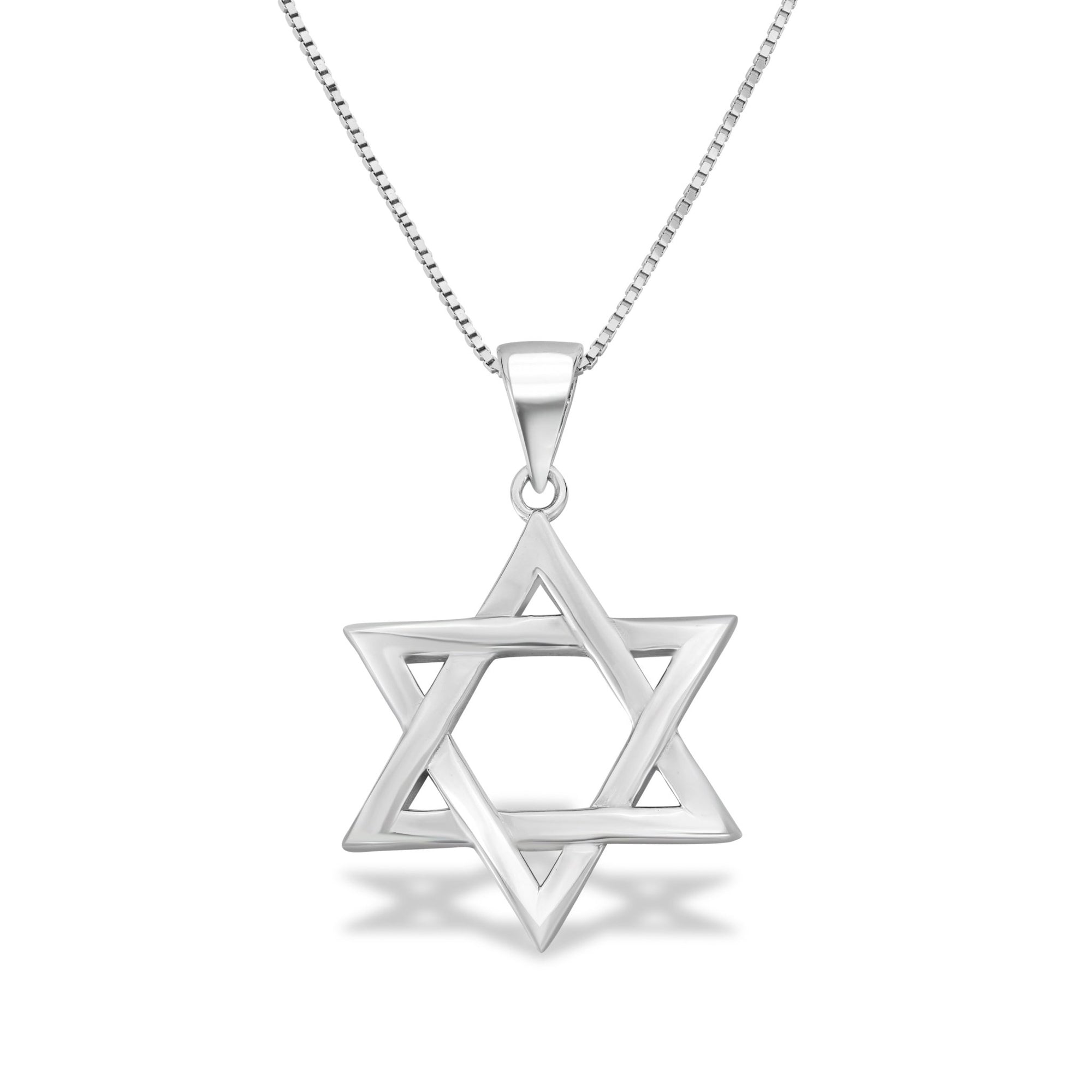
Judaica jewelry refers to adornments featuring Jewish jewelry symbols deeply rooted in Jewish faith and heritage. Among these, the Star of David, or Magen David, stands out as the most recognizable emblem, symbolizing Jewish identity and unity. This iconic symbol connects wearers with their cultural roots and religious pride, often serving as a personal statement of faith and belonging.
Symbolism and historical origins of the Star of David
The Star of David has mystical origins tied to Kabbalistic traditions and has been historically associated with protection against harmful forces. Although its exact beginnings are uncertain, it became widely embraced as a Jewish symbol only in recent centuries, eventually gracing the flag of Israel. The shape is often understood as a shield, reflecting spiritual safeguarding, community resilience, and historical continuity.
Its significance in Jewish heritage and Israeli culture
For Jewish Israelis and the diaspora alike, the Star of David embodies unity, strength, and the enduring bond between people and their faith. It is prominently featured in religious, national, and cultural contexts, making it more than a decorative element—it's a wearable homage to Jewish history jewelry and pride. Jewelry featuring the star is frequently chosen for meaningful occasions such as Jewish Bar Mitzvah gifts, anniversaries, and holidays, symbolizing a connection to the Jewish and Israeli Inspired Jewelry people and Israel.
Typical materials used and modern design interpretations
Israeli jewelry artisans craft Star of David pieces using premium materials such as 14kt and 18kt gold jewelry—both yellow and white—as well as 925 sterling silver jewelry. Many designs are enhanced with precious stones including Jewish jewelry with diamonds, Israeli amethyst jewelry, Lapis jewelry, and Emerald jewelry, reflecting traditional craftsmanship infused with contemporary style. Modern interpretations balance heritage and fashion, offering elegant necklaces, rings, and bracelets that appeal to a broad audience seeking to express solidarity and cultural pride.
Israeli jewelry is renowned for incorporating Israeli jewelry design cultural and national symbols such as the Star of David (Magen David), which features prominently in designs reflecting Jewish identity and unity. Jewish jewelry serves as a meaningful way to celebrate faith and heritage, connecting generations through beautifully crafted expressions of Jewish culture.
2. Eilat Stone Jewelry: A Unique Gemstone Tied to Israel's Land and Legacy
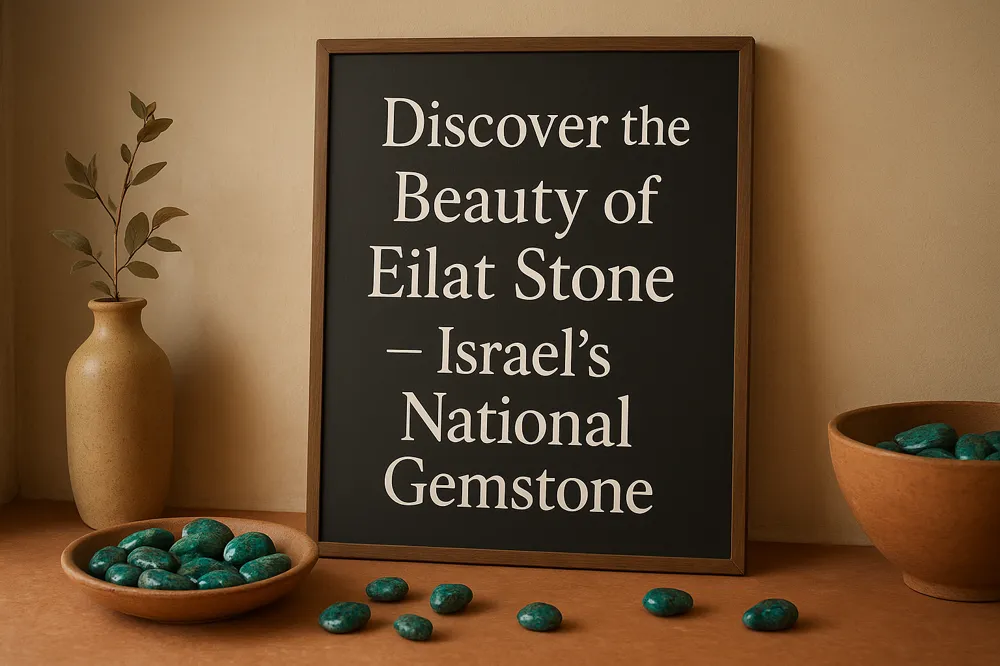
What is the Eilat Stone and why is it unique?
The Eilat Stone gemstone is a distinctive gemstone found exclusively in the mines near Eilat, Israel. Known for its captivating blue-green hues and intricate natural patterns, it embodies a profound connection to the land of Israel. This gemstone's rarity and exclusive geographic origin make it a coveted symbol of Israeli heritage and cultural pride.
The Natural Beauty and Rarity of Eilat Stone
Eilat Stone shines with a vibrant and unique blend of colors that range from turquoise to deep green, often with swirls and veins formed by a mix of minerals including malachite, chrysocolla, and turquoise. Its natural formation creates one-of-a-kind patterns, ensuring that every piece is unique in design and appearance.
Its rarity further elevates its value; as the only stone sourced from Israel, wearing or gifting jewelry featuring Eilat Stone represents a direct tie to the Israeli landscape and history. The gem also serves as a tangible expression of Jewish identity and connection to the Holy Land, cherished by both residents of Israel and members of the Jewish diaspora.
Incorporation into Symbolic Jewish Jewelry
Israeli jewelers skillfully craft Eilat Stone into Israeli jewelry design. Common motifs include the Star of David, pomegranate symbol, olive leaf designs, and the Lion of Judah jewelry, each infused with spiritual and cultural meaning. The stone's colors complement these symbols beautifully, enhancing their significance.
Designs range from delicate necklaces and bracelets to striking rings and pendants. Artisans often combine Eilat Stone with precious metals like sterling silver and 14kt gold, creating pieces that celebrate both tradition and modern style. Personalized engravings and enamel inlay Jewish jewelry can further tailor the jewelry, enhancing emotional and cultural resonance.
Supporting Eilat Stone jewelry also honors the centuries-old tradition of artisans in Jerusalem and surrounding areas, ensuring authenticity and spiritual depth. This jewelry serves not only as a stunning accessory but also as a wearable keepsake of Israeli heritage, making it a meaningful gift for Bar and Bat Mitzvahs, anniversaries, or cultural celebrations.
| Aspect | Details | Cultural Significance |
|---|---|---|
| Origin | Mines near Eilat, Israel | Unique Israeli gemstone emphasizing heritage |
| Appearance | Blue-green color with natural swirls and mineral blends | Each piece is one of a kind |
| Materials Used | Often combined with sterling silver, 14kt & 18kt gold | Combines tradition with refined craftsmanship |
| Typical Symbols | Star of David, Lion of Judah, pomegranate, olive branches | Reflects Jewish faith, strength, and abundance |
| Popular Uses | Necklaces, rings, pendants, bracelets | Personal and cultural expression |
Jewelry featuring the Eilat Stone stands out as a profound emblem of Jewish heritage jewelry, Israel's land, legacy, and lasting cultural identity.
3. The Hamsa Hand: Ancient Protection Symbol in Contemporary Israeli Jewelry
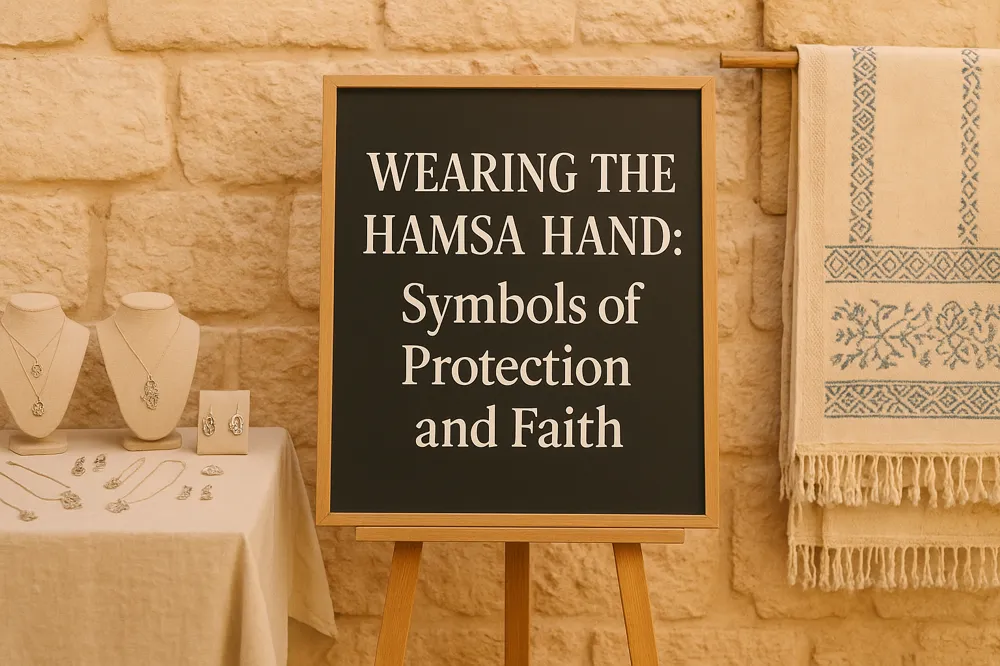
What is Judaica jewelry?
Judaica jewelry includes symbols like the Hamsa Hand, an emblem believed to ward off evil and attract good fortune, widely used in Israeli jewelry design artistic designs. These pieces go beyond mere adornment, serving as wearable expressions of faith, protection, and Jewish cultural identity.
Origins and meanings of the Hamsa hand
The Hamsa Hand, also known as the Hand of Miriam in Jewish tradition, is an ancient amulet shaped like an open hand, symbolizing protection from the evil eye and negative energies. Its roots trace back over millennia across the Middle East and North Africa, embodying blessings, power, and strength. In Jewish mysticism, the Hamsa acts as a divine safeguard, often combined with prayers or inscriptions to reinforce its protective essence.
Its cross-cultural significance and adoption in Jewish jewelry
While the Hamsa has origins in multiple cultures—including Islamic and Christian traditions—it holds a revered place in Jewish and Israeli Inspired Jewelry as a purifier and guardian. Israeli jewelers frequently incorporate the Hamsa to honor this cross-cultural symbolism while emphasizing its Jewish spiritual context. This universal yet distinct meaning makes the Hamsa a favored emblem for jewelry, symbolizing unity, faith, and protection shared across identities.
Material choices and modern creative interpretations by Israeli designers
Israeli jewelry artisans skillfully craft Hamsa pieces using precious metals such as 925 sterling silver jewelry and 14kt and 18kt gold jewelry, often accented with diamonds, Israeli amethyst jewelry, lapis, or other gemstones. Contemporary Israeli women jewelers led brands such as Hotcrown and ADDA Gems reimagine the Hamsa with modern aesthetics and ethical materials, including recycled gold and conflict-free diamonds. These designs blend tradition with innovation, ranging from elegant, delicate pendants to bold statement pieces that resonate with spiritual meaning and personal expression.
Jewelry featuring the Hamsa hand jewelry is not only a symbol of cultural pride and identity but also an empowering accessory reflecting the wearer’s connection to Jewish heritage and contemporary Israeli artistry. Purchasing Hamsa jewelry made in Jerusalem ensures authenticity and supports local craftsmanship, allowing diaspora communities to wear symbols that tie them to their roots and shared history.
4. Lion of Judah: Embodying Strength and Spirituality in Jewelry
What is the historical and biblical significance of the Lion of Judah?
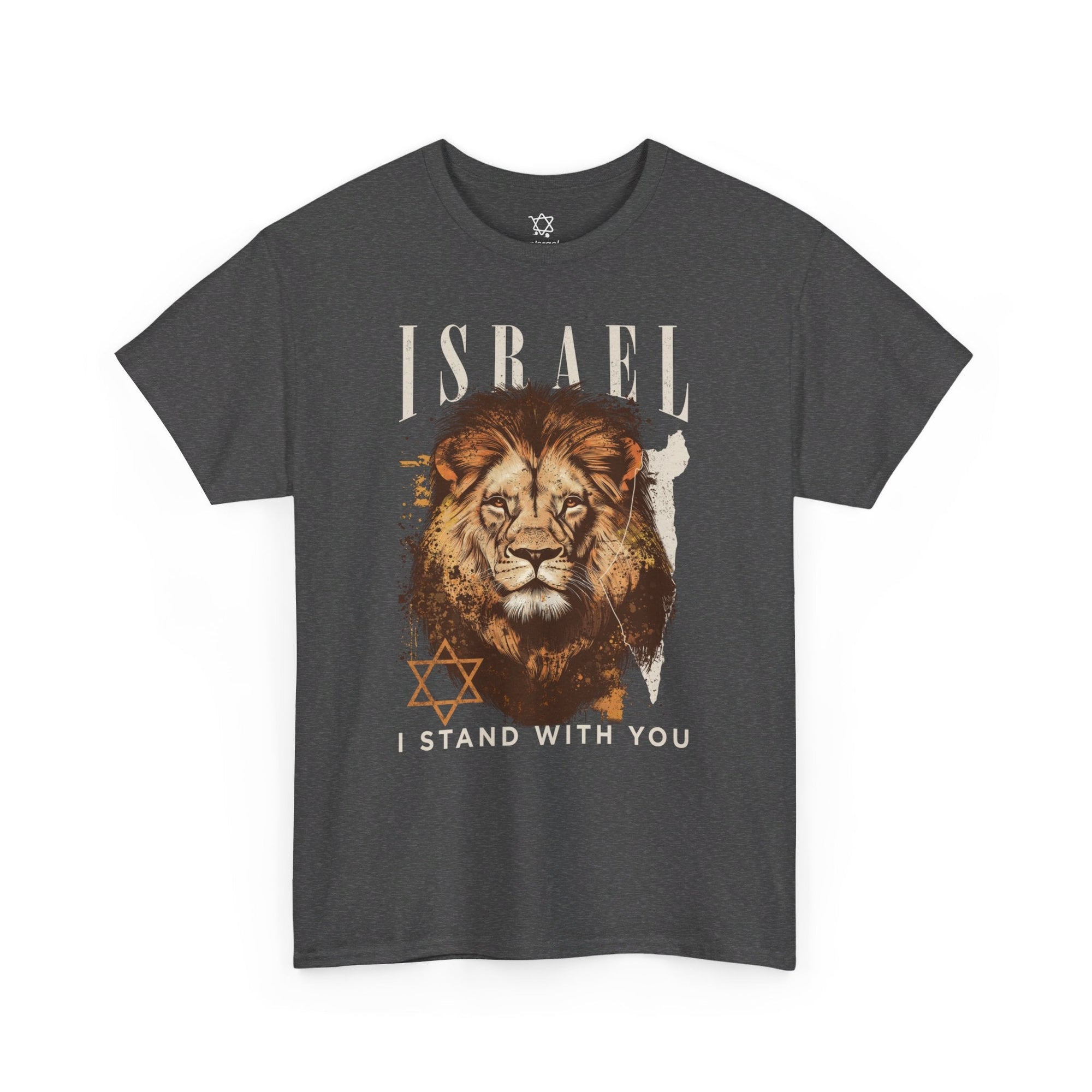
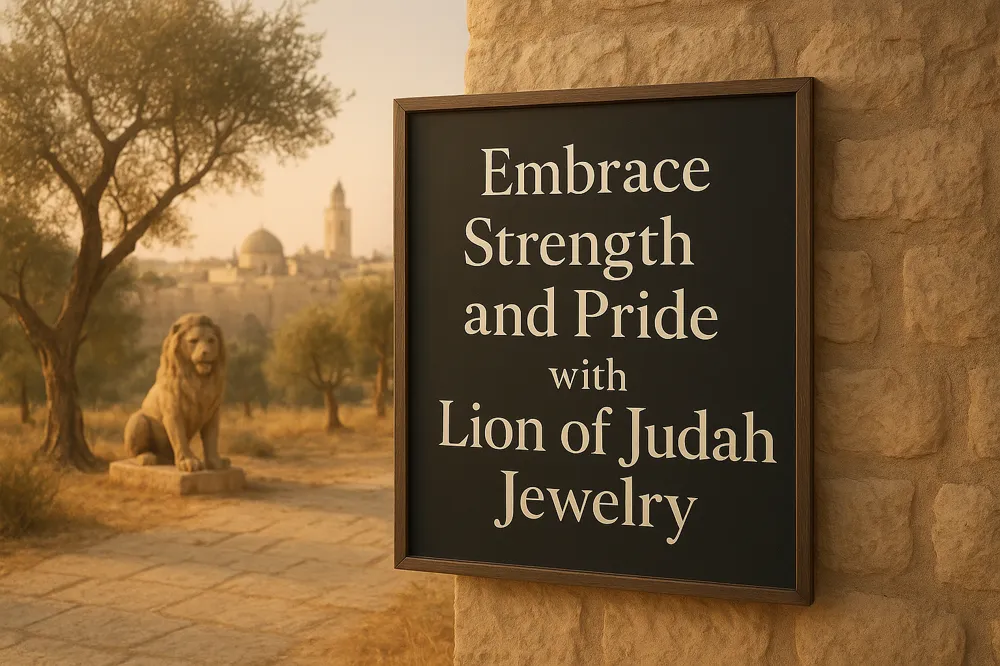
The Lion of Judah jewelry is a powerful symbol deeply rooted in Jewish history and biblical lore. It represents the Tribe of Judah, one of the twelve tribes of Israel, which holds a prominent place in Jewish tradition. Biblically, the lion symbolizes strength, courage, and leadership — qualities attributed to the tribe’s most famous descendants, including King David and, by extension, the Messiah. This majestic emblem has been an enduring representation of Jewish pride and divine protection.
How does the Lion of Judah represent Jewish pride and resilience?
Over centuries, the Lion of Judah jewelry has come to embody the resilience and spirit of the Jewish people. It stands as a proud emblem of their enduring faith, cultural heritage, and identity, especially poignant given the historical challenges faced by the Jewish community worldwide. The symbol is not only a reminder of strength and courage but also of spiritual fortitude and hope. For many, wearing the Lion of Judah is an expression of solidarity with Jewish tradition and a statement of belonging.
What jewelry styles featuring the Lion of Judah are crafted by Israeli artisans?
Israeli jewelers skillfully integrate the Lion of Judah jewelry into various types of jewelry, blending ancient symbolism with modern design. Pieces include pendants, rings, bracelets, and cufflinks crafted from precious metals such as 14kt and 18kt gold jewelry and 925 sterling silver jewelry. Gemstones like Israeli amethyst jewelry, lapis lazuli, and Jewish jewelry with diamonds often enhance these creations, highlighting their beauty and significance.
Jerusalem-based artisans maintain a tradition of handcrafting such jewelry near spiritual sites, ensuring authenticity and cultural depth. Designs range from bold, statement necklaces portraying the lion in detailed relief to minimalist rings that subtly feature the symbol, appealing to both men and Jewish jewelry for women. The Lion of Judah motif is frequently combined with other Jewish jewelry symbols, such as the Star of David or Hebrew inscriptions, to create meaningful, personalized pieces.
What kind of jewelry is Israel known for?
Jewelry featuring national and biblical symbols like the Lion of Judah jewelry is a hallmark of Israeli craftsmanship, symbolizing strength and cultural identity. These finely worked pieces serve not only as beautiful adornments but as wearable expressions of Jewish heritage and spirituality.
| Aspect | Description | Examples |
|---|---|---|
| Symbolism | Strength, pride, lineage, divine protection | Biblical Lion of Judah, King David connection |
| Materials Used | Gold (14kt, 18kt), sterling silver, precious stones | Diamonds, Israeli amethyst, lapis lazuli |
| Jewelry Types | Pendants, rings, bracelets, cufflinks | Statement necklaces, minimalist rings |
| Cultural Significance | Pride, resilience, spiritual identity | Worn by Jewish and Israeli communities worldwide |
| Craftsmanship | Handcrafted by Jerusalem artisans | Authentic designs near the Western Wall |
5. Menorah and Tree of Life: Symbols of Faith and Eternal Growth in Jewelry
What is Judaica jewelry?
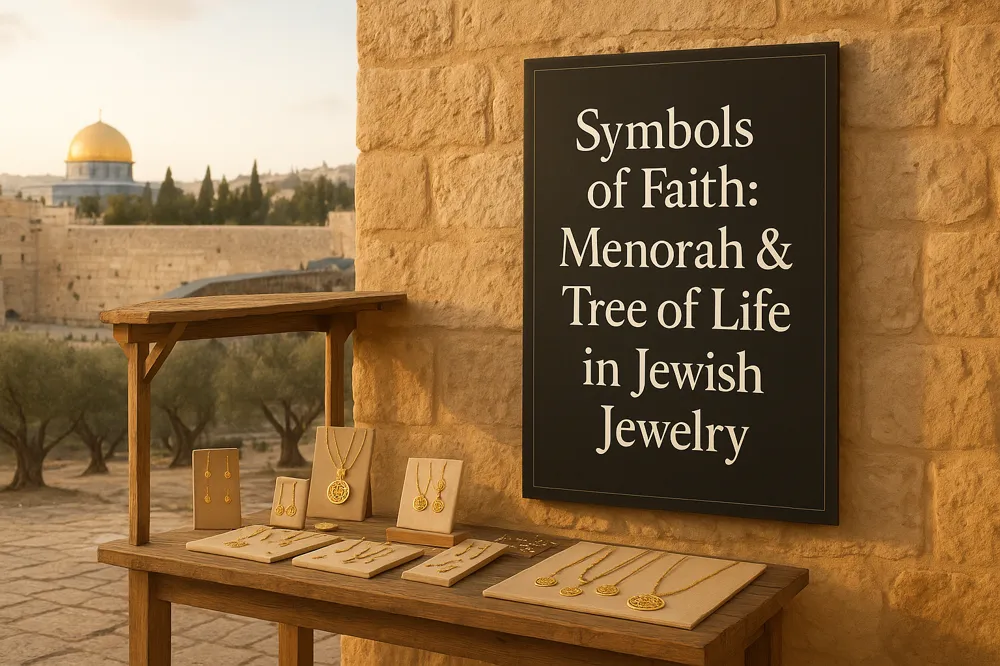
Menorah and Tree of Life motifs are common in Jewish symbolic jewelry, symbolizing divine light, faith, and eternal connection to Jewish spirituality.
Menorah as a religious and national symbol of Israel
The Menorah, with its seven branches, stands as one of the oldest Jewish symbols, dating back over 3,000 years. Originally used in the ancient Holy Temple, it represents divine light and inspiration. Today, the Menorah remains the official emblem of the modern State of Israel, symbolizing Jewish faith, history, and resilience.
In Jewish jewelry symbols, the Menorah serves both as a spiritual emblem and a connection to Jewish heritage. Crafted in precious metals such as gold and sterling silver, the Menorah motif is transformed into elegant necklaces, pendants, and rings, carrying not only aesthetic appeal but profound religious significance.
Tree of Life as an emblem of growth, wisdom, and heritage
The Tree of Life, or "Etz Chaim" in Hebrew, symbolizes growth, strength, eternal life, and Jewish wisdom. Rooted in biblical stories and mystical teachings, it represents the interconnectedness of all creation and the enduring legacy of Jewish tradition.
Jewelry featuring the Tree of Life often portrays its branches and roots in delicate designs, serving as wearable reminders of personal growth and spiritual resilience. These pieces often come as necklaces or bracelets, suitable for daily wear or special occasions, reflecting Jewish pride and identity.
Incorporation of these motifs in contemporary Israeli jewelry pieces
Modern Israeli artisans creatively blend ancient symbols like the Menorah and Tree of Life with contemporary design and ethical materials. Using 14kt and 18kt gold jewelry, 925 sterling silver jewelry, and precious stones sourced locally, designers fashion pieces that resonate with both tradition and modern aesthetics.
Jewelry brands led by Israeli women jewelers emphasize sustainability and personalization, incorporating these motifs to celebrate heritage while appealing to global fashion sensibilities. Pieces may feature Enamel inlay Jewish jewelry, diamond accents, or Hebrew inscriptions enhancing their meaning.
By choosing jewelry adorned with the Menorah or the Tree of Life, wearers express a personal and collective connection to Jewish faith, history, and cultural pride. These symbols offer a timeless, spiritual link that bridges past, present, and future for diaspora communities and supporters worldwide.
6. Innovative Designs by Israeli Women Jewelers: Tradition Meets Sustainability
Who are some modern Israeli jewelry designers and what styles do they create?
Israeli women jewelers like Hotcrown jewelry brand, Dada by Dana statement jewelry, ADDA Gems silver jewelry , Be Sembol interchangeable designs, MyGemma Eurovision 2023 ring, and Studio DUSA sustainable jewelry are reshaping Jewish jewelry symbols with fresh creativity and ethical values. Hotcrown, founded in 2013, draws inspiration from jewelry inspired by French court fashion and contemporary lifestyles to craft elegant pieces using recycled gold and conflict-free diamonds.
ADDA Gems specializes in jewelry with unrefined stones, emphasizing ethical sourcing in jewelry, blending authenticity and environmental awareness. Be Sembol creates interchangeable jewelry that focuses on emotional connections and self-expression, aligning jewelry with wellness themes. Dada by Dana launched in 2022, combines nostalgia with futurism using recycled materials, gaining attention from distinguished figures like Iris Apfel.
MyGemma, operating from Israel, gained international fame with custom, sustainable jewelry that ties cultural heritage to innovative high-tech design. Studio DUSA highlights sustainability and sentimental storytelling, turning modest heirlooms into modern love tokens using special materials like jewelry with salt and pepper diamonds.
Use of recycled materials and ethical sourcing
The hallmark of these artists is their commitment to sustainability. Many Israeli women jewelers use recycled gold and conflict-free diamonds, avoiding conflict materials. This conscious approach resonates deeply in Israeli culture, reflecting respect for the environment while honoring centuries-old Jewish jewelry symbols.
Blending traditional Jewish symbols with modern styles and personalization options
These jewelers skillfully marry ancient symbolism—such as the Star of David, Hamsa Hand, Chai symbol in Jewish jewelry, and Lion of Judah jewelry—with contemporary forms, often incorporating personalization features like engraving and interchangeable parts. This fusion enables wearers to express their Jewish identity in jewelry in fashionable, meaningful ways that resonate beyond religious tradition into daily life.
By championing sustainability, personalization, and innovation, Israeli women jewelers contribute to both preserving and evolving the rich heritage of Jewish jewelry. Their work appeals especially to diaspora members seeking to connect with culture through modern, ethically crafted wearable art.
What is Unique About Israeli Culture and Its Influence on Jewelry?
What is unique about Israeli culture?
Israeli culture is a vibrant fusion of ancient heritage and modern creativity, deeply rooted in history yet constantly evolving. This culture reflects a strong sense of community, family, and national pride, with traditions passed down through generations while embracing contemporary innovation.
The blend of ancient heritage and modern innovation in Israeli culture
Israeli jewelry beautifully embodies this blend by combining ancient Jewish symbols such as the Star of David, Hamsa hand, Menorah, and the Tree of Life with cutting-edge design and ethically sourced materials. Local artisans often use precious metals like 14kt and 18kt gold jewelry, sterling silver, alongside unique stones such as Israeli amethyst jewelry, Eilat Stone gemstone, and Roman glass. Modern Israeli women jewelers, are pioneers incorporating sustainable practices and personalization, which adds emotional depth and modern relevance to traditional motifs.
Community values reflected in jewelry
Jewelry in Israeli society is more than decoration; it is a form of cultural storytelling and identity. Items featuring symbols like the Chai symbol in Jewish jewelry ('life'), Lion of Judah jewelry, and Hebrew inscriptions serve as powerful expressions of faith, heritage, and shared values. These pieces connect wearers across generations and geographies, reinforcing a sense of unity within the Jewish and Israeli diaspora communities. Custom engraving and specialized designs mark milestones such as Bar/Bat Mitzvahs and weddings, reflecting the strong family-centric values of Israeli culture.
Influence of historical and religious traditions on design
The rich tapestry of Israeli history and Jewish religious tradition profoundly influences jewelry designs. The prominence of biblical motifs — including the Ten Commandments jewelry, Torah, and prayer inscriptions like Shema Yisrael jewelry) — convey spiritual protection and connection to the Land of Israel. Jerusalem, with its iconic Western Wall and ancient stones, inspires many artisans, making their works both authentic and spiritually significant. This legacy makes Israeli jewelry a cherished emblem of continuity, hope, and pride.
In summary, Israeli culture's uniqueness lies in its seamless integration of timeless Jewish jewelry symbols and modern artistic expression, that together create jewelry serving as proud markers of faith, identity, and community belonging.
Historical Connection Between Jews and Jewelry
Is there a historical connection between Jews and jewelry?
Yes, there is a significant historical connection between Jews and jewelry that spans thousands of years. In ancient Jewish culture, Jewish jewelry symbols carried deep symbolic meaning. It served not only as an adornment but also as a sign of social status and religious devotion. Biblical texts reference jewelry in various contexts—whether as objects worn during sacred rituals, symbols of divine connection, or items used in traditional veiling customs.
Jewelry also historically had an economic dimension within Jewish life. Pieces were often used as forms of savings or inheritance, passed from one generation to the next, offering security in times of uncertainty. For Jewish communities throughout the diaspora, jewelry became a portable form of wealth.
Spiritually and culturally, jewelry was much more than decoration. Many symbols found in Jewish jewelry today—such as the Star of David, Hamsa Hand, Menorah, and Chai symbol—were rooted in ancient traditions and beliefs. These motifs expressed Jewish identity, faith, and divine protection. They also served as visual affirmations of a connection to Jewish history, heritage, and God.
The enduring tradition of Israeli jewelry design reflects both the resilience and pride of Jewish people. From ancient times to the modern era, jewelry remains a powerful tool for spiritual expression and cultural continuity. Whether crafted in Jerusalem near the Western Wall or designed by contemporary Israeli artisans, Jewish jewelry from Jerusalem symbolizes an unbroken link to the past and a celebration of enduring heritage.
Meaning of the '925' Stamp on Israeli Jewelry
What does the 925 stamp mean on Israeli jewelry?
Jewish and Israeli jewelry often feature the "925" stamp, which identifies the piece as crafted from 925 sterling silver jewelry. This means the metal is composed of 92.5% pure silver, alloyed with other metals such as copper to enhance strength and durability without sacrificing the beauty and purity of silver.
Why is the 925 hallmark important?
The "925" hallmark serves as an international standard and a mark of authenticity and quality in jewelry making. Since 1976, this symbol assures buyers that the jewelry meets a high standard of silver content. For collectors and those who cherish Jewish heritage jewelry, knowing their jewelry carries this mark adds confidence that their piece is genuine and made to last.
How is 925 sterling silver used in Israeli jewelry?
In Israel, the tradition of fine jewelry craftsmanship blends ancient heritage and modern creativity with premium materials like 925 sterling silver. Common Jewish jewelry symbols such as the Star of David, Chai symbol, Hamsa hand and Hebrew inscriptions are frequently set in sterling silver. Many artisans from Jerusalem, the spiritual heart of Israel, create these meaningful pieces using 925 silver to combine cultural pride and lasting quality. These pieces are often popular for gifts marking Jewish milestones like Bar/Bat Mitzvahs, weddings, and anniversaries.
Israeli jewelry may also carry additional marks for the maker, origin, or special designations, helping to authenticate the piece's history and provenance. The use of 925 sterling silver underscores commitment to both tradition and excellence in each creation.
| Aspect | Meaning | Importance for Buyers |
|---|---|---|
| 925 Stamp | 92.5% pure silver in alloy | Guarantees silver purity and durability |
| Authenticity Marks | Maker’s marks, country codes | Validates origin and craftsmanship |
| Usage in Israel | Common in Jewish symbolic jewelry | Merges cultural identity with quality |
For those wishing to express Jewish heritage and faith through jewelry, pieces marked "925" provide lasting value accompanied by spiritual and cultural resonance.
Famous Jewish and Israeli Jewelry Designers
Are there famous Jewish or Israeli jewelry designers?
Yes, many renowned Jewish and Israeli jewelry designers are celebrated globally for blending artistry with cultural heritage. Israeli brand Yvel stands out for its innovative design techniques and symbolic use of Jewish jewelry symbols such as the Star of David and the Hamsa hand. Its creations reflect both spiritual meaning and modern luxury, appealing to a wide audience.
Yael Sonia is another influential Israeli women jewelers who reinterprets traditional Jewish symbols through a contemporary lens. Her work honors Jewish heritage jewelry while resonating with modern fashion sensibilities, empowering wearers to express Jewish cultural pride jewelry.
How do these designers contribute to Israeli pride and Jewish heritage?
Israeli women jewelers lead a creative renaissance, emphasizing sustainability, ethical sourcing, and personal expression. Brands like Hotcrown jewelry brand and Dada by Dana statement jewelry exemplify this trend, merging Jewish history with modern fashion. Their collections incorporate recycled gold and conflict-free diamonds, reflecting a commitment to cultural integrity and environmental responsibility.
Jewish jewelry often features rich symbolism—such as the Lion of Judah jewelry, the Menorah, and the Tree of Life—used by these designers to connect wearers with spirituality and identity. Jewelry crafted near Jerusalem’s Western Wall continues a centuries-old tradition that preserves authenticity and deepens the spiritual significance of each piece.
What is the legacy of Jewish influence in luxury jewelry?
Historically, Jewish families like Van Cleef & Arpels have significantly shaped the global luxury jewelry industry. Their legacy reflects a fusion of exquisite craftsmanship with cultural storytelling, setting standards for elegance and meaningful design.
In Israel, this tradition endures with talented artisans combining ancient heritage and modern creativity through Jewish symbols and narratives with contemporary styles. This legacy supports both local Israeli artisans and the global Jewish diaspora's desire for expressions of faith, heritage, and pride.
Jewelry by Jewish and Israeli designers thus serves not only as beautiful adornment but as wearable testimonies to enduring culture, resilience, and identity, connecting generations through both material and spirit.
Wear Your Heritage: Celebrating Israeli Culture Through Jewelry
Jewelry as a Personal and Cultural Statement
Jewish jewelry is far more than adornment—it serves as a vibrant expression of faith, identity, and heritage. Featuring enduring symbols like the Star of David, Chai, Hamsa hand, and the Lion of Judah, these pieces tell stories of resilience, protection, and spiritual connection. Symbols such as the Tree of Life and pomegranate encapsulate notions of growth, prosperity, and abiding Jewish traditions.
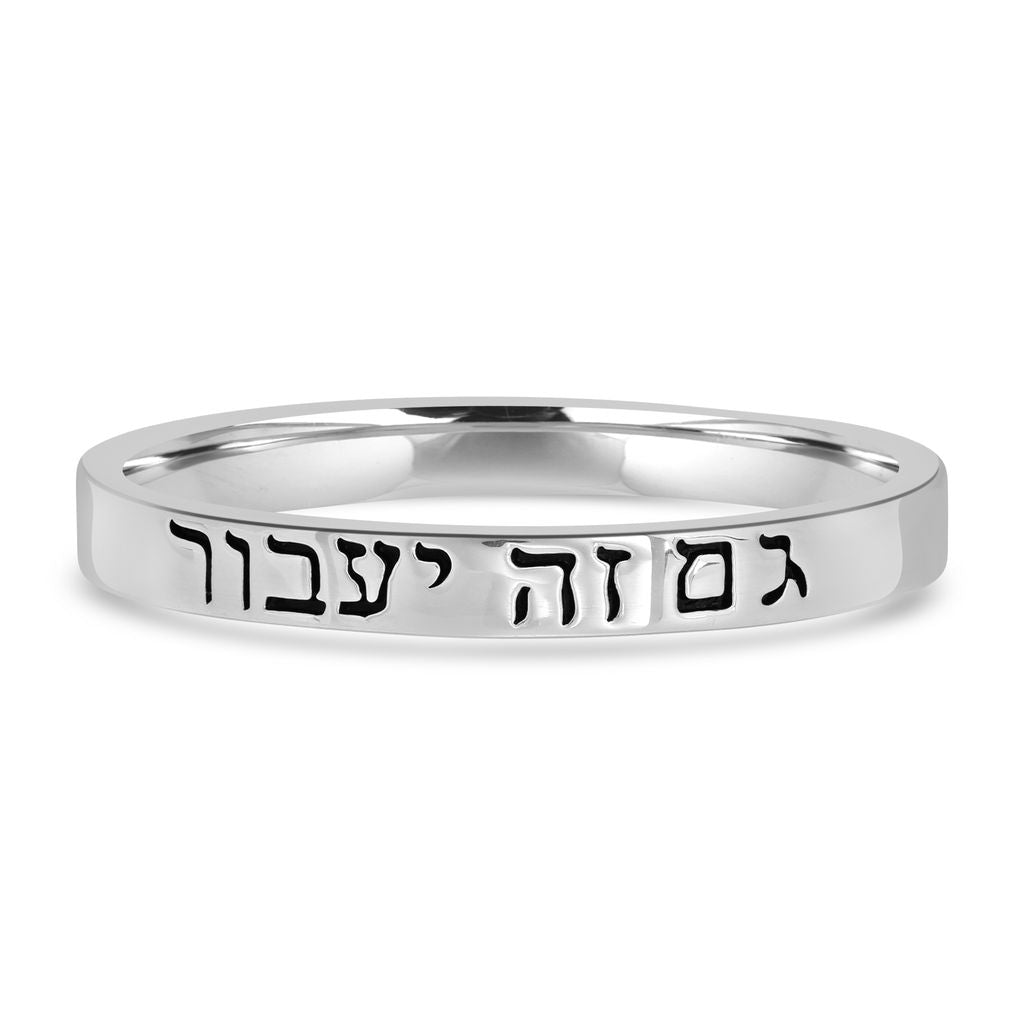
From delicate necklaces to elegant rings, Jewish jewelry embeds deep meanings that resonate across generations. Many designs incorporate Hebrew inscriptions or biblical verses like the Shema or "Ani L’Dodi v’Dodi Li," intertwining devotional words with artistry. Wearing such pieces connects individuals to Jewish faith and culture, marking milestones like Bar and Bat Mitzvahs or weddings, while offering hope, blessing, and unity.
Importance of Supporting Israeli Artisans and Designers
Jerusalem, often called the heart of Jewish craftsmanship, is home to artisans who maintain centuries-old traditions in jewelry making. This region is renowned for sourcing precious materials such as 925 sterling silver, 14kt to 18kt gold, Israeli amethysts, and unique stones like Eilat and Jerusalem stone. Supporting local Israeli jewelers not only ensures authenticity but also sustains a cultural legacy that honors spirituality and heritage.
The recent rise of innovative Israeli women designers highlights a new era of ethical, sustainable, and personalized jewelry. Brands like Hotcrown and Dada by Dana emphasize conflict-free diamonds, recycled metals, and meaningful storytelling through craftsmanship. Purchasing Israeli jewelry endorses these talented creatives, while reinforcing pride in Israeli culture and Jewish identity worldwide.
Connecting Wearers to Jewish Heritage and Israeli Identity
Jewelry crafted in Israel intricately links wearers to their roots and Israel’s rich history. Pieces featuring the Lion of Judah evoke strength and leadership, while motifs like the Menorah and mezuzah serve as tangible reminders of faith and God’s protection. Emblems such as the Hamsa hand ward off negativity, promoting spiritual wellness.
This jewelry transcends fashion; it is a wearable symbol of solidarity for diaspora communities and beyond. Whether engraved with a loved one’s name or bearing a personalized message, Israeli jewelry strengthens one’s connection to tradition, community, and cultural pride. Wearing these treasures proudly proclaims Jewish identity and celebrates a shared heritage that endures through time and distance.