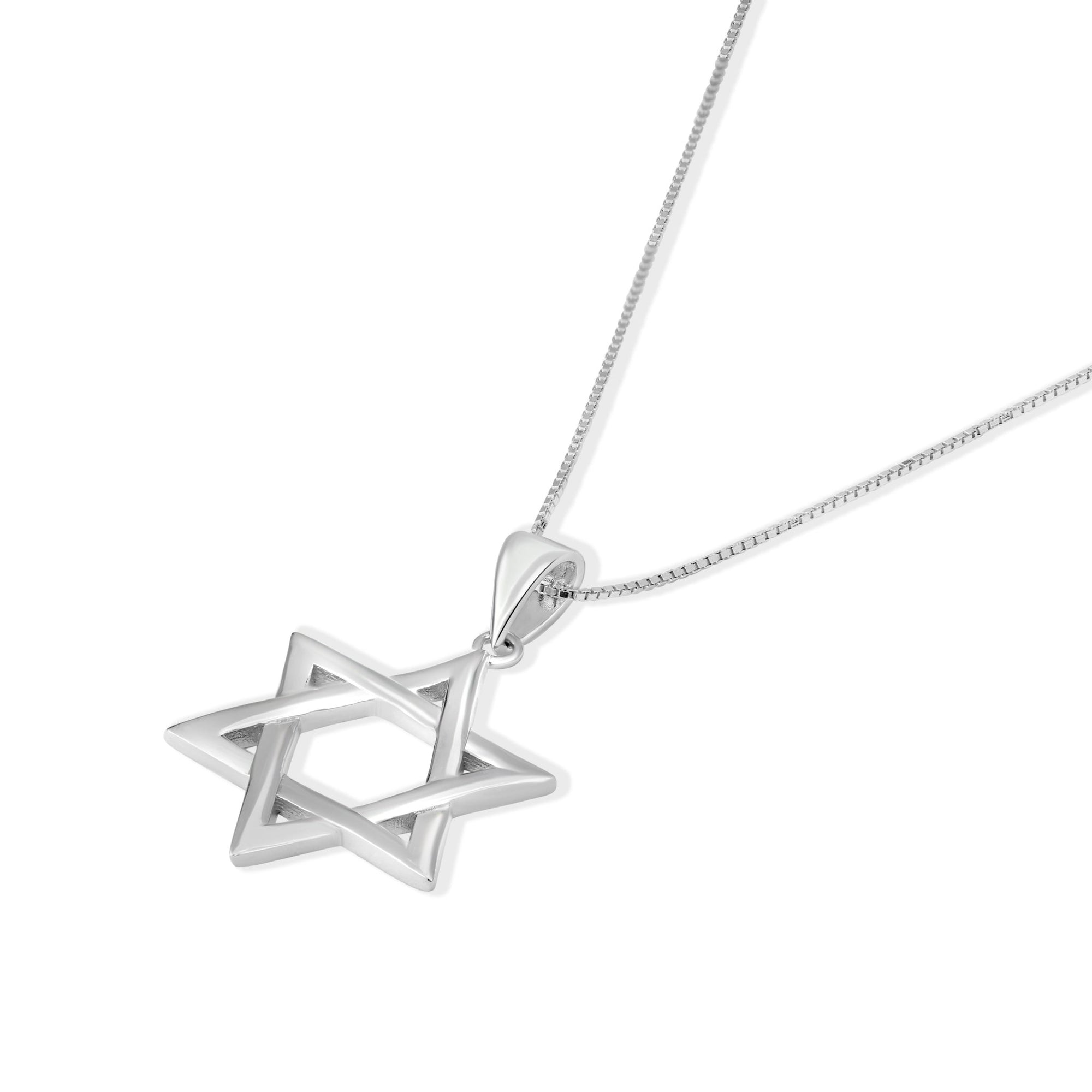


Introduction: The Allure of Jewelry Inspired by Israel's Heritage
A Glimpse into Israeli and Jewish-Inspired Jewelry
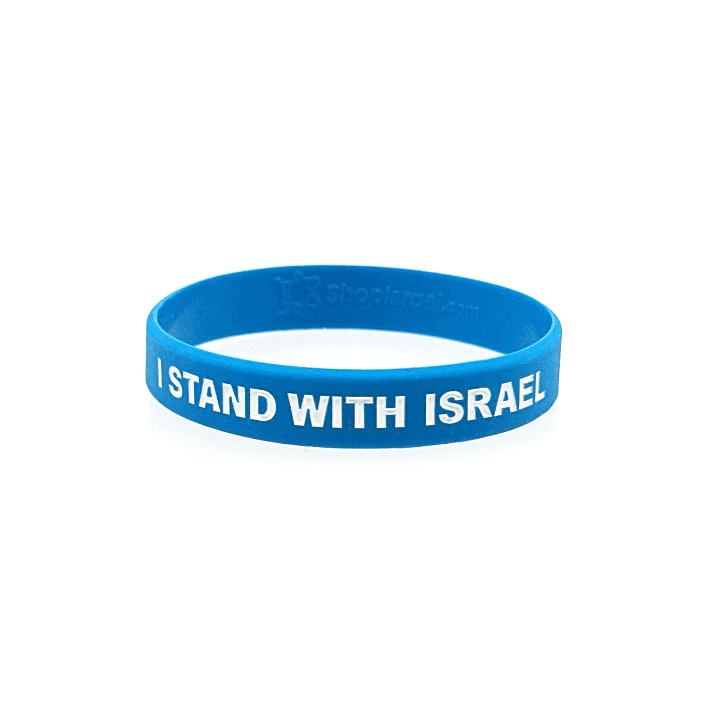
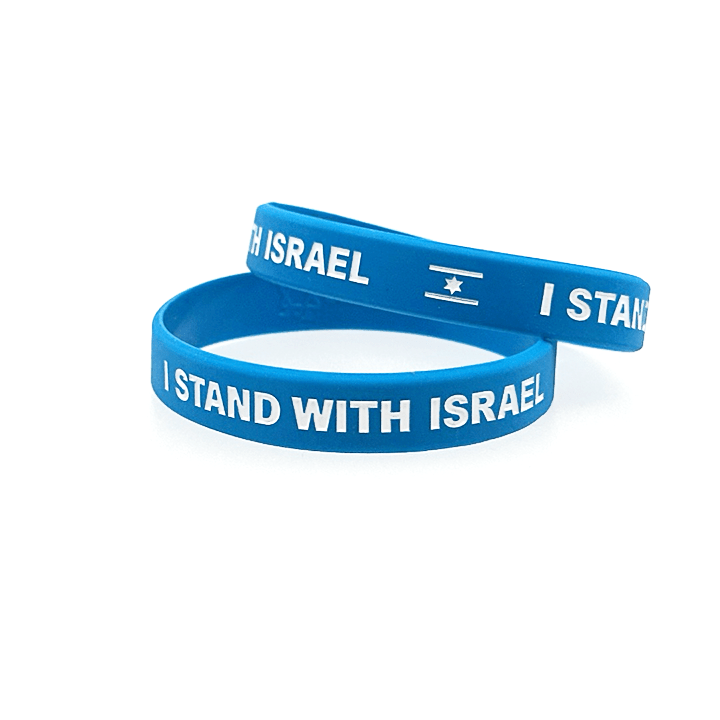
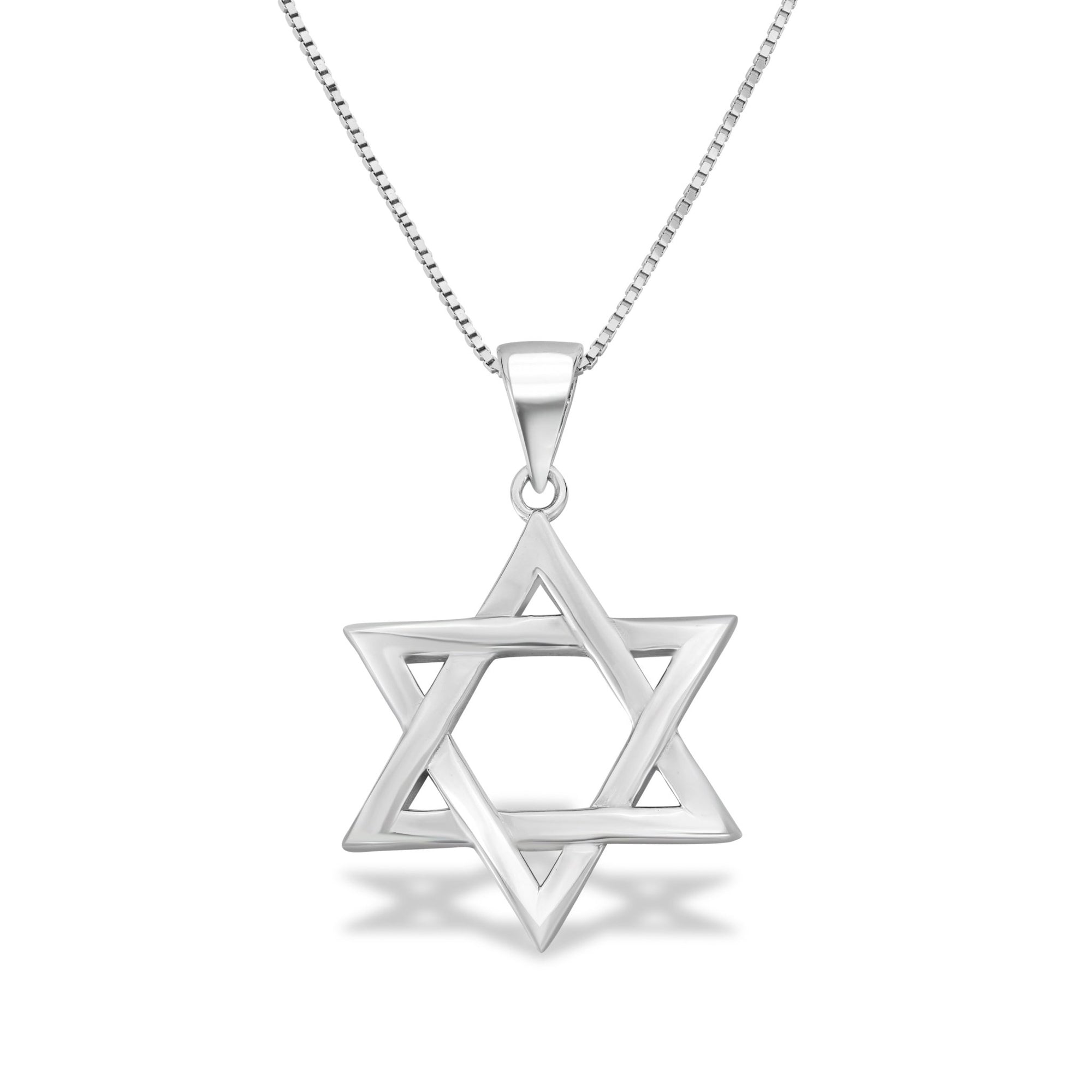
Jewelry inspired by Israel's rich heritage is more than just adornment—it's a vibrant expression of culture, faith, and history. Israeli artisans blend ancient traditions with modern design, creating pieces that reflect Jewish identity and Israeli pride. From the delicate Star of David to the protective Hamsa, every symbol tells a story.
Jewelry as a Spiritual and Cultural Emblem
Jewelry holds deep spiritual significance within Jewish culture. Items like the Chai symbol, Mezuzah pendants, and kabbalistic motifs carry blessings, protection, and hope. Often handcrafted by Israeli artists using sterling silver, gold, and even ancient Roman Glass, these treasures bridge past and present.
Celebrating Israeli Pride and Jewish Heritage
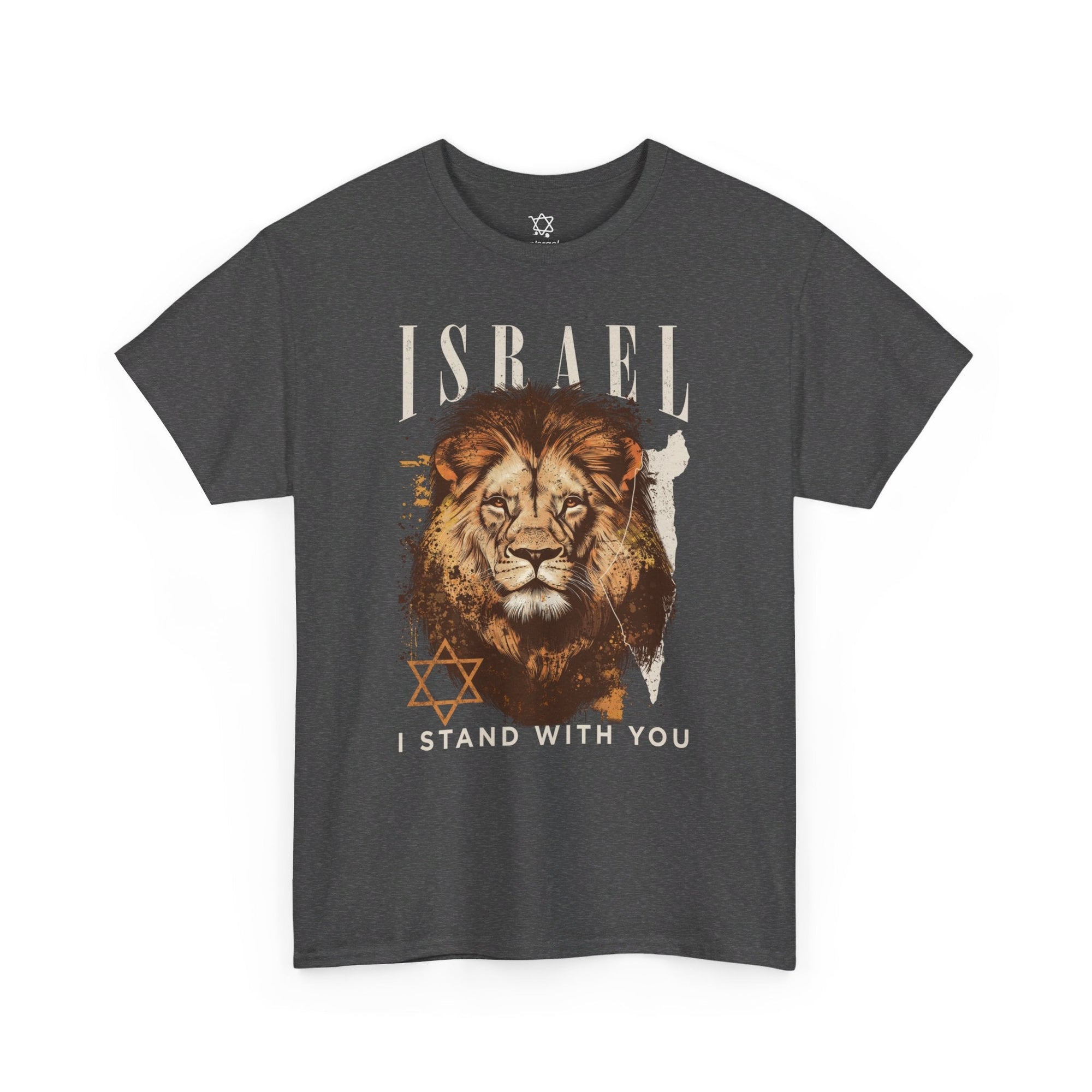
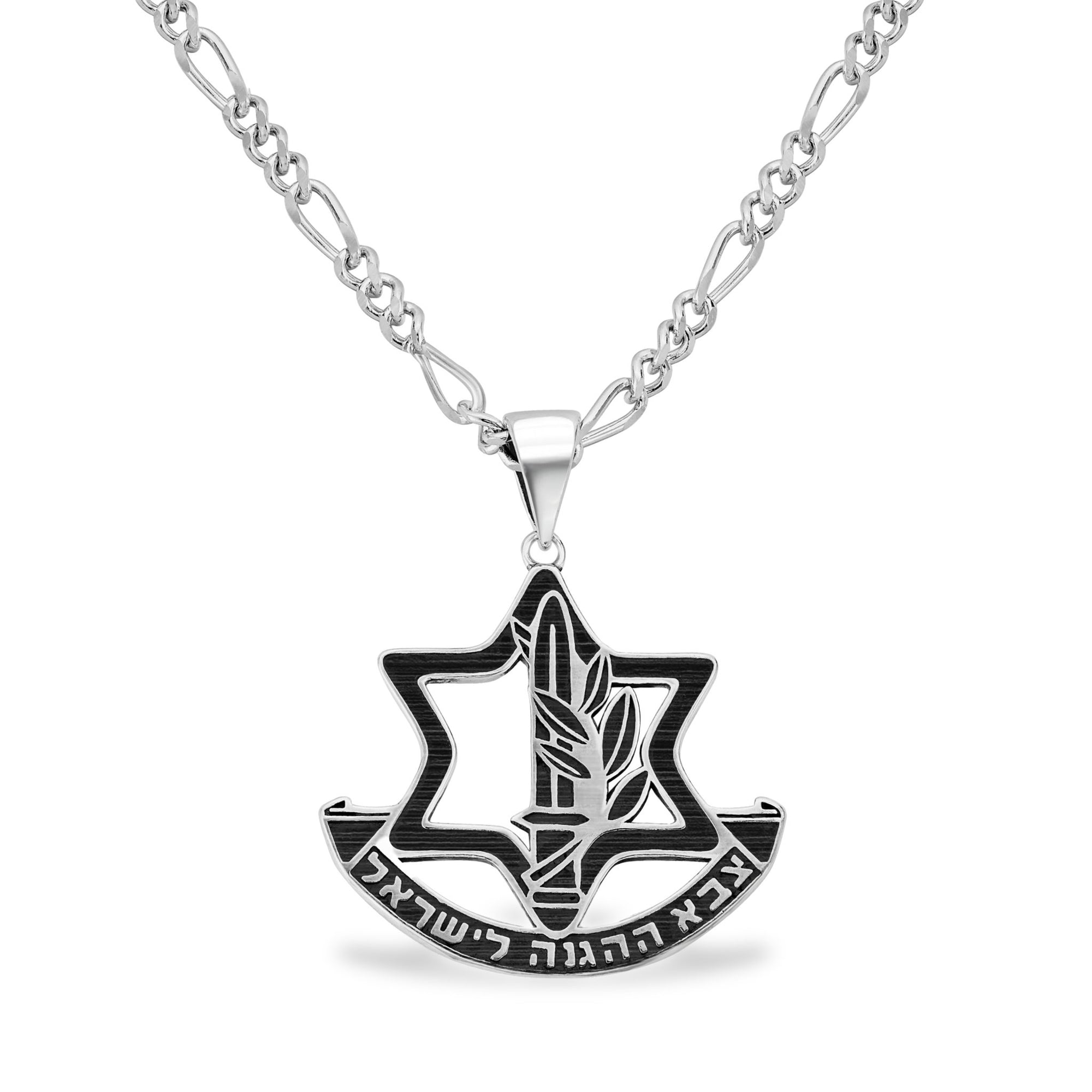
Wearing jewelry with Israeli and Jewish motifs is a heartfelt way to showcase pride in Israel and a connection to Jewish roots worldwide. Pieces featuring maps of Israel or Hebrew inscriptions like “Am Yisrael Chai” embody national spirit and resilience. Such jewelry is a meaningful tribute, uniting diaspora communities through shared symbols and stories.
G.R.A.S.: Crafting Authentic Israeli Jewelry for Over Three Decades
History and origins of G.R.A.S. in Haifa
Founded more than 30 years ago in the vibrant city of Haifa, Israel, G.R.A.S. Haifa, Israel has deep roots in Israeli jewelry design and craftsmanship. The company has become a respected name in Sterling silver jewelry and Israeli art artifacts, reflecting the rich cultural heritage of the region.
Blend of ancient and modern aesthetics in their designs
G.R.A.S. masterfully combines timeless ancient motifs with modern styles. Their jewelry captures Israel’s historic spirit through designs inspired by biblical symbols and Jewelry reflecting Israeli culture, creating pieces that resonate with pride and tradition.
Use of high-quality materials including sterling silver, gold, gems, and Roman Glass
The artisans at G.R.A.S. use only High-quality jewelry materials such as Sterling silver jewelry and gold. They incorporate semi-precious gems, diamonds, and even Roman Glass in Jewish jewelry—a rare and historic material—making every piece both elegant and meaningful.
Role in promoting Israeli culture and heritage
Beyond craftsmanship, G.R.A.S. serves as a cultural ambassador by preserving and promoting Israeli culture and art through their products. Their designs reflect national symbols and Jewish jewelry as cultural resistance to antisemitism and traditions, fostering a tangible connection to Israel’s history and identity.
Local presence with over 40 stores across Israel
With an impressive network of over 40 stores nationwide, G.R.A.S. store locations maintains a strong local presence. This extensive footprint not only supports supporting Israeli artists but also enables communities across Israel to access Authentic Israeli designs celebrating their shared heritage.
Symbols Woven into Israeli Jewelry: Spiritual and National Motifs
What Traditional Jewish Symbols Are Found in Israeli Jewelry?
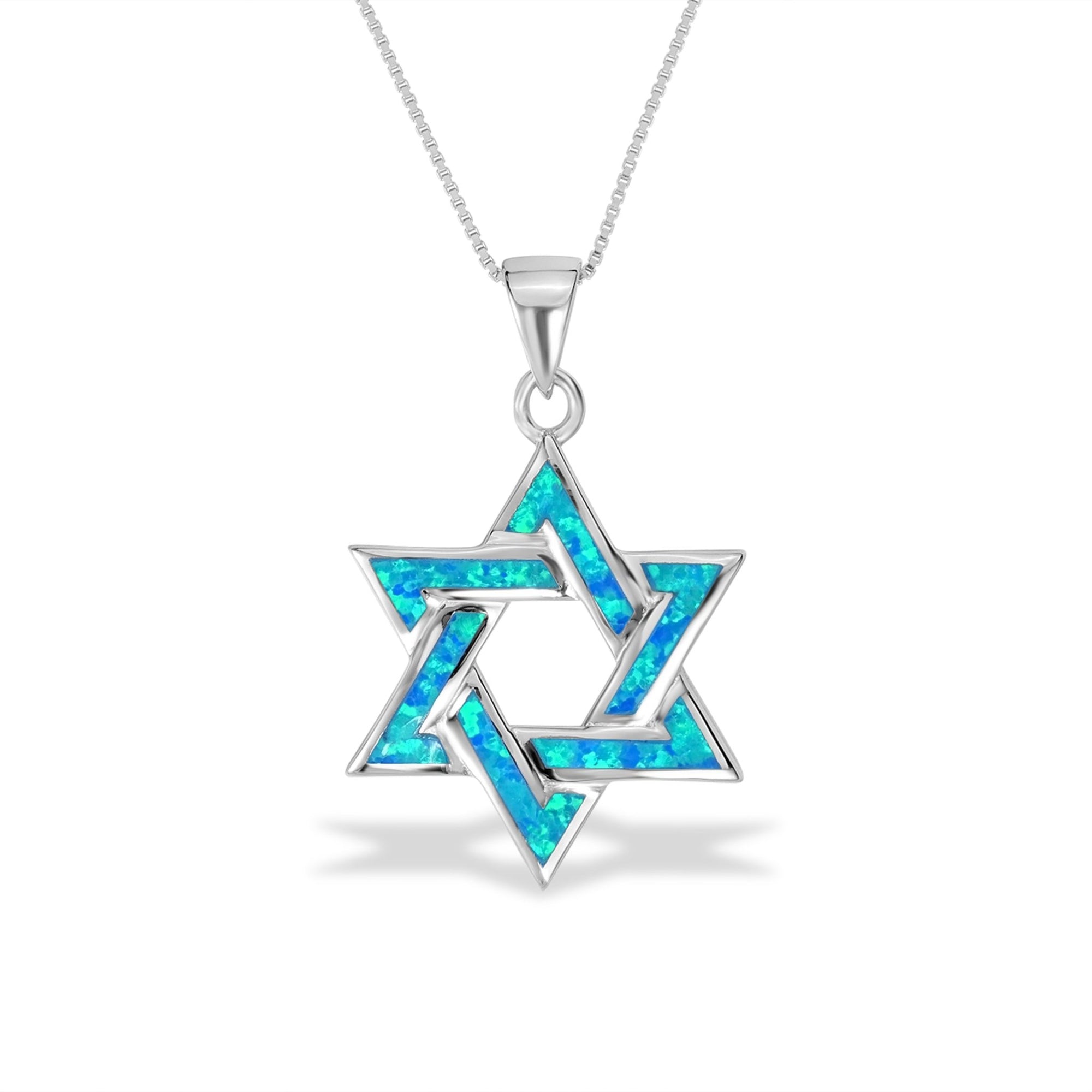
Traditional Jewish symbols prominently featured include the Star of David jewelry, Shema Israel jewelry, and Hamsa jewelry. The Star of David, deeply connected to Jewish identity, appears frequently in Israeli designs. The Shema Israel, a powerful declaration of faith, often adorns jewelry as a spiritual reminder. The Hamsa, also known as the Hand of Miriam, carries protective qualities and is a beloved talisman against negative energy.
Which Israeli National Themes Are Embraced in Jewelry Designs?
Jewelry artisans incorporate patriotic elements such as Israel map jewelry, the Israeli flag jewelry, and the inspiring phrase "Am Yisrael Chai jewelry" (The Nation of Israel Lives). These motifs celebrate national pride and the enduring spirit of the people, making each piece a wearable statement of solidarity and connection to the land.
What Cultural Motifs Are Commonly Used?
Cultural symbols like Jewelry with pomegranates and Jewelry with olive trees often appear in Israeli jewelry designs. The pomegranate represents fertility, abundance, and righteousness, while the olive tree stands for peace and steadfastness — values deeply rooted in Jewish and Israeli heritage.
What Do Hebrew Inscriptions on Jewelry Represent?
Hebrew inscription jewelry serve as powerful expressions of faith and identity. Words and phrases engraved on rings, bracelets, and pendants often carry prayers, blessings, or messages of hope. These inscriptions transform jewelry into personal amulets that reinforce a connection to Jewish jewelry as a symbol of resilience and Israeli culture.
Jewelry made in Israel beautifully intertwines spiritual symbolism and national pride, allowing wearers to carry their heritage with elegance and meaning.
Jewelry as a Vessel of Jewish Spirituality and History
Historical significance of amulets and kabbalistic ornaments
Jewish jewelry has long been more than decorative; it serves as a medium for spiritual meaning and protection. Amulets like the Hamsa jewelry, also known as the Hand of Miriam or Fatima, are traditionally believed to shield the wearer from harm and negative energies. Similarly, amulets and kabbalistic ornaments incorporate mystical symbols meant to invoke divine blessings and guard one’s spiritual wellbeing. These pieces often feature sacred shapes and inscriptions that connect the wearer deeply to Jewish faith and mysticism.
Biblical references such as the Choshen with twelve gemstones
One of the most profound biblical influences on Jewish jewelry is the biblical priest's Choshen breastplate, the priestly breastplate worn by the High Priest in the ancient Temple. This breastplate bore twelve distinct gemstones, each representing a twelve tribes of Israel gemstones, symbolizing unity and a constant reminder of God’s presence and covenant with His people. Jewelry inspired by the Choshen continues to remind wearers of their heritage and the enduring strength of Jewish identity.
Ancient usage of jewelry for faith, protection, and status
In biblical times, jewelry was not just ornamental but also a symbol of faith, protection, and social status. Women wore elaborate pieces on their wedding day to attract good fortune and display family wealth and strength. Throughout Jewish history, jewelry has communicated resilience and devotion, with symbols like the Star of David jewelry and Mezuzah symbol meaning serving as both personal talismans and collective emblems of cultural continuity.
Jewish jewelry, from ancient amulets to modern pieces, remains a powerful statement of spiritual connection, cultural pride, and historical continuity, embodying values of protection, faith, and identity.
The Evolution of the Star of David in Jewish Jewelry

Origins and Historical Adoption of the Star of David
The Star of David, or Magen David, is one of the most recognized symbols of Jewish identity, yet its exact origins remain somewhat unclear. It first appeared during the Second Temple period, serving more as a decorative or mystical emblem rather than an official symbol. Jewish communities began to associate this six-pointed star with protection and divine presence. Learn more about the Star of David origins.
Its Significance from the Second Temple Period to 17th Century Prague
Although present during biblical times, the wide adoption of the Star of David as a Jewish emblem gained momentum much later. By the 17th century, particularly within the Jewish community of Prague, the Star of David became a formal symbol of Judaism. It was used on synagogues, jewelry, and community items, heralding a unifying identity. Discover more about Jewish jewelry history and the Star of David jewelry symbolism.
The Symbol as a Unifying Emblem of Jewish Identity
Over centuries, the Star of David evolved into a proud marker of Jewish heritage and resilience. Incorporated into modern jewelry, it conveys solidarity and faith, helping Jews express cultural pride amidst challenges. Today, Jewelry from Israeli artisans blend ancient meaning with contemporary styles to craft Star of David pieces that celebrate connection to Israel and the Jewish diaspora. Explore Jewish jewelry as a symbol of resilience and Jewelry reflecting Israeli culture.
The Chai: Symbolizing Life and Luck in Jewish Jewelry Traditions
What is the Meaning and Symbolism of Chai?
The Chai symbol, composed of the Hebrew letters Chet and Yud, literally means "life." It embodies the Jewish value of vitality and the preciousness of living. Wearing Jewish jewelry as a symbol of resilience is a public declaration of faith in the sanctity of life and a wish for good fortune and health. It's more than just adornment—it is thought to bring luck and protection to the wearer.
Where Does the Chai Symbol Root from, and How Did it Spread?
Rooted deeply in Hebrew traditions, the Chai gained popularity in Eastern Europe during the 18th century. It became a cultural emblem among Jewish communities, symbolizing not only life but also continuity and connection to Jewish jewelry history. Over time, it traveled globally with Jewish diaspora communities, evolving into a widely recognized and cherished motif.
Why is Chai Jewelry Popular Today?
Modern Chai jewelry tradition continues to express vitality and hope. These pieces can be found in various forms, from pendants to rings, showcasing a blend of ancient tradition and contemporary design. Wearing Chai is an act of pride, identity, and resistance—especially meaningful amidst challenges faced by Jewish communities worldwide. It connects wearers to a rich history while inspiring a positive outlook on life and resilience.
Mezuzah Jewelry: Wearing Faith and Protection
What is the Mezuzah as a Traditional Jewish Doorpost Symbol?
The mezuzah is a well-known Jewish symbol traditionally affixed to the doorposts of Jewish homes. It contains sacred Hebrew texts from the Torah, specifically the Shema Israel jewelry prayer, serving as a constant reminder of faith and the presence of God.
How Are Mezuzah Motifs Used in Jewelry to Symbolize Faith and Protection?
Jewelry designers have adapted the mezuzah’s shape and inscriptions into wearable art. Mezuzah-inspired jewelry, often in the form of pendants or charms, enables wearers to carry a symbol of their faith wherever they go. Crafted with high-quality jewelry materials such as sterling silver, these pieces serve as personal amulets, extending the traditional protective role of the mezuzah into a form of spiritual armor.
What Spiritual Meaning Does Mezuzah Jewelry Hold for Wearers?
For many, wearing mezuzah jewelry is more than decoration—it is an expression of Jewish identity, a tangible connection to heritage, and a source of comfort and protection. Incorporating the mezuzah into jewelry conveys a reminder of God’s watchful presence, bolstering resilience and faith. This personal ritualistic symbol helps inspire hope, courage, and pride in Jewish tradition, linking the wearer to thousands of years of cultural and spiritual legacy and the spiritual and cultural significance of Jewish jewelry.
The Hamsa: A Universal Amulet with Deep Cultural Roots
What protective role does the Hamsa play against negative energy?
The Hamsa jewelry is widely regarded as a powerful amulet that shields its wearer from the "evil eye" and negative energies. In Jewish tradition, it is seen as a guardian symbol that brings blessings, protection, and good fortune. Many Jewelry with Israeli themes pieces proudly incorporate the Hamsa to offer spiritual security and ward off harm in daily life.
What is the symbolism behind the stylized hand with an eye?
The Hamsa features a hand, often with five fingers extended, and usually includes an eye at its center. This eye symbolizes wisdom and insight, designed to watch over and protect the wearer from malevolent forces. The hand itself represents strength, blessing, and power. Together, they form a talisman that embodies vigilance and divine protection.
What are the variations of the Hamsa, including the Hand of Miriam and Hand of Fatima?
The Hamsa is also known as the Hand of Fatima in Islamic culture, named after Fatima Zahra, daughter of the Prophet Muhammad. In Jewish culture, it is sometimes referred to as the Hand of Miriam, honoring Moses' sister. While the core symbolism of protection and blessing remains consistent, these variations highlight the shared cultural heritage and the amulet’s universal appeal across religions.
How is the Hamsa represented in Jewish and Israeli jewelry?
Israeli artisans often craft the Hamsa in sterling silver and gold, richly decorated with intricate designs that reflect its spiritual significance. Jewelry pieces range from pendants and rings to bracelets, frequently combined with other Jewish symbol jewelry such as the Star of David or Hebrew inscriptions. The Hamsa's integration in Israeli creativity celebrates both tradition and modern artistry, making it a popular gift symbolizing faith, protection, and unity in the Jewish diaspora and supporters worldwide.
Sephardic Jewelry: Mediterranean Roots and Symbolic Ornamentation
What Are the Origins of Sephardic Jewish Jewelry?
Sephardic Jewish jewelry traces its roots to the Jewish communities that thrived in Spain before their expulsion in 1492. This jewelry tradition reflects the rich cultural fusion of Mediterranean and Middle Eastern influences absorbed over centuries. Known for its exquisite craftsmanship, Sephardic jewelry not only served as adornment but also as a symbol of identity and heritage for Sephardic Jews throughout their diaspora. Learn more about the Jewish jewelry history.
How Do Sephardic Designs Reflect Middle Eastern and Mediterranean Art?
The designs of Sephardic jewelry are marked by intricate patterns and a refined elegance rooted in Mediterranean aesthetics. Artisans employed delicate filigree work, a technique involving twisting and curling fine silver wires to create lace-like patterns. These delicate yet durable designs showcase an artistic dialogue between cultures, blending Islamic, Byzantine, and local Jewish motifs. This craftsmanship is part of the broader tradition of Yemenite silversmithing and filigree and Middle Eastern influences on Sephardic jewelry.
What Symbols Are Common in Sephardic Jewelry?
Sephardic jewelry often includes powerful symbols such as the Hamsa jewelry—the stylized hand believed to offer protection and blessings. Additionally, Jewelry with pomegranates feature prominently, symbolizing fertility, abundance, and righteousness according to Jewish tradition. These pieces reflect not only artistry but also a deep connection to Jewish faith and values. Filigree enhances the jewelry's delicate beauty, combining spiritual symbolism with exquisite craftsmanship.
Sephardic jewelry remains a treasured art form, representing the enduring spirit and cultural heritage of Sephardic Jewry through its symbolic ornamentation and Mediterranean-inspired designs.
Ashkenazi Jewelry and Its Distinctive Artistic Traditions
What are the jewelry styles of Central and Eastern European Jews?
Ashkenazi jewelry, originating from the Jewish communities of Central and Eastern Europe, reflects their unique cultural and religious identity. These pieces often exhibit intricate craftsmanship that combines tradition with the region’s artistic heritage.
How do Ashkenazi designs emphasize the Star of David and Hebrew inscriptions?
A central motif in Ashkenazi jewelry is the Star of David origins, a symbol deeply connected to Jewish identity and faith. This emblem is frequently accompanied by Hebrew inscriptions, which may include prayers, blessings, or expressions of hope. These inscriptions are not only decorative but also imbue the jewelry with spiritual significance.
What gemstones are commonly used in Ashkenazi jewelry?
Jewelry from this tradition often incorporates brilliant gemstones such as diamonds, rubies, and emeralds. These stones add color, beauty, and symbolic value, reflecting the wearer's status, faith, and connection to Jewish heritage.
How does Ashkenazi jewelry reflect culture and religious identity?
Beyond aesthetic appeal, Ashkenazi pieces serve as powerful expressions of cultural pride and religious devotion. They link wearers to the enduring history of Jewish communities in Europe, embodying resilience and continuity. Through the fusion of symbolism, craftsmanship, and precious materials, Ashkenazi jewelry continues to convey a profound sense of heritage and spiritual strength (Jewelry reflecting Israeli culture.
Yemenite Silversmithing: Intricate Craftsmanship and Cultural Significance
What defines Yemenite jewelry traditions?
Yemenite silversmithing and filigree is renowned for its intricate filigree work, characterized by delicate lace-like patterns woven from fine silver threads. These handcrafted pieces often showcase geometric shapes and detailed floral designs that reflect the artisan’s deep connection to both their heritage and craftsmanship.
How have diverse cultures influenced Yemenite silversmithing?
Yemenite jewelry demonstrates a rich blend of artistic influences due to the region’s historical crossroads. Middle Eastern influences on Sephardic jewelry, Mediterranean, and local Bedouin cultures have all contributed to its distinctive style. This fusion results in unique motifs and techniques that distinguish Yemenite pieces from other Jewish jewelry history traditions.
What symbolic motifs are found in Yemenite handcrafted pieces?
Embedded within Yemenite jewelry are powerful symbolic motifs representative of protection, faith, and identity. Common symbols include the Hamsa jewelry — a hand-shaped amulet believed to ward off evil — and intricate patterns that hold spiritual and cultural meaning. Each piece serves not only as adornment but also as a talisman embodying the resilience and rich history of the Yemenite Jewish community.
Contemporary Israeli Jewelry: Modern Creativity with Historic Roots
Combining traditional symbols with modern materials and techniques
Contemporary Israeli jewelry skillfully merges age-old Jewish symbols with cutting-edge artistry. Designers blend motifs like the Star of David jewelry, Hamsa jewelry, and Chai jewelry tradition with modern elements, crafting pieces that honor heritage while embracing today’s aesthetics. This fusion allows wearers to express deep cultural identity in stylish, wearable forms.
Use of Roman Glass and religious motifs
A captivating hallmark of many Jewish jewelry history creations is the use of authentic Roman Glass. This ancient material, recovered from archeological sites, adds a timeless charm and historical depth to jewelry. Paired with religious motifs—be it Hebrew inscriptions on jewelry, the Mezuzah symbol meaning, or symbolic stones—each piece becomes a bridge connecting Israel’s ancient past to the present.
Jewelry as a dynamic expression of Israeli culture and identity
Israeli jewelry transcends mere adornment. It is a vibrant cultural statement representing resilience, faith, and pride. Crafted in over 40 stores across Israel, these designs reflect the country's diverse artistic heritage, from Yemenite silversmithing and filigree to Ashkenazi jewelry features. Wearing Israeli jewelry allows individuals worldwide to celebrate Jewish heritage and Israeli identity visibly and proudly.
Supporting Israeli Artisans: The Role of E-commerce Platforms

How Do Online Platforms Promote Israeli Artists and Cultural Merchandise?
Online platforms dedicated to Israel jewelry and gifts serve as vibrant hubs for promoting the work of local artisans. These digital marketplaces showcase traditional and contemporary designs that resonate deeply with Jewish heritage and Israeli creativity. By featuring jewelry that includes symbols such as the Star of David jewelry, Hamsa jewelry, and Hebrew inscriptions on jewelry, they connect customers worldwide with meaningful artistic expressions crafted in Israel.
Why Is Authentic, Handmade Israeli Jewelry Emphasized?
Authenticity is central to these platforms’ missions. Many products are Handmade Israeli art using high-quality materials like sterling silver, gold, semi-precious gems, and even ancient Roman Glass. This craftsmanship honors Israel's rich Jewish jewelry history, blending ancient motifs with modern aesthetics. Buyers not only acquire beautiful jewelry but also carry a piece of Israel’s Jewish jewelry as a symbol of resilience.
How Do Global Sales Help Preserve Israeli Craftsmanship?
By making Jewelry made in Israel accessible worldwide, e-commerce sites support the artisans' livelihoods and sustain traditional techniques. Since the mid-2000s, these platforms have been vital in preserving delicate silversmithing traditions, intricate filigree work, and symbolic jewelry designs originating from diverse Jewish communities such as Ashkenazi, Sephardic, and Yemenite. The global demand encourages continued creativity, ensuring these treasured crafts endure for future generations.
Through thoughtful curation and storytelling, these platforms transform jewelry into more than adornment—they become enduring symbols of resilience, pride, and Jewish jewelry expressing Jewish identity, beautifully bridging cultures and generations.
Jewelry as a Symbol of Jewish Resilience and Pride
Jewelry expressing Jewish identity amid challenges
Jewish jewelry is much more than an ornament; it is a profound expression of identity and resilience. Pieces featuring iconic symbols like the Star of David jewelry symbolism and engraved Hebrew names serve as a proud declaration of Jewish heritage, especially relevant during times of adversity. Wearing such jewelry allows individuals to solidify their connection to their roots and openly affirm their cultural and spiritual identity.
Engraved Hebrew phrases as messages of hope and faith
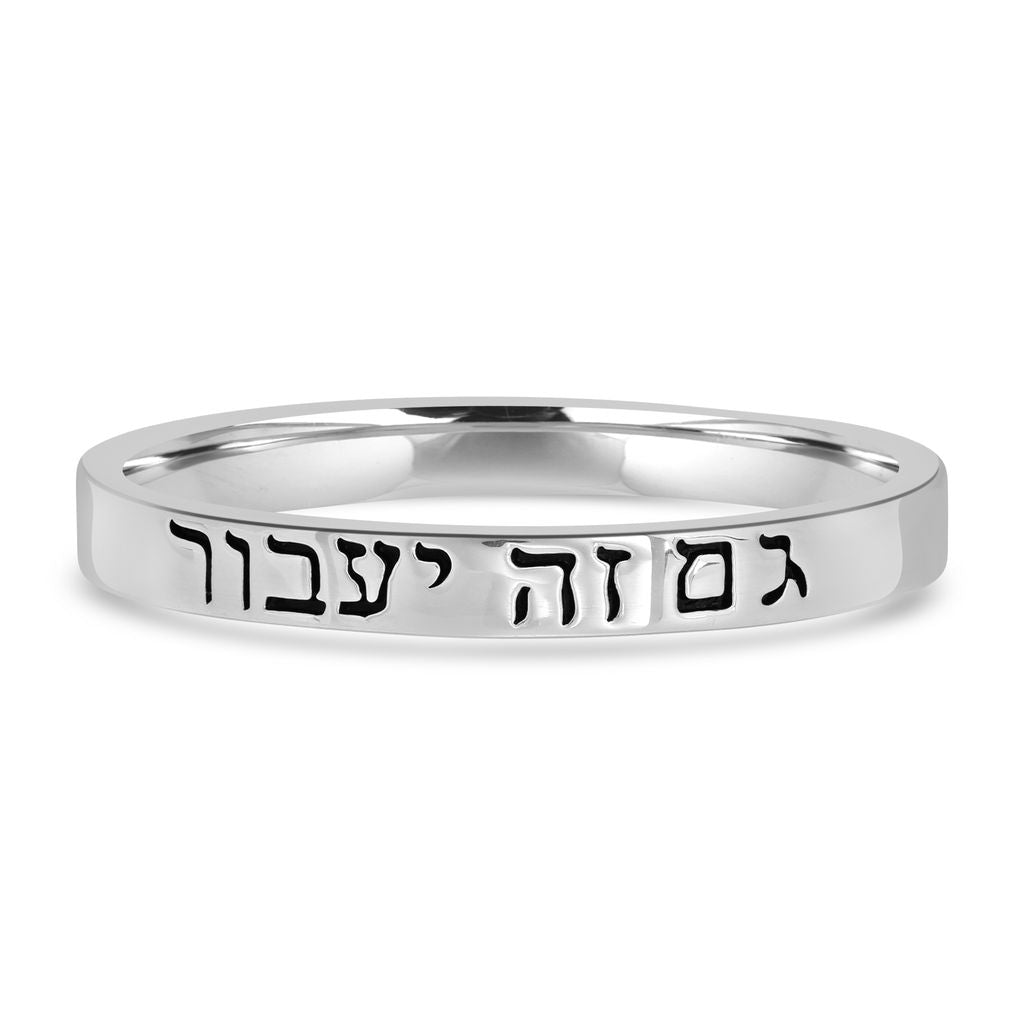
Engravings on Jewish jewelry often carry uplifting messages grounded in faith and perseverance. Phrases like "Gam Ze Ya'avor" (This Too Shall Pass) adorn rings and bracelets, providing comfort and courage in challenging times. These inscriptions act as personal prayers or affirmations, offering strength and hope while reminding wearers of their enduring heritage.
Role of jewelry in cultural resistance and pride
In an environment marked by rising antisemitism, Jewish jewelry transforms into a form of cultural resistance. By choosing to wear symbols such as the Star of David or the Hamsa, individuals assert pride and belonging, turning jewelry into a statement of solidarity and resilience. This creative, visible act helps foster joy and reinforces community bonds, making Jewish symbols both accessible and powerful markers of identity.
Engraved Hebrew Jewelry: Prayers and Expressions of Hope
How Are Torah Words and Hebrew Names Used in Jewish Jewelry?
Jewish jewelry often goes beyond decoration by featuring engraved rings with Torah words and Hebrew name bracelets, which serve as intimate connections to faith and heritage. These engravings personalize pieces, allowing wearers to carry sacred texts or beloved names close to their hearts.
What Are Popular Engravings Like 'Gam Ze Ya'avor' and Their Meanings?
One cherished engraving is 'Gam Ze Ya'avor' engraved jewelry meaning, translating to 'This Too Shall Pass'. This phrase embodies resilience and hope, reminding wearers during challenging times of faith’s enduring power. Such sayings are common on necklaces, rings, and bracelets crafted by Jerusalem artisans, reflecting Israel’s cultural spirit.
How Does Engraved Jewelry Serve as Spiritual Connection?
Jewelry with Hebrew inscriptions as prayers or hopes functions as both a personal and collective spiritual bond. It acts as a wearable prayer or blessing, strengthening identity and continuity with Jewish tradition. This melding of art and religion helps express Jewish pride and resilience, turning adornment into a ritual of light, hope, and heritage.
Jewish jewelry, especially those inscribed with Hebrew prayers and names, transforms everyday wear into acts of faith and cultural affirmation. By combining sacred words with fine craftsmanship, these pieces uniquely celebrate the endurance and spirit of the Jewish people.
Jerusalem’s Influence on Jewish and Israeli Jewelry Design
How do artisans like Hadaya Jewelry connect to Jerusalem’s heritage?
Artisans such as Jewelry by Hadaya in Jerusalem deeply root their crafts in the city’s spiritual and cultural heritage. Their pieces are not merely accessories but embodiments of Jerusalem's enduring spirit. By engraving Hebrew phrases and incorporating symbols drawn from the city's sacred legacy, these artists foster a tangible connection between the wearer and Jerusalem’s timeless significance.
What spiritual and cultural legacy does Jerusalem bring to jewelry designs?
Jerusalem is a wellspring of inspiration for Jewelry reflecting Israeli culture, offering themes rich in faith, history, and identity. Jewelry often features motifs tied to the city’s religious landmarks and Jerusalem's role as a symbol of hope and perseverance. This legacy is expressed through traditional symbols like the Star of David jewelry and the Chai, alongside new interpretations that reflect contemporary spiritual resilience.
Why is collective memory and faith important in these jewelry pieces?
Jewelry from Jerusalem carries collective memory—reminders of shared history, continuity, and survival through centuries. Each piece acts as a wearable vessel of faith, hope, and cultural pride. In challenging times, such jewelry serves not only as personal accessories but as manifestations of Jewish jewelry as a symbol of resilience and perseverance, binding individuals together through a common narrative rooted in Jerusalem’s sacred past.
Expressions of Cultural Identity Through Jewelry
Making Jewish Symbols More Approachable and Expressive
Jewish jewelry as a symbol of resilience serves as a meaningful way to express cultural and religious identity in a modern, accessible manner. Symbols such as the Star of David jewelry, Hamsa jewelry, and Hebrew inscriptions become personal statements, allowing wearers to display pride and connection to their heritage openly. Carefully crafted pieces blending ancient motifs with contemporary design invite both the Jewish diaspora and supporters of Jewelry reflecting Israeli culture to celebrate tradition in everyday life.
Jewelry as Personal and Communal Ritual
Beyond adornment, Jewish jewelry as a symbol of resilience often carries spiritual and communal significance. Items like engraved rings with Torah words or Hebrew name bracelets act as portable rituals, connecting individuals to faith and community. Such jewelry embraces cultural resistance by encouraging resilience amid challenges, fostering a sense of belonging and shared memory rooted in Jewish jewelry history and Jewelry reflecting Israeli culture.
Embodiment of Values Like Light, Hope, and Continuity
Jewelry designed and worn with intention embodies core values like light, hope, and continuity. Phrases such as "Gam Ze Ya'avor" (This Too Shall Pass) engraved on pieces remind wearers of faith and perseverance. Artisans particularly in Jerusalem infuse their work with collective spiritual legacies, making each item a symbol of endurance amid adversity. Through these designs, jewelry becomes a beacon of cultural pride and a hopeful link between past, present, and future.
The Role of Israeli Jewelry in Celebrations and Life Events

Jewelry as gifts reflecting Israeli heritage and pride
Israel jewelry is much more than decorative adornment—it embodies the rich cultural and spiritual heritage of Israel. Pieces featuring symbols like the Star of David jewelry, Hamsa jewelry, and Hebrew inscriptions such as "Am Yisrael Chai jewelry" offer a meaningful way to express pride in Jewish identity. Artisans from Israel weave national motifs and religious themes into their designs, making these items cherished gifts that celebrate tradition and evoke connection to the land and people of Israel.
Use in weddings and special occasions for spiritual blessings
Jewelry plays an important role in Jewish weddings and life ceremonies, often carrying spiritual significance. Inspired by ancient traditions, such as the biblical priest's Choshen breastplate worn by biblical priests, contemporary Israeli jewelry continues to symbolize protection, blessing, and divine connection. Brides might wear elaborate pieces with symbols of fertility and blessing, while engraved phrases or religious motifs invite joy and resilience. These adornments serve as tangible reminders of faith and communal continuity during momentous occasions.
Jewelry as a tangible connection to tradition and identity
Wearing Israeli Jewish jewelry engraved phrases provides a daily, personal link to Jewish and Israeli heritage. Often handcrafted with materials like Sterling silver jewelry, gold, and Roman glass, each piece tells a story—of hope, resilience, and spiritual strength. This jewelry not only signifies cultural identity but also acts as a medium for cultural resistance and pride, especially significant in diaspora communities. Whether bearing a Hebrew prayer, a protective Hamsa, or a Star of David, these items reinforce belonging and carry the light of tradition into everyday life.
Conclusion: Embracing the Spirit of Israel Through Jewelry
What Makes Israeli and Jewish Jewelry Culturally and Spiritually Important?
Israeli and Jewish jewelry carry deep spiritual and cultural significance of Jewish jewelry. They are more than mere adornments; they connect wearers to Jewish traditions and Israel’s rich heritage. Symbols like the Star of David, Hamsa, Mezuzah, and Chai have protected and inspired Jewish communities for centuries, evoking faith, hope, and resilience. These pieces often incorporate Hebrew inscriptions and sacred motifs that serve as personal prayers and expressions of Jewish identity.
How Does Jewelry Bridge the Past and Present?
Jewelry artfully blends ancient symbolism with modern craftsmanship. Contemporary Israeli artisans, including those from companies like G.R.A.S. and independent creators across Israel, combine traditional designs with high-quality materials like sterling silver jewelry, gold, and Roman Glass in Jewish jewelry. This fusion keeps age-old stories alive while allowing each generation to showcase their unique relation to the land of Israel jewelry. Wearing such pieces becomes a participatory act in history and culture.
How Does Jewelry Promote Israeli Pride and Jewish Heritage Globally?
Jewelry stands as a powerful symbol of Jewish jewelry as a symbol of resilience worldwide. In times of rising antisemitism, these symbolic designs—whether engraved with meaningful Hebrew phrases or adorned with national and religious emblems—offer a visible expression of strength and solidarity. By supporting Israeli artists and featuring authentic motifs, jewelry helps spread the beauty of Authentic Israeli heritage products beyond borders, strengthening community ties and fostering a collective identity among Jews and supporters worldwide.
Conclusion: Celebrating Israeli Heritage Through Timeless Jewelry
Craftsmanship, Culture, and Faith United
Jewelry crafted in Israel beautifully intertwines skilled craftsmanship, deep cultural roots, and enduring faith. Israeli artisans draw from thousands of years of heritage, blending ancient symbols like the Star of David, Hamsa, and Chai with modern design to create pieces that are both meaningful and aesthetically stunning.
These adornments are more than decorative; they embody a story of resilience, pride, and spiritual connection. Whether it's sterling silver works from Haifa or contemporary Roman Glass jewelry, each item carries centuries of Jewish tradition and Israeli identity.
The Lasting Impact of Israeli-Inspired Jewelry
Jewelry inspired by Israel continues to inspire wearers worldwide, acting as a tangible expression of Jewish identity and solidarity. It reminds us of shared history, faith, and hope. From biblical symbols that once adorned the Choshen priestly breastplate to motifs that celebrate the land’s natural beauty, this jewelry transcends time and trends.
Supporting Israeli Artistry
By appreciating and choosing authentic Israeli jewelry, enthusiasts support local artists and sustain the vibrant tradition of Israeli craftsmanship. These artisans keep alive the stories and heritage of the Jewish people through their hands and hearts.
Embracing Israeli jewelry means embracing a living heritage — a symbol of strength, continuity, and pride that resonates deeply with supporters and the global Jewish community alike.