

Short answer: "Israel" is not a person or a company, it is a name with two linked meanings. In the Hebrew Bible, the patriarch Jacob is renamed Israel (Yisra'el) after wrestling all night with a divine being at the Jabbok river, meaning "one who has struggled with God and man and prevailed" (Genesis 32:28). The name then became the name of the twelve tribes descended from Jacob's sons and, in 1948, was chosen (somewhat reluctantly, as a fallback after other options failed) as the name of the modern State of Israel. As of August 2026.
What "Israel" has actually meant, step by step
- Undated (biblical narrative): In Genesis 32:24-29, Jacob wrestles all night with a divine being ("a man"/angel) at the ford of the Jabbok and is given the new name Israel because, as the text states, he "struggled with God and with men, and have prevailed," according to BibleHub's Study Bible on Genesis 32:28.
- Circa 1205 BCE: The Merneptah Stele, an Egyptian victory inscription of Pharaoh Merneptah discovered in 1896, contains the earliest known extra-biblical reference to a people called Israel, describing them as a group defeated during an Egyptian military campaign in Canaan, per the Biblical Archaeology Society.
- May 12, 1948: Two days before statehood, the Jewish "People's Administration" (the pre-state cabinet) voted with seven in favor to name the new country "Israel," the opposing and abstaining votes going unrecorded, choosing it largely by elimination after "Judea," "Zion," "Ever," and "Eretz Israel" were each rejected for geographic or political reasons; the decision was reportedly received with little enthusiasm, as recounted by historian Martin Kramer on The Times of Israel's blog platform.
- May 14, 1948: David Ben-Gurion read the Declaration of the Establishment of the State of Israel at the Tel Aviv Museum, formally proclaiming the modern State of Israel; the United States recognized the new state the same day, and five Arab armies invaded within hours, according to The Times of Israel.
Where the name actually comes from
The name Israel (Hebrew: יִשְׂרָאֵל, Yisra'el) combines the Hebrew root sara/sarah ("to struggle with" or "to prevail") with El ("God"). Scholars offer several close readings of the resulting meaning: "one who struggles/wrestles with God," "one who strives and prevails with God," or, via an alternate reading tied to the root sar ("prince" or "ruler"), "prince of God" or "he who will rule with God." All of these trace back to the same biblical episode in Genesis 32, where Jacob wrestles through the night with a mysterious divine figure at the Jabbok river and is renamed as a result.
The name's use is much older than most people assume: a personal name some scholars link to it, though the connection is debated, appears in Bronze Age texts from Ebla and Ugarit, and the Merneptah Stele (c. 1205 BCE) is the earliest surviving non-biblical document to reference a group called Israel, in the context of an Egyptian military campaign in Canaan. From the Bible onward, "Israel" served as the collective name for the twelve tribes descended from Jacob's sons, later for the northern kingdom of Israel (as distinct from the southern kingdom of Judah), and in Jewish tradition, as the name for the Jewish people as a whole ("the Children of Israel," "Am Yisrael").
When Jewish leaders were finalizing the declaration of statehood in May 1948, the choice of a name was not a foregone conclusion: it was undecided until two days before the declaration itself. Alternatives such as Judea, Zion, and Ever were all considered and rejected, mostly because they were geographically narrower than the territory the new state would actually hold or carried other political complications. "Israel" won out less because of deep symbolic intent and more because it was the least objectionable option remaining, according to Kramer's account, which draws on cabinet secretary Zeev Sharef's contemporaneous record. The name was formally adopted on May 14, 1948, when Ben-Gurion read the Declaration of the Establishment of the State of Israel in Tel Aviv.
Today "Israel" carries layered meaning: a biblical covenant name tied to struggle and perseverance before God, the historic and modern collective name for the Jewish people, and the official name of the modern nation-state founded in 1948. The throughline worth holding onto is continuity: a name first given to a wrestling patriarch more than three thousand years ago is the same name borne by a living, modern country today.
The bottom line
"Israel" means, at its biblical root, "one who struggles/strives with God and prevails," the name given to the patriarch Jacob in Genesis after his nighttime wrestling match at the Jabbok. That name carried forward through three thousand-plus years of history, from the earliest non-biblical mention on the Merneptah Stele (c. 1205 BCE) through its use for the ancient Israelite tribes and kingdom, to its adoption, not without last-minute debate, as the name of the modern State of Israel on May 14, 1948.
Carry the name with you
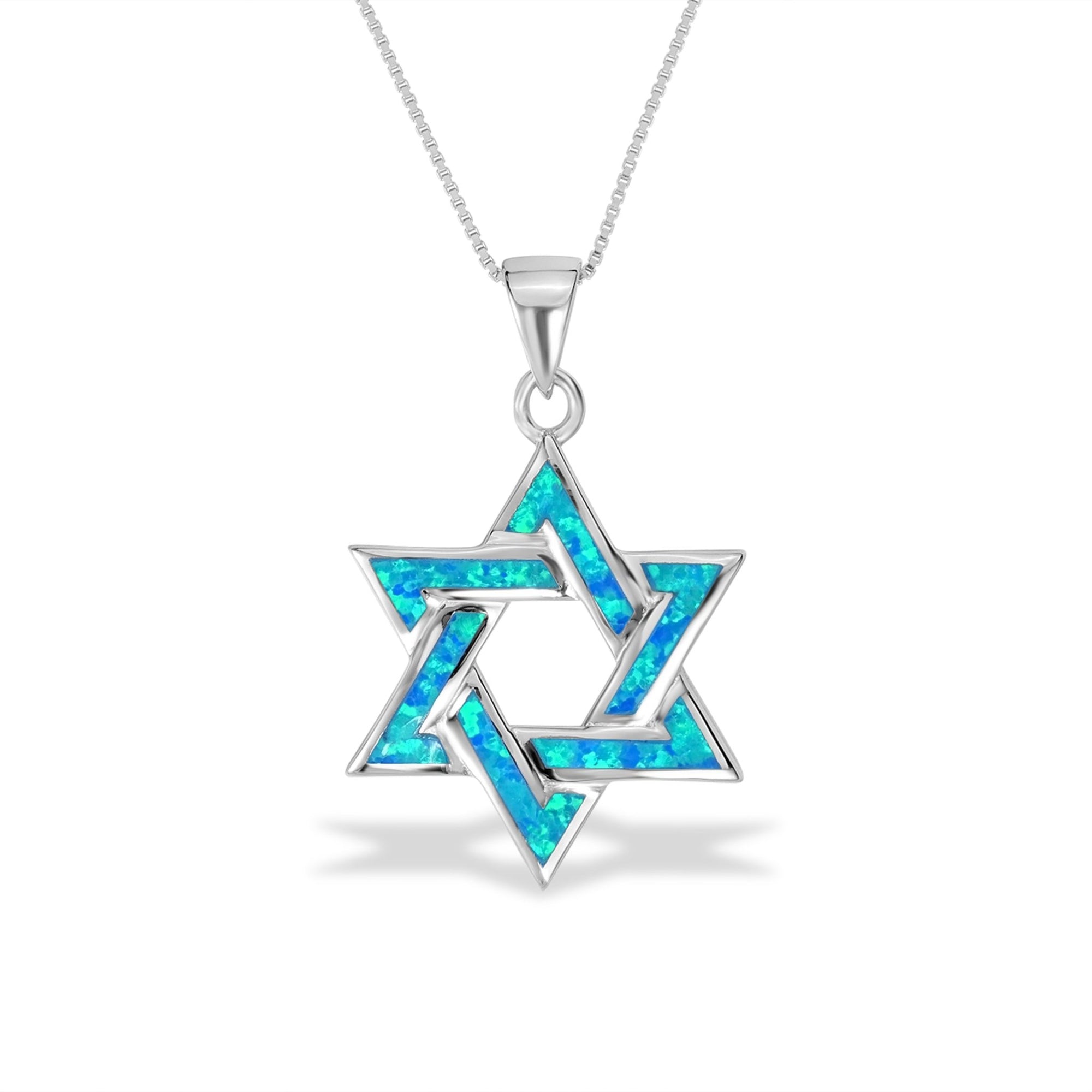
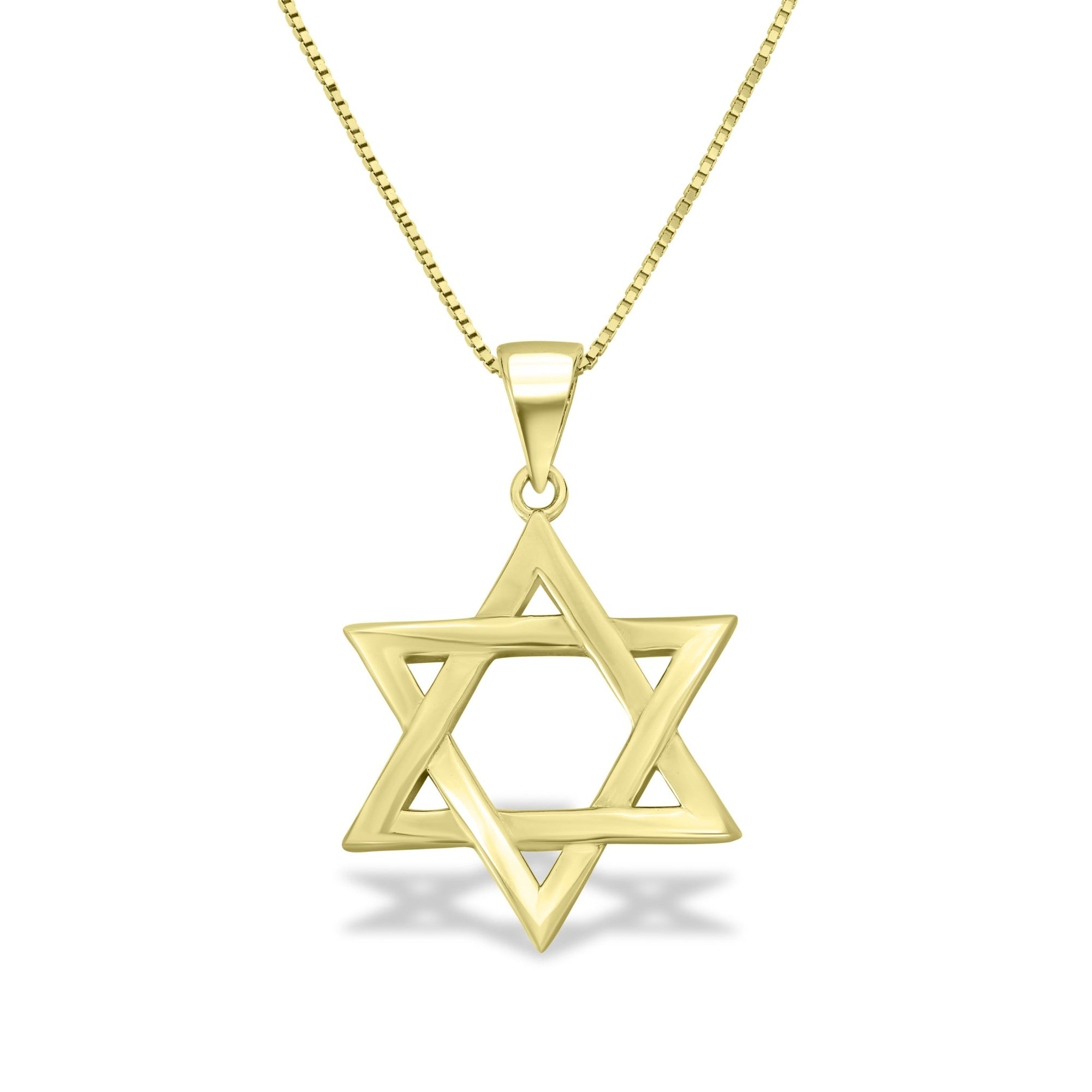
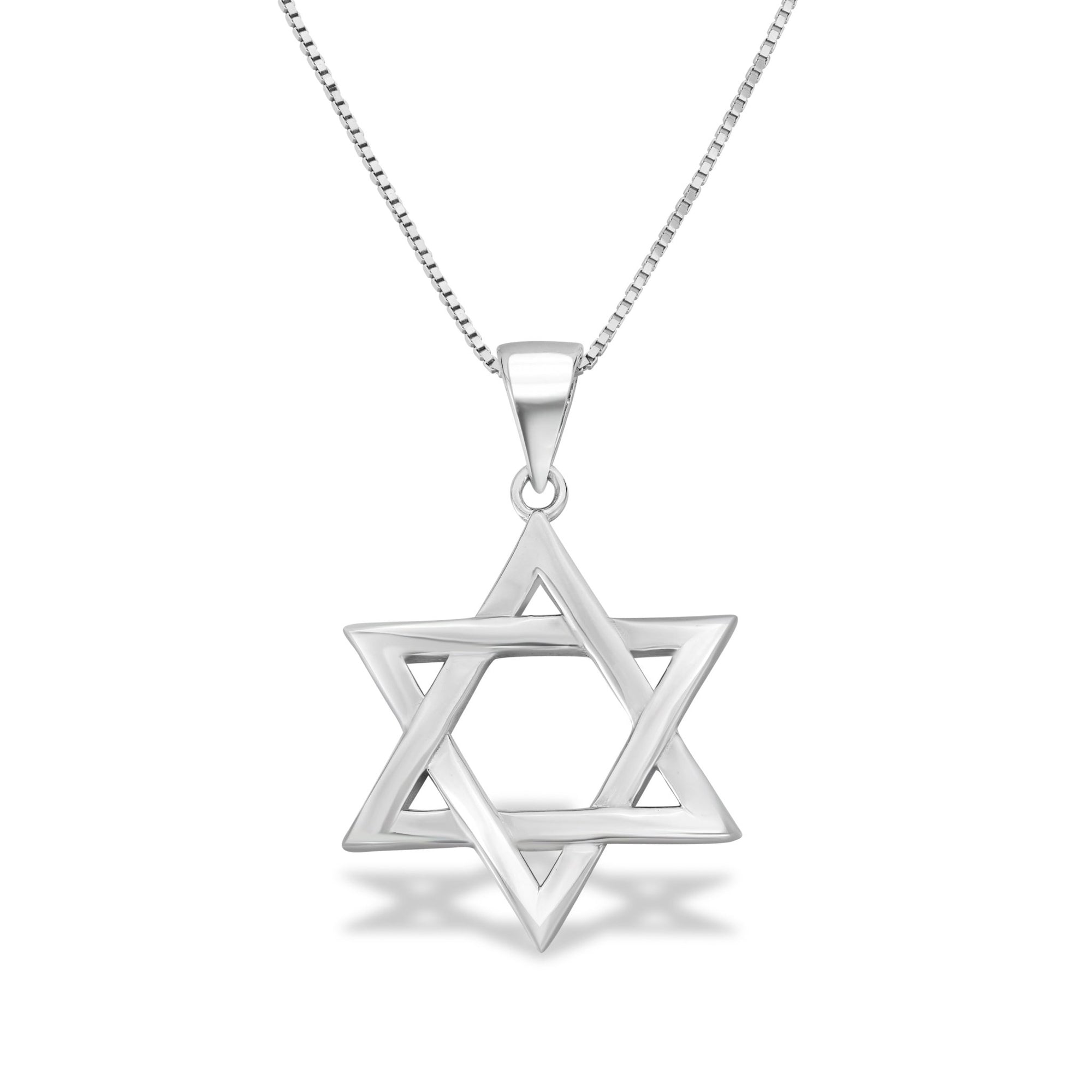
A name that has meant "struggle and prevail" for three thousand years is worth wearing with intention. Our Shalom Star of David Necklace is a simple, everyday way to carry that history, and it sits alongside the rest of our Star of David jewelry collection for anyone who wants a piece that ties directly back to the name and the story behind it.
Related
How Big Is Israel?
Who Was the First King of Israel?
26 Fun and Interesting Facts About Israel and Judaism
Last updated August 2026. We update these profiles as the record changes.