

Introduction: The Shofar's Resonance in Jewish Holidays and Cultural Commerce
Overview of the Shofar's Spiritual and Cultural Significance
The shofar, traditionally a ram's horn, holds profound spiritual and historical meaning in Jewish culture. Mentioned over 70 times in the Torah, it symbolizes divine mercy, faith, and connection to biblical narratives such as Abraham's near-sacrifice of Isaac. Its piercing sound serves as a call to repentance, awakening souls during the High Holidays and inspiring personal reflection.
The Role of the Shofar in Jewish High Holidays
Blown primarily on Rosh Hashanah and Yom Kippur, the shofar announces God's kingship and the beginning of the Jewish New Year. Its sequences of blasts—tekiah, shevarim, and teruah—serve as spiritual alarms, encouraging introspection during the Ten Days of Repentance. The shofar's tone evokes themes of divine judgment turning to mercy, and heralds hope for redemption and the messianic age.
Connection to Jewish Merchandise and Cultural Identity
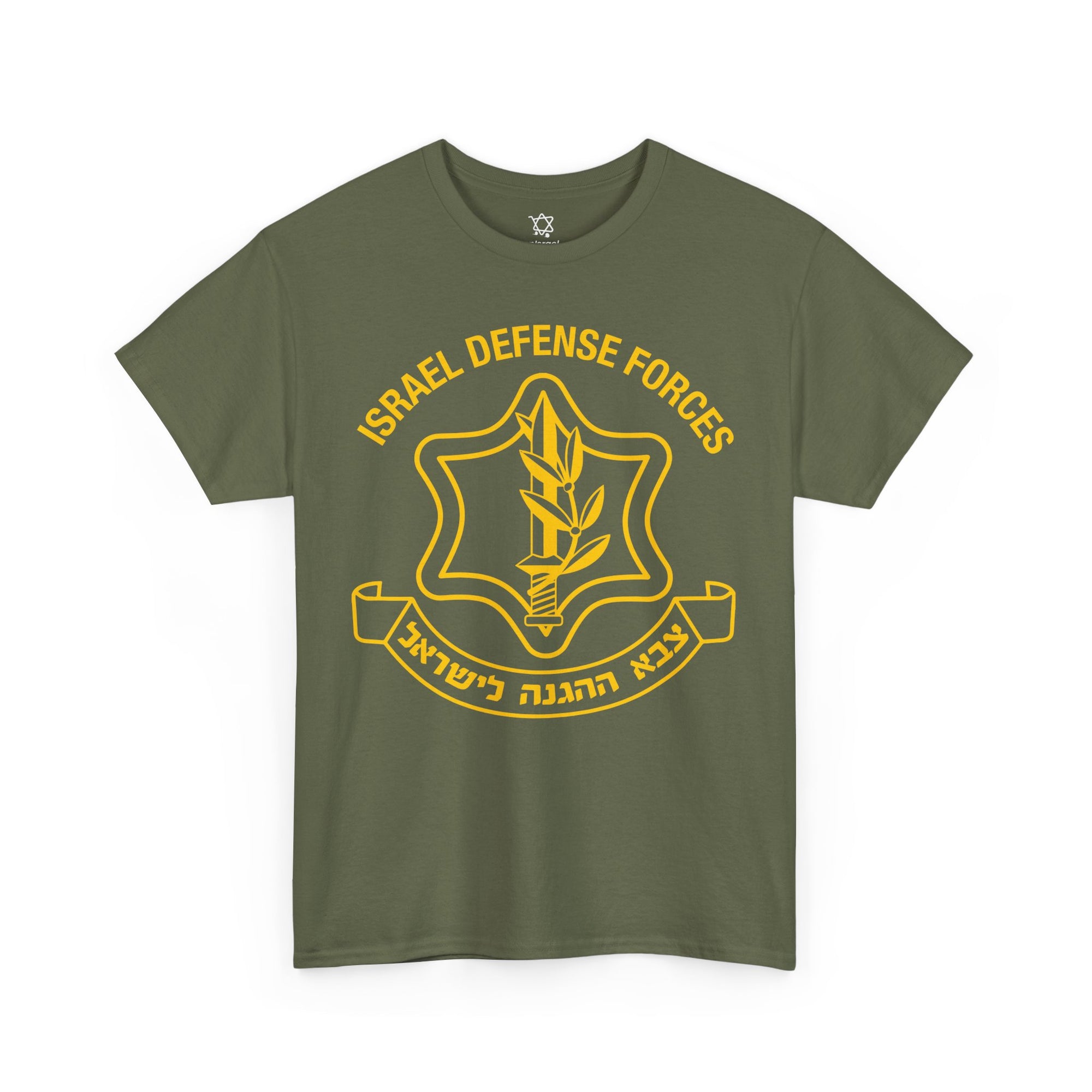
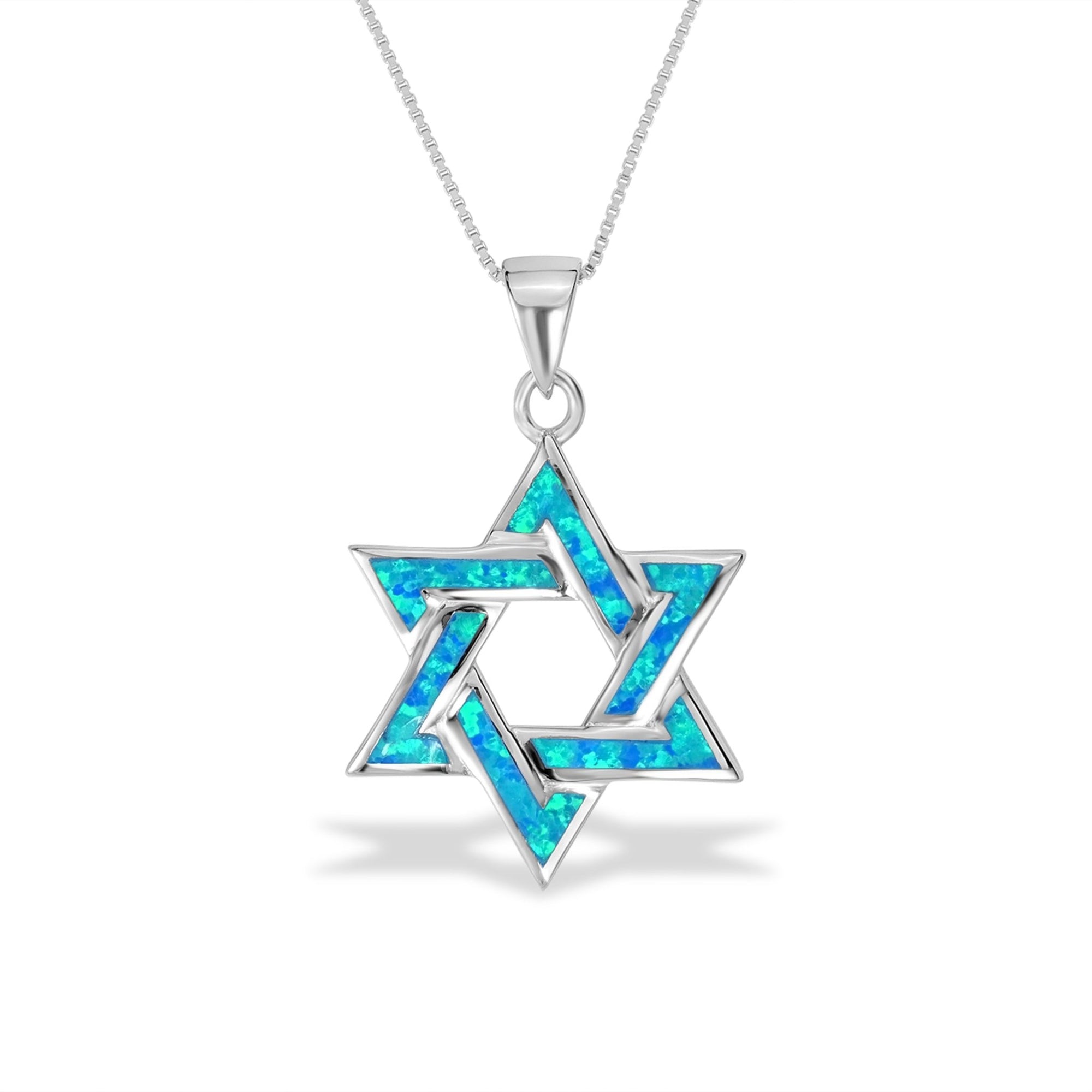
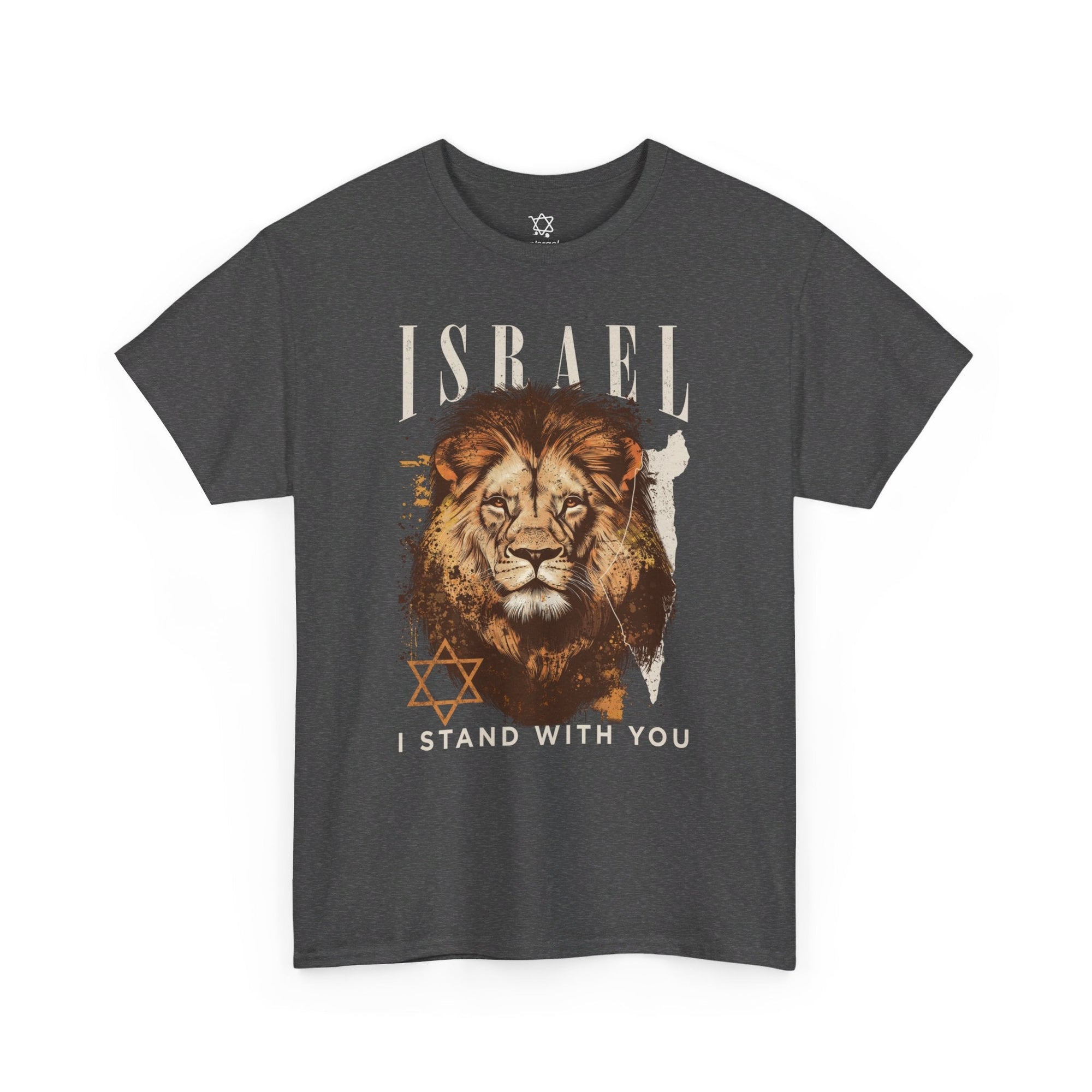
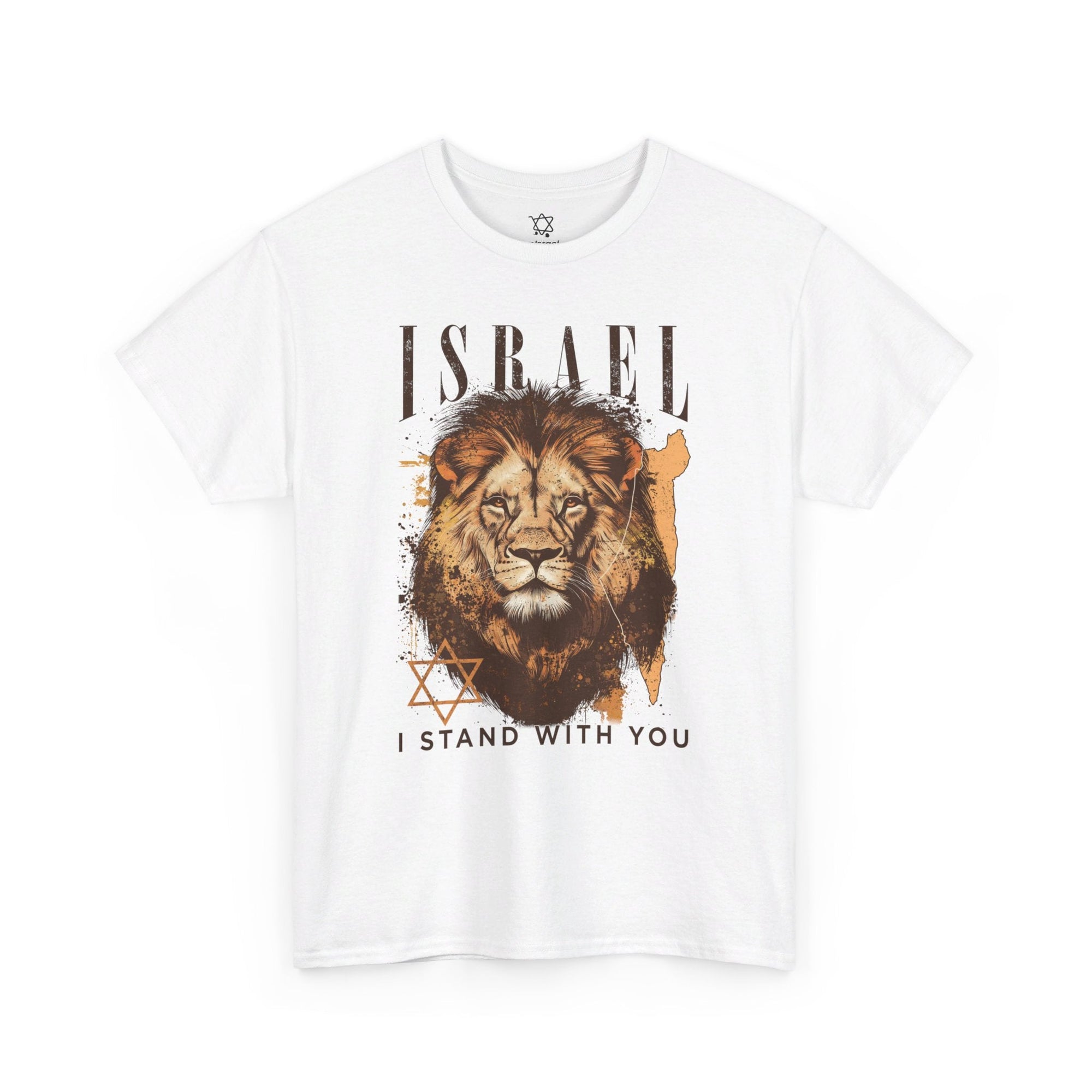
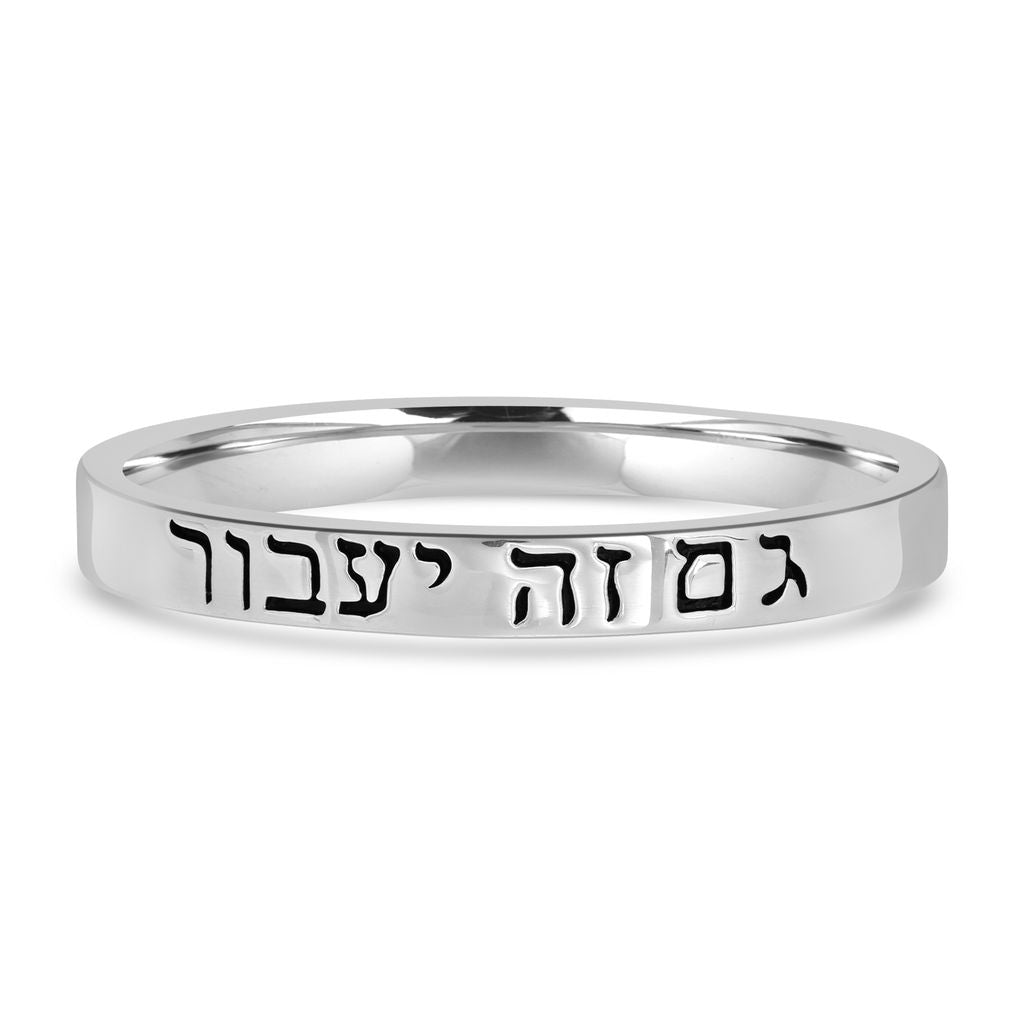
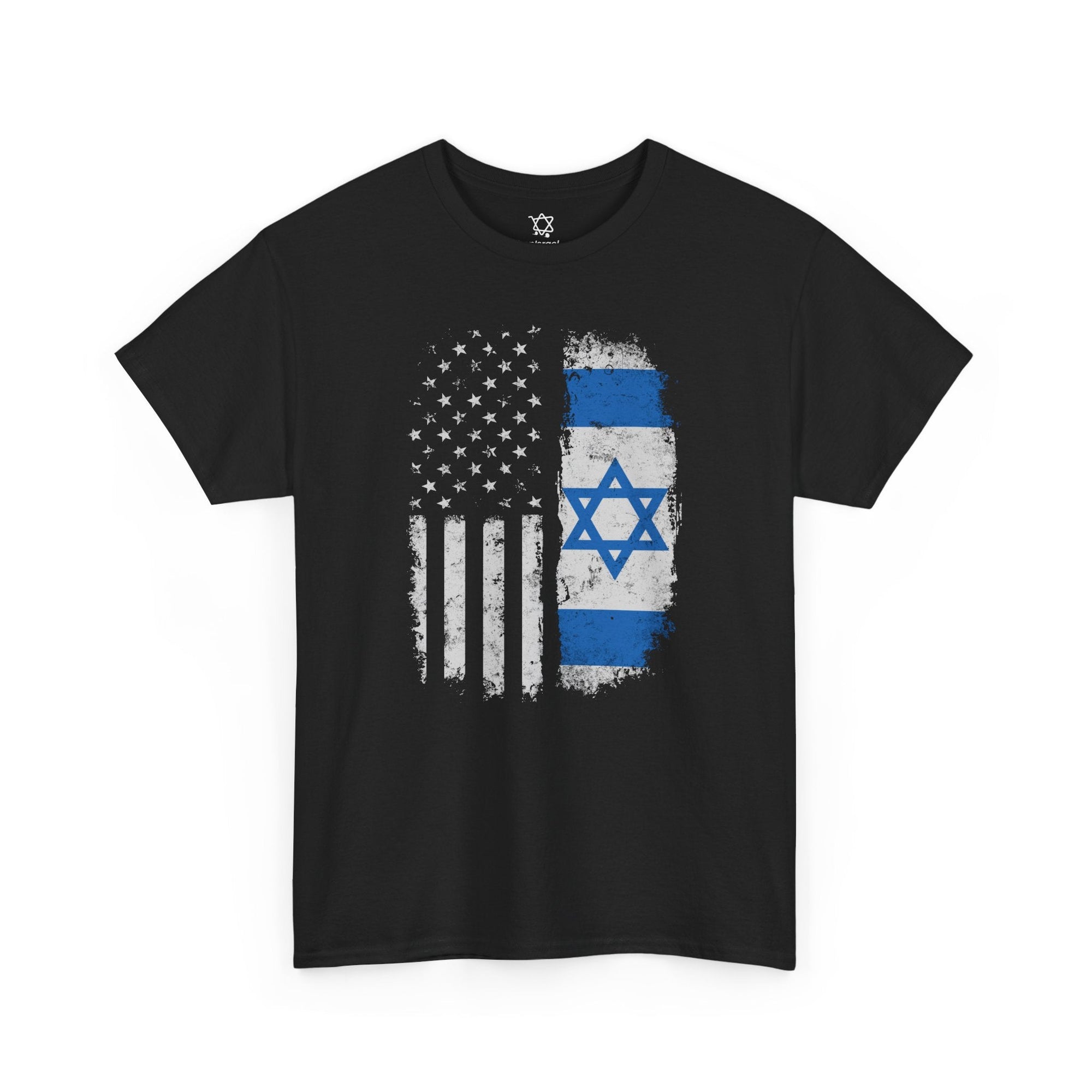
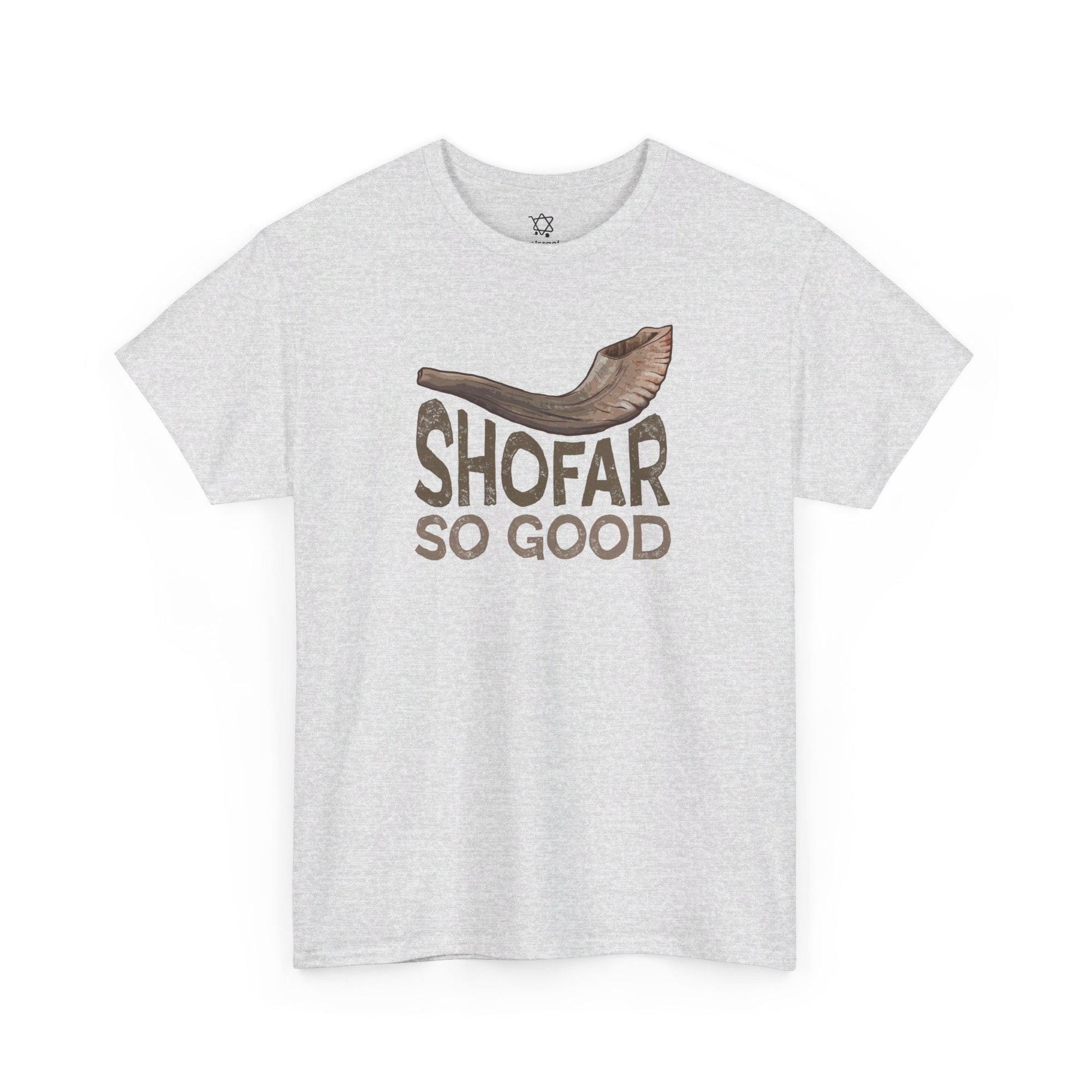
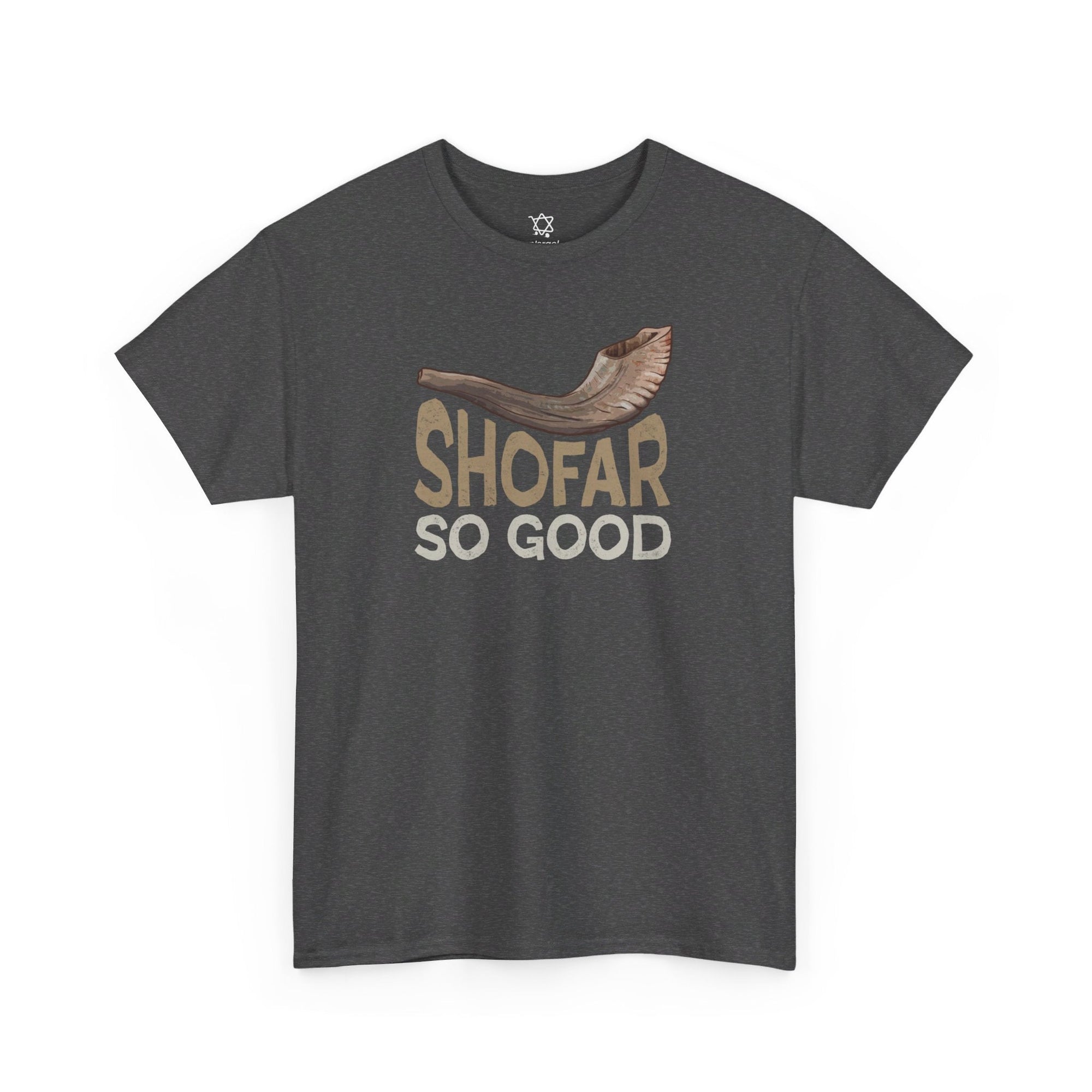
Beyond its religious use, the shofar's symbolism permeates Jewish cultural expression and commerce. It inspires carefully crafted Judaica, blending tradition with artistry, connecting diaspora communities to their heritage and Israeli pride. This fusion enriches holiday merchandise, offering meaningful gifts and apparel that embody Jewish resilience, faith, and unity.
Historical and Spiritual Significance of the Shofar in Jewish Tradition
Origins and Biblical Mentions of the Shofar
The shofar, commonly fashioned from a ram’s horn, is among the oldest musical instruments still in use today, mentioned over 70 times in the Torah. Its sound has long marked significant moments, from signaling in battles to heralding sacred occasions.
Symbolism of the Ram’s Horn and Its Connection to Abraham and Isaac
The ram’s horn symbolizes divine mercy and faith, rooted in the biblical story where a ram was sacrificed by Abraham instead of Isaac. This story underlines themes of sacrifice, devotion, and God’s providence.
The Distinct Sounds (Tekiah, Shevarim, Teruah) and Their Spiritual Meanings
Three primary shofar blasts punctuate the High Holiday prayers:
- Tekiah: A long, unbroken blast symbolizing coronation and divine majesty.
- Shevarim: A series of three broken notes, evoking sighing and heartfelt repentance.
-
Teruah: A trembling, staccato blast representing alarm and spiritual awakening.
These sounds call the soul to reflection and inspire repentance. See more about shofar sound types.
The Ritual Use of the Shofar During Rosh Hashanah and Yom Kippur
Blowing the shofar during Rosh Hashanah marks the Jewish New Year’s spiritual renewal, functioning as a call to repentance and self-examination. It also features at the close of Yom Kippur, signaling the end of the solemn fast and the opening of divine mercy.
Role as a Call for Repentance, Reflection, and Divine Mercy
The shofar’s piercing sound acts as a spiritual alarm clock, urging the community to awaken from complacency to repentance and personal growth. Tradition holds that its blasts move God from the 'throne of judgment' to the 'throne of mercy,' fostering hope and renewal as the new year begins. Learn more about the shofar throne of mercy.
The shofar remains a powerful emblem of Jewish heritage, echoing across generations as a call to faith, unity, and the pursuit of righteousness.
The Ritual of Blowing the Shofar: Timing, Technique, and Roles
Who blows the shofar and what is their title?
The individual who sounds the shofar is known as the Baal Tekiyah. This person holds a sacred responsibility during Rosh Hashanah services, performing the shofar blasts that punctuate key moments in the prayers. The Baal Tekiyah is recognized not only for their skill in producing the traditional sounds but also for their spiritual role in awakening the congregation's conscience. For more on the shofar spiritual meaning and shofar during Rosh Hashanah, see these resources.
When and during which service points is the shofar blown on Rosh Hashanah?
The shofar is not sounded throughout the day at random times; instead, it’s blown at specified points during the Rosh Hashanah morning services. The first and main blasts follow the Torah reading and Haftarah, signifying the start of the shofar ceremony. Additional sequences occur during the Musaf prayer—both after the silent Amidah and during the cantor's repetition. Altogether, the shofar is sounded at least thirty times during the day, making its presence a powerful spiritual anchor for the service. This practice is well detailed in Significance of the shofar on Rosh Hashanah and shofar during Rosh Hashanah.
What number and sequence of blasts are performed, and what do they signify?
The blasts involve three primary sounds: tekiah (a long, steady blast), shevarim (three short, broken blasts), and teruah (a series of short, staccato blasts). These sounds are combined into precise sequences, symbolizing various spiritual themes such as awakening, repentance, and divine kingship. Across the service, the shofar blasts total 100, representing completeness and the plea for mercy. This is explained in depth under Shofar sound patterns on Rosh Hashanah and Tekiah, Shevarim, and Teruah.
Are blessings recited before blowing the shofar?
Yes. Before the shofar blasts, two blessings are traditionally recited. One acknowledges the mitzvah, thanking God for commanding the hearing of the shofar. The second expresses gratitude for life and the opportunity to perform this sacred duty. These blessings frame the ritual and prepare the congregation for the stirring sounds that follow. Details on Blessings before shofar blowing can be found here.
Are there exceptions to blowing the shofar?
Shofar blowing is strictly prohibited on Shabbat, even when Rosh Hashanah coincides with it, respecting the sanctity of the day. Instead, the shofar sound is deferred to the second day. Conversely, at the conclusion of Yom Kippur, a single shofar blast signals the end of the fast, marking a moment of liberation and spiritual renewal. More on these customs is outlined in Shofar blowing on Shabbat during Rosh Hashanah and Shofar after Yom Kippur.
How do the technical and physical aspects of the shofar affect its sound?
Shofars come from various kosher animals—most commonly the ram, but also kudu antelope and others—each producing unique tonal qualities. The size and curvature affect mouthpiece shape and ease of blowing. Larger shofars offer deeper, resonant notes with bigger mouthpieces, while smaller ones have sharper, higher-pitched sounds. The Baal Tekiyah must skillfully control breath pressure to produce the precise blasts required by tradition, blending physical technique with spiritual devotion. Insights into kosher shofar animals and types of shofars provide further details.
Cultural Variations and Types of Shofar: Tradition Meets Diversity
What Animals Are Used to Make the Shofar?
The shofar is traditionally crafted from the horn of kosher animals, most commonly a ram’s horn, reflecting shofar biblical roots tied to the story of Abraham's sacrifice. However, diverse Jewish communities around the world use different animal horns. For example, the kudu antelope horn is favored among Yemenite Jews, bringing a distinct curved form and deeper tone. Other types include flat, straight horns often linked to Moroccan communities, originating from historic conditions of persecution.
How Do Regional Traditions Influence Shofar Preferences?
Jewish communities have embraced their unique shofar traditions shaped by geography and history. European and American communities often prefer the ram’s horn, emphasizing its rich shofar symbolism and curled shape, which conveys humility and spiritual intent. In contrast, Middle Eastern and North African Jews might use the kudu or straight horns, each echoing their cultural and historical journeys.
How Do Physical Characteristics Affect the Sound and Use?
The shape and size of a shofar greatly influence its tone. Larger shofars with broader curves typically produce deeper, resonant sounds with wider mouthpieces that can be easier to blow. Smaller or narrower horns create higher pitches. Some shofars are polished fully, half-polished, or kept natural, giving each piece a unique appearance and feel, enhancing the user’s tactile connection to tradition.
What Manufacturing Customs Are Involved?
The crafting of a shofar is both an art and a ritual. Makers carefully heat and bend the horn, shaping it without compromising its kosher status. This traditional process ensures each shofar’s integrity and beauty. The natural color and textures can be accentuated through polishing or left raw to emphasize its organic nature.
How Do These Variations Impact the User and Ritual?
The sensory experience of blowing or hearing the shofar changes with its style. The symbolic significance is enriched by each culture’s choice of horn type and design, deepening communal bonds. Whether the deep, stirring blast of the kudu or the familiar call of the ram’s horn, the shofar continues to awaken the spirit and inspire reflection during the shofar during High Holidays.
Why Does This Diversity Appeal to American Jewish Consumers?
American Jews often seek shofars that align with their ancestral heritage or personal preference. The variety available allows for a meaningful connection to one’s traditions or discovery of new cultural expressions within Judaism. This diversity also makes shofar shopping a personalized spiritual experience, perfect for individuals and families embracing a vibrant, multicultural Jewish identity.
The Shofar’s Influence on Jewish Holiday Merchandise and Symbolism
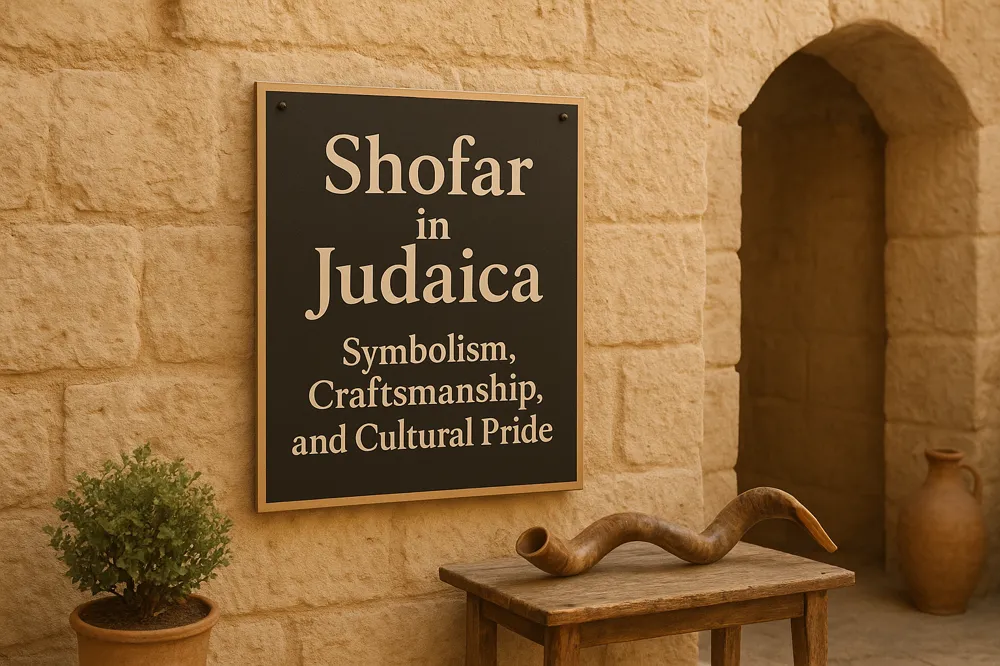
How the shofar’s deep symbolic meanings inspire holiday product themes
The shofar stands as a profound symbol of shofar biblical roots, deeply rooted in Jewish tradition. Its biblical ties to the ram of Abraham and its calls for introspection during shofar during Rosh Hashanah and Yom Kippur inspire holiday merchandise to reflect themes of renewal, faith, and devotion. The shofar's sound, representing a call to morality and spiritual renewal, influences the design and narrative of shofar spiritual symbolism tied to elegant and meaningful gift items.
Inclusion of the shofar in Judaica merchandise and decorative items
Judaica markets increasingly feature the shofar as a prominent motif in everyday and holiday items. From decorative shofar replicas to artistic renditions used in menorahs, challah covers, and prayer shawls, the horn’s distinctive shape and shofar symbolism enrich designs. Some luxury Judaica brands incorporate the shofar’s iconic curves into home décor and ceremonial objects, combining tradition with artistic craftsmanship to celebrate Jewish heritage.
Connection to Israeli and Jewish pride in cultural and religious products
The shofar symbolizes not only religious commitment but also shofar and Jewish identity. Merchandise featuring the shofar reflects solidarity with Jewish heritage worldwide and an embrace of Israel as a spiritual homeland. Products designed for the diaspora community emphasize these connections, blending spiritual significance with expressions of patriotism and cultural pride.
Sonic and visual motifs of the shofar used in merchandise design
Designers often draw on the shofar's captivating tones and unique shape to create sensory and visual experiences. Visual motifs reflect the ram's curved horn while marketing materials evoke the shofar’s stirring blasts—Tekiah, Shevarim, Teruah—symbolizing spiritual alarm and renewal. This sonic imagery is a powerful draw for consumers seeking deeper connections through symbols of faith.
Relationship to other symbolic holiday items like mezuzahs, honey pots, and pomegranates
The shofar shares its spiritual stage with holiday symbols such as the mezuzah significance and symbolism, luxury honey pots by L'Objet, and pomegranates as Jewish symbols. These items, often appearing alongside each other in Judaica collections, together represent protection, sweetness of life, and adherence to commandments. The synergy between these symbols in merchandise enhances their collective meaning, underscoring Jewish values and celebratory traditions.
Appeal to consumers valuing tradition and spirituality
Jewish consumers and diaspora communities appreciate merchandise that balances authenticity with meaningful symbolism. Shofar-themed products resonate strongly with those seeking to express devotion, community, and cultural pride through their holiday celebrations. This spiritual and cultural depth makes shofar-inspired Judaica a treasured choice for gifts and personal use during the shofar during High Holidays and beyond.
Marketing and Consumer Trends in Jewish Holiday Products Featuring the Shofar

Growth of Jewish Holiday Merchandise Market in the U.S.
The market for Jewish holiday products has seen a notable expansion in the United States, particularly with items featured during the High Holidays. Retailers have increased their offerings significantly, dedicating more space and resources to holiday items that convey deep cultural and religious meaning. This growth reflects an increasing demand for merchandise that resonates with Jewish holiday decor and tablescapes while appealing to wider audiences.
Consumer Demographics and Cultural Authenticity
American Jews form a core demographic seeking products that express authentic cultural heritage. These consumers favor items that faithfully reflect Jewish history and religious symbolism, such as shofar biblical roots, which are integral to shofar during Rosh Hashanah. This pursuit of authenticity drives demand for traditionally crafted merchandise that honors Jewish rituals and stories.
Craftsmanship, Luxury, and Tradition in Shofar Products
Shofars, often crafted from ram’s horns or other kosher animals, are not only religious instruments but also symbols of Jewish identity and history. The blend of craftsmanship and tradition is seen in luxury shofars that maintain ritual purity while integrating refined aesthetics. Such products appeal to those who seek meaningful, high-quality pieces that can be both sacred and artful, as showcased in the luxury home finds for Jewish holidays.
Balancing Tradition with Modern Aesthetics
Jewish holiday products—including shofars and their accessories—often balance traditional forms with modern design. This approach ensures the items are visually appealing and relevant, particularly for younger generations and diaspora communities. Innovative design respects religious guidelines while offering elegance and contemporary style, as part of the broader Jewish holiday decor and tablescapes.
Promotion of Israeli Pride and Jewish Identity
Merchandise featuring the shofar carries powerful symbolism linked to Jewish nationhood, spiritual renewal, and historical faith. These products are embraced as expressions of Israeli pride and Jewish heritage, helping diaspora communities maintain cultural bonds and celebrate their identity with pride, consistent with the shofar and Jewish identity and shofar and spiritual renewal themes.
Influence of Social Media and Community Involvement
Social media platforms and Jewish community input play crucial roles in product development and awareness. Influencers showcase authentic and artistically crafted shofar pieces, expanding their reach and encouraging meaningful engagement. Community feedback ensures cultural sensitivity and relevance, fostering trust and enthusiasm among consumers, coinciding with the trends seen in the Hanukkah merchandise market growth.
Guidance for Selecting and Using the Shofar in Holiday Celebrations
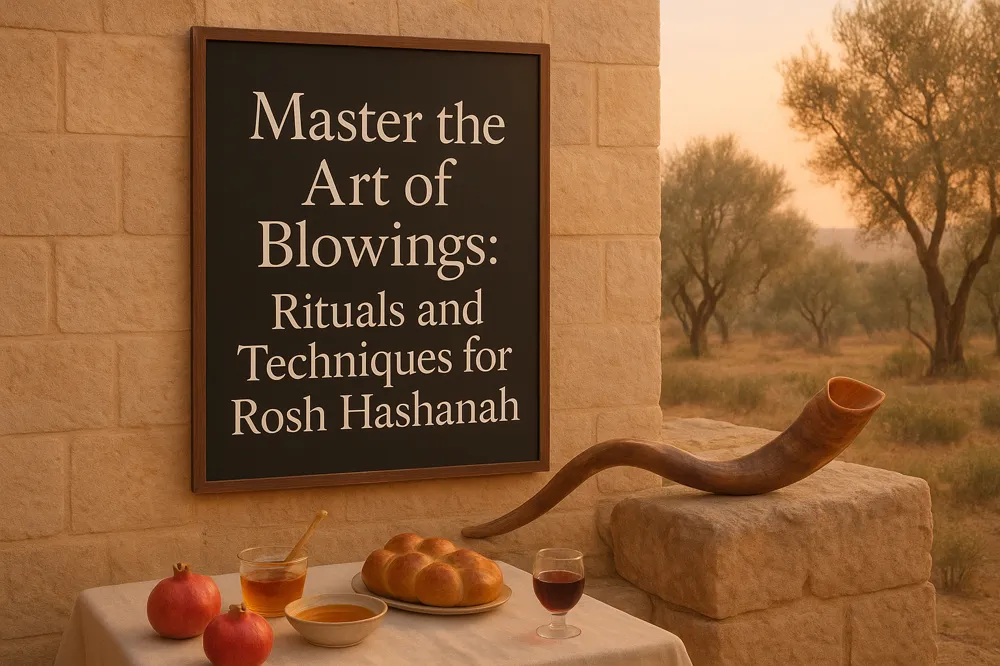
Tips on Purchasing a Shofar: Size, Type, Ease of Blowing
Choosing the right shofar involves careful consideration of its size and type. The size is typically measured around the curve, not from end to end. Larger shofars usually have bigger mouthpieces, making them easier to blow and producing deeper tones, which can enhance the spiritual experience for many worshippers.
Understanding Measurements and Material Considerations
Shofars are traditionally made from kosher animals such as rams, goats, or antelopes. The material affects both sound and symbolism; for example, the ram’s horn is closely linked to the biblical story of Abraham and Isaac, representing divine mercy and sacrifice. Polished, half-polished, or natural finishes each highlight unique colors and organic markings, inviting a personal connection with this ancient instrument.
Cultural Traditions Influencing Choice of Shofar
Different Jewish communities favor specific types of shofars. Ram’s horns are prevalent in Europe and the Americas, while Yemenite Jews traditionally use the kudu horn, prized for its rich tonal qualities. Moroccan Jewish communities historically used straight, flat shofars, especially during times of persecution, symbolizing resilience.
Advice for Novice Users and Those Seeking Ritual Authenticity
For those new to shofar blowing, starting with a larger shofar can facilitate sound production. It’s important to practice the distinct sounds—tekiah, shevarim, and teruah—which carry deep spiritual meanings. Engaging with community leaders or attending classes can help nurture proper technique and uphold the sacred mitzvah.
Integration of Shofar Use with Holiday Observances like Rosh Hashanah and Yom Kippur
The shofar is integral to the High Holidays, serving as a call to repentance and spiritual awakening. Jewish tradition encourages blowing the shofar during Rosh Hashanah prayers, the month of Elul, and at the conclusion of Yom Kippur, each moment weaving the shofar’s sound into the fabric of communal and individual reflection.
Respecting Traditional Customs While Embracing Personal Connection
While honoring the detailed rabbinic laws around the shofar’s origin and use, individuals are invited to embrace the instrument as a personal spiritual tool. Its calls echo centuries of Jewish heritage, inspiring awe, humility, and a deepened connection to faith and community during the most sacred days of the year.
Conclusion: The Shofar’s Enduring Legacy in Faith, Culture, and Commerce
The shofar stands as a profound symbol within Jewish faith and culture, echoing ancient biblical narratives and spiritual awakening. Its call during Rosh Hashanah and Yom Kippur stirs the heart toward reflection, repentance, and renewal, resonating with themes of divine mercy and sacred heritage.
Beyond its spiritual role, the shofar influences Jewish holiday merchandise, inspiring artisans and consumers alike to embrace symbols that celebrate Jewish identity and tradition. Whether through the detailed craftsmanship of each horn or the rich stories it represents, the shofar embodies a living connection to history and faith.
For those seeking meaningful ways to express solidarity with Jewish heritage, engaging with the shofar and related symbolic items offers both a personal and communal experience. Selecting these treasures encourages cultural pride, deepens spiritual ties, and enriches the observance of the High Holidays and beyond.