

Embracing Israeli Style: A Fusion of Tradition and Modernity
Overview of Israeli fashion evolution
Israeli fashion has transitioned from its humble beginnings in the kibbutz era—where simplicity, uniformity, and modesty defined clothing—to a vibrant, global phenomenon. Early garments mirrored collective values with khaki work clothes and minimal adornments. Today, the fashion scene thrives on creativity, with renowned designers like Doron Zeevi and Alon Livne shaping international runways.
The blending of cultural heritage with contemporary trends
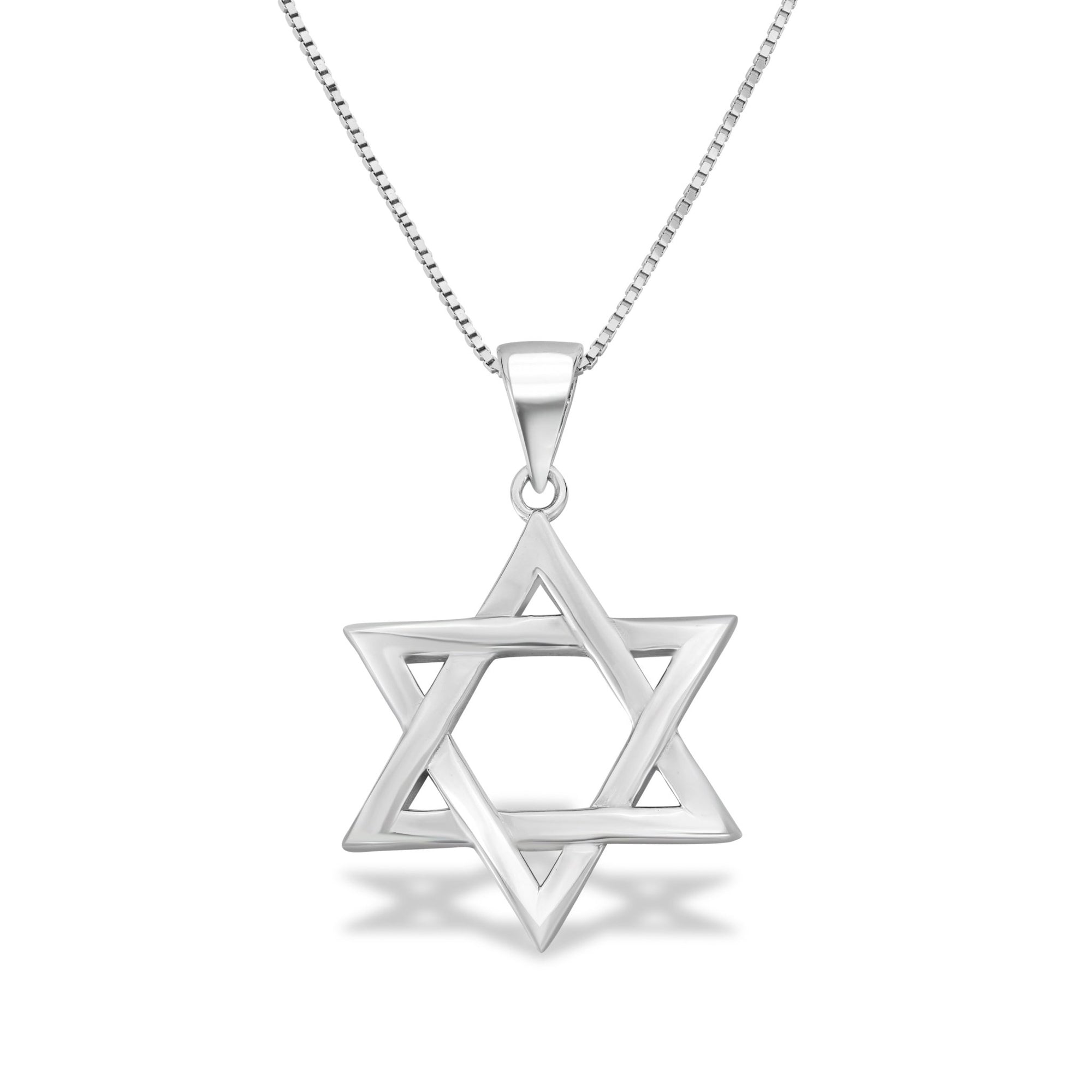
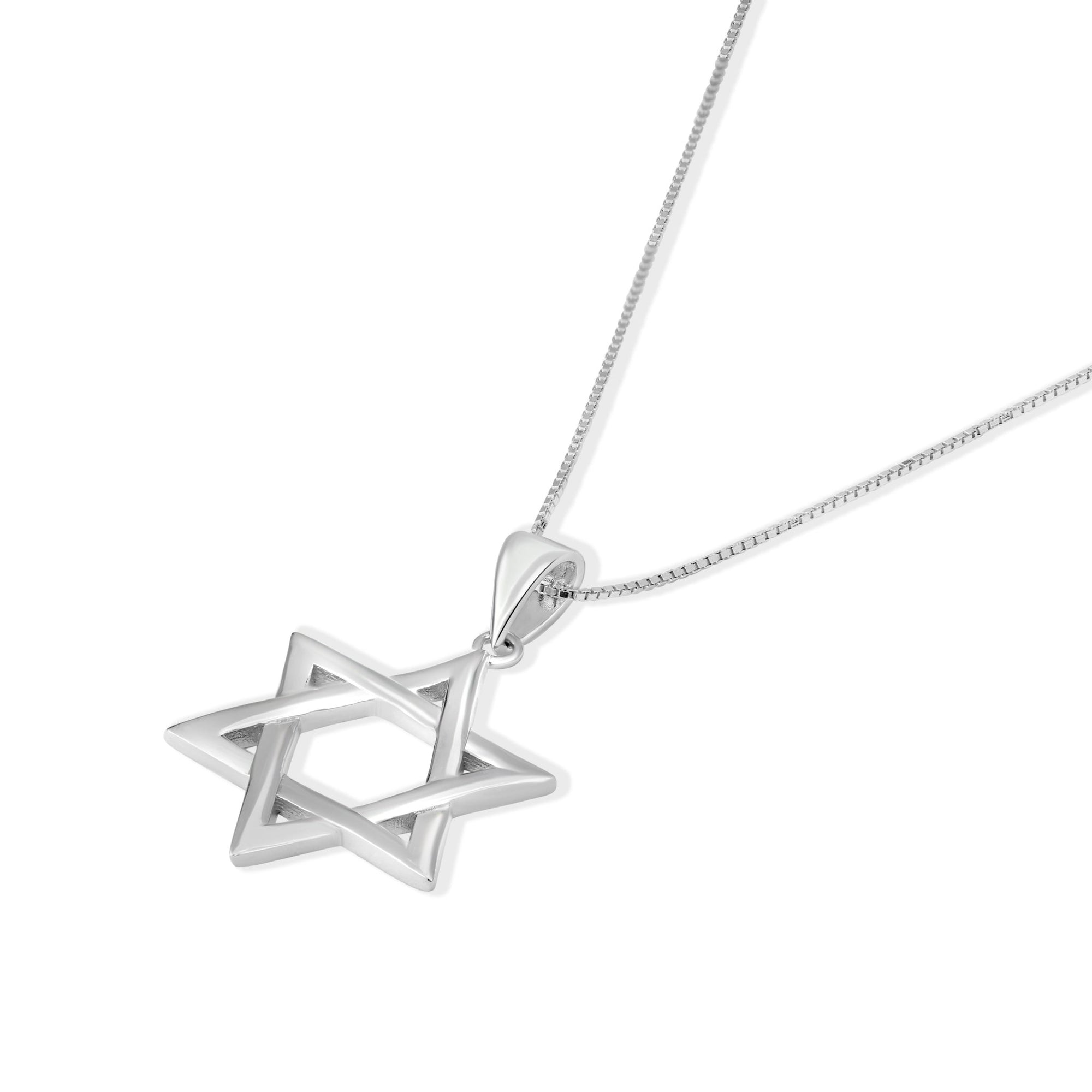
Modern Israeli fashion is a rich tapestry woven from diverse cultural threads. Traditional symbols such as the Star of David and menorahs often feature in clothing, reflecting deep Jewish heritage. Influences range from Sephardic embroidery to Arab motifs seen in brands like Maskit. Innovative designs from institutions like Shenkar College highlight this fusion, embracing sustainability and cutting-edge technologies.
The role of fashion in expressing Israeli pride
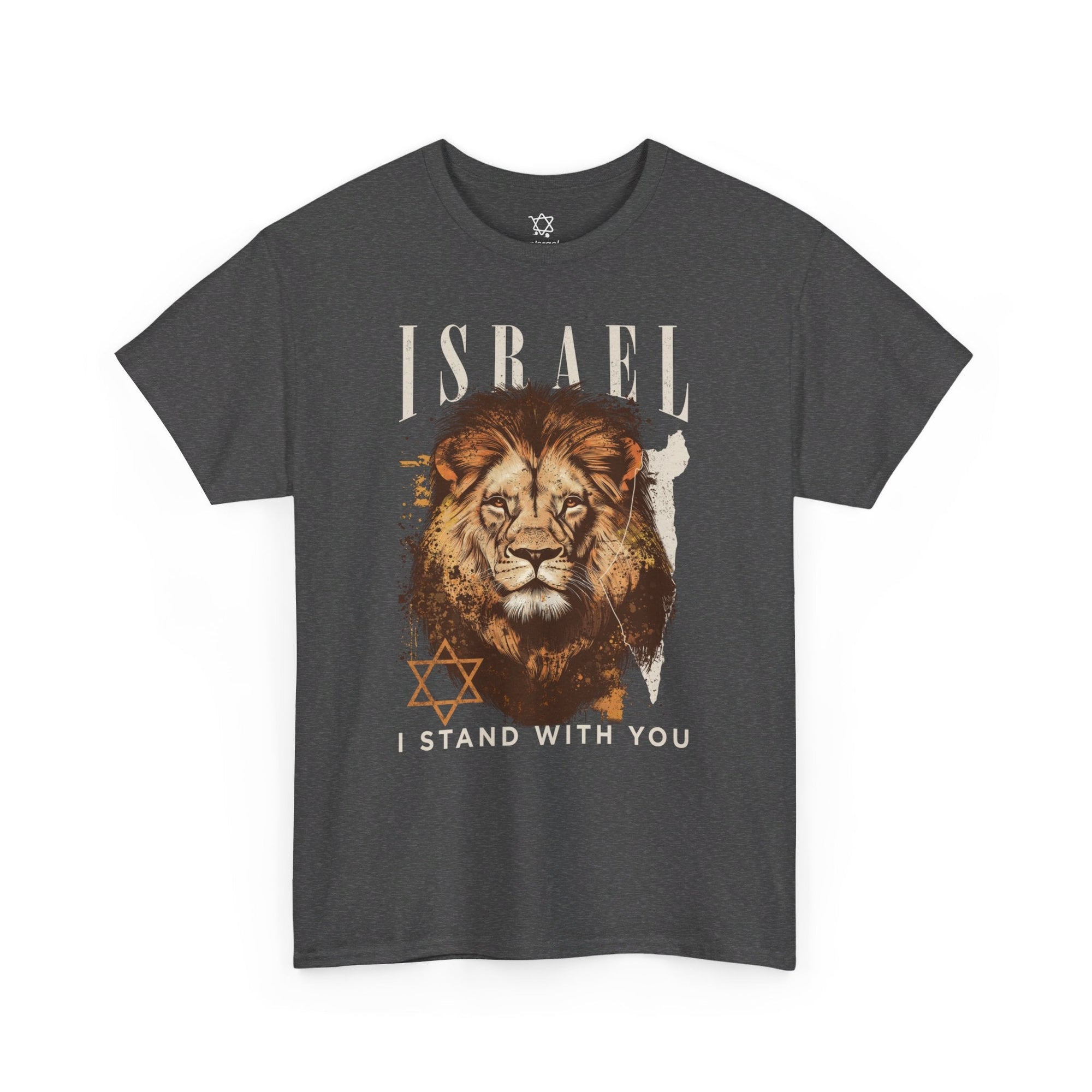
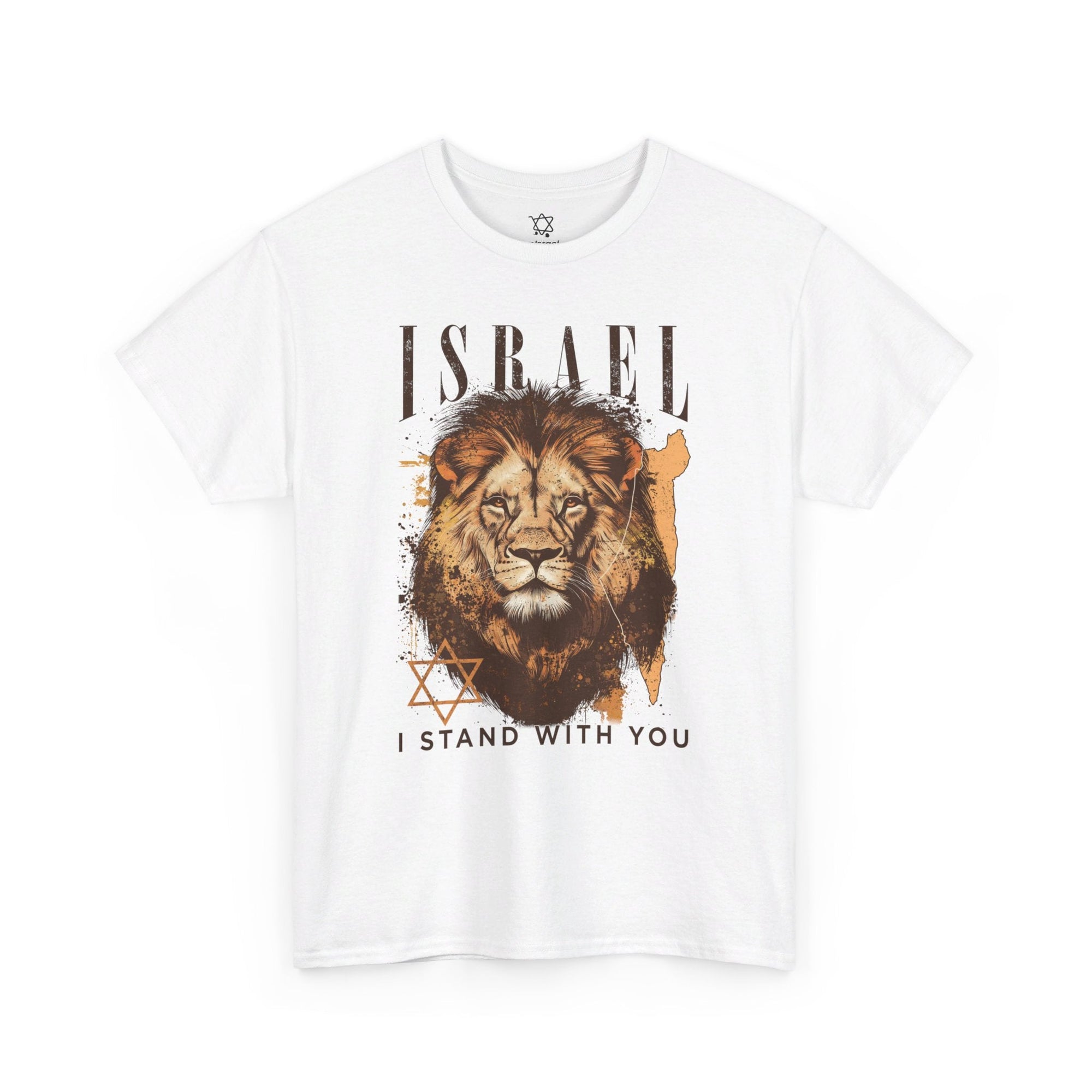
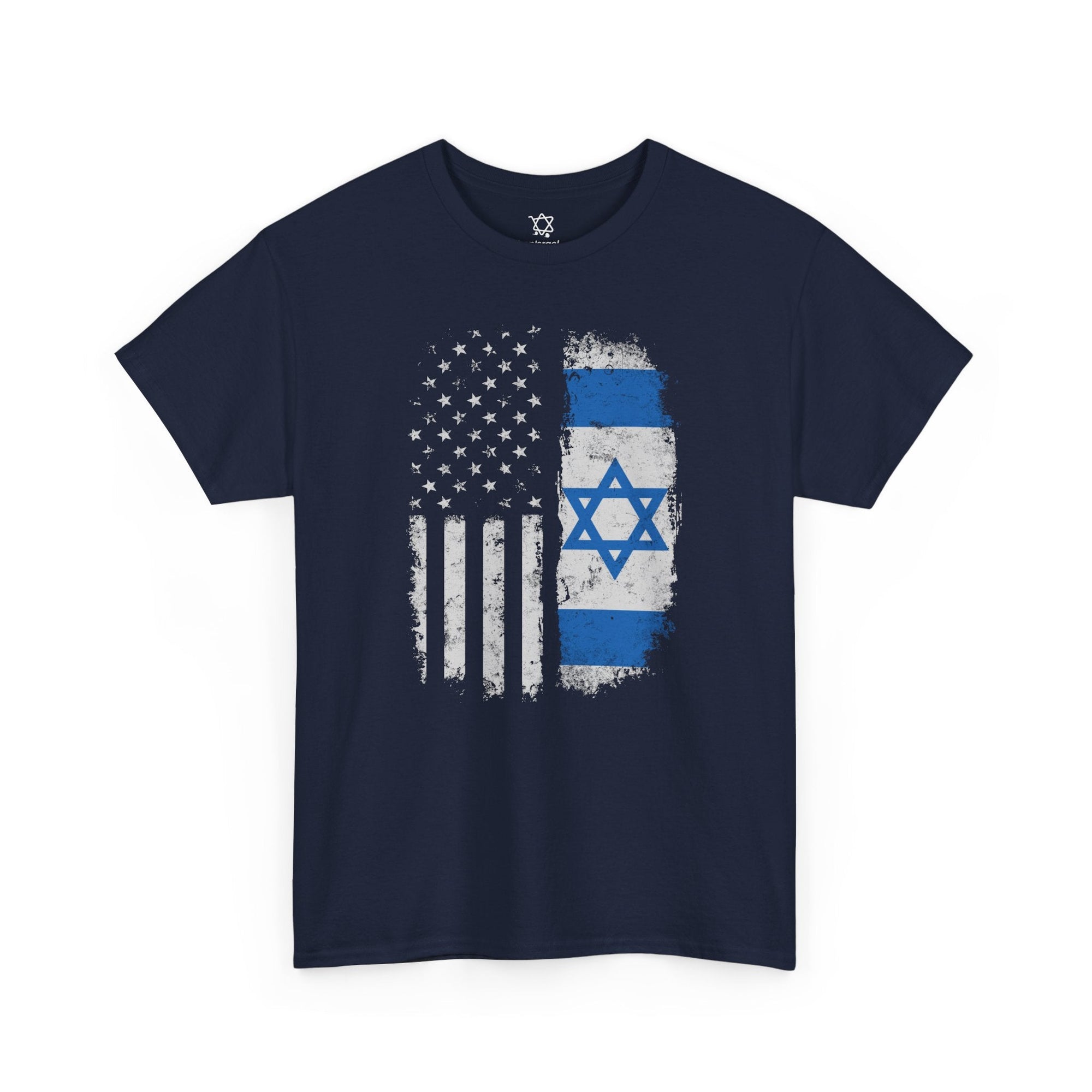
Fashion has become a powerful form of activism and identity expression in Israel and the diaspora. Clothing bearing slogans like "Made in Jerusalem" or symbols supporting Israel showcases solidarity and national pride. Brands like Olam Tova enable wearers to display their connection openly, especially during times of conflict. This blending of style and sentiment transforms fashion into a unifying language for supporters worldwide.
Iconic Israeli Clothing and Popular Brands to Know
What are popular clothing brands in Israel?
Israel offers a rich fashion tapestry featuring both international and homegrown brands. Global names like Zara, H&M, and Nike are easily found in shopping centers, catering to trendy and budget-conscious consumers.
Local brands deeply rooted in Israel’s unique cultural identity include Castro, Hoodies, Golf & Co., and Fox. These companies produce stylish, modern clothing well-loved by Israelis, blending contemporary trends with regional flair. For more on the Israeli fashion industry diversity, check out the cultural aspects influencing style in Israel.
Popular clothing styles in Israel
Fashion in Israel blends Mediterranean practicality with artistic expression. Casual wear is prevalent, with garments suitable for the warm climate, while traditional motifs such as the Clothing with Star of David and Menorah decorated apparel appear embroidered or printed on garments.
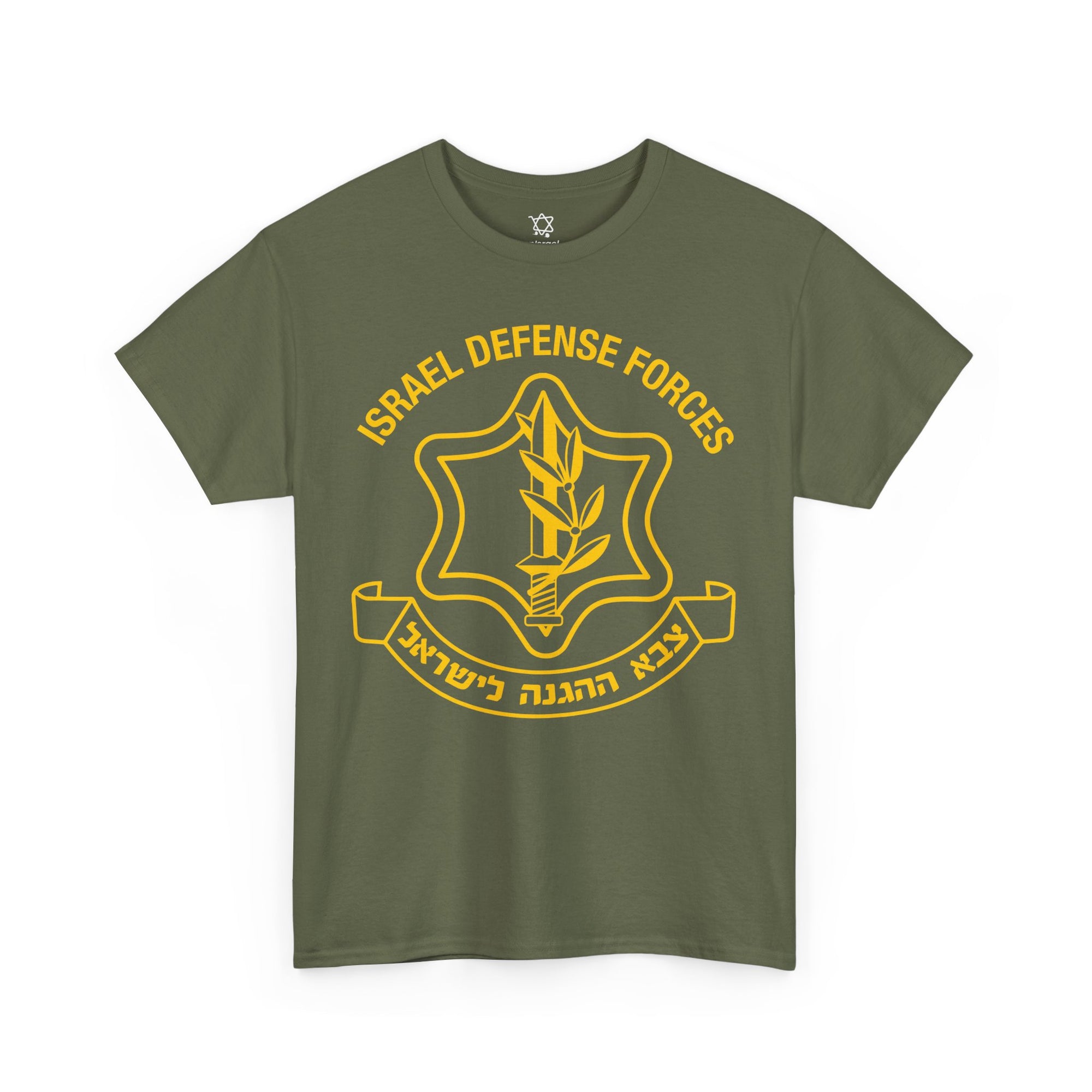
In recent years, patriotic styles reflecting Israeli pride apparel have surged, featuring slogans like "Made in Jerusalem T-shirts" or symbols supporting the Jewish community. Military-inspired fashion, incorporating practical elements like pockets and durable fabrics, remains popular as well. For additional perspectives on Israeli fashion history, see the cultural and creative evolution of styles in Israel.
Local designers and international brand presence
Israel has birthed internationally acclaimed designers like Elie Tahari, who combine Middle Eastern heritage with global luxury fashion. Emerging talents including Shahar Avnet and Hed Mayner showcase Israeli creativity on world stages such as New York and Paris Fashion Weeks.
This blend of international brands and innovative local designers creates a dynamic fashion landscape, making Israeli clothing significant to both national and diaspora audiences seeking styles rich in cultural meaning and quality. For a deeper insight into the Tel Aviv fashion scene, international exposure, and notable figures, explore detailed histories and recent developments.
| Aspect | Details | Notes |
|---|---|---|
| International Brands | Zara, H&M, Nike | Popular in malls |
| Local Brands | Castro, Hoodies, Fox, Golf & Co. | Emphasize contemporary Israeli style |
| Designers | Elie Tahari, Shahar Avnet, Hed Mayner | Showcase Israeli heritage globally |
| Popular Styles | Casual, patriotic, military-inspired | Reflect climate, culture, and solidarity |
Dressing Like an Israeli: Style, Tradition, and Modesty
What kind of clothes do people typically wear in Israel?
Israelis generally favor casual and comfortable clothing suited to their Mediterranean climate. It's common to see jeans, t-shirts, tank tops, and shorts worn across many cities, especially in secular areas like Tel Aviv fashion scene. Footwear tends to be practical, reflecting the active lifestyle.
How can one dress like an Israeli?
Dressing like an Israeli means blending modern casual styles with cultural and religious elements. Casual-chic dresses with vibrant floral patterns are popular, especially for women. Integrating traditional garments like the Tallit shawls clothing or Kippah, often embellished with meaningful embroidery or symbols such as the Clothing with Star of David, adds a layer of cultural expression. Accessories inspired by Jewish rites, like Tzitzit fringes or Tefillin-inspired jewelry, can create a stylish yet respectful homage to heritage. Influences from local Bedouin textiles, including geometric motifs, further enrich the style.
What clothing norms exist regarding modesty and traditional dress in Israel?
Modesty varies widely across Israeli society. In ultra-Orthodox Jewish communities, strict dress codes guide women to wear long skirts, high-necked tops, and head coverings, reflecting the principle of tzniut. Muslim neighborhoods observe modest dress through garments like abayas and veils, with men opting for loose, modest clothing. Conversely, secular Israeli areas display liberal norms with casual attire. When visiting religious sites or neighborhoods, conservative clothing that covers shoulders and knees is encouraged to respect local customs.
What is the traditional dress code for Orthodox Jewish women?
Orthodox Jewish women uphold modesty by wearing long skirts and tops with long sleeves, often covering shoulders and knees fully. After marriage, head coverings are customary, which may include wigs (sheitels), scarves, or hats, depending on community traditions. These attire choices are grounded in religious values and signify respect for tradition and identity.
Incorporating cultural symbols into everyday wear
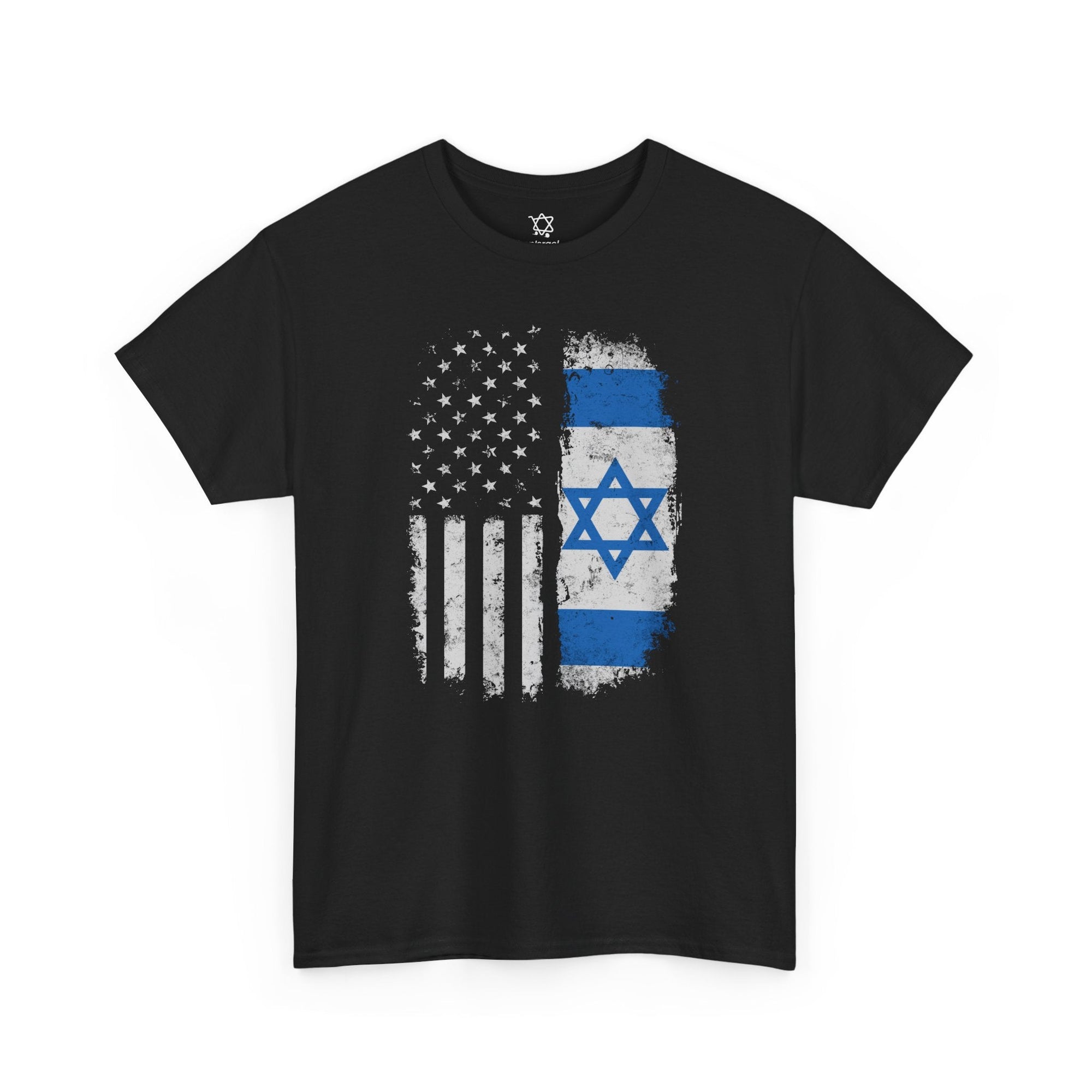
Israeli fashion is rich with symbolism, from the ubiquitous Clothing with Star of David to motifs like Menorah decorated apparel and doves representing peace. Clothing and accessories often feature these symbols to express Jewish identity proudly. Wearing items bearing Israeli flags or slogans such as "Am Yisrael Chai" (“The People of Israel Live”) has become a meaningful way to show solidarity. Through such sartorial choices, Israelis and supporters worldwide communicate patriotism, cultural pride, and connection to the Jewish heritage clothing.
Fashion as Expression: Symbolism, Activism, and National Pride
How Does Israeli Fashion Reflect Cultural and Political Messages?
Israeli fashion serves as a vivid canvas for expressing national pride, cultural identity, and political resilience. Designers incorporate symbols and slogans that resonate deeply within the Jewish community and supporters worldwide. The integration of messages like "Am Yisrael Chai" (The People of Israel Live) and motifs such as doves for peace highlights how fashion transcends mere aesthetics to become a form of activism. For more on these themes, see "Israeli designer Yaniv Persy's 2024 Academy Awards gown", 'Symbols of Israeli resilience in fashion', 'Stars of David in Israeli clothing', "Phrase 'Am Yisrael Chai' in fashion", 'Fashion reflecting national emotions after Hamas attacks', 'Israeli clothing expressing hope, solidarity, and victory', 'Yellow as a significant color in Israeli fashion', 'Symbolism of yellow for hostages and positivity', 'Hearts with cracks and yellow ribbons as mourning symbols', 'Jewish pride messages in Israeli fashion', "Yael Harris Resnick's multimedia Jewish pride T-shirts", 'Peace and unity motifs in Israeli fashion', "Dove symbols and 'Time for Peace' messages", 'Clothing as a platform for cultural pride in Israel', 'Political statements expressed through Israeli fashion'.
What Symbols Are Commonly Used in Israeli Clothing?
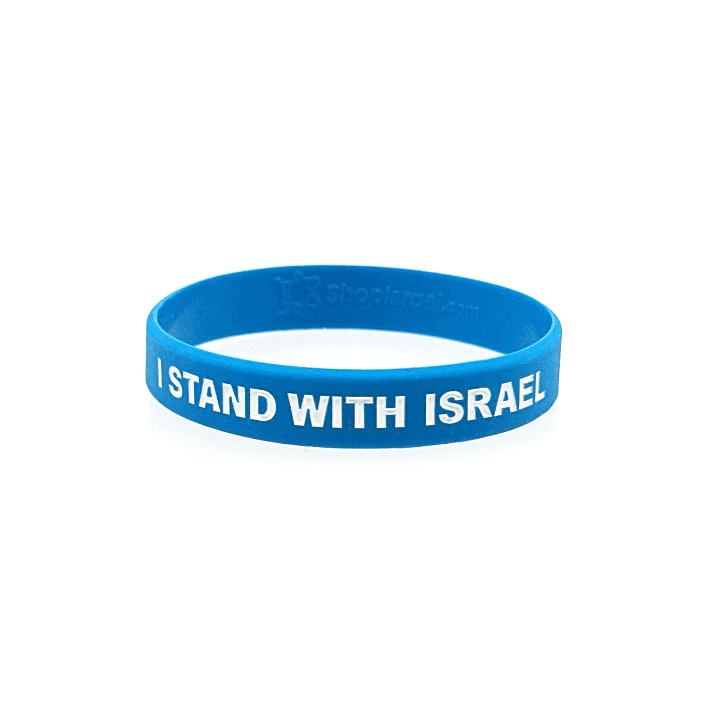
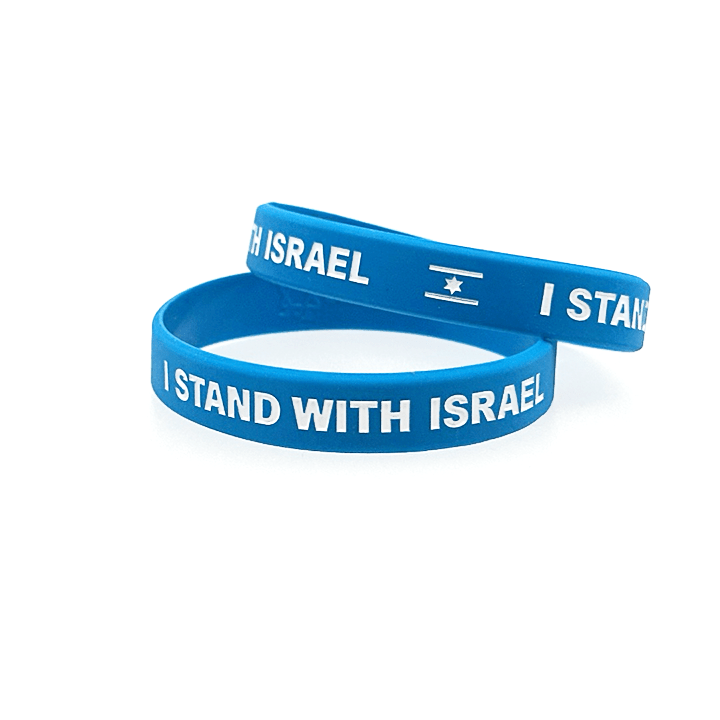
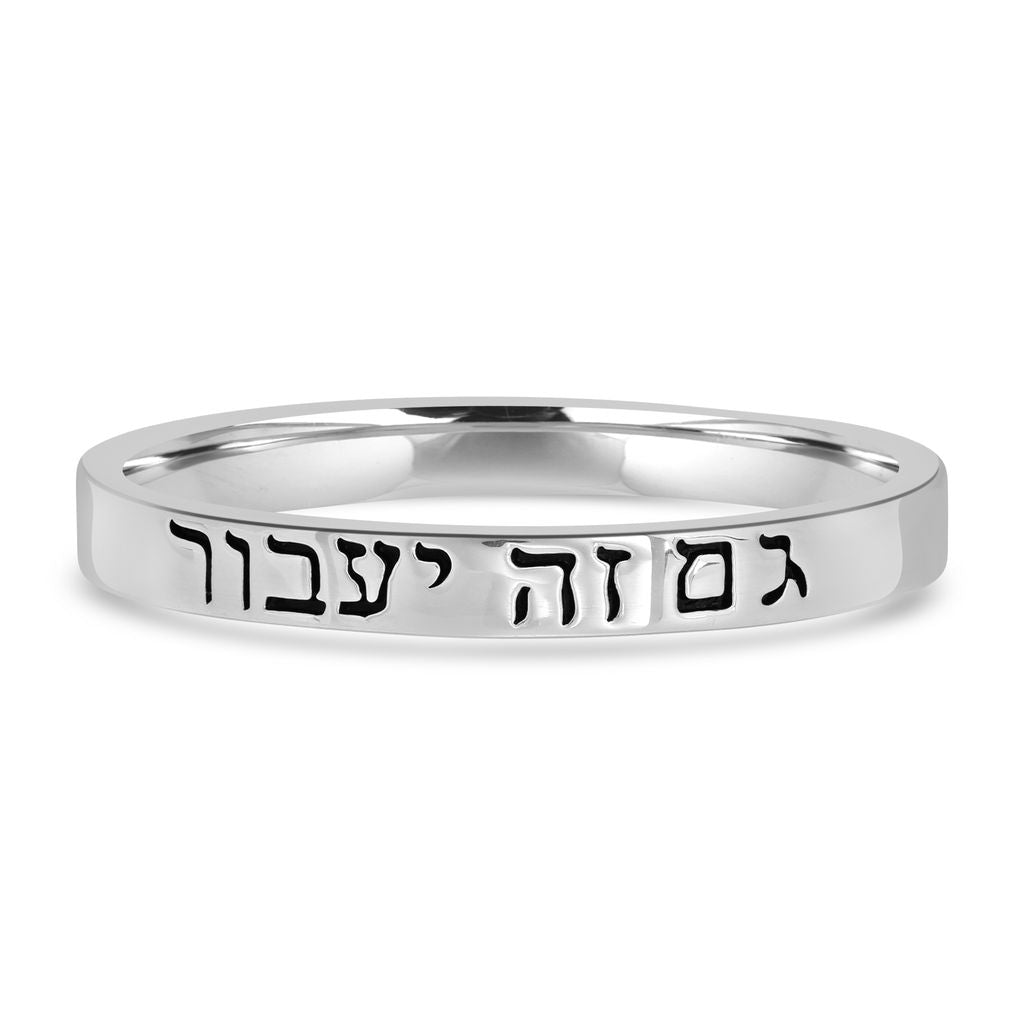
Traditional and religious symbols dominate Israeli-inspired designs. The Star of David prominently features on garments, from embroidered kaftans and robes to casual T-shirts and accessories. Menorahs, maps of Israel, yellow ribbons, and Hebrew inscriptions further strengthen the connection to Jewish heritage and solidarity. These motifs are often paired with bold colors like blue and white — symbolizing the Israeli flag — or yellow, representing hope and remembrance. Explore more about 'Women Clothes Made in Israel', 'Israeli themed clothing', 'Handmade clothing from Israel', 'Traditional Israeli garments', 'Israeli kaftans and robes', 'Tallit shawls clothing', 'Clothing with Star of David', 'Menorah decorated apparel', 'Israeli pride apparel', 'Jewish heritage clothing', 'Made in Jerusalem T-shirts', 'I stand with Israel shirts', 'Israeli identity fashion', 'Support Israel clothing', 'Jewish symbols in fashion', 'Israel inspired fashion trends'.
What Are Recent Trends Inspired by Current Events and Solidarity?
The recent Israel-Hamas conflict has strongly influenced fashion trends. Bright colors boost morale, and identity dressing flourishes with slogans such as "I stand with Israel". Military-inspired elements like tactical fabrics, Velcro, and utility pockets appear in civilian clothing, blending practicality with patriotic style. Moreover, designers include symbols that honor hostages, express mourning, or advocate peace. These trends reflect 'Israeli fashion embraces bright colors', 'Identity dressing with national symbols', 'Military-inspired clothing trends', 'Jewelry with dog tags and Magen Davids', 'Fashion accommodating disability', "Diaspora designers' empowering collections", "Global fashion's edgy turmoil-inspired styles", 'Comfort dressing for stressful times', 'Unusual bridal trends in Israel', 'Resurgence of modest fashion'.
Which Clothing Brands Support Israel?
Several clothing brands actively promote Israeli pride and Jewish heritage. For example, Olam Tova clothing store offers diverse apparel emblazoned with Israeli flags, Hebrew phrases, and symbols that support Israel and its causes. Globally, numerous major brands, including Puma, Ralph Lauren, Nike, and Adidas, have publicly expressed solidarity or supported Israeli initiatives. These engagements provide diaspora communities and supporters worldwide ways to wear their pride and foster connection. For deeper insights, see 'Olam Tova clothing store', 'Israeli pride clothing', 'clothing designs promoting Israel', 'support Israel through fashion', 'Israeli flag apparel', 'Jewish identity clothing', 'patriotic Israeli designs', 'bagel and nosh themed clothing', 'T-shirts and dresses with Israeli themes', 'leggings and sneakers supporting Israel', 'bikinis and accessories for Israel support', 'American and Israeli flag designs', 'solidarity between US and Israel clothing', 'Pride Month rainbow Israeli designs', 'inclusivity in Israeli clothing', 'Jewish and Israeli community fashion', 'wear clothing as activism', 'support Israel with fashion', 'Jenna Galbut founder of Olam Tova', 'pro-Israel advocacy fashion', 'express support for Israel', 'fashion as activism and identity expression', 'clothing profits support Israel causes', 'support post-October 7 Israel', 'show pro-Israel pride publicly'.
Fashion in Israel is thus not just a reflection of style but a powerful medium to declare identity, solidarity, and resilience through every stitch and design. For a broader cultural context on these themes, consider exploring 'Jewish art in Israel', 'Israeli art museums', 'Jewish cultural traditions', 'Israeli poets and literary awards', 'Natan Zach and the Bialik Prize', 'Israel Prize recipients', 'Jewish and Zionist themes in Israeli art', 'Tzfat as a cultural hub', 'Notable Israeli performers', 'Gal Gadot and Natalie Portman', "Israel's influence in global entertainment", 'Tel Aviv fashion scene', 'Famous Israeli designers', 'Elie Tahari and Nili Lotan', 'Israeli cuisine highlights', 'Popular Israeli street foods', 'Kosher dietary practices in Israel', 'Israeli food trends in the United States', 'Birthright Israel Foundation cultural programs', 'Cultural tours in Ein Hod and Tzfat', 'Tel Aviv’s bohemian neighborhoods'.
Contemporary Israeli Fashion Trends Influencing Global Style
What fashion trend was popular in 2024?
In 2024, Israeli fashion embraces bright colors to uplift spirits amid national challenges. Designers incorporated identity dressing featuring prayers, slogans, the Clothing with Star of David, and hostages' ribbons. The resurgence of Y2K fashion influenced by bold colors and nostalgic elements also impacted styles globally. Alongside this, sustainable practices and eco-friendly fabrics gained momentum, aligning with Israeli designers' growing focus on sustainability and innovative technology.
How does multiculturalism and sustainability influence Israeli fashion?
Israel’s rich multicultural heritage, including Jewish, Arab, and international artistic influences, shapes its diverse Israeli fashion industry diversity. Designers blend traditional symbols like the menorah with Japanese asymmetrical cuts and Middle Eastern embroidery. Sustainability remains a rising priority, with local brands adopting ethical production to reduce environmental impact, reflecting the country's innovative spirit.
Which Israeli designers stand out internationally and on the runway?
Prominent talents such as Shahar Avnet international success and Alon Livne celebrity designs are acclaimed worldwide, dressing celebrities like Beyoncé and Lady Gaga. Hed Mayner unisex menswear gained international recognition at Paris Fashion Week. Emerging designers integrate cultural pride and modern aesthetics, emphasizing Israeli identity fashion on global platforms like New York Fashion Week.
How are military and functional elements incorporated into fashion?
Military-inspired fashion remains influential with functional details like tactical fabrics, pockets, Velcro, and zippers adapted for civilian wear. This style embodies resilience and unity, mirroring soldiers’ gear while ensuring practicality. Olive-green bridal gowns and memorial dresses further merge military symbolism with traditional fashion.
What jewelry and accessory trends reflect Israeli identity?
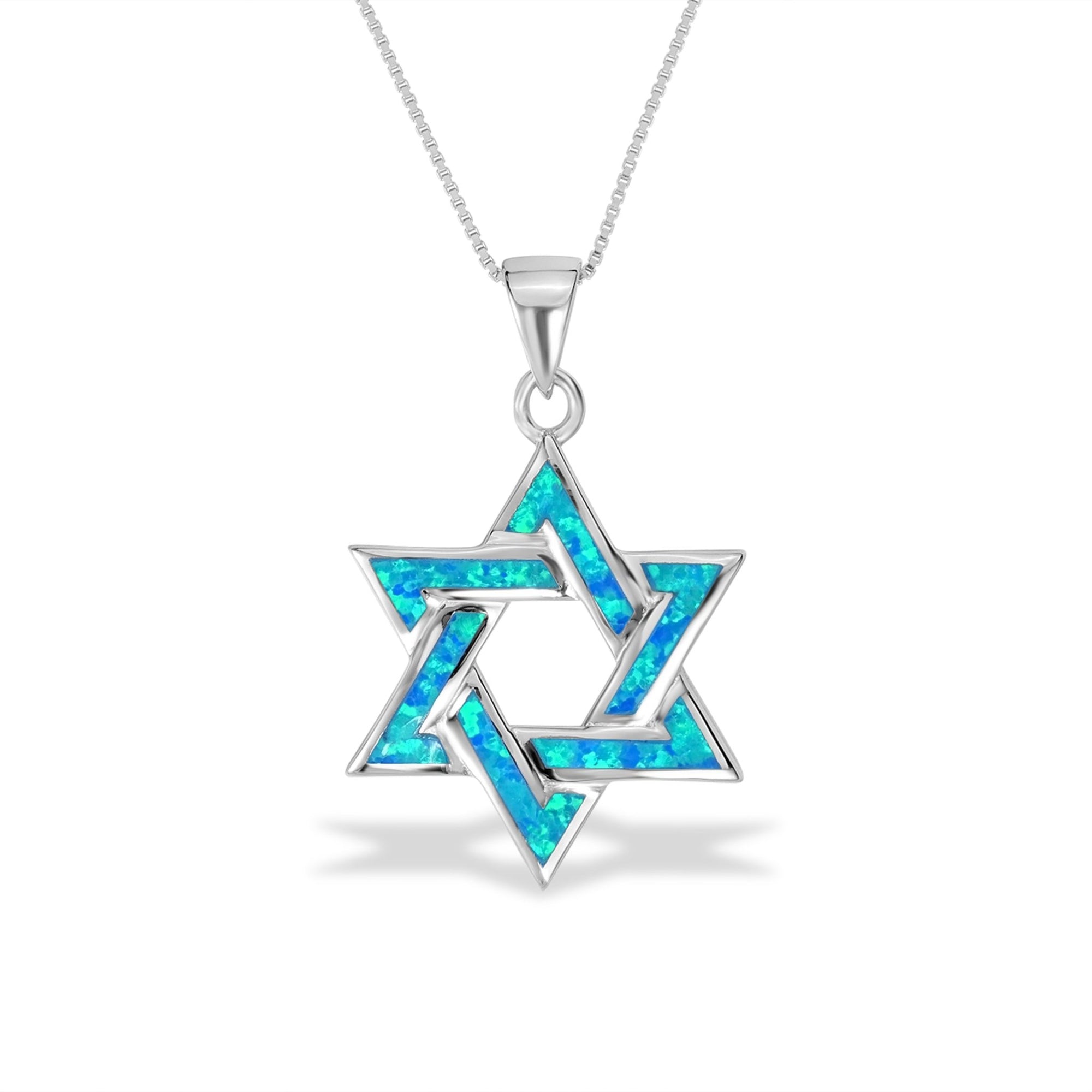
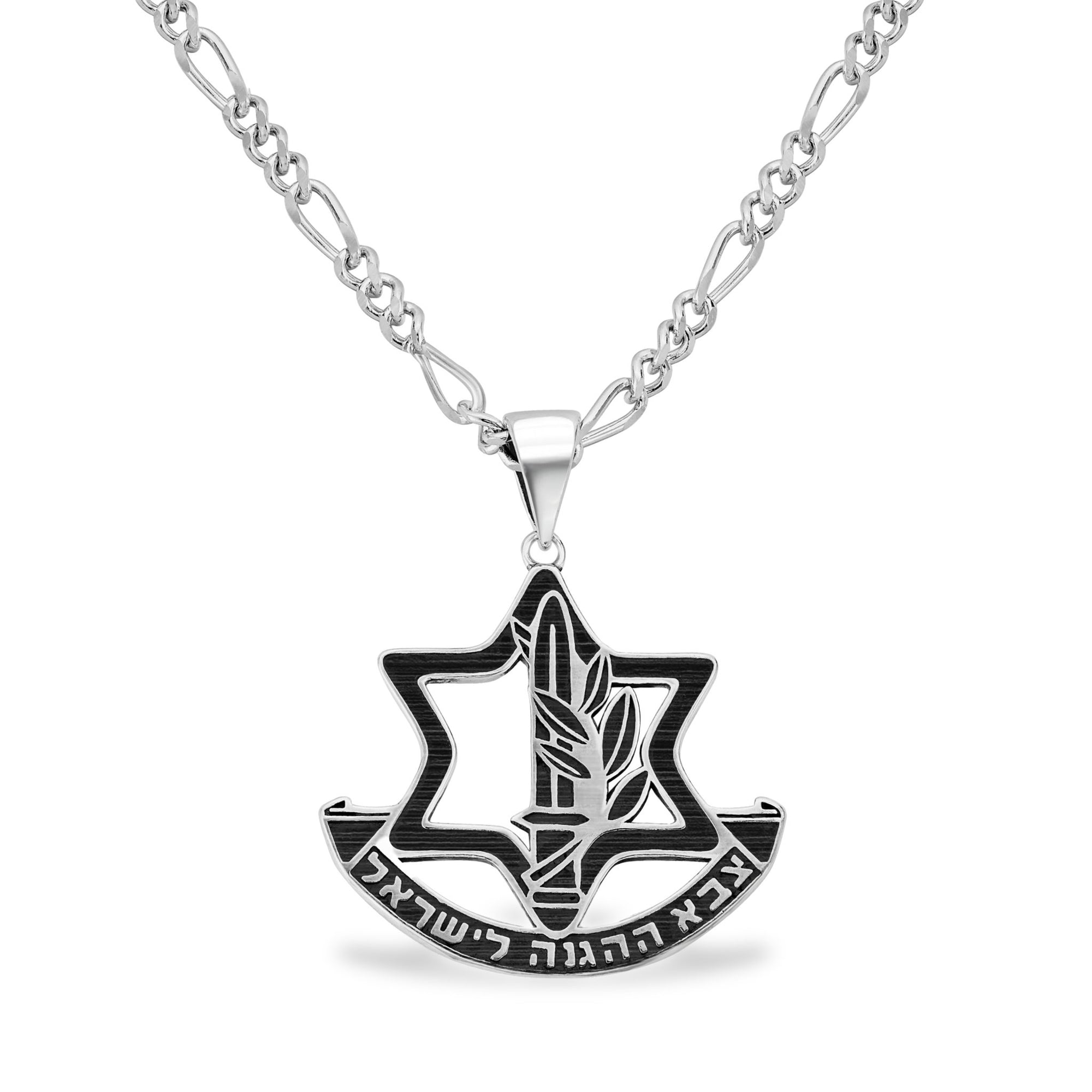
Jewelry featuring Clothing with Star of David, dog tags, and yellow ribbons symbolize national solidarity and pride. Accessories blend cultural motifs with modern design, supporting expressions of Jewish heritage clothing and current events. Comfortable and inclusive designs also accommodate diverse needs, reflecting the broader social fabric.
| Aspect | Details | Israeli Example/Implication |
|---|---|---|
| Colors and Mood | Bright colors, yellow symbolizing hope | Boost morale and represent hostages |
| Multicultural Influence | Jewish, Arab, Japanese inspirations | Diversity in design and embroidery |
| Designer Highlights | Shahar Avnet, Alon Livne, Hed Mayner | Global runway presence, celebrity clientele |
| Military Elements | Functional fabrics, tactical details | Civilian adaptation of military gear, symbolic bridal wear |
| Jewelry & Accessories | Magen David, dog tags, ribbons | Expressions of identity and solidarity |
Cultural Heritage Meets Modern Innovation: The Israeli Fashion Landscape
What are the historical roots of Israeli clothing?
Israeli clothing has deep historical roots tied to the nation's collective values and cultural identity. Early attire in Israeli Clothing in Kibbutz Society was characterized by simple, functional garments like khaki work clothes, biblical-style sandals, and modest dresses. This reflected the principles of equality, modesty, and community. The ATA textile factory history , established in 1934, also played an important role, embodying Zionist and socialist ideals in garment-making. Later, brands like Maskit fashion and crafts preserved Jewish ethnic crafts while creating employment opportunities for immigrants, weaving tradition into fashion.
How have institutions and designers shaped Israeli fashion?
Israeli fashion benefits greatly from educational hubs such as the Shenkar College of Engineering and Design, which nurture innovative talents. Designers such as Doron Zeevi and Dorin Frankfurt integrate Jewish cultural influences in fashion, while creators like Alon Livne luxury design and Shahar Avnet international success have earned global recognition through their bold, celebrity-endorsed collections. Designers like Hed Mayner blend military themes with unisex styles, showcasing at prominent events like Paris Fashion Week. These contributions highlight the dynamic mix of tradition and innovation driving Israeli fashion.
What cultural influences shape Israeli fashion?
The fashion scene is enriched by a diverse cultural palette: Jewish heritage clothing shines through in symbolic embroidery and religious motifs; Arab influences appear in embroidery and regional styles as seen with Maskit fashion and crafts; and international trends, including Japanese asymmetry, influence designers like Ciporkin. Israeli fashion acts as a cultural mosaic, reflecting the country’s multicultural society and its openness to global artistic inspiration.
What economic and social challenges does the Israeli fashion industry face?
Despite international success, Israeli fashion faces hurdles including stiff competition from global fast fashion, a shrinking domestic market, factory closures, and skilled labor shortages. These challenges impact production and sustainability but also fuel innovation in combining creativity with new technologies and sustainability principles. Supporting Israeli fashion and economic growth reflects a commitment to overcoming these obstacles.
Why is supporting Israeli fashion important for cultural pride?
Backing Israeli fashion means endorsing a vibrant cultural tapestry and a resilient economic sector. Wearing Women Clothes Made in Israel supports national pride and aids cultural representation on the world stage. Brands that promote themes of identity, solidarity, and heritage provide a way for diaspora communities and supporters worldwide to express their connection and pride through fashion. Fashion designs featuring Israeli pride apparel, Jewish symbols in fashion, and support Israel clothing reflect this spirit of resilience and community.
Incorporate Israeli Flair for a Meaningful Wardrobe Upgrade
Embracing Israeli-Inspired Fashion Elements
Israeli fashion seamlessly blends age-old traditions with contemporary creativity. Key elements include symbols like the Star of David, menorahs, and Hebrew inscriptions, which are often featured on garments inspired by Jewish heritage and patriotism. These motifs can be seen on elegant kaftans, T-shirts, and accessories, anchoring personal style in cultural pride.
The Fusion of Culture and Modern Trends
Rooted in a rich mosaic of Jewish, Arab, and global influences, Israeli fashion offers a unique fusion of old and new. Designers incorporate Mediterranean colors, military-inspired details, and bold prints to reflect resilience and individuality. This stylistic mix not only honors tradition but also embraces innovation and sustainability.
Empowering Style Through Israeli Symbolism
Wearing Israeli-inspired apparel is more than fashion—it’s a statement of solidarity, hope, and identity. From garments emblazoned with messages like “Am Yisrael Chai” to accessories featuring the Israeli flag, these pieces empower wearers to express pride and unity. Through fashion, supporters connect deeply with Israel’s heritage and ongoing story, creating a wardrobe that speaks volumes about values and community.