Introduction to Shofar-Inspired Artifacts and Their Symbolism
The Shofar: A Symbol of Heritage and Spiritual Awakening
The shofar, a trumpet made from a ram's horn, holds profound significance in Jewish culture. It is famously sounded during the High Holy Days—Elul, Rosh Hashanah, and Yom Kippur—where it serves as a call to spiritual reflection, repentance, and divine acknowledgment. Beyond its ritual use, the shofar echoes biblical history and Jewish destiny, symbolizing themes like God's sovereignty, the binding of Isaac, and the coming of the Messiah.
Artistic Expression through Shofar Designs
Artists in Israel enhance the shofar's spiritual narrative by hand-painting and carving it with traditional Jewish symbols such as the Menorah, Lion of Judah, and Star of David. These artworks blend biblical heritage with modern creativity, incorporating motifs from Jewish mysticism and the landscapes of Jerusalem. From simple natural horns representing pure faith to elaborately decorated shofars, each design deepens the object’s spiritual meaning and visual appeal.
Shofar-Inspired Artifacts and Jewish Identity
Shofar-inspired artifacts symbolize more than ritual; they become enduring personal and communal expressions of Jewish identity and heritage. Customizable shofars are cherished gifts for celebrations and serve as tactile connections to Israel and Jewish tradition. Whether displayed in homes or used in ceremonies, these artistic creations foster pride, solidarity, and remembrance among Jewish communities worldwide, including the diaspora.
Spiritual and Cultural Symbolism of the Shofar
What is the spiritual meaning of the ram's horn (shofar)?
The shofar, a ram’s horn in Judaism, carries deep spiritual meaning in Judaism. It is a powerful symbol of God's covenant with the Jewish people, calling for awakening and repentance. During shofar during Elul, Rosh Hashanah, and Yom Kippur, the shofar's compelling blasts—tekiah (a long, straight blast), shevarim (three broken wails), and teruah (a staccato, trembling sound)—invite the community to reflect on their deeds, renew their spiritual commitments, and seek divine mercy. This practice is rooted in biblical tradition, notably recalling the ram sacrificed by Abraham in place of Isaac, symbolizing faith, sacrifice, and hope for redemption.
What are the shofar’s biblical and traditional references?
The Biblical references to the shofar show it was frequently mentioned in the Bible, where it was used in Temple ceremonies, to signal war, and during coronations, symbolizing God’s sovereignty. It is sounded in the month of Elul to prepare hearts for the High Holidays, and throughout Rosh Hashanah to announce God's kingship. Its blasts call to mind the giving of the Torah at Mount Sinai, echo the prophets’ calls for justice, and remind us of the Temple's destruction, urging spiritual revival. Each shofar blast wraps layers of history, faith, and hope for the Jewish people.
What symbolism do the shofar sounds hold during the High Holidays?
The shofar sounds during Rosh Hashanah signify a spiritual alarm, awakening souls to self-examination and moral accountability ahead of the Day of Judgment. The varied tones stir the conscience: the tekiah announces God's sovereignty, shevarim represents brokenness and remorse, and teruah emulates sobbing, symbolizing repentance. Together, they serve as a poignant reminder of divine judgment balanced with mercy, encouraging ethical behavior and spiritual renewal.
What is the deeper mystical significance and Kabbalistic interpretation of the shofar?
In The Mystical Resonance of the Shofar and Kabbalistic interpretation of the shofar, the shofar's blasts vibrate with sacred energies that heal and elevate the soul. The Hebrew root of "shofar" relates to improvement and transformation, emphasizing spiritual growth. Mystics teach that these sounds move God from judgment to mercy and awaken the heart to sincere repentance. The shofar also symbolizes the divine revelation at Sinai, where the sound represented unity across senses, reflecting oneness in creation. It foretells the coming of the Messiah, heralding a future era of peace and spiritual fulfillment.
The shofar thus resonates both as a historic instrument and a living symbol of Jewish faith, hope, and renewal, linking ancient tradition with mystical spiritual depth.
Artistic Expression in Shofar Designs and Decor
What are the different types of shofars and their origins?
Shofars come in various forms, each carrying unique origins and cultural meaning. The five main types include:
-
Yemenite Kudu Shofar: Originating from East Africa, this shofar is prized for its majestic spiral shape and powerful, resonant sound. It was introduced to Israel by Yemenite Jewish immigrants.
-
Ram's Horn Shofar: The most common type, especially among Ashkenazi Jews, traditionally used during shofar on Rosh Hashanah. This shofar recalls the biblical sacrifice of the ram instead of Isaac, symbolizing faith and devotion.
-
Gemsbok Oryx Shofar: Sourced from antelopes of southern Africa and parts of the Arabian Peninsula, known for its straight, ribbed horn.
-
Eland Horn Shofar: Features a twisted shape, admired for its distinctive natural form, native to certain African regions.
-
Decorated Shofars: Artistically embellished with Jewish motifs or personal inscriptions, serving as cherished ceremonial objects or gifts.
Variety of Shofar Designs and Their Meanings
Shofar designs range from simple natural forms symbolizing direct, unadorned faith to elaborately embellished pieces. Carved shofars often depict biblical narratives like the Binding of Isaac or include symbols such as the Star of David and Menorah. Some feature zodiac motifs inspired by Kabbalah, connecting celestial imagery with spiritual attributes. Others display floral and fauna themes, expressing growth, renewal, and peace.
Incorporation of Jewish Symbols
Many artistically painted or carved shofars include traditional Jewish symbols that anchor them in cultural identity. Common motifs are:
-
Menorah: A symbol of divine presence and Israel’s mission as a light to nations.
-
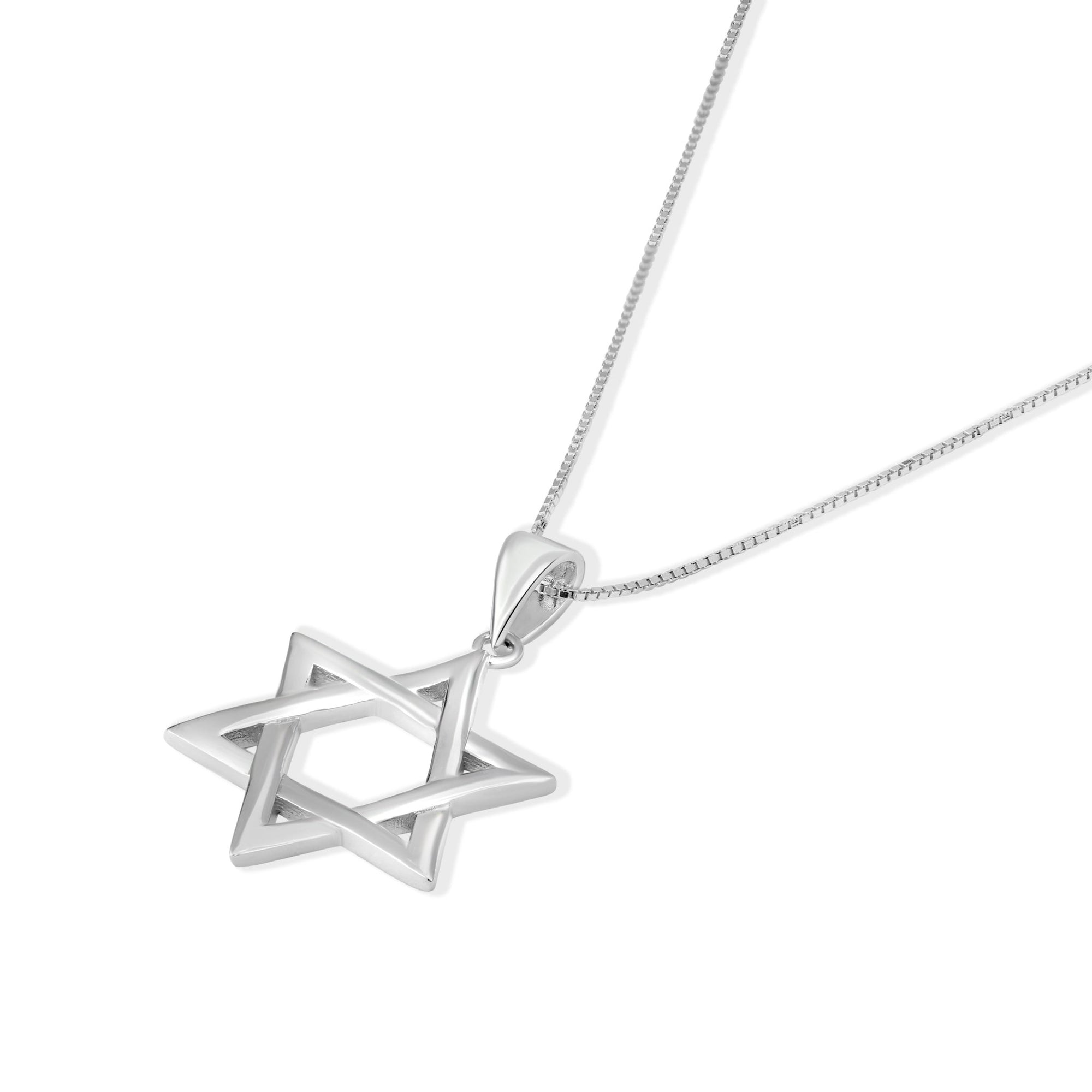
Star of David: Representing Jewish unity and mysticism.
-
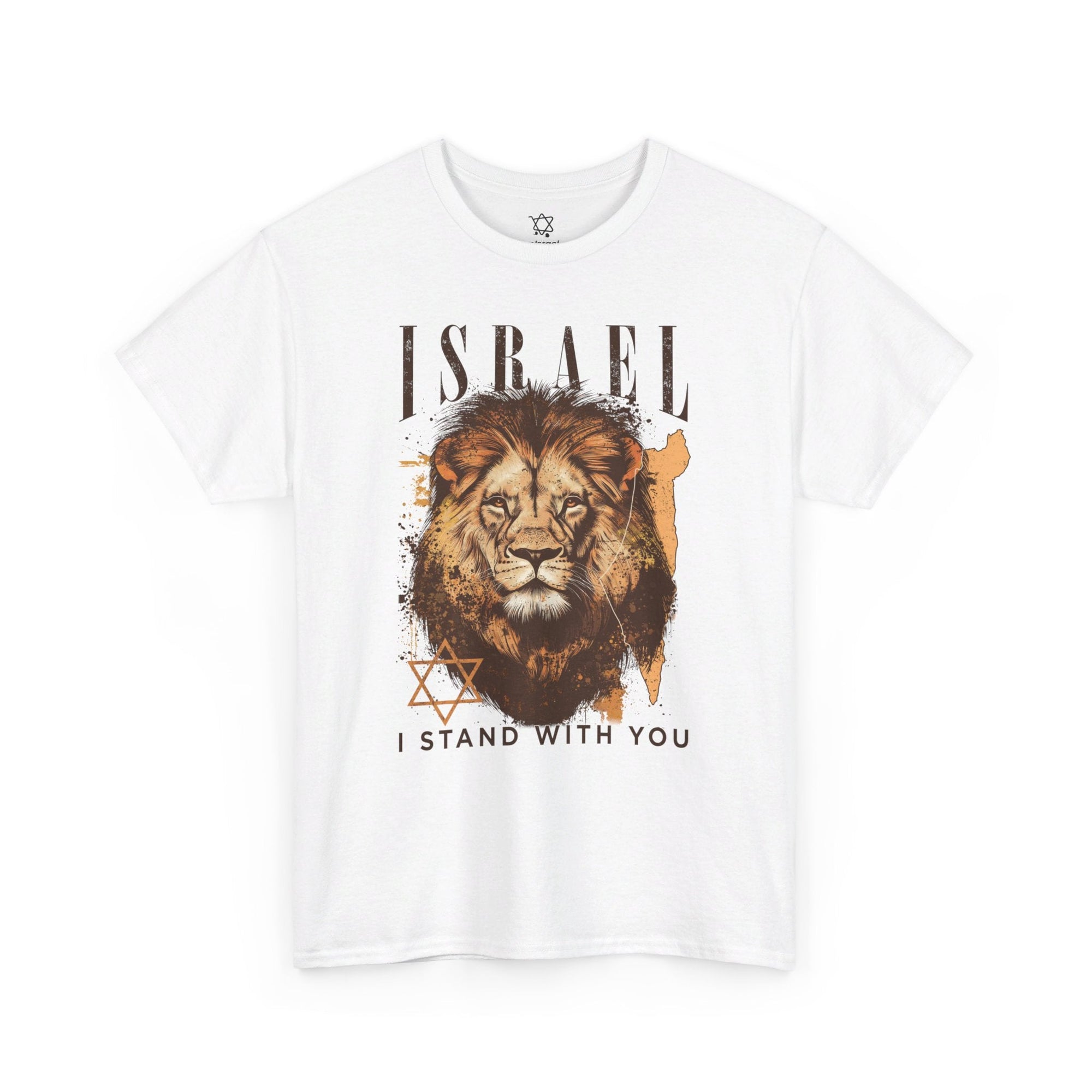
Lion of Judah: Emblematic of strength and the Davidic lineage.
-
Pomegranates and other Seven Species: Reflecting fertility, prosperity, and connection to the Land of Israel.
These symbols enrich the shofar's spiritual message and tie it to Jewish heritage.
Use of Floral, Geometric, Tribal, and Jerusalem Motifs
Artistic shofar designs often draw from a variety of thematic sources:
-
Floral motifs symbolize life, courage, and peace.
-
Geometric patterns inspired by Middle Eastern art express divine infinity and interconnectedness.
-
Tribal designs represent the twelve tribes of Israel, highlighting unity in diversity.
-
Jerusalem motifs portray iconic landmarks like the Dome of the Rock or the Tower of David, underscoring the city’s spiritual centrality.
These themes combine nature, history, and mysticism to deepen the shofar's resonance. For more on these meanings, see shofar designs and meanings.
Personalized and Decorated Shofars as Cultural Artifacts
Customized shofars with names, dates, and prayers create personal spiritual connections and serve as meaningful gifts during Jewish holidays and life-cycle events. Handmade painted shofars, often crafted from ram or kudu horns, blend ritual sound with visual artistry, enhancing the ceremonial experience and fostering a tangible link to tradition. Explore Hand Painted Shofars from Israel for details.
Connecting Tradition with Modern Artistic Creativity
Modern Judaica artists skillfully integrate ancient symbolism with contemporary art forms, reflecting Jewish mysticism, biblical heritage, and the vibrant culture of Israel. These designs not only preserve sacred customs but also inspire pride and identity among the Jewish diaspora and supporters worldwide, as detailed in Jewish art and decor.
| Design Type | Characteristics | Symbolic Significance |
|---|---|---|
| Yemenite Kudu | Spiral-shaped, East African origin | Majestic sound, cultural heritage |
| Ram's Horn | Traditional, biblical ties | Faith, sacrifice, humility |
| Decorated Shofar | Painted, carved, personalized | Artistic expression, spiritual connection |
| Floral and Geometric | Motifs of growth, infinity | Renewal, peace, divine unity |
| Tribal and Jerusalem Motifs | Symbols of tribes and holy sites | Unity, history, spiritual centrality |
This rich variety emphasizes the shofar’s enduring role as a bridge between the past and present, faith and artistry, Israel and its global community.
Jewish Symbols Featured in Shofar Artifacts and Their Meanings
What are the common Jewish symbols used in shofar decoration?
Shofars, especially hand-painted and artistically crafted ones, often feature iconic Jewish symbols that deepen their spiritual meaning and cultural resonance. These include the Star of David, Menorah, Pomegranates, Lion of Judah, and other motifs like Jerusalem landmarks and biblical themes. Each symbol reflects an aspect of Jewish heritage and faith, transforming the shofar into a vibrant cultural artifact.
What is the meaning of the Star of David, Menorah, Pomegranates, and Lion of Judah?
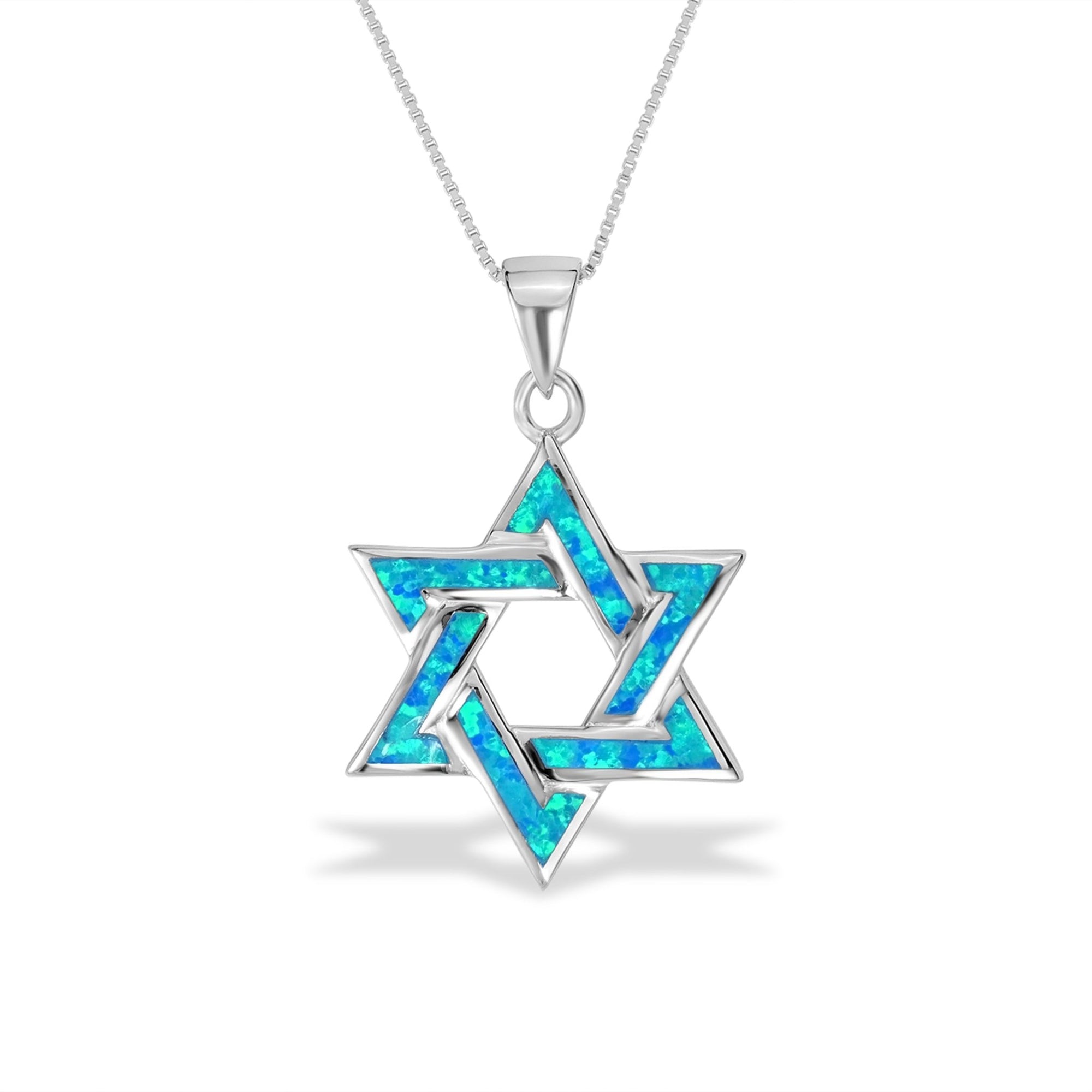
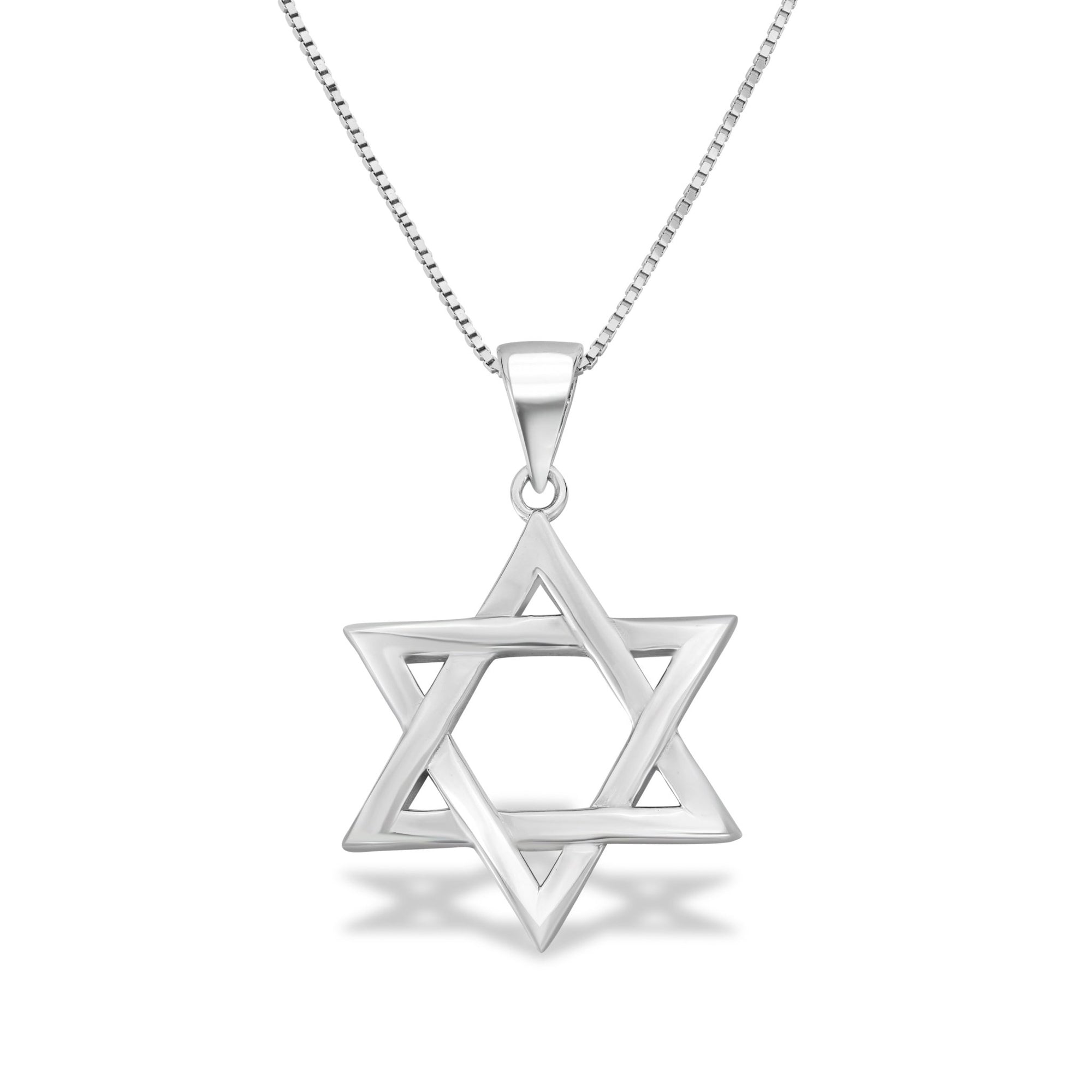
- Star of David (Magen David): This hexagram symbolizes Jewish identity, unity, and divine protection. Rooted in Jewish mysticism and associated with King David, it is the emblem of the Jewish people and the State of Israel's flag.
- Menorah: Representing the ancient seven-branched candelabrum from the Temple, the Menorah is a beacon of divine presence and spiritual light, signifying the enduring connection to Jewish tradition.
- Pomegranates: Symbolizing abundance, fertility, and the 613 commandments, pomegranates recall the blessings of the Land of Israel and the richness of Jewish law.
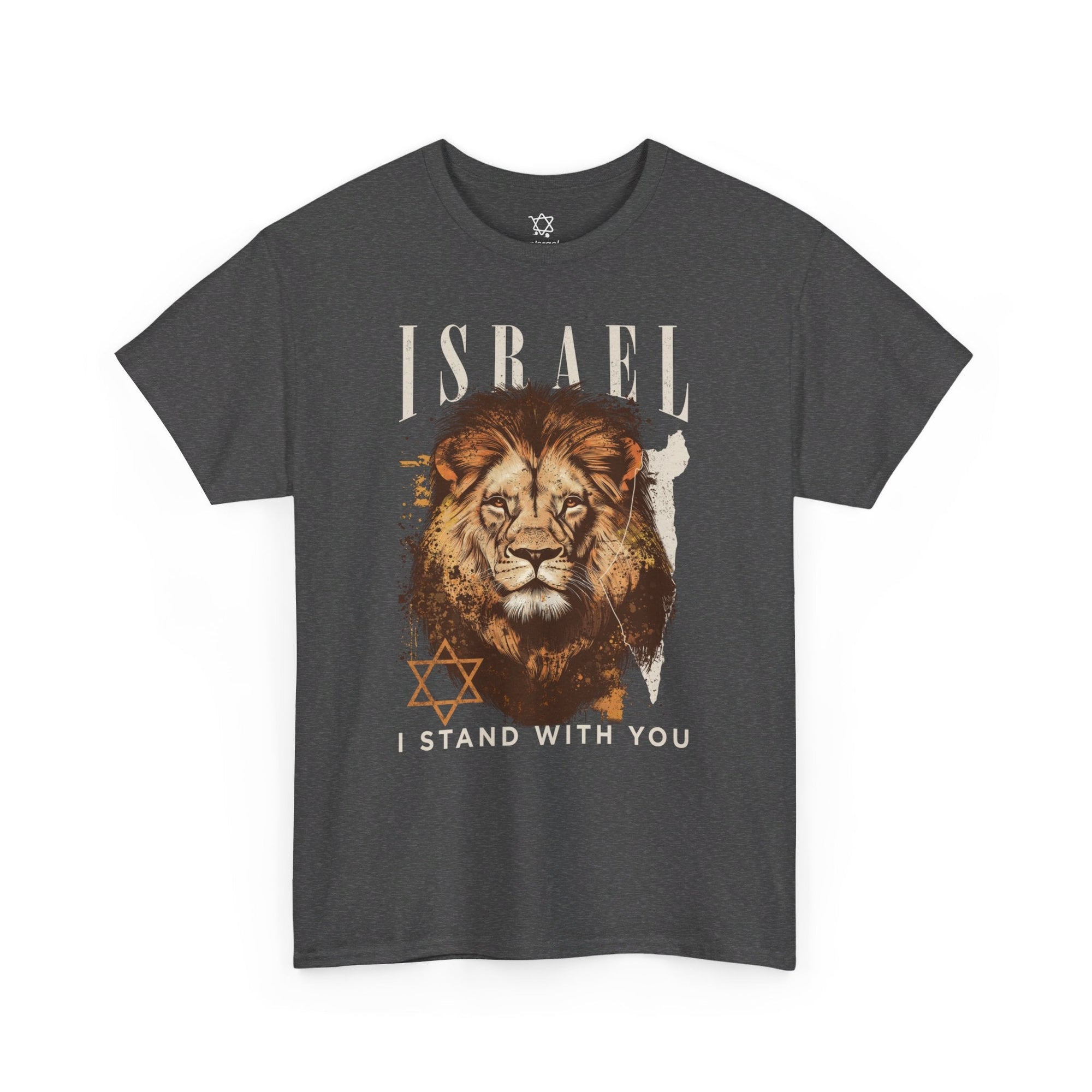
- Lion of Judah: This emblem of the tribe of Judah evokes strength, royalty, and the Davidic lineage, underscoring Jewish resilience and kingship.
How do these symbols reinforce Jewish heritage and pride?
Displayed on shofars during festive and religious occasions, these symbols visually and spiritually connect individuals with Jewish history, faith, and national pride. They serve as reminders of shared identity, divine mission, and collective memory, nurturing a sense of belonging and continuity across generations and geographic boundaries.
How do these symbols enhance the spiritual and cultural value of shofars?
Incorporating these meaningful motifs elevates the shofar from a ritual instrument to a cultural treasure imbued with layers of symbolism. They invite reflection on Jewish virtues, traditions, and hopes — from divine kingship and spiritual illumination to renewal and redemption. This fusion of sound, design, and symbolism strengthens the personal and communal experience of Jewish holidays and encourages profound pride in Jewish heritage. For more on the shofar symbolism and its significance, explore detailed insights on the shofar design meanings and the spiritual symbolism of the shofar. Artistically, discover hand painted shofars from Israel that beautifully showcase such motifs.
Integration of Israeli Art and Jewish Tradition in Shofar-Inspired Works
Israeli artistic traditions and motifs in Judaica
Israeli Judaica art deeply intertwines with Jewish tradition and heritage, showcasing masterful crafts that incorporate ancient symbols and modern aesthetics. Traditional crafts in Israel embrace weaving, textile production, woodwork, leatherwork, glassware, ethnic embroidery, basketry, and olive-wood carving. These arts reflect the country’s cultural mosaic, blending Jewish and Arab heritages. Judaica artworks often feature essential Jewish symbols such as the Menorah, Star of David, Lion of Judah, and pomegranates, which carry spiritual and national significance.
Role of Israeli landscapes, religious sites, and symbolism in art
Israeli art also prominently celebrates the country’s landscapes and sacred places like Jerusalem’s Old City, the Western Wall (Kotel), and mystical Tzfat. These themes symbolize the deep connections between land, faith, and identity. Artists depict holy sites alongside motifs of peace, protection, and divine presence, including the hamsa and olive trees. Biblical tales, festivals, and prayers inspire calligraphy and imagery in Judaica, linking historical memory with spiritual expression. Explore more about Jewish art and decor and Fine Art Inspired by Israel.
Supporting Israeli artists through Judaica and cultural merchandise
Purchasing Judaica and Israeli-inspired art supports the vibrant community of Israeli artisans, many of whom reimagine traditional objects with contemporary flair. Artistic Hand Painted Shofars are exemplary, blending biblical stories and Jewish symbols like the Star of David or Menorah with decorative patterns, making them meaningful gifts or personal keepsakes. Online platforms and galleries highlight these creations, emphasizing their role in preserving Jewish culture, inspiring spiritual reflection, and promoting Israeli art worldwide.
How shofar artifacts connect with broader Israeli and Jewish cultural expressions
The shofar uniquely embodies Jewish faith and Israeli heritage, resonating through both sound and visual artistry. Crafted from ram’s or kudu horns and sometimes adorned with intricate designs, it reflects biblical history and prophetic symbolism. Shofar art often mirrors the themes found throughout Israeli Judaica—melding religious symbolism, mystical Kabbalah motifs, and references to Jerusalem’s landmarks. Through these artistic expressions, the shofar transcends its ritual role to become an emblem of Jewish identity, spiritual awakening, and cultural pride, resonating strongly both in Israel and the global Jewish diaspora. Learn more about shofar designs and meanings and the significance of the shofar.
The Shofar’s Role in Jewish Identity and Contemporary Culture
What are the traditional rules for blowing the shofar during Jewish holidays?
The shofar, a ram's horn, holds a deeply rooted place in shofar in Jewish rituals, especially during the month of Elul, Rosh Hashanah, and Yom Kippur. Traditionally, it is blown during the morning synagogue services after the Torah reading and before the Musaf prayer. The blowing follows specific patterns consisting of sequences of Tekiah (a long, straight blast), Shevarim (three connected short blasts), and Teruah (at least nine rapid staccato blasts). These are arranged in prescribed liturgical formulas such as TaShRaT. The total number of sounds can exceed 100 on Rosh Hashanah alone. Not just anyone blows the shofar; typically, a knowledgeable male is appointed for this mitzvah, and the horn is carefully crafted from a kosher ram’s horn for shofar to honor its symbolic significance.
What do the different blasts of the shofar mean?
Each shofar blast carries profound spiritual symbolism. The Tekiah blast acts as a solemn call to spiritual awakening, signalling God's sovereignty and inviting introspection. The Shevarim’s mournful, broken sounds evoke repentance and sorrow for past wrongdoings. The Teruah blast, reminiscent of urgent alarms, galvanizes the community toward renewal and ethical reflection. The final Tekiah Gedolah, an extended blast, offers hope and marks a fresh start for the year ahead. Collectively, these sounds stir the conscience, summon humility before the Divine, and encourage preparation for divine judgment.
How does the shofar symbolize Jewish heritage in the United States?
For Jewish communities in the United States, the shofar is much more than a ritual object; it symbolizes historical continuity and cultural identity amid diaspora life. During Rosh Hashanah and Yom Kippur, its call unites Jews in prayer and reflection, linking them to ancient traditions and biblical heritage shofars. The shofar serves as a strong emblem of Jewish pride, reminding American Jews of their faith roots and the enduring connection to Israel and the Land of their ancestors.
How are shofar-inspired artifacts used to forge cultural and spiritual connections?
Modern Judaica artisans creatively blend tradition and artistry by producing Hand Painted Shofars from Israel featuring iconic Jewish symbols such as the Menorah, Lion of Judah symbolism, pomegranates, and Jerusalem motifs. These shofar designs and meanings serve not only as functional ritual instruments but also as meaningful decorative pieces that deepen the spiritual bond with Jewish history and Israel. Personalized shofars, often gifted on significant occasions, foster individual and communal identity by weaving personal prayers and names into the sacred symbolism. Through such artifacts, the shofar resonates beyond ritual – it becomes a vibrant cultural bridge celebrating Jewish endurance and faith worldwide.
The Living Legacy of Shofar-Inspired Artifacts
The shofar remains a vibrant symbol in both spiritual practice and Jewish cultural identity.
Hand-painted and artistically designed shofars from Israel beautifully blend biblical themes and Jewish heritage with contemporary artistic expression. These works often feature iconic motifs like the Menorah, the Lion of Judah, Jerusalem landmarks, and pomegranates — all rich with traditional significance.
By incorporating personal customization and diverse design elements, such as zodiac symbols or geometric patterns, these artifacts serve as more than ritual instruments. They become compelling carriers of history and faith, inviting reflection on the Sinai revelation, spiritual renewal, and the hope for messianic redemption.
In diaspora communities worldwide, particularly in America, shofar art fosters a tangible connection to Israeli culture and Jewish identity. This bridge between ancient religious tradition and modern creativity not only sustains heritage but also amplifies pride and solidarity across generations.