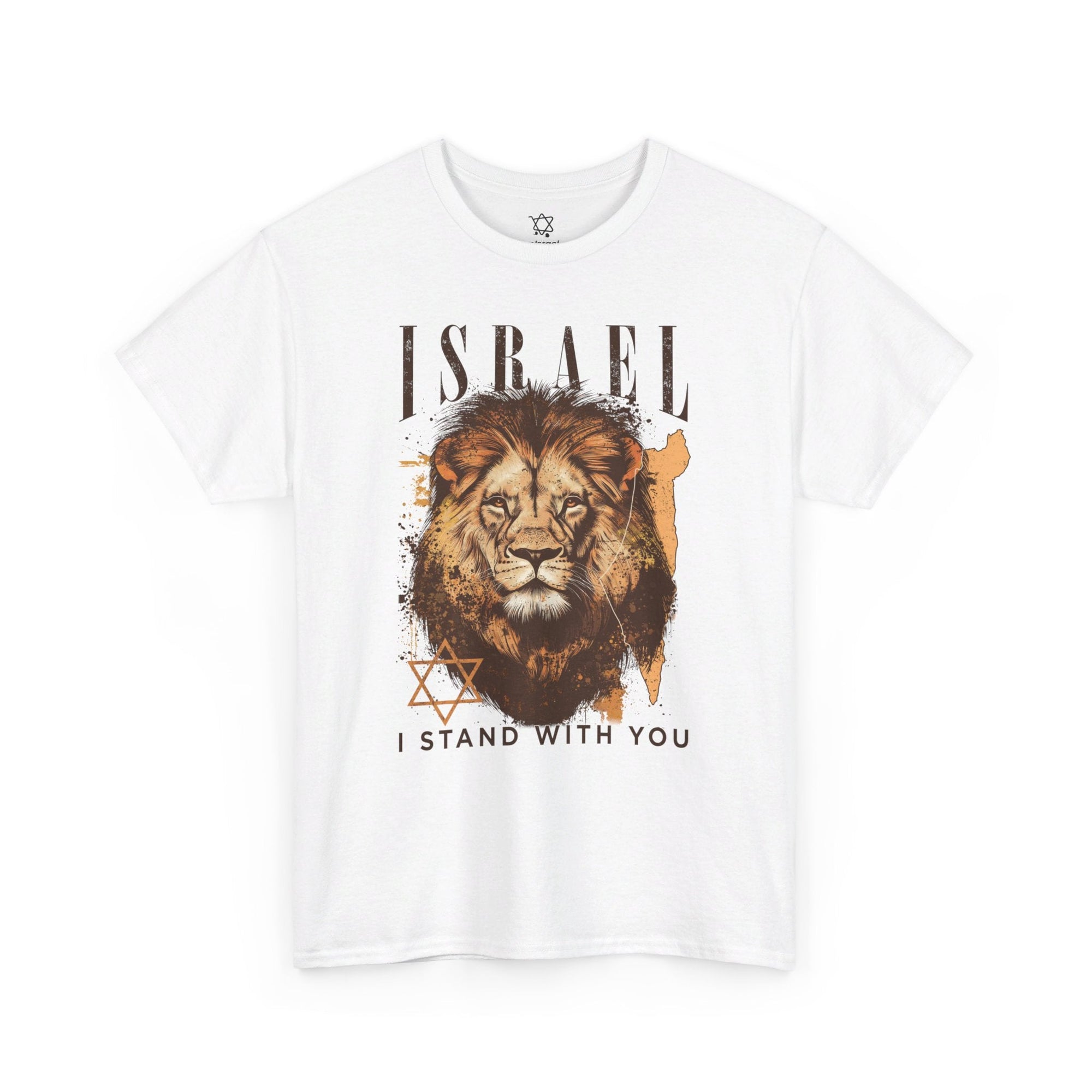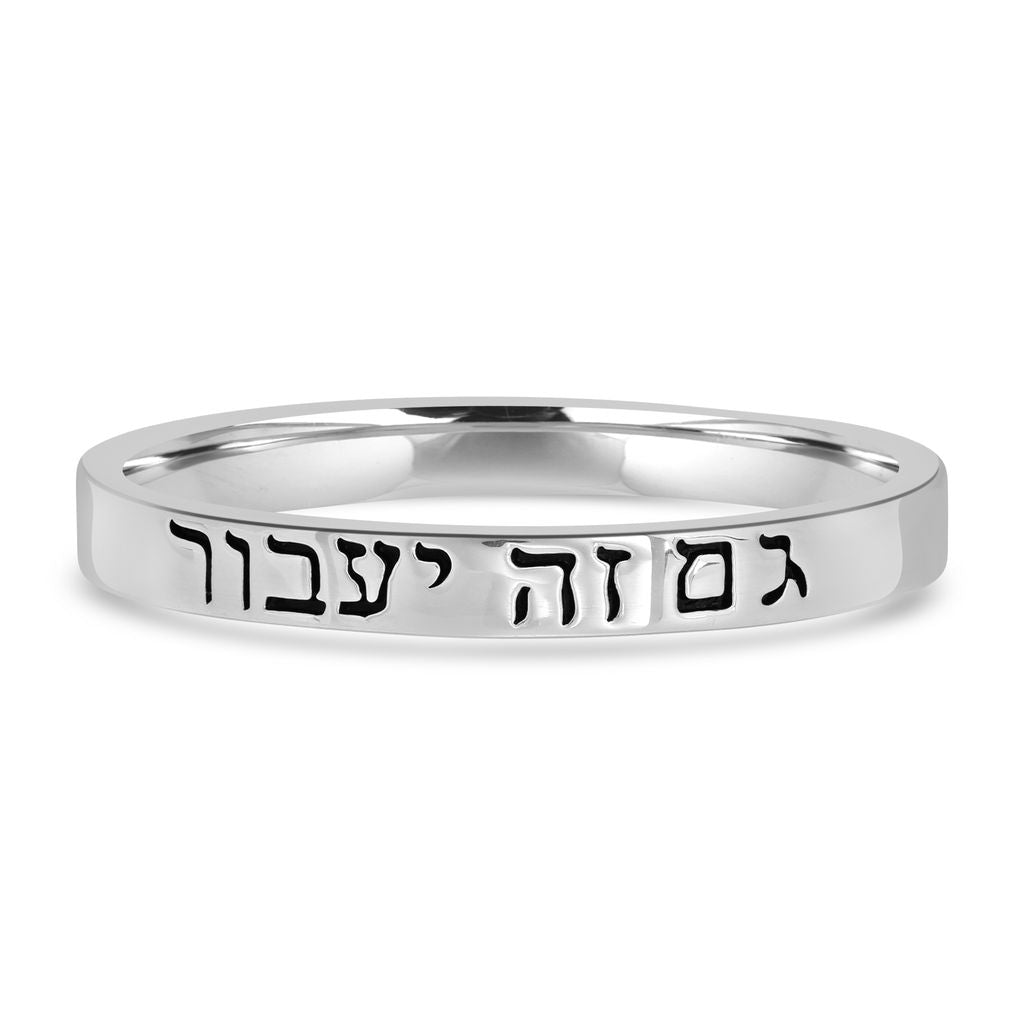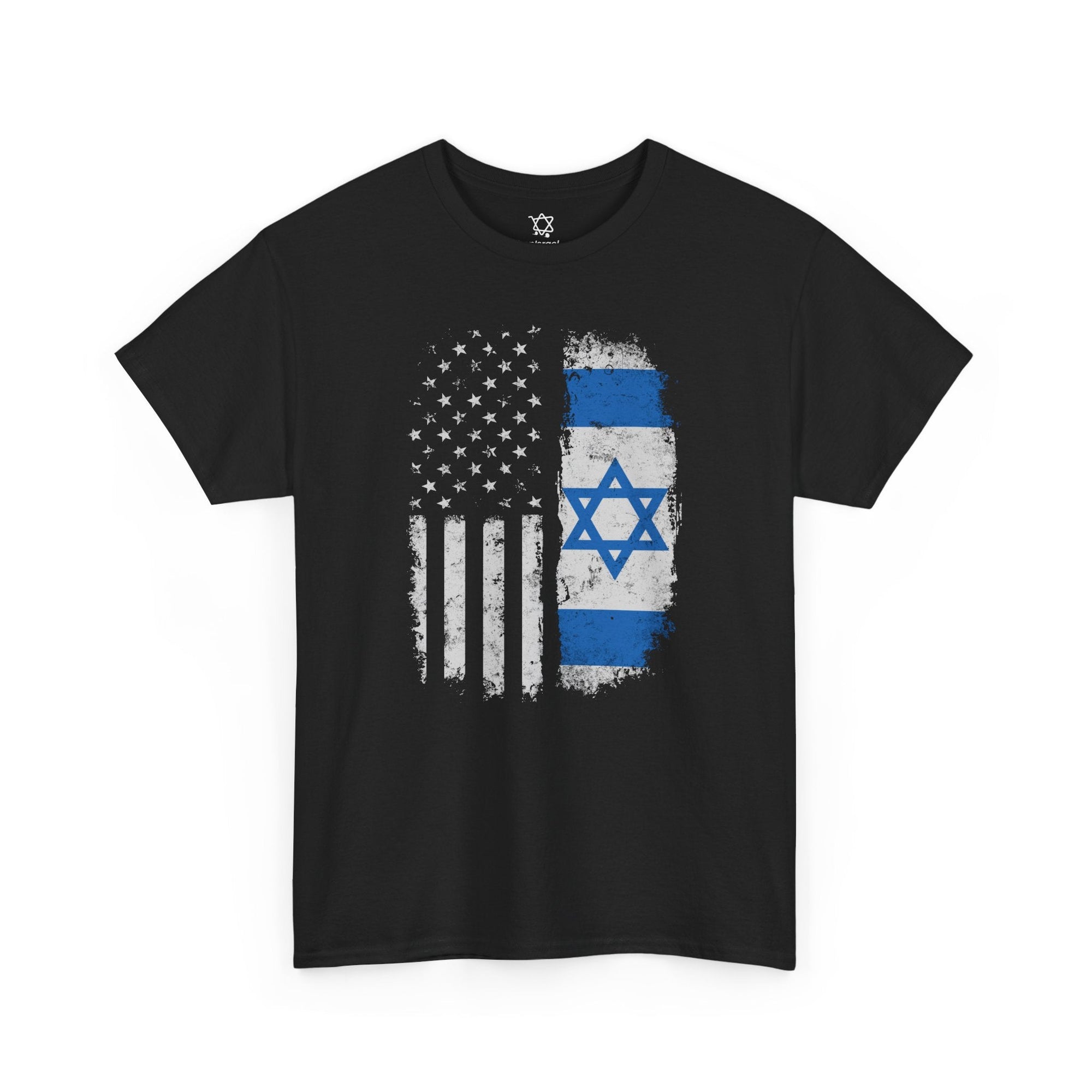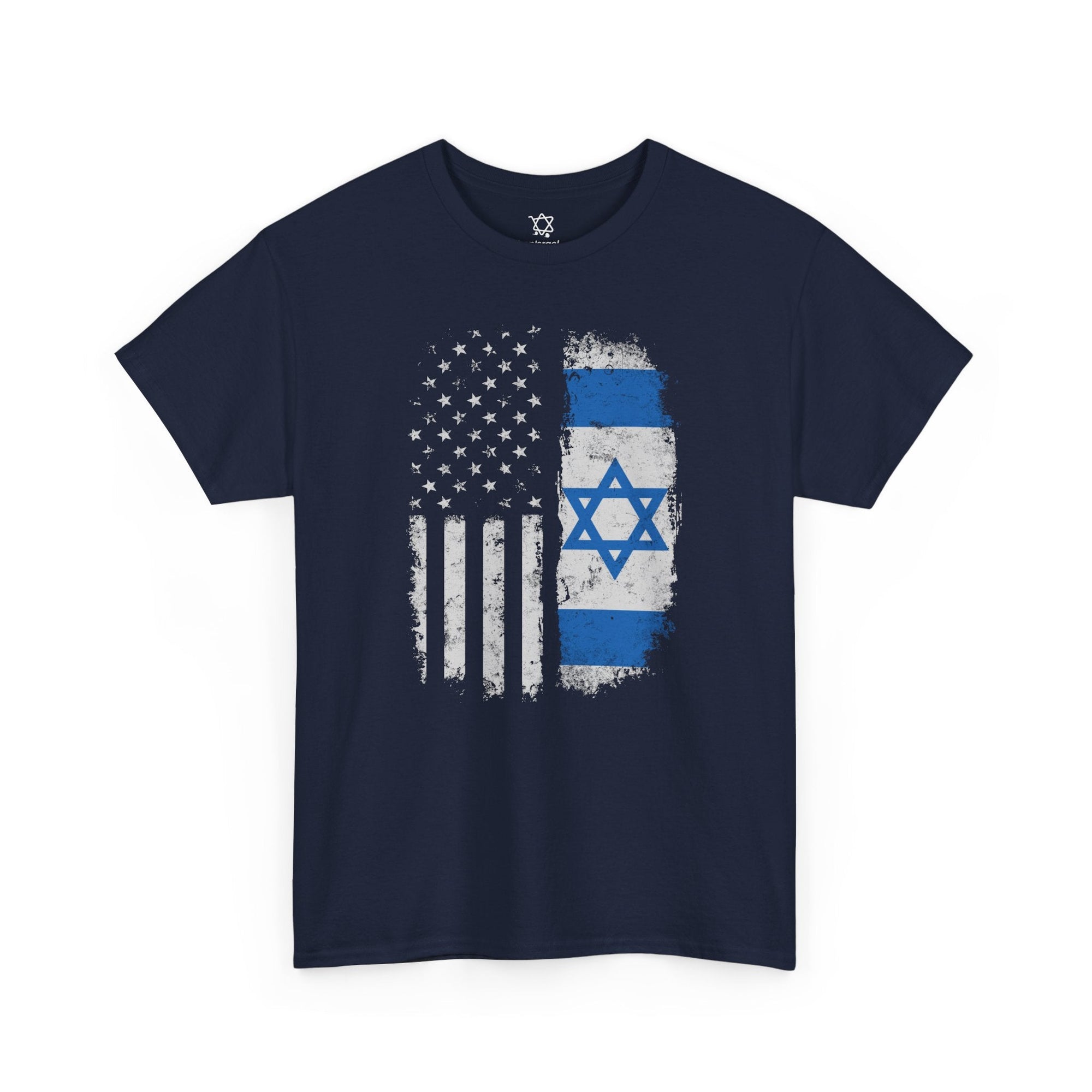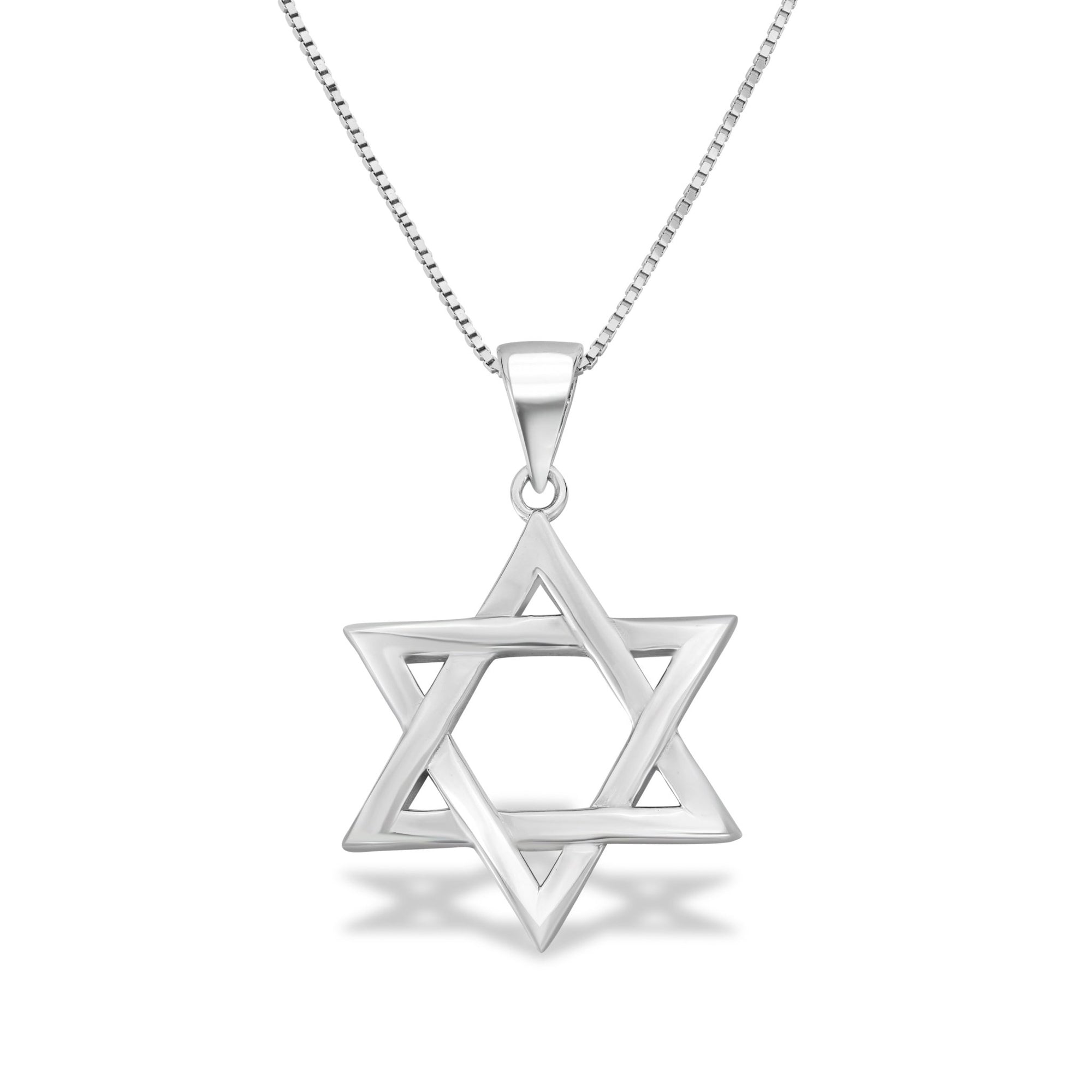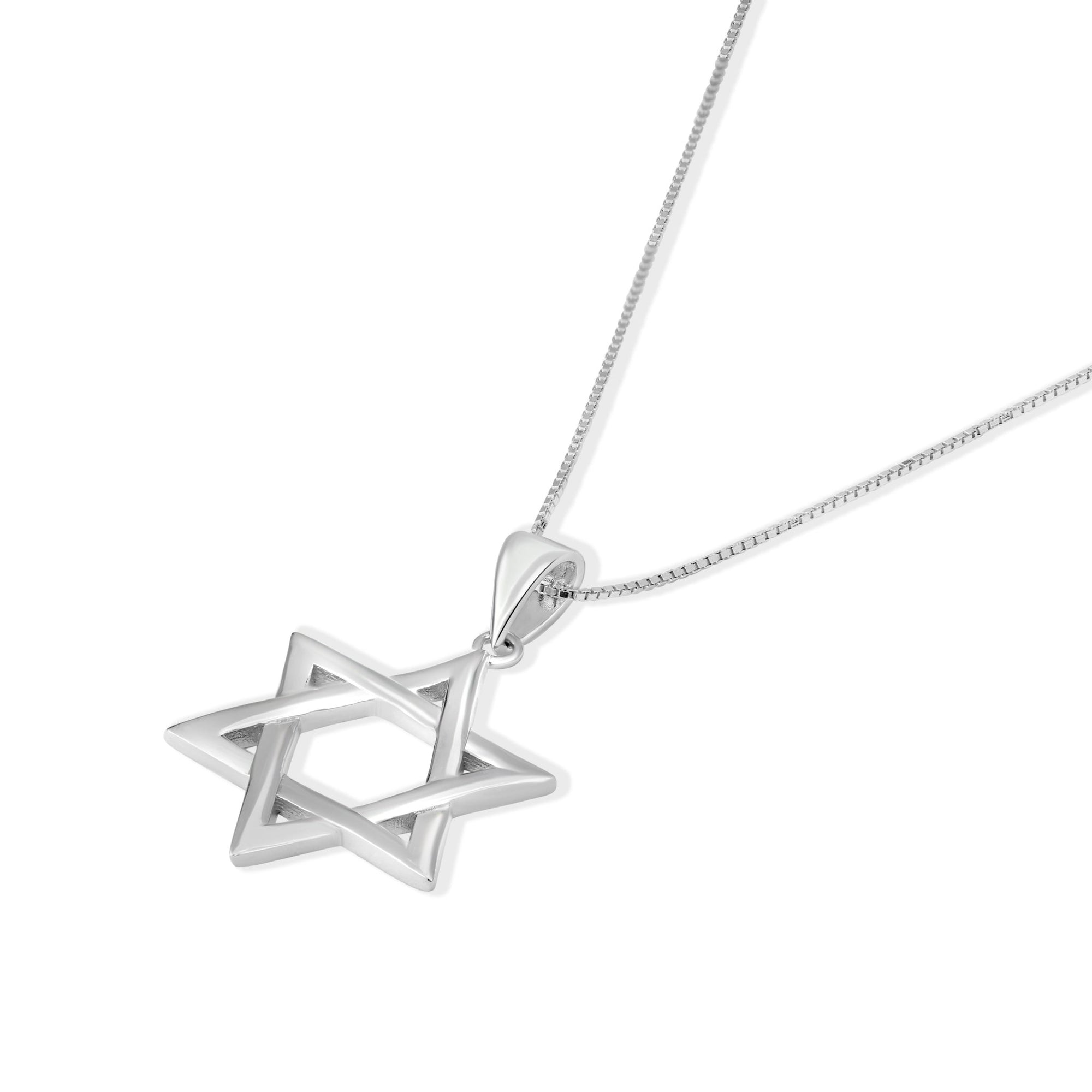


Short answer: The Star of David (in Hebrew, Magen David, meaning "Shield of David") is a six-pointed star made of two interlocking equilateral triangles, and it is the most widely recognized symbol of Judaism and the Jewish people. It reads as an emblem of Jewish identity, faith, and divine presence. In contemporary jewelry, designers keep the familiar hexagram but reinterpret it through minimalist silhouettes, textured metals, curved or geometric lines, and mixed materials, so a single piece can work as both a personal expression of heritage and, especially since October 7, 2023, a public statement of Jewish pride and resilience.
What the Star of David symbolizes
The star is a hexagram: one triangle points up, the other points down, and together they form six points around a central hexagon. Rather than one fixed, doctrinal meaning, the symbol carries several traditional interpretations layered on over time. The six points are sometimes said to represent God's rule over the universe in every direction (north, south, east, west, up, and down). The two interlocking triangles are read as the bond between God and the Jewish people, or as the union of heaven and earth, spirit and matter. These are meaningful devotional and kabbalistic readings, not a single established definition. For many wearers today, the star simply says "I am Jewish" without attaching one theological claim, and that openness is part of why it translates so naturally into personal jewelry: you bring your own meaning to it.
The real history of the six-pointed star
The accurate story is more specific than the common telling. The geometric shape itself is ancient and cross-cultural. The oldest undisputed Jewish example appears on a seal found in Sidon dating to the 7th century BCE, but at that stage the hexagram was used decoratively across many cultures with no special Jewish significance (Encyclopaedia Judaica, via Encyclopedia.com; National Library of Israel). The popular link to King David's actual battle shield is legend rather than documented history. The earliest known text tying a protective "shield of David" to the hexagram is a 12th-century magical manuscript that describes it as a talisman (Encyclopaedia Judaica).
The hexagram became a distinctly Jewish emblem in medieval Europe. A pivotal moment came in 1354, when Holy Roman Emperor Charles IV granted the Jews of Prague the right to bear their own flag, later called "King David's flag," carrying the six-pointed star (Kafkadesk). Its use spread widely across Jewish communities in the 19th century, in part from a desire for a unifying symbol comparable to the Christian cross. The Zionist movement adopted a blue-and-white banner with a central Star of David at the First Zionist Congress in 1897, and on October 28, 1948, the Provisional Council of the new State of Israel placed that same star at the center of the national flag (Britannica). Put simply, the star is genuinely rooted in Jewish history, but the accurate version is precise: an ancient, cross-cultural shape that Jewish communities made their own (most clearly in medieval Prague), with its deeper meanings added as tradition rather than fixed as doctrine.
The Star of David in contemporary jewelry
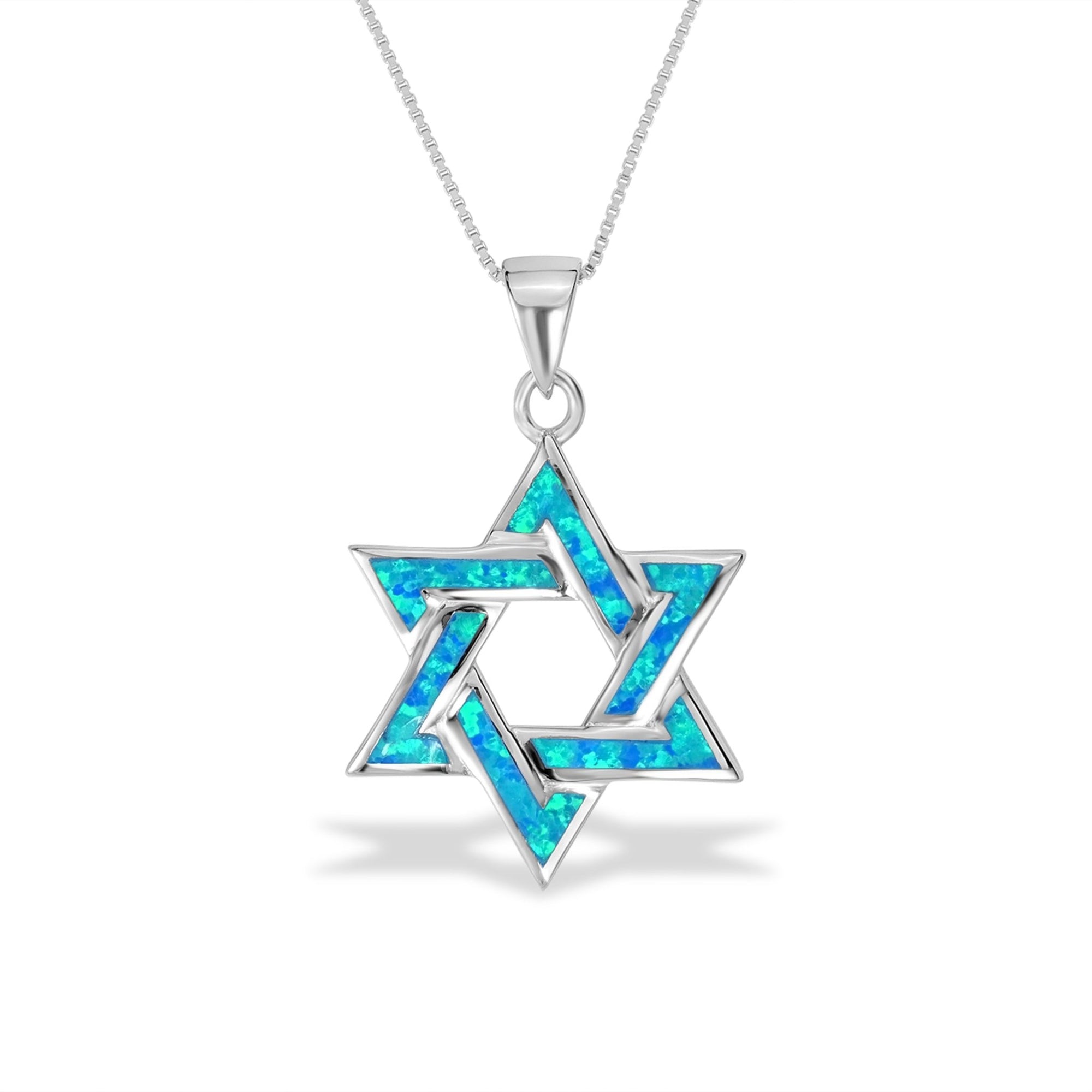
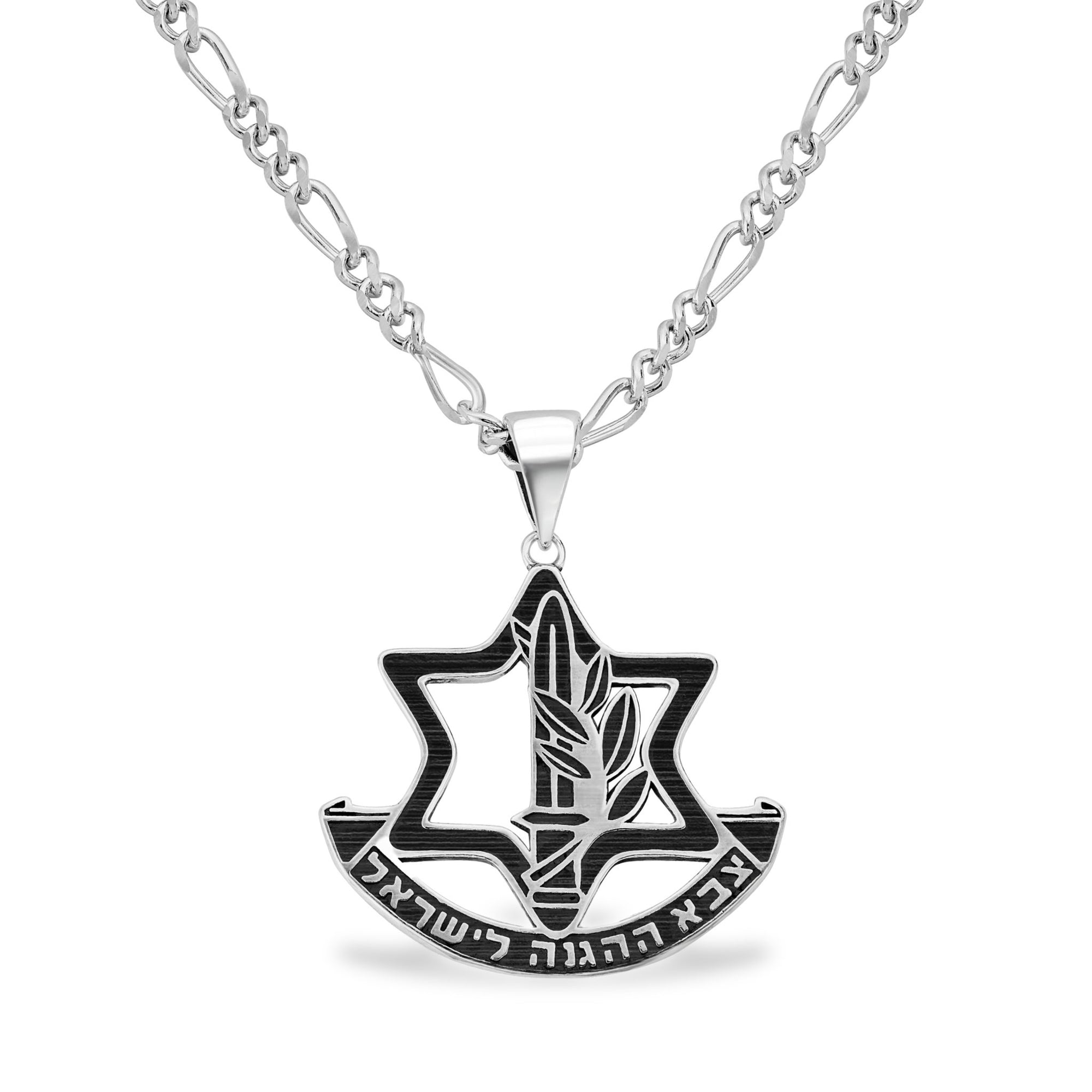
Modern makers honor that heritage while reimagining the form. You will find minimalist and delicate pendants, brushed or textured metals, curved and flowing lines, geometric and asymmetrical takes, gemstone settings, and mixed-material pieces. Because the hexagram stays readable at any scale, it works as a barely-there everyday pendant or as a bold centerpiece, in gold or silver, sometimes with opal and gemstone accents. The result is wearable art that moves easily between everyday wear and special occasions and lets each person express Jewish identity and faith in a modern idiom.
That expression took on added weight after October 7, 2023. Following the Hamas attacks and a global rise in antisemitism, sales of Star of David jewelry surged, with some retailers and designers reporting demand up 400 to 600 percent as Jews wore the symbol as an assertion of pride and resilience, while non-Jewish customers bought pieces in solidarity (Jewish News; The Forward).
If you want to wear that story, our Star of David jewelry collection gathers contemporary takes on the hexagram, from the delicate Shalom Star of David necklace to bolder statement pieces. Each one is designed to carry heritage in a form that feels personal and current, whether you are choosing it for yourself or as a meaningful gift.
Related
- Star of David meaning
- Star of David jewelry: designing with deep symbolism
- Top Jewish symbols and their meaning
Last updated July 2026.