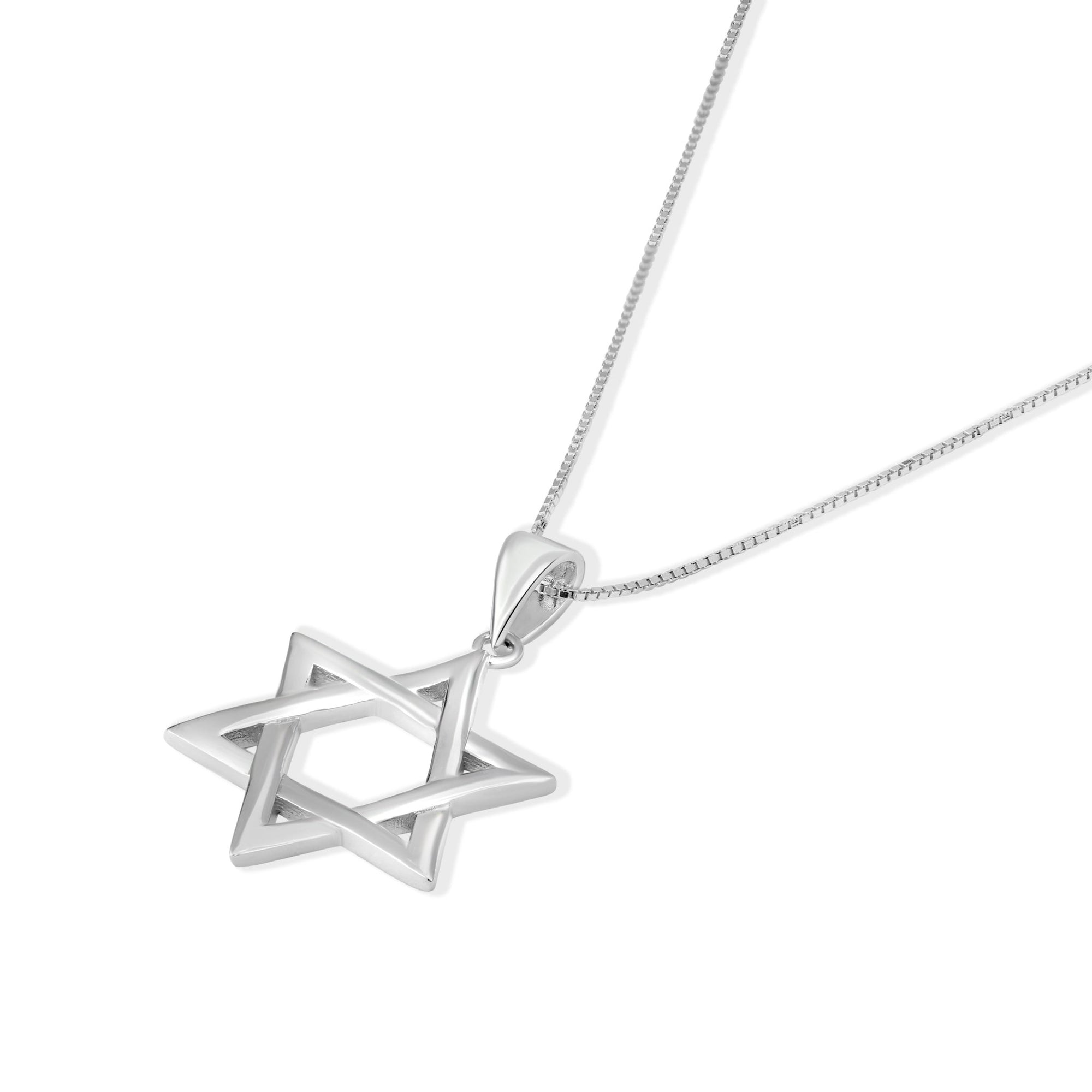


Short answer: The Star of David (Hebrew: Magen David, "Shield of David") is a six-pointed star made of two interlocking equilateral triangles, and it is the most widely recognized symbol of Judaism and the Jewish people (Jewish Virtual Library). In jewelry it carries layered meaning: Kabbalistic tradition commonly reads the two triangles as the union of opposites (heaven and earth, the divine and the human, giving and receiving), while the star as a whole stands for Jewish identity, peoplehood, protection, and connection to the land and State of Israel. Worth knowing for accuracy: despite the "David" name, the symbol has no biblical or Talmudic origin and became a distinctly Jewish emblem only in the medieval period (Wikipedia).
What the Star of David means
The Hebrew name Magen David translates as "Shield of David," tying the symbol by tradition (though not by any documented biblical text) to King David and the idea of divine protection. That is why so much Star of David jewelry carries a protective, "watch over me" feeling.
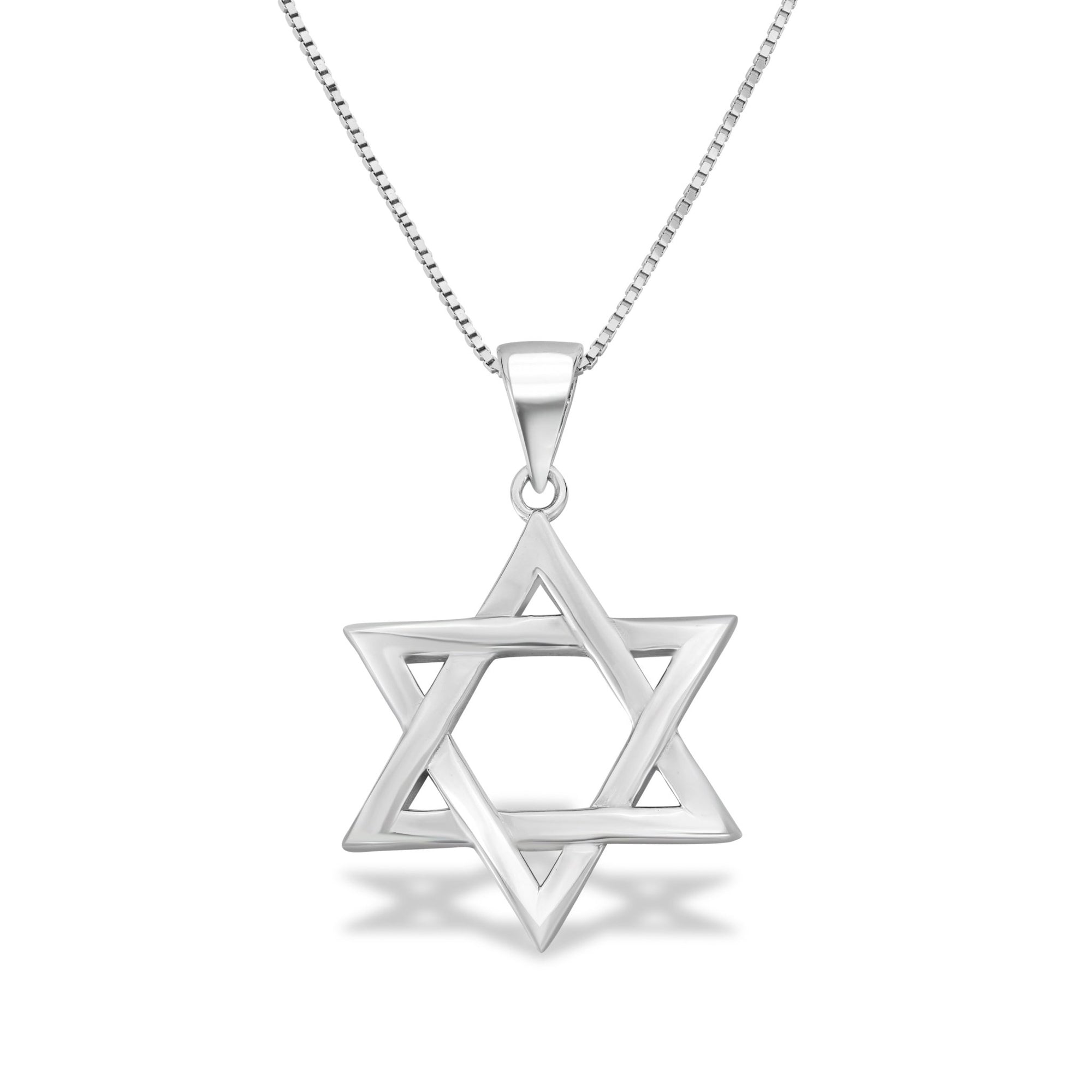
The geometry invites interpretation. Two equilateral triangles interlock, and Jewish mysticism has long read them as a meeting of opposites: the upward triangle for humanity's deeds rising toward God, the downward triangle for divine blessing flowing back to earth, or more broadly heaven and earth, spirit and matter, held in balance (Chabad.org). Other traditions count the six outer points as the six days of creation with the center as Shabbat, or link the twelve outer edges to the Twelve Tribes of Israel. These are cherished interpretive layers, valued for their depth, rather than a single official decoding, and the older idea that the star simply "represents harmony between heaven and earth" is best understood as one Kabbalistic reading among several.
Where the symbol really comes from
Here is the part that surprises many wearers. The six-pointed star (the hexagram) is far older than its Jewish meaning. In antiquity it appears as a decorative and sometimes magical motif across many civilizations, from Mesopotamia to India, the Iberian peninsula, and Britain, with no biblical or Talmudic authority behind it (Wikipedia). The historian Gershom Scholem traced how this once-generic shape only gradually became the Jewish emblem we know today (Commentary).
The turning point was medieval Prague. In 1354, Holy Roman Emperor Charles IV granted the city's Jewish community the right to bear its own flag, and it chose a six-pointed star, making Prague the first European Jewish community to use the Star of David as an official, legal emblem (Kafkadesk). From there the sign spread, and by the 17th century it served as the official seal of many Jewish communities across Europe and a general mark of Judaism (Wikipedia). Far from weakening its meaning, this history is what makes the star so rich: Jewish communities adopted it and made it their own.
From communal pride to national emblem
In 1897, around the First Zionist Congress in Basel, the Zionist movement adopted the Star of David as its emblem, cementing it as a modern symbol of Jewish national identity (Jewish Virtual Library). The same symbol also endured the darkest chapter of Jewish history. On November 23, 1939, the Nazi authorities decreed that Jews in occupied Poland must wear an armband bearing a blue Star of David, and the badge (later the yellow star, from September 1, 1941) was expanded across the Reich, weaponizing a symbol of pride as a mark of persecution (USHMM Holocaust Encyclopedia).
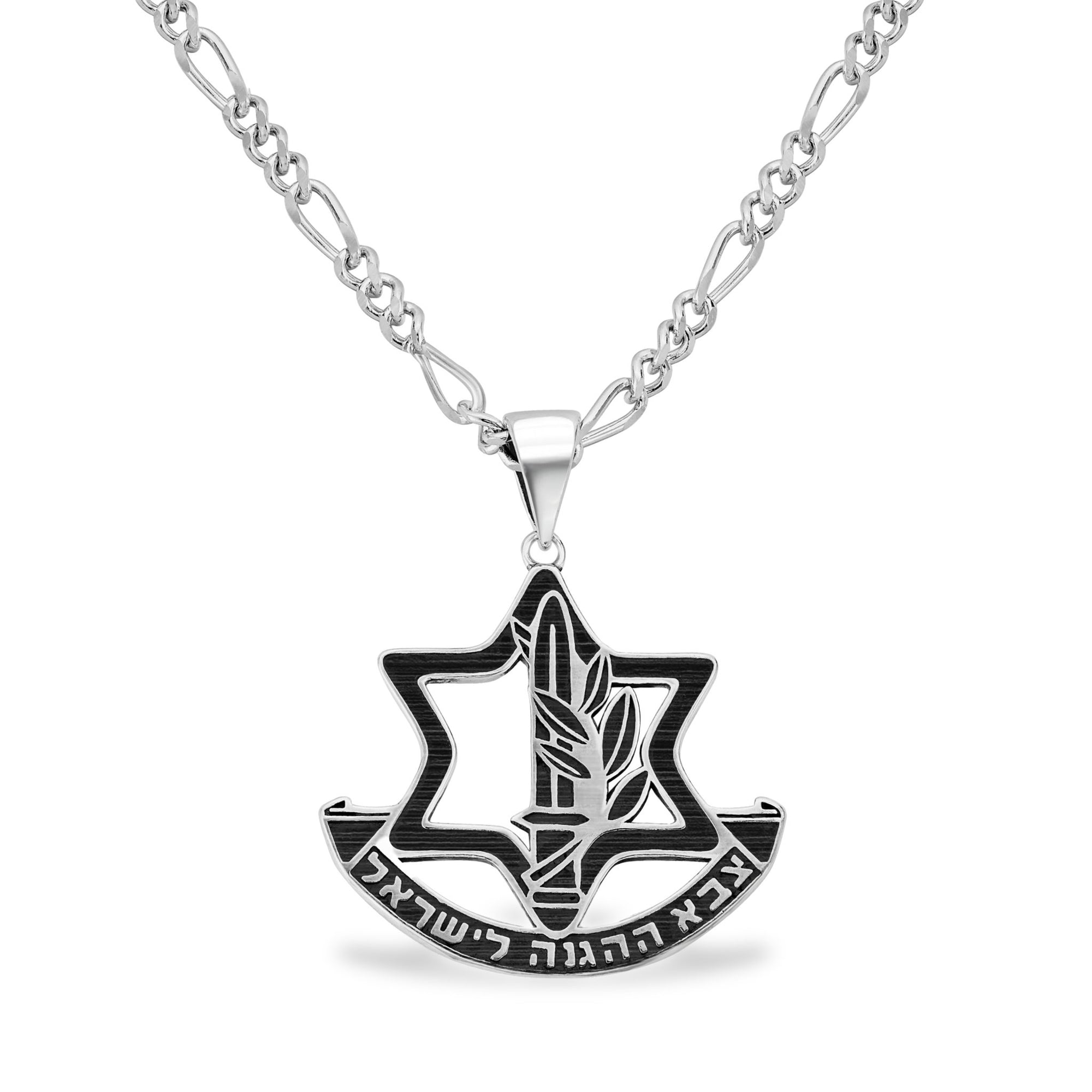
Three years after the war, the symbol returned in sovereignty. On October 28, 1948, months after Israel's founding, the Provisional Council of State adopted a flag with a blue Star of David between two blue stripes on white, a design evoking the tallit, or prayer shawl (Jewish Virtual Library). Today the same star also marks Magen David Adom, Israel's national emergency medical service. That arc, from communal pride to persecution and back to a national symbol, is why so many people describe Star of David jewelry as an act of visible, resilient Jewish identity.
Wearing the Star of David
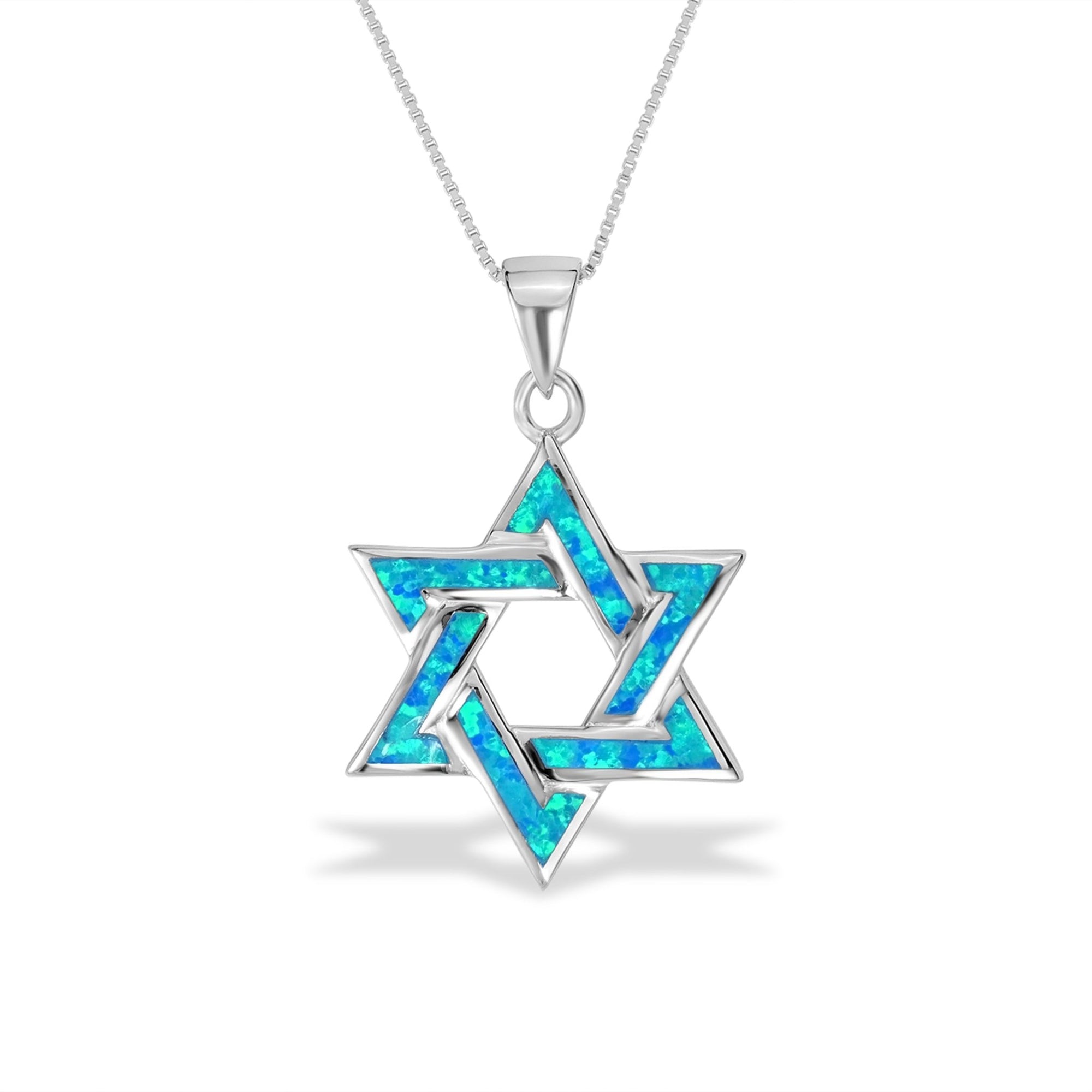
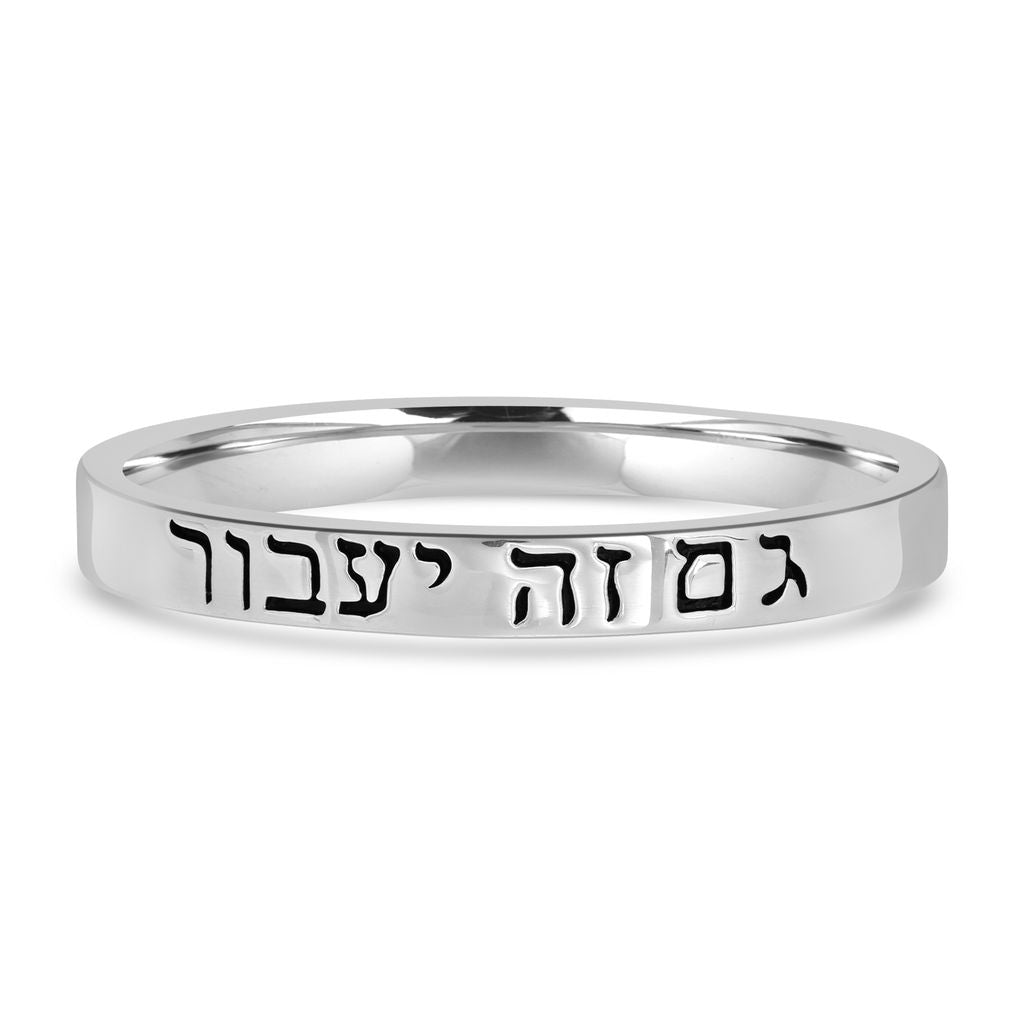
Because the meaning gathered over centuries, a Star of David pendant, ring, or charm lets a wearer carry the single most recognizable emblem of Jewish identity, peoplehood, and (through the "Shield of David" name) protection. If you are choosing a piece as a personal statement or a gift, our Star of David jewelry collection gathers designs from classic gold and silver pendants to opal accents and clean modern rings, so you can match the symbol's depth to a style you will actually wear every day.
A good rule for shopping (and for writing about it): lean into the real story. The heaven-and-earth and Kabbalistic readings are beautiful and worth knowing, but they are interpretation, while the history (Prague, the Zionist movement, the Israeli flag) is documented fact. A piece chosen with that understanding tends to mean more.
Related
- Star of David meaning
- Star of David jewelry: designing with deep symbolism
- Top Jewish symbols and their meaning
Last updated July 2026.