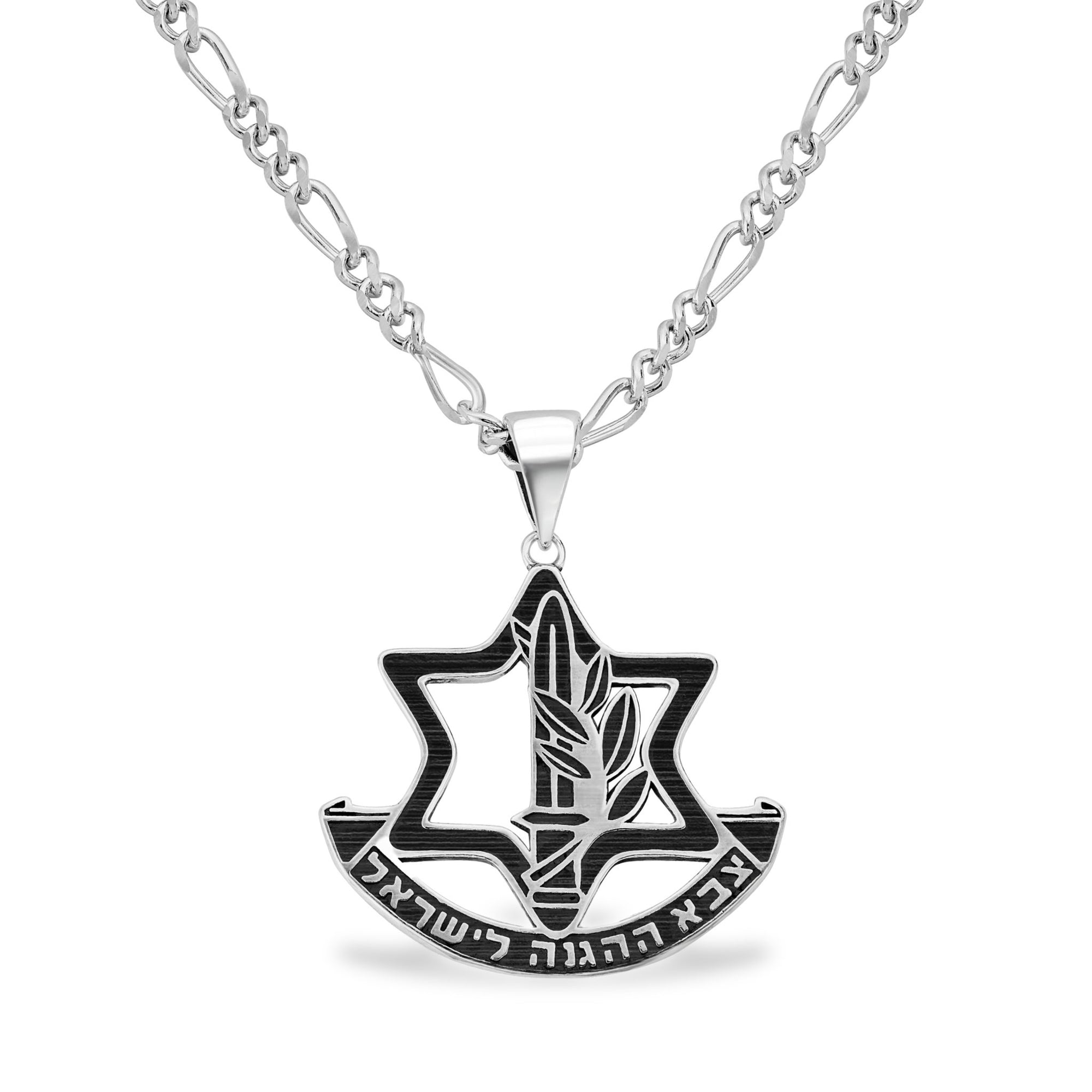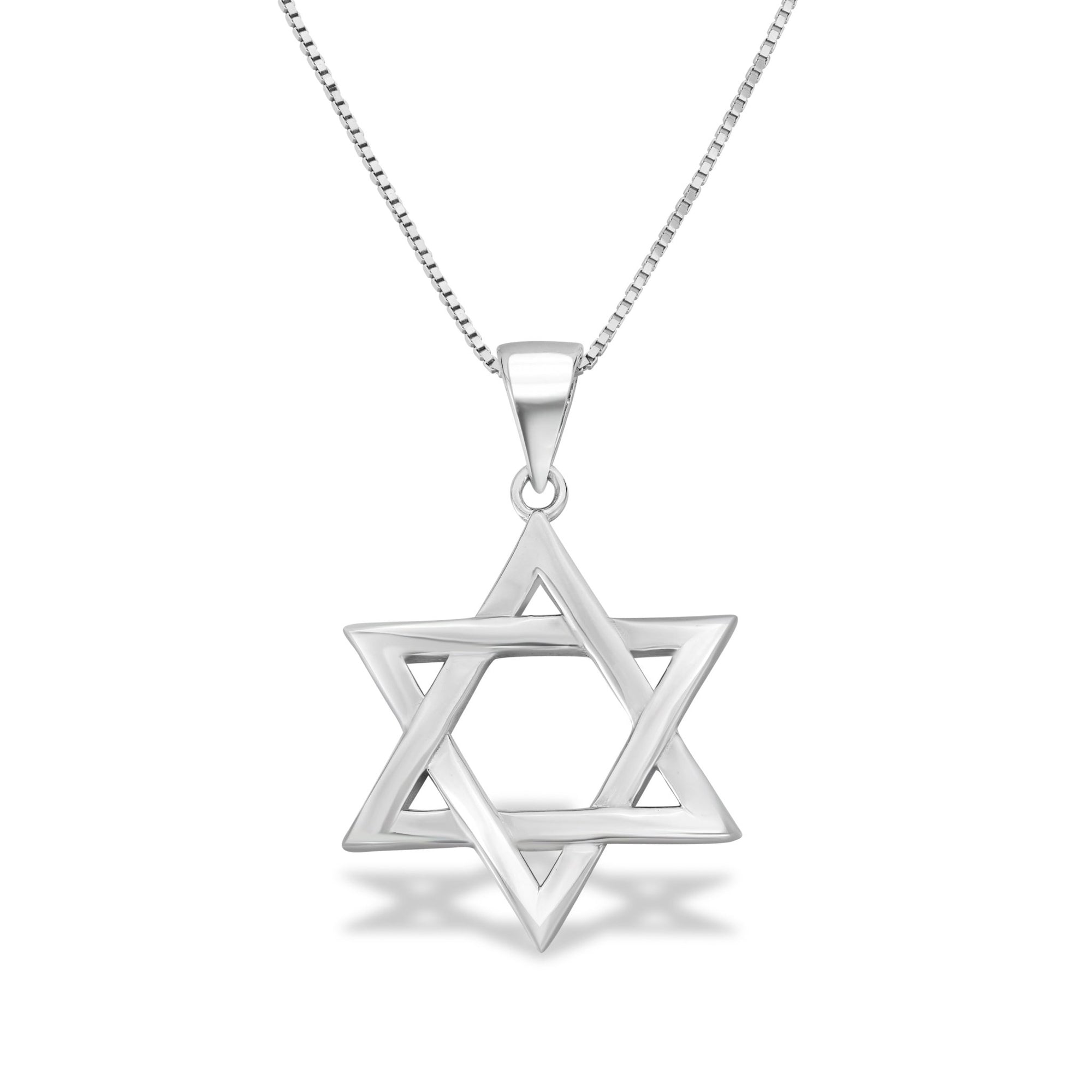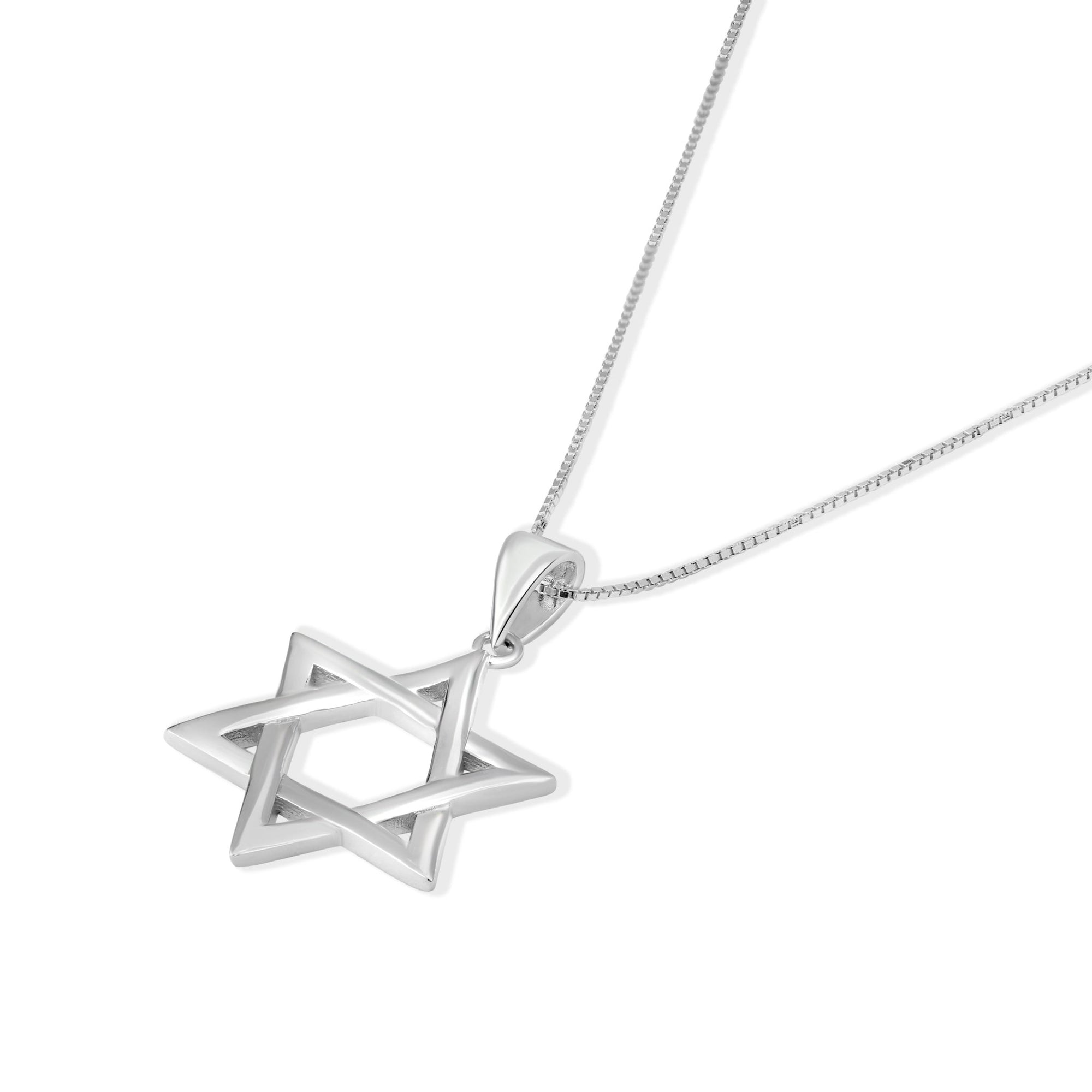


Short answer: The Star of David (Hebrew: Magen David, "Shield of David") is a six-pointed star formed by two overlapping equilateral triangles, and it is the most widely recognized symbol of Judaism, the Jewish people, and the State of Israel. Worn as jewelry, it is an emblem of Jewish identity, faith, heritage, and belonging, and many wearers also read it through Kabbalistic ideas of divine connection and protection. It is not commanded in the Torah and has no single official meaning, so its power comes from centuries of accumulated cultural and spiritual association rather than one fixed doctrine.
What the Star of David means
The symbol is built from two interlocking equilateral triangles that form a hexagram, a six-pointed star. Its Hebrew name, Magen David, translates to "Shield of David," a phrase tied to the idea of God as the protector of King David rather than to a literal shield he carried into battle. Unlike the menorah, the Star of David is not described or commanded anywhere in the Torah, which is why scholars treat its meanings as interpretive tradition rather than fixed law (Wikipedia, Star of David).
Several widely cited readings have grown up around it, and they are interpretations, not a single official doctrine. One Kabbalistic reading treats the six points as the six directions (north, south, east, west, up, and down) with the center standing for God's presence at the heart of the universe, an image of divine dominion over all creation. Another reads the two triangles as a meeting of opposites: the upward triangle for God, heaven, and the spiritual, the downward triangle for humanity, earth, and the material, joined to show they work together. Chabad's Kabbalistic teaching connects the overlaid triangles to the bond between God, the Torah, and Israel. Because the name means "shield," the symbol is also popularly associated with protection.
Origin and history
The hexagram itself is ancient and appears as a decorative motif across many cultures, including occasional early Jewish contexts such as a stone bearing a hexagram at the Khirbet Shura synagogue, but at that stage it carried no exclusively Jewish meaning. The earliest documented use of the symbol to represent a Jewish community comes in 1354, when Holy Roman Emperor Charles IV authorized the Jews of Prague to bear their own flag, a red banner with a gold hexagram. It is not known whether the community chose the symbol or it was assigned to them (Wikipedia, Star of David).
From Prague the emblem spread. It appeared on the title page of the first Hebrew book printed in the city in 1512, and by the 17th century it had become a firm, distinctive symbol of Judaism, reaching communities such as Vienna. In 1897 the First Zionist Congress adopted it as the central emblem of the Zionist movement, cementing it as a modern symbol of Jewish national revival.
The symbol also carries the weight of the darkest chapter of Jewish history. On September 1, 1941, Reinhard Heydrich ordered Jews over the age of six across the Reich and occupied territories to wear a yellow Star of David marked "Jude" in public, weaponizing the emblem to stigmatize and segregate (United States Holocaust Memorial Museum). The same star the Nazis forced onto Jews as a badge of persecution was later reclaimed as an emblem of survival and pride, and on October 28, 1948, the new State of Israel placed a blue Star of David at the center of its flag.
Wearing the Star of David today
In jewelry, the Star of David works primarily as a marker of Jewish identity, heritage, faith, family, and solidarity, and for many wearers as an expression of connection to Israel and the Jewish people. Because it is not a ritual object with legal restrictions, it can be worn by anyone, ideally with awareness of what it means to the Jewish people. That layered history of faith, memory, and belonging is exactly what a wearer carries when the star sits at the collarbone.
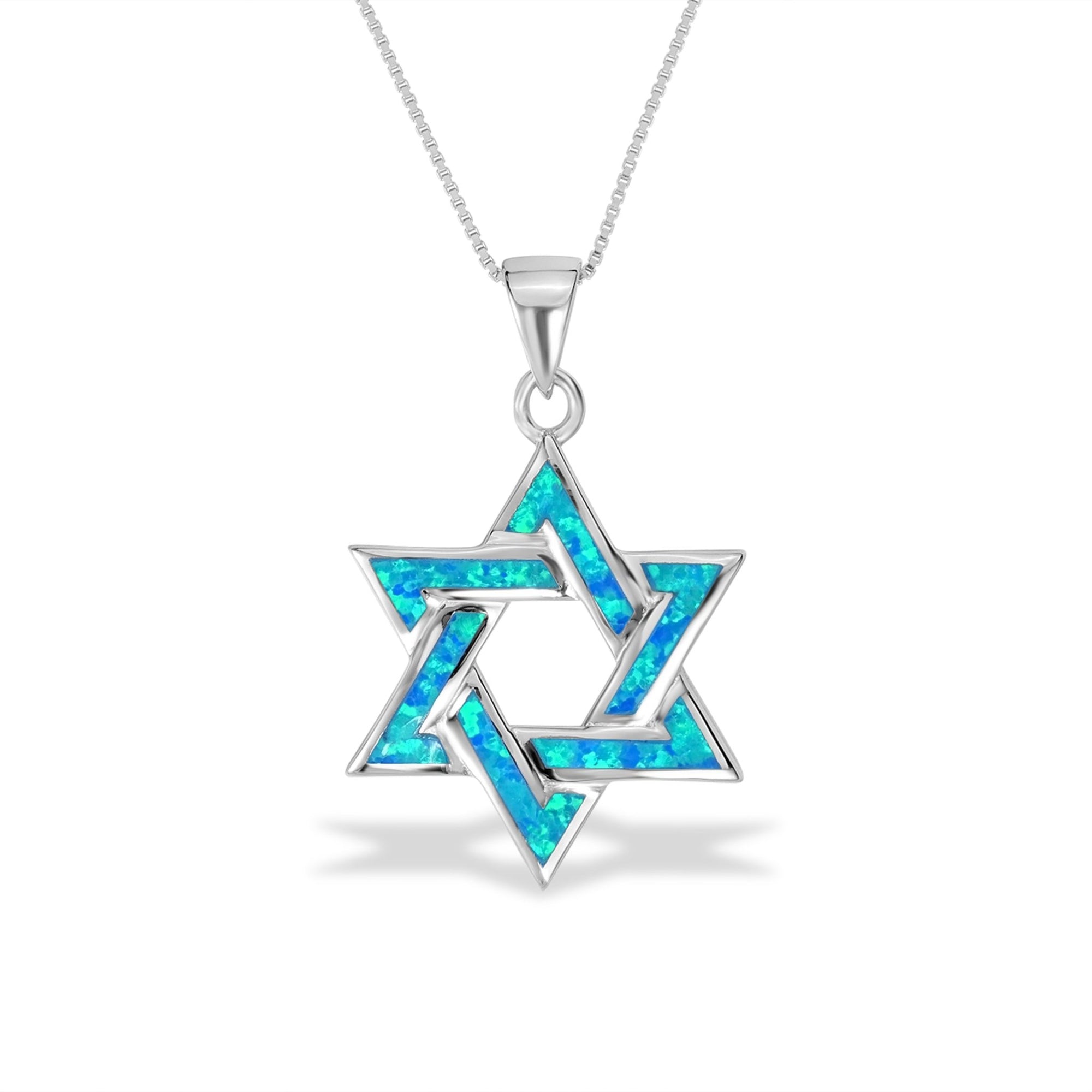
If you want a piece that holds that meaning, our Star of David jewelry collection gathers necklaces, rings, and more in classic and modern designs. A few starting points: the Shalom Star of David Necklace pairs the star with the Hebrew word for peace, the Eternal Star of David Ring keeps it simple enough to wear every day, and opal-set versions add color for a gift. Each carries the same emblem that runs from the Prague flag of 1354 to the flag of Israel.
Related
- The meaning of the Star of David
- Top Jewish symbols and their meaning
- Star of David jewelry: designing with deep symbolism
Last updated July 2026.