

Introduction to the Shofar and Its Cultural Roots
The Shofar: An Ancient Symbol of Jewish Heritage
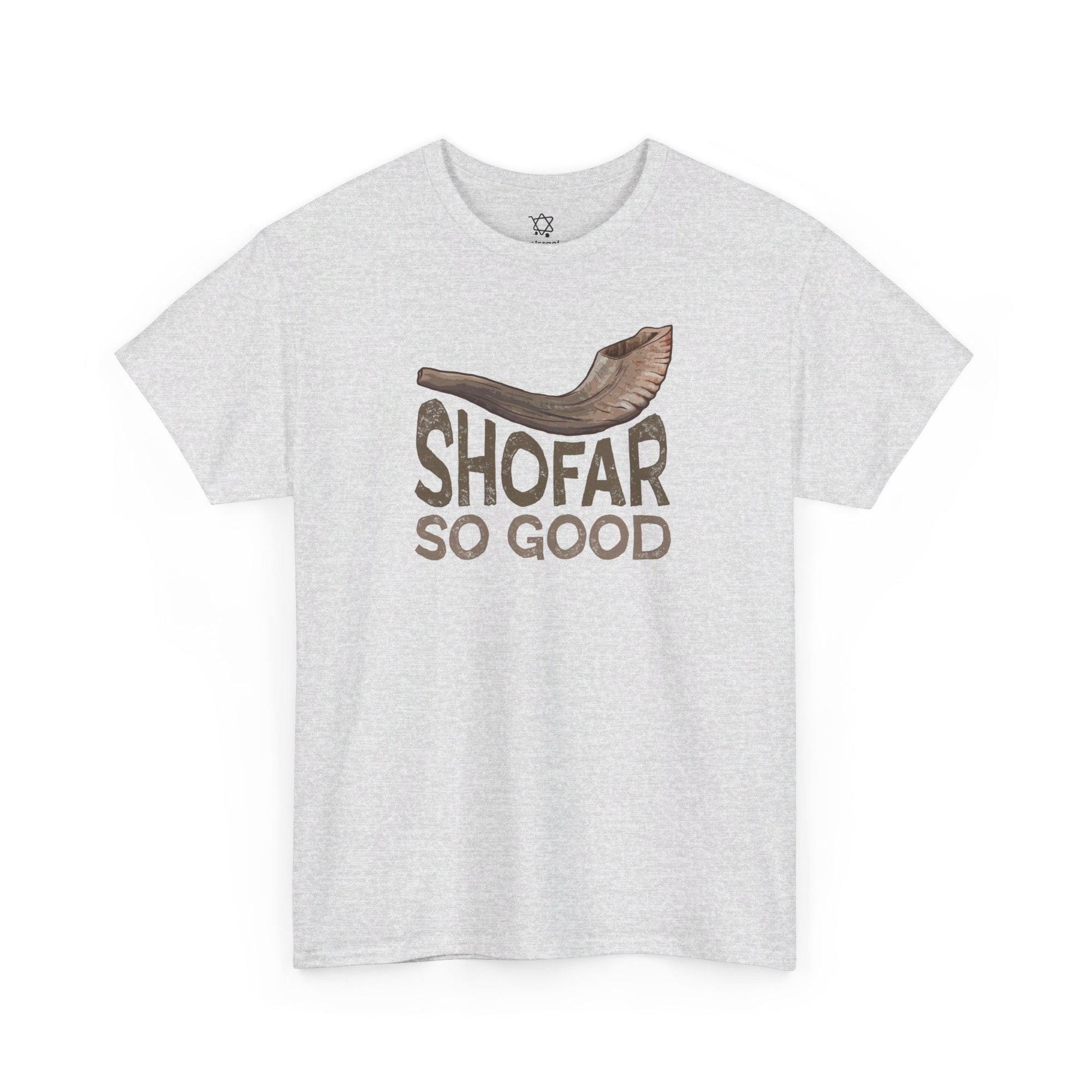
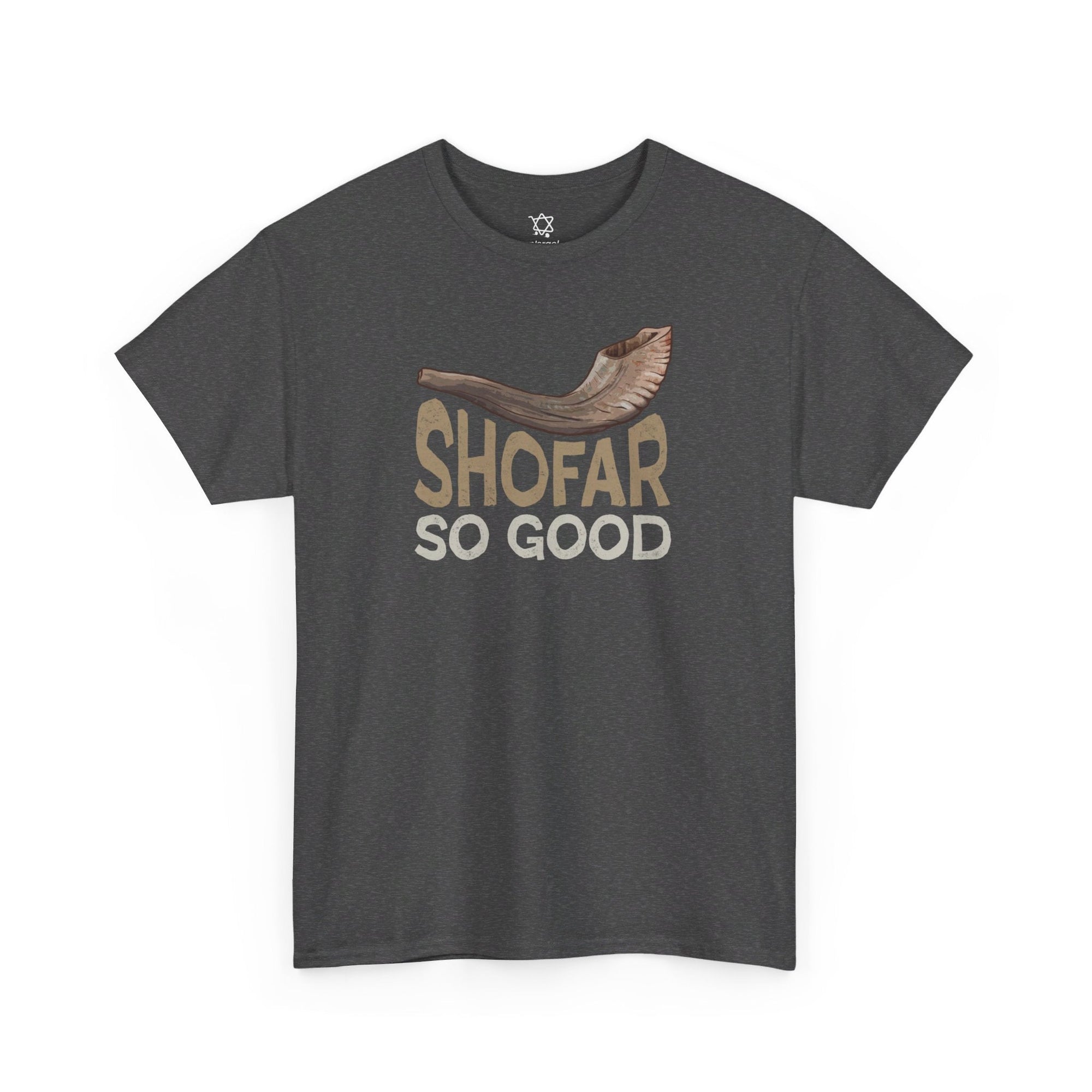
The shofar, a ram's horn, holds a profound place in Jewish culture and tradition. Used primarily during the High Holidays of Rosh Hashanah and Yom Kippur, it serves not only as a religious instrument but as a powerful symbol of Jewish identity and heritage.
Role in Jewish Life and Worship
Sounding the shofar is a deeply spiritual act that marks the Jewish New Year and calls the community to self-examination and repentance. Its piercing blasts are heard throughout the month of Elul leading up to the High Holidays, awakening the conscience and inspiring renewal.
Connection to Jewish Identity
The shofar connects modern Jewish communities to their ancient roots, recalling significant biblical events such as God's revelation at Mount Sinai and the Binding of Isaac. Its sound resonates with themes of divine kingship, faith, and the enduring covenant between God and the Jewish people.
Celebrated During the High Holidays
During Rosh Hashanah and Yom Kippur, the shofar blasts celebrate God's sovereignty and serve as spiritual alarms urging moral reflection. Its echo is a call to humility, hope, and the aspiration for redemption, weaving the individual’s journey with the collective story of the Jewish people.
The Spiritual and Religious Purpose of the Shofar
What is the purpose of the shofar in Jewish tradition?
The shofar, traditionally made from a ram's horn, holds deep spiritual significance in shofar symbolism. It is primarily used during the High Holidays, especially shofar during Rosh Hashanah and shofar on Yom Kippur, where it acts as a stirring call to spiritual awakening and self-reflection. This ancient horn's blasts echo biblical events, reminding Jews of their covenant with God and inviting them to reunite with divine commandments. More than a ceremonial instrument, the shofar symbolizes redemption, faith, and the pathway to renewal.
Role during Rosh Hashanah and Yom Kippur
On shofar and Rosh Hashanah, known as the "Day of Blowing," the shofar's sound crowns shofar and God's kingship over creation. It serves as a Shofar as a spiritual alarm clock, awakening individuals from complacency to examine their deeds during the Ten Days of Repentance. Its blasts are integral to synagogue services, following the Torah reading and Amidah prayers, encouraging communal and personal shofar and repentance. On Yom Kippur, the shofar signals the conclusion of the solemn fast, marking a renewed commitment to atonement.
Spiritual awakening and renewal
The shofar’s piercing call is designed to rouse the Jewish soul, stirring shofar and humility. Its sound recalls the shofar and prophetic voices urging righteousness, the shofar and destruction of the Temple as a call for renewal, and the hopeful promise of the shofar and Messianic hope. This ritual blasts open an inner space for reflection, inspiring individuals to return to a spiritual path and seek closeness to God.
Connection to divine commandments and repentance
Linked deeply with the revelation at Mount Sinai, where the Torah was given amid the sound of a shofar recalls Sinai revelation, it emphasizes the enduring importance of Torah study and obedience. The shofar's notes remind Jewish people of their responsibilities under the covenant and urge sincere repentance as they prepare for the Day of Judgment. It embodies a call to shofar and humility before God’s majesty and serves as a communal summons to moral renewal.
| Aspect | Symbolism | Spiritual Message |
|---|---|---|
| God's Kingship | Trumpet-like coronation blast | Recognition of shofar symbolizing God's sovereignty |
| Repentance | Awakening call | Encouragement to self-examination |
| Revelation at Sinai | Divine communication | Commitment to Torah and commandments |
| Faith and Devotion | Shofar as Abraham's ram | Emulating sacrifice and trust in God |
| Messianic Hope | Foreshadowing redemption | Anticipation of national and spiritual renewal |
The Biblical Origins and Significance of the Shofar
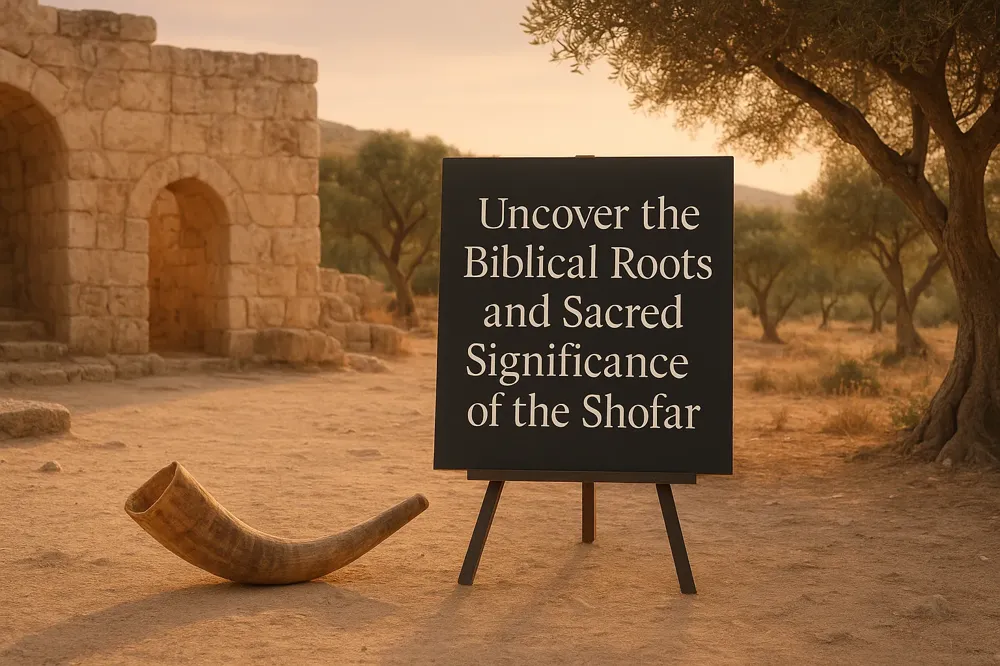
What is the biblical significance of the shofar?
The shofar, a ram's horn, carries deep biblical roots, symbolizing shofar symbolism and shofar in Jewish tradition, shofar during Rosh Hashanah, and shofar and God's kingship. Its origins trace back to the Torah, where it figures prominently in sacred ceremonies and moments of national importance.
Biblical references to the shofar
Throughout scripture, the shofar in the Bible is mentioned repeatedly. It was blown to summon the Israelites to worship and to announce divine presence, notably at shofar recalls Sinai revelation during the giving of the Torah. The sound of the shofar accompanied pivotal events, such as battles where its blast signaled victory, and royal coronations, marking shofar and God's kingship.
Its symbolism in scripture
The shofar's blast is likened to the trumpet sounds of a coronation, proclaiming shofar and Messianic hope and shofar symbolizing God's sovereignty of the universe during shofar during Rosh Hashanah. It serves as a spiritual alarm calling for shofar and repentance, shofar and humility, and reflection, particularly during the High Holiday season. It also recalls shofar and prophetic voices urging righteousness and adherence to God's commandments.
Role in divine revelation and key biblical events
Significantly, the shofar recalls shofar recalls Sinai revelation, where its powerful blast heralded the giving of the Torah. This sacred moment underpins Jewish commitment to the covenant and commandments. The shofar also announces the shofar and Day of Judgment and foreshadows shofar and Messianic hope, embodying hope for restoration and spiritual renewal.
Connection to the Binding of Isaac and Mount Sinai
The ram's horn symbolizes the ram Abraham sacrificed instead of his son Isaac, exemplifying faith and total devotion to God. This crucial biblical narrative highlights shofar as Abraham's ram, underscoring shofar and humility and the power of faith. Together with its association with Mount Sinai, the shofar blends themes of covenant, sacrifice, and divine revelation that define Jewish spiritual life.
In summary, the shofar's biblical shofar symbolism resonates with calls to faith, repentance, humility, and hope. It links the Jewish people to their sacred history and to God’s enduring presence as they prepare spiritually for the new year and eternal redemption.
Why Hearing the Shofar Is Integral to Jewish Observances
Why is it important to hear the shofar during Rosh Hashanah during Jewish observances?
Hearing the shofar is central to the Jewish High Holidays, especially Rosh Hashanah and Yom Kippur, because it proclaims shofar and God's kingship, much like the shofar trumpet-blasts of king's coronation. This sacred sound serves as a Shofar as a spiritual alarm clock, awakening Jews from spiritual slumber and urging them to engage in deep self-examination and shofar and repentance during the Ten Days of Awe.
Role as a spiritual alarm during the High Holidays
The shofar's call is neither merely ceremonial nor decorative—it acts as a profound wakeup call. It shofar stirring conscience, encouraging individuals and communities to reflect on their deeds and renew their commitment to ethical living and faithfulness to Torah scroll.
Call for repentance and self-examination
During these pivotal days, the shofar reminds the Jewish people to shofar promoting repentance. It revives the memory of shofar recalling Sinai revelation, encouraging renewed dedication to Torah study and righteous behavior while recalling the shofar and prophetic voices who called for justice and moral integrity.
Communal and individual significance
The sounding of the shofar holds deep meaning both for individuals and for the collective Jewish community. It symbolizes a shared spiritual journey, linking each person to the centuries-old tradition and to one another. This communal experience strengthens identity, faith, and hope for divine mercy and renewal.
By fulfilling the mitzvah of hearing the shofar, Jews connect their personal penitence to the communal call to holiness and the promise of redemption.
The Ritual of Blowing the Shofar: Meaning and Practice
What is the reason for blowing the shofar in Jewish faith?
Blowing the shofar symbolism holds rich spiritual significance in Jewish tradition. It commemorates the Ram’s horn and the binding of Isaac, symbolized by the shofar as Abraham's ram, embodying unwavering faith and devotion to God. The shofar is not only a historical reminder but also a spiritual call to action.
Connection to the Binding of Isaac
The shofar made from ram's horn recalls the moment when Abraham offered his son Isaac as a sacrifice, only for a ram to be provided by God in his place. This story exemplifies ultimate faith and sacrifice, qualities deeply revered within Jewish heritage. Each blast echoes this profound commitment and inspires reflection on personal faith.
Renewal of commitment at Mount Sinai
The shofar’s sound also recalls the shofar recalls Sinai revelation, where God gave the Torah to the Jewish people. This event is foundational, underscoring the importance of the Torah and adherence to its commandments. The shofar invites individuals and the community to renew their dedication to living by these sacred teachings.
The Ten Days of Repentance and spiritual awakening
During shofar during Rosh Hashanah and the following Ten Days of Repentance, the shofar acts as a spiritual alarm, awakening conscience and encouraging ethical introspection. Its stirring blasts urge a turning of the heart toward repentance and self-improvement. This period is a sacred time to evaluate one’s deeds, seek forgiveness, and embrace renewal.
Through its powerful sound, the shofar bridges past and present, urging shofar and humility before God’s majesty and inspiring hope for shofar and Messianic hope and restoration. It remains a treasured symbol of Jewish resilience, identity, and spiritual awakening.
| Aspect | Symbolism | Spiritual Message |
|---|---|---|
| Binding of Isaac | Faith and devotion | Commitment to God’s will |
| Revelation at Sinai | Torah and commandments | Renewal of spiritual dedication |
| Ten Days of Repentance | Call to repentance | Ethical introspection and growth |
| Rosh Hashanah | shofar and God's kingship | Awe, humility, and renewal |
The Shofar's Deep Spiritual Symbolism
What does blowing the shofar symbolism spiritually?
The blowing of the shofar is a profound spiritual act deeply woven into Jewish tradition, especially during shofar during Rosh Hashanah, the Jewish New Year. It awakens the soul, serving as a call to shofar and repentance, introspection, and renewal. Each blast resonates as an urgent message to the heart, encouraging individuals to reflect on their deeds and recommit to a righteous path.
How does the shofar connect to repentance, reflection, and renewal?
The shofar symbolism call stirs the conscience during the High Holidays, marking a time for sincere contrition and change. It echoes the shofar and prophetic voices urging the Jewish people to return to God, reinforcing the importance of shofar and humility and moral accountability. This spiritual alarm signals the opportunity for personal and communal renewal, reminding us of the shofar and Day of Judgment and the hope for redemption.
What are the different types of shofar sounds and their meanings?
The shofar produces distinctive blasts, each embodying unique spiritual symbolism:
- Tekiah: A long, pure blast symbolizing a shofar and God's kingship coronation trumpet acknowledging God's sovereignty.
- Shevarim: Three medium, wailing sounds representing brokenness and heartfelt crying for spiritual awakening.
- Teruah: A series of short staccato blasts expressing alarm and urgency to alter one's ways.
These sounds are combined in patterns during the service, reinforcing their messages of awakening and reflection. See also the shofar sounds: Tekiah, Shevarim, Teruah.
How does the shofar commemorate faith and devotion?
Crafted traditionally from a Ram's horn, the shofar recalls the shofar as Abraham's ram, the ram sacrificed by Abraham instead of his son Isaac, epitomizing faith, self-sacrifice, and devotion to God. Its sound links the community to a shared heritage, recalling shofar recalls Sinai revelation, the shofar and destruction of the Temple, and the anticipated coming of the Messiah (shofar and Messianic hope). The shofar thus becomes a powerful emblem of spiritual resilience, faith, and the eternal covenant between God and the Jewish people.
The Mystical and Eschatological Dimensions of the Shofar
What is the spiritual meaning of blowing the shofar?
The blowing of the shofar symbolism carries profound spiritual significance in Jewish tradition. It symbolizes the acknowledgment of shofar and God's kingship, recalling the image of divine coronation. This powerful sound awakens the soul, urging every individual to reflect, repent, and renew their spiritual connection with the Divine. The shofar’s call is a stirring summons for shofar and repentance, especially resonant during the High Holidays of shofar during Rosh Hashanah and Yom Kippur.
Historically, the shofar’s blast recalls shofar recalls Sinai revelation, when the Torah was given, marking a foundational moment of covenant and divine communication with Israel. This imagery links the shofar with moral awakening, calling Jews to righteous living, humility, and adherence to God’s commandments.
How does the shofar relate to God's sovereignty and ultimate kingship?
The sound of the shofar parallels the trumpets of a shofar trumpet-blasts of king's coronation, proudly declaring God as the ultimate sovereign over the universe. Rosh Hashanah, the Jewish New Year, is seen as the anniversary of creation and the day God reigns as King. Thus, the shofar proclaims the eternal sovereignty of God, reminding all to stand humbly before Him, recognizing shofar symbolizing God's sovereignty and shofar and humility.
What is the shofar’s role in Jewish eschatology and messianic hope?
In Jewish eschatology, the shofar heralds the coming of the shofar and Messianic hope. Its blasts symbolize hope for redemption, the final gathering of Jewish exiles from around the world, and the establishment of God's reign of peace and justice. The prophetic shofar calls to spiritual awakening and collective renewal, inspiring the Jewish people to prepare for the Messianic age through repentance and faith.
The shofar’s piercing cry is the sound of hope — a primordial call of the soul yearning to return to its Creator and unite all creation under Divine kingship. It foreshadows the shofar and Day of Judgment and ultimate redemption, rallying Jewish hearts toward a collective future filled with light, justice, and spiritual harmony.
How does the shofar inspire spiritual awakening and a collective future vision?
The loud, resonant blasts cut through spiritual slumber, awakening conscience and stirring deep inner reflection. The shofar’s sound is reminiscent of shofar and prophetic voices calling for righteousness, repentance, and return to sacred values. It urges a communal responsibility to uphold the covenant with God and to embrace a vision of collective redemption.
By hearing the shofar, Jewish communities around the world are reminded of their shared history, enduring faith, and hopeful future. Its blasts define both individual and collective awakening — inspiring communities to build a better world, united in the knowledge of shofar symbolism and the promise of a redeemed era led by Israel as a light to the nations.
The Shofar and the Temple Mount: A Symbol of Sovereignty
What does it mean if the shofar is blown on the Temple Mount?
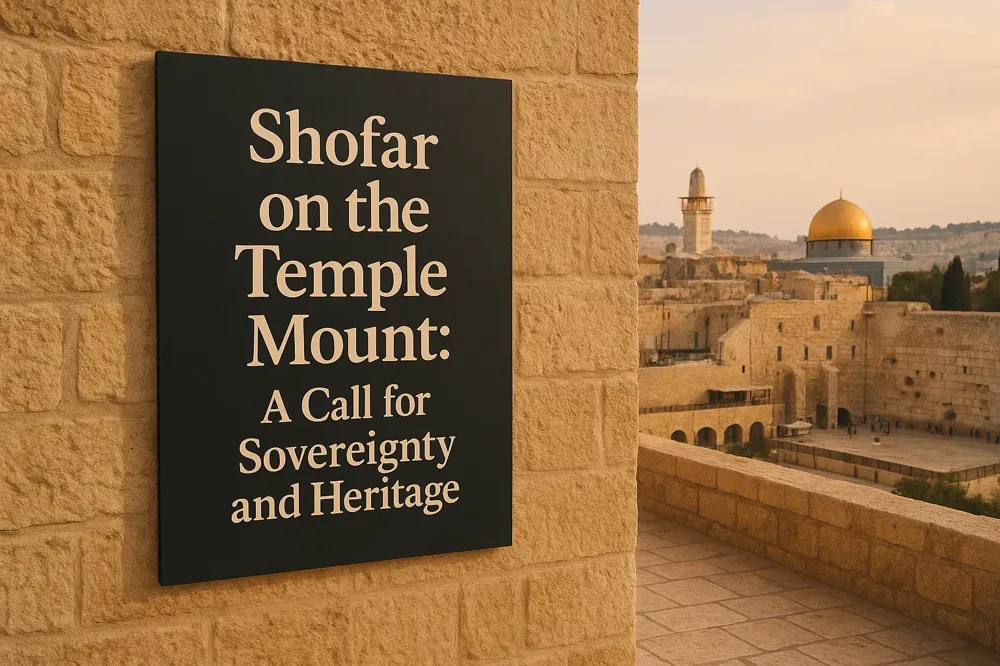
Blowing the shofar on the Temple Mount is a profound declaration of shofar and God's kingship of the universe. This act echoes the ancient tradition of using horn blasts to announce a king's coronation, linking the signal to divine and earthly authority. Historically, the shofar has been an instrument of spiritual awakening, shofar and repentance, and renewal, rooted in biblical narratives like the binding of Isaac and the shofar recalls Sinai revelation.
Connection to ancient traditions of kingship
The shofar’s sound recalls the coronation of kings, symbolizing God as the ultimate ruler. In the Bible, shofar blasts accompanied key moments such as the anointing of kings or rallying of armies. This ancient association adds weight to its sounding on the Temple Mount, which was the location of the First and Second Temples—central places of Jewish worship and royal presence.
Spiritual renewal and national unity
Blowing the shofar on the Temple Mount is a stirring call for spiritual renewal and collective repentance, especially during the High Holidays of shofar during Rosh Hashanah and Yom Kippur. It reminds the Jewish people of their shared heritage and Covenant between God and Jewish people, inspiring unity and hope for redemption. It serves to awaken hearts towards shofar and humility, accountability, and a renewed commitment to Torah values.
Historical and contemporary significance
Throughout history, the shofar has symbolized faith, devotion, and God’s ongoing kingship. Today, when sounded on the Temple Mount, it bridges ancient traditions with modern aspirations for peace and national revival. It resonates deeply with Jewish resilience and the enduring hope for the shofar and Messianic hope—a future where Jerusalem shines as a beacon of divine light and global righteousness.
The Historical Use of the Shofar in Jewish Life and Warfare
What role did the shofar play in biblical battles?
The shofar served as a powerful signal-horn during biblical battles, announcing warnings and summoning warriors to action. Notably, the blast of the shofar at the battle of Jericho famously led to the miraculous fall of the city’s walls. It was also used by Gideon’s army to defeat Midian, where the startling trumpet blasts caused confusion and victory. This historical use underlines the shofar’s role as both a psychological weapon and a divine herald in warfare.
How was the shofar used in royal ceremonies and national events?
The shofar's sound was akin to shofar trumpet-blasts of king's coronation, symbolizing shofar symbolizing God's sovereignty and kingship. It featured prominently in royal ceremonies, such as shofar in kings' coronations and national calls to assembly, marking Israel’s collective identity and divine mandate as a nation chosen by God. These occasions underscored the shofar as a symbol of leadership, unity, and God’s rule over the people.
What is the connection between the shofar and divine presence or victory?
Throughout Jewish history, the shofar has been closely connected to moments of shofar recalling divine revelation at Sinai. At Mount Sinai, its blast announced God's revelation to the Israelites, symbolizing a direct contact with the Divine. On the battlefield, the shofar's sound was believed to invoke God’s help and signal imminent victory over adversaries. It acts as a Shofar as a spiritual alarm clock, rallying people towards repentance and awareness of God’s mighty power.
How did the use of the shofar transition from ancient to modern practices?
Originally an instrument of war and divine revelation, the shofar’s role evolved into a vital ritual symbol during the Jewish High Holidays of shofar during Rosh Hashanah and shofar on Yom Kippur. Modern practices continue the tradition of public blowing, extended by movements like the 70 Years of Bringing Shofar to the Streets to bring the shofar’s sound to diverse Jewish communities worldwide. Its resonance now also represents spiritual awakening, repentance, and hope for redemption, blending ancient heritage with contemporary expressions of Jewish identity and faith.
Shofar in Contemporary Jewish Life: Community and Renewal
The Shofar Campaign initiated by Rabbi Menachem M. Schneerson
In 1953, Rabbi Menachem M. Schneerson, the Rebbe, spearheaded the Shofar Campaign initiated by Rabbi Menachem M. Schneerson as a visionary effort to bring the mitzvah of hearing the shofar beyond synagogue walls.
Bringing the shofar to everyday public spaces
This campaign extended the resonant call of the shofar to street corners, parks, hospitals, prisons, elder-care facilities, and military bases. The public sounding connects Jews wherever they are, imbuing the High Holiday spirit in everyday environments.
Inclusivity of the practice for all Jews
Central to the campaign's mission is its inclusivity. It reaches Jews who might otherwise be isolated or unable to gather in traditional religious settings, ensuring every individual can experience this powerful tradition, including the sick and incarcerated.
Continued relevance in American Jewish communities
Decades later, the campaign thrives in cities like Chicago and Los Angeles. It not only preserves the tradition but invigorates Jewish communal life, reflecting a shared responsibility and pride that strengthens Jewish identity within the diaspora.
The ongoing practice of blowing the shofar publicly affirms the enduring role of Jewish heritage symbols in contemporary culture, fostering unity and renewal across generations.
The Shofar Among Jewish Symbols: Identity and Heritage
What are some well-known Jewish symbols and their meanings?
Jewish symbols are deeply woven into cultural and spiritual life, each carrying profound significance. The Star of David, or Magen David, stands out as a symbol of Jewish identity and protection. The kippah (yarmulke) is traditionally worn as a gesture of reverence to God's presence. Challah bread is inseparable from the Sabbath, symbolizing divine sustenance and the continuity of Jewish labor and tradition. Wedding rituals often feature the ketubah, a marriage contract underscoring familial responsibilities and commitment. Lighting Shabbat candles initiates the sacred day with peace and divine illumination. Beyond symbols, historical treasures like the Dead Sea Scrolls connect Jewish spiritual heritage with messianic hopes and theological depth from the Second Temple era.
What is the meaning of the Star of David as a Jewish symbol?
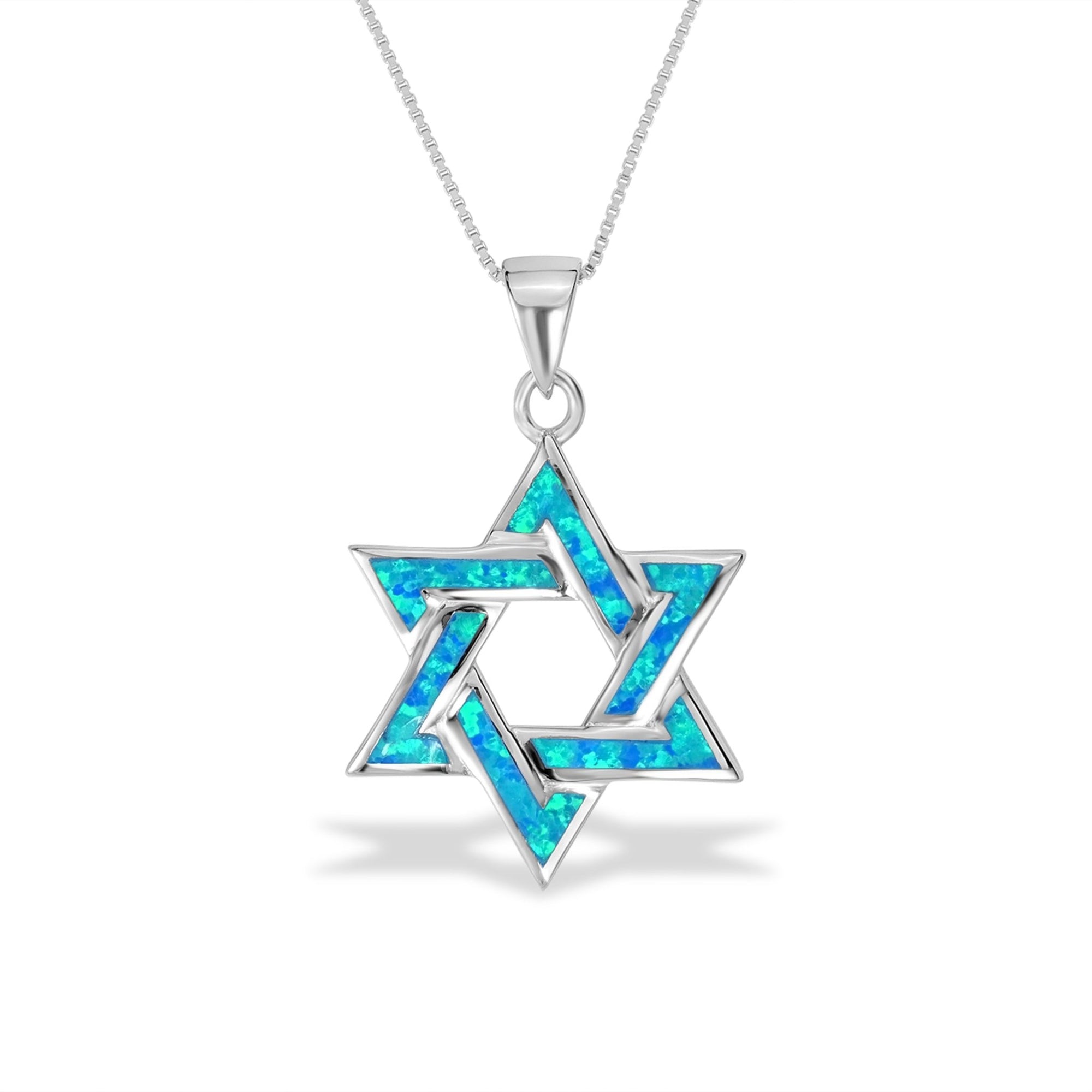
The Star of David is a visual emblem featuring two interlocking triangles that form a hexagram. This shape has been historically used as a protective amulet and has come to symbolize Jewish pride, unity, and resilience. It reflects the spiritual bond between God, the Jewish people, and the Land of Israel. Emerging as an emblem of Zionism and national identity, it graces the Israeli flag and represents Jewish heritage worldwide.
How does the shofar uniquely represent Jewish faith and heritage?
Among these powerful symbols, the shofar holds a unique role. Crafted from a ram's horn, the shofar's sound reverberates with themes of shofar and repentance, shofar and God's kingship, shofar during Rosh Hashanah and Yom Kippur. It recalls the Binding of Isaac, symbolizing faith and sacrifice, while its blasts call to spiritual awakening and moral reflection.
Unlike static symbols, the shofar is a living voice—blown in communal gatherings, it engages the senses and stirs the soul. It echoes the revelation at Mount Sinai through shofar recalls Sinai revelation, and shofar and prophetic voices, linking past heritage with present spiritual life. The shofar's sounds also herald hope for redemption and the shofar and Messianic hope, strengthening Jewish identity and resilience.
How do these symbols express Israeli pride and Jewish culture?
Jewish symbols like the Star of David, menorah, and shofar collectively express a tapestry of faith, history, and national pride. They are embraced by diaspora communities and Israelis alike as visual affirmations of peoplehood. Wearing or displaying these symbols, whether in jewelry, art, or ceremonial use, connects individuals to shared heritage and values.
The shofar's role in Israeli and Jewish diaspora culture goes beyond its ritual function—it is a sonic emblem of perseverance and spiritual awakening. Initiatives that bring the shofar to public spaces demonstrate how sacred tradition is blended with contemporary expressions of Jewish solidarity, pride, and identity. For more on the impact of public shofar sounding, see 70 Years of Bringing Shofar to the Streets.
Together, these symbols tell the enduring story of the Jewish people: a story of faith, continuity, and hope that resonates deeply in hearts around the world.
Conclusion: The Shofar’s Enduring Legacy in Jewish Culture
The Shofar: A Timeless Voice in Jewish Heritage
The shofar stands as a profound symbol embedded deeply in Jewish spirituality and history. Its blasts echo divine kingship, reminding us of God’s sovereignty during Rosh Hashanah, and stir the conscience to repentance and self-reflection during the High Holidays.
This ancient ram’s horn recalls sacred moments such as the revelation at Mount Sinai and the Binding of Isaac, embodying faith, devotion, and the covenant between God and the Jewish people. It also mourns the destruction of the Temple in Jerusalem, inspiring hope for renewal and the coming of the Messianic era.
Beyond its spiritual resonance, the shofar unites Jewish communities worldwide. From streets and hospitals to synagogues, the communal sounding of the shofar fosters collective identity, resilience, and continuity. The Rebbe’s Shofar Campaign exemplified this spirit, making the mitzvah accessible to all Jews regardless of circumstance.
Today, the shofar continues to be a living tradition—binding past to present, offering a call to moral awakening, humility, and renewal. It remains a poignant emblem of Jewish pride, faith, and the unbroken story of a people dedicated to their heritage and future.
| Aspect | Meaning | Contemporary Relevance |
|---|---|---|
| Spiritual Symbolism | Divine kingship, repentance, revelation | Inspires moral reflection and renewal |
| Historical Roots | Sinai revelation, Binding of Isaac, Temple destruction | Connects Jews to shared ancestral heritage |
| Community Role | Communal mitzvah, accessibility | Unites Jewish people in diverse settings |
| Eschatological Hope | Messianic era and redemption | Embodies hope and collective future vision |
The shofar’s sound is not only a blast into the past; it is a vibrant call for Jewish life today and generations to come.