

Introduction to the Shofar: An Ancient Instrument with Timeless Meaning
What is the Shofar?
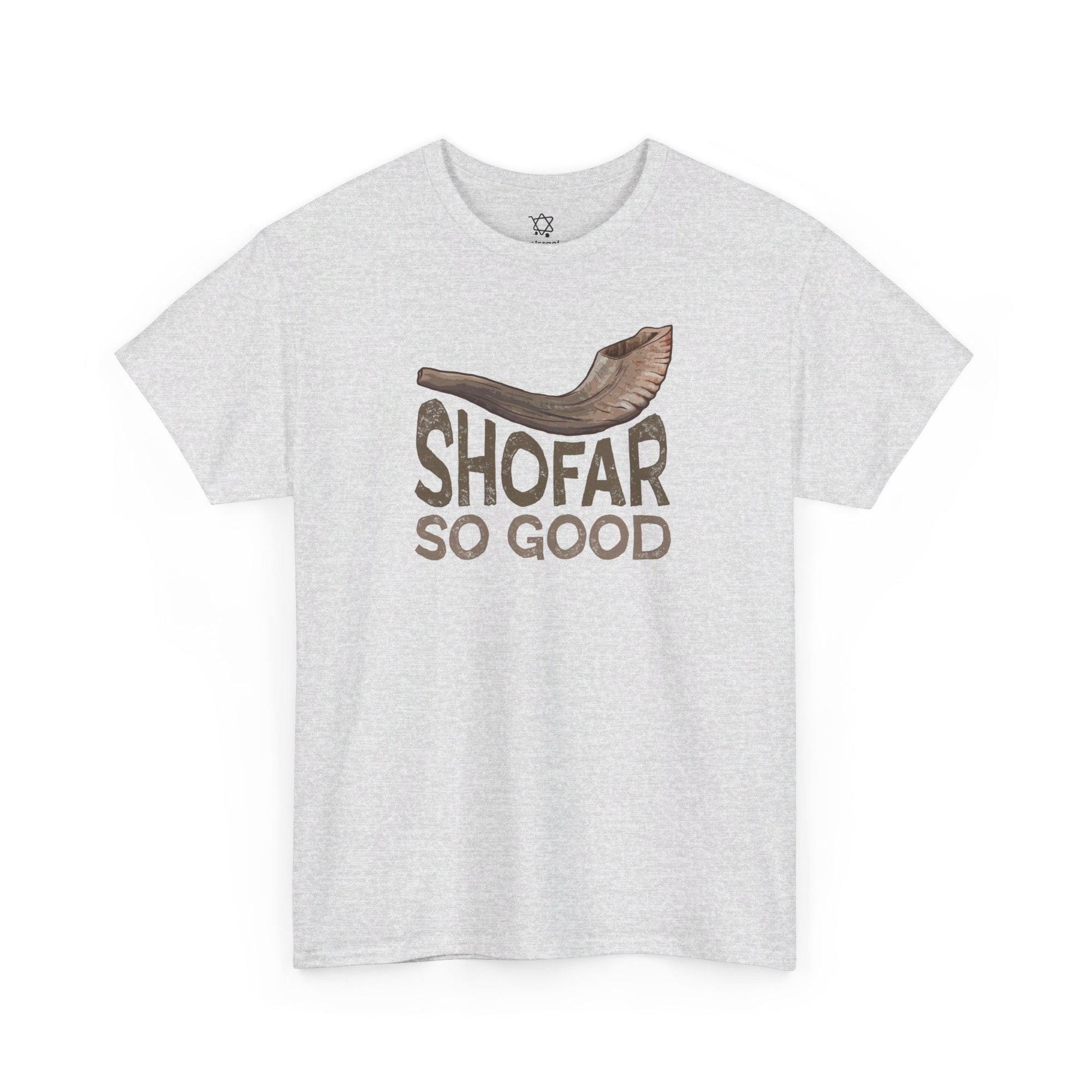
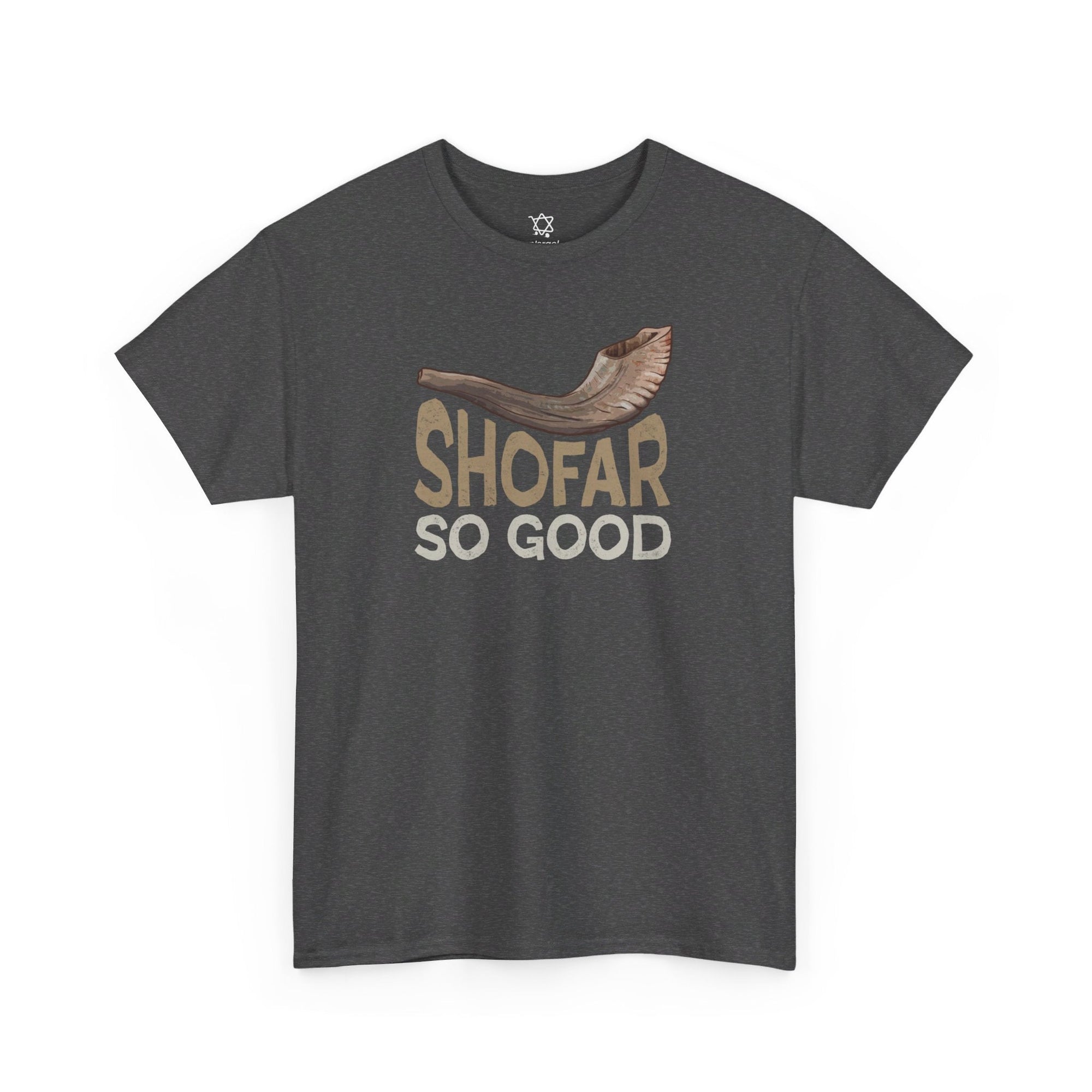
The shofar is an ancient Jewish musical instrument crafted traditionally from the horn of a ram, though horns from other kosher animals like sheep or goats may also be used. It is hollowed out and shaped to produce powerful, evocative sounds that play a vital role in Jewish religious ceremonies.
Biblical and Historical Roots
Mentioned repeatedly in the Hebrew Bible, the shofar has deep roots in Jewish history. It was first notably sounded at Mount Sinai when God gave the Torah to the Israelites, highlighting its role as a divine signal. Its blast accompanied significant moments such as the coronation of kings, calls to war, and festivals, including the Jubilee year and, most importantly, the High Holy Days of Rosh Hashanah and Yom Kippur.
Cultural and Religious Significance
The shofar embodies a rich tapestry of spiritual meanings. It symbolizes God’s kingship, awakens the soul to repentance, and recalls seminal events such as the binding of Isaac, linking faith and devotion. Blown during the fall holidays, it serves as a stirring call to prayer, introspection, and collective hope for redemption. Revered for its imperfect sound, the shofar reflects humility and genuine devotion. Today, it continues to unite Jewish communities worldwide, symbolizing resilience, divine connection, and the timeless call to spiritual growth.
The Spiritual Symbolism of the Shofar in Jewish Tradition

What Does the Shofar Symbolize in Jewish Tradition?
The shofar in Jewish tradition, a ram's horn, is a profound symbol deeply woven into Jewish spiritual life and tradition. Most notably, it represents God's kingship symbolized by the shofar and divine sovereignty, especially during the High Holiday of Rosh Hashanah. The piercing blast calls attention to Shofar during Elul, Rosh Hashanah, and Yom Kippur as the King of the universe, reminding worshippers of His supreme authority and mercy.
How Is the Shofar Connected to the Binding of Isaac and Faith?
The shofar is traditionally made from a ram's horn shofar, recalling the biblical story of Abraham and Isaac. When Abraham was willing to sacrifice his son Isaac, God provided a ram as a substitute. This act exemplifies ultimate faith and devotion, and the shofar symbolizing the ram sacrificed by Abraham embodies this spirit, inspiring Jews to trust in divine providence and commit themselves wholeheartedly.
What Role Does the Shofar Play in the Day of Judgment and Repentance?
The sound of the Shofar and the Day of Judgement, signals the Day of Judgment, urging moral accountability and introspection. It awakens the soul, encouraging individuals to repent and improve their ways during the Shofar and the Ten Days of Penitence. Through its varied blasts—tekiah, shevarim, and teruah—the shofar serves as a shofar as a spiritual alarm clock, stirring conscience and fostering humility before God's majesty.
How Does the Shofar Reflect Prophetic Calls for Moral and Spiritual Awakening?
The shofar echoes the voices of the prophets, calling for righteousness and moral correction. Its sound acts as a summons to return to the path of spiritual growth and ethical living. The blasts inspire a renewal of commitment to Shofar and the Jewish relationship with Torah study and adherence to divine commandments.
In What Ways Does the Shofar Remind Worshippers of the Temple’s Destruction and Hope for Renewal?
The shofar mournfully recalls the Shofar as a reminder of the Temple's destruction and simultaneously ignites Hope for renewal through the shofar. It serves as a communal call to remember past trials while fostering a vision of national and spiritual revival.
How Is the Shofar a Foreshadowing of the Messianic Era and Final Redemption?
Finally, the shofar heralds the anticipated coming of the Shofar and the messianic era and the ultimate redemption of Israel. Its sound proclaims the future realization of God's kingdom over the earth, a time of peace, divine justice, and universal recognition of God's oneness.
The Mystical and Kabbalistic Resonance of the Shofar
What is the mystical significance of the shofar?
The shofar’s sound holds profound Kabbalistic Significance of the Shofar, deeply linked to divine energy and the very breath of life that God breathed into Adam and Eve. This ancient Ram's horn shofar is not just an instrument but a spiritual conduit representing the intimate connection between neshima (breath) and neshama (soul). It embodies God’s creative force, inviting each person to awaken their inner spirit.
How does the shofar’s sound promote spiritual healing and self-improvement?
The sound vibrations of the shofar are believed to have healing properties, resonating through the soul and encouraging personal growth. Its blasts act like Sound Vibrations and Healing Properties of Shofar, stirring the heart towards repentance and elevating moral consciousness. This sacred wake-up call signals renewal, urging listeners to improve themselves and align with higher values. See The Mystical Resonance of the Shofar.
What spiritual unity is represented by the shofar’s sound at Mount Sinai?
During the revelation at Mount Sinai, the shofar was sounded alongside thunder and lightning, creating a synesthetic experience where sound, sight, and spiritual awareness merged into divine unity. This blending of the senses symbolized the oneness of creation and the closeness of God’s presence, a moment eternally recalled through the shofar’s call. Learn more about Shofar as a reminder of God's revelation at Sinai.
How does the shofar symbolize the breath and soul connection?
The shofar’s natural breath-powered sound is a living representation of human life’s fragile yet sacred essence. It reminds us that each breath carries divine potential, forging a palpable link between earthly existence and spiritual destiny. This symbolism encourages mindfulness of both physical breath and the soul’s yearning, as described in Spiritual awakening through the shofar.
What hope and awakening are associated with the shofar blasts?
Beyond its call to repentance, the shofar heralds a hopeful vision of peace and redemption. Jewish tradition connects its blasts to the coming Messianic era—a future of unity, divine sovereignty, and global healing. Thus, every sounding is a heartfelt prayer for spiritual awakening and a world transformed by peace. Explore themes on the Shofar and the messianic era.
The shofar thus combines ancient ritual with spiritual depth, serving as both a reminder and an agent of divine awakening, healing, and hope within The Shofar in Jewish Tradition and beyond.
The Ritual Practice and Halachic Aspects of Blowing the Shofar
What is the mitzvah of hearing the shofar during Rosh Hashanah and Elul?
The mitzvah of hearing the shofar is a central commandment during the Jewish High Holidays. It is traditionally blown every morning during the month of Elul leading up to Rosh Hashanah, except on Shabbat, and on Rosh Hashanah itself. The sounds call worshippers to spiritual awakening, introspection, and repentance during the Ten Days of Penitence.
What are the primary shofar blasts and their meanings?
There are four key types of shofar sounds blown in synagogue services:
- Tekiah: A long, straight blast symbolizing the coronation of God as King and spiritual awakening.
- Shevarim: Three medium, wailing sounds expressing brokenness and a heartfelt plea for mercy.
- Teruah: A series of short, staccato bursts serving as a wake-up call to repentance.
- Tekiah Gedolah: The final extended blast marking the conclusion of the service, symbolizing ultimate redemption.
Who may blow the shofar and how is a kosher shofar crafted?
Only qualified men, known as ba’al tokeah, who have mastered proper blowing techniques, are permitted to sound the shofar. The horn must be from a kosher animal, preferably a ram, and crafted without cracks or artificial modification that could impair the sound or validity. The production involves hollowing, shaping, and polishing the horn to ensure a clear, pure tone.
Why is a ram’s horn used, and what does its shape symbolize?
The ram’s horn is deeply tied to the biblical story of Abraham’s near-sacrifice of Isaac, embodying faith, devotion, and divine mercy. The curved shape of the horn represents human humility and the bending of the heart in repentance, signifying a soul’s willing submission to God’s will. Learn more about the symbolism of the ram’s horn and how it connects to the Binding of Isaac and Shofar Symbolism.
What is the shofar’s role in synagogue services and spiritual impact?
Blown during Rosh Hashanah services, the shofar serves as a profound spiritual stimulus, awakening hearts and prompting sincere self-reflection. Authentic blowing, done with devotion and skill, connects worshippers to thousands of years of tradition, empowering a sense of unity and spiritual renewal. The shofar’s sound is not merely ritual—it's a call that vibrates through the soul, inspiring repentance and hope for divine mercy and redemption. This transformative power is explored in The Transformative Power of the Shofar and its deep significance in Jewish spirituality.
The Shofar’s Historical and Contemporary Cultural Role
What is the historical and cultural significance of the shofar?
The shofar, an ancient musical horn ram’s horn instrument, holds profound historical and cultural significance in Judaism. Biblically, it was used in multiple pivotal roles: announcing new moons and the Jubilee year, signaling war, and crowning kings. It also marked festivals and summoned the people for assembly and worship, integrating deeply into Temple ceremonies as a symbol of divine communication and leadership (The Biblical History of the Shofar, Shofar as a ram’s horn).
Post-Temple, the shofar and the Jewish relationship with Torah significance evolved but remained central, especially during the High Holidays like Rosh Hashanah and Yom Kippur. Its blasts serve as spiritual awakenings, calling for repentance, humility, and self-reflection. The curved shape recalls Abraham’s sacrifice of the ram instead of Isaac, symbolizing faith and divine mercy (11 Reasons Why We Blow the Shofar on Rosh Hashanah).
The shofar also embodies Jewish resilience. A notable example is the shofar crafted covertly by Moshe Winterter within a Nazi labor camp during the Holocaust—an act of faith and defiance preserving religious tradition under peril (Shofar from the Holocaust).
In modern times, the shofar extends beyond religious rites; it echoes in cultural and political contexts, such as Israeli celebrations and pro-Israel gatherings worldwide. Its sound bridges ancient tradition and contemporary Jewish identity, symbolizing unity, hope, and perseverance (Shofar Campaign by Chabad).
Through millennia, the shofar remains a living emblem of Jewish heritage, linking sacred history with vibrant modern expression (The Shofar in Jewish Tradition).
The Spiritual Message Conveyed Through the Shofar’s Sounds
What spiritual messages are expressed through the shofar's blasts?
The shofar’s distinct blasts each carry unique and profound spiritual symbolism deeply rooted in Jewish tradition of the shofar. The tekiah blast is a long, unbroken sound that symbolizes the coronation of God as the sovereign King, reminding worshippers of God’s ultimate authority and benevolent rulership over the universe. The shevarim consists of three medium, broken sounds which express sincere regret and heartfelt remorse, stirring a deep sense of repentance and the longing to reconnect with God. Meanwhile, the rapid teruah blasts serve as an urgent alarm, awakening the soul and calling individuals to immediate self-examination and spiritual renewal.
These sounds collectively function as a spiritual alarm clock, rousing both individuals and communities from spiritual slumber. They invoke humility and awe, reminding us of the final judgment and the need for introspection during the High Holy Days. By evoking repentance and awe, the shofar encourages believers to reflect on their deeds and renew their commitment to living in alignment with divine values.
Through this ancient practice, the shofar bridges the human and the Divine, inspiring transformation and communal solidarity. The mystical resonance of its sound continues to awaken hearts, symbolizing hope and the promise of redemption under God’s kingship, as explored in The Mystical Resonance of the Shofar.
Celebrating Heritage: The Shofar as Meaningful Cultural Souvenir and Gift
What significance do shofar souvenirs hold and how are they used today?
Shofar souvenirs go beyond mere decoration; they are powerful symbols of faith and Jewish identity. Often handcrafted in Israel and sometimes sourced from African countries, these shofars are made with traditional craftsmanship, reflecting a rich cultural legacy. They are frequently adorned with motifs such as pomegranates, stars of David, and Jerusalem imagery, linking them to Israeli heritage and biblical symbolism.
Varieties of Shofars Available as Souvenirs
Shofar souvenirs come in diverse forms:
- Hand-painted pomegranate designs: representing fruitfulness and Jewish tradition.
- Silver-plated models with Jerusalem and Star of David motifs: elegant pieces symbolizing divine connection.
- Large polished kudu horns: showcasing natural beauty and artisanal skill.
Each type carries unique cultural and spiritual resonance, making them treasured gifts.
Symbolism of the Shofar as a Gift
Presenting a shofar as a gift expresses faith, devotion, and a tangible link to God’s promises. It resonates as a reminder of the binding of Isaac—faith and sacrifice—and symbolizes hope for redemption and divine kingship. Such gifts inspire pride in Jewish heritage, encouraging spiritual reflection and community solidarity.
Craftsmanship and Sourcing
Most shofars today are crafted in the Land of Israel, where artisans uphold ancient techniques. Horns are sometimes imported from countries like Algeria or Morocco, ensuring authenticity. This international craftsmanship honors tradition while catering to diasporic communities seeking meaningful souvenirs.
Promoting Jewish Pride and Heritage
Owning a shofar souvenir connects individuals worldwide to the rhythms of Jewish ritual and history. For diasporic communities especially, it serves as a symbol of resilience, continuity, and shared cultural pride, reinforcing a sense of belonging and identity.
Connecting Modern Individuals to Timeless Traditions
In a fast-changing world, shofar souvenirs remind us of enduring values: repentance, renewal, and the hope for peace and redemption. They invite owners to engage with their spiritual heritage, nurturing a personal and communal bond with the Jewish past and future.
| Aspect | Detail | Significance |
|---|---|---|
| Varieties | Pomegranate, silver-plated, polished kudu horn | Cultural motifs and artisanal beauty |
| Symbolism | Faith, devotion, divine kingship | Spiritual and historical connection |
| Craftsmanship & Sourcing | Made in Israel, horns from Africa | Authentic tradition and global heritage |
| Role in Diaspora | Pride, identity, resilience | Strengthening community ties |
| Connection to Tradition | Links ancient rituals to today | Inspires personal and communal reflection |
Enduring Legacy: The Shofar as a Timeless Symbol of Faith and Identity
A Multifaceted Spiritual Legacy
The shofar, a ram’s horn blown during Rosh Hashanah, Yom Kippur, and the month of Elul, holds profound spiritual weight rooted in biblical tradition. It symbolizes God’s kingship, recall of Mount Sinai’s revelation, repentance, and hope for redemption. From proclaiming divine sovereignty to echoing prophetic calls for moral awakening, the shofar conveys a rich tapestry of meaning—faith, humility, and ultimate salvation.
A Living Tradition in Jewish Culture
Beyond its ancient origins, the shofar continues to play a central role in Jewish identity and religious practice. Made primarily in Israel from kosher animal horns, it is sounded in synagogues worldwide, uniting communities through its distinctive sound. The shofar also appears beyond ritual contexts—in cultural celebrations and as a symbol of resilience and renewal in Jewish history.
Inspiring Faith, Resilience & Unity Today
The enduring power of the shofar lies in its ability to awaken the soul, calling individuals and communities toward reflection and growth. Its sound serves as a spiritual alarm, inspiring perseverance during hardship, unity among the Jewish people, and a collective hope for peace and divine redemption. In modern times, it remains a poignant emblem of faith, a timeless call to action and connection.