

Discover the Spirit of Jewish Festivals Through Israel-Inspired Accessories
Introduction to Jewish Festivals
Jewish festivals like Passover, Hanukkah, Rosh Hashanah, Yom Kippur, Sukkot, and Purim are rich in history and spiritual meaning. These occasions commemorate pivotal moments in Jewish heritage, fostering a deep connection to faith and tradition. Families and communities come together to celebrate with unique customs such as lighting menorahs, blowing the shofar, and enjoying festive meals.
The Significance of Israel-Themed Accessories
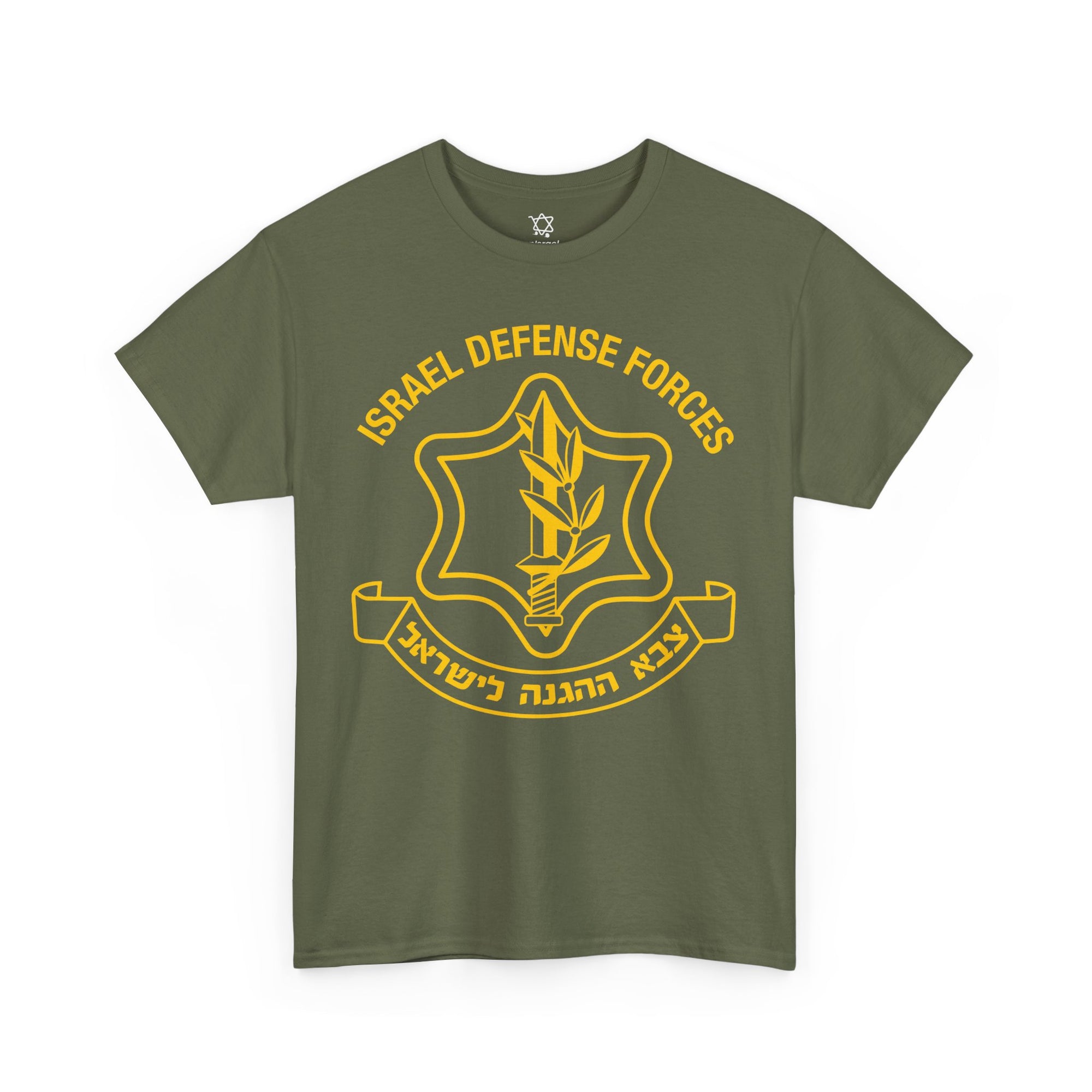
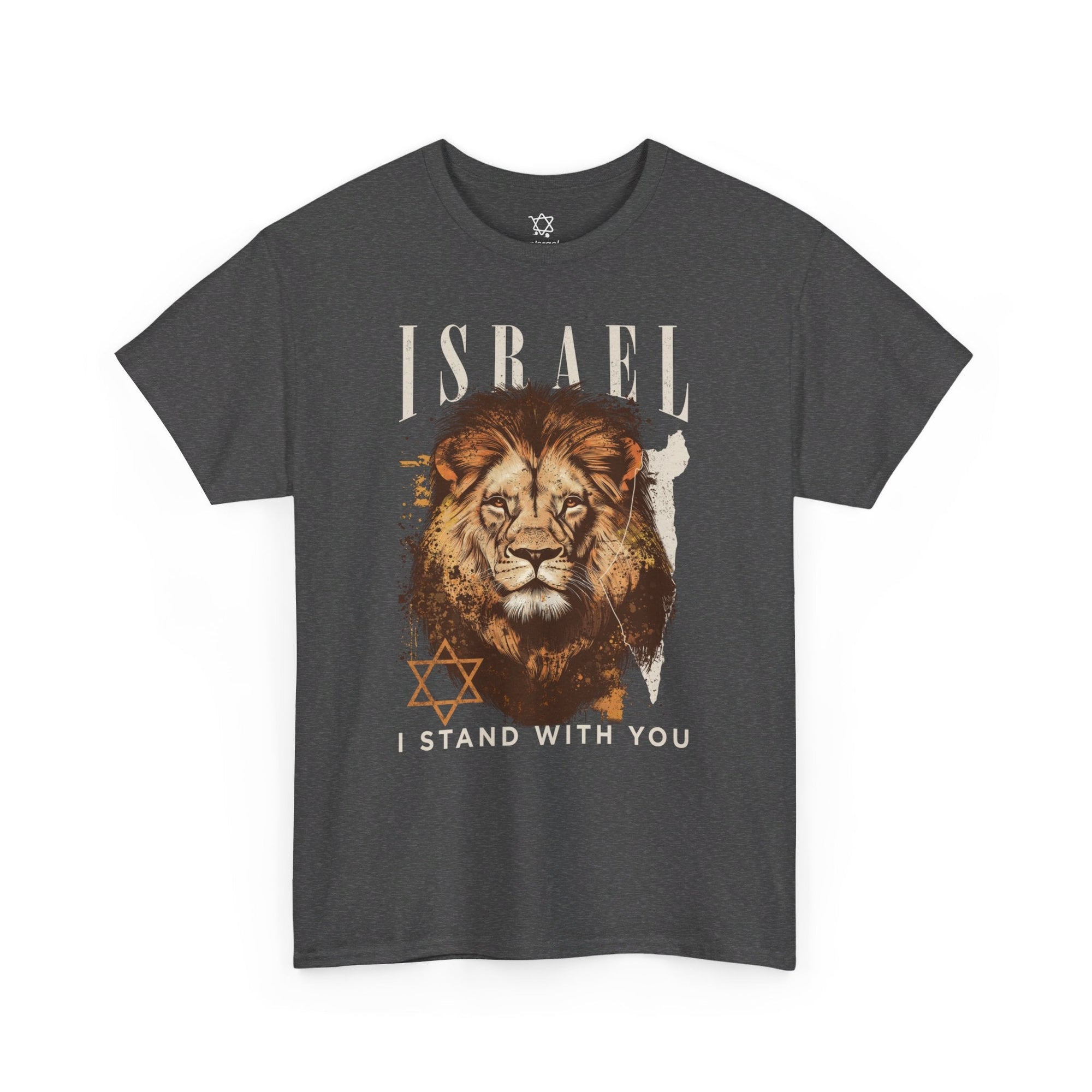
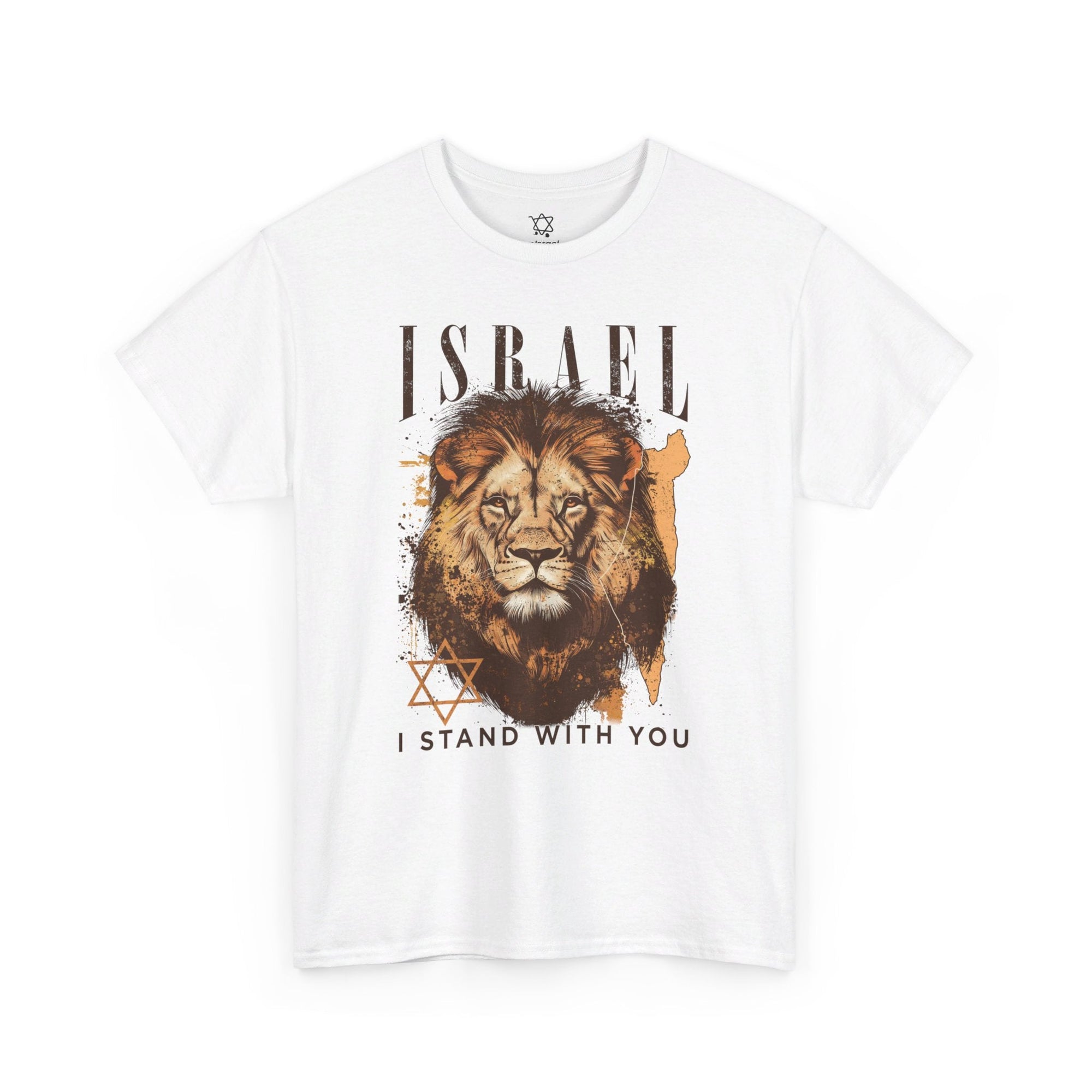
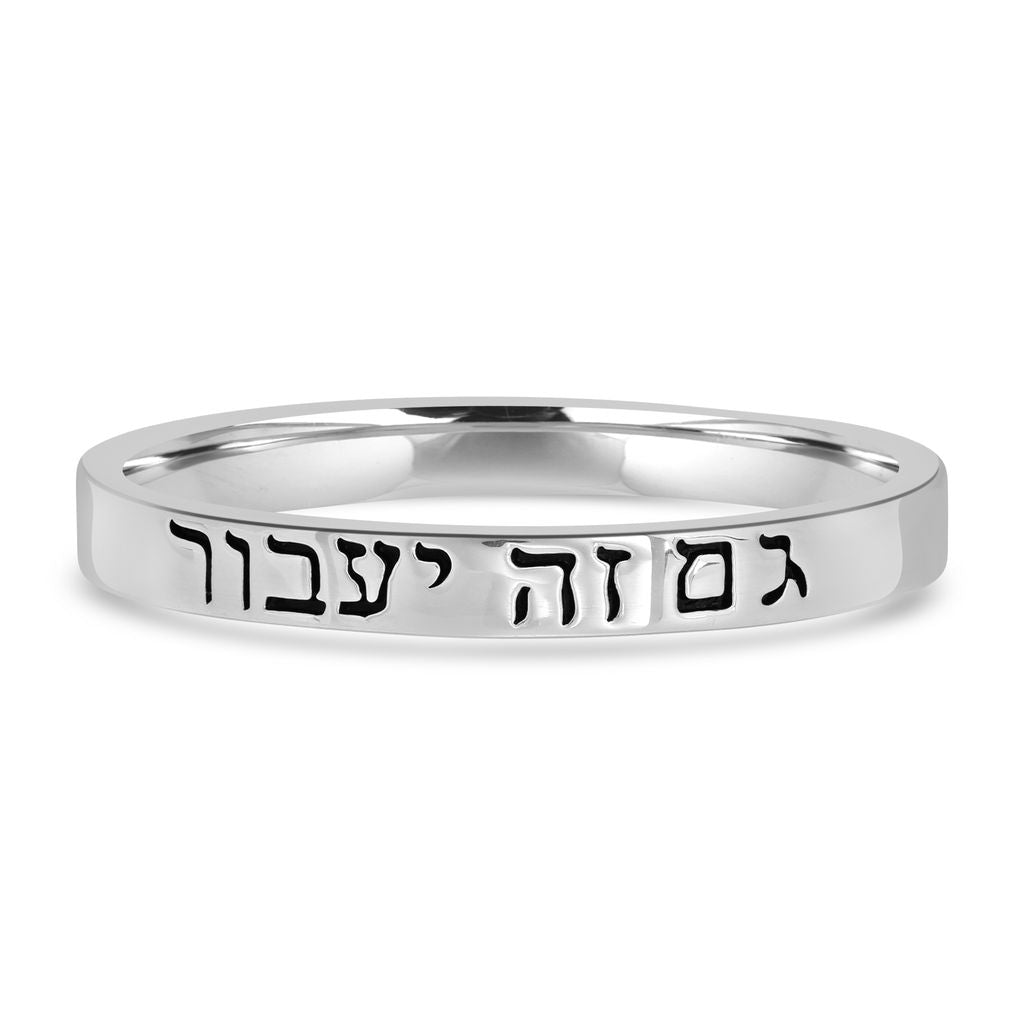
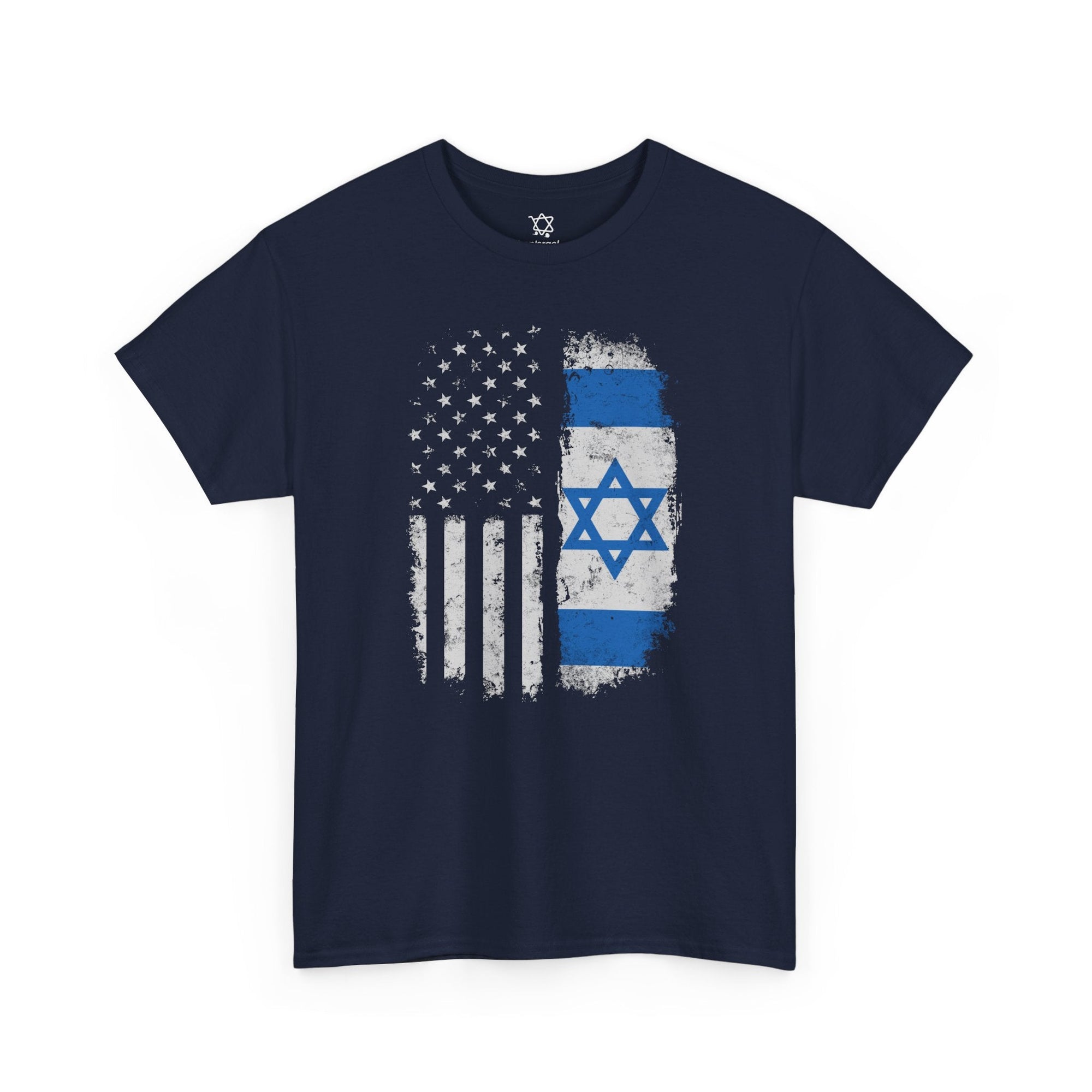
Incorporating Israel-inspired accessories elevates traditional celebrations. Products crafted by Israeli artisans—featuring symbols like the Star of David, menorahs, and the Israeli flag—offer a meaningful link to the land and culture of Israel. Items such as beautifully made menorahs, personalized Kiddush cups, and jewelry bearing Hebrew inscriptions not only enhance holiday observances but also express pride in Jewish identity.
Connection Between Culture, Heritage, and Festival Celebration
Israel-themed Judaica supports local craftsmanship, reinforcing cultural pride within the diaspora. These handcrafted gifts and accessories serve as enduring symbols that bridge personal faith with national heritage. Whether adorning the Seder table or gracing one’s home during Hanukkah, they deepen the celebration, honoring centuries of Jewish history and uniting families worldwide in shared tradition.
The Essence of Jewish Festivals and Their Celebrations
Overview of Major Jewish Holidays
Jewish culture is richly adorned with a series of festivals, each brimming with profound historical and religious meaning. Key holidays include Passover celebration, Hanukkah traditions, Rosh Hashanah customs, Yom Kippur observances, Sukkot decorations, and Purim festivities. These festivals are essential times for gathering with family and community, observing traditions that have been handed down through generations.
Historical and Religious Significance of Each Festival
Passover commemorates the liberation of the Jewish people from Egyptian slavery, marking freedom and renewal. Hanukkah, known as the Festival of Lights, celebrates the Maccabees' triumph over the Greeks and the rededication of the Second Temple in Jerusalem.
Rosh Hashanah, the Jewish New Year, is a time for reflection and renewal. Yom Kippur, the Day of Atonement, is dedicated to repentance and spiritual cleansing. Sukkot celebrates the protection and providence experienced during the desert wanderings, while Purim joyfully retells the story of the Jews’ deliverance in Persia.
Common Customs and Symbols
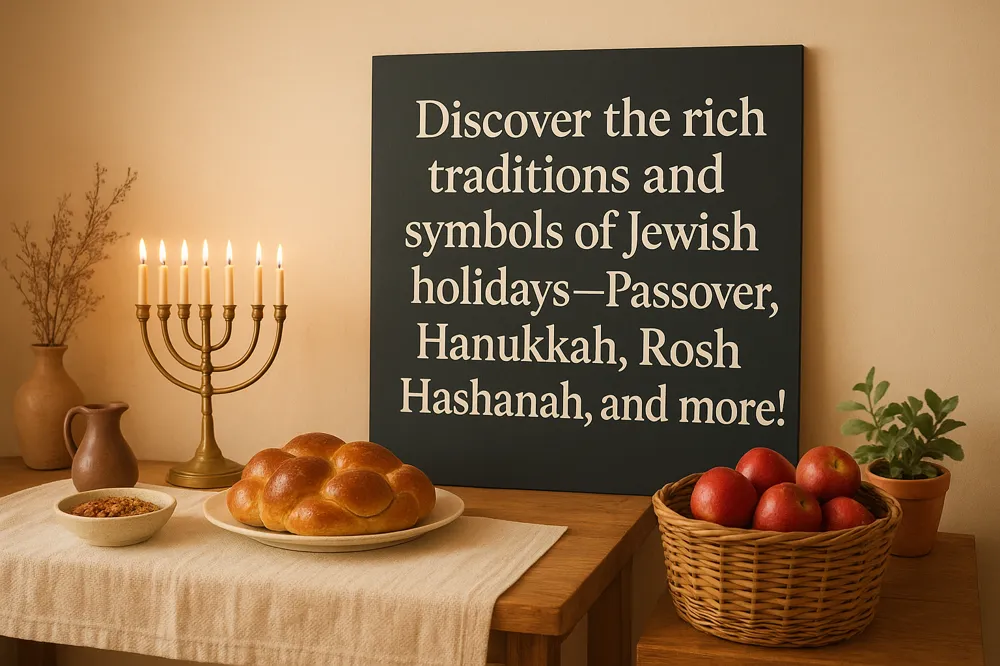
Each holiday is marked by distinctive rituals and symbols. Passover is observed with a Seder meal featuring symbolic foods on a special plate. Hanukkah celebrations center around lighting the menorah, playing dreidel, and enjoying foods fried in oil such as latkes. Rosh Hashanah is celebrated with the sounding of the shofar and sweet dishes like apples dipped in honey.
Sukkot involves building and decorating a sukkah, a temporary dwelling, and using the lulav and etrog during prayers. Purim festivities include reading the Megillah, wearing costumes, and sharing gifts and charity. These symbols, combined with Israel-themed Judaica products such as Menorahs, Jewelry with Star of David, and home décor, enrich the festive atmosphere and express deep cultural pride.
What Do Jewish People Celebrate Instead of Christmas?
Jewish people celebrate Hanukkah traditions, the Festival of Lights, instead of Christmas. This holiday honors the Maccabees' victory over Greek forces and the miraculous oil that burned for eight days in the rededicated Temple. Central to Hanukkah are lighting the nine-branched menorah, singing traditional songs, playing dreidel, and enjoying fried foods, highlighting themes of faith, freedom, and enduring heritage.
Israel-Themed Judaica: Symbols and Significance
What are some traditional Jewish decorations?
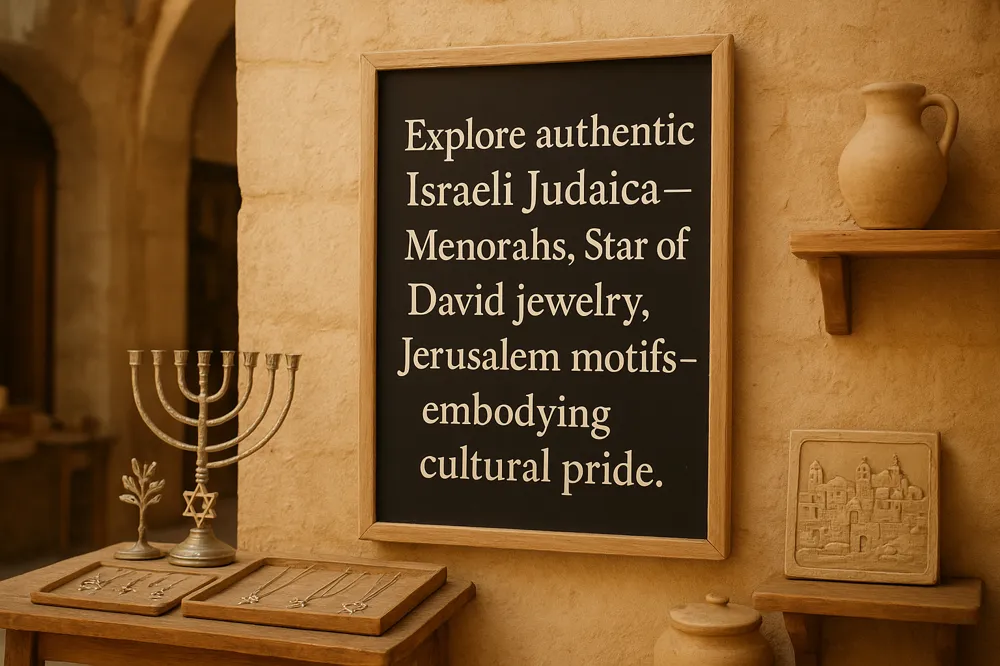
Traditional Jewish decorations often include beautifully crafted items that reflect the rich cultural and religious heritage of Judaism. Common decorative pieces are Jewish Holidays Judaica such as ornate Menorahs, intricately inscribed Mezuzahs cases affixed to doorposts, and decorated Dreidels, which are spinning tops popular during Hanukkah celebrations.
Homes and synagogues often display challah covers embroidered with Hebrew blessings, decorative Shabbat candlesticks, colorful Sabbath tablecloths, and framed Hebrew calligraphy showcasing prayers or religious quotes. These items enrich the spiritual atmosphere and serve as tangible expressions of faith treasured during weekly and festival observances.
Symbolism of Star of David, Menorah, Shofar
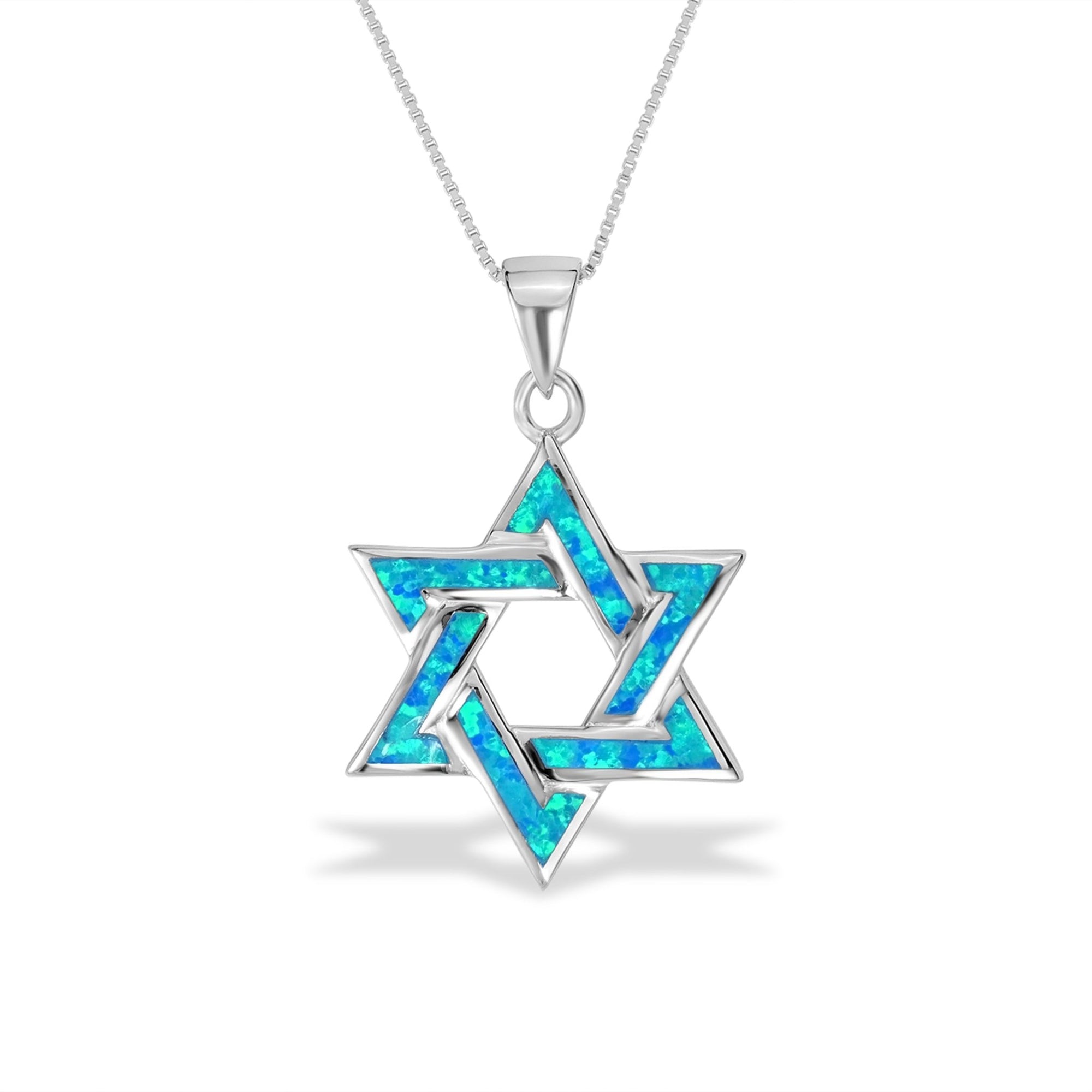
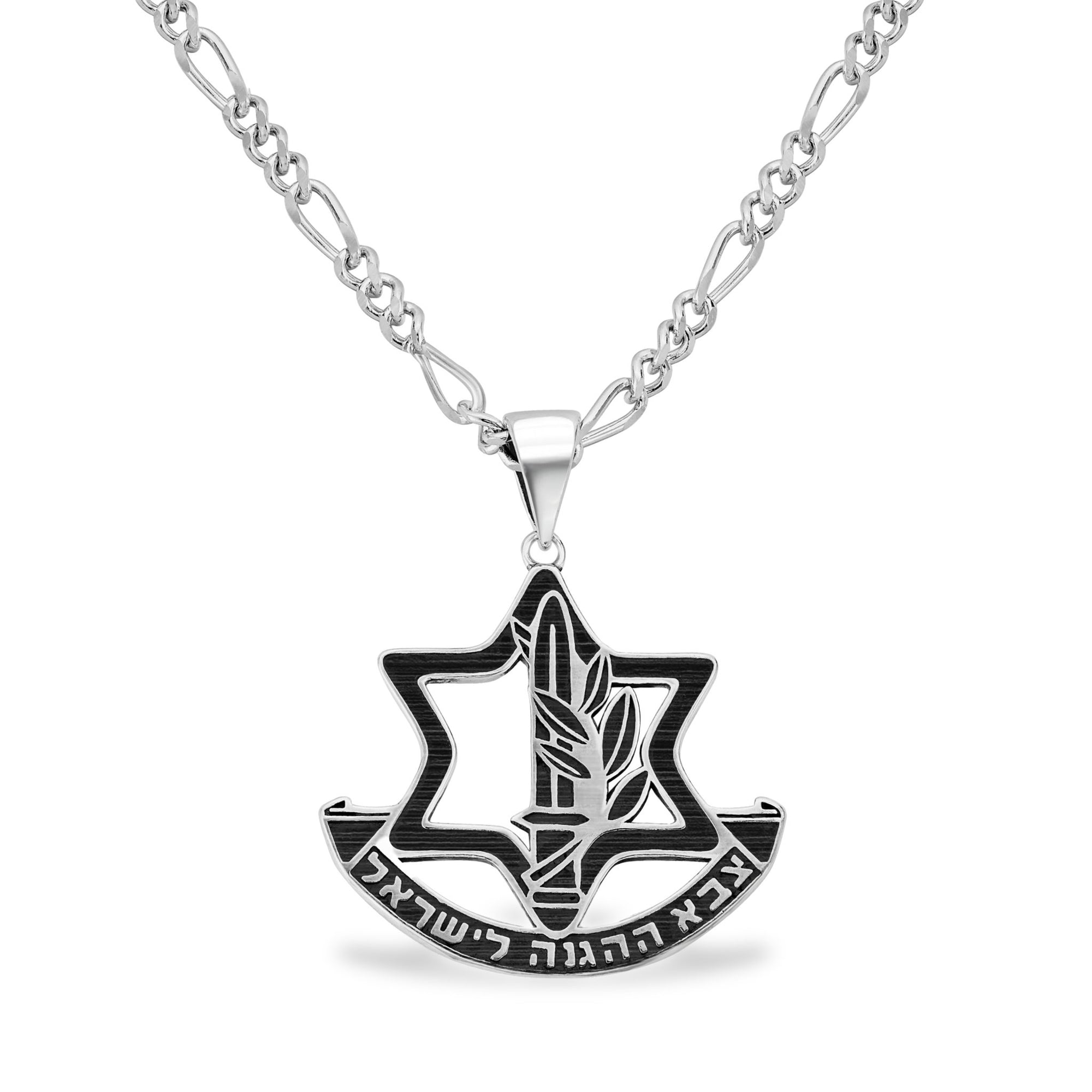
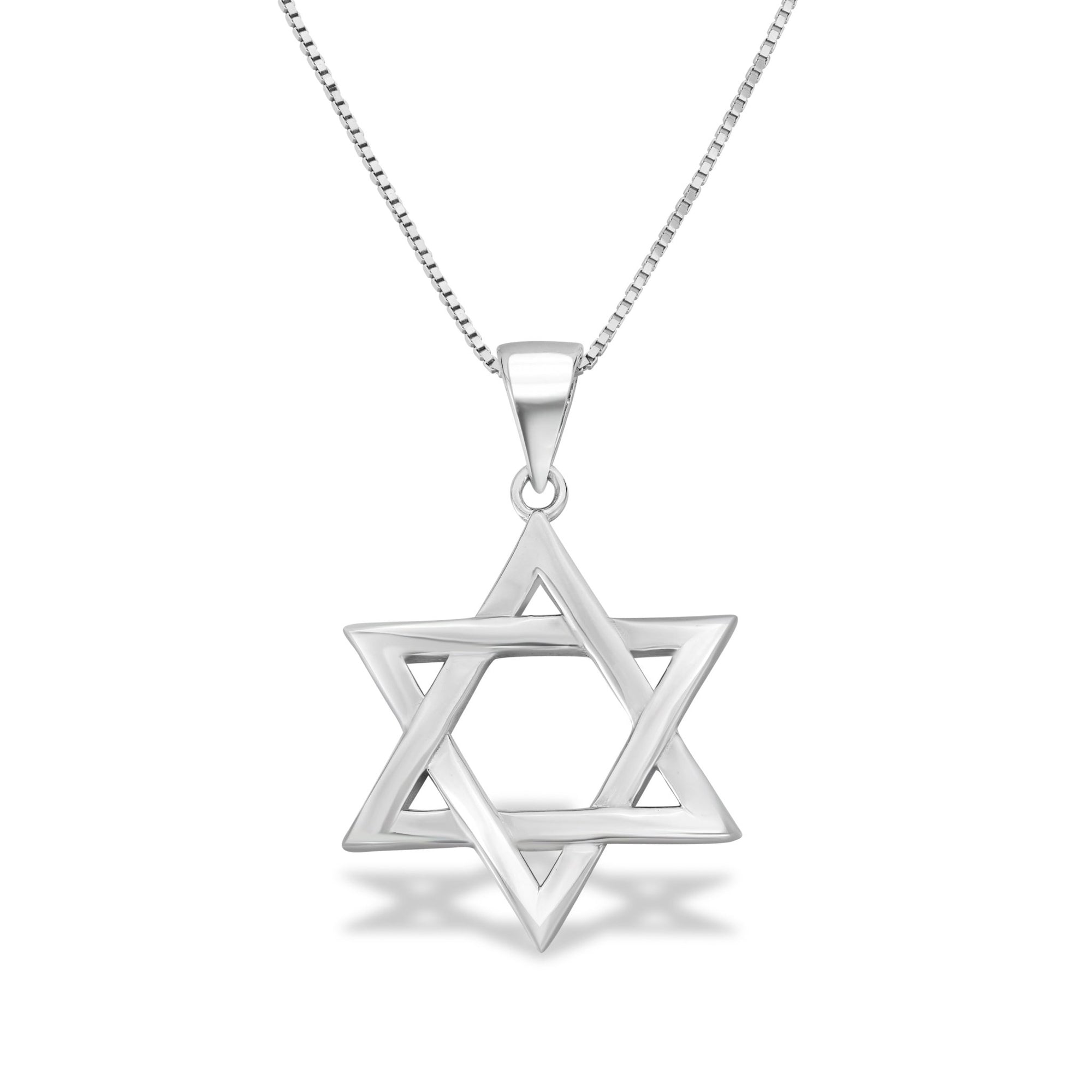
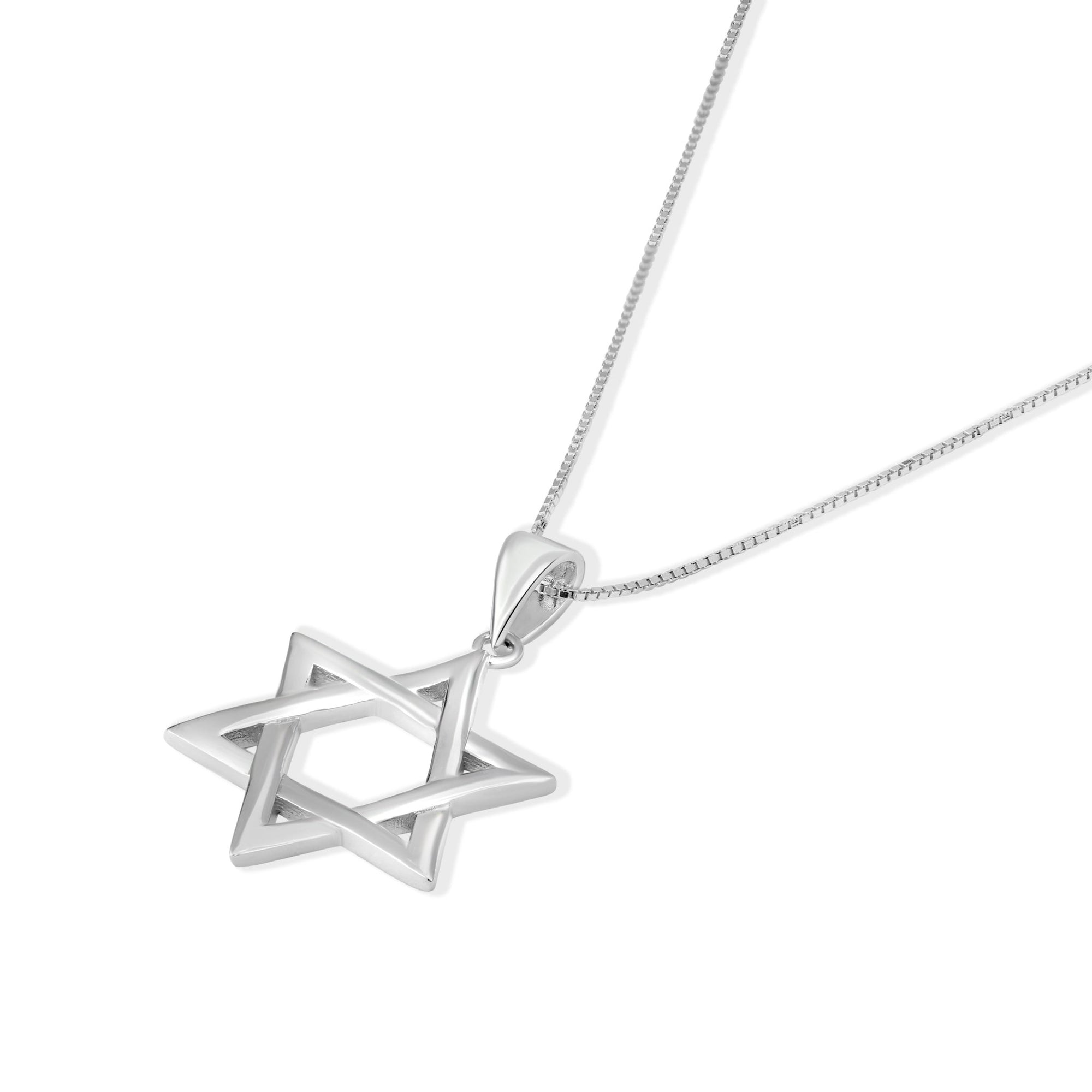
The Star of David, or Magen David, serves as a powerful emblem of Jewish identity and unity, widely featured on jewelry, home décor, and holiday accessories. The menorah symbolizes the miracle of the oil during Hanukkah and is a central decorative and ritual object, ranging from traditional candelabras to modern artistic designs crafted by Israeli Artisans Judaica.
The Significance of shofar in Jewish rituals, a ram's horn blown on Rosh Hashanah and Yom Kippur, represents spiritual awakening and boundless faith. This ancient instrument appears in decorative motifs and jewelry designs, linking wearers to their religious heritage and national pride.
Use of Israeli flag and Jerusalem motifs in accessories
Israel flag motifs and images of Jerusalem's iconic landmarks, such as the Western Wall and the old city skyline, inspire many Israel-themed Judaica products. Jewelry, home décor, and holiday items often incorporate these national symbols to honor Israel’s historical and spiritual significance.
These elements foster a deep connection to the Jewish homeland, particularly meaningful for diaspora communities wishing to express pride and solidarity. Items such as necklaces featuring the Israeli flag or pendants shaped like Jerusalem help keep this bond alive through everyday adornment and festive occasions.
Role of jewelry and decorative items in cultural pride
Jewelry and decorative Judaica play a vital role in expressing Jewish cultural pride and heritage. Artisans from Israel create pieces that blend tradition with contemporary design, offering personalized and symbolic items like name necklaces, engraved Kiddush cups, and beautifully crafted rings featuring meaningful symbols. Discover more from the Made in Israel Collection.
Wearing and gifting these items during Jewish festivals and life-cycle events strengthens identity, celebrates history, and supports local craftsmanship in Israel. For many, Israel-themed Judaica serves as a cherished heirloom and a testament to faith, community, and cultural continuity.
Handcrafted Judaica Gifts: Authenticity and Artistry from Israel
What are some common handcrafted Judaica gifts?
Common handcrafted Judaica gifts include mezuzahs, which are placed on doorframes as a symbol of faith and protection. Hanukkah essentials like menorahs and dreidels are treasured for their role in celebrating the Festival of Lights. Kiddush cups used to sanctify wine during Sabbath and holidays, Shabbat candlesticks, and challah boards that adorn the Shabbat table are also popular. Beyond functional items, many choose wall art, sculptures, and jewelry inspired by Hebrew calligraphy or biblical imagery, carrying deep cultural and spiritual meaning.
How do Israeli artisans contribute to Judaica craftsmanship?
Israeli artisans play a vital role in preserving and innovating Jewish cultural expressions through handcrafted Judaica. Their work, supported by initiatives like the Made in Israel Collection, features authentic craftsmanship rooted in local tradition. Artisans from Jerusalem and northern Israel create pieces that blend religious symbols like the Star of David and hamsa with contemporary design. This support not only sustains traditional skills but also promotes economic growth in Israeli communities, allowing diaspora patrons to celebrate their heritage with genuine Israeli artistry.
Why is personalization and craftsmanship important in Judaica gifts?
Personalization elevates Judaica gifts by embedding the recipient’s identity into the object, creating lifelong heirlooms that embody faith and family history. Skilled artisans craft each piece meticulously, ensuring quality and reverence in every detail. Whether it's an engraved Kiddush cup, a custom-designed menorah, or a Hebrew name necklace, these gifts resonate with personal meaning and cultural pride. They serve as tangible connections to Jewish traditions and Israeli heritage, making celebrations like Passover celebration, Hanukkah traditions, and Rosh Hashanah customs all the more meaningful.
Unique Israel-Inspired Accessories That Enhance Festival Celebrations
What Personalized Judaica Suggestions Are Ideal for Jewish Festivals?
Personalized Judaica items offer a special touch to festival celebrations, combining tradition with individual expression. Popular choices include name menorahs, Hebrew name necklaces, engraved Kiddush cups, and custom Seder plates. These pieces often bear meaningful inscriptions or blessings, making them treasured keepsakes for life-cycle events and holidays alike.
How Do Luxury Items Like Engraved Kiddush Cups Elevate Festivities?
Engraved Kiddush cups epitomize luxury Judaica and serve as focal points during Shabbat and holiday rituals. Their craftsmanship and personalization amplify the sanctity of blessing the wine, enhancing the spiritual atmosphere. These cups often become family heirlooms, passed down through generations and symbolizing enduring Jewish heritage.
In What Ways Do Cultural Symbols Enrich Jewish Holiday Celebrations?
Jewish cultural symbols such as the Star of David, menorahs, shofar, hamsa, and Israeli flag motifs play a vital role in festival observances. Incorporating these icons into jewelry, home decor, and accessories reinforces Jewish identity and national pride. These symbols function not only as decorative elements but as conveyors of history and faith, elevating the meaning behind each celebration.
Our curated Israel-themed collections featuring Israel-inspired accessories are designed to nurture cultural pride and community connection while supporting Israeli artisans. Jewelry bearing distinctive Jewish emblems, handcrafted ritual items, and festive apparel infuse each holiday with beauty and tradition, making celebrations more profound and memorable.
Celebrating Hanukkah with Traditional Toys and Meaningful Gifts
Which toy is associated with the Jewish holiday of Hanukkah?
The toy most closely associated with Hanukkah is the dreidel—a four-sided spinning top inscribed with Hebrew letters Nun, Gimel, Hei, and Shin. These letters stand for "Nes Gadol Hayah Sham," meaning "A great miracle happened there," symbolizing the miracle of the oil during Hanukkah. Children delight in playing dreidel games throughout the holiday, often using chocolate coins, known as gelt, as part of the fun. This traditional toy beautifully captures the spirit of celebration and resilience central to Hanukkah.
What are some gift-giving etiquette tips for Hanukkah?
Gift-giving during Hanukkah is thoughtful and rooted in tradition. Gifts are typically given over the eight days of the holiday, not on Christmas Day. It's considerate to avoid non-Kosher food gifts unless you are certain of the recipient’s dietary preferences. Popular choices include small, meaningful items like dreidels, board games, or gourmet foods such as specialty meats, which encourage family togetherness and festivity. Emphasizing cultural and spiritual connection through Israel-themed Judaica products like menorahs or Jewish jewelry and gifts further anchors Hanukkah celebrations in heritage and pride.
How do food and activities enhance the festive spirit of Hanukkah?
Hanukkah festivities are enriched by traditional foods and communal activities. Lighting menorahs every evening, sharing fried treats like latkes and sufganiyot, and playing dreidel games strengthen family bonds. Israel-themed Judaica products, including handcrafted menorahs and decorative items made by Israeli artisans, add a meaningful cultural dimension to the celebration. These elements combined foster joy, remembrance, and a proud connection to Jewish identity and Israeli heritage.
Supporting Israeli Artisans Through Meaningful Purchases
What are some popular gift options from Israel?
Gift selections from Israel offer a vibrant reflection of its deep historical and cultural roots. Among the most cherished are locally handcrafted bags from northern Israel and unique creations by Pere Studio artisans, which support artisans from northern Israel. Jewelry adorned with symbols like the Star of David and motifs inspired by Israeli landscape inspired jewelry carries deep cultural significance and is a popular choice.
Traditional Handmade Judaica pieces—menorahs, mezuzahs, and Passover Seder Plates—are treasured for their religious connection and craftsmanship. Personalized Judaica such as engraved Kiddush cups and Hebrew-name necklaces blend tradition with individual identity, making them special holiday gifts. Israeli spirits, including Malka Brewery spirits from the northern border, enrich gift assortments with local flavors.
How does local craftsmanship foster community impact?
Purchasing from Made in Israel Collection directly benefits Israeli artisans and their communities. These collections emphasize handcraftsmanship that sustains cultural heritage and provides meaningful economic support to families. Artisans involved are often from small towns and border regions, areas that gain significantly from such encouragement.
Supporting these local creators helps preserve cultural pride products and enhances pride in Israeli artistry. Moreover, proceeds often contribute to social causes such as aid for soldiers, first responders, and families, strengthening communal resilience.
Why is ethical purchasing significant for cultural support?
Ethical buying choices extend beyond acquiring beautiful items; they are a declaration of solidarity with Israel’s cultural and communal wellbeing. Products Made in Israel Collection, particularly those endorsing local artisanship, embody more than craftsmanship—they are living expressions of cultural pride in Jewish holidays.
Opting for authentic Israeli products helps sustain small businesses and artisan traditions while fostering a global connection to Israeli heritage. Such purchases become a meaningful way to Celebrate Jewish Holidays with gifts that hold stories and significance, enriching both giver and receiver with cultural depth.
| Gift Type | Description | Cultural/Craft Connection |
|---|---|---|
| Handcrafted Bags | Artisanal works from northern Israel | Supports local artisans and traditions |
| Jewish Holidays Judaica | Menorahs, Seder plates, mezuzahs | Rooted in religious practice and heritage |
| Jewish jewelry and gifts | Featuring Star of David, Hebrew inscriptions | Israeli design with personal meaning |
| Malka Brewery spirits | Made from region-specific ingredients | Local flavors from Israel's northern border |
| Personalized Judaica | Engraved Kiddush cups, name necklaces | Unique, meaningful holiday keepsakes |
Festive Decorations and Ritual Accessories for Sukkot and Other Holidays
What do Jews carry during Sukkot?
During Sukkot, Jews carry the Four Species, which include the palm branch (lulav), myrtle (hadass), willow (aravah), and citron (etrog). These items are bundled together and held during specific prayers and rituals throughout the holiday. The four species symbolize unity and the different types of Jews within the community, representing unity and gratitude.
Four Species used during Sukkot
The palm branch, myrtle, and willow are bound together as the lulav. Alongside the etrog, they are taken up in ritual during prayers. The lulav is shaken in six directions—north, south, east, west, up, and down—to bless God's creation and express thanks.
Etrog boxes and lulav cases
Special etrog boxes and lulav cases are crafted to protect these precious species. These cases often feature beautiful traditional Sukkot decorations, making them cherished Judaica items. They serve both practical and aesthetic purposes, adding to the festive spirit.
Role of ritual items in celebration
Ritual accessories enhance the Sukkot experience by connecting celebrants to Jewish history and tradition. Beyond prayer, carrying the Four Species during community walks or processions fosters unity and national pride. These meaningful objects reflect the blend of religious observance and cultural heritage central to Jewish festivals.
Incorporating Israel-Inspired Gifts in Life-Cycle Events and Sympathetic Occasions
What Are Appropriate Gifts for Bris and Shiva?
Gifts for Jewish life-cycle events carry deep cultural and religious significance, emphasizing thoughtfulness and care. For a Bris, appropriate gifts often include practical baby items such as clothes, bibs, and blankets. Books that convey Jewish heritage or values offer meaningful education and connection to tradition. Inclusive gifts, like toys or books for older siblings, help make the entire family feel involved in the joyous celebration.
When offering sympathy during Shiva, gifts focus on providing comfort and support. Traditional condolence baskets might include baked goods like bread or cookies, fresh or dried fruits, nuts, and chocolates. Items designed for reflection, such as memorial candles or books on grief and healing, also hold special significance. These thoughtful gestures convey compassion and comfort during times of mourning.
How Do Meaningful Gestures Reflect Jewish Customs?
Jewish customs emphasize community, respect, and continuity. In life-cycle events and mourning rituals, gifts and gestures serve as expressions of solidarity and support. Thoughtful giving aligns with Jewish values of kindness and caring for one's community. Personalized Judaica or Israel-inspired items help strengthen cultural identity, bringing warmth and meaning to celebrations and times of loss alike.
How Are Judaica and Comforting Items Used?
Handcrafted Judaica, such as personalized Kiddush cups, mezuzahs, or decorative items featuring Jewish symbols like the Star of David, make cherished gifts during festivals and life-cycle events. During mourning periods, comforting items are chosen to soothe sorrow and foster remembrance. Incorporating Israel-themed products further connects recipients to their heritage, cultural pride, and the enduring spirit of the Jewish people.
Through thoughtful Israel-inspired gifts—whether for joyous occasions like Bris or times of grief such as Shiva—the Jewish tradition of honoring life’s milestones and supporting one another is beautifully expressed.
Fostering Cultural Pride and Connection Through Israel-Themed Festival Accessories in the U.S.
How do Jewish people decorate for the holidays?
Jewish holiday decorations are rich in symbols and tradition, bringing vibrancy and meaning to celebrations. During Hanukkah, families prominently display the Hanukkahs, lighting the candles each night to celebrate Jewish heritage. [Dreidel games], [menorah accessories], and blue and white decorations evoke the colors of Israel. For Passover, decorations often include images of the Seder plate and matzah, emblematic of freedom and redemption.
[Rosh Hashanah customs] and [Yom Kippur observances] feature apples, honey, and pomegranate motifs as symbols of sweetness and a prosperous year ahead. These decorative themes create not only a festive atmosphere but also a tangible connection to Jewish faith and cultural identity.
Role of Israel-inspired products in celebrations
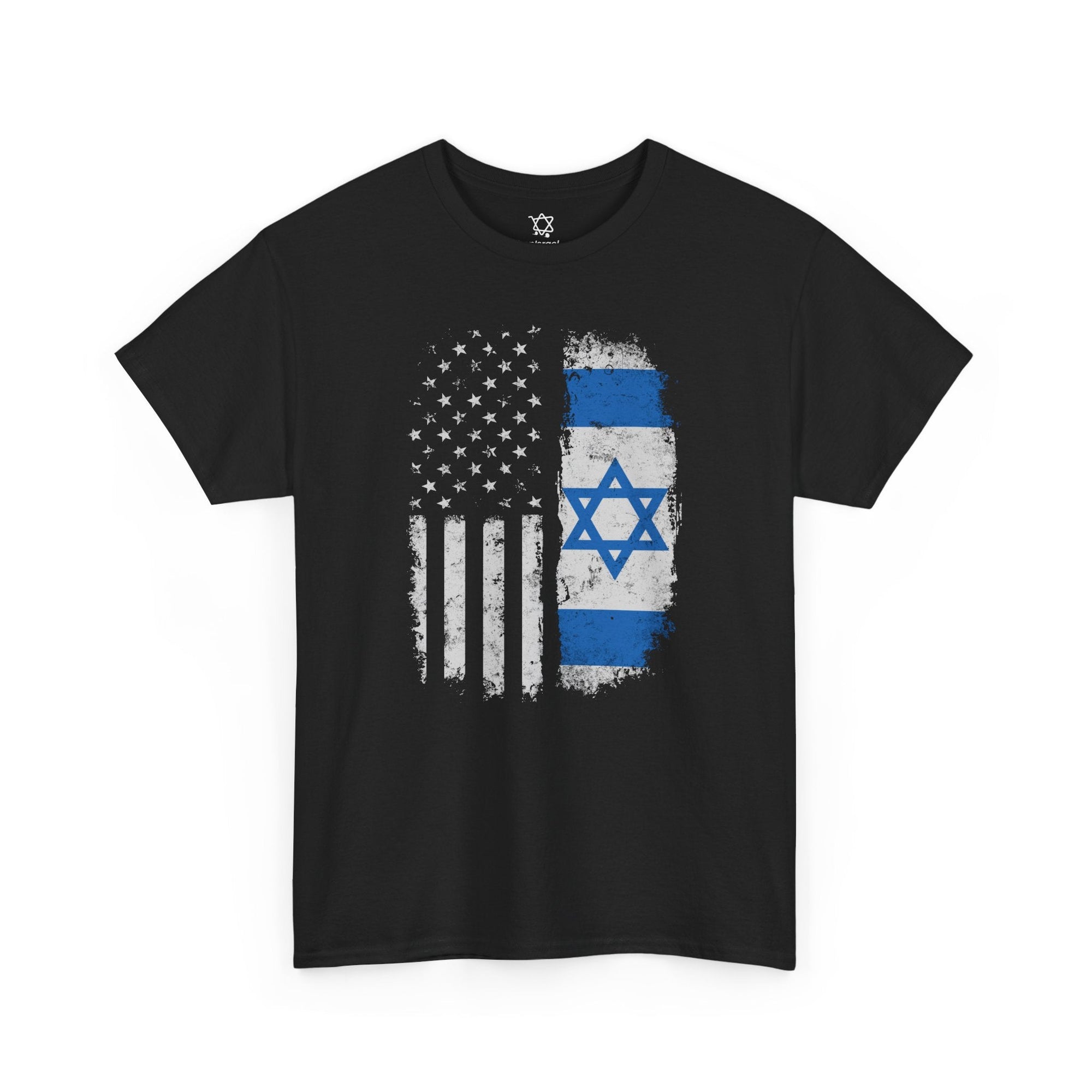
Israel-themed accessories add layers of cultural significance and pride to Jewish festivals across the U.S. Artisan-made items such as handcrafted menorahs, personalized Kiddush cups, and jewelry featuring the Star of David or the Israeli flag are treasured for their beauty and symbolism.
Such products often come from Israeli artists and local studios, supporting the traditions and craftsmanship of Israel’s Jewish community. They embody both religious significance and national pride, making them ideal gifts and decorations during holiday gatherings, including Handmade Judaica, Personalized Kiddush Cups, and Jewelry with Star of David.
Building community ties and heritage preservation
Using Israel-inspired accessories during Jewish holidays nurtures a shared cultural identity within American Jewish communities. These pieces spark meaningful conversations about heritage, foster continuity of tradition, and strengthen bonds among family and friends.
Events centered around holiday traditions become celebrations of Jewish history and the enduring connection to Israel, especially through the exchange of Jewish Holiday Traditions. This practice helps preserve Jewish culture for future generations while expressing solidarity with Israel, enriching the communal Jewish experience in the diaspora.
Celebrate Jewish Heritage with Israel-Inspired Accessories and Gifts
Embracing Tradition through Israel-Inspired Judaica
Jewish holidays carry deep religious and cultural significance, with each festival marked by unique customs, symbols, and meaningful celebrations. Israel-inspired Judaica enriches these experiences by offering authentic accessories and gifts that connect families and communities to their heritage.
Supporting Authentic Artisans
Many products come directly from Israeli artisans, showcasing exceptional craftsmanship and cultural pride. Handcrafted Judaica from Jerusalem and northern Israel—such as menorahs, mezuzahs, personalized Kiddush cups, and jewelry featuring symbols like the Star of David, hamsa, and Israeli flags—support local artists and preserve Jewish artistry.
Enhancing Festival Celebrations
Incorporating these Israel-themed items into Jewish festivals like Passover, Hanukkah, Rosh Hashanah, and Sukkot deepens cultural connections. From lighting exquisite menorahs during Hanukkah to using personalized Seder plates at Passover, these pieces make family gatherings more meaningful and festive.
Choosing Israel-inspired gifts and accessories not only honors tradition but also shows unwavering solidarity with Israel and Jewish heritage worldwide.