

Introduction to the Shofar: A Sacred Sound in Jewish Life
What is the Shofar?
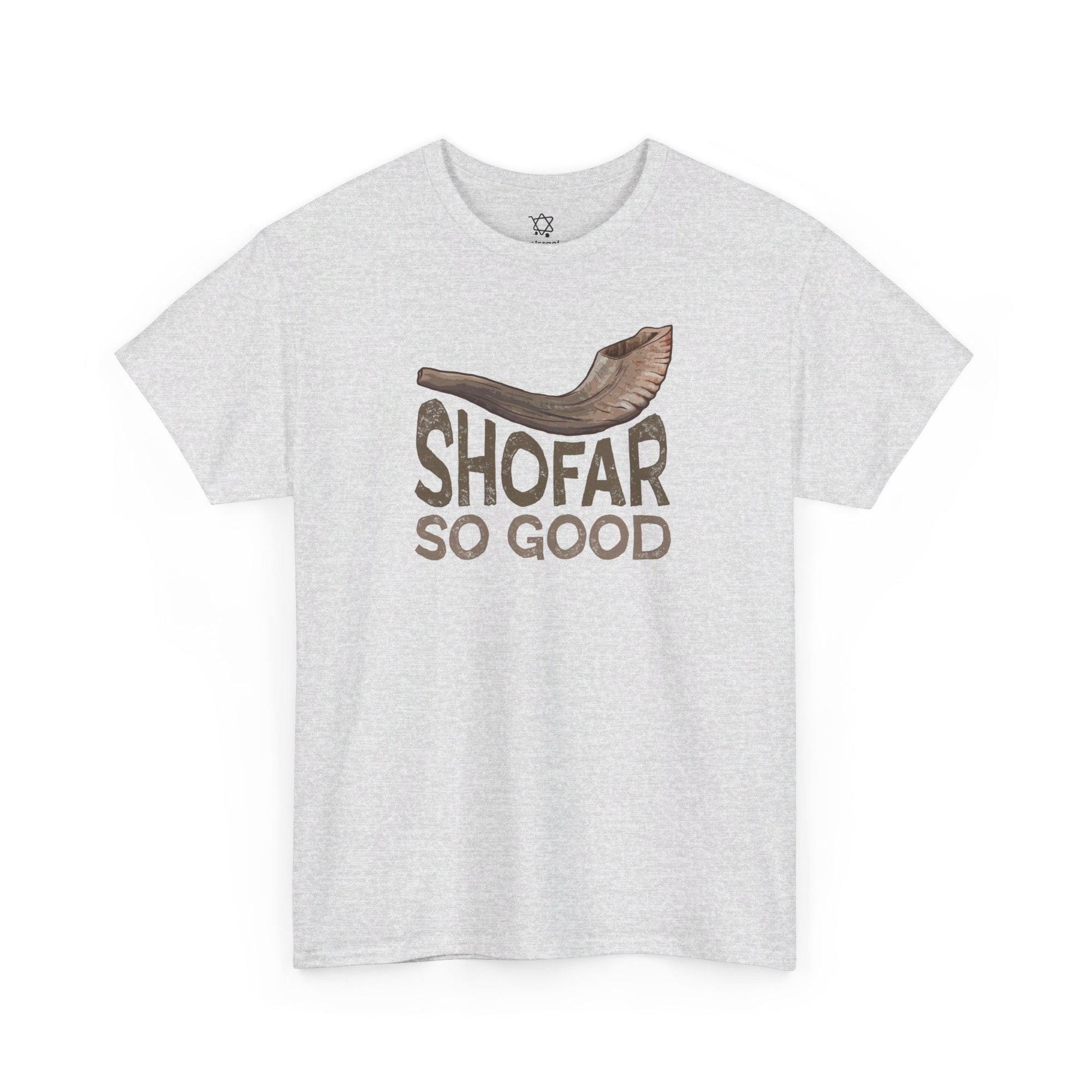
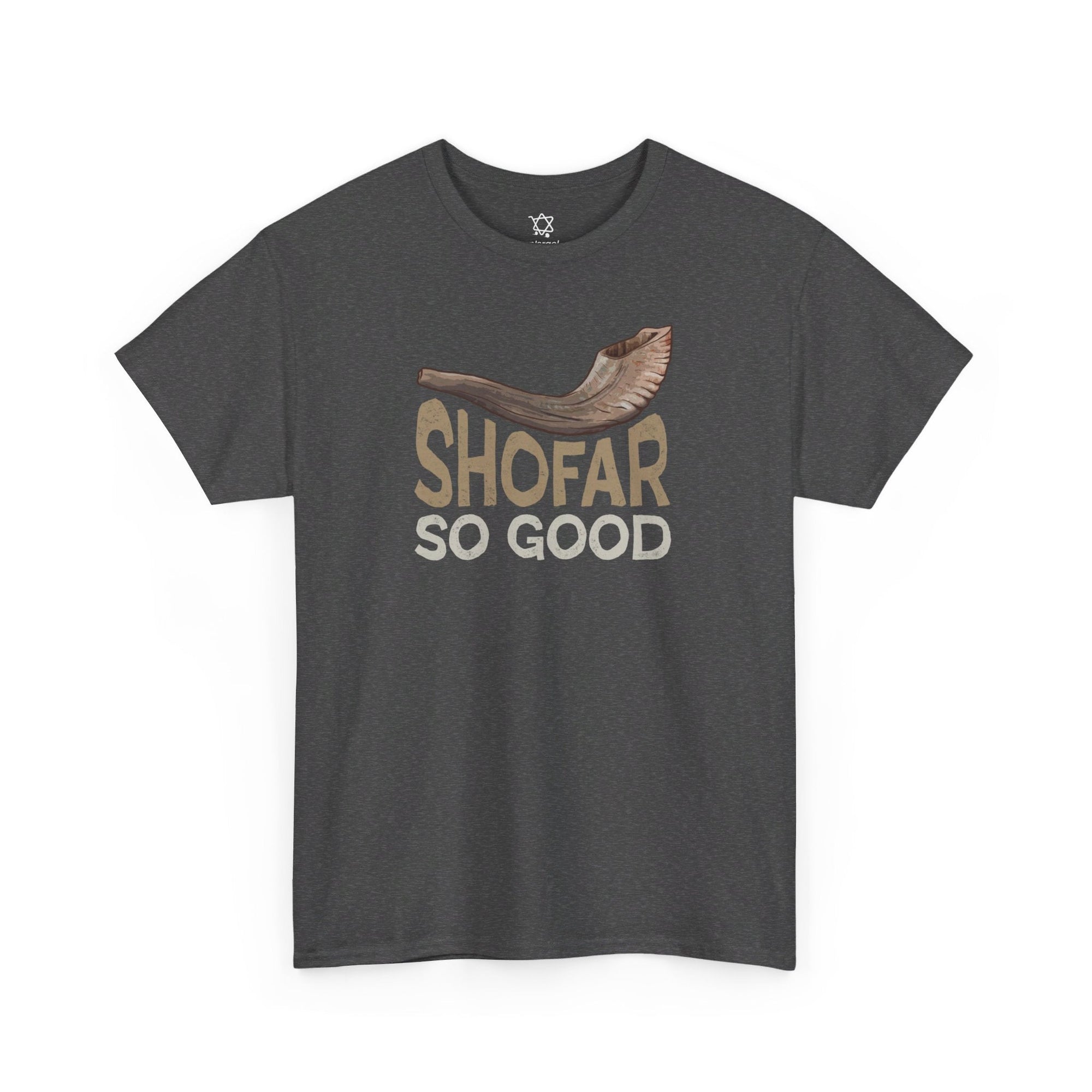
The shofar is an ancient musical instrument made from the horn of a kosher animal, most commonly a ram. It produces a unique, raw sound that holds a profound place in Jewish religious and cultural tradition.
Origins and Historical Role
Mentioned frequently in the Hebrew Bible, the shofar's historical roots trace back to key biblical events such as the revelation at Mount Sinai and the battle of Jericho. Traditionally, it served multiple roles—from spiritual alarm to rallying call in warfare and royal ceremonies.
Use in Jewish Holidays
Today, the shofar is primarily sounded during the Jewish High Holidays, especially on Rosh Hashanah, the Jewish New Year, and Yom Kippur, the Day of Atonement. In the month leading to the New Year, Elul, the shofar is blown daily except on the Sabbath to stir repentance and spiritual awakening.
Cultural and Religious Significance
The shofar's blasts symbolize God's kingship and call believers to reflection, repentance, and renewal. Linked to stories like Abraham's sacrifice of the ram, it represents faith and devotion to God. It also serves as a hopeful reminder for redemption, the coming of the Messiah, and the ultimate spiritual unity of the Jewish people worldwide.
Through this sacred sound, generations connect with their heritage, embracing the call for personal and collective transformation.
The Symbolic Significance of the Shofar in Judaism
What is the significance of the shofar in Judaism?
The shofar, a ram's horn trumpet, stands as one of Judaism’s most profound spiritual symbols. Rooted deeply in biblical tradition and Jewish ritual, it embodies a call to repentance and renewal, especially during the High Holy Days of Rosh Hashanah and Yom Kippur, as well as throughout the month of Elul.
Its piercing sound is not merely a ritualistic blast but a spiritual alarm awakening the conscience, urging self-examination and a return to God. Historically used in the Temple and even in wartime, the shofar’s notes proclaim God's sovereignty, akin to the coronation trumpet of a king, proclaiming divine kingship to the world.
The shofar also recalls the powerful Revelation at Mount Sinai, when God gave the Torah amid thunderous horn blasts, reminding the Jewish people of their sacred covenant and the call to live by Torah principles.
Beyond repentance, the shofar heralds hope and redemption. It symbolizes the ram Abraham sacrificed in place of Isaac, underscoring faith and devotion. Its sound inspires yearning for the rebuilding of Jerusalem, the renewal of the Temple, and the coming of the Messiah—signifying the enduring hope for freedom, peace, and divine justice.
Through its evocative blasts, the shofar weaves together themes of humility before God’s majesty, moral accountability on the Day of Judgment, and collective aspiration for a messianic future. Its place in Jewish life connects the past, present, and future, affirming identity, faith, and spiritual awakening for Jews worldwide.
The Spiritual and Biblical Meanings Behind the Shofar's Sound
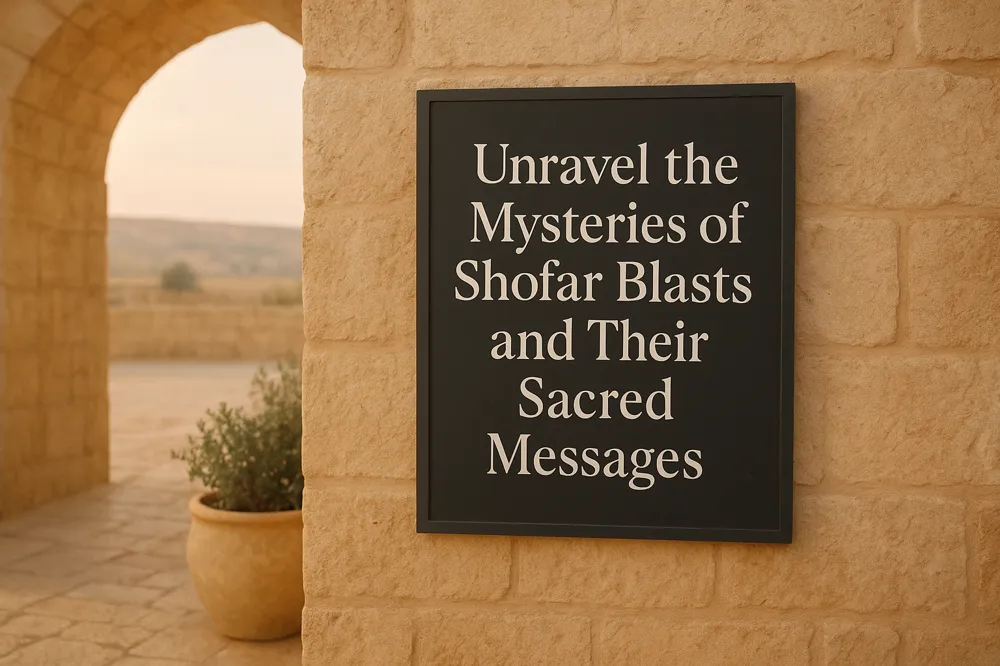
What Are the Different Shofar Blasts and Their Meanings?
The shofar is blown using specific sounds, each carrying unique spiritual messages. The Tekiah is a long, straight blast symbolizing God's coronation as king, evoking awe and reverence. Shevarim features three broken wails reflecting times of trouble, stirring empathy and self-examination. Teruah consists of nine staccato blasts that function like a spiritual alarm clock, awakening the soul to repentance and renewal. The final Tekiah G’dolah is a prolonged blast encompassing all previous calls, inviting listeners to live up to their spiritual responsibilities. For detailed explanations of these shofar blowing sounds: Tekiah, Shevarim, Teruah, see the linked resource.
What Are the Biblical Origins and Significant Events Involving the Shofar?
The shofar’s origins are deeply rooted in the Bible. It was famously sounded at Mount Sinai during the giving of the Torah, announcing God’s revelation to the Jewish people. The ram’s horn also recalls the story of Abraham’s binding of Isaac, where a ram was sacrificed in place of his son, symbolizing faith and divine mercy. In battle, such as the capture of Jericho, the shofar served as a rallying and signaling instrument. Throughout ancient times, it marked sacred occasions like the Jubilee year and the start of new months. For more on the shofar including its biblical background and usage, see the detailed overview on its biblical references.
How Does the Shofar Symbolize Spiritual Awakening and Divine Mercy?
The shofar’s piercing sound is designed to awaken the conscience and stir hearts toward repentance, especially during the High Holidays of Rosh Hashanah and Yom Kippur. Jewish tradition views the sounding of the shofar as a moment when God’s judgment seat shifts from strict judgment to merciful kindness. It reminds individuals to reflect humbly on their deeds, acknowledge human imperfection, and seek renewal through prayer and righteous action. This spiritual role is explored deeply in articles about shofar symbolism in the High Holidays and its spiritual awakening role during High Holidays.
In What Way Is the Shofar a Call to Introspection and Moral Improvement?
Blowing the shofar serves as a powerful call to moral self-examination, urging Jews to evaluate their actions during the Ten Days of Repentance. Its sounds act as a spiritual alarm, breaking the slumber of routine and inspiring each person to return to a life grounded in ethical conduct and devotion. Furthermore, the echoed voice of ancient prophets within the shofar’s blast encourages justice, compassion, and commitment to God’s commandments. This ritual affirms Jewish identity and unity while fostering hope for redemption and peace. Learn more about the shofar's call for introspection and repentance.
| Aspect | Description | Spiritual Impact |
|---|---|---|
| Tekiah | Long blast representing God’s kingship | Awe, reverence, spiritual coronation |
| Shevarim | Three wails symbolizing troubles and sorrow | Empathy, reflection, self-evaluation |
| Teruah | Nine short blasts signaling spiritual awakening | Alertness, repentance, renewal |
| Tekiah G’dolah | Prolonged final blast summarizing prior notes | Challenge to live a righteous life, completeness |
| Biblical Events | Mount Sinai, Binding of Isaac, Jericho’s walls | Establishing covenant, faith, divine protection |
| Spiritual Themes | Repentance, mercy, judgment, hope for redemption | Awakening conscience, moral growth, renewed spirit |
Understanding the Traditional Sounds of the Shofar and Their Meanings
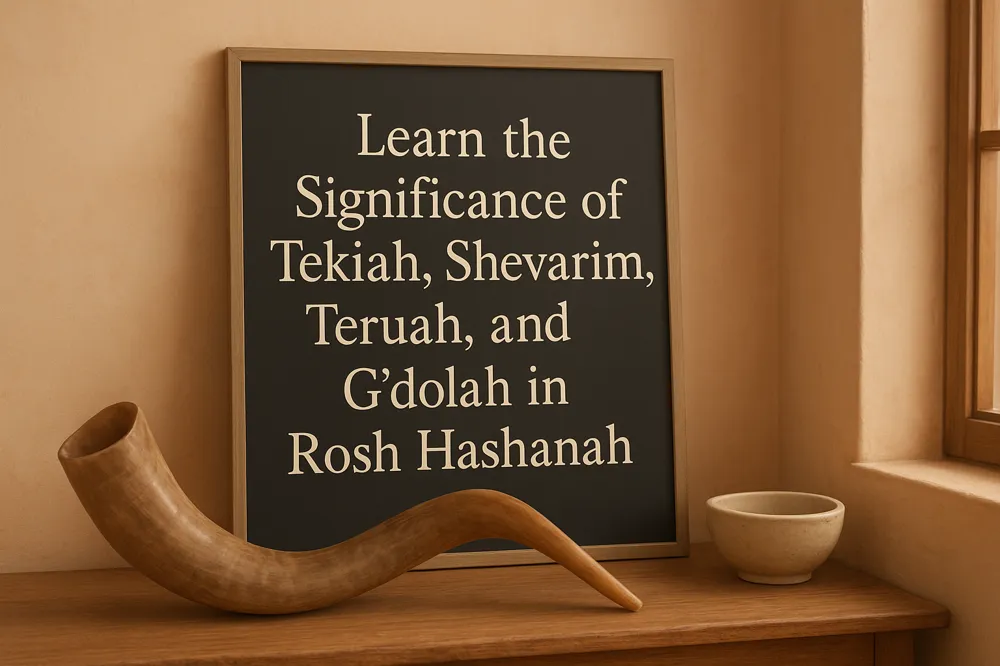
What do the four traditional sounds of the shofar mean?
The Shofar and Rosh Hashanah, an ancient Shofar horn from kosher animal, produces four key sounds during Shofar and Jewish High Holidays like Shofar on Rosh Hashanah and The Israel Boutique: Shofar. Each sound carries powerful spiritual symbolism meant to inspire awareness, repentance, and hope.
-
Tekiah: A long, straight blast. It symbolizes shofar as coronation trumpet and calls for awakening and reflection. This sound resembles the trumpet blast at Shofar in the Bible Exodus 19:16, urging commitment to spiritual growth and divine commandments.
-
Shevarim: Three medium-length broken wails or sobs. It represents remorse and sadness over past wrongs, evoking feelings of humility and sincere repentance.
-
Teruah: A series of nine or more short, staccato blasts, like an alarm clock. It acts as a spiritual wake-up call, urging listeners to renew their faith and introspect actively.
-
Tekiah G’dolah: The final long, powerful blast. It serves as a culmination, emphasizing the challenge to embody the earlier messages and hope for redemption in the upcoming year.
Ritual use during Rosh Hashanah and Yom Kippur
During Shofar History and Tradition, these sounds are carefully blown in specific sequences within the synagogue services, usually after the Torah reading and before the Musaf prayer. The shofar blasts frame the Shofar and repentance, stirring the Jewish conscience toward self-improvement and readiness for the Day of Judgment symbol shofar on Yom Kippur.
Emotional and spiritual impact
The shofar's blasts arouse deep emotional response—evoking awe, humility, and renewed devotion before God’s majesty. Its sound echoes ancient prophetic exhortations of shofar and reminds the community of past trials while inspiring hope for future redemption, unity, and divine mercy.
For Jewish communities worldwide, especially in Israel and the United States, the shofar remains a powerful symbol of shofar in Jewish identity and religious practice.
Biblical Figures and Historical Uses of the Shofar
Who blew the shofar in the Bible?
The shofar was blown by various sacred figures, including priests, prophets, and leaders, marking its role in major biblical events. Priests often sounded the shofar during temple ceremonies, calling the community to worship and sanctifying important moments.
Joshua famously blew the shofar during the Battle of Jericho, signaling the Israelites to advance and leading to the miraculous fall of the city's walls. This event highlights the shofar's martial use as a powerful war signal.
In addition to battle, the shofar announced divine revelations. The most profound moment was at Mount Sinai, where the shofar’s thunderous blast heralded the giving of the Ten Commandments, causing the people to tremble in awe and signaling God's covenant with Israel.
Kings and military leaders also utilized the shofar to proclaim divine kingship and rally troops. Its sounding communicated warnings, called assemblies, and celebrated sacred occasions throughout Israel’s history.
The biblical use of the shofar intertwines spiritual, military, and communal roles, underscoring its enduring symbolism as a sacred instrument of awakening, command, and celebration in Jewish heritage.
The Role of the Shofar in Rosh Hashanah: Purpose and Practice
What is the purpose of blowing the shofar during Rosh Hashanah?
The blowing of the shofar during Elul Rosh Hashanah Yom Kippur serves as a powerful spiritual wake-up call. Its piercing sound urges every listener to assess their actions over the past year and inspires sincere repentance and self-improvement during the Ten Days of Repentance. This ritual is deeply rooted in proclaiming God’s kingship symbolized by shofar, reminiscent of a coronation trumpet that announces the sovereignty of the Divine King over all creation.
How does the shofar connect to God's kingship and the Sinai revelation?
The shofar’s blasts recall the momentous event at Mount Sinai, where God gave the Torah to the Jewish people amidst thunder, lightning, and the profound sound of the shofar and Sinai revelation reminder. This connection reminds Jews of their enduring covenant with God and the obligation to live by His commandments. The instrument’s call marks Rosh Hashanah as a time to renew faith and recommit to Torah study and ethical living.
In what ways does the shofar commemorate the Temple destruction and inspire messianic hope?
Beyond repentance, the shofar as reminder of Jerusalem Temple destruction sound evokes the memory of the destruction of the Holy Temple in Jerusalem, symbolizing national loss and mourning. It also pulsates with the hope for Israel’s ultimate redemption and the coming of the Messiah (Moshiach). This dual symbolism weaves a tapestry of faith that combines sorrow with strength and a longing for the restoration of peace and holiness.
What are the traditional ritual sequences and community practices involving the shofar?
During Rosh Hashanah services, the shofar is sounded in specific sequences consisting of Shofar Blowing Sounds: Tekiah, Shevarim, Teruah. These particular sounds convey various spiritual messages, from alarm and distress to sovereignty and final hope. The communal hearing of the shofar unites Jews worldwide, reinforcing shared identity, devotion, and continuity of ancient tradition.
The shofar’s role at Rosh Hashanah thus merges profound symbolism with ritual practice, inspiring Jews across the globe to awaken spiritually, honor God’s kingship symbolized by shofar, remember their history, and look forward to a future of redemption and peace.
Jewish Law, Craftsmanship, and Varieties of the Shofar
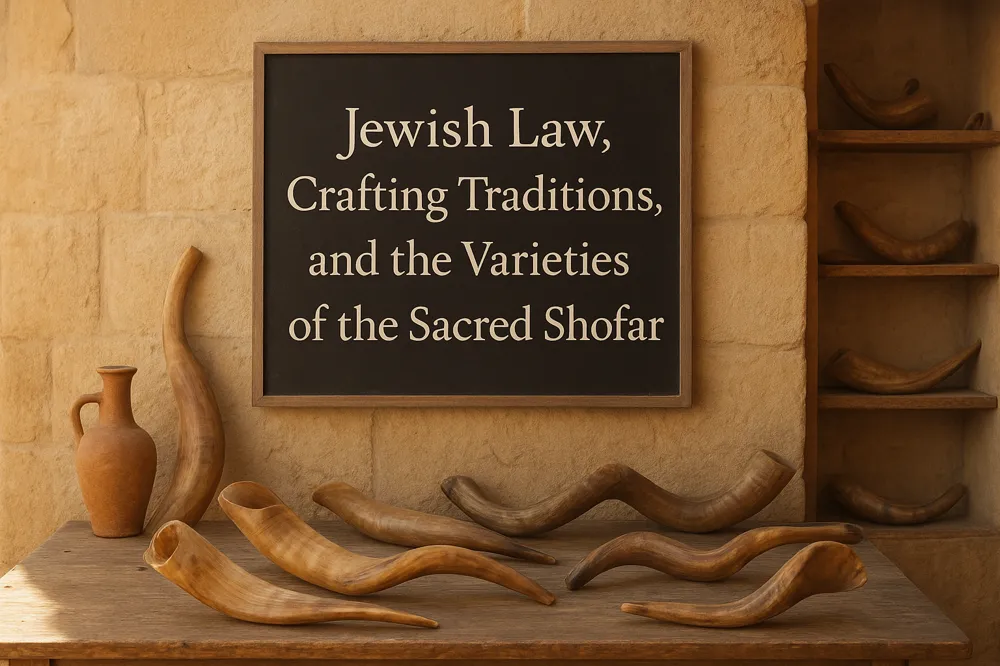
What are the traditional rules for using a shofar according to Jewish law?
Jewish law requires the shofar to be blown with its narrow end pointing upwards, reflecting its natural growth. This ensures the sound carries towards the heavens during prayer. Altering the horn by widening the narrow end or narrowing the wide end nullifies its kosher status, rendering it unsuitable for ritual use.
What materials are used for making shofars?
Shofars are traditionally crafted from the horns of kosher animals. The ram's horn stands as the most common and symbolic material, linked to the biblical story of Abraham's sacrifice. Another revered variety is the kudu horn, used especially by Yemenite Jewish communities, known for its size, spiritual symbolism, and distinctive sound.
Who makes the best shofars?
Renowned craftsmen in Israel and Yemen continue the ancient traditions of shofar making. Yemenite silver-plated kudu shofars are treasured for their superiority in craft, sound quality, and symbolic weight. Ram’s horn shofars, which are more common across Jewish communities, are crafted by skilled artisans focusing on spiritual and ceremonial fidelity. Both types embody deep cultural heritage and sacred value.
How is a shofar maintained and cleaned?
Proper shofar care is essential to preserve its sound and ritual suitability. Experts recommend gentle cleaning and avoiding harsh chemicals to prevent damage. The shofar should be stored safely to avoid cracks or warping. Regular checks ensure the horn remains kosher and ready for use in religious ceremonies.
How do you choose the best shofar for ritual use?
Selection depends on tradition, community customs, and personal preference. Key considerations include material (ram or kudu), sound quality, size, and craftsmanship. Buyers often seek artisan-made shofars from Israel or Yemenite makers, ensuring authenticity and ritual compliance. For more options, see Kosher Shofars for Sale.
| Aspect | Details | Cultural/Religious Significance |
|---|---|---|
| Law | Narrow end up, no alterations allowed | Maintains ritual Kashrut (Shofar law and usage) |
| Material | Ram's horn, Kudu horn | Biblical and communal symbolism (shofar symbolism) |
| Craftsmanship | Israeli artisans, Yemenite traditions | Historical authenticity and sound quality (shofar making traditions) |
| Maintenance | Gentle cleaning, proper storage | Preserves sound and kosher status (shofar care) |
| Choosing a Shofar | Depends on custom, sound, and craftsmanship | Reflects personal and communal ritual identity (Kosher Shofars for Sale) |
The Shofar in Israeli Culture and Modern Jewish Life
How does the shofar reflect Israeli cultural and religious significance?
The shofar serves as a profound symbol of Israeli cultural and religious identity, deeply embedded within Jewish tradition and history. In Israel, the shofar is not only central to major Jewish holidays like Rosh Hashanah and Yom Kippur, but it is also a living link to biblical times. The horn’s piercing sound, originating from a ram’s horn, recalls historic events such as the giving of the Torah at Mount Sinai and the rallying call at the Battle of Jericho, underpinning a shared spiritual heritage.
What role does the shofar play during celebrations and national events?
Beyond religious observances, the shofar frequently features in important Israeli national ceremonies. It was famously sounded during the Six-Day War to celebrate victory, symbolizing Jewish resilience and hope. The shofar accompanies presidential inaugurations and public religious festivals like Mimuna, highlighting its enduring role in expressing national pride and unity. Its sound is a reminder of the Jewish people's historical journey—from exile to freedom—capturing both solemnity and aspiration.
How is the shofar connected spiritually within Jewish communities worldwide, including in the United States?
Globally, the shofar fosters a deep spiritual connection within Jewish communities. In the United States, Orthodox, Conservative, and Reform groups alike embrace the shofar’s call during High Holidays to awaken conscience, inspire repentance, and recall the Sinai revelation. The shofar’s echoes evoke humility and the call for moral reflection, reinforcing Jewish faith and identity across diasporas. Its role transcends geography, symbolizing hope for redemption and unity among Jews worldwide.
How is the shofar used in educational contexts and as cultural merchandise?
Educational programs often incorporate the shofar to teach Jewish history, values, and religious practice, ensuring younger generations understand its spiritual and cultural meaning. Moreover, the shofar is popular as a meaningful gift and decorative item within Jewish cultural merchandise. Authentic kosher shofars, crafted primarily in Israel, come with rabbinical certification and are sold globally, emphasizing their sacredness and cultural significance. This availability strengthens bonds between Israel and Jewish communities everywhere, promoting heritage and tradition through both ritual and artistry.
Conclusion: Embracing the Shofar’s Enduring Legacy
The shofar stands as a profound symbol blending spiritual awakening with centuries of rich history.
It resonates deeply within Jewish identity, reminding us of God's kingship, the covenant at Sinai, and the call for repentance that marks the High Holy Days. The ram's horn echoes stories of faith like Abraham's sacrifice, while stirring humility and hope for redemption.
From ancient battles and temple rituals to modern celebrations across the Jewish diaspora—including American communities—the shofar continues to unite generations in a timeless tradition.
Engaging with the shofar means embracing its call to self-reflection, moral renewal, and connection to our heritage. Through its resonant blasts, we reaffirm our commitment to spiritual growth and collective memory.
Let this sacred horn inspire you to honor Jewish faith and culture, preserving the shofar’s legacy for future generations with pride and devotion.