

Introduction to the Shofar's Enduring Role
The Shofar: A Timeless Symbol in Jewish Tradition
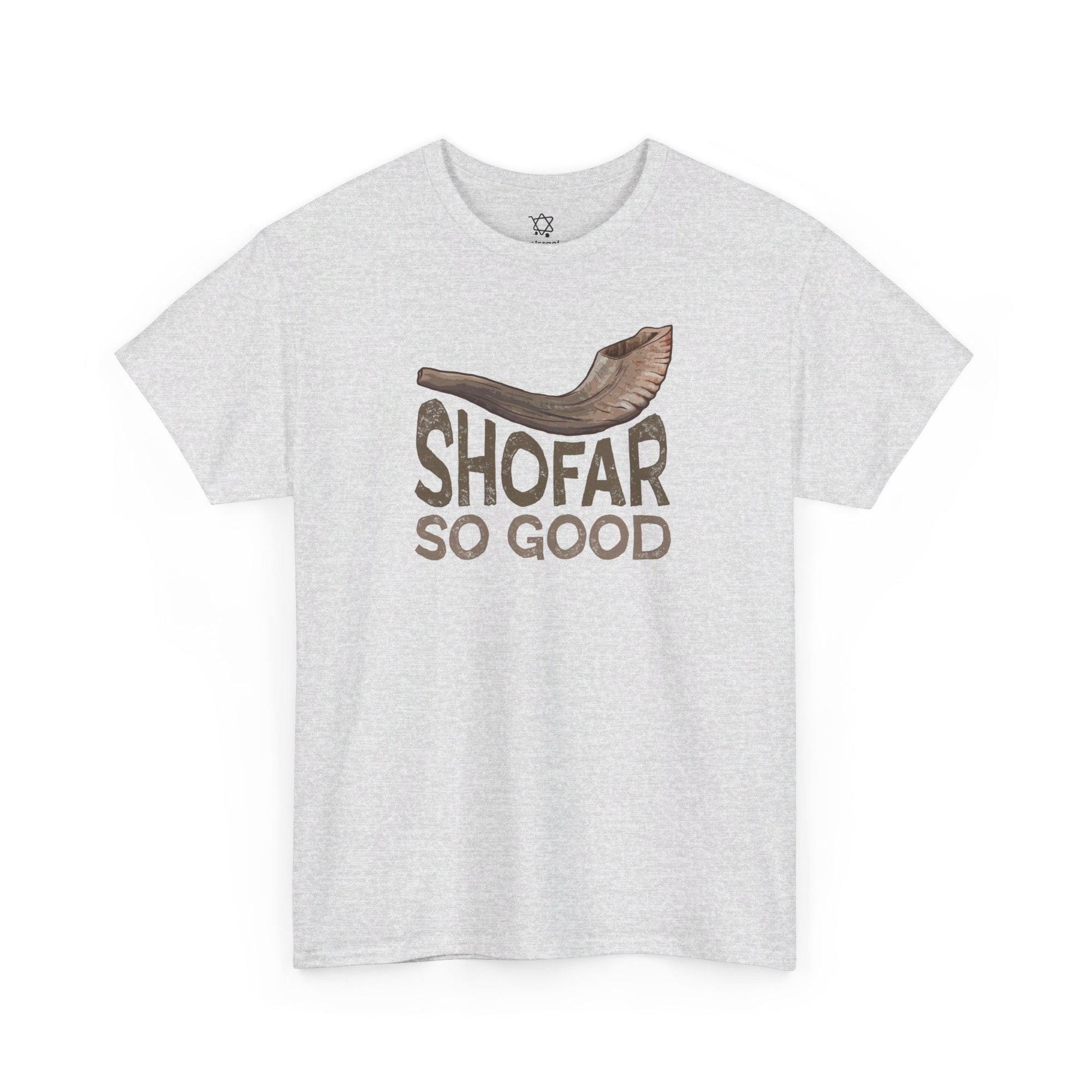
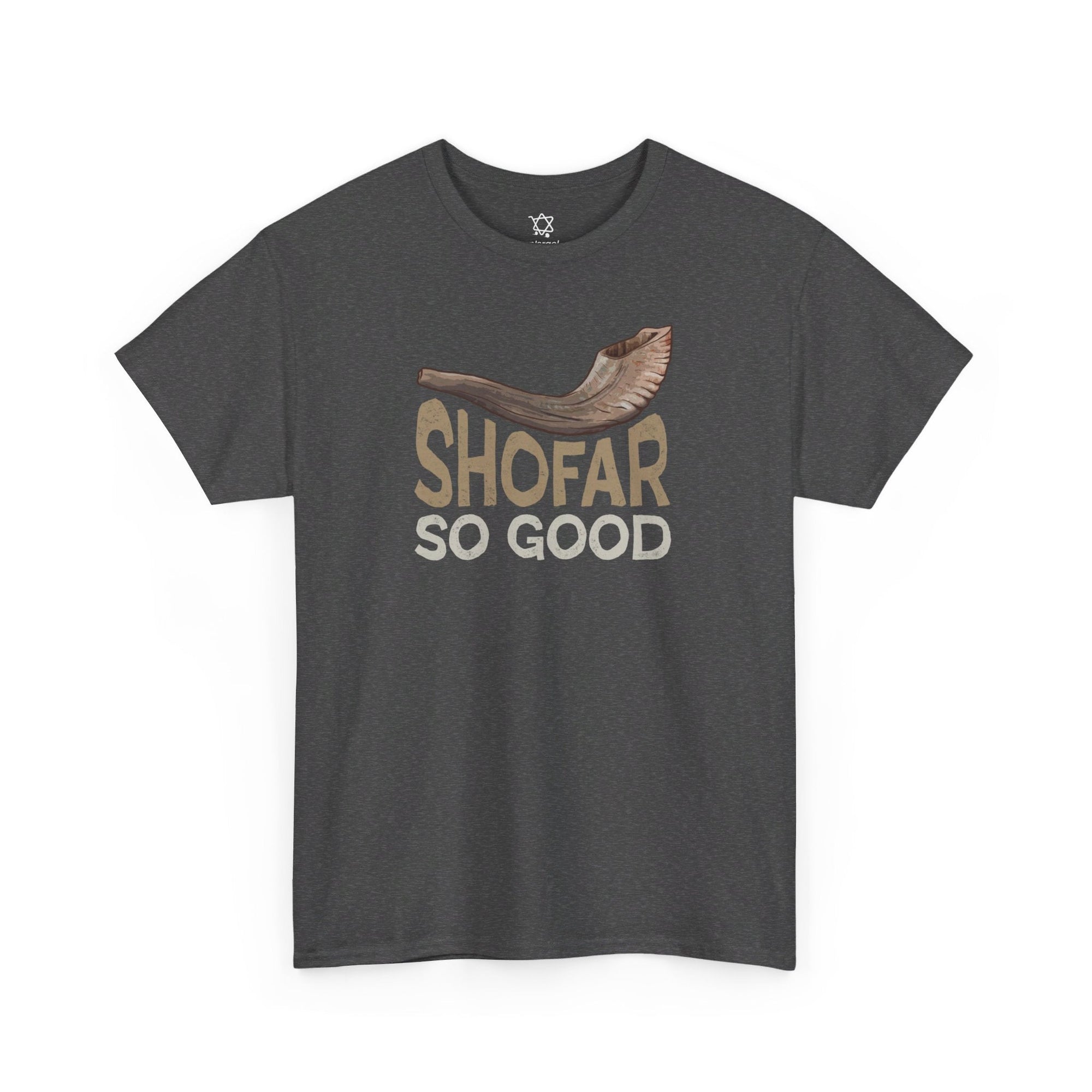
The shofar, a ram’s horn, stands as one of the most enduring and powerful symbols in Jewish history and spirituality. Mentioned repeatedly in the Bible, the shofar’s presence marks momentous occasions—from the revelation at Mount Sinai to the battle of Jericho. Historically, it serves as a call to spiritual awakening, repentance, and divine kingship.
Spiritual and Historical Significance
Blown during key periods such as Elul, Rosh Hashanah, and Yom Kippur, the shofar signals God's sovereignty over the universe. Its evocative blast stirs the conscience, reminding the Jewish people of their covenant at Sinai and the prophetic call to righteousness. The shofar symbolizes the ram offered in place of Isaac, underscoring themes of faith and self-sacrifice pivotal to Jewish heritage.
A Core of Jewish Identity and Culture
Beyond ritual, the shofar resonates as a cultural emblem, uniting Jewish communities worldwide. It represents hope for the rebuilding of the Temple, the coming of the Messiah, and a future of redemption. In diaspora communities, especially in the United States, the shofar is a vital expression of Jewish pride, faith, and connection to ancestral roots, continuing a legacy that spans millennia.
Historical and Biblical Foundations of the Shofar
What are the historical origins of the shofar in Jewish tradition?
The Shofar, traditionally made from a ram’s horn, holds deep The History of the Shofar within shofar in Jewish rituals. It is mentioned extensively in the Shofar meaning as a pivotal spiritual instrument.
Biblical origins and mentions of the shofar
The earliest notable biblical mention of the shofar is at Shofar at Mount Sinai during the giving of the Torah, where its powerful blast announced divine revelation to the Israelites. This moment solidified the shofar’s symbolic role as a shofar symbolizing God's sovereignty, awakening faith and spiritual consciousness.
Use in ancient Jewish rituals and battles
Beyond ceremonial use, the shofar served practical functions such as signaling the start of wars, rallying troops during battles like the iconic Shofar in the battle of Jericho and serving as an alarm in times of danger. It was also sounded to announce sacred occasions, calling communities together in worship and alertness.
Role in announcing Jubilee years and spiritual gatherings
The shofar was integral to proclaiming the Shofar and the Jubilee years, a time of freedom and restoration as commanded in Leviticus. Its blasts marked the start of new months and important spiritual gatherings, underscoring the unity and covenantal relationship between the Jewish people and God.
These historic roles highlight the shofar as a multi-dimensional instrument—both a spiritual symbol of divine presence and a practical tool in Jewish communal life, underscoring its enduring legacy within shofar in Jewish tradition.
Symbolism and Spiritual Significance
What does the sound of the shofar symbolize in Jewish spirituality?
The shofar sound significance is one of the most profound symbols in Jewish tradition. Echoing the royal trumpet of a king’s coronation, it proclaims shofar symbolizing God's sovereignty over all creation. This majestic blast reminds believers that God reigns supreme, calling the Jewish people and all humanity to acknowledge His divine kingship.
Crafted from a Ram’s horn origin of the shofar, the shofar also serves as a powerful emblem of the Binding of Isaac and the shofar, where Abraham’s faith and willingness to sacrifice his son were substituted by a ram. This connection imbues the shofar with themes of devotion, sacrifice, and trust in God's will.
Beyond its historical ties, the shofar acts as a shofar as a spiritual alarm clock. Its piercing sounds awaken the soul during the High Holidays, urging introspection, repentance, and renewal. This call to teshuvah (return) fosters personal and communal awakening as believers prepare for the Days of Awe.
Moreover, the shofar echoes the shofar as prophetic exhortation, recalling the voices of the Jewish prophets who demanded faithfulness and justice. It instills humility by reminding us of shofar urging penitence at Rosh Hashanah, inspiring hope for restoration.
Crucially, the shofar points toward the future — the Shofar heralding the coming of the Messiah. Its sound symbolizes the anticipation of redemption and the return from exile when God's unity will be universally acknowledged. In this way, the shofar embodies a spiritual bridge connecting past covenantal faith to future hope and divine salvation.
Ritual Usage and Liturgical Practices

Jewish holidays for shofar blowing: Elul, Rosh Hashanah, Yom Kippur
The shofar is sounded daily throughout the month of Elul—except on Shabbat and Erev Rosh Hashanah—as a spiritual wake-up call encouraging repentance and return to God. Its central role peaks on Blowing the shofar on Rosh Hashanah, when it signals God's kingship, and on Yom Kippur, the Day of Atonement, completing the Ten Days of Awe known for repentance and self-reflection.
Different traditional shofar blasts – Tekiah, Shevarim, Teruah
There are three primary sounds in shofar blowing: Tekiah (a long, unbroken blast symbolizing God’s sovereignty), Shevarim (three broken notes representing a sigh or weeping), and Teruah (a series of rapid staccato blasts akin to an alarm). These blasts are combined in specific sequences during Shofar blasts for Jewish holidays to inspire awe, humility, and penitence.
The commandment and exemptions regarding who blows the shofar
Blowing the shofar is a biblical shofar mitzvah on Rosh Hashanah binding on Jewish men. Women and minors are traditionally exempt but encouraged to participate in communal worship to witness the shofar's sound. The ritual remains a cornerstone in Jewish law and religious identity.
The role of the shofar in the Days of Awe and penitential period
The shofar's blasts during the Ten Days of Awe serve as a spiritual summons, stirring the conscience toward teshuvah (repentance). It recalls the Shofar at Mount Sinai and the prophetic calls to justice and righteousness. The melodious yet stirring notes invite individuals to examine their deeds and return to God with sincerity.
Spiritual effects intended by the shofar's call
The shofar’s sound acts as the soul’s alarm clock, awakening spiritual awareness and opening hearts to divine mercy. It inspires humility before God’s majesty, reminds of the binding of Isaac and Abraham’s faith, and signals the hope for redemption and messianic arrival. Its blasts awaken longing for connection with the Creator, reinforce dedication to Torah, and deepen communal bonds.
The shofar's ritual usage beautifully connects ancient The History of the Shofar to contemporary Jewish spiritual life, reinforcing faith and communal identity during the sacred High Holiday season.
The Shofar in Modern Jewish Life and the American Diaspora
How does the shofar maintain relevance in contemporary Jewish life, particularly in the United States?
The shofar remains a vibrant and enduring symbol in Jewish communities around the world, especially in the United States, where it holds profound spiritual, cultural, and political significance. During the High Holidays of Rosh Hashanah and Yom Kippur, the shofar is a central ritual object, marking these sacred times with its stirring blasts. It acts as a spiritual call to repentance, awakening the soul and reminding each person of their connection to God and Jewish tradition.
Beyond its liturgical role, the shofar functions as a powerful emblem of Jewish identity and heritage, helping diaspora communities sustain a tangible link to their history. Its sound resonates with themes of resilience, hope, and renewal — values deeply cherished within the Jewish American experience. The shofar is also common at community gatherings and cultural events, symbolizing unity and encouraging collective reflection.
In modern contexts, the shofar’s influence extends to public spheres, including political and social campaigns. Its blasts are sometimes used metaphorically or literally to rally awareness, promote justice, and honor memory, reflecting how ancient tradition adapts to contemporary causes. This dynamic role reinforces Jewish solidarity while engaging broader society, particularly in the multicultural tapestry of the United States.
Thus, the shofar remains both a sacred instrument and a cultural beacon, continuously inspiring faith, pride, and communal bonds in American Jewish life today.
Shofar Craftsmanship and Merchandise: Tradition Meets Contemporary Expression
What is involved in the making and merchandising of kosher shofars?
Kosher shofars are meticulously crafted from the horns of kosher animals such as rams or kudu. These raw materials are primarily sourced from Israel, ensuring adherence to stringent religious standards. Each horn must meet specific criteria: adequate length, absence of cracks or holes, and must not be coated or reconstructed with foreign substances. The process involves hollowing, shaping, and polishing to create a sound-quality instrument that is ritualistically valid. Every shofar sold with a kosher certificate guarantees its eligibility for sacred use during Jewish High Holidays and ceremonies. Kosher Shofars for Sale
Materials and kosher requirements for shofar production
The horn must come from animals within the Bovidae family, with the ram’s horn traditionally preferred because of its biblical symbolism linked to Abraham’s sacrifice. Horns from cattle are avoided due to halachic laws. The craftsmanship respects these religious laws while preserving the natural form, emphasizing purity and spiritual essence. Shofar definition
Common shofar designs and their symbolic meanings
Designs range from classic, natural curves symbolizing faith’s simplicity to intricate carved patterns showcasing the Star of David, Menorah, or tribal motifs. Some shofars feature zodiac signs or Kabbalistic symbols like the Tree of Life, infusing mystical significance. Floral, geometric, or Jerusalem landmark motifs reflect growth, divine infinity, and historical roots, respectively. These artistic variations allow wearers and users to express diverse connections to Jewish heritage and spirituality. Shofar Designs
The significance of sourcing shofars from Israel
Israel plays a critical role as the authentic origin of shofar crafting. Procuring shofars from Israel not only satisfies religious mandates but also carries deep cultural and spiritual resonance with the Jewish people's ancestral homeland. This connection enhances the pride and identity associated with shofar ownership. Kosher Shofars for Sale
How shofar merchandise promotes Jewish heritage and pride
Merchandise extends beyond ritual. Beautifully crafted shofars serve as cherished gifts, collectible art pieces, or symbols of solidarity within the Jewish diaspora. They provide a tangible link to rich traditions, encouraging personal and communal pride. Personalized shofars, adorned with names or prayers, deepen the spiritual bond, making the ancient tradition personally meaningful. Shofar
Varieties of shofar art reflecting cultural and spiritual themes
From natural and pastoral to tribal and Kabbalistic designs, shofar art covers a spectrum of cultural narratives. Contemporary artistic expressions blend tradition with modern creativity, offering unique ways for individuals to celebrate Jewish identity and faith. This artistic diversification enriches the shofar’s role in Jewish cultural preservation and outreach. Shofar Designs
| Aspect | Details | Significance |
|---|---|---|
| Materials | Ram or kudu horn, kosher-certified | Upholds ritual purity and biblical ties |
| Design Types | Natural, symbolic carvings, Kabbalistic | Reflects faith, mysticism, and heritage |
| Origin | Primarily crafted and sourced in Israel | Connects users with ancestral homeland |
| Merchandise Purpose | Ritual use, gifts, cultural pride | Strengthens Jewish identity and heritage |
| Artistic Themes | Tribal, zodiac, floral, modern art | Celebrates diversity and spiritual themes |
Mystical and Contemporary Resonances of the Shofar
What are the mystical and modern spiritual meanings attached to the shofar?
The shofar's sound resonates far beyond its ancient origins, carrying profound Kabbalistic and spiritual meanings. In Jewish mysticism, the shofar's blast is considered a catalyst for spiritual healing and transformation. The very word "shofar" shares roots with the Hebrew term for improvement, reflecting its role as a tool for self-betterment and spiritual awakening.
This powerful instrument embodies a call to elevate the soul, aligning with Kabbalistic teachings that emphasize breath (neshima) as the life force connected to the soul (neshama). The vibrations produced by the shofar are seen as a form of sound therapy, promoting inner renewal by stirring the listener's heart and opening pathways to divine energy.
In modern American Jewish spirituality, the shofar continues to inspire hope and resilience. It serves as a unifying symbol that transcends generations, reinforcing communal bonds and cultural identity. Through its mystical and healing power, the shofar heralds themes of redemption, the coming of the Messiah, and the ultimate unity of all creation under God’s sovereignty.
By connecting ancient tradition with contemporary spiritual practices, the shofar remains a vibrant symbol of faith, renewal, and collective aspiration within Jewish life worldwide. Mystical and modern spiritual meanings of the shofar
The Shofar's Continuing Promise: Spiritual Heritage and Renewal
A Timeless Symbol Rooted in History
The shofar, a ram’s horn trumpet, is central to Jewish history and faith, echoing from biblical epochs like Mount Sinai to the battle of Jericho. It symbolizes God’s sovereignty, sounding calls to repentance, humility, and renewal.
Living Faith and Identity
Blown prominently on Rosh Hashanah and Yom Kippur, the shofar awakens spiritual consciousness and recalls the covenant of Torah. Its blasts herald both Jewish resilience and hope for messianic redemption, making it a profound emblem of Jewish identity.
Ritual Practice and Symbolic Merchandise
Across Jewish communities worldwide, including in the United States, the shofar remains integral to High Holiday prayers. Kosher, crafted from authentic ram horns, shofars offered as ritual objects or gifts help preserve tradition and foster a lasting connection to Jewish heritage.
Embracing the Shofar’s Enduring Message
To embrace the shofar is to engage with an ancient call that resonates across centuries: a summons to repentance, steadfast faith, and hopeful renewal—a spiritual legacy that continues to inspire generations worldwide.