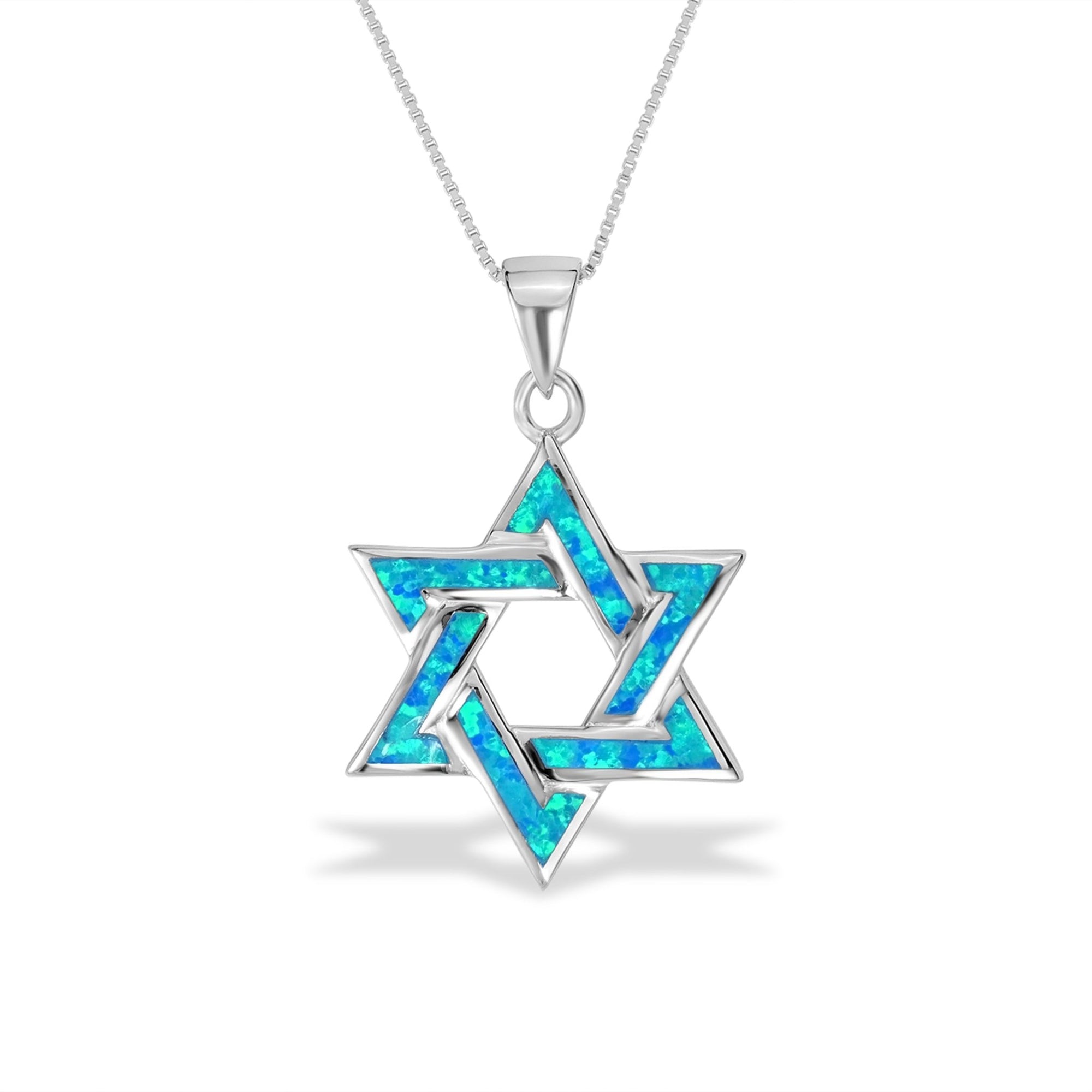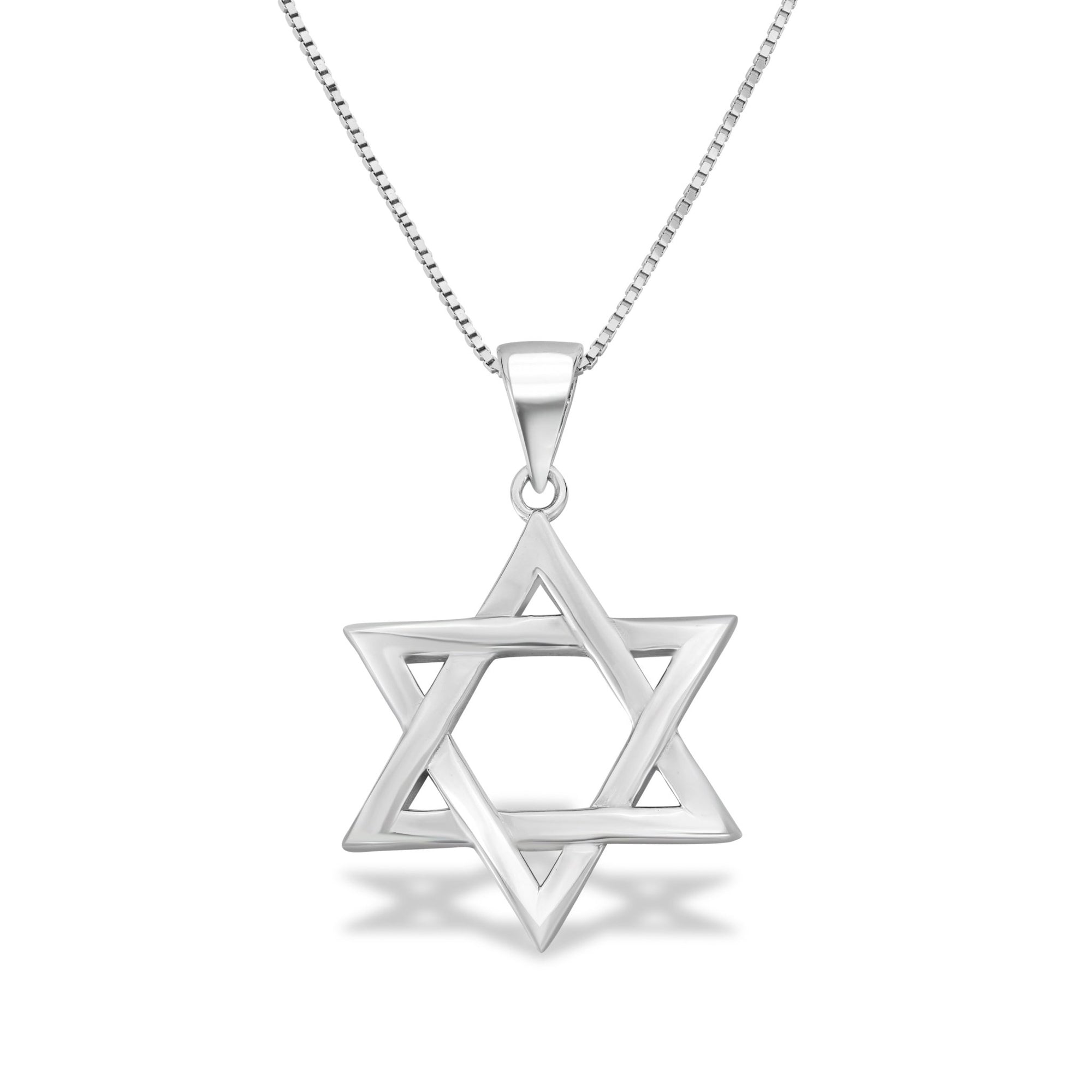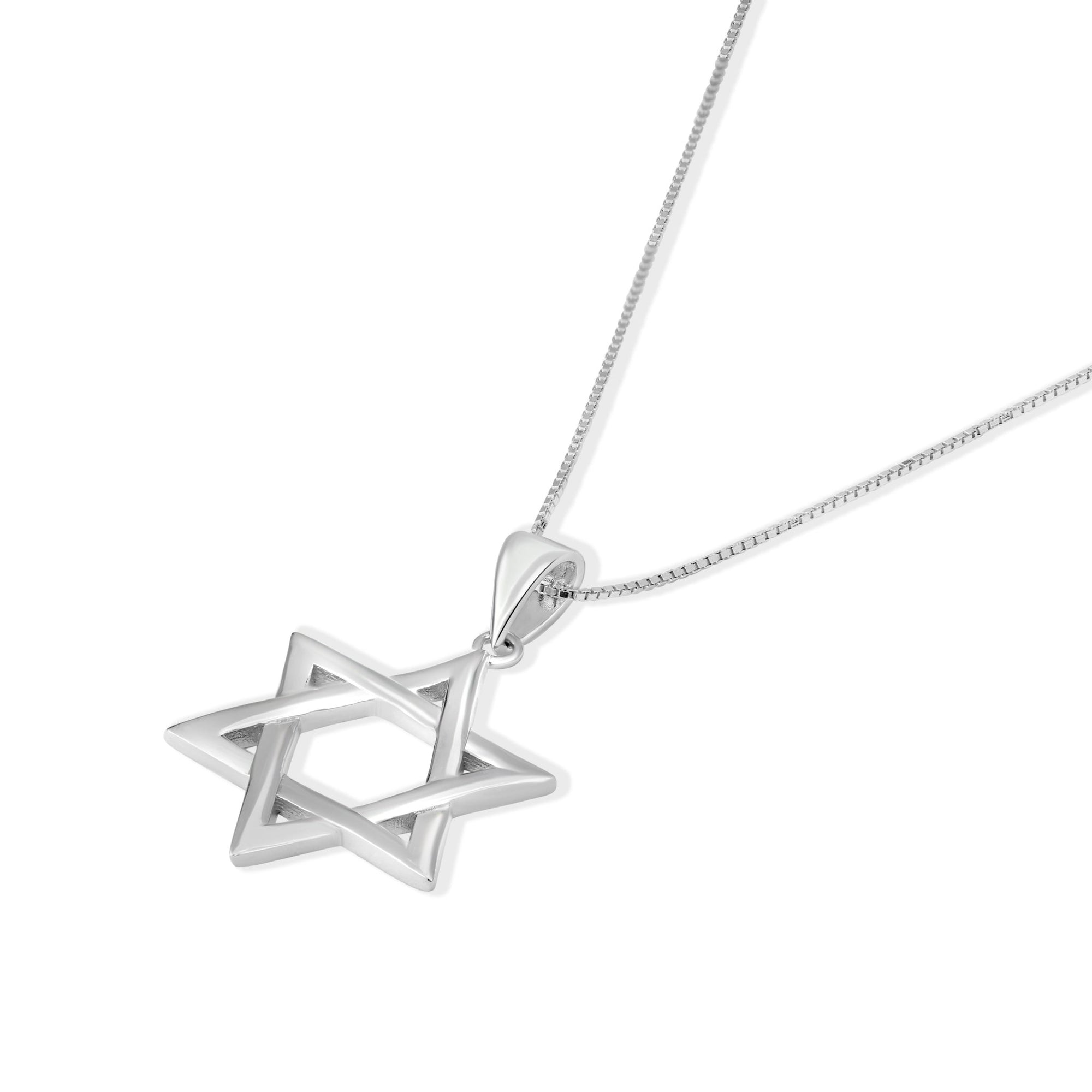


Short answer: The Star of David (in Hebrew, Magen David, or "Shield of David") is the most recognized symbol of Judaism and the Jewish people: a six-pointed star formed by two overlapping equilateral triangles, a shape known as a hexagram. In jewelry it is worn as an affirmation of Jewish identity, heritage, and faith, and in Kabbalistic readings as an image of the connection between heaven and earth. Its story is richer, and later, than most people assume: the shape is ancient and was shared across many cultures, and it became a distinctly Jewish emblem only from roughly the 14th to 17th centuries onward.
What the Star of David means
The name Magen David translates as "Shield of David," and medieval Jewish tradition attached protective, amulet-like power to the shape, which is part of why it still reads as a talisman of strength and protection to many wearers (Chabad.org).
In Jewish mysticism the two interlocking triangles invite layered readings. One common interpretation holds that the upward triangle points toward God and the heavens while the downward triangle points toward earth and humanity, expressing harmony between the divine and the material world (an idea sometimes framed as "as above, so below"), and the Zohar links the six points to divine attributes (Chabad.org). These are genuine interpretive traditions rather than a single fixed doctrine, so they are best understood as meaningful readings layered onto the symbol over time, not as its literal origin.
An ancient shape that became Jewish over time
Here is the part that surprises people: the hexagram is not of biblical or Talmudic origin, and it was not always uniquely Jewish. For centuries the six-pointed star appeared as a decorative and mystical motif across many cultures, including Jewish, Christian, and Muslim contexts (My Jewish Learning; Commentary).
Its transformation into THE Jewish symbol happened gradually, and it was anchored in Prague. In 1354, Holy Roman Emperor Charles IV granted the Jews of Prague the right to display their own flag, and they chose a banner bearing a large six-pointed star (Kafkadesk). More decisively, from the 17th century the star became the official seal of many Jewish communities and a general sign of Judaism, marking synagogues as Jewish houses of worship much as the cross marked churches (My Jewish Learning).
From the yellow star to Israel's flag
The symbol gained global meaning in the modern era. On August 29, 1897, the First Zionist Congress in Basel adopted a blue-and-white flag with a six-pointed star at its center, giving the Magen David international prominence as the emblem of the Jewish national movement (Jewish Virtual Library).
Then the meaning deepened tragically. In November 1939, Nazi authorities in occupied Poland began forcing Jews to wear a Star of David, and by September 1941 the yellow badge inscribed "Jew" was extended across the Reich to stigmatize and isolate (US Holocaust Memorial Museum). After the Holocaust, the same star was reclaimed as a proud emblem of survival: on October 28, 1948, the blue-and-white flag bearing the Star of David was adopted as the flag of the State of Israel, cementing it as the symbol of Jewish sovereignty and identity (Jewish Virtual Library).
Wearing the Star of David today
For anyone choosing a piece to wear, this documented arc is a strength, not a footnote. A Star of David necklace or ring carries a real journey from ancient shape to communal seal to national flag to a personal statement of faith and belonging. That is what makes it feel meaningful against the skin rather than merely decorative.
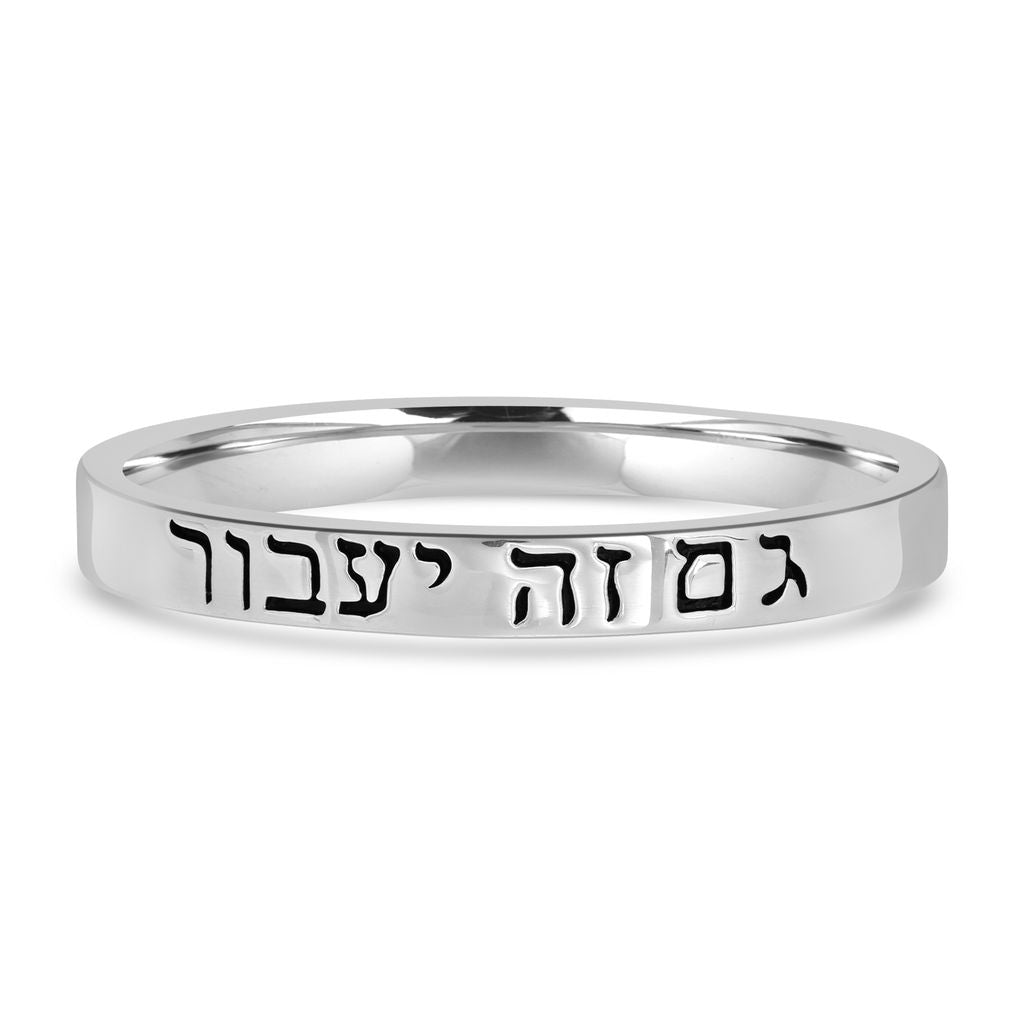
Whether it is a first Magen David for a bar or bat mitzvah, a gift that quietly says "you belong to this," or a daily reminder of who you are, our Star of David jewelry collection gathers necklaces and rings in classic and opal-accented designs, each built around the six-pointed star. Pick the one whose story feels like yours.
Related
- The Meaning of the Star of David
- Star of David Jewelry: Designing With Deep Symbolism
- Top Jewish Symbols and Their Meaning
Last updated July 2026.