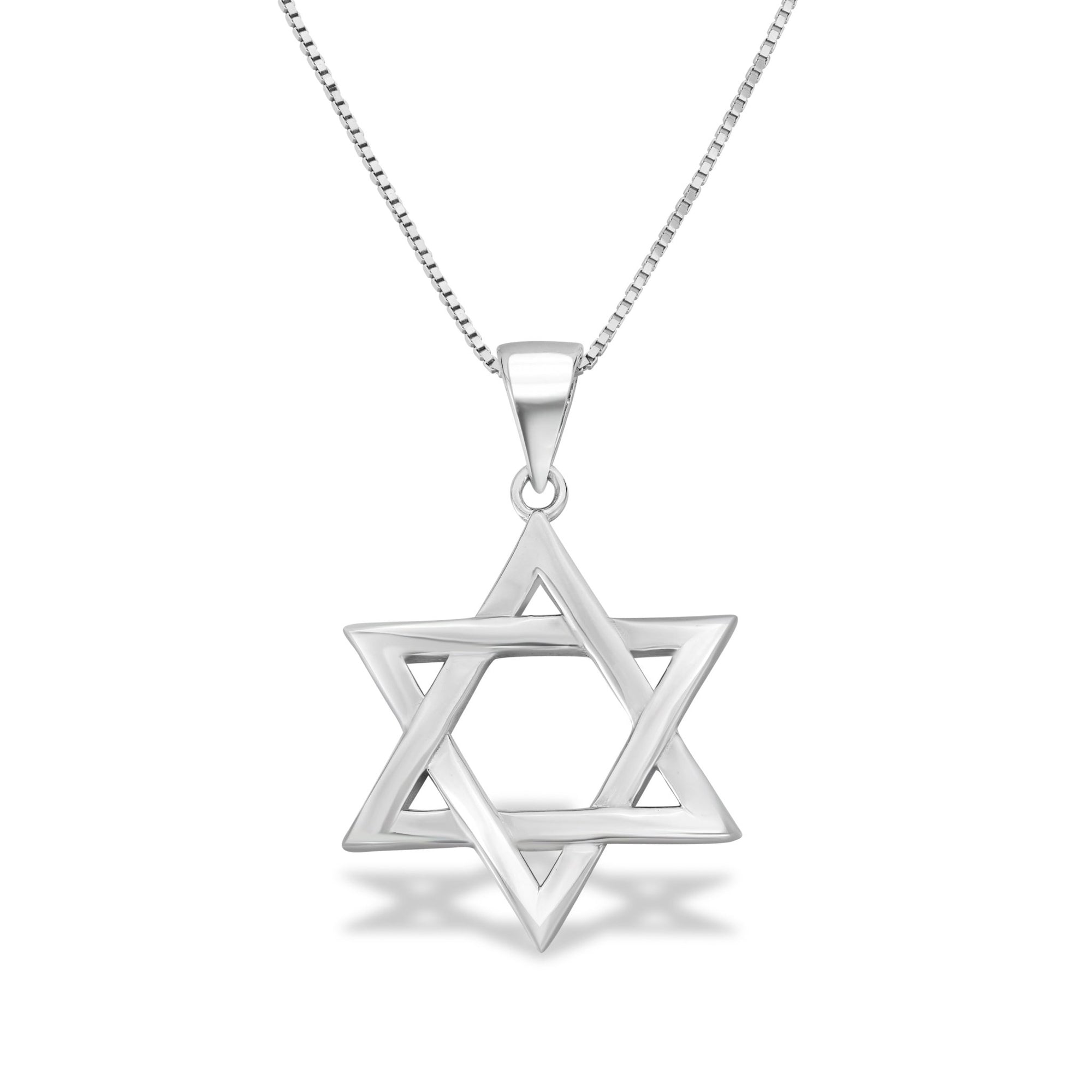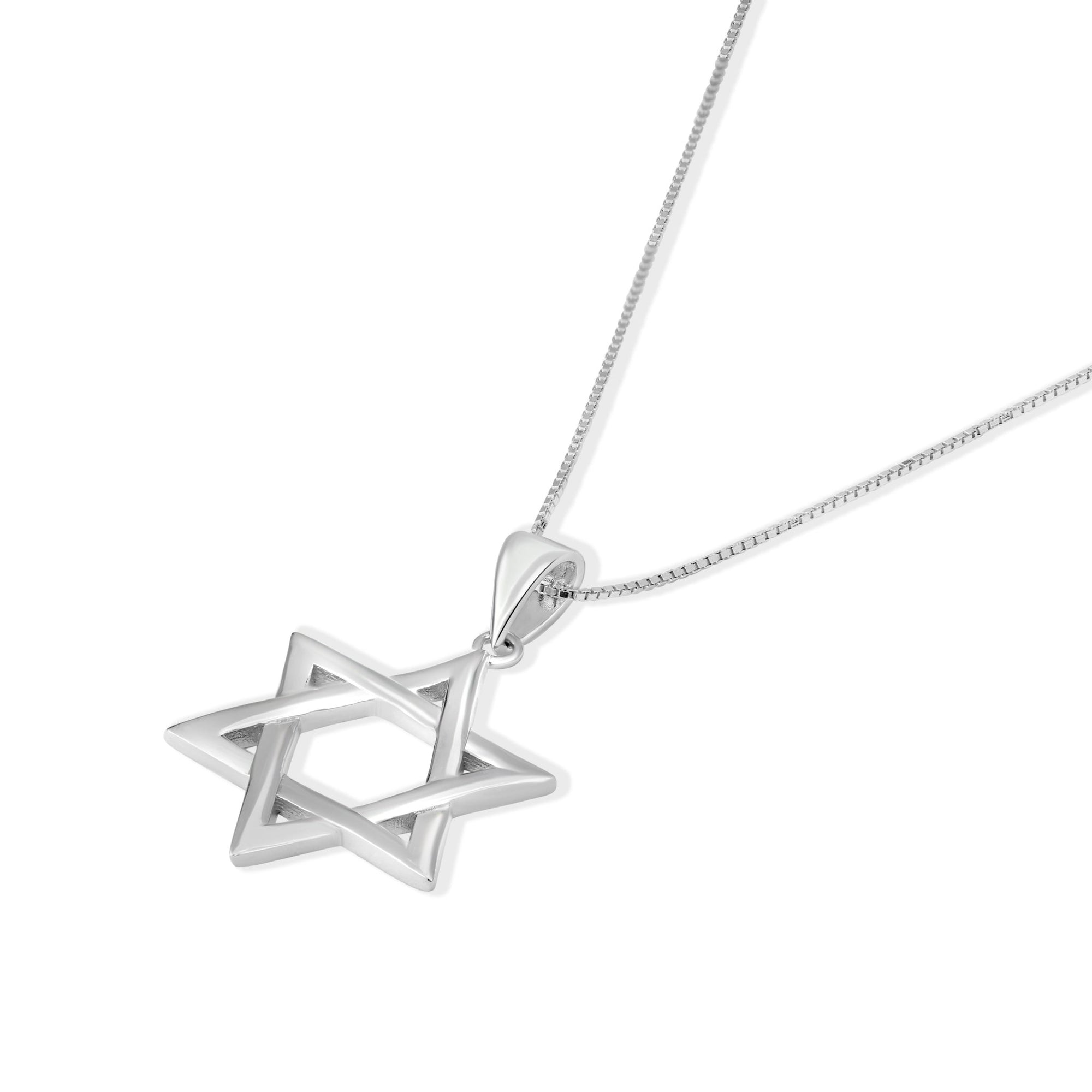


Short answer: The Star of David, or Magen David ("Shield of David" in Hebrew), is a hexagram formed by two overlapping equilateral triangles and the most widely recognized symbol of Judaism and the Jewish people. Despite the name, it has no direct biblical connection to King David. It began as a decorative and protective motif in antiquity, settled into a shared emblem of Jewish identity over the medieval and modern periods, was adopted by the Zionist movement in 1897, and was placed at the center of the flag of Israel in 1948. Worn as jewelry today, it expresses Jewish heritage, faith, pride, and a sense of protection.
What the Star of David means
The shape itself is simple: two overlapping equilateral triangles that form a six-pointed star. The Hebrew name Magen David translates as "Shield of David," and it began to be attached to the figure in the 12th century in mystical and protective (amulet) contexts, according to the history compiled by encyclopedic sources. One traditional Kabbalistic and popular interpretation reads the two interlocking triangles as the meeting of opposites, sometimes described as the link between Heaven and Earth or the union of the divine and the human. That reading is a layer of meaning rather than a single fixed doctrine. In everyday use, the star carries three ideas most strongly: Jewish identity, a sense of protection tied to the name "shield," and a connection to heritage. As the Jewish Virtual Library notes, it is the emblem most people now associate with Judaism and the Jewish people.
From ancient ornament to Jewish emblem
The hexagram is much older than its Jewish meaning. From the Bronze Age onward it appears as a decorative and sometimes magical motif across many cultures, from Mesopotamia to Europe, and occasionally on Jewish lamps and seals, but without special or uniquely Jewish significance (Wikipedia; My Jewish Learning). Around the Bar Kokhba period and into the 3rd and 4th centuries CE, hexagrams turn up in Jewish settings as ornament, including on a late-antique synagogue stone, still as a decorative device rather than a defined symbol.
The turning point came in the Middle Ages. In 1354, the Holy Roman Emperor and King of Bohemia, Charles IV, granted the Jewish community of Prague the right to its own flag: a red banner bearing a gold Magen David. This is the first clear use of the symbol to represent a Jewish community (Kafkadesk; National Library of Israel). From there, use of the Magen David spread across Central Europe in the 17th century, appearing in synagogue architecture and marking the Jewish quarter of Vienna, which cemented it as a communal Jewish sign (Jewish Virtual Library).
From Zionism to Israel's flag
The star's move from communal marker to the emblem of a people came at the end of the 19th century. In 1897, the First Zionist Congress in Basel adopted the Star of David as the central emblem of Zionism and the Jewish people, giving it international prominence (Jewish Virtual Library). During the Holocaust, from 1939 to 1945, Nazi Germany forced Jews across occupied Europe to wear a yellow Star of David badge for identification and persecution, a mark later reclaimed by Jews as a symbol of endurance (Wikipedia). With Israel's independence in 1948, the blue Star of David became the central symbol of the flag of the State of Israel, the form most people know today.
Wearing the Star of David today
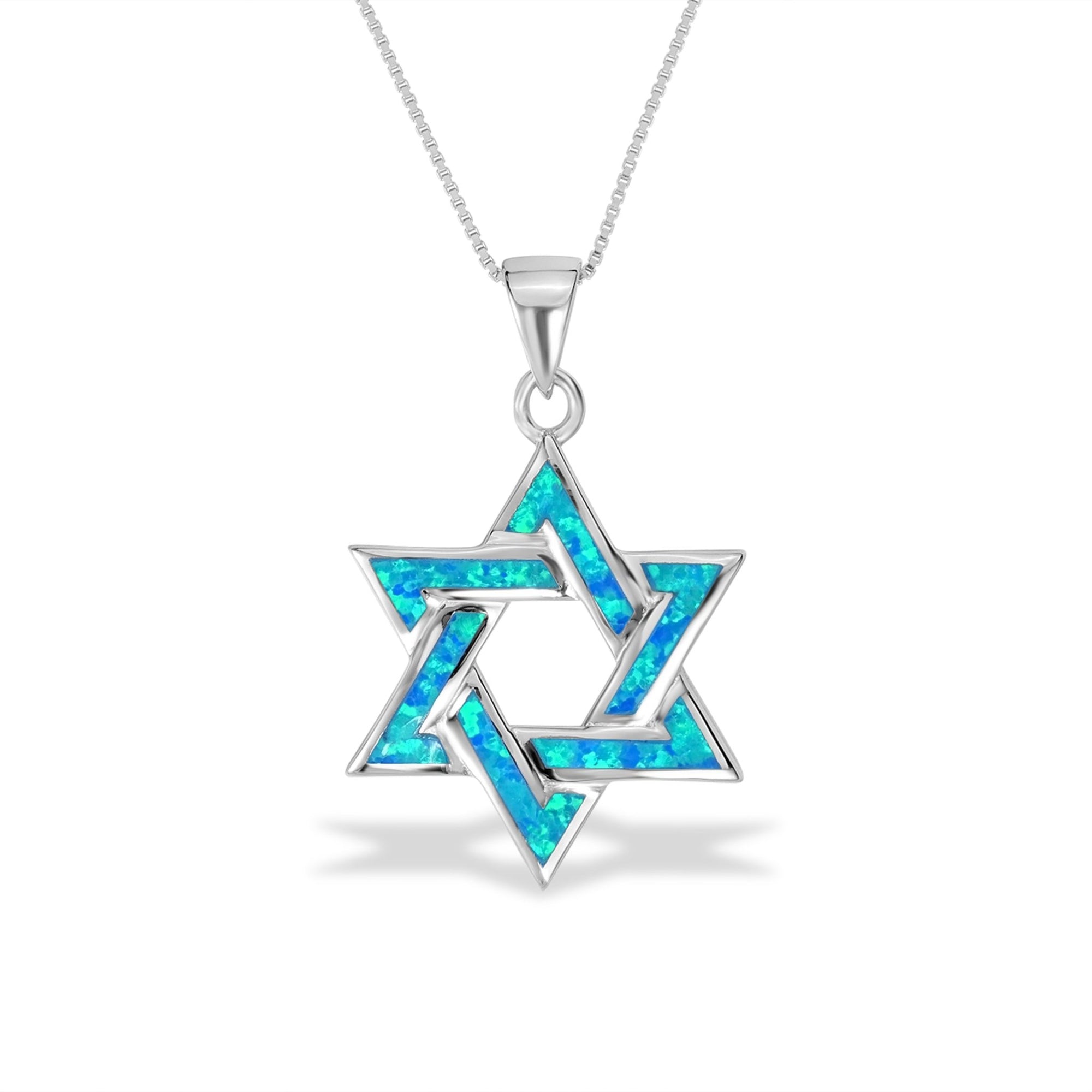
People wear the Magen David for the same reasons it endured: a quiet statement of identity, a link to heritage, and, in the older amulet tradition, a sense of protection. In contemporary jewelry the six-pointed star appears in many forms, from minimalist pendants to opal-set and gemstone designs, worn every day or saved for holidays, a bar or bat mitzvah, or another milestone. The meaning travels with the wearer, which is what makes it such a personal piece to give or to keep.
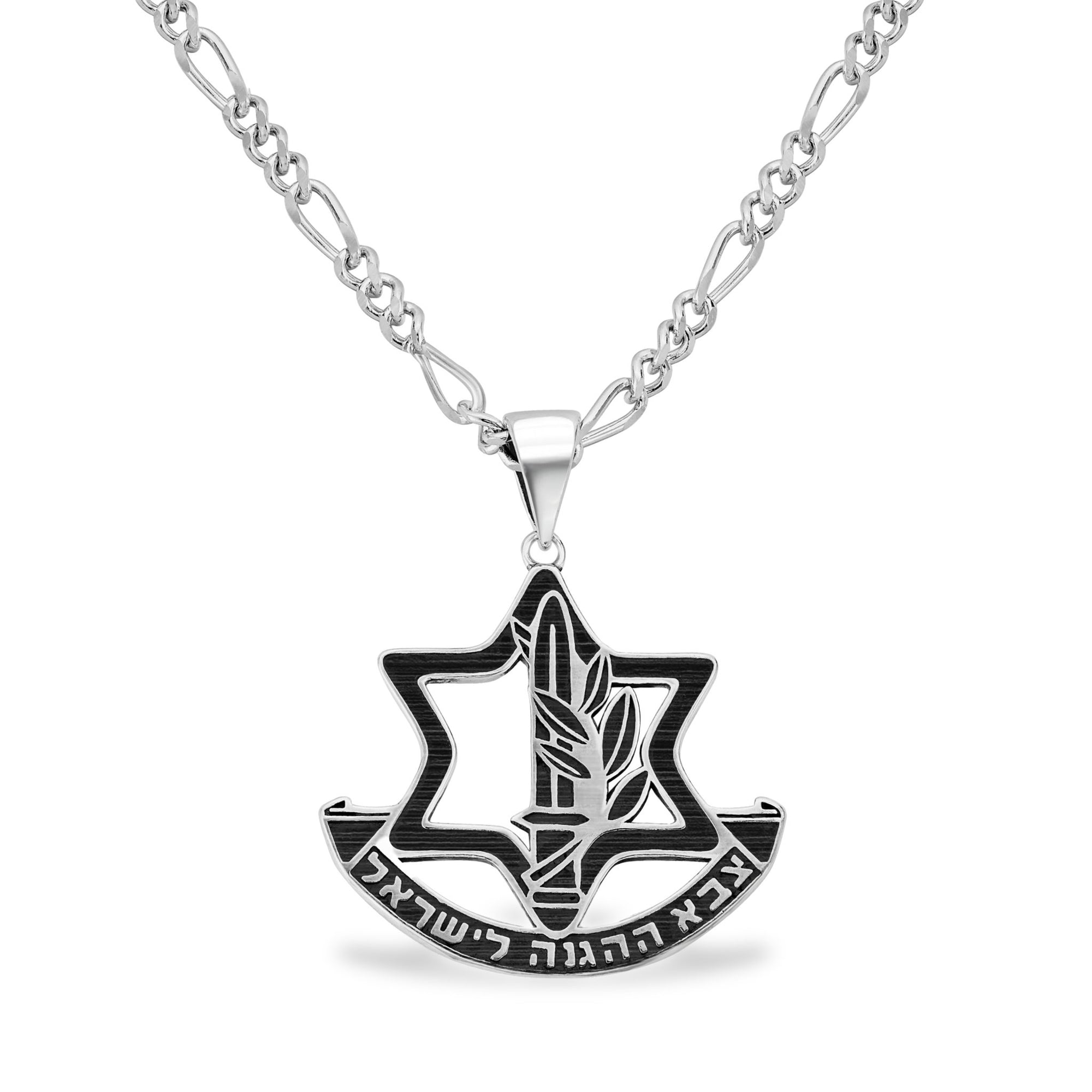
At Shop Israel, our Star of David jewelry collection gathers necklaces, rings, and more that carry this heritage in wearable form. A piece like the Shalom Star of David Necklace combines the star with the Hebrew word for peace, so the symbol's history and its everyday meaning sit together on a single pendant.
Related
Last updated July 2026.