

Introduction to the Star of David Symbolism in Jewelry
The Star of David: A Timeless Jewish Emblem
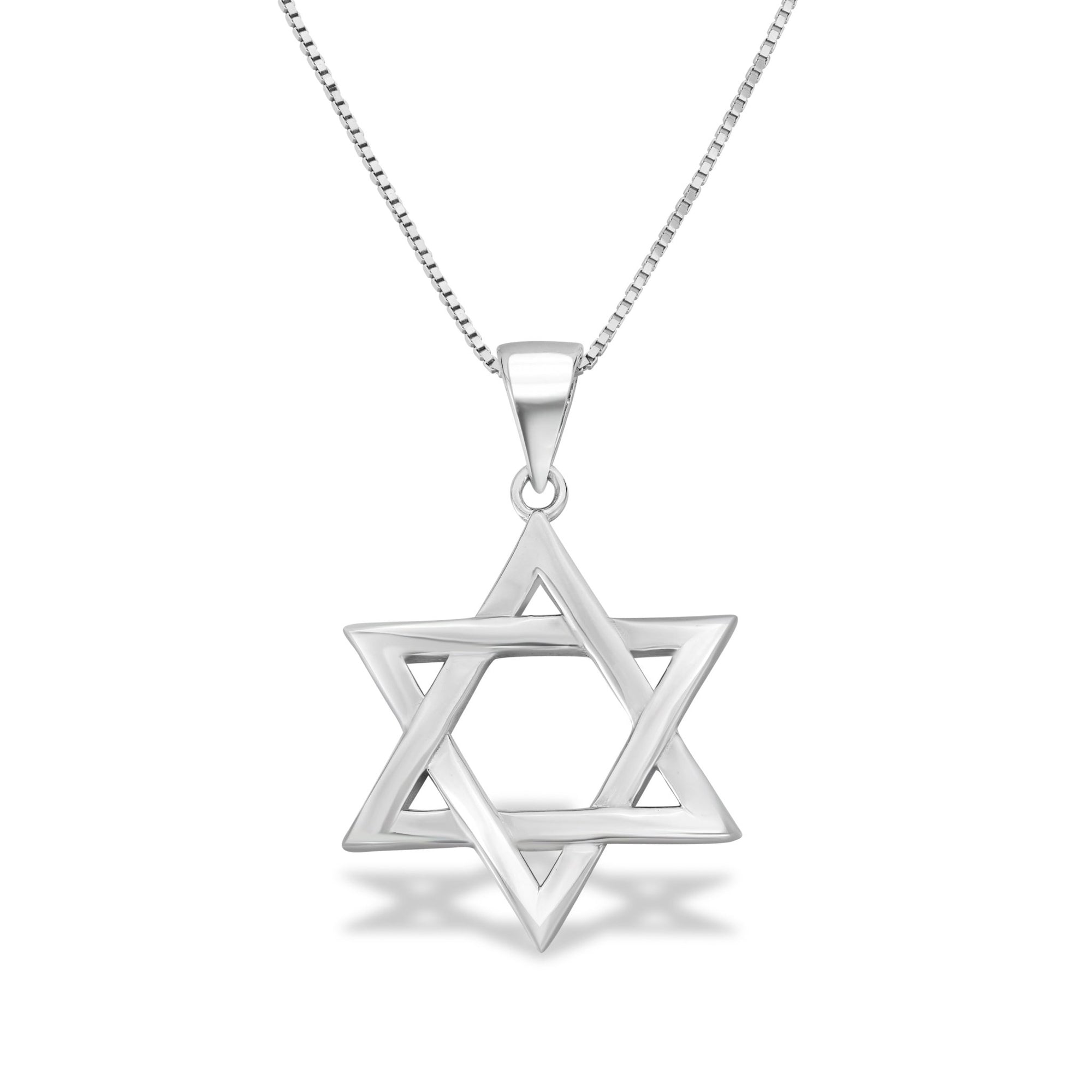
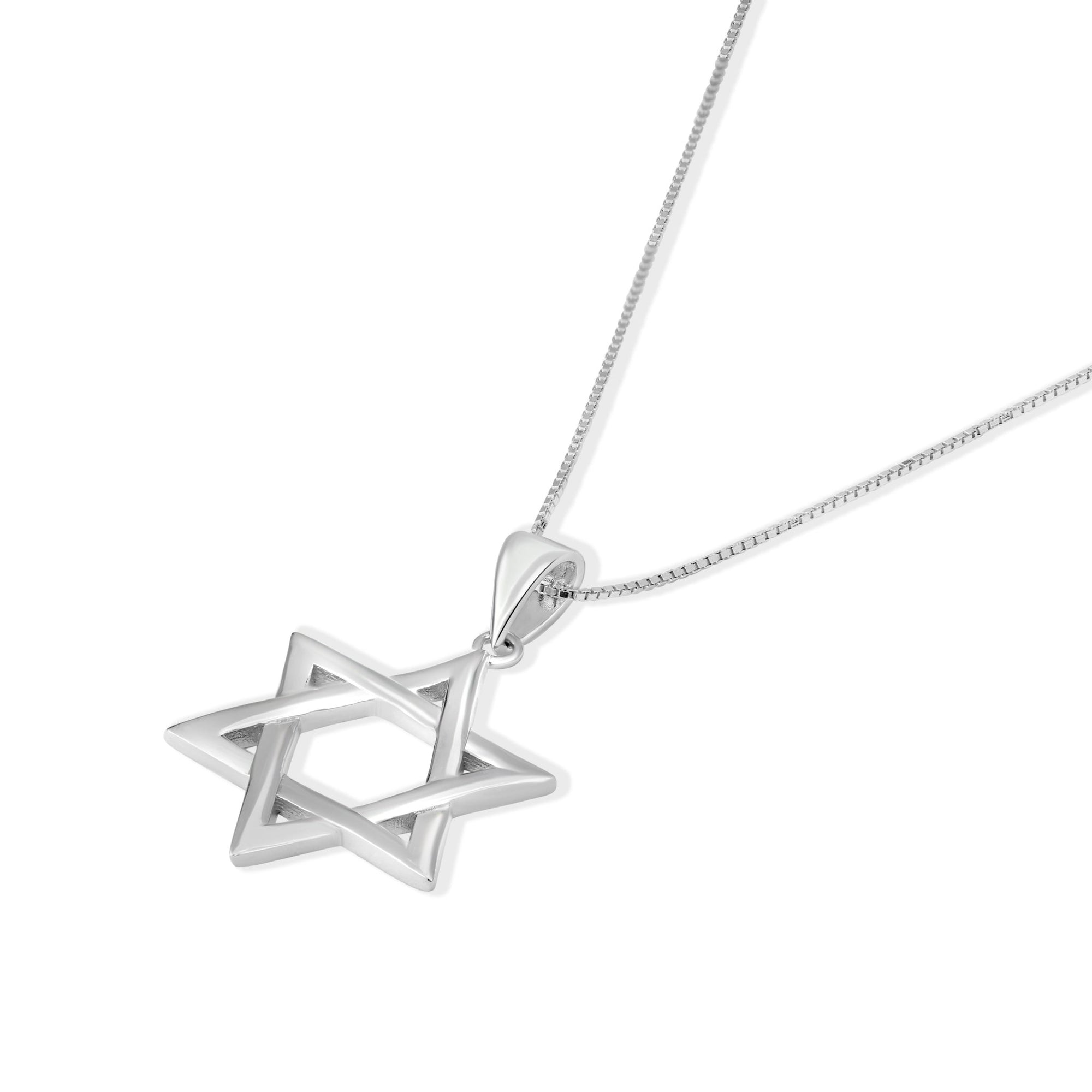
The Star of David, or Magen David, is Judaism’s most recognizable symbol, representing Jewish identity, heritage, and spiritual balance. Composed of two overlapping equilateral triangles forming a hexagram, it signifies divine presence in all directions and the harmony between heaven and earth, spirit and body. Historically appearing in Jewish communities since the Middle Ages, it has become a proud emblem of Jewish resilience and faith.
From Tradition to Trend: Jewish Symbols in Modern Jewelry
Jewelry today often features the Star of David, carrying deep cultural and spiritual meanings beyond decorative appeal. Modern designs blend heritage with contemporary style, using recycled gold and ethically sourced diamonds to create pieces that speak to both tradition and luxury. Wearing Star of David jewelry acts as both a personal mantra and a visible affirmation of Jewish pride and unity.
Jewelry as Expression of Identity and Spirituality
For many, Star of David jewelry is a talisman embodying strength, protection, and inner balance. It connects wearers to their roots and community, symbolizing survival and empowerment in the face of adversity. Through these meaningful adornments, individuals express their faith, cultural pride, and a shared commitment to Jewish values and heritage.
Historical Origins and Evolution of the Star of David

Ancient and Medieval Origins of the Star of David
The Star of David, also known as the hexagram, has origins that extend beyond Judaism, appearing in various cultures including Christian and Muslim traditions as a decorative motif. Its early appearances date back to antiquity, including use in alchemy as a symbol of harmony between elements. Within Jewish contexts, the symbol emerged more clearly in medieval times, featuring in Jewish manuscripts and artifacts from the 3rd to 4th century CE onward.
Adoption as a Jewish Symbol in the 17th Century
The symbol’s association with Judaism solidified in the 17th century, particularly among Jewish communities in Prague. Here, the Star of David became a distinguishing emblem for Jewish identity, often displayed on synagogues and community flags. It was during this period that the hexagram began to carry mystical and protective connotations within Jewish tradition. See more on The Star of David origins and Star of David history.
Use by Jewish Communities in Eastern Europe During the 19th Century
Throughout the 19th century, the Star of David grew in prominence as a badge of Jewish pride and community. Eastern European Jewish populations widely adopted it in ritual objects and jewelry. The Star was embraced as a sign of both cultural heritage and spiritual protection, manifesting prominently in bar and bat mitzvah gifts and personal adornments such as necklaces. Related details can be found at Star of David Necklace Meaning and Jewish jewelry symbols.
Connection to King David and Various Cultural Usages Outside Judaism
Despite popular belief, there is no biblical or archaeological evidence linking the Star of David directly to King David or his army. The symbol was initially more of a decorative motif, used historically in different cultures including East Asia, Hinduism, and Islamic art as the Seal of Solomon. Over time, Jewish tradition connected the symbol to the Biblical King David, giving it the name "Magen David," meaning "Shield of David." This association enriched its spiritual and national meaning, culminating in its central place on the flag of Israel. Additional context can be found on Star of David symbolism and The Star of David origins.
When Did Jews Start Wearing Star of David Necklaces?
Jewish jewelry featuring the Star of David became especially prominent starting in the 1700s in Prague as a sign of identity and protection. By the 19th century, wearing Star of David necklaces became popular among Jews in Eastern Europe, symbolizing heritage, resilience, and pride. The 1897 First Zionist Congress marked a milestone when the symbol was officially adopted to represent Jewish unity worldwide. Today, Star of David jewelry is widely worn as both a personal expression of faith and cultural solidarity, often alongside other meaningful symbols like the Chai and Hamsa. For more on the modern significance of Star of David jewelry, see Star of David history and Star of David jewelry symbolism.
Spiritual and Cultural Significance of the Star of David

What does the Star of David symbolize spiritually?
The Star of David, also called the Magen David, is much more than a simple symbol. Spiritually, it embodies divine protection and a deep connection between God and the Jewish people. Its six points represent God's presence in every direction: north, south, east, west, above, and below. This reinforces the belief that God's guardianship is all-encompassing.
The star’s unique shape—two interlocking equilateral triangles—carries mystical meaning. One triangle points upward, symbolizing the divine spirit and heaven, while the other points downward, illustrating humility and mankind’s link to the divine. This union of upward and downward triangles highlights the harmony between the spiritual and physical worlds.
In Kabbalistic teachings, the Star of David further represents virtues like kindness and perseverance, along with the unity of God, Israel, and the Torah. In this way, it serves as a personal mantra for spiritual strength, resilience, and balance.
Why is the Star of David so special?
Beyond its spiritual meanings, the Star of David has become a powerful emblem of Jewish identity, unity, and endurance. Historically, it was associated with King David’s shield, symbolizing protection and strength for the Jewish people. Over centuries, it evolved into a symbol representing resilience, especially through difficult times, including the Holocaust.
The Star of David is also a symbol of community and belonging, worn closely on necklaces as a marker of heritage and faith. Its presence on the flag of Israel further cements its role as a national and cultural symbol.
Today, this symbol resonates deeply across Jewish communities worldwide. It reminds wearers and supporters of Jewish pride, identity, and the ongoing connection to a rich spiritual and cultural legacy.
| Aspect | Meaning | Cultural Role |
|---|---|---|
| Divine Protection | God's presence and guardianship | Symbol of faith and safety (Star of David Protection Symbol) |
| Unity of Spirit & Body | Harmony of spiritual and physical realms | Mystical and Kabbalistic interpretations (Star of David symbolism) |
| Six Directional Points | God's omnipresence in all directions | Mark of Jewish identity and heritage (Jewish Identity Jewelry |
| Resilience & Strength | Endurance through adversity | Emblem of pride and survival (Star of David as a symbol of strength) |
| Community & Belonging | Connection among Jewish people | Worn as personal and cultural affirmation (Jewish heritage jewelry) |
Contemporary Meaning and Usage of the Star of David in Jewelry

What does the Star of David represent today?
The Star of David, or Māġēn Dāwīd, is more than a religious symbol; it embodies Jewish identity symbol, pride, and resilience. Its six points represent divine protection and balance, reflecting God’s presence in all directions. Today, it is a powerful emblem found on the Israeli flag and worn proudly worldwide to express Jewish Heritage and Jewelry.
Jewelry as an expression of Jewish identity and pride
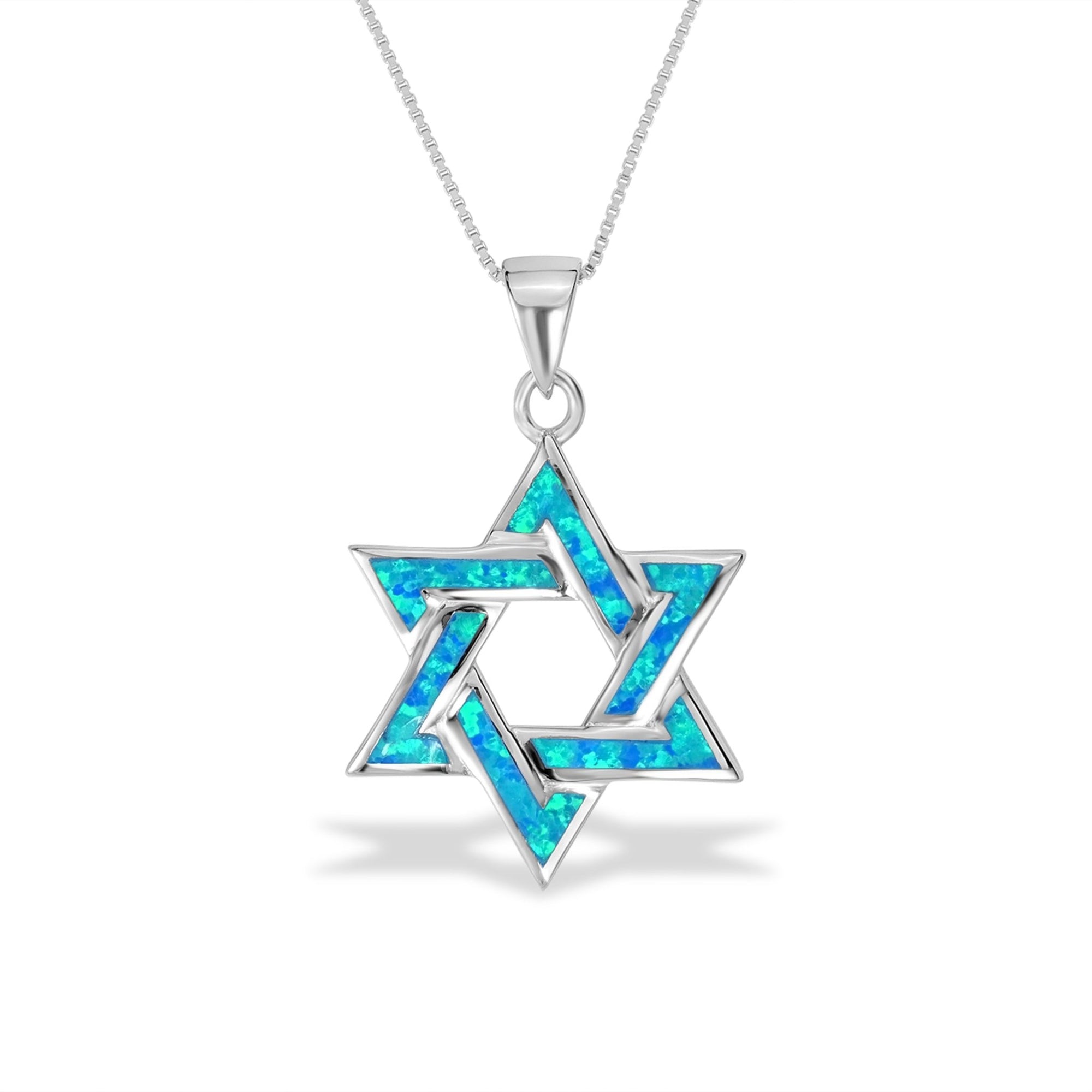
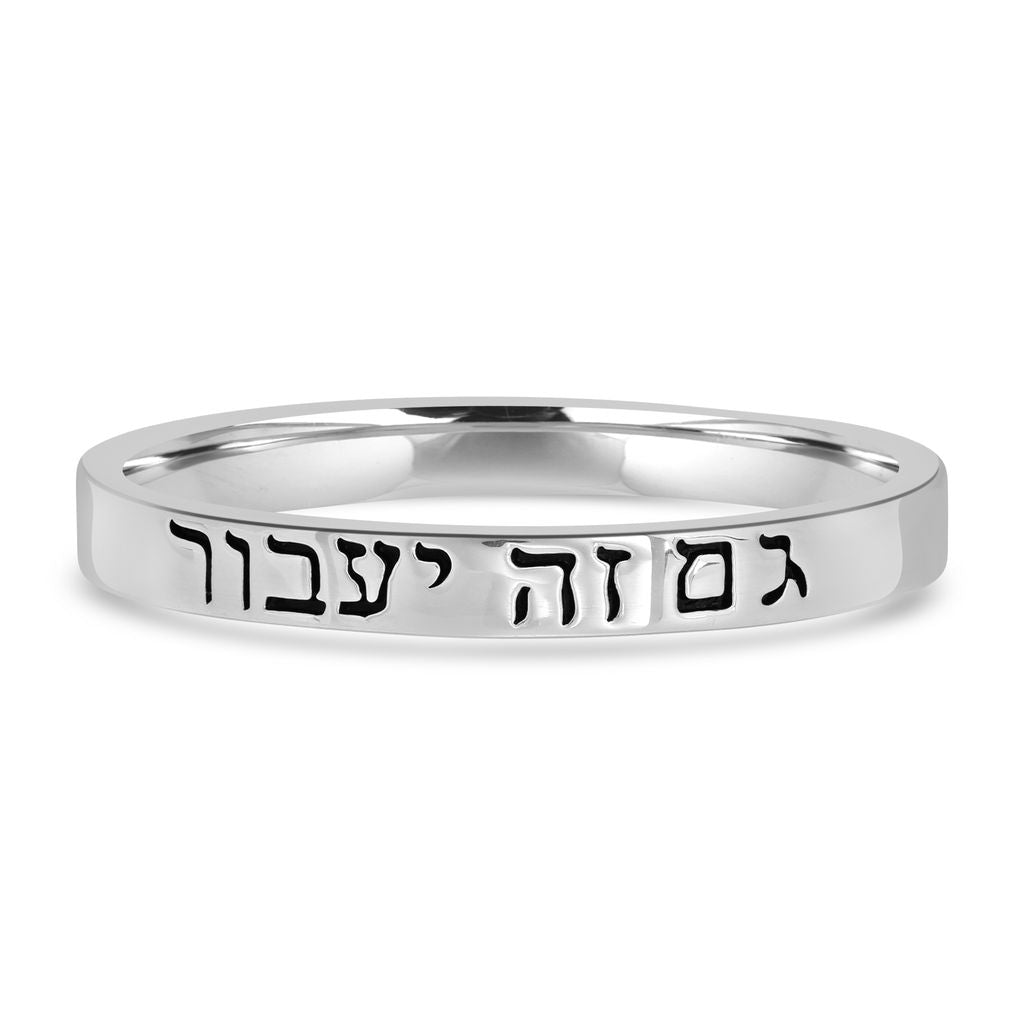
Wearing the Star of David jewelry—necklaces, rings, and pendants—allows individuals to carry their heritage close to the heart. These pieces celebrate Jewish culture and serve as personal declarations of faith and community belonging.
Modern symbolism of resilience and strength
In contemporary design, the Star of David as a symbol of strength symbolizes strength and resilience. Especially after global events like the October 7, 2023 attacks on Israel, more Jewish people have embraced the symbol to express solidarity and defiance against adversity, as noted in the Star of David history.
The Star of David's role in reflecting heritage and belonging
Jewelry featuring Star of David honors a legacy spanning centuries. Crafted often in gold or silver by Israeli artisans, these pieces connect wearers to their roots, history, and a shared cultural narrative. Explore more about Jewish heritage jewelry.
Expressions of empowerment and connection through jewelry
Modern interpretation blends spiritual meaning with elegant minimalism. Minimalist Star of David jewelry pendants act as Star of David as talisman of protection and personal empowerment, reminding wearers of inner balance, love, and strength.
Rise in visibility after recent global events
Jewish communities worldwide, including younger generations, increasingly wear Star of David jewelry to assert identity and pride, fostering unity in times of challenge. This resurgence highlights the symbol’s enduring significance and its role as a beacon of hope and continuity, as discussed in Star of David history and modern significance.
Design Trends: Merging Tradition with Modernity
How are minimalist and contemporary styles incorporated into Star of David jewelry?
Modern Star of David design jewelry gracefully blends minimalist Star of David jewelry design with its historic symbolism. Clean lines and subtle forms bring a fresh elegance to this ancient emblem, allowing the piece to fit seamlessly into today’s fashion sensibilities while retaining its spiritual significance.
What materials and ethical practices influence contemporary Jewish jewelry?
Jewelry designers increasingly use recycled gold Star of David pieces and ethically sourced diamond pendants, reflecting a commitment to sustainability. This conscious choice honors both tradition and modern values, making each piece not just a symbol of heritage but also a statement of responsibility and refinement.
How is traditional symbolism combined with luxury craftsmanship?
Artisans craft Star of David jewelry pieces with meticulous attention to detail, often incorporating gemstones like sapphires or diamonds to elevate the classic symbol. This fusion creates jewelry that honors Jewish legacy while representing enduring strength and beauty through luxury craftsmanship.
How does jewelry function as quiet luxury in this context?
Contemporary Star of David jewelry embraces 'quiet luxury': it emphasizes deep meaning and personal empowerment over conspicuous display. The elegant yet understated designs appeal to those seeking a soulful connection and cultural pride without ostentation.
How do artists blend scientific and spiritual inspiration in their designs?
Jewelry creators draw inspiration from both science and spirituality, integrating geometric patterns inspired by physics with religious symbolism. This approach results in pieces that are rich in significance and modern artistic expression, connecting wearers with their roots and the universe.
These trends illustrate how Star of David jewelry continues to evolve, offering meaningful adornments that celebrate Jewish identity and resilient spirit in a modern world.
Common Jewish Symbols in Jewelry and Their Meanings

What are some common Jewish symbols and their meanings?
Jewish symbols encompass a rich array of imagery that reflects faith, heritage, and cultural identity. Besides the well-known Star of David, there are several other meaningful symbols popular in jewelry and religious art.
The Chai symbol, meaning "life" in Hebrew and linked to the number 18, represents vitality and the blessing of life. The Hamsa, an open hand often depicted with an eye, is believed to provide protection against evil and promote divine wisdom (Meaning and symbolism of Hamsa).
The Mezuzah, a case containing a Torah scroll, symbolizes God’s presence and protection for the home. The Menorah, a seven-branched candelabrum, signifies divine light, wisdom, and the eternal covenant between God and Israel.
Other traditional motifs include the Tablets of the Law representing God’s commandments, the olive branch and doves symbolizing peace, and ritual items like the shofar or lulav reflecting Jewish holidays and heritage.
What Jewish symbols are commonly featured in jewelry?
Jewish jewelry often incorporates these meaningful emblems, combining aesthetic beauty with spiritual depth. Common designs include:
- Star of David pendants and bracelets, expressing Jewish pride and identity.
- Chai necklaces or rings, celebrating life and good fortune.
- Hamsa charms, worn as talismans to ward off harm and invite blessings.
- Mezuzah pendants, symbolizing faith and divine protection.
- Menorah motifs, evoking sacred tradition and enlightenment.
Jewelry featuring these symbols is crafted in gold or silver and can range from modern minimalist styles to traditional ornate pieces. They are often given as meaningful gifts for Bar or Bat Mitzvahs, weddings, holidays, and as heirlooms—serving both as beautiful adornment and as powerful spiritual reminders of Jewish identity and heritage (Jewish heritage and jewelry craftsmanship).
The Mezuzah: The Most Sacred Jewish Symbol and Its Jewelry Representation
What is the most sacred Jewish symbol?
The Mezuzah is considered the most sacred Jewish symbol. It is a scroll containing specific Torah verses, traditionally placed on the doorposts of Jewish homes. This sacred item serves as a tangible reminder of God's presence, faith, and adherence to divine commandments.
How does Mezuzah jewelry reflect faith and identity?
Mezuzah-inspired jewelry carries profound spiritual meaning. Wearing a pendant or charm shaped like a Mezuzah connects individuals to their Jewish heritage jewelry and faith. It transforms a home’s protective symbol into a personal talisman, affirming one's identity and devotion.
How does it contrast and complement the Star of David symbolism?
While the Star of David symbolizes unity, balance, and Jewish pride, the Mezuzah emphasizes obedience and protection through God’s commandments. Together, they complement each other: the Star of David reflects communal identity and resilience, whereas Mezuzah jewelry centers on daily spiritual mindfulness and divine watchfulness.
What role does jewelry play in daily reminders of God’s presence and commandments?
Jewelry adorned with Mezuzah symbols functions as a constant, wearable reminder of faith and divine guidance. It invites wearers to embrace protection, strength, and spirituality throughout their day—keeping God's commandments close to the heart beyond the home’s doorway.
Why People Wear the Star of David Today
Why would someone wear a Star of David?
People wear the Star of David as a powerful symbol of Jewish identity, faith, and cultural pride. It serves as a daily reminder of their heritage, religious beliefs, and connection to Jerusalem. Worn often as jewelry, such as necklaces or pendants, the Star of David jewelry expresses personal and communal strength and resilience. Historically, it was believed to provide protection and good luck, making it not just a cultural emblem but also a Star of David as talisman of spiritual balance.
Is it okay to wear a Star of David?
Yes, wearing the Star of David is widely accepted and respected as a meaningful emblem of Jewish tradition and cultural heritage. Jewelry crafted from gold, silver, and sometimes set with diamonds or sapphires, connects wearers to their roots and to Israel, especially when made by skilled Israeli artisans. This symbol suits both everyday wear and special occasions like bar or bat mitzvahs, weddings, and celebrations, allowing individuals to display pride in their Jewish identity with elegance and quiet luxury.
Do Christians wear the Star of David necklace?
Many Christians respectfully wear the Star of David Necklace Meaning to honor Jesus's Jewish heritage, connect with biblical history, or show solidarity with the Jewish community. Though primarily Jewish, the symbol carries shared spiritual meanings of unity, protection, and divine presence. When worn with genuine respect, it bridges cultural and religious understanding, highlighting a mutual appreciation and spiritual connection across faiths.
What historical symbolism does the Star of David carry?
The Star of David origins have been associated with protection and identity since the Middle Ages. It appeared on synagogues and Jewish ritual items as a sign of divine shelter. During dark times like the Holocaust, despite its use by oppressors to mark Jews, it became a symbol of resilience and defiance. Today, it adorns the Israeli flag and continues to symbolize strength, unity, and lasting heritage.
Why has the Star of David’s visibility increased recently?
Events such as the October 7, 2023 attacks on Israel sparked a surge in wearing the Star of David symbolism resilience as a statement of Jewish solidarity and pride worldwide. Young Jewish generations especially embrace the symbol to assert their identity and community connection during times of adversity. Most Star of David jewelry sold today is crafted in Israel, emphasizing the direct link to Jewish history and Jewish heritage and jewelry craftsmanship.
Supporting Jewish Artisans and the Cultural Importance of Star of David Jewelry

Where Is Star of David Jewelry Manufactured?
Most Star of David jewelry sold today is proudly crafted in Israel. This direct connection to the land strengthens the cultural resonance of the pieces, linking wearers to their heritage.
What Materials Are Used in Creating These Jewelry Pieces?
Jewish artisans traditionally use authentic materials such as gold and silver. These precious metals not only highlight the elegance of the jewelry but also symbolize the enduring strength and value of Jewish identity jewelry.
How Does Heritage Influence the Craftsmanship?
Jewelry makers blend time-honored techniques with meaningful symbolism. This craftsmanship honors Jewish history and culture, crafting items that serve as both artistic expressions and sacred keepsakes. See how heritage and modernity in jewelry influence jewelry.
How Do Consumers Connect to Jewish Culture Through Jewelry?
Wearing Star of David jewelry becomes a personal statement of identity, pride, and solidarity. It allows individuals, especially in the diaspora, to express their roots and foster a sense of unity with the Jewish community identity.
Are There Charitable Elements Linked to These Jewelry Sales?
Some Star of David jewelry collections support Jewish cultural institutions and causes. For example, proceeds from certain sales assist museums and heritage organizations, enhancing the jewelry's cultural and philanthropic significance such as the National Museum of American Jewish History support.