

Embracing Heritage Through Meaningful Jewelry
The Significance of Jewish Jewelry as Cultural and Religious Identity
Jewish jewelry serves as a powerful emblem of faith, heritage, and resilience within the Jewish community. These pieces allow wearers to express pride in their identity and maintain a spiritual connection to their roots. Often incorporating deeply meaningful inscriptions and symbols, such as Hebrew blessings and biblical verses, these adornments embody Jewish values and cultural narratives.
Israel: The Home of Authentic Jewish Craftsmanship
Israel stands out as a vibrant center of Jewish artistry, where local artisans blend age-old traditions with contemporary design techniques. Crafted mainly in Jerusalem, Israeli jewelry emphasizes authenticity by utilizing native materials like Eilat Stone and ancient Roman glass. This craftsmanship enriches each piece with historical significance alongside cultural pride, appealing strongly to Jewish communities worldwide.
Iconic Jewish Symbols in Jewelry
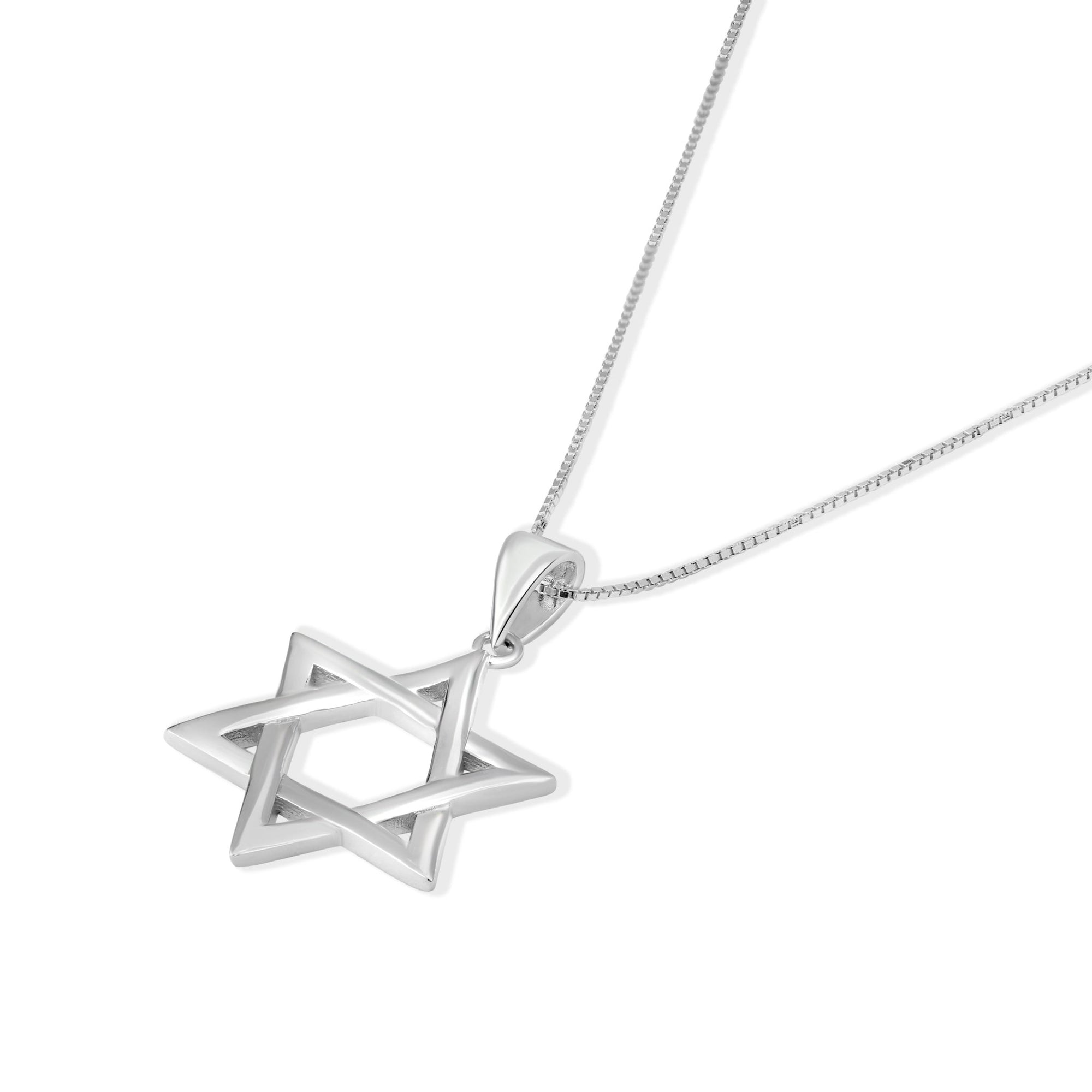
Jewish jewelry frequently features timeless symbols that convey spiritual and cultural values. The Star of David represents Jewish identity and protection, while the Tree of Life symbolizes growth and a spiritual bond to Jerusalem. The Chai sign reflects life and vitality, embodying a wish for long life and resilience. The Hamsa hand offers divine protection and wards off negativity. Together, these motifs form a visual language that connects wearers to their faith and heritage.
The Rich Symbolism Behind Jewish Jewelry
What are the meanings behind popular Jewish jewelry symbols?
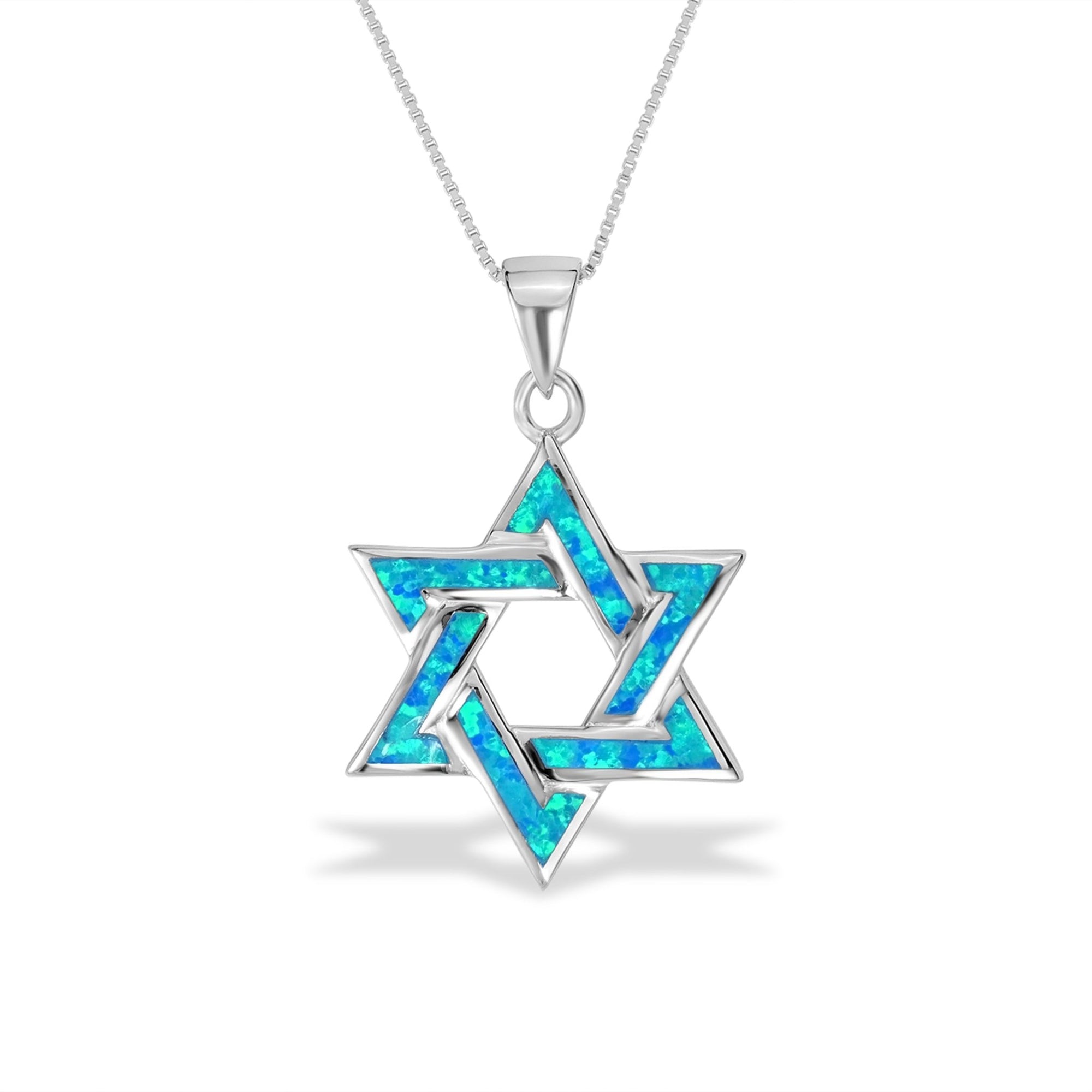
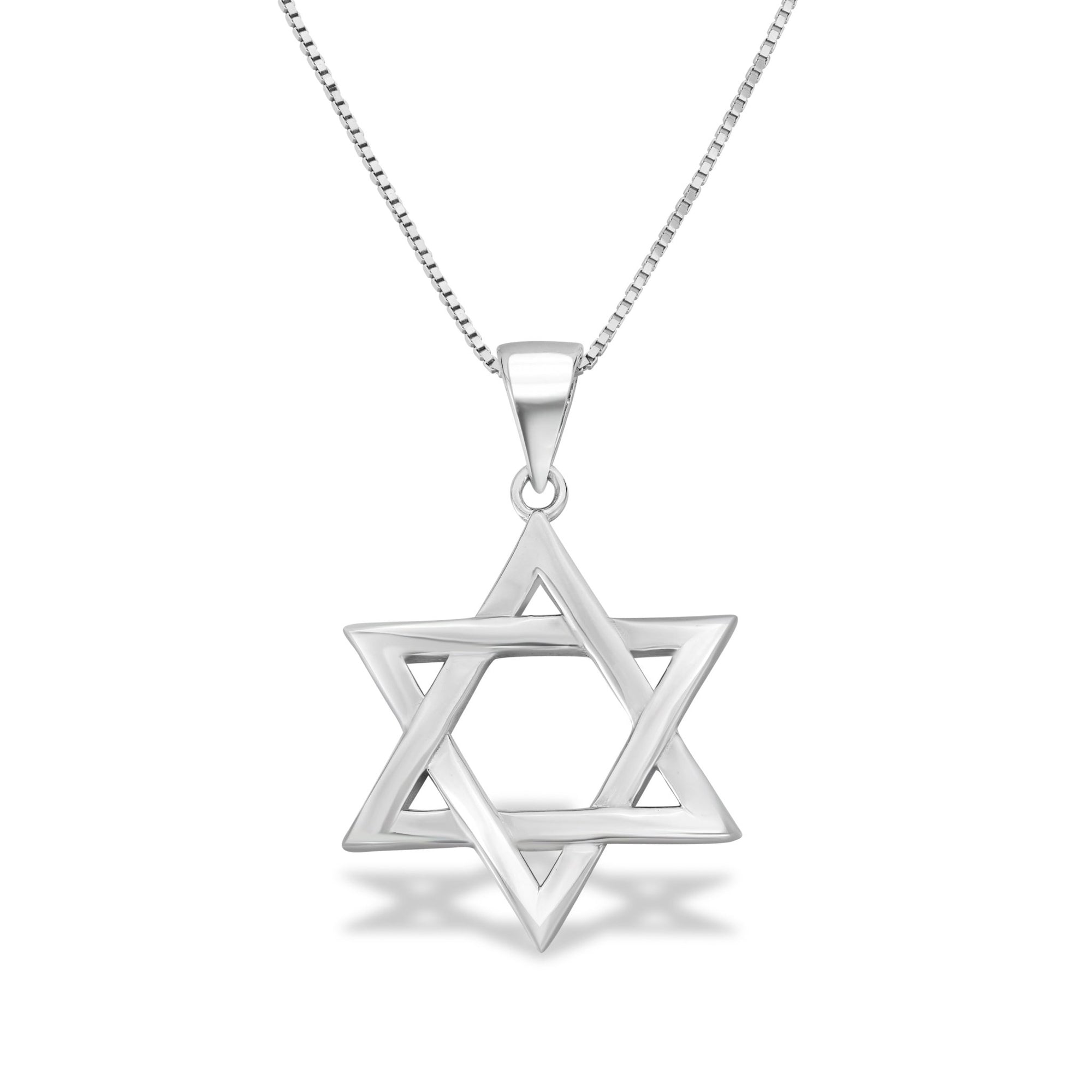
Jewish jewelry is rich with symbols that deeply express faith, identity, and cultural heritage. The Star of David, often seen in pendants and rings, is a powerful emblem of Jewish identity and divine protection. This six-pointed star has mystical roots and became widely recognized as a symbol of Judaism around the 17th century.
The Chai symbol, which literally means "life" in Hebrew, is celebrated for representing vitality, luck, and survival. Traditionally, gifts of Chai symbol jewelry are given in multiples of 18, reflecting the Hebrew numerical value for the word. This symbol carries blessings for a long and fulfilling life.
The Hamsa, or Hand of Miriam, is a protective amulet believed to ward off evil eyes and negative energies. It also brings blessings and good fortune, linking Jewish spirituality with Middle Eastern mystical traditions.
Another prominent motif, the Tree of Life (Etz Chaim), symbolizes growth, wisdom, and spiritual connection. Referenced in the Torah and Kabbalistic teachings, it represents the divine flow connecting all aspects of existence. This symbol often appears in elegant gold and diamond jewelry crafted in Israel, symbolizing life’s nurturing and spiritual dimension.
Together, these symbols serve as expressions of faith, protection, vitality, and spiritual growth, offering wearers a meaningful link to Jewish heritage jewelry and tradition.
Israel: The Artistic Heart of Jewish Jewelry Craftsmanship
Where is Jewish jewelry from Israel crafted, and what materials are used?
Jewish jewelry from Israel is primarily handcrafted by skilled local artisans, with Jerusalem standing out as the spiritual and artisanal hub. These craftsmen use native materials such as Eilat Stone jewelry characteristics, which boasts captivating blue and green hues, and ancient Roman glass jewelry, linking modern artistry to Israel’s rich historical tapestry.
Local Israeli artisanship and use of native materials such as Eilat stone and ancient Roman glass
The incorporation of Eilat Stone jewelry and ancient Roman glass jewelry is distinctive, elevating each jewelry piece beyond mere decoration to a symbol of Jewish heritage jewelry and Israeli landscape. These genuine materials, combined with traditional craftsmanship, reflect the authentic connection to the land of Israel and its history.
How Israeli jewelry blends traditional motifs with modern design
Israeli artisans merge timeless Jewish symbols jewelry—such as the Star of David necklace, Hamsa hand jewelry, and Tree of Life pendant—with contemporary design elements. This blend produces jewelry that is both meaningful and stylish, making it suitable for daily wear and special occasions alike.
Jerusalem’s influence as a spiritual and cultural center in jewelry creation
Jerusalem’s deep spiritual resonance inspires many jewelry pieces. Artists draw from the city's sacred traditions and cultural richness, embedding elements that evoke faith, resilience, and Jewish cultural pride jewelry. This influence ensures each design carries profound meaning, symbolizing growth, protection, and connection to Jewish heritage jewelry.
The result is a unique body of work that stands proudly as a testament to Israel's history, culture, and enduring Jewish spirit.
Personalized Jewelry: Connecting Individuals to Their Hebrew Heritage
Why is personalized Jewish jewelry so popular?
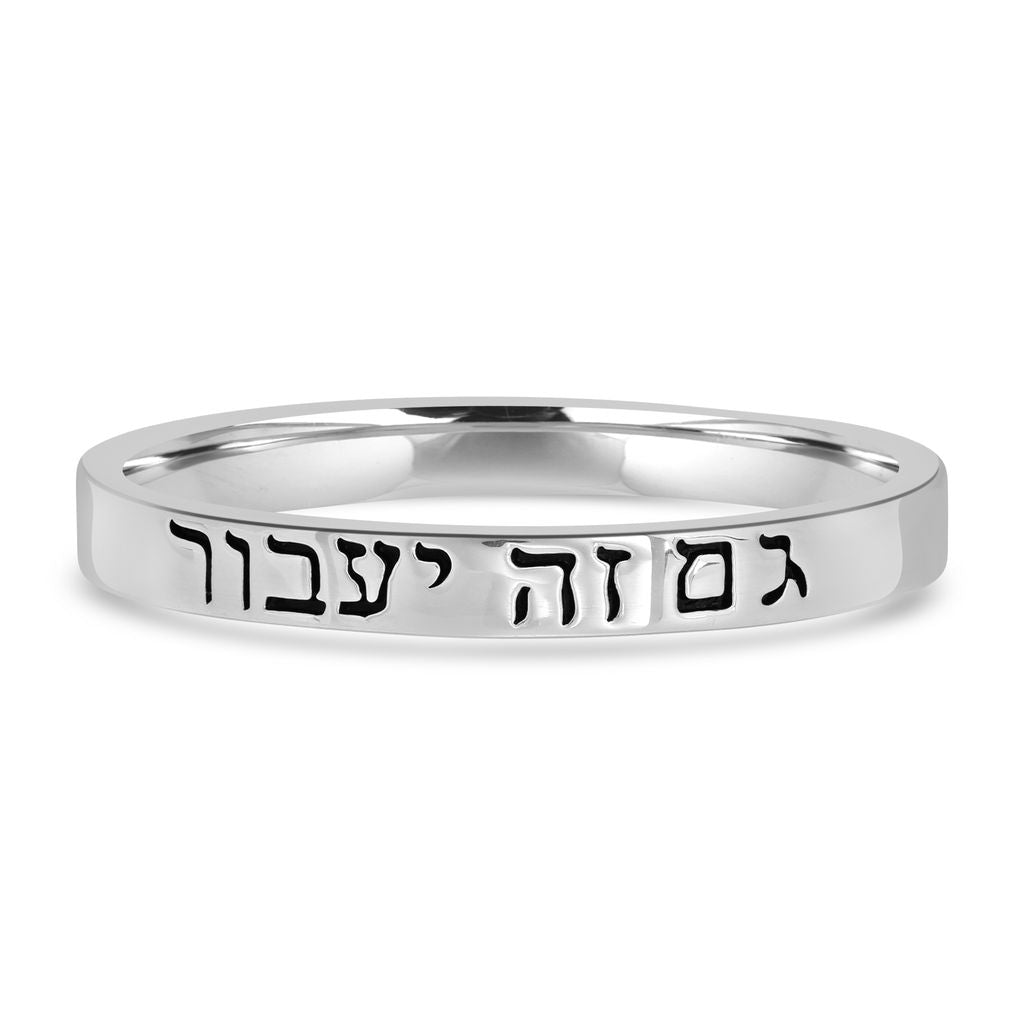
Personalized Hebrew name necklaces, such as Hebrew name necklaces and Jewish rings with inscriptions featuring Hebrew inscriptions, has become a cherished way for individuals to celebrate and connect deeply with their heritage. These custom pieces allow wearers to showcase their unique identity while honoring their Jewish heritage jewelry.
How does personalized Jewish jewelry strengthen identity?
Personalized Hebrew name necklaces and Jewish rings with inscriptions enable wearers to express individual identity while deepening their connection to Hebrew heritage and Jewish tradition, making the jewelry both meaningful and intimate.
What are some examples of personalized Jewish jewelry?
- Personalized Torah script jewelry: These are carefully crafted to display a person’s Hebrew name in the sacred Torah script, symbolizing a bond with Jewish faith and tradition.
- Biblical verse inscriptions on rings and pendants, like the famous line from Proverbs 31:10 jewelry on the Woman of Valor necklace, honor strength and virtue.
- Love inscriptions from Song of Songs, such as Ani LeDodi VeDodi Li jewelry (I am my beloved's and my beloved is mine), celebrate love through timeless scripture.
Each personalized piece serves as a lasting expression of faith, culture, and personal story, crafted in Israel by skilled artisans who blend ancient symbolism with modern design.
Why are these pieces meaningful?
Jewelry personalized in Hebrew embodies more than just adornment — it represents a tangible connection to ancestry, faith, and cultural pride. It is a precious gift that celebrates Jewish cultural pride jewelry and invites wearers to carry a piece of their heritage every day.
The Tree of Life Pendant: Symbol of Spiritual Growth and Life
What is the significance of the Tree of Life symbol in Jewish jewelry?
The Tree of Life, known as "Etz Chaim" in Hebrew, holds profound meaning within Jewish tradition and Kabbalah. It symbolizes growth, wisdom, and the spiritual journey toward divine connection. In Kabbalistic teachings, it represents the divine emanation and embodies the interconnectedness of all life.
Jewelry featuring the Tree of Life jewelry, especially pendants crafted from luxurious materials like 14K gold Tree of Life pendant and diamonds, serve as more than mere adornment. These pieces are a wearable expression of faith, wisdom, and personal growth. The precious metals and stones underscore the value and enduring significance of the symbol.
How does the Tree of Life pendant connect with Jerusalem and Jewish heritage?
The Tree of Life pendant not only reflects universal themes of growth and wisdom but also serves as a spiritual link to Jerusalem, the heart of Jewish heritage jewelry and culture. Crafted by Jewelry by Israeli artisans, it channels the city's rich history and spiritual energy, allowing the wearer to carry a piece of Israel’s soul.
Through this elegant Jewelry connecting to Jerusalem, individuals express their deep-rooted identity and pride in Jewish culture. Whether gifted or self-chosen, the Tree of Life pendant conveys a timeless message of life, resilience, and unwavering faith that resonates across generations.
Star of David: A Timeless Emblem of Jewish Identity
History of the Star of David symbol
The Star of David Symbol, or Magen David, has deep historical roots possibly dating back to the Second Temple period. It began gaining widespread recognition as a symbol of Judaism in the 17th century and evolved into a global emblem representing the Jewish people.
Its spiritual and cultural significance
Beyond its identity marker role, the Star of David symbolism holds spiritual importance, often considered a protective amulet imbued with mystical significance. It symbolizes divine protection, Jewish faith, and cultural pride, making it a cherished emblem across Jewish communities worldwide.
Jewelry design approaches using 14K gold and symbolic engraving
Jewelry artisans in Israel expertly craft Star of David jewelry pieces primarily using 14K gold, combining tradition with elegance. Some designs incorporate meaningful Hebrew inscriptions or subtle engraving to enhance spiritual connection and personalize the symbol's significance for the wearer.
Why is the Star of David important in Jewish jewelry?
The Star of David jewelry is central to Jewish identity and mysticism. Historically worn as a protective amulet, it embodies faith and heritage. Its prominence in Jewish jewelry since the 17th century secures its place as an iconic symbol treasured by those wishing to express their Jewish pride and spirituality.
Chai Symbol: Emblem of Life, Luck, and Resilience
What does the Chai symbol represent in Jewish culture?
The Chai symbol, meaning "life" in Hebrew, is a powerful emblem in Jewish jewelry symbolism explained. It embodies vitality, good fortune, and the enduring spirit of the Jewish people. The symbol is deeply connected to Jewish tradition and numerology, as its letters correspond to the number 18, which is considered a lucky and significant figure. For this reason, gifts or jewelry items featuring Chai are often given in multiples of 18 to convey blessings of life and success.
Wearing or gifting Chai symbol jewelry serves as a form of protection and a reminder of resilience through history and tradition. It is a popular motif in modern Jewish jewelry design crafted by Israeli artisans, blending cultural heritage with modern style.
Engraving the phrase "Am Yisrael Chai" (The People of Israel Live) on jewelry pieces further emphasizes Jewish perseverance, unity, and vitality. This phrase expresses the ongoing strength of the Jewish nation and offers a profound connection to heritage for wearers worldwide.
Whether through necklaces, bracelets, or rings, Chai symbolizes more than just life; it is a declaration of hope, survival, and cultural pride that resonates deeply within Jewish cultural symbols everywhere.
The Protective Power of the Hamsa Hand in Jewish Jewelry
What is the significance of the Hamsa in Jewish jewelry?
The Hamsa, also known as the Hand of Miriam, is a deeply symbolic amulet in Jewish culture. Historically rooted in Middle Eastern and North African traditions, this hand-shaped motif offers divine protection by warding off the evil eye and negative energies. It is not only a spiritual talisman but also a symbol of blessings, good fortune, and faith.
Origins and meaning of the Hamsa symbol also known as Hand of Miriam
The Hamsa’s origins trace back centuries, with a rich history linked to Jewish mysticism and Kabbalistic teachings. The name “Hand of Miriam” honors Moses’ sister, connecting the symbol to Jewish heritage and biblical tradition. It often features an eye in the palm, which is believed to guard the wearer against jealousy and harm.
Its role as a talisman for divine protection and blessing
Worn as jewelry, the Hamsa serves as a protective amulet, conveying spiritual safeguarding and heavenly blessings. It embodies hope, resilience, and divine presence in everyday life, especially for diaspora communities seeking a connection to their faith and culture.
Incorporation in contemporary Israeli jewelry designs
Modern Israeli artisans skillfully blend traditional motifs like the Hamsa with contemporary styles. Crafted from precious metals and incorporating local materials such as Eilat Stone jewelry characteristics and ancient Roman glass, Israeli Hamsa jewelry is both stylish and meaningful. The pieces often include Hebrew inscriptions or other Jewish symbols jewelry, making them poignant gifts that celebrate Jewish protective amulets.
Biblical Verses and Expressions of Faith in Jewelry
How are biblical passages used in Jewish jewelry?
Jewish jewelry often features engravings of meaningful biblical verse jewelry that express faith, strength, love, and devotion. Popular inscriptions include the Shema Yisrael bracelet, a central prayer proclaiming the oneness of God, which emphasizes the wearer's deep spiritual connection.
The "Woman of Valor necklace" showcases a line from Proverbs 31:10 jewelry, honoring the strength, dignity, and virtue of Jewish women. This verse serves as a tribute to women’s enduring roles and character within Jewish tradition.
Romantic and spiritual devotion is beautifully expressed through phrases from the Love line from Song of Songs, such as "Ani LeDodi VeDodi Li jewelry" (I am my beloved's and my beloved is mine). This inscription is often found on rings and necklaces, symbolizing intimate love and faith.
Artisans use precise engraving techniques to transform these Jewish jewelry from Israel biblical passages into wearable art, ensuring each piece carries a personalized spiritual meaning. Through jewelry, these sacred texts become daily reminders of identity and values, fostering a personal bond with Jewish heritage jewelry and Jewish faith jewelry.
Jewelry for Special Occasions: Bridging Tradition and Celebration
How is Jewish jewelry used for special occasions and holidays?
Jewish jewelry holds a cherished place in celebrating life's significant moments and religious holidays. During Bat Mitzvahs, Meaningful Jewish jewelry gifts often feature Hebrew inscriptions or symbols like the Star of David jewelry or Chai symbol jewelry, marking the young woman’s coming of age and deepening her bond with Jewish heritage jewelry.
Weddings feature Hebrew Wedding Rings, emblematic of love, unity, and continuity in Jewish tradition. These rings often carry engraved blessings or Hebrew names, strengthening the couple’s spiritual connection.
For Jewish holidays such as Hanukkah Jewelry, Passover Jewelry, and the festival of Tishrei Jewelry, themed jewelry pieces celebrate faith expression jewelry and religious observance. Examples include pendants engraved with holiday blessings or symbols like the Menorah jewelry, combining beauty with faith.
Each jewelry piece—whether a Tree of Life jewelry pendant, a Shema Yisrael bracelet, or a necklace bearing "Am Yisrael Chai"—serves as a wearable reminder of heritage during these milestones.
Beyond adornment, jewelry for special occasions unites wearers with centuries of tradition, offering spiritual meaning and a visible declaration of Jewish jewelry symbolism explained worldwide, especially among diaspora members wanting to honor their roots.
Craftsmanship Traditions: Yemenite and Sephardic Influences
What are the traditional craftsmanship styles influencing Jewish jewelry?
Jewish jewelry history artistry is deeply enriched by distinctive traditional styles, with Yemenite and Sephardic jewelry Mediterranean influences playing vital roles.
Yemenite Filigree: Intricacy in Silver
Yemenite silversmithing tradition is revered for its delicate filigree work — fine, meticulous twisted threads of silver masterfully crafted into geometric and floral motifs. This style dates back centuries, combining local Yemenite traditions with influences from neighboring cultures in the Middle East. The result is jewelry that carries both spiritual symbolism and exceptional artistry, embodying a rich cultural heritage passed down through generations.
Sephardic Jewelry: Mediterranean Flourishes
Sephardic Jewelry History is known for its ornate and elaborate craftsmanship, heavily influenced by Mediterranean and Middle Eastern artistic traditions. It often features detailed filigree, vibrant symbolic elements like Pomegranates in Jewish tradition, signifying fertility and blessings, and intricately set gemstones. These pieces reflect the Sephardic diaspora’s historical journey and cultural fusion, imbuing jewelry with stories of resilience and identity.
Preserving Tradition in Modern Designs
Today’s contemporary Jewish jewelry design jewelers in Israel and abroad honor these craftsmanship traditions by incorporating Yemenite and Sephardic motifs into modern wearable art. Techniques like delicate filigree and ornate metalwork are still employed, ensuring that each piece carries forward the legacy of Jewish artisanal excellence. Through this blend of old and new, jewelry enthusiasts connect intimately with ancestral stories, spirituality, and the enduring beauty of Jewish heritage jewelry.
Jewelry pieces fashioned in these styles do more than adorn—they preserve history and celebrate the vibrant cultural tapestry of Jewish identity, making meaningful Jewish jewelry gifts for those seeking a tangible link to their roots.
Jewelry as a Cultural Bridge for the Jewish Diaspora
How does Jewish jewelry help diaspora communities maintain cultural identity?
Jewish jewelry serves as a tangible link to heritage, especially for diaspora communities in the United States. Jewelry from Israel pieces, rich in symbolism and tradition, enable wearers to express pride and stay connected to their cultural and religious roots regardless of geographic distance.
Jewelry featuring iconic symbols such as the Star of David necklace, Chai symbol jewelry, Hamsa hand jewelry, and the Tree of Life pendant acts as cultural badges that communicate Jewish identity and faith with elegance and meaning. These designs are more than decorative—they embody Jewish jewelry history, spirituality, and resilience, resonating with those longing to maintain a personal connection to their heritage.
The role of Israeli artisans is crucial in this cultural preservation. Jewelry by Israeli artisans handcrafted in Jerusalem and other parts of Israel incorporates native materials like Eilat Stone jewelry and Ancient Roman glass jewelry, blending authentic craftsmanship with deep traditional symbolism. Such pieces bring a piece of the Holy Land into the lives of diaspora Jews, offering a direct, wearable connection to their ancestral homeland.
Online platforms have made these meaningful artifacts especially accessible to the global Jewish community, with a notable impact on U.S. audiences. Websites specializing in Jewish jewelry and Israeli Jewish jewelry provide personalized options such as Hebrew name necklaces and pieces inscribed with biblical verses or blessings. This accessibility helps diaspora Jews express their identity confidently while fostering a sense of unity within a dispersed population.
With Jewish jewelry, diaspora communities find both a spiritual anchor and a modern expression of pride, preserving their vibrant heritage through every symbol and design.
Timeless Symbols of Identity and Faith in Every Piece
Jewish jewelry serves as a powerful expression of faith, tradition, and personal connection.
Each handcrafted piece is steeped in symbolism—whether it is the Star of David representing Jewish identity, the Tree of Life illustrating growth and spiritual ties to Jerusalem, or the Chai symbol blessing vitality and long life. These emblems, carefully crafted by Israeli artisans using authentic local materials like Eilat stone and ancient Roman glass, weave together ancient heritage with contemporary style.
Owning or gifting Israeli jewelry is more than acquiring an accessory; it's a tribute to Jewish history, culture, and resilience. Personalized Hebrew name necklaces and pieces bearing biblical verses such as the Proverbs 31 'Woman of Valor' or the romantic 'Ani LeDodi VeDodi Li' from Song of Songs connect wearers deeply to their roots.
Explore and embrace jewelry that resonates individually—each symbol, inscription, and design encapsulates a bond to Jewish tradition and pride. Let these meaningful treasures become a daily reminder of identity, faith, and the enduring legacy of the Jewish people.