

Exploring the Rise of Israel-Themed Fashion
Overview of Israel-themed Clothing Popularity
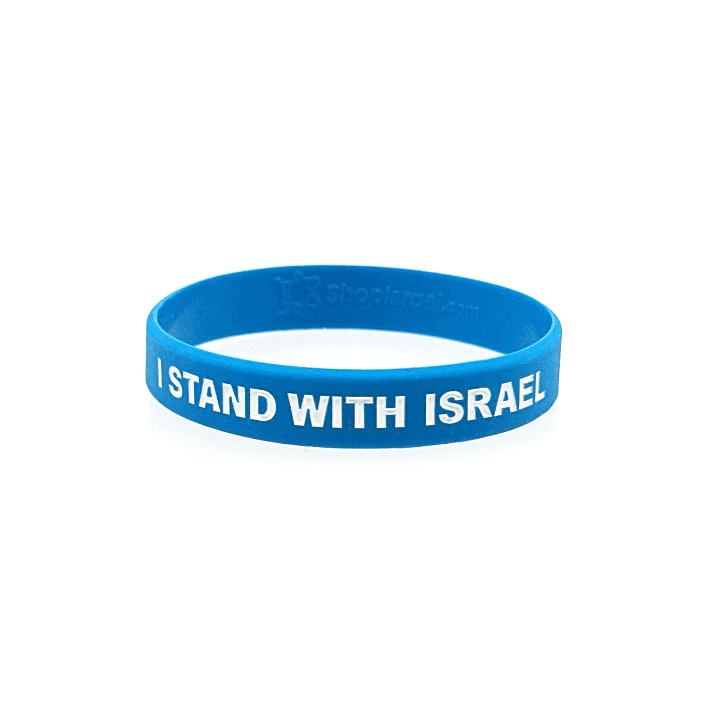
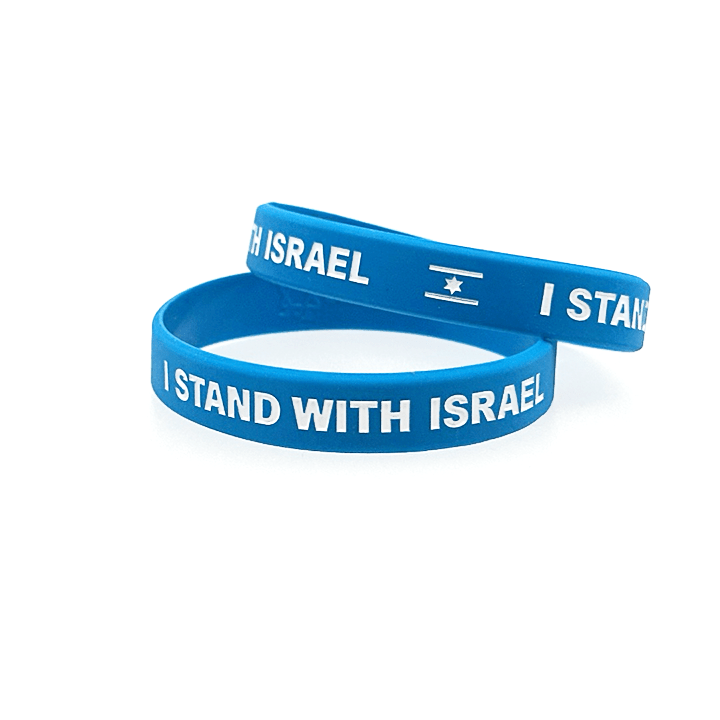
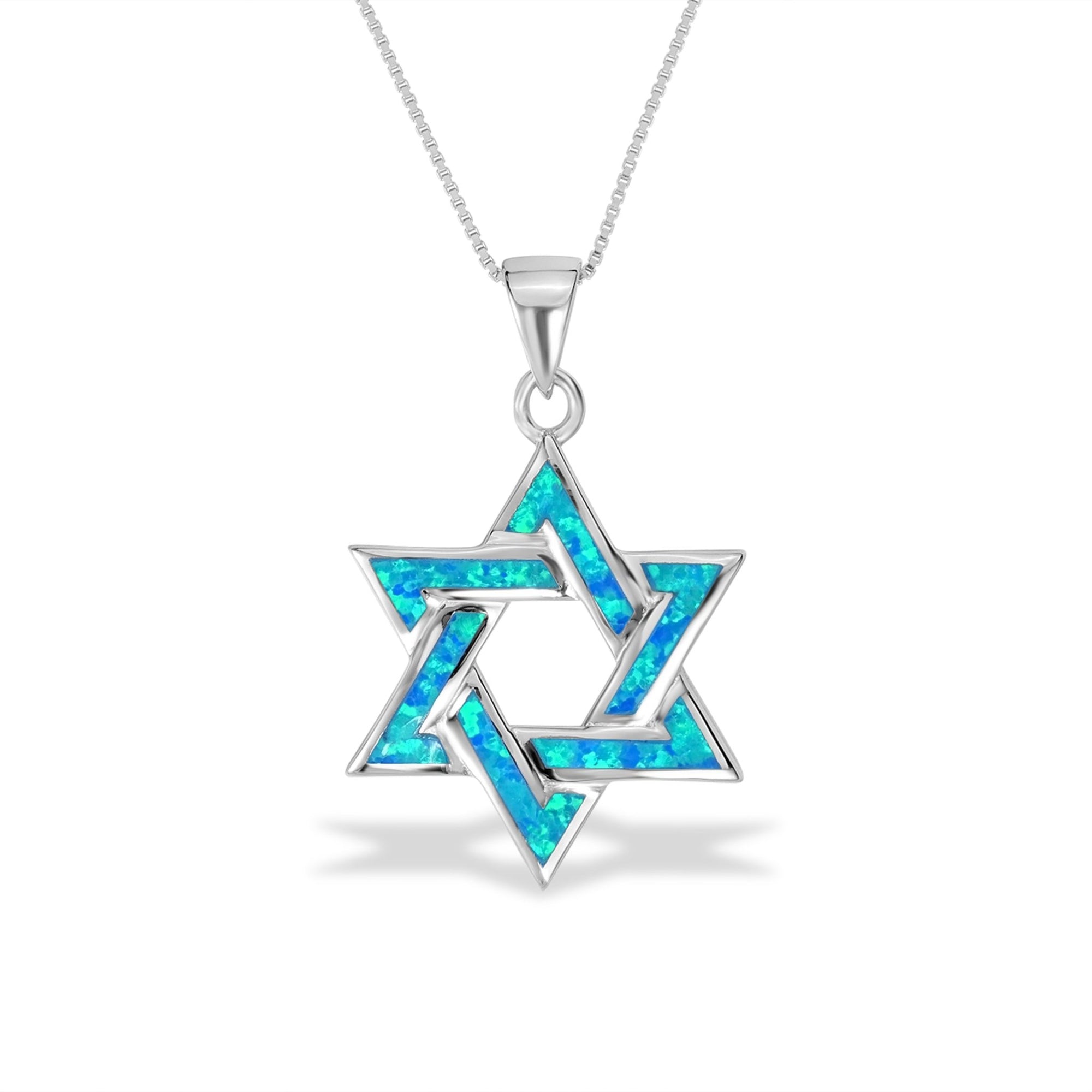
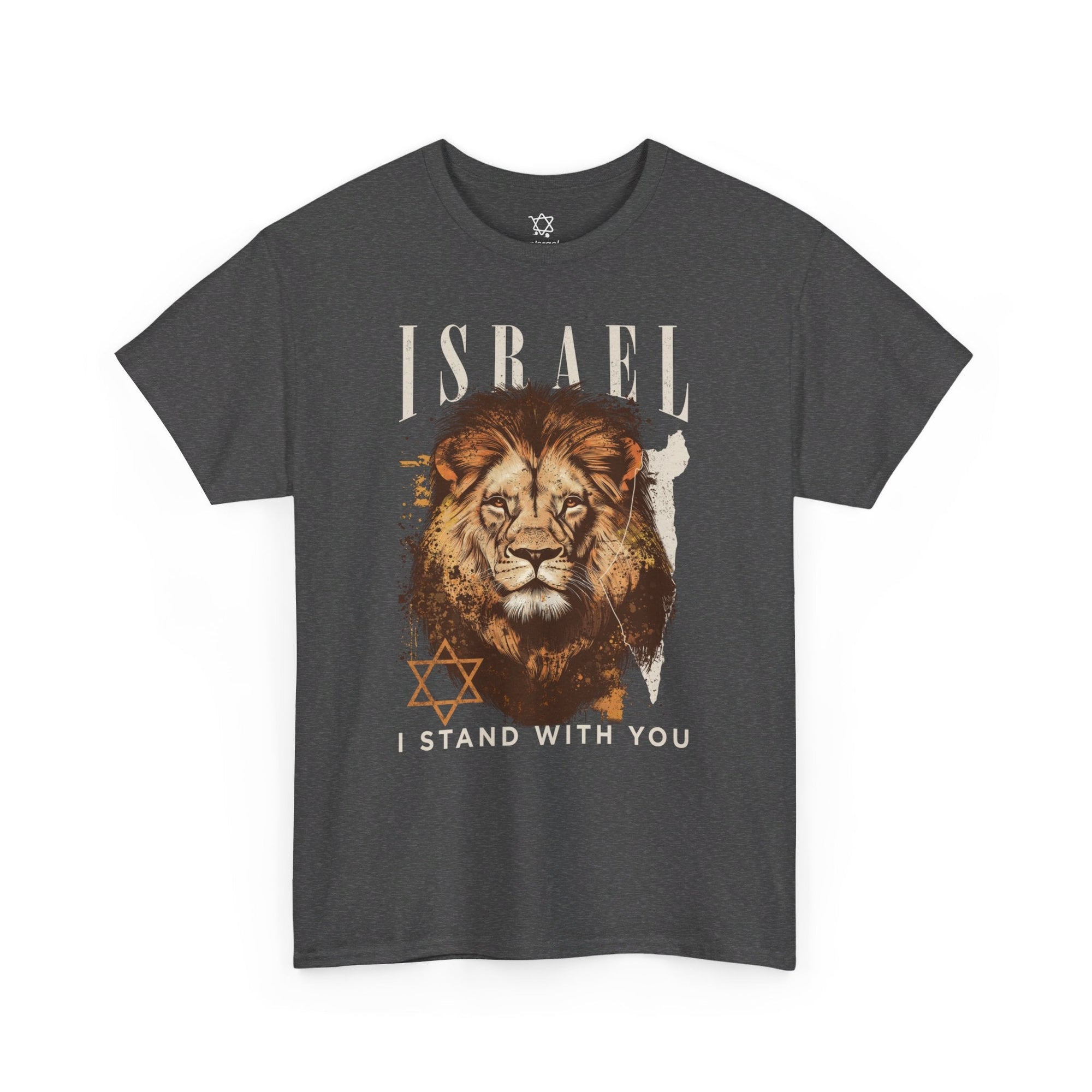
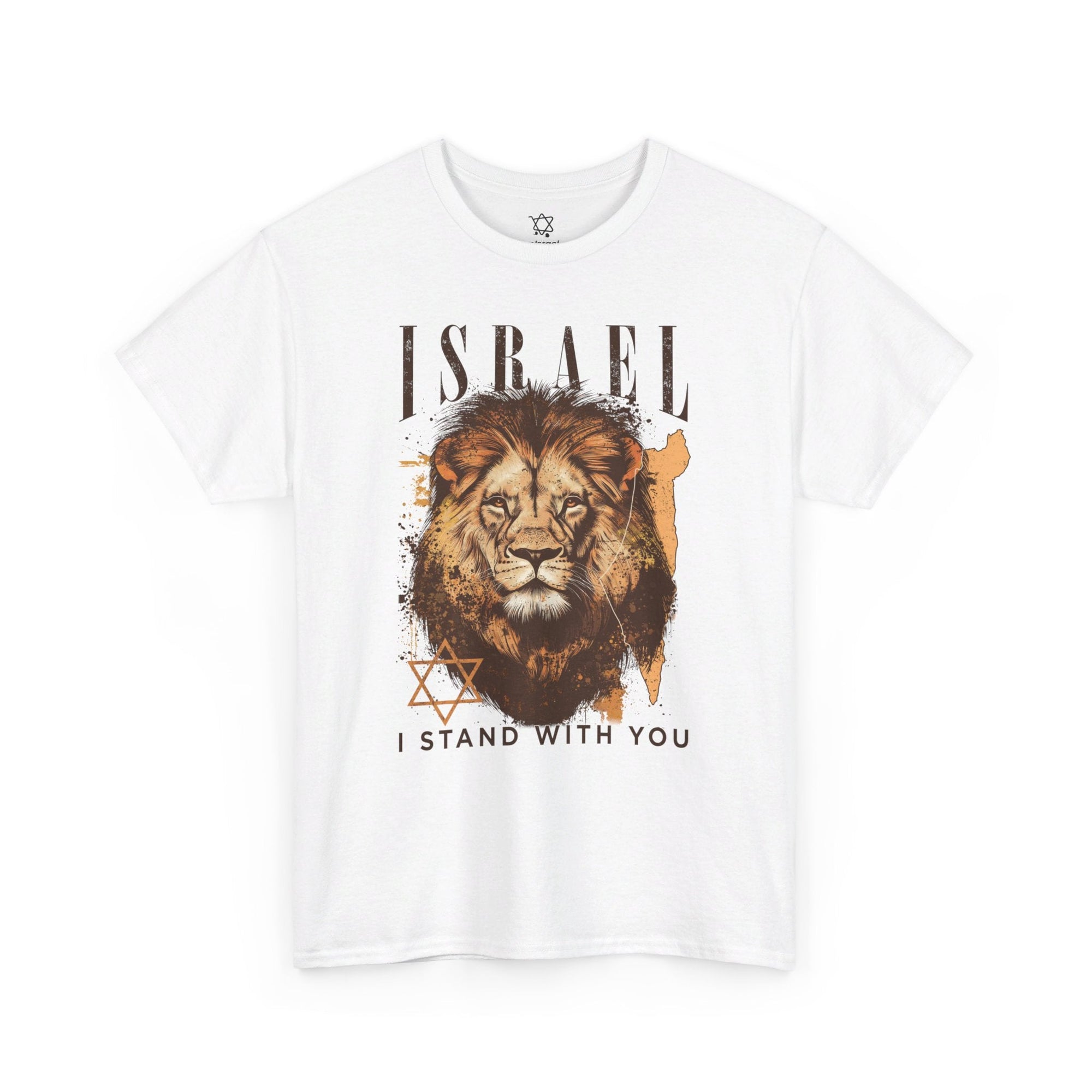
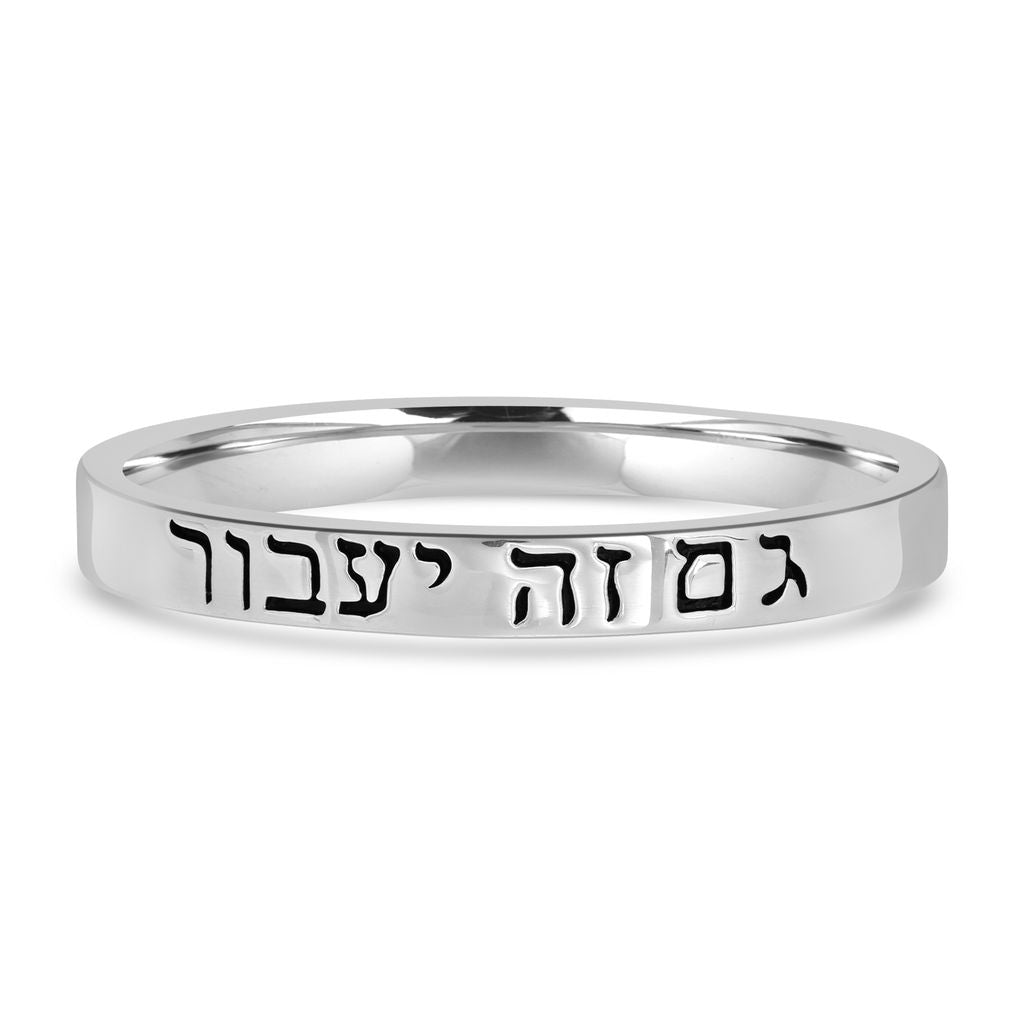
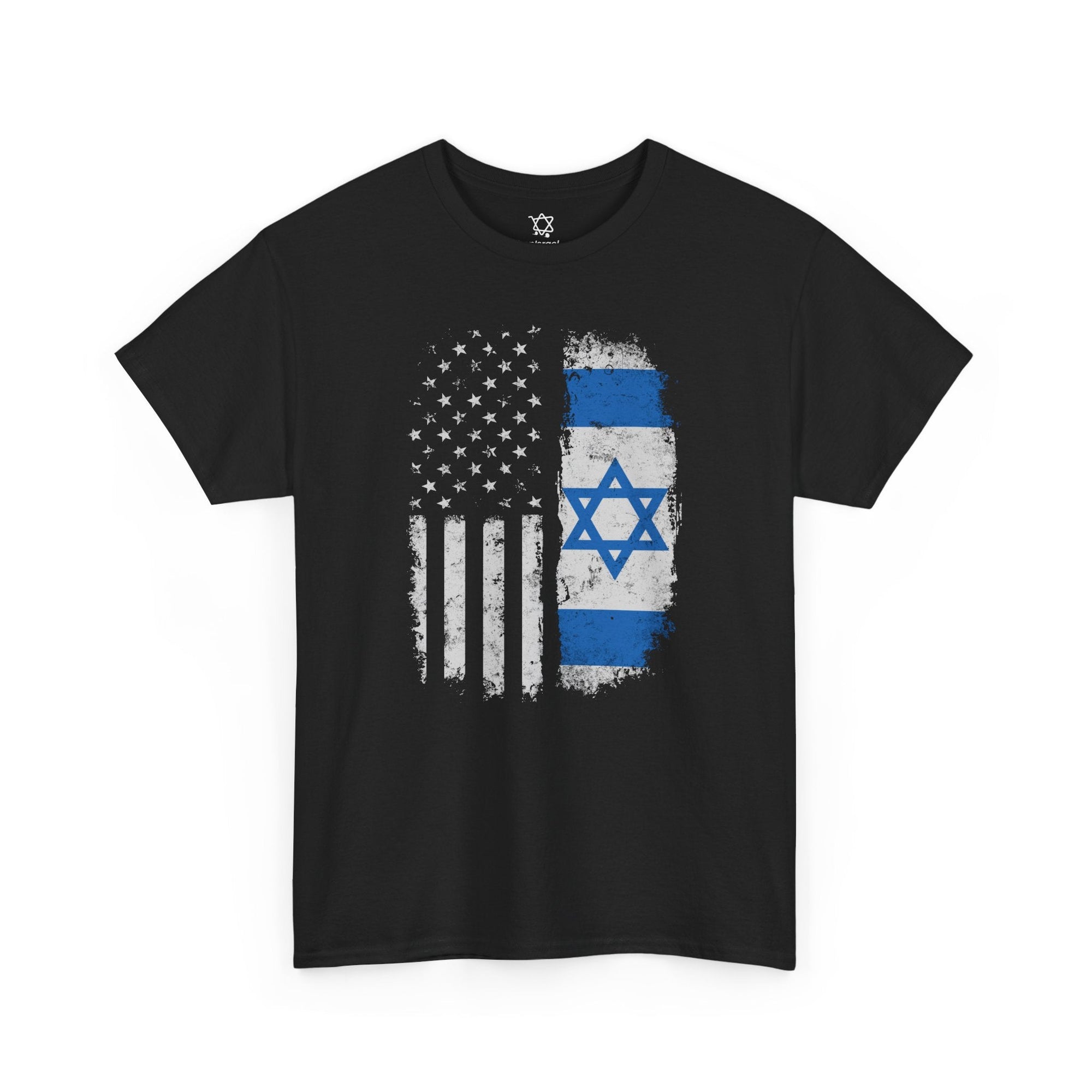
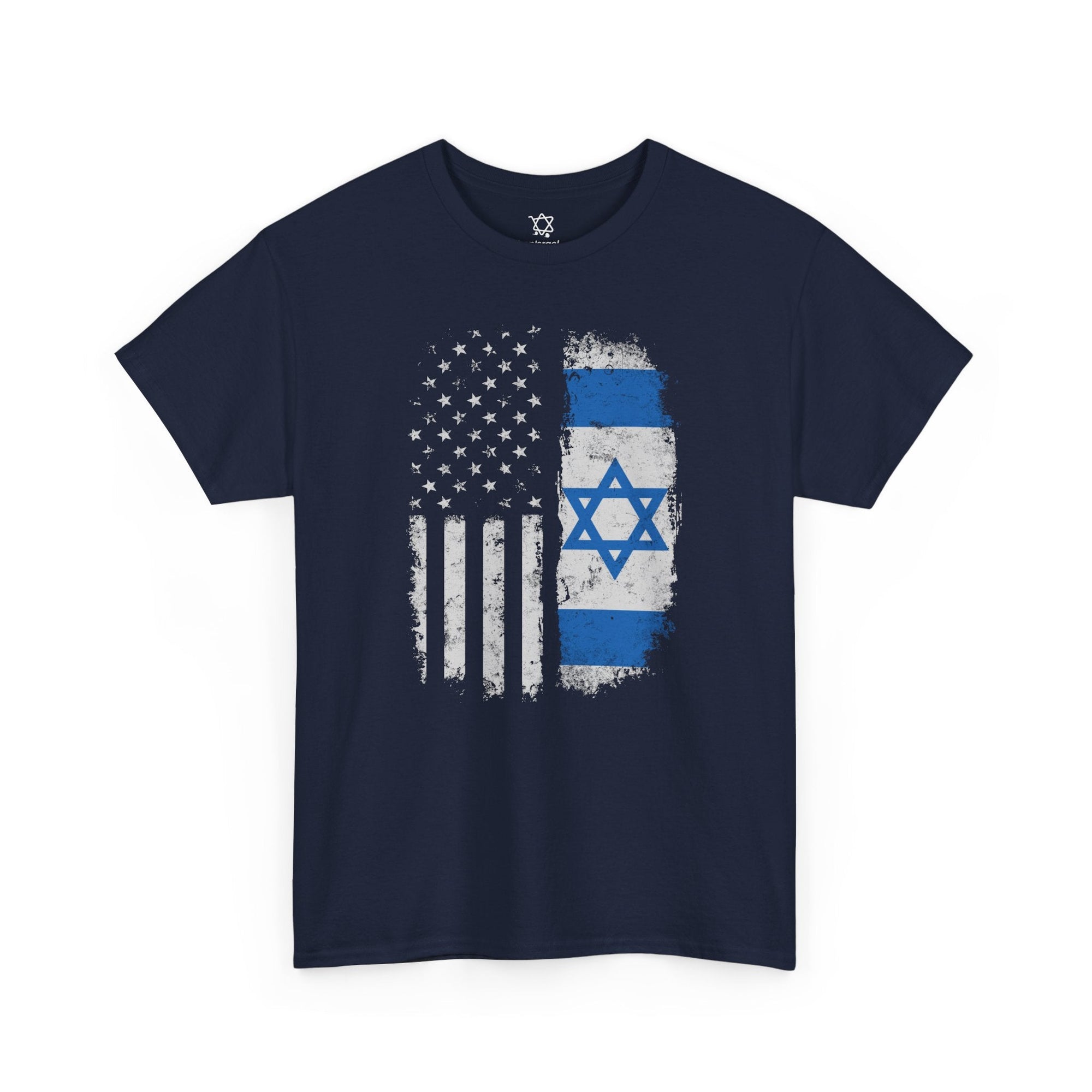
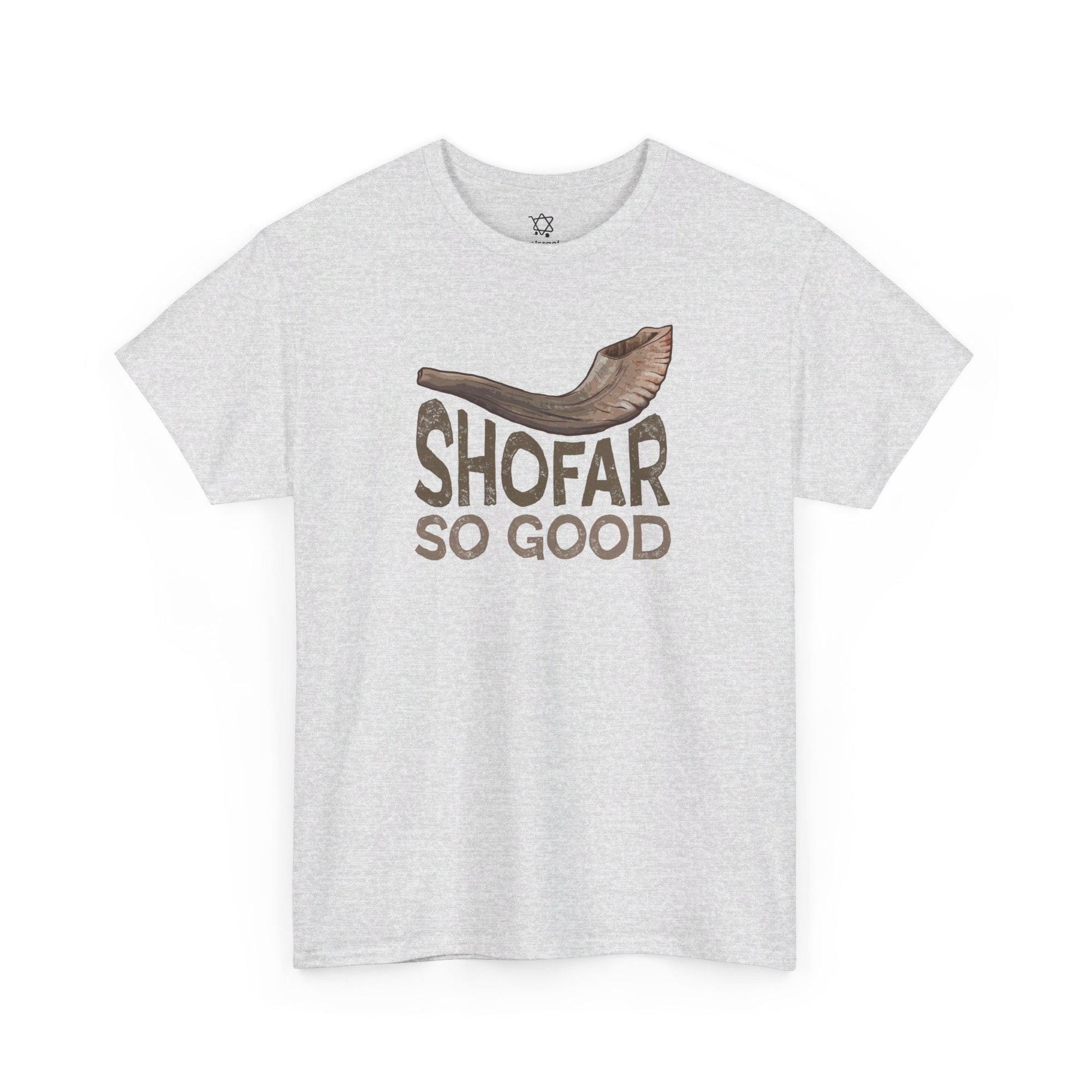
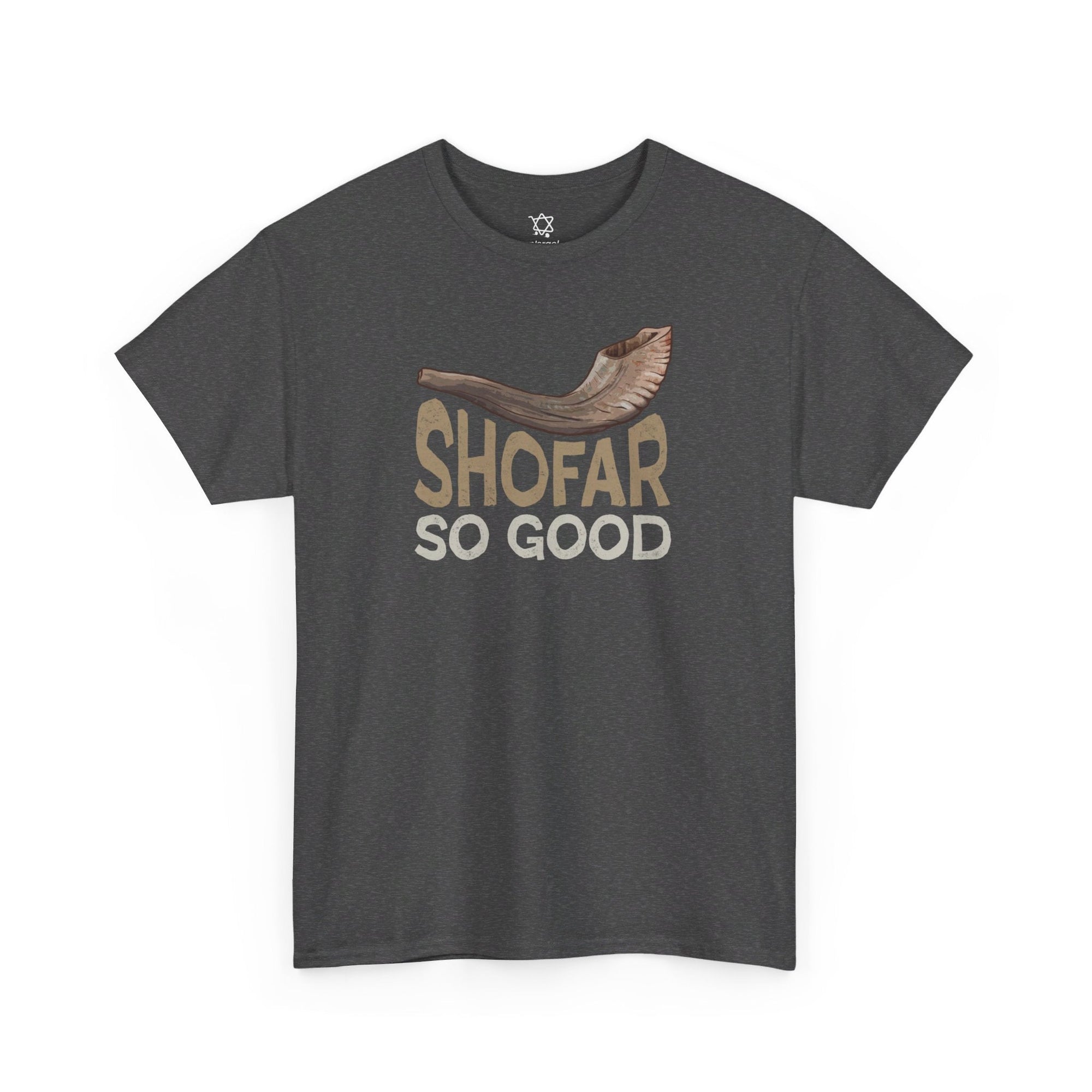
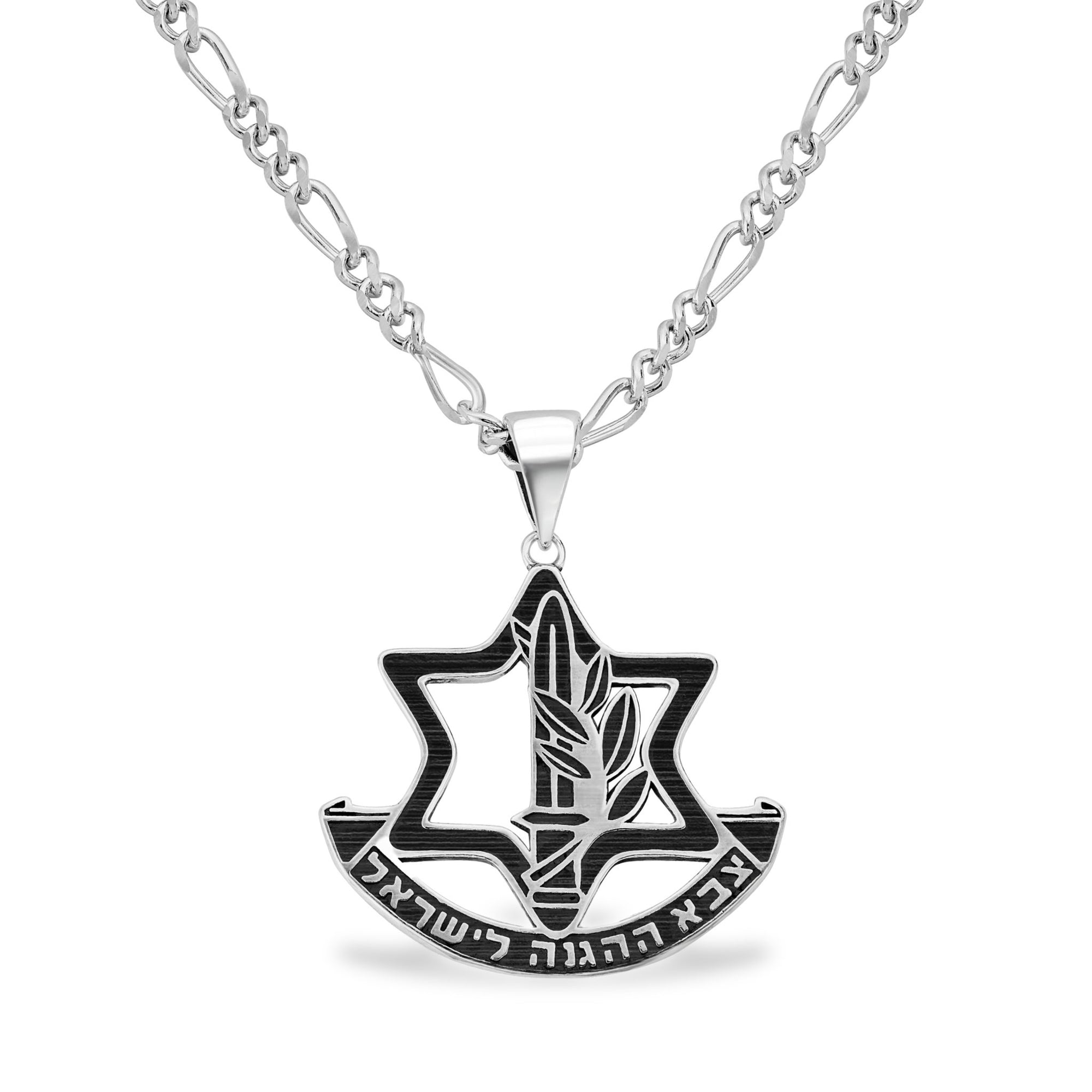
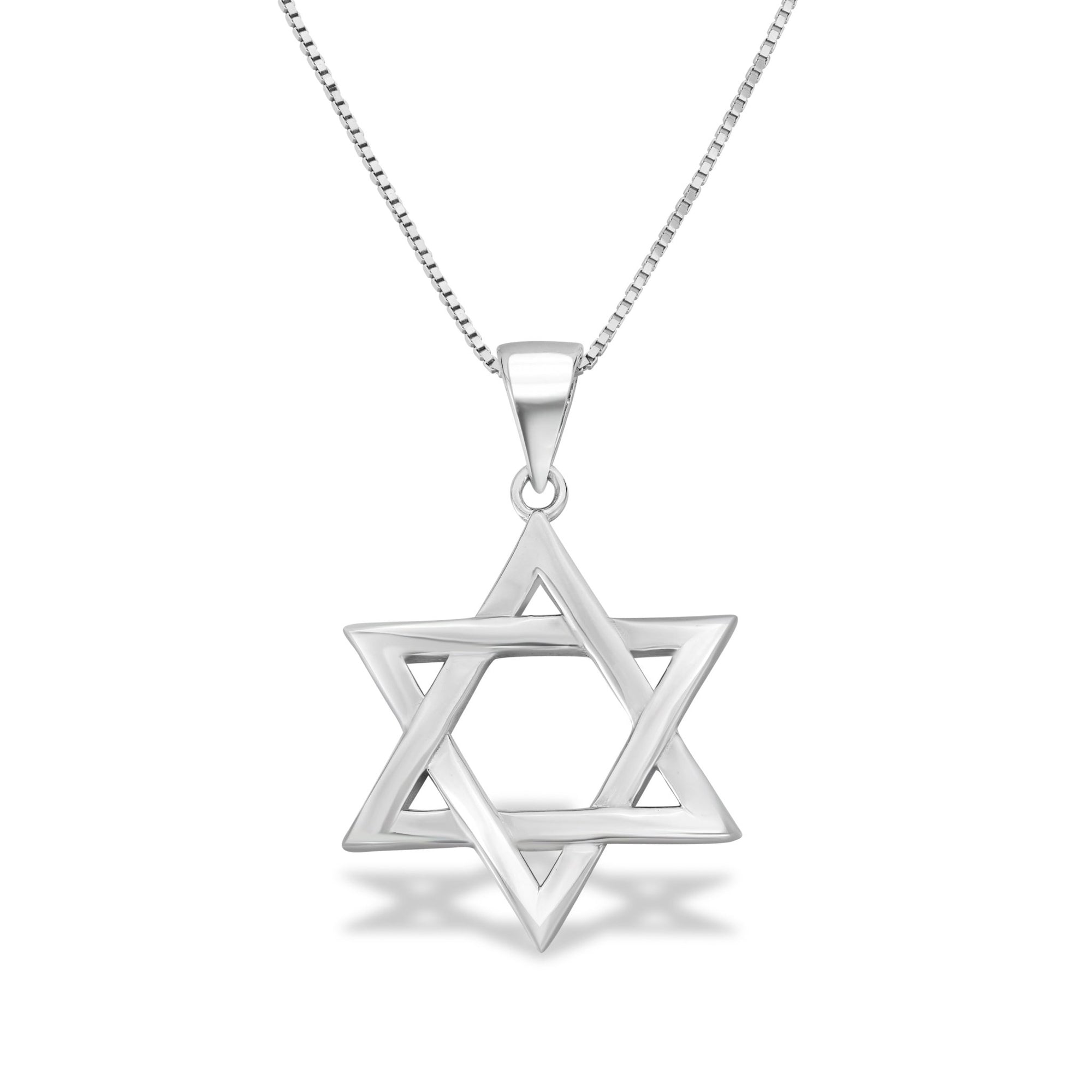
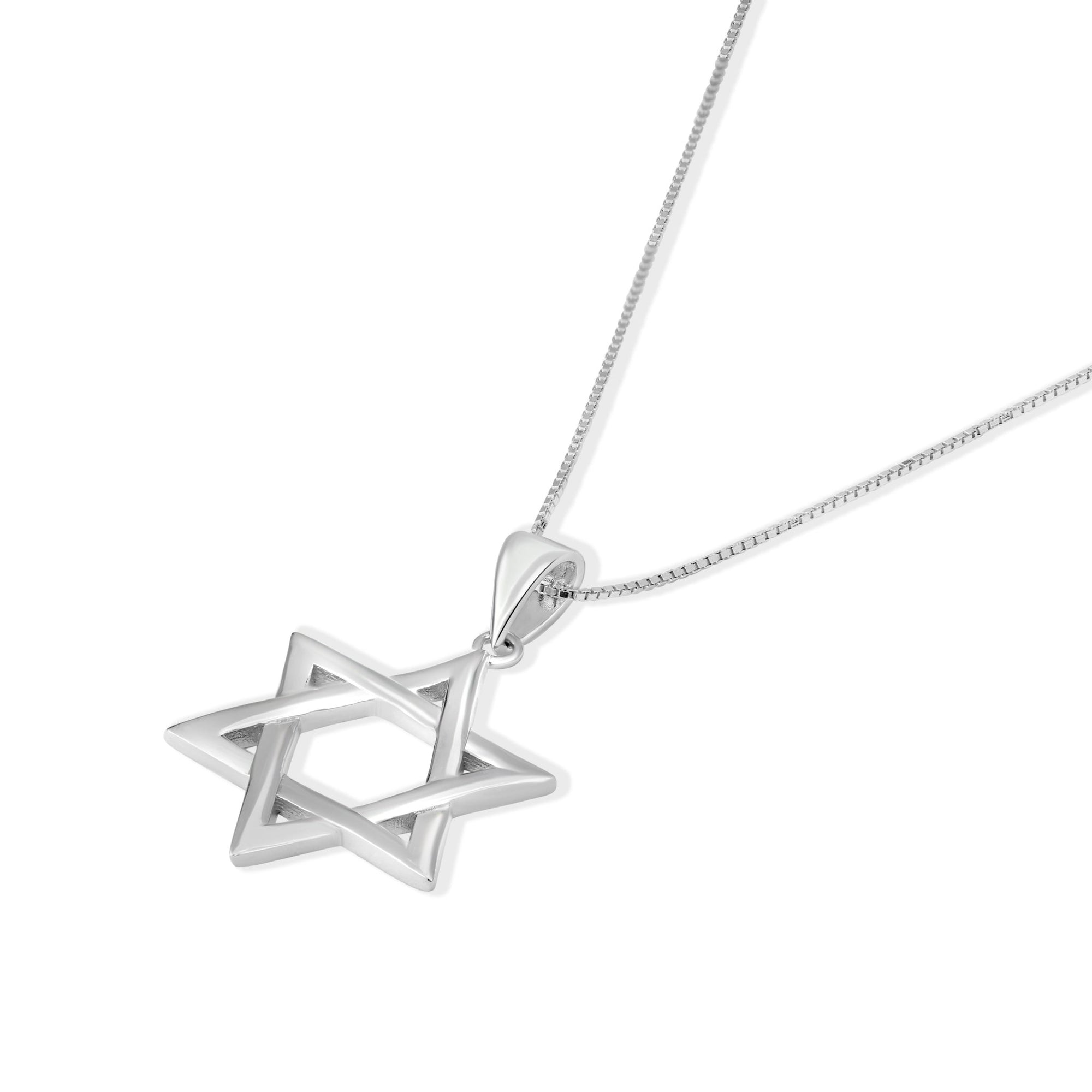
Israel-themed apparel has gained significant popularity worldwide, resonating deeply with members of the diaspora and supporters. This trend includes T-shirts, caps, dresses, and accessories featuring symbols like the Star of David, the Israeli flag, and Hebrew inscriptions. These items not only celebrate national pride but also provide wearable expressions of solidarity and cultural identity.
Cultural Significance of Modern Israeli Apparel
Modern Israeli fashion often intertwines traditional symbols and religious motifs with contemporary design. Designers like Kobi Halperin showcase collections inspired by Jewish heritage and spiritual themes such as Shabbat, combining artisan details with modern femininity. Apparel ranges from biblical-themed shirts underscoring faith and resilience to elaborate head coverings like kippahs and tallit-inspired accessories, blending the sacred with stylish self-expression.
Connection Between Fashion and Heritage
Israeli fashion serves as a bridge linking past and present, embodying shared history and evolving identity. From the uniform simplicity of early Kibbutz clothing to today’s diverse styles reflecting individuality, garments tell stories of community values, religious observance, and ongoing cultural pride. Wearing Israel-themed clothing allows supporters and Jewish communities alike to honor their heritage proudly while affirming unity and hope through style.
Modern Designers Bringing Israeli Heritage to Global Fashion
How are Israeli designers incorporating cultural and religious themes into modern fashion?
Kobi Halperin, an Israeli-American Designer Background, exemplifies the fusion of Israeli heritage with contemporary fashion. His Fall 2024 Collection, showcased at NY Fashion Week Runway Show, titled "Illumination of Hope Collection," draws deep inspiration from Jewish religious traditions, particularly the rituals of Shabbat.
The collection reflects Halperin's Childhood Memories Influence and the spiritual ambiance of Shabbat—the lighting of candles, the prayers, and the sense of renewal and hope that the day brings. His runway featured models walking to live renditions of cherished Shabbat prayers like "Eshet Chayil" and "Lecha Dodi," weaving cultural narratives directly into the presentation.
Colors play a vital symbolic role: cream, black, metallic gold, and silver hues represent both solemnity and the shimmering promise of hope. The designs incorporate motifs of the Shabbat Bride and Candles Theme, encapsulating a balance of sadness and optimism that resonates during challenging times.
The show culminated with the Hatikvah Instrumental Performance, Israel’s national anthem, emphasizing unity, resilience, and pride. Halperin’s work powerfully underscores how modern Israeli designers are promoting cultural respect and hope on the global fashion stage while celebrating Jewish heritage and tradition.
This trend of embedding spiritual and national symbols into fashion not only honors Jewish religious clothing identity but also invites a wider audience to appreciate Israel’s rich cultural legacy through wearable art.
From Kibbutz Uniformity to Contemporary Israeli Streetwear
How has Israeli fashion evolved from its kibbutz roots to today's trends?
Israeli fashion has undergone a remarkable transformation from its early kibbutz clothing championed simplicity and uniformity, mirroring the collective values of the community. Men wore khaki pants and work shirts, and biblical-style sandals, while women favored light-colored dresses and aprons, often avoiding makeup and nail polish. These styles symbolized modesty, sacrifice, and social unity.
After 1977, Israeli society experienced a shift towards individuality and creative self-expression. Fashion evolved to embrace global fashion trends in Israel, fostering a culture valuing independence and personal style. This change reflects broader societal developments, highlighting a move away from uniformity towards diversity.
Notable elements from kibbutz attire still visible today
While contemporary Israeli street fashion embraces inventive designs, it still carries influences from its kibbutz past. Minimalism remains important, with simple, comfortable garments being popular. In Tel Aviv, vibrant flowy dresses in Tel Aviv street style designed for the warm climate capture a blend of function and style.
Today, Israeli fashion presents a mosaic of cultural heritage and modernity, from respectful nods to tradition to bold expressions of identity. This evolution illustrates a rich tapestry, connecting the historical values of community with cutting-edge global style.
Symbolism and Tradition in Jewish and Israeli Attire
What are key traditional Jewish garments and their significance?
Jewish traditional attire embodies profound religious and cultural meanings. The tallit prayer shawl in contemporary Israeli fashion, a prayer shawl often made with wool or silk and decorated with tzitzit fringes tradition (fringes), serves as a physical reminder of the commandments and devotion to faith. Wearing kippot, worn by men and sometimes women during prayers, symbolize respect and submission to divine authority. The Traditional Hasidic Shtreimels, a distinct fur hat, is traditionally worn by Hasidic Jewish men on special religious occasions, rooted historically in Eastern European nobility styles.
Tzitzit fringes, mandated by the Torah, emphasize vigilance in fulfilling religious obligations, while Tefillin leather prayer boxes—small leather boxes containing Torah verses—are worn during weekday prayers as a visible commitment to faith. These garments are not merely functional but carry layered symbolism reflecting religious identity, social status, and communal belonging.
Religious and cultural symbolism in clothing
Jewish clothing often signifies spiritual modesty and adherence to religious laws, such as the prohibition on mixing wool and linen (shatnes). Moreover, head coverings like wearing kippot and women’s sheitels or scarves express humility and tradition. Historically, garments also communicated social hierarchies, as seen with ornate dress in ancient times and aristocratic influences in Hasidic garb.
Modern adaptations of religious garments
Contemporary Israeli fashion creatively reimagines these traditional elements into modern accessories and apparel. For example, prayer shawls (Tallit prayer shawl in contemporary Israeli fashion) have inspired elegant scarves and wraps, while kippahs feature intricate embroidery and bold patterns. Designers incorporate traditional motifs such as Bedouin textiles in modern Israeli fashion and biblical symbols into clothing, merging heritage with modern style.
Use of traditional textiles and motifs in fashion
Israeli designers blend ancient textiles and motifs with current trends to express cultural pride and identity. This includes the use of silk damask, brocade, and embroidered fabrics historically associated with Jewish clothing from the 18th to 20th centuries. Such adaptations celebrate diversity within Jewish heritage, reflecting unity amid evolving fashion narratives.
Embracing Israeli Cultural Pride Through Apparel Collections
How do apparel collections promote Israeli pride and Jewish heritage?
Apparel collections like Wear Israel Apparel Collection are crafted to embody and celebrate Israeli cultural pride and Jewish heritage. These collections include Israel-designed T-shirts and accessories designed in Israel, showcasing rich biblical-themed shirts that resonate deeply with Jewish traditions and faith.
Many of the designs emphasize powerful messages of unity and solidarity shirts, resilience, and gratitude. For example, shirts featuring words like 'United shirt,' 'Forever Grateful shirt,' 'Do Not Fear shirt,' and 'Peace Be Still shirt' reflect the enduring Israeli spirit and offer encouragement and hope during challenging times.
In addition to these inspiring messages, the apparel prominently features national symbols such as the Israeli flag and the Star of David. These symbols serve as visible expressions of Jewish cultural identity clothing, enabling wearers to proudly display their solidarity with Israel and their Jewish roots.
By blending faith-based themes with national pride, the Wear Israel Apparel Collection provides meaningful ways for supporters and diaspora community members to express their connection to Israel's heritage and values through clothing and gifts.
Jewish Traditional Clothing's Influence on Fashion Trends
Historical Jewish attire and social identity
Jewish clothing throughout history has been deeply intertwined with expressions of religious belief, social standing, and community values. For example, the Torah's injunctions on attire, such as the prohibition of mixing wool and linen (shatnes), have shaped garment choices. Historically, Jewish men in Eastern Europe donned long, dark coats like the kapote and kaftan, with influences from Polish nobility evident in garment cuts and fabric patterns. These clothing customs reflected not only religious observance but also social distinctions within Jewish communities. (Jewish attire and biblical law)
Distinctive garments among Orthodox and Hasidic communities
Orthodox Jewish men are recognized by their black suits, black hats, and ritual fringes called tzitzit. Hasidic men often wear shtreimels—fur hats with origins tied to European nobility—during special occasions, underscoring cultural heritage. These garments serve as strong identifiers of faith and communal belonging. The long coats and specific headgear convey both modesty and tradition, maintaining the visual continuity of religious values in daily life. (Jewish religious clothing)
Jewish women's modest fashion and head coverings
Modesty remains a cornerstone of Jewish women's dress, particularly among Orthodox communities. After marriage, women typically cover their hair with sheitls (wigs), scarves, or hats, aligning with religious prescriptions. Their clothing favors long skirts and sleeves, with some styles reminiscent of historic designs yet adapted for contemporary tastes. Head coverings vary from casual caps and snoods to elegant embroidered kerchiefs, merging tradition with fashion sensibility. (Traditional Jewish clothes)
Inspiration from Jewish ceremonial dress and noble attire
Jewish ceremonial garments such as the prayer shawl (tallit) demonstrate intricate embroidery and textile art, influencing modern fashion accessories and styles. High priests’ white linen garments for Yom Kippur and noble class attire were rich in symbolism and refined craftsmanship. Today, designers draw from these elements to create pieces that celebrate Jewish heritage with a modern touch. The visual language of historic dress—such as brocaded textiles and velvet embroidery—inspires contemporary modest fashion brands, highlighting cultural pride and identity. (Jewish clothing from the 18th to 20th centuries)
Jewish traditional clothing not only preserves religious and cultural legacy but also influences modern fashion by inspiring modesty-driven designs, ceremonial wear, and everyday apparel that honors heritage. The distinctive garments of Orthodox and Hasidic communities, combined with historical richness, continue to shape a fashion narrative proud of its roots yet vibrant in today’s world.
Cultural Diversity and Textiles in Israeli-Themed Fashion
How do Israeli-themed fashion pieces reflect cultural diversity and heritage?
Israeli fashion is a vibrant tapestry woven from diverse cultural threads, blending traditions from the Bedouin deserts to Jewish communities worldwide. Designers incorporate Bedouin textiles in modern Israeli fashion, characterized by bold geometric motifs, into contemporary collections, showcasing Israel's regional craftsmanship and nomadic heritage.
Historic Jewish clothing also shapes Israeli fashion. Garments like the Moroccan “Great Dress” made of silk velvet with metal cords, or the intricate brocaded silk coats from Central Asian communities, are emblematic of the diaspora’s rich sartorial legacy. These luxurious fabrics and embroidery techniques express the cultural depth of Jewish people across centuries and continents.
Modern Israeli designers transform traditional religious textiles into elegant accessories. The prayer shawl (tallit) in contemporary Israeli fashion is reimagined with contemporary designs, while veils and other ceremonial fabrics inspire chic scarves and wraps. This interplay between heritage and modernity highlights the ongoing dialogue between ancestral identity and present-day expression.
By embracing these elements, Israeli-themed fashion honors the nation’s multifaceted heritage, blending ancient symbolism with contemporary style to create garments that are both culturally meaningful and fashionable.
Updating Your Wardrobe with Meaningful Israel-Themed Pieces
Embracing Cultural and Fashion Heritage
Israel’s fashion journey beautifully blends tradition and modernity. From Kobi Halperin’s runway collection inspired by Shabbat symbols to Israeli street style vibrant with colors and relaxed flows, the trends celebrate hope, unity, and faith.
Wear Your Identity with Pride
Clothing like prayer shawls transformed into elegant accessories, embroidered kippahs, and T-shirts with messages like "United" or "Forever Grateful" allow you to express Jewish and Israeli identity with style and meaning.
Refresh Your Style Thoughtfully
Updating your wardrobe with Israel-themed apparel isn’t just about fashion—it’s a powerful way to connect with heritage and stand in solidarity. Choose pieces that reflect tradition and resilience while fitting modern aesthetics to proudly share your story.