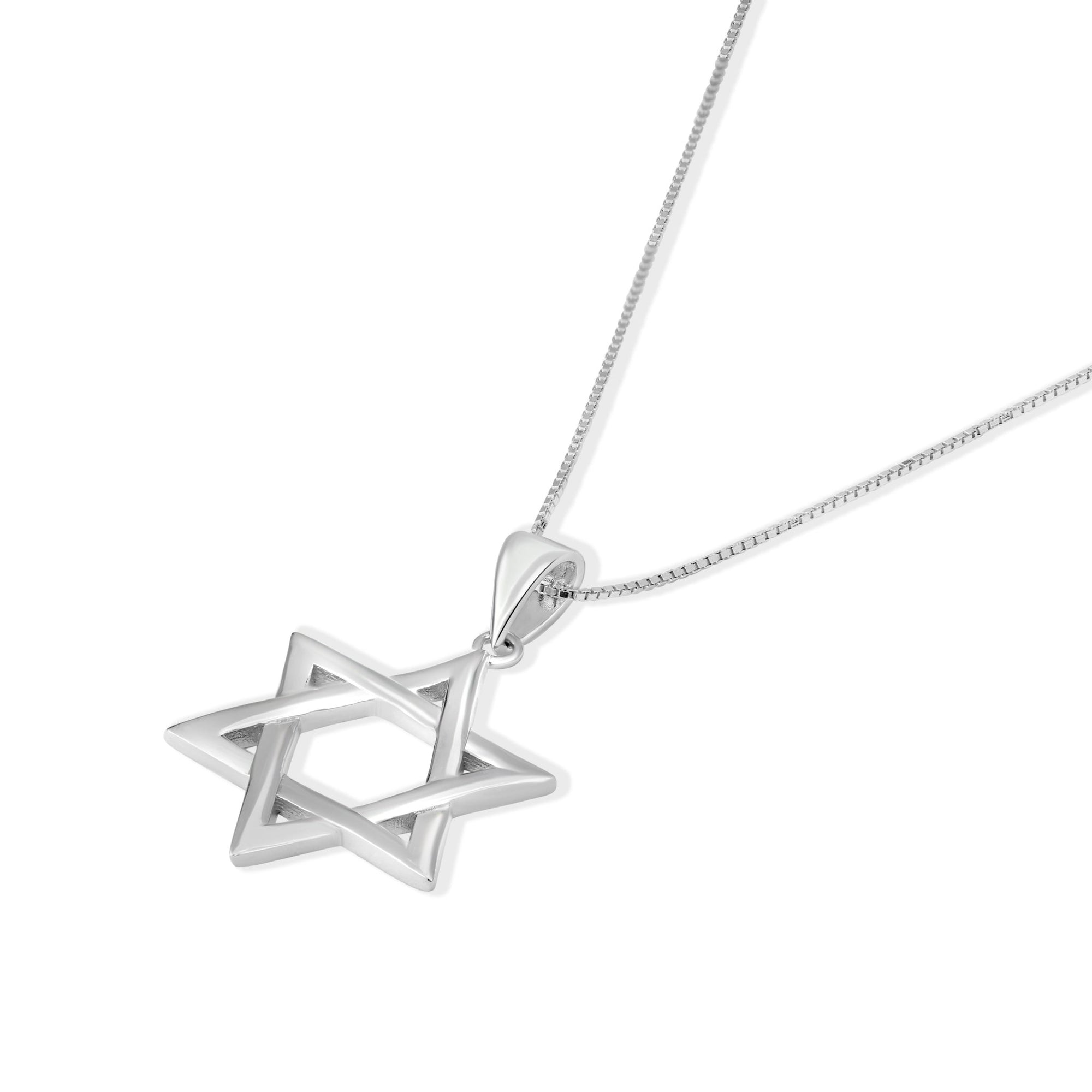


Introduction: Fashion as a Reflection of Zionist Spirit
Israeli Fashion and National Identity
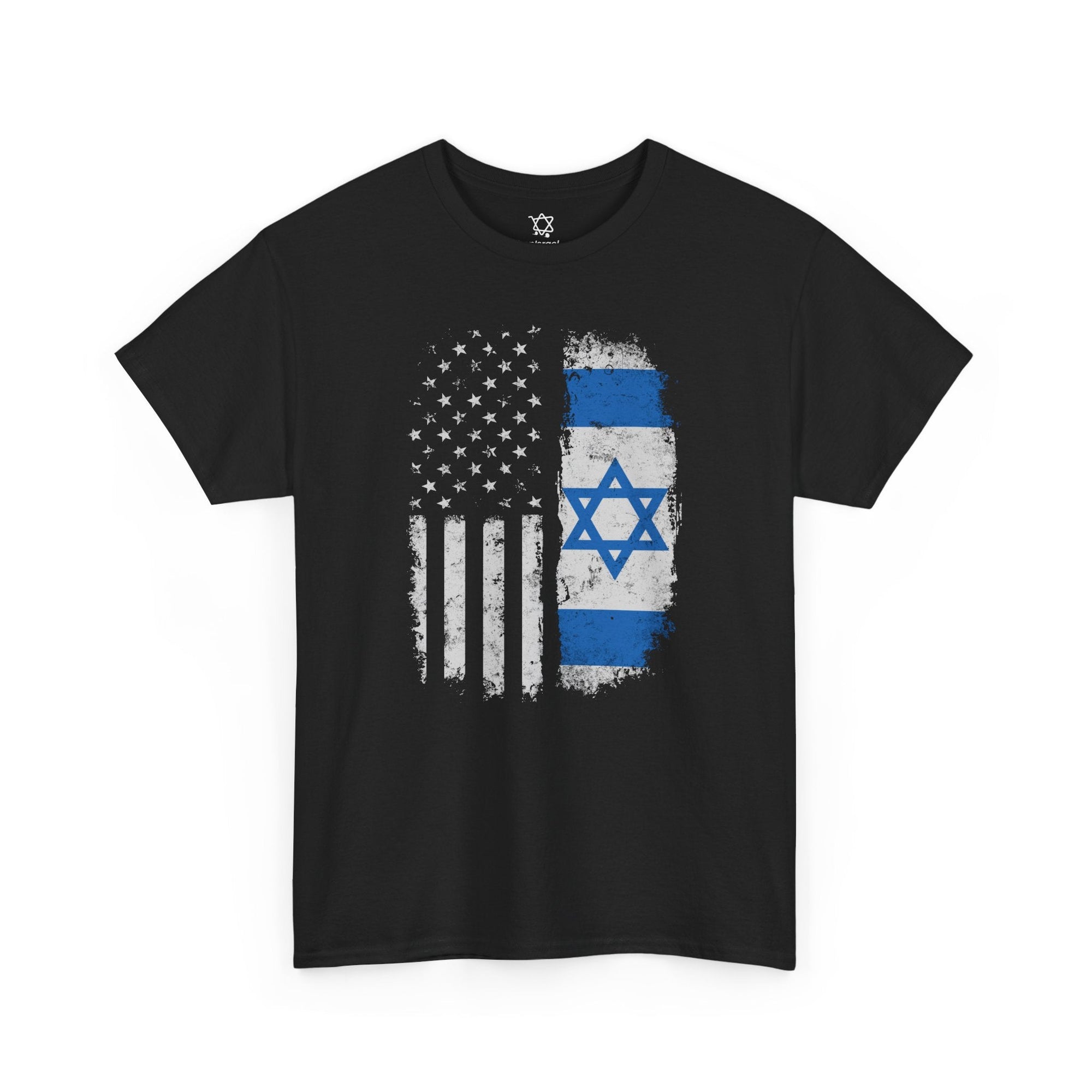
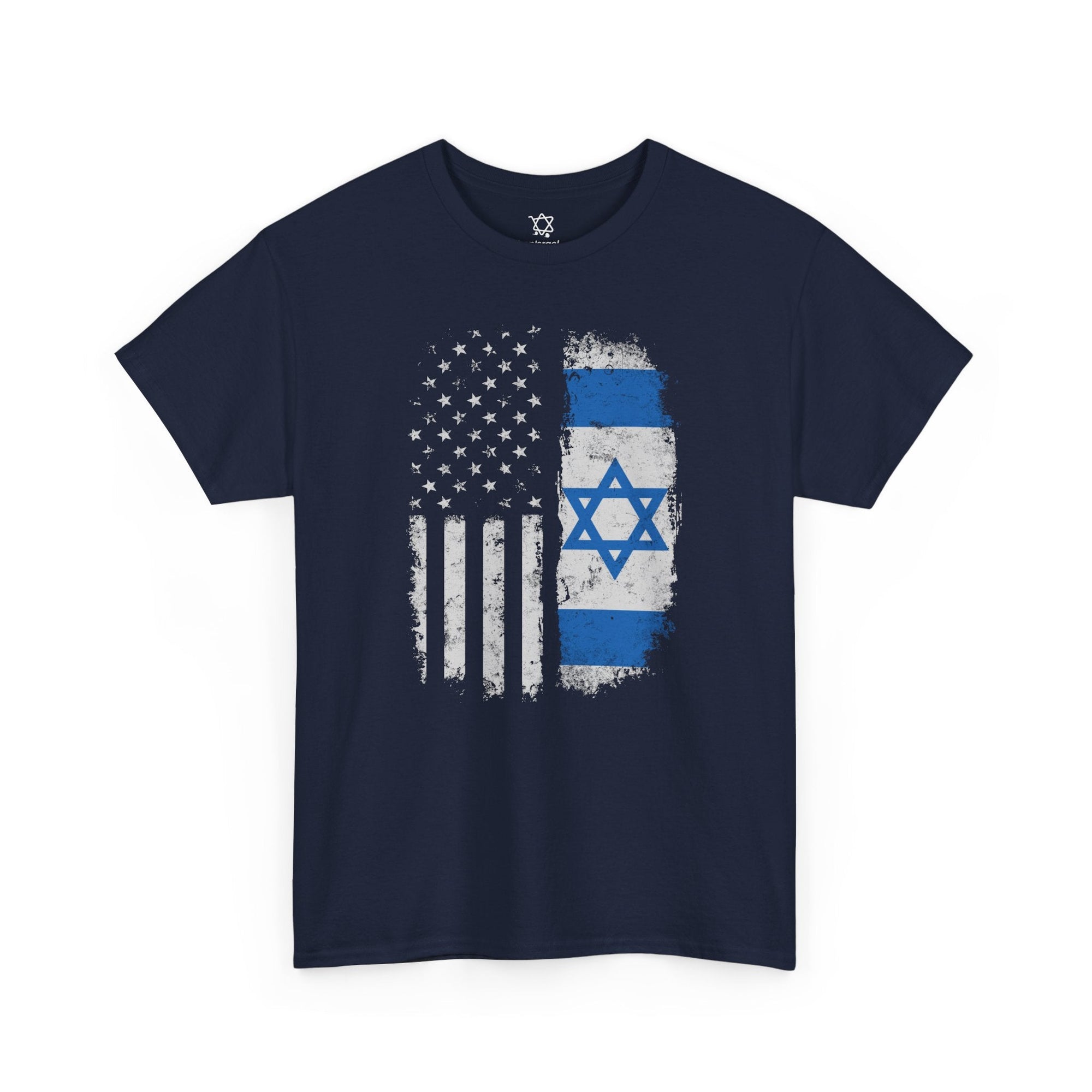
Israeli fashion has long been a vibrant expression of national pride and Jewish identity. From the early Zionist leaders donning the keffiyeh to modern designers incorporating symbols like the Star of David, clothing serves as a powerful medium reflecting deep cultural roots and shared history.
Fashion as a Medium for Hope and Unity
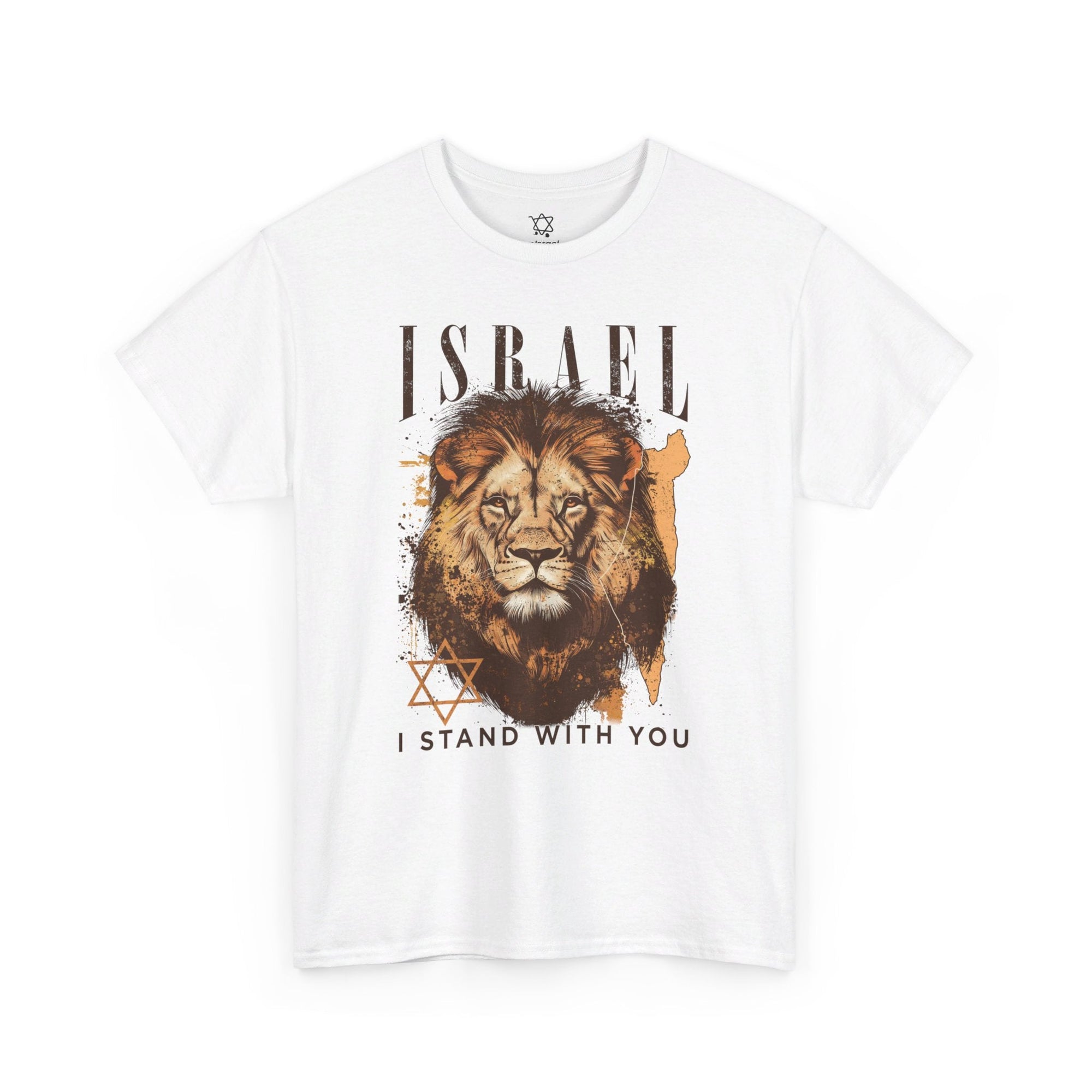
In times of conflict and resilience, Israeli fashion transforms into a canvas for communal solidarity. Garments bearing slogans such as "Am Yisrael Chai" (The People of Israel Live) and yellow ribbons symbolizing hope for hostages embody a collective spirit of endurance and optimism that unites the nation.
Symbolic Elements in Contemporary Israeli Clothing
Contemporary Israeli apparel often includes meaningful symbols: the tallit's fringes (tzitzit) signifying religious devotion, olive-green hues evoking military strength, and motifs like hearts or doves representing peace and unity. This blend of traditional and modern elements allows fashion to narrate the ongoing story of Zionism and Jewish resilience.
Symbolism and Memory: Fashion that Honors and Unites
How do current Israeli fashion trends incorporate remembrance and solidarity?
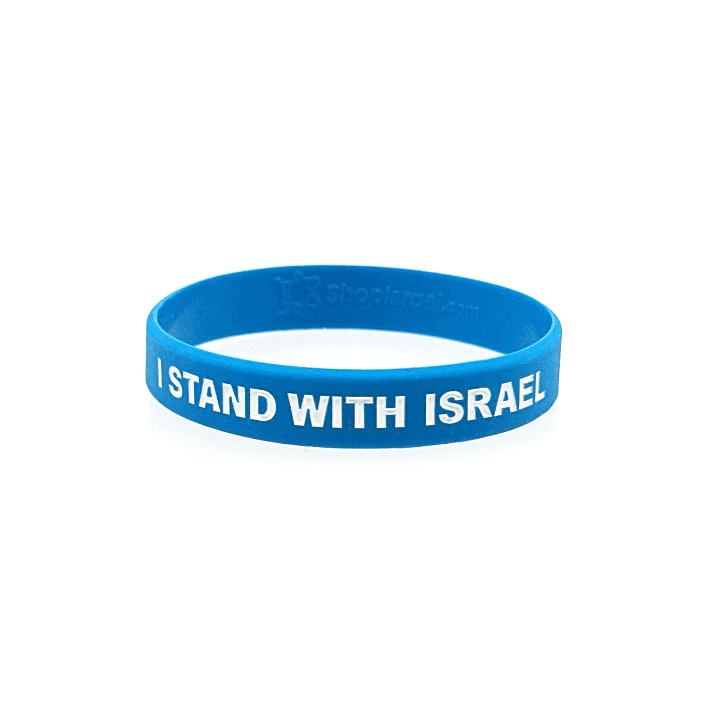
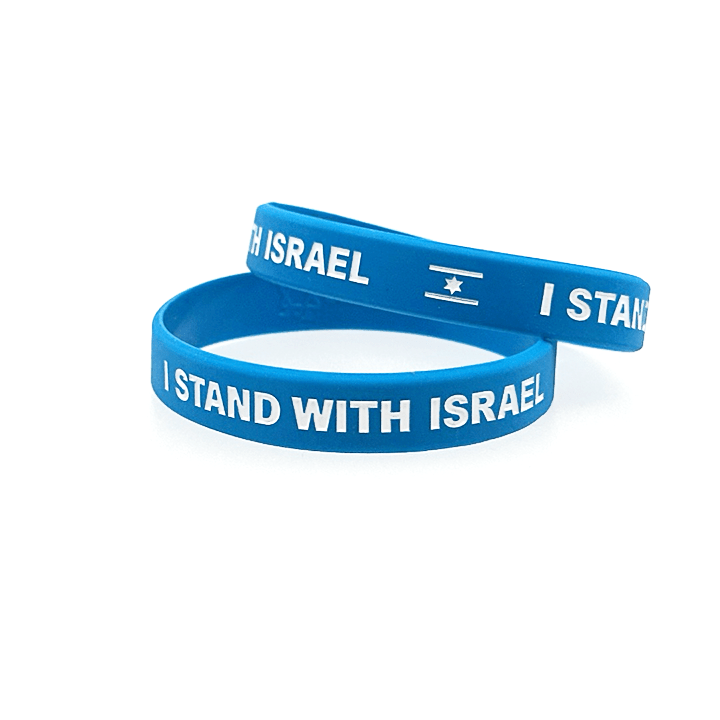
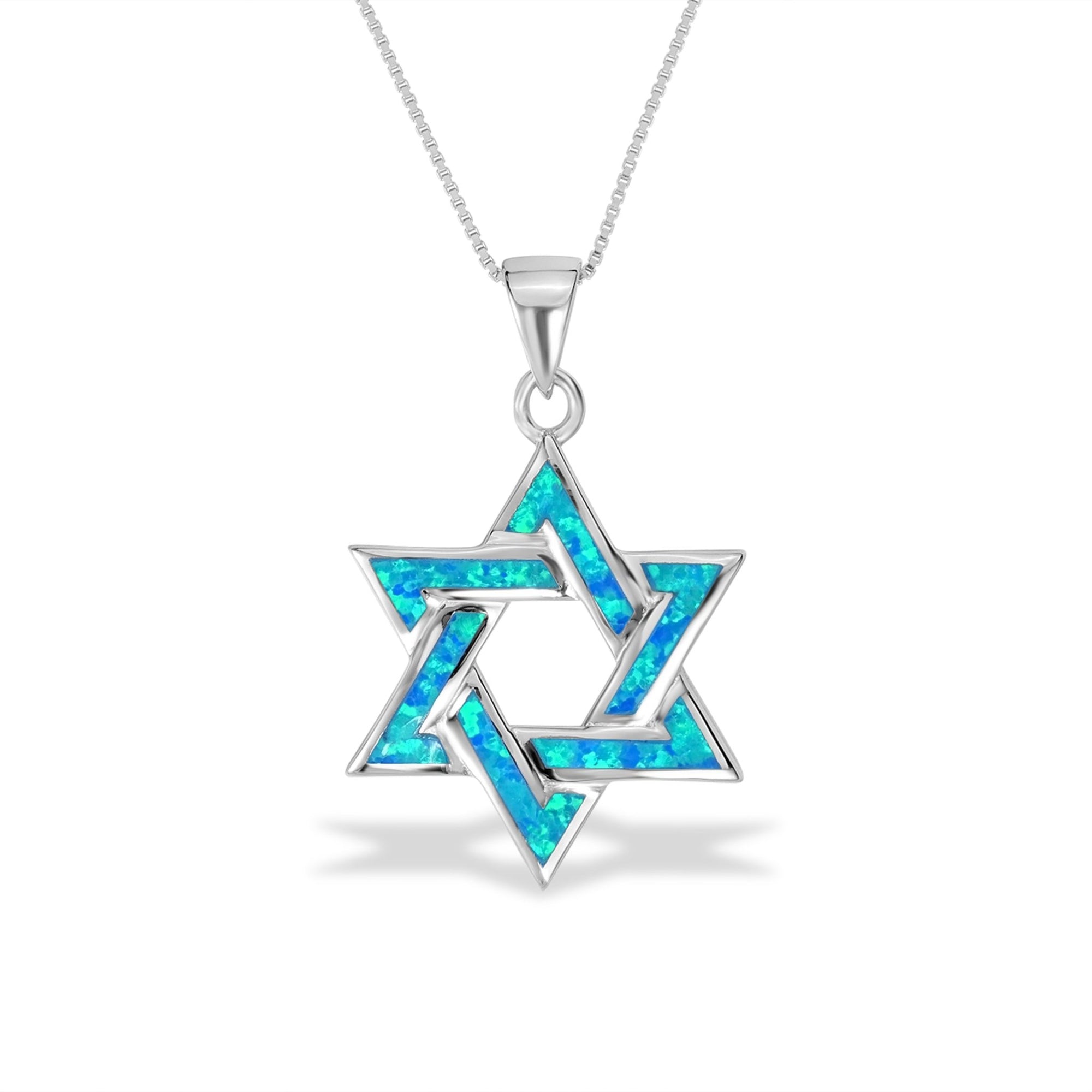
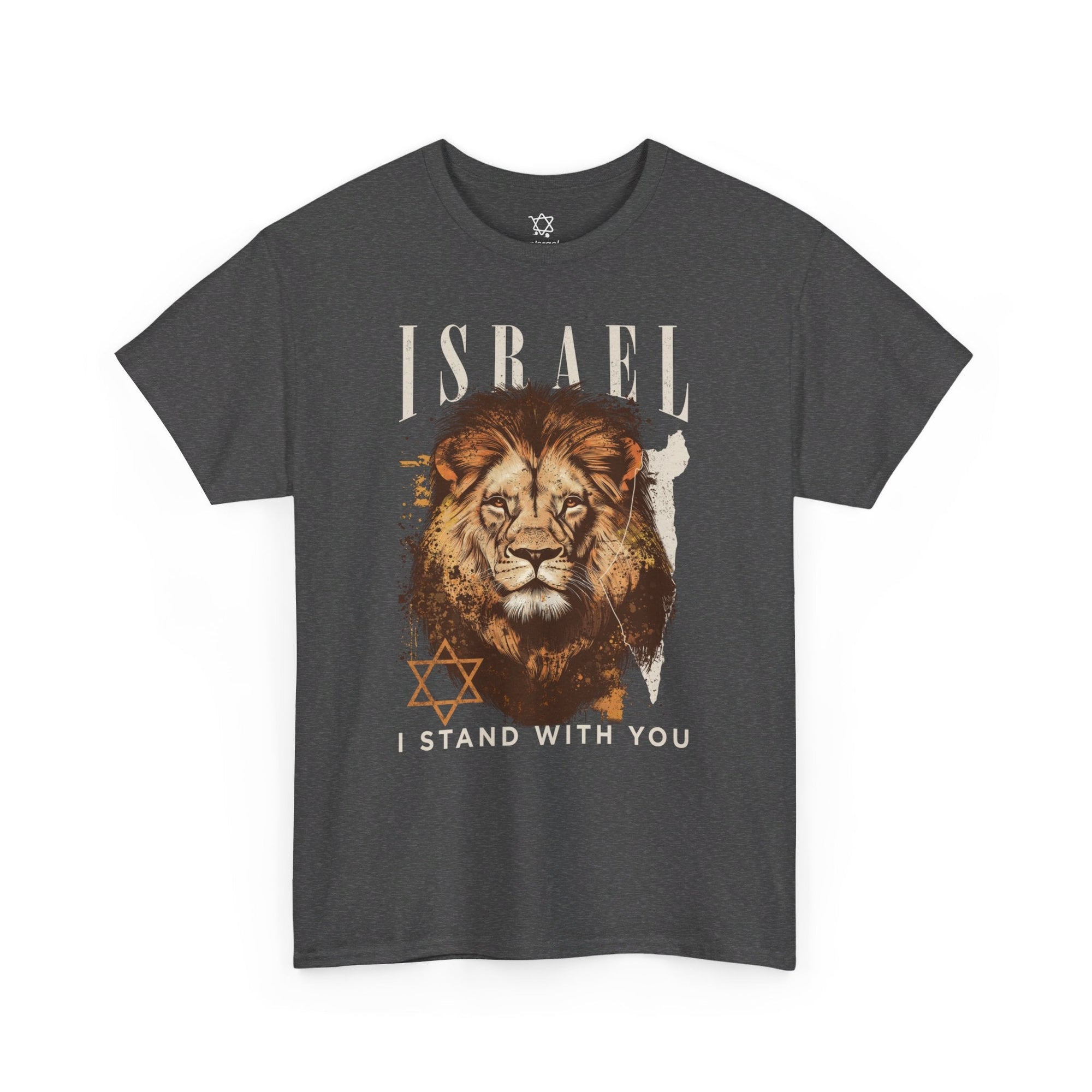
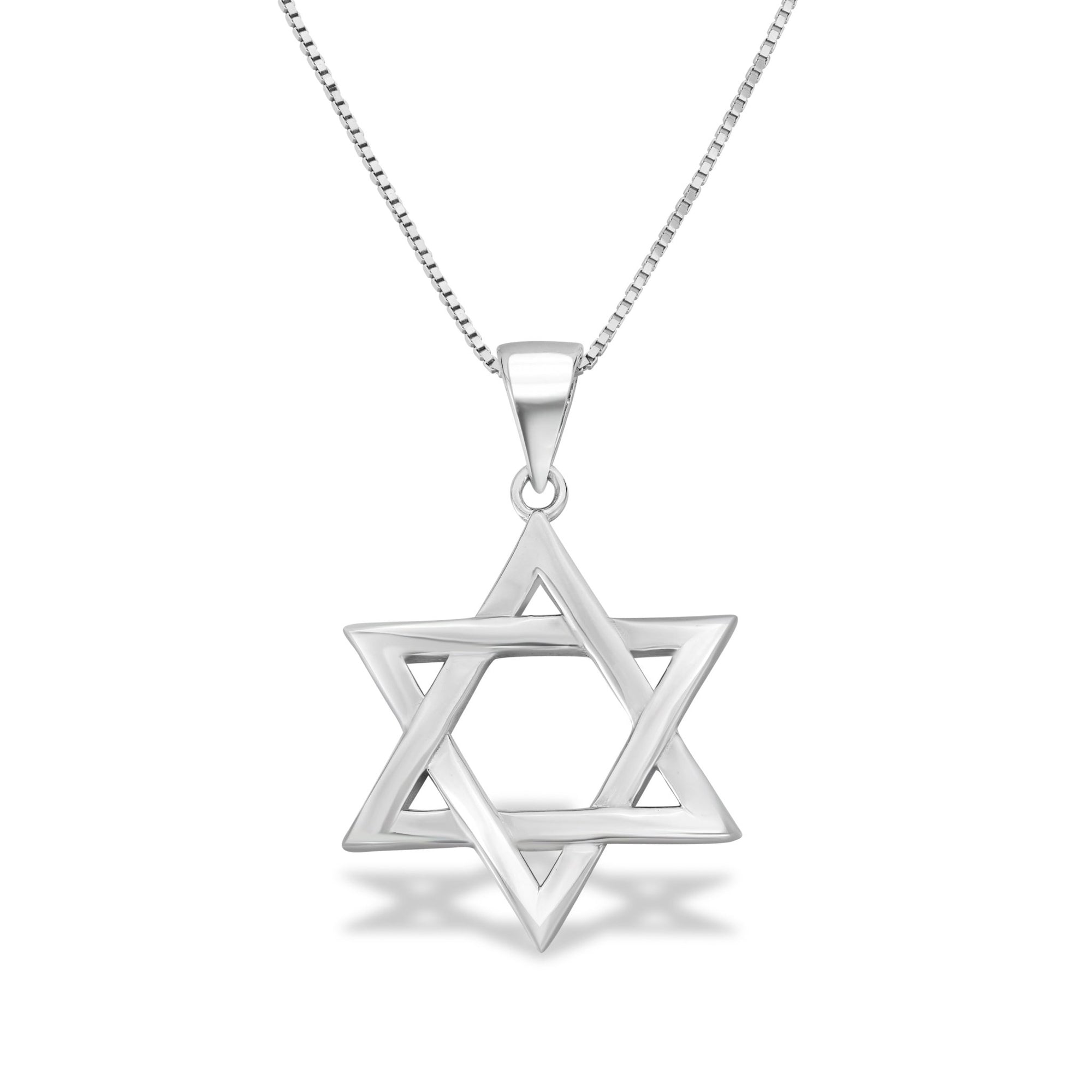
Israeli fashion today deeply entwines with national remembrance and solidarity, using clothing as a powerful medium to express collective memory. Symbols like the Star of David in fashion and yellow ribbons and hearts are frequently featured, representing Jewish identity and the hope connected to hostages and victims of war.
Designers such as Yaniv Persy's gown have pioneered gowns adorned with the names of victims, hostages, and decimated communities, transforming fashion into a moving tribute to resilience and remembrance. This approach transcends aesthetics, making each garment a declaration of unity and faith in the nation’s strength.
Yellow ribbons and hearts also prominently appear in fashion collections, symbolizing optimism and communal support. These elements provide wearers with the ability to visually communicate solidarity during times of conflict, reinforcing a shared identity and the determination to overcome adversity.
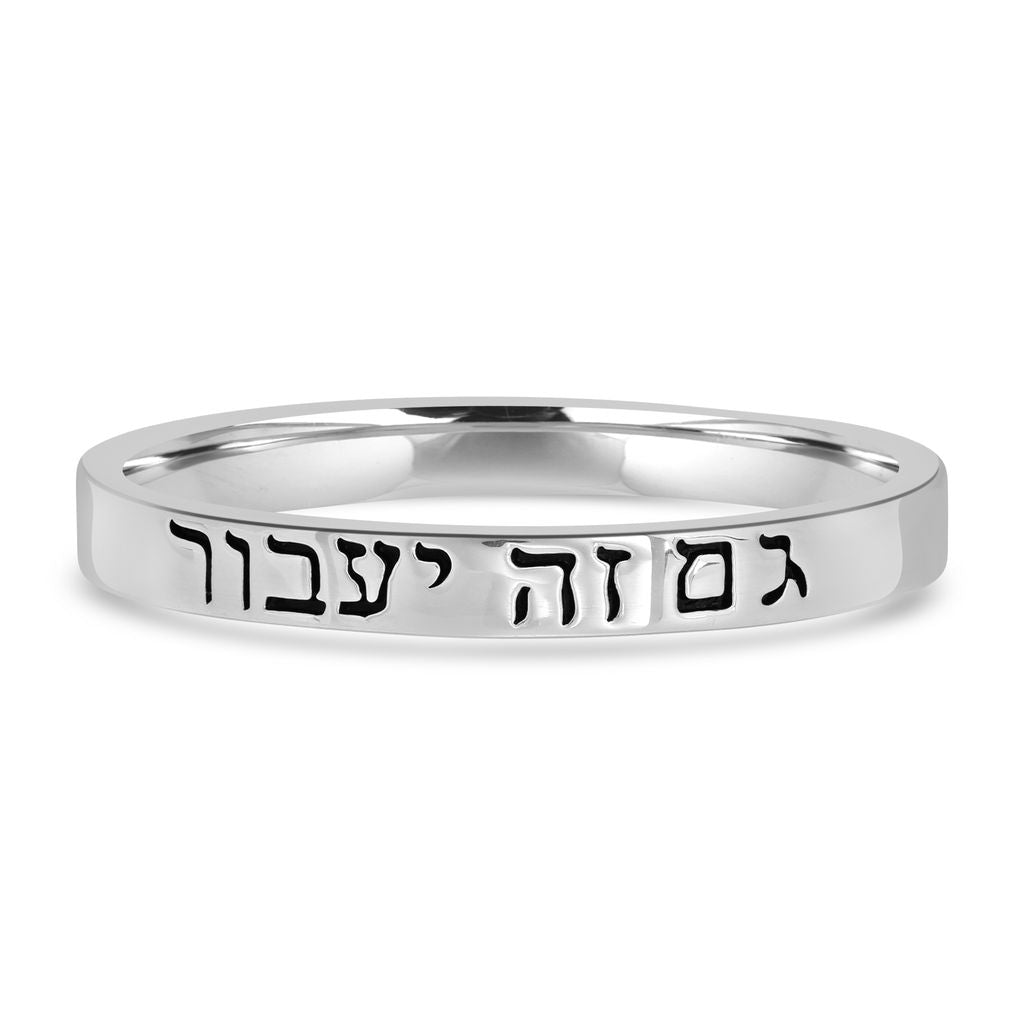
Through slogans like "Am Yisrael Chai fashion" (The Nation of Israel Lives) and "Together We Will Win," Israeli clothing resonates with messages of hope, victory, and peace. This trend extends beyond Israel’s borders, inspiring diaspora communities to adopt fashion as a platform for expressing pride and connection to Israeli heritage.
The blending of remembrance with fashion underscores the unique role clothing plays in Israeli culture—not only as personal adornment but as a bearer of history, memory, and a collective promise of endurance and unity.
Historic Roots: The Keffiyeh and Early Zionist Identity
What is the historical significance of the keffiyeh in Zionist fashion?
The keffiyeh worn by Jewish Zionist leaders has a rich history as a garment embraced by early Zionist figures and military groups in Israel. In the early 20th century, prominent Zionist leaders, such as Chaim Weizmann keffiyeh and David Ben-Gurion wearing keffiyeh in 1948, as well as members of the Palmach and IDF keffiyeh use, adopted the keffiyeh. For them, this traditional headdress symbolized more than just practical protection from the sun; it expressed a deep connection to the land of Israel and a sense of solidarity with the local indigenous population. Jewish immigrants adopting keffiyehs used the keffiyeh to demonstrate closeness and belonging to their new homeland, integrating the garment into their cultural and military identity.
How has the meaning of the keffiyeh evolved over time?
Throughout the 20th century, especially following the Arab Revolt and keffiyeh symbolism of 1936-1939, the keffiyeh's symbolism shifted significantly. It moved from being a shared regional garment embraced by Jews and Arabs alike to becoming predominantly associated with Palestinian Arab identity and later Palestinian political resistance, notably during the 1990s with figures like Yasser Arafat and keffiyeh.
What is the modern resurgence of the keffiyeh in Israeli fashion?
Since the keffiyeh post-Abraham Accords in 2020 opened new cultural and diplomatic pathways, there has been a revival of interest in the keffiyeh within Israel. Today, Israeli citizens and tourists wear the keffiyeh as a cultural garment distinct from its previous political symbolism, particularly in keffiyeh worn by Israeli tourists in Gulf countries and keffiyeh wearing in Morocco. This resurgence reflects a reclaiming of the keffiyeh as a versatile fashion piece that ties back to Israel's historic and foundational narratives, emphasizing unity, heritage, and identity.
Religious Attire: Tradition Meets Modern Pride
How are traditional Jewish religious garments influencing modern Israeli fashion?
Jewish religious garments such as the tallit prayer shawl, kippah , and tzitzit hold deep spiritual and cultural significance, and they continue to inspire modern Israeli fashion. The tallit, with its ritual fringes called tzitzit, is not only a prayer shawl but also a symbol of Jewish identity. Designers have turned this sacred garment into stylish accessories that express cultural pride with modern elegance.
The kippah, traditionally worn by Orthodox Jewish men as a sign of reverence, has undergone fashionable updates featuring intricate embroidery and bold patterns, making it a contemporary statement piece beyond its religious roots. Similarly, tzitzit remain fundamental, often incorporated subtly into clothing to maintain religious significance while adapting to current styles.
Modesty in dress, long emphasized by Jewish law, has seen a notable revival in Israeli fashion. Women are increasingly embracing modest clothing that remains fashionable—skirts, discreet tops, and headscarves blend religious observance with modern aesthetics. This return to modesty underscores a renewed pride in Jewish heritage and aligns with larger cultural trends of identity affirmation.
Through these evolving styles, Israeli fashion balances tradition and innovation, allowing wearers to proudly display their faith and national identity in everyday life and special occasions alike.
Contemporary Trends: Patriotism, Innovation, and Inclusivity
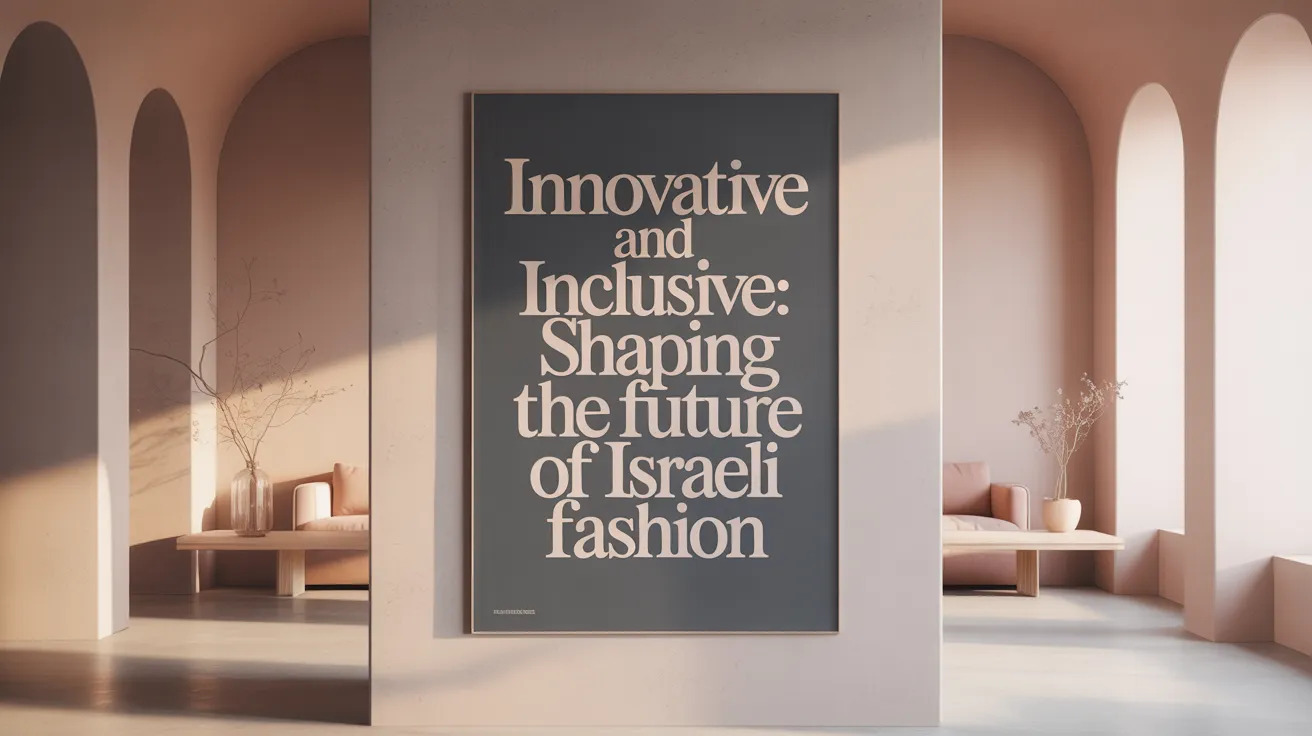
What contemporary trends characterize Israeli fashion amid social and political challenges?
Israeli fashion today powerfully represents the nation's spirit through various contemporary trends. Military-inspired elements in Israeli fashion, such as dog tags, tactical fabrics, pockets, Velcro, and chains, have become prominent. These elements symbolize resilience and unity, reflecting the prevailing social and political climate.
Color symbolism plays an essential role in Israeli clothing. Olive green has emerged as a symbol of strength and patriotism, recalling military uniforms and resilience. Yellow ribbons and hearts vividly express hope and solidarity, particularly toward hostages and victims. Meanwhile, powder pink offers a contrasting softer hue that stands for optimism and nostalgia amid hardship.
Innovation shapes the Israeli fashion scene, with designers incorporating cutting-edge technologies like 3D printing in Israeli fashion. This approach allows the creation of sustainable, eco-conscious garments blending tradition and modernity. Techniques by designers such as Adi Karni highlight the fusion of advanced digital design with natural fabrics, ushering in a new era of Israeli style.
Inclusivity is another vital trend. Israeli brands increasingly offer adaptive clothing designed to meet the diverse needs of all body types, including those with disabilities. This move toward comfortable, easy-to-wear garments represents a commitment to broader social representation and accessibility, reinforcing the community’s shared identity.
These trends together encapsulate the spirit of 2025 Israeli fashion trends: a blend of patriotic symbolism, innovative technology, and compassionate inclusiveness that speaks to both local pride and global relevance.
From Collective Simplicity to Individual Expression: Evolution of Israeli Fashion
How has Israeli fashion evolved from early collective styles to today’s diverse expressions?
Israeli fashion originally reflected the simplicity and uniformity of Kibbutz clothing characteristics, emphasizing collective values. This meant wearing khaki pants, work shirts, biblical-style sandals, and modest headgear — clothing that reinforced community solidarity and practical needs over personal style. Women often dressed plainly, sometimes adopting men’s clothing, underlining the self-sacrifice and equality ideals of the early collective society.
After 1977, there was a decisive shift toward individual creativity and self-expression in Israeli fashion. This transition opened the door to embracing global fashion trends while maintaining cultural and religious identity through symbolic attire. Designers began blending modern trends with Jewish heritage elements such as the tallit prayer shawl as stylish accessory, kippah with bold patterns, and motifs like the Star of David in fashion and Hebrew slogans.
Today, Israeli fashion is a vibrant platform that celebrates national pride, religious roots, and the social and political realities of the Jewish people. It includes garments honoring resilience and remembrance—like gowns emblazoned with victims’ names or slogans like "Am Yisrael Chai"—and embraces diverse styles from functional military-inspired clothing to modest, elegant dresses echoing traditional values. This dynamic mix allows wearers domestically and in the diaspora to proudly express solidarity, faith, and cultural identity through their fashion choices.