

Connecting Heritage with Contemporary Zionist Fashion
Zionist Clothing Symbolism
The keffiyeh, worn by Jewish Zionist pioneers and military figures such as David Ben-Gurion and Yitzhak Rabin, was originally a symbol of indigenous authenticity and connection to the Land of Israel. Early Zionist leaders, including Chaim Weizmann, donned the keffiyeh during key meetings with Arab leaders, symbolizing unity and cultural integration in the early 20th century. Over time, the keffiyeh's image shifted toward Palestinian nationalism, but recent trends among Israeli tourists have reclaimed it as a cultural emblem beyond political connotations.
Blending Historical and Modern Influences in Israeli Apparel
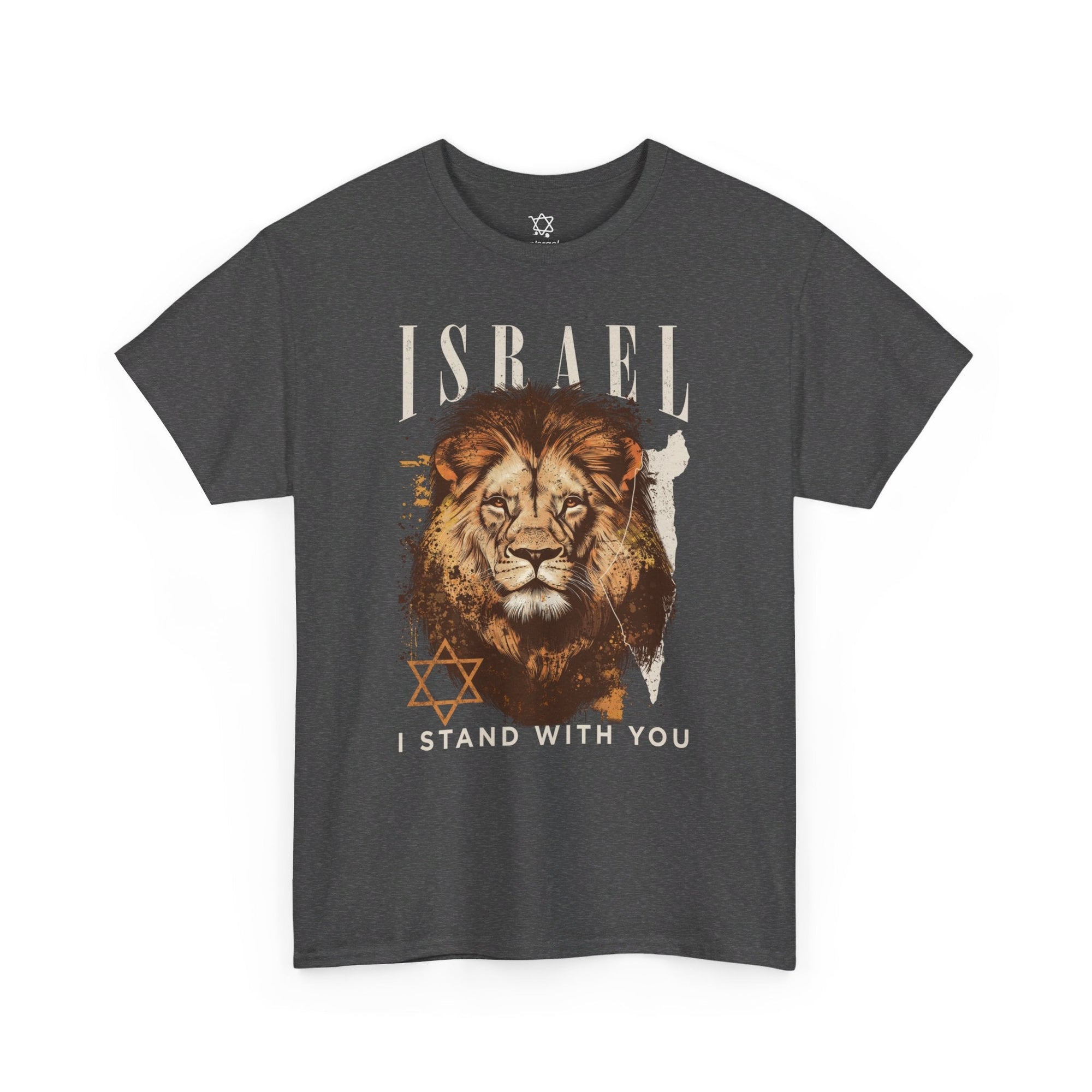
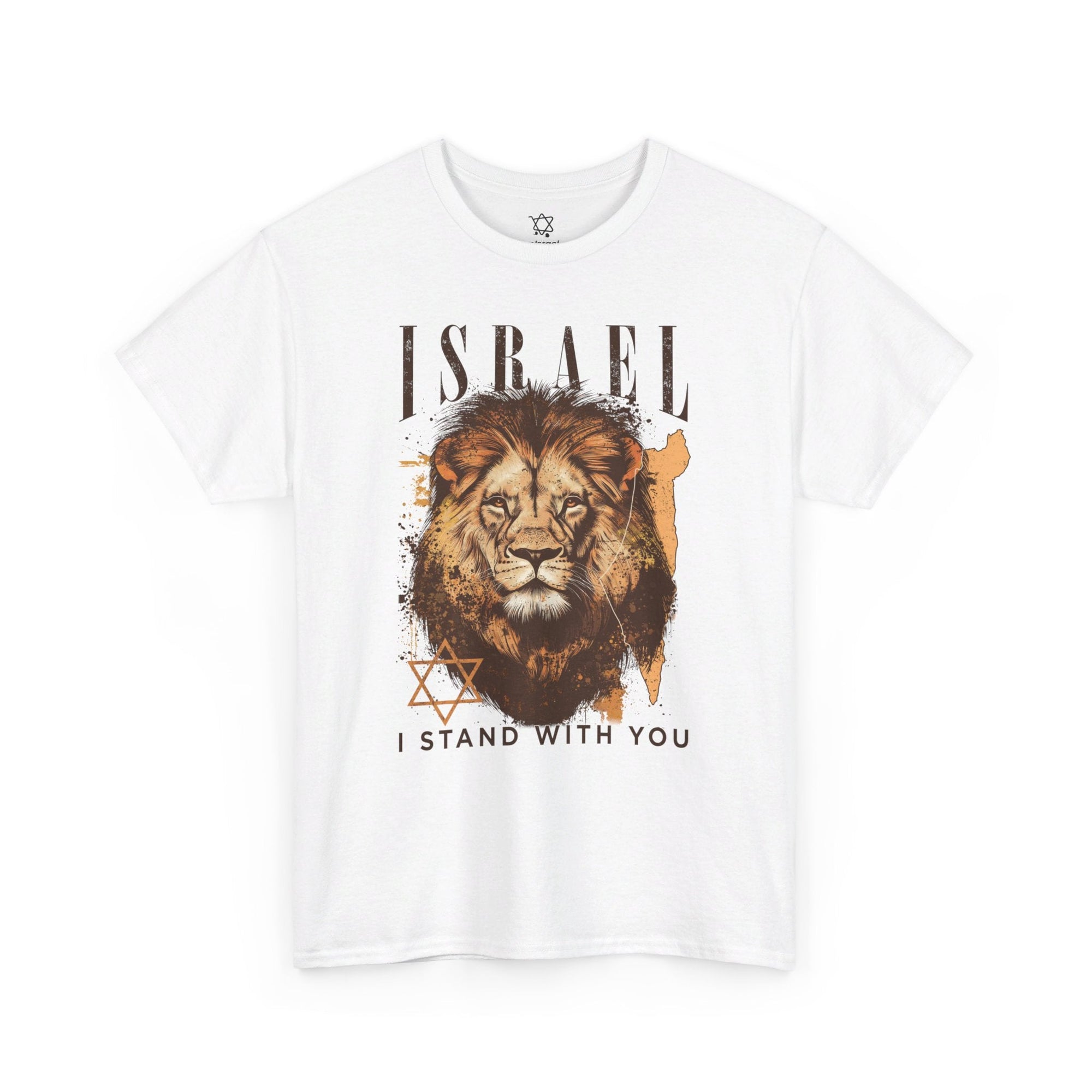
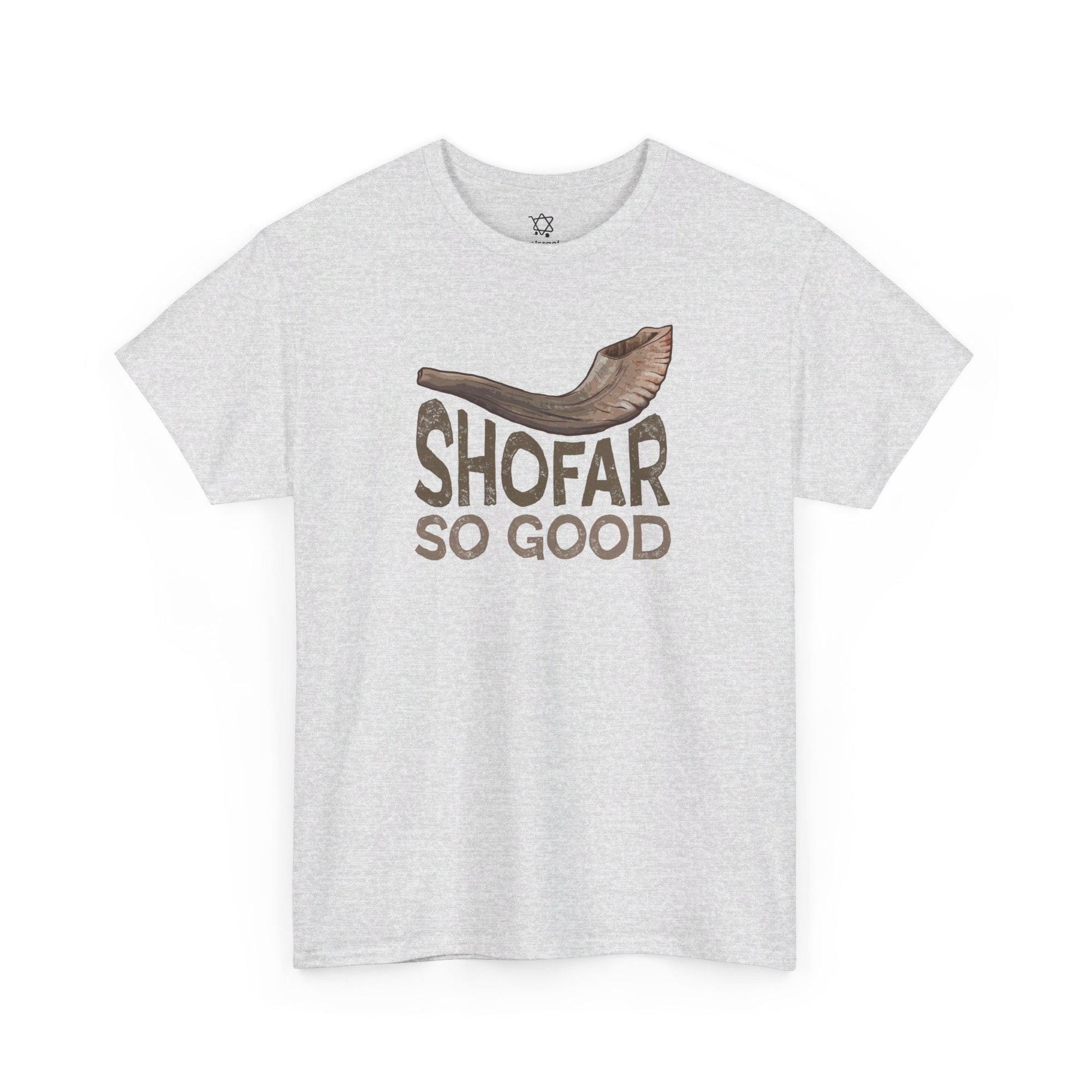
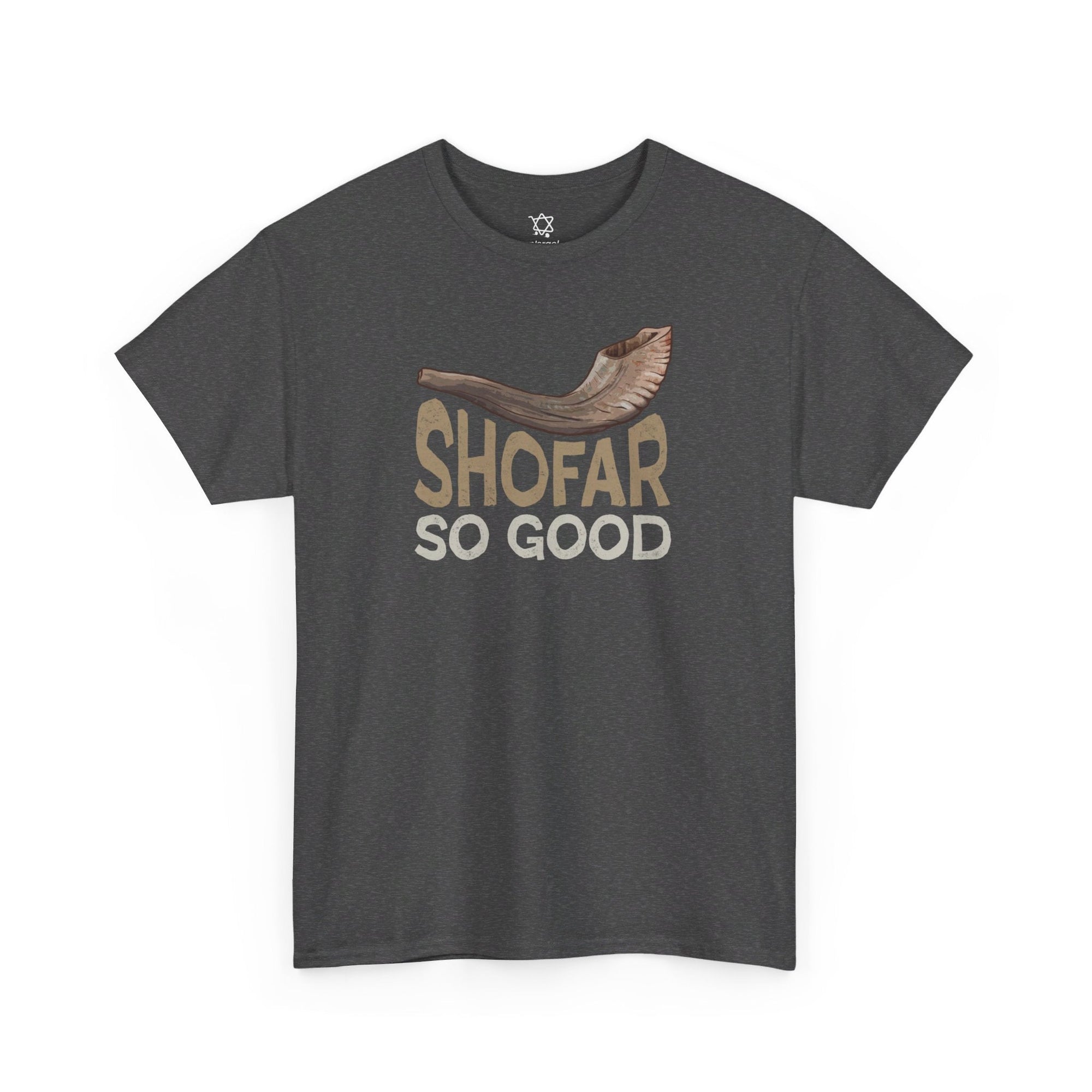
Modern Israeli fashion reflects a vibrant blend of heritage and contemporary expression. Iconic items such as Blundstones boots—durable footwear suited for the rugged Israeli landscape—stand alongside distressed jeans that symbolize youthful prosperity and modern leisure. Brands like Wear Israel Apparel celebrate this fusion, crafting T-shirts with Biblical and cultural themes designed by Israeli artisans. This melding of past and present fashions embodies the evolving Israeli identity, showcasing resilience, cultural pride, and solidarity within the diaspora and at home.
Historical Roots: The Keffiyeh and Its Zionist Legacy
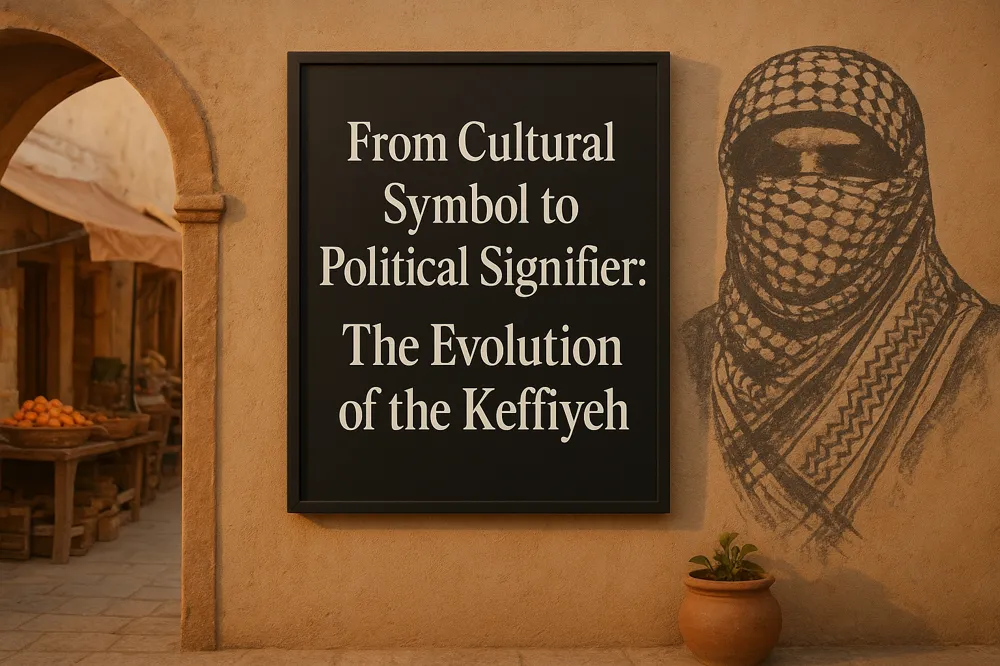
Origin and symbolism of the keffiyeh in Zionist movement
Early Zionist pioneers and Jewish military members, including groups like the Palmach soldiers and keffiyeh, embraced the keffiyeh as more than just a headdress. It symbolized their deep connection to the land of Israel and a shared indigenous authenticity. Wearing it expressed unity with local cultures and the natural environment.
Famous Zionist leaders who wore it
Notable figures such as Chaim Weizmann in keffiyeh proudly wore the keffiyeh during diplomatic Zionists meeting Arab leaders in the early 20th century. Leaders like David Ben-Gurion and keffiyeh and Yitzhak Rabin wearing keffiyeh also wore it during the keffiyeh in 1948 Arab-Israeli war, underlining its significance among Zionist military and political circles.
The keffiyeh's evolving political and cultural significance
Over time, the keffiyeh's identity shifted. After the 1930s and especially following the keffiyeh and Arab Revolt, it became strongly linked to keffiyeh as a symbol of Palestinian nationalism and resistance. By the late 20th century, its meaning among many Israelis had transformed from cultural integration to political opposition, sometimes even appearing in keffiyeh in Israeli political protests and keffiyeh caricatures in Israel.
Recent cultural resurgence of the keffiyeh in Israel
Since the Abraham Accords and keffiyeh resurgence of 2020, the keffiyeh has reemerged in a refreshed, non-political context. Israeli tourists wearing keffiyeh and young people wear it proudly as a cultural symbol, bridging historical divides and embracing the Middle Eastern heritage shared by the region.
What are some powerful ways to show support for Israel through clothing?
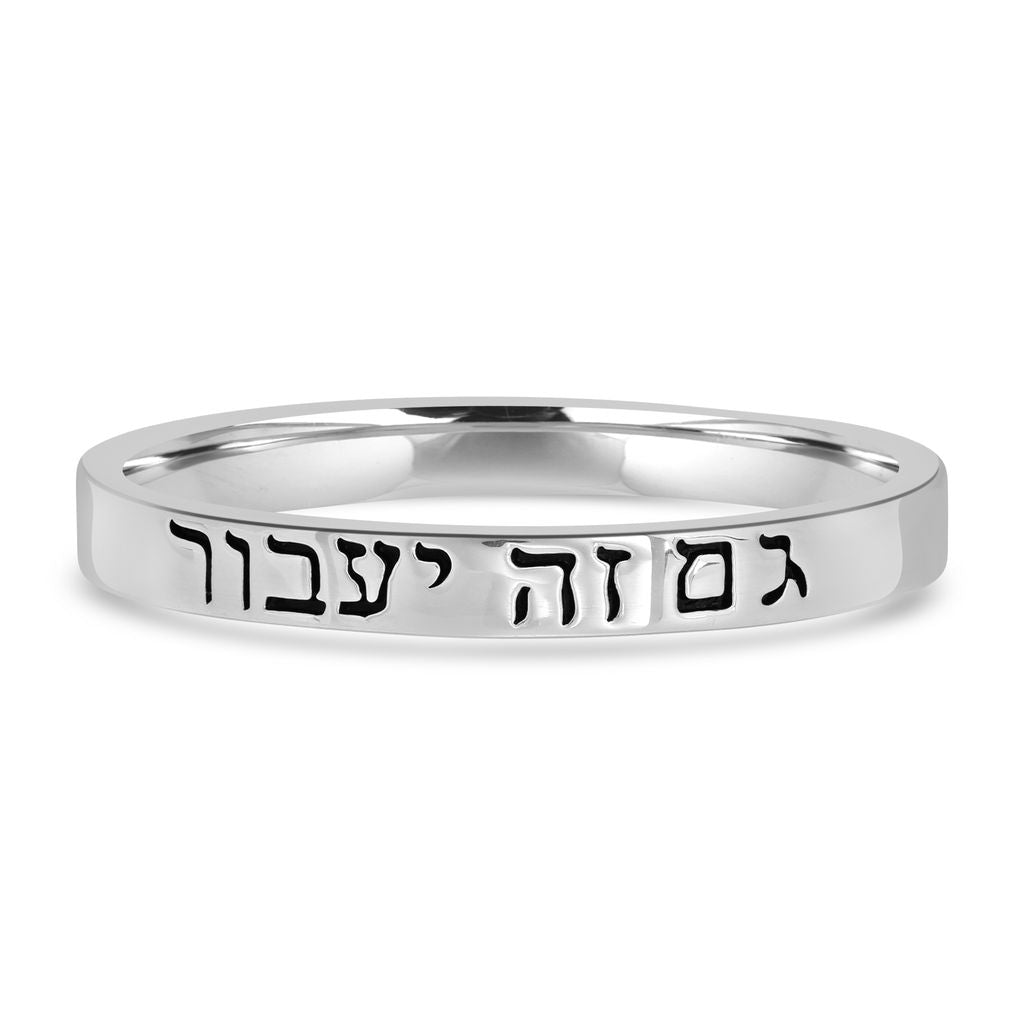
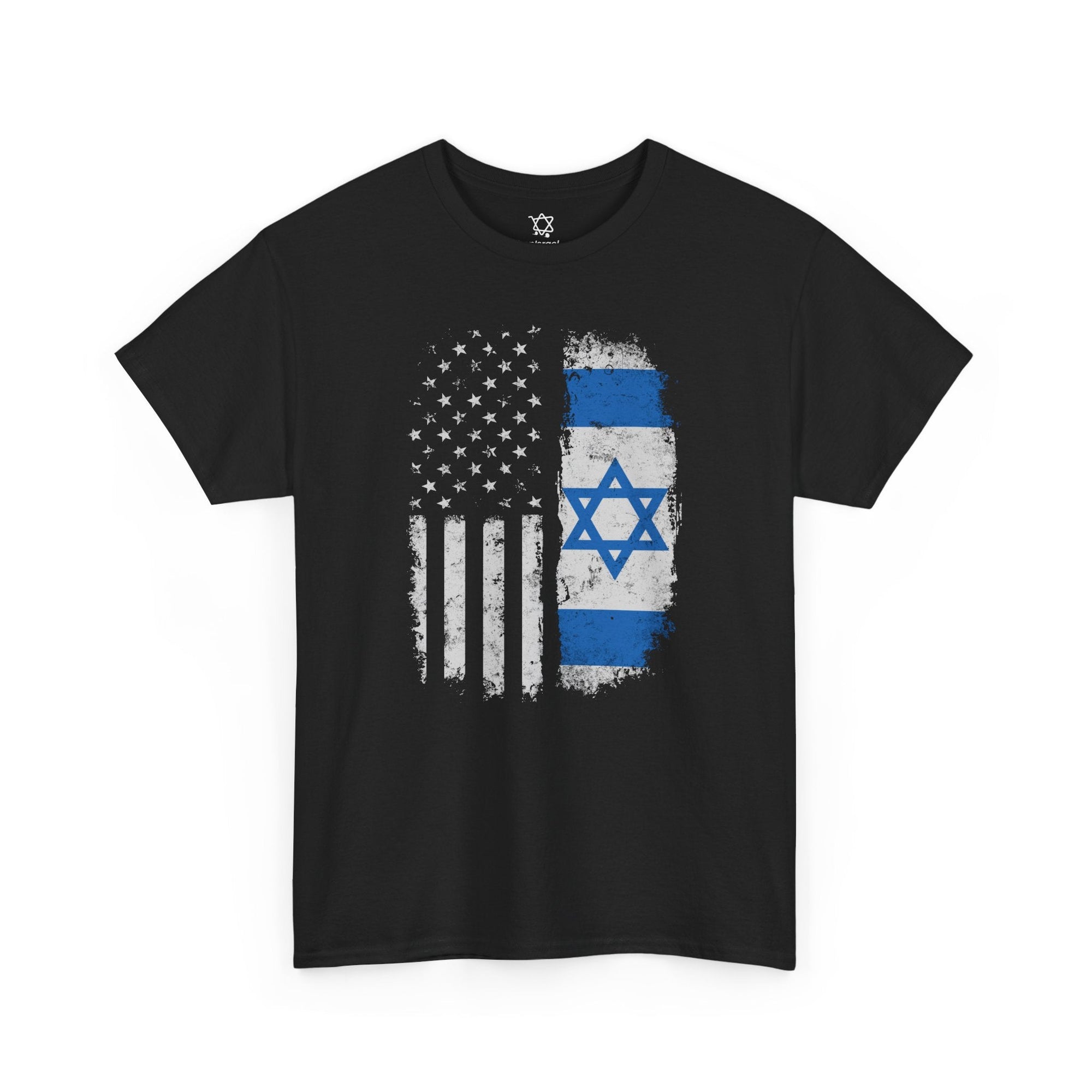
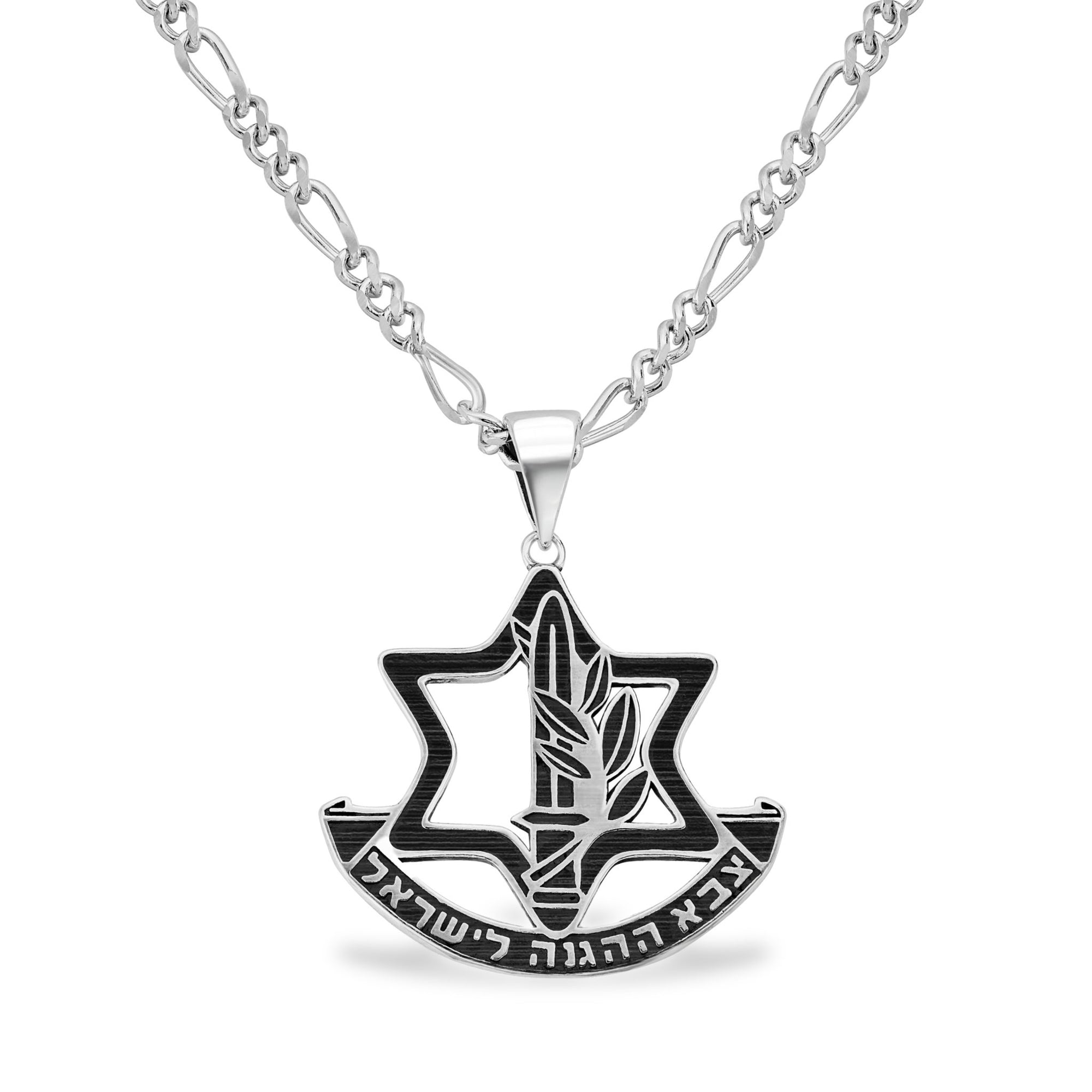
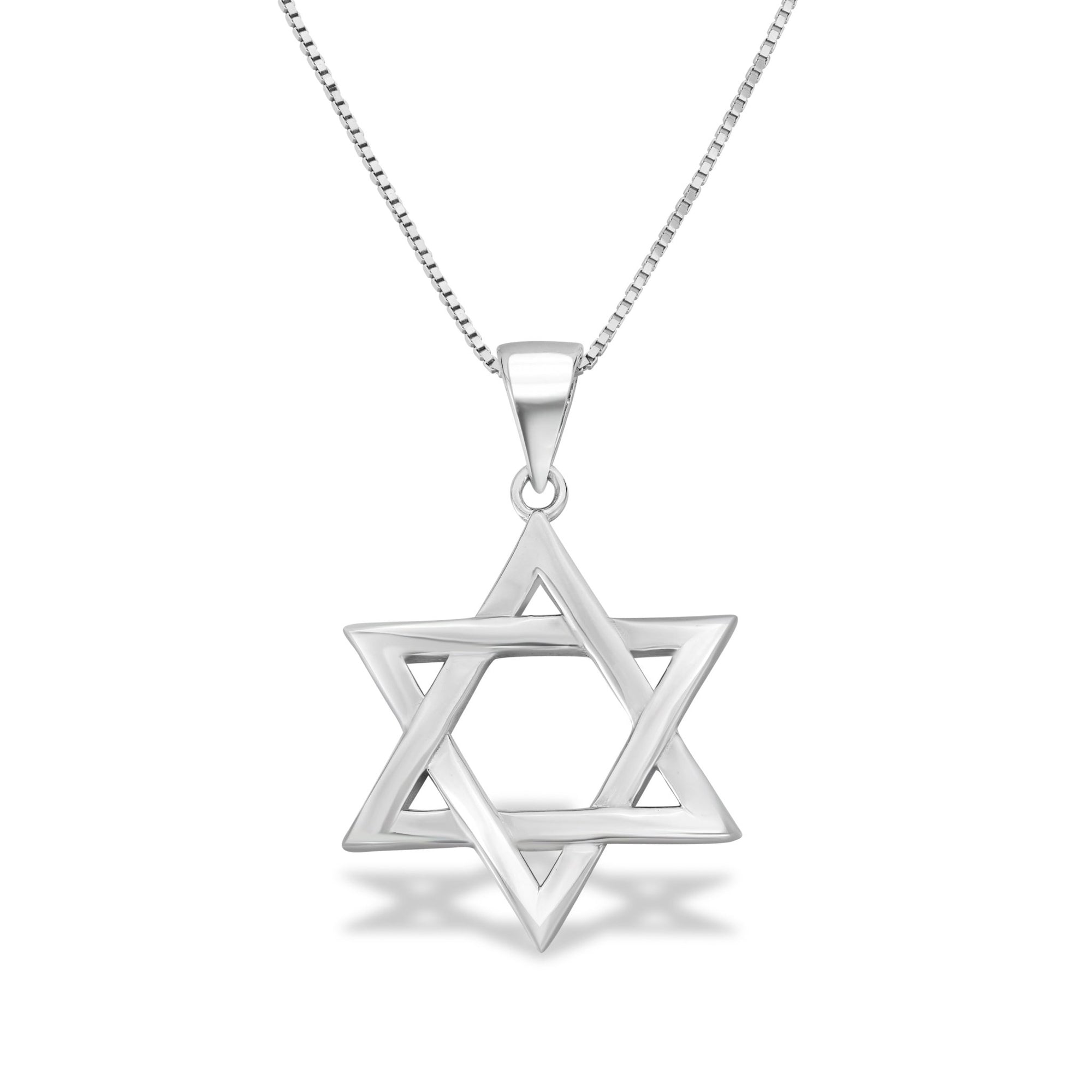
Wearing apparel that features iconic Israeli symbols such as the Star of David, the Israeli flag, or images of Jerusalem is a meaningful form of support. Clothing with slogans like "Proud to Support Israel" or traditional blue-and-white designs also express solidarity. Jewelry with Hebrew inscriptions and authentic Israeli-made items further highlight pride in Jewish heritage and Israeli craftsmanship, such as those found in the Wear Israel Apparel Collection.
Contemporary Israeli Brands Championing Zionist Pride
What clothing brands are popular in Israel?
Israel’s fashion scene is a vibrant mix of tradition and modernity. Beyond international names like Mango and Castro, local designers stand out for their unique blend of cultural heritage and contemporary style. Dorin Frankfurt, for example, is celebrated for sustainable and locally produced clothing that highlights Israeli quality and durability. Maskit, an iconic Israeli brand founded in 1954, weaves traditional Middle Eastern and Eastern European embroidery into luxurious apparel that draws worldwide attention.
Tel Aviv serves as Israel's creative fashion hub, home to designers such as Mews, Doron Ashkenazi, and Nili Lotan, who specialize in minimalist yet sophisticated styles that resonate with Israeli identity. ATA, a historic brand, continues to embody practicality while evolving with modern trends, reflecting the country's ongoing cultural narrative.
What clothing brands are known to be pro-Israel?
Several international brands like Puma, Ralph Lauren, Nike, and Adidas have been linked with supporting Israel in various contexts. However, their global operate means their political stances can be nuanced. In Israel’s local market, smaller designers openly express pro-Israel sentiments, incorporating Zionist themes and symbols in their apparel and accessories.
The Wear Israel Apparel Collection exemplifies this sentiment by offering T-shirts and garments designed in Israel that proudly emphasize Jewish heritage and Israeli cultural themes. Their clothing promotes support and unity with Israel, helping wearers express national pride while supporting Israeli craftsmanship. These products, made locally and shipped worldwide, bolster Israeli small businesses and connect the diaspora with Israel’s cultural roots.
Characteristics of Israeli style emphasizing quality and durability
Israeli fashion often combines practicality with aesthetic appeal. Durable items like Blundstone boots—though originally from Tasmania—have become a symbol of Israeli resilience, suited for challenging terrains like the Negev desert. At the same time, modern Israeli youth embrace trends such as distressed jeans, signaling a blend of leisure and prosperity.
Israeli style is thus a reflection of the country’s history and spirit: rugged yet vibrant, uniting old with new, tradition with innovation. For more insight into these trends see Ripped jeans in Israeli fashion.
| Brand/Designer | Style Focus | Cultural Significance |
|---|---|---|
| Maskit | Traditional embroidery | Fusion of diverse Jewish cultural arts |
| Dorin Frankfurt | Sustainable wear | Emphasis on Israeli-made quality |
| Nili Lotan | Minimalist sophistication | Modern Tel Aviv fashion icon |
| ATA | Practical apparel | Tradition meets modern evolution |
| Wear Israel Apparel | Cultural pride T-shirts | Promotes Israeli heritage and unity |
Dress Like a Zionist: Fashion Reflecting Core Zionist Values
What are the core beliefs of modern Zionism?
Modern Zionism is centered on creating and sustaining a Jewish homeland in Israel, crucial for Jewish safety, identity, and self-determination. This movement blends national pride, religious faith, and political ideals to emphasize unity and cultural continuity. Diverse strands like Labor Zionism promote social solidarity and nation-building, while Religious Zionism sees Israel's existence as a sacred fulfillment of prophecy. Understanding these foundations helps appreciate how Zionist values influence fashion choices today.
How do clothing styles express Zionist symbolism?
In Zionist-inspired fashion, clothing often carries messages of resilience, unity, and cultural heritage. For example, the keffiyeh historically worn by Jewish leaders symbolized local connection and authenticity before shifting meanings over time. Modern Wear Israel Apparel Collection showcases designs that highlight Biblical themes and solidarity during adversity, making every garment a statement of pride in Jewish heritage and Israeli identity.
How do apparel choices affirm Jewish heritage and Israeli nationalism?
Selecting clothing crafted in Israel or designed by Israeli creators supports local businesses and reflects national pride. Styles incorporating traditional symbols or referencing historical experiences serve as daily reminders of Jewish endurance and devotion to the state. Items like Blundstones boots also celebrate Israeli resilience by referencing practicality in harsh terrains, creating a modern yet deeply patriotic fashion identity that mirrors Israeli youth fashion trends.
What is the 3-3-3 rule and how does it apply to Zionist wardrobes?
The 3-3-3 rule simplifies wardrobe building: pick three tops, three bottoms, and three pairs of shoes that mix well. This minimalist approach complements Zionist values by encouraging thoughtful, purposeful choices that avoid excess. It ensures you can confidently express your solidarity and heritage with a versatile, meaningful collection of clothing that blends tradition and modernity effortlessly.
Israeli Fashion Trends Embracing Heritage and Modernity
How Israeli fashion blends historic influences with contemporary global styles
Israeli fashion showcases a unique blend of its rich cultural heritage with current global trends. Traditional symbols like the keffiyeh, once widely worn by early Zionist figures, highlight a historic connection to the land and local cultures. Over time, fashion in Israel evolved to incorporate popular global elements, creating a dynamic style that honors the past while embracing the present.
The significance of rugged footwear like Blundstones and casual trends like ripped jeans
Footwear such as Blundstones boots symbolizes durability and resilience, well-suited for Israel’s challenging terrains like the Negev desert. Originating from Tasmania, these boots have become iconic in Israel's fashion scene. Alongside this rugged practicality, casual style trends such as ripped jeans in Israeli fashion have gained popularity among Israeli youth, representing modernity, leisure, and a break from traditional austerity.
Cultural reflections in fashion exhibitions such as the Israeli Museum's 'Fashion Statements'
The Israeli Museum's 'Fashion Statements' exhibit in Jerusalem highlights the intersection of fashion and national identity through exhibitions like 'Fashion Statements.' This exhibit explores seventy years of Israeli fashion, reflecting the nation’s social history, cultural diversity, and evolving aesthetics. It underscores how clothing can express collective experiences and personal identities within Israeli society.
Role of fashion as a mirror for Israeli identity and societal contrasts
Fashion in Israel is more than just style; it’s a reflection of society’s contrasts and complexities. It balances historical resilience, seen in practical clothing and footwear, with modern prosperity and individuality shown through casual and trend-driven attire. This blend captures the multifaceted nature of Israeli identity, where tradition and change coexist harmoniously.
What types of clothing are commonly worn in Israel?
In Israel, clothing varies greatly based on cultural and religious backgrounds. Orthodox Jewish communities favor modest dress, including long skirts, sleeves, and head coverings. Muslim areas traditionally wear garments like abayas and thobes. Meanwhile, secular populations and tourists commonly adopt casual Western attire such as T-shirts designed in Israel and jeans, reflecting Israel’s diverse and multi-layered society.
Global Connections: High Fashion and Support for Israel
Which high fashion brands support Israel?
Several renowned international fashion houses have voiced support for Israel or maintain financial ties with the country. Brands including Chanel, Givenchy, Louis Vuitton, Tommy Hilfiger, Ralph Lauren, and Michael Kors are known for their connections to Israel, whether through designers, business ventures, or outspoken support.
The impact of global fashion houses with ties to Israel
These global brands help spotlight Israeli culture and creativity on the world stage. Their presence fosters pride among Israelis and diaspora communities who see their heritage reflected in internationally recognized fashion. It also opens economic opportunities and bridges cultural exchange.
How supporting Israeli culture through fashion fosters cross-cultural understanding
Fashion serves as a universal language, and wearing Israel-themed apparel invites dialogue and appreciation. By embracing attire that highlights Israeli symbols, biblical themes, or cultural motifs, people worldwide can experience a connection to Israel’s rich heritage. This helps break down stereotypes and promotes unity.
Significance of purchasing Israel-themed apparel from authentic sources like Wear Israel Apparel Collection
Choosing authentic Israeli-made clothing, such as that from Wear Israel Apparel Collection, supports local artisans and preserves cultural heritage. Their collection emphasizes Israeli pride through designs rooted in biblical and national themes. Purchasing from these sources ensures your support reaches genuine Israeli businesses, strengthening cultural solidarity.
International fashion not only elevates Israeli identity but also sparks global solidarity through threads connecting history, culture, and style.
Embracing Zionist Heritage Through Style in the Modern World
Fusion of Tradition and Modernity in Zionist Clothing
Israeli fashion beautifully blends historic Zionist symbols with contemporary style. Iconic pieces like the keffiyeh once worn by early Zionist leaders now represent a rich cultural heritage, linking the past to today. Modern Israeli youth showcase this fusion through fashion staples like Blundstone boots and ripped jeans, reflecting resilience alongside modern prosperity.
Supporting Israeli Cultural Identity
Choosing apparel from collections such as Wear Israel Apparel supports local Israeli businesses and proudly displays cultural and religious heritage. Wearing these pieces not only celebrates Israeli craftsmanship but also strengthens the global Jewish community’s connection to their roots through meaningful, stylish fashion.