

The Power of Fashion as a Medium for Identity and Peace
How Clothing Expresses Identity
Fashion has long served as a profound way to express cultural, national, and personal identity. In Jewish and Israeli contexts, clothing and accessories often carry deep symbolism that speaks to heritage, history, and shared values. From traditional garments like the keffiyeh historically worn by early Zionist pioneers and soldiers, to modern apparel emblazoned with the Star of David or Hebrew phrases like "Shalom," these items create visible expressions of solidarity and pride.
Meaning of Self-Expression Through Fashion
Wearing symbols such as the Israeli flag or IDF-inspired attire is more than fashion—it's a public declaration of connection to Israel's history, resilience, and the ongoing Jewish story. Clothes become wearable statements that unite individuals around themes of patriotism and peace. Socially conscious brands that incorporate peace motifs and responsibly sourced materials further transform clothing into a message of hope and ethical awareness. Through such self-expression, supporters of Israel and Jewish heritage can visually affirm their identities and foster a sense of community, while also advocating for peace and justice in a complex world.
Zionist Identity and the Symbolism of the Keffiyeh
Historical use of the keffiyeh by Zionists
In the early 20th century, prominent Zionist leaders wearing keffiyeh like Chaim Weizmann wore the keffiyeh to symbolize their connection to the land. This indigenous Arab headdress was embraced by Jewish immigrants in traditional Arab dress from the First and Second Aliyah as well as members of Zionist military organizations and the keffiyeh groups such as Palmach and HaShomer keffiyeh use. Their goal was to express belonging and solidarity with the local culture, forging a "Keffiyeh symbolizing New Jew identity" deeply rooted in the soil of Eretz Israel.
The keffiyeh’s evolving symbolism
Initially a shared cultural symbol, the keffiyeh later took on a Palestinian nationalist meaning, especially after 1929 and the rise of Arab uprising 1929 and keffiyeh perception. Yet, through the 1940s and 1950s, Israeli figures like David Ben-Gurion wearing keffiyeh continued to wear it, underscoring its original spirit of connection to the land despite shifting political contexts. In recent years, particularly after the Abraham Accords, the Keffiyeh as cultural symbol post-Abraham Accords has seen a renewed acceptance in Israel, now often worn as a non-political cultural or tourist item.
Connection to land and indigenous culture
The keffiyeh’s adoption by Zionists highlighted the central Zionist ethos: a return to working and living on the land after centuries of diaspora. Through its fabric and pattern, it represented indigenous roots and the reclamation of Jewish sovereignty alongside respect for local traditions. This clothing choice was a powerful statement of identity—melding cultural heritage, nationalism, and a shared historical landscape, shown in Early Zionist adoption of local customs and Keffiyeh as symbol of Jewish land connection.
How does clothing express and affect identity?
Clothing is a visible marker of identity, reflecting cultural heritage and political values. For Zionists, wearing the keffiyeh was an emblem of belonging both to the land and the community. It influenced how Jews saw themselves—not as foreigners, but as native sons and daughters sharing history with the soil and people around them. This garment illustrates how attire can communicate complex identities and shape perceptions, intertwining personal pride with national symbolism, much like Jewish heritage fashion or Fashion Activism in Palestine.
Contemporary Zionist Fashion: Symbols of Pride and Resilience
What can I wear to show support for Israel?
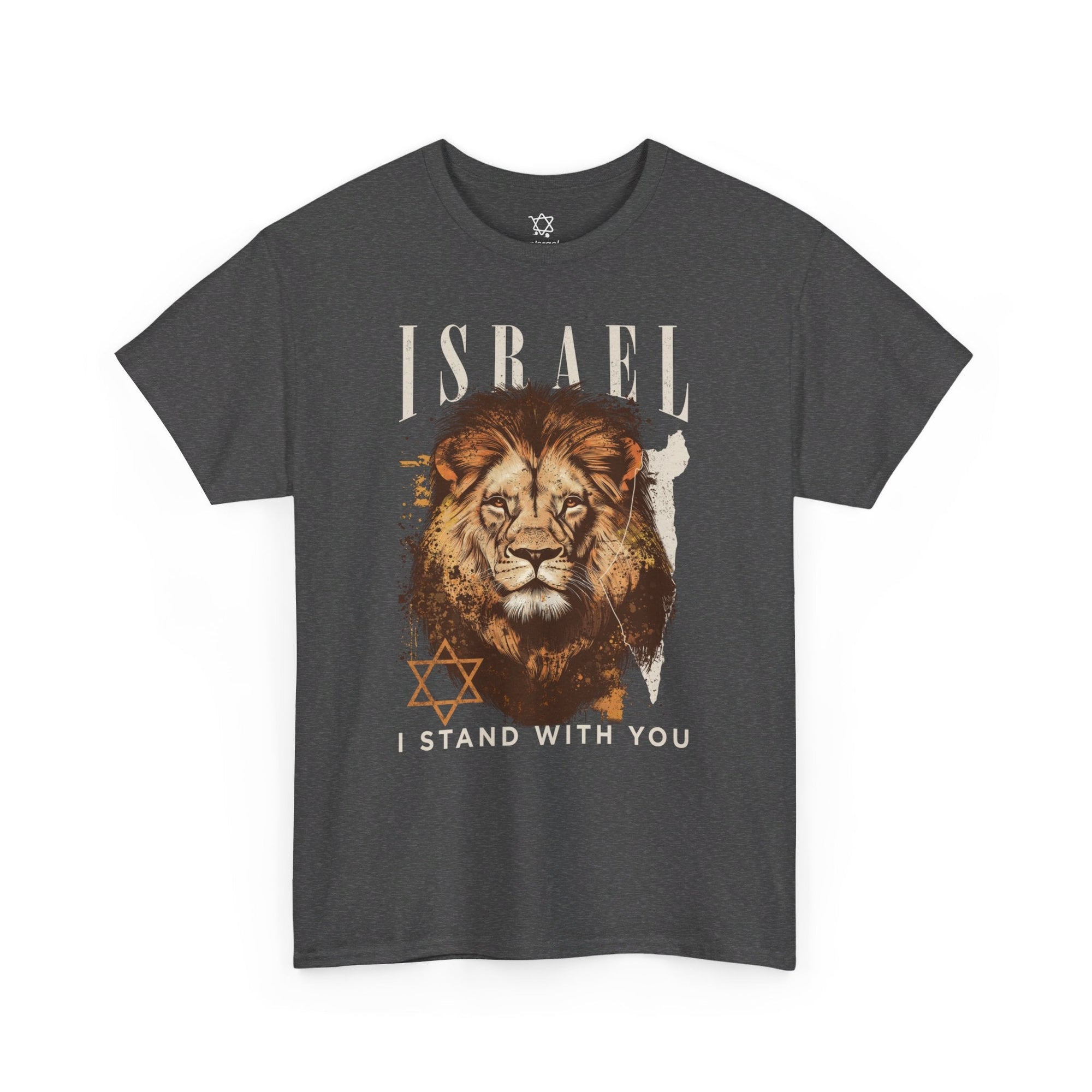
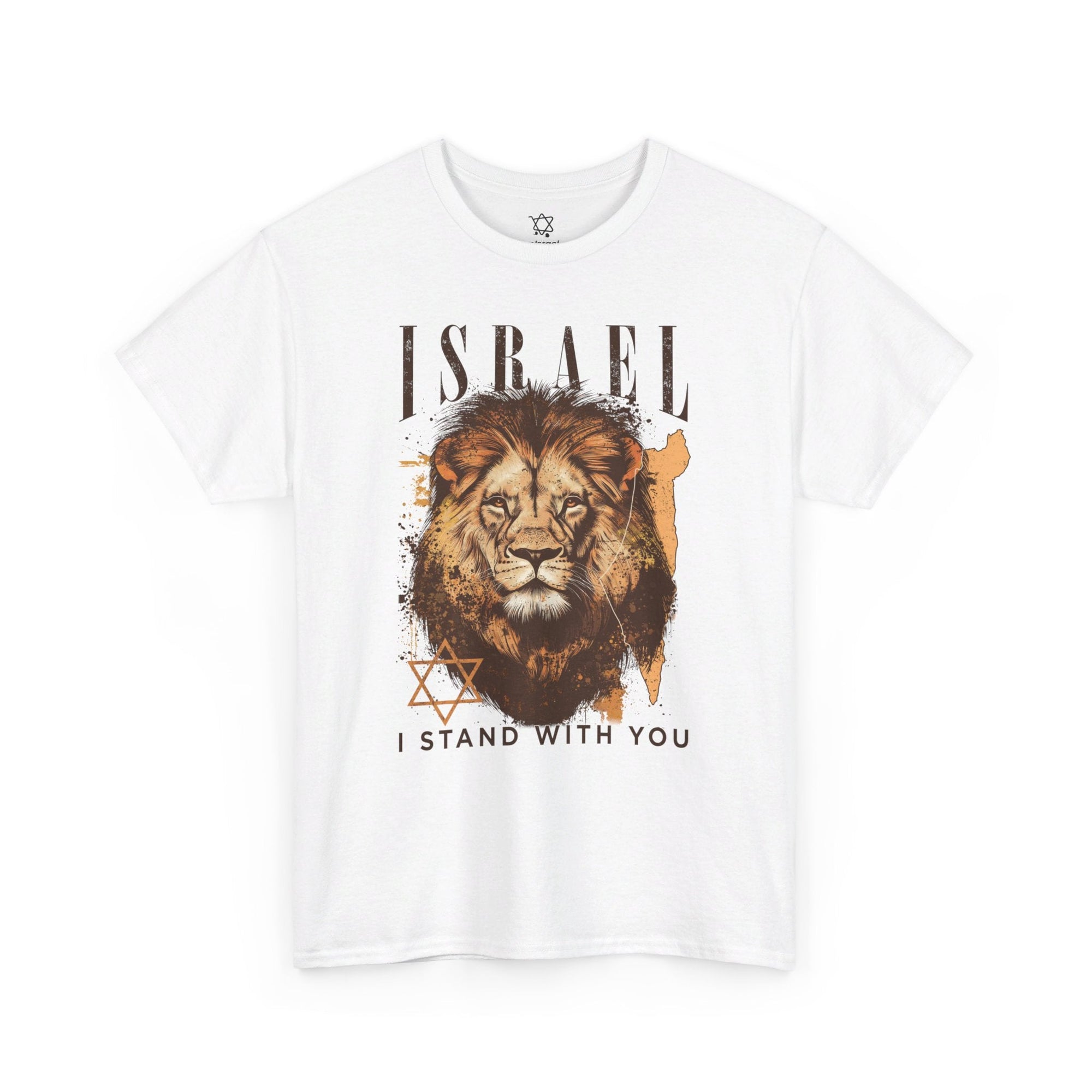
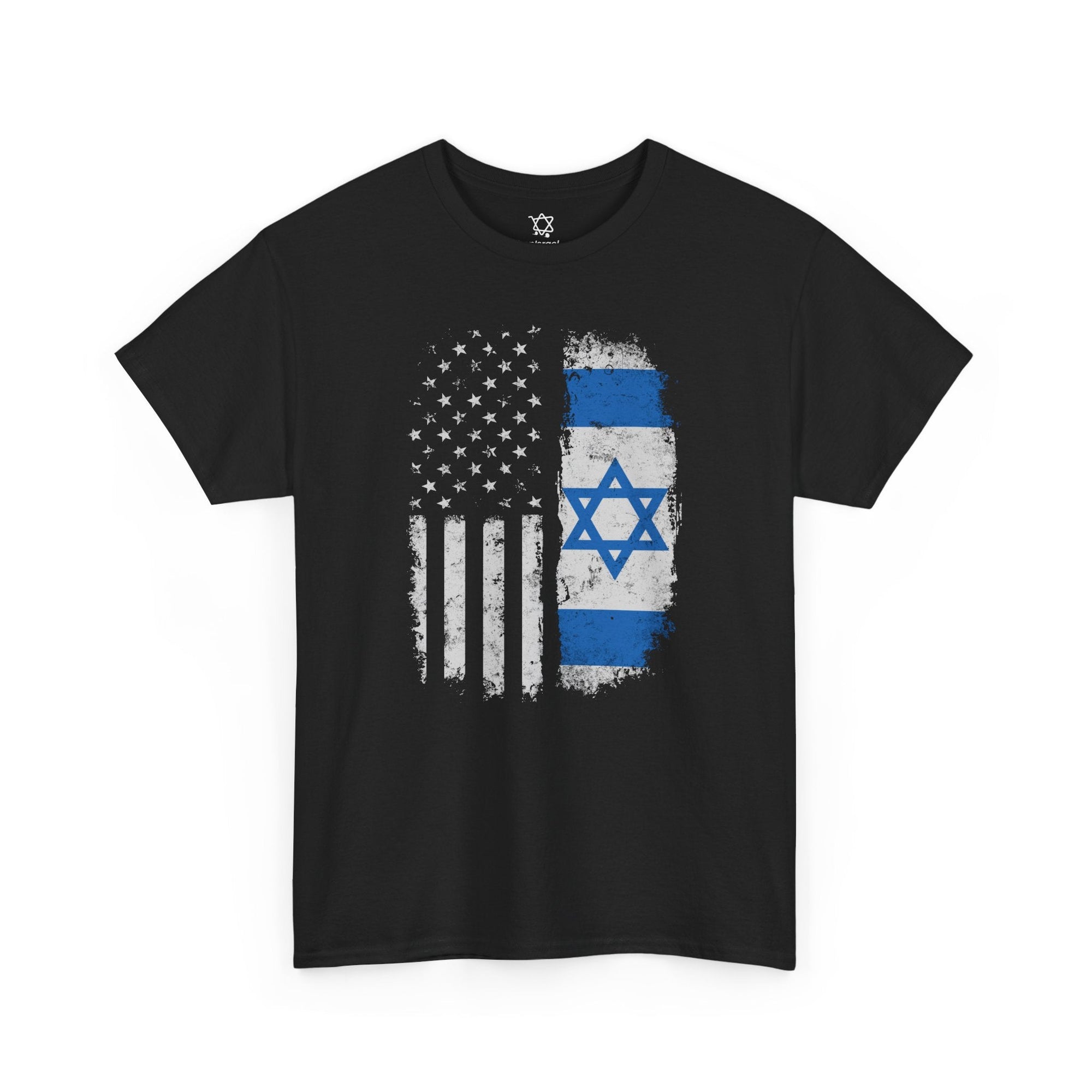
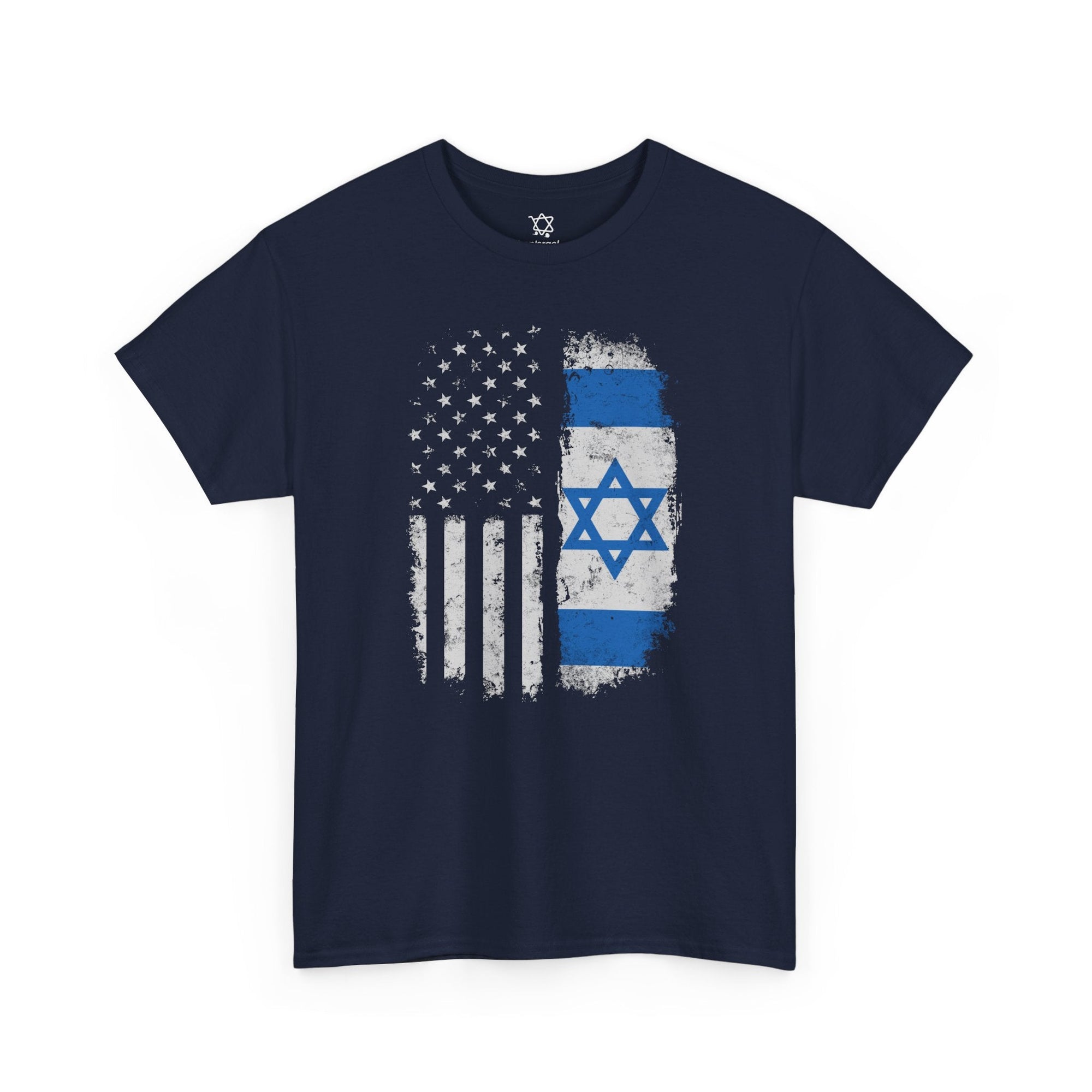
Supporting Israel through fashion is a powerful way to express pride and solidarity with its history and people. Popular Israeli symbolic apparel includes items adorned with the Israeli flag clothing, which directly promote the country’s independence and survival.
Popular Israeli symbolic apparel
- Israeli Flag Clothing: Shirts, hoodies, and caps featuring the blue and white colors or the flag symbol.
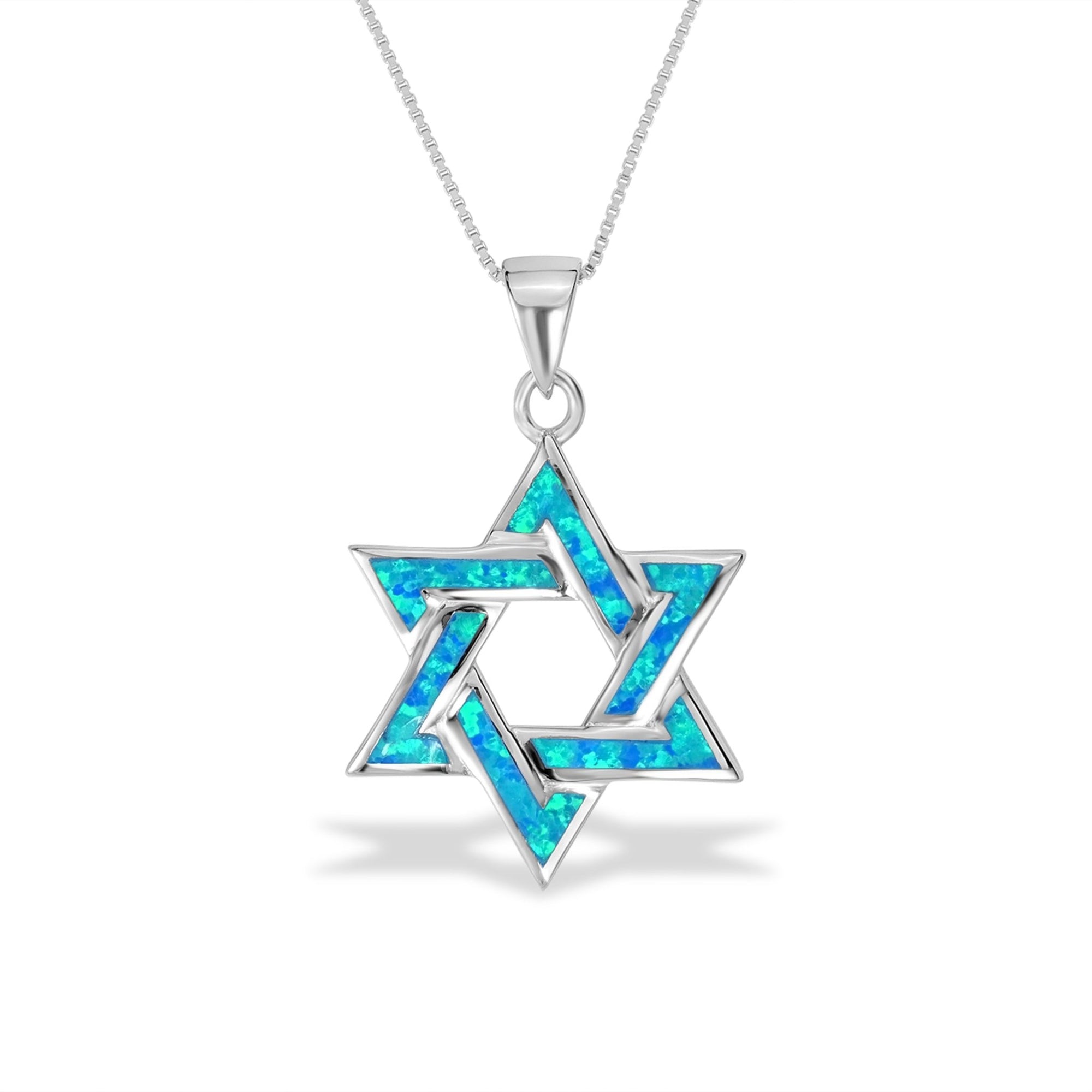
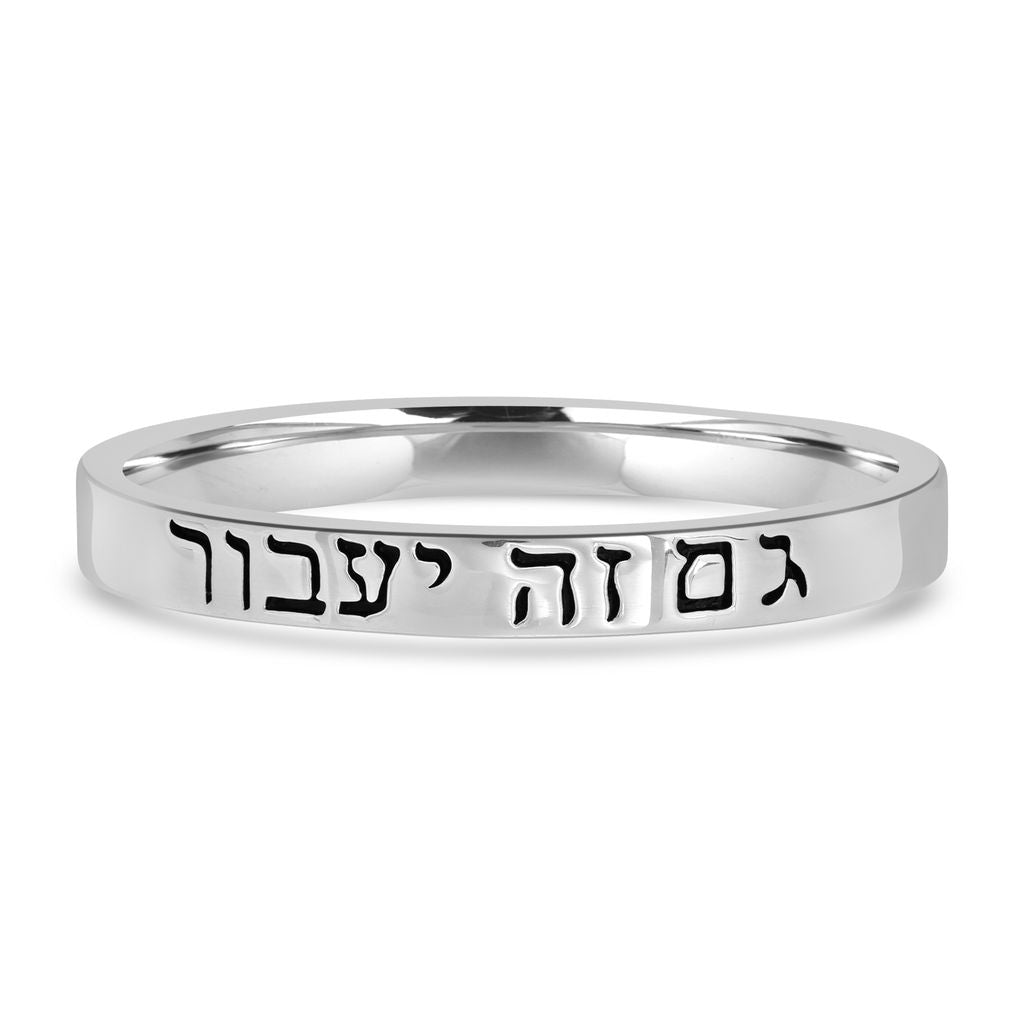
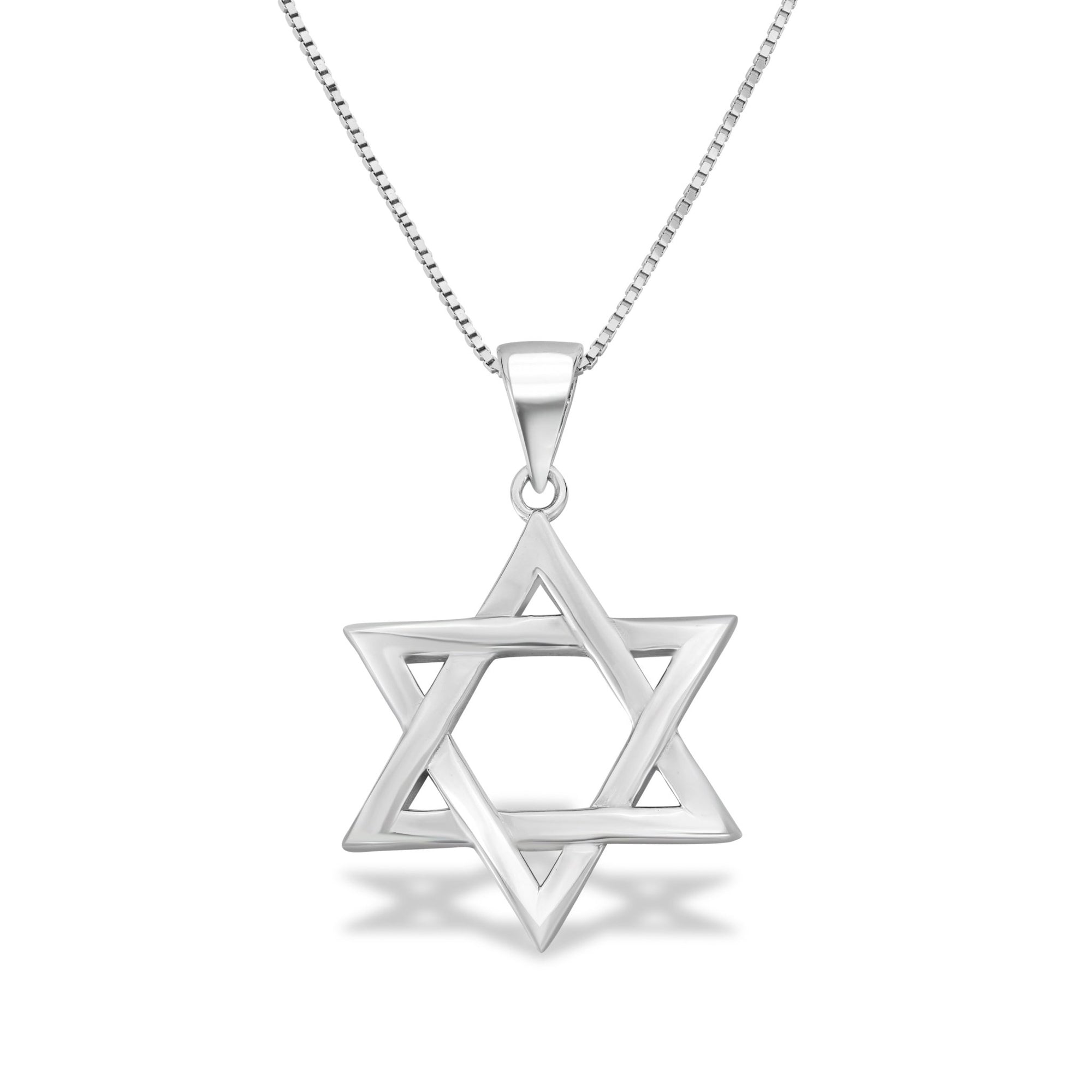
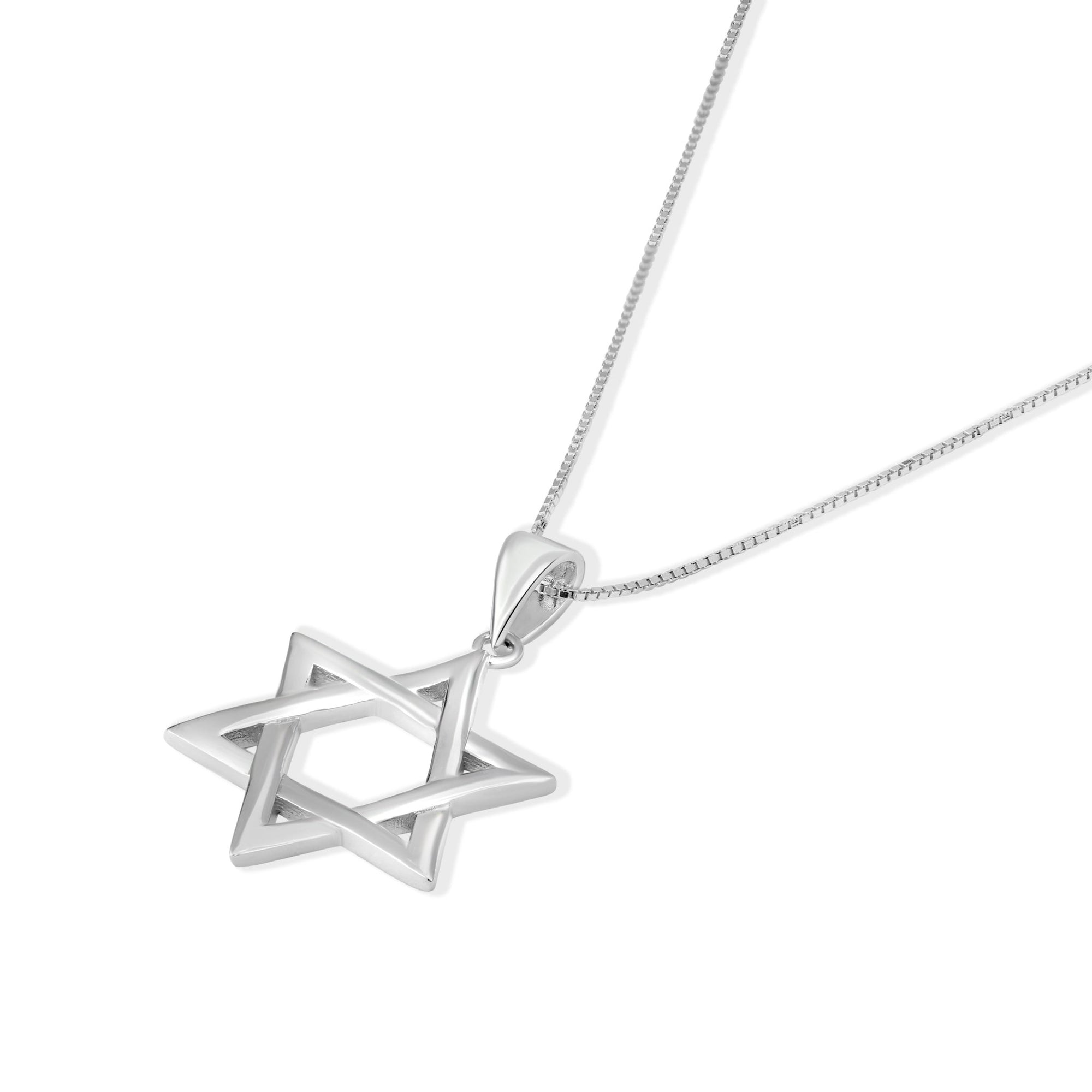
- Star of David Accessories: Watches, phone cases, socks, and jewelry celebrating this quintessential symbol of Jewish heritage.
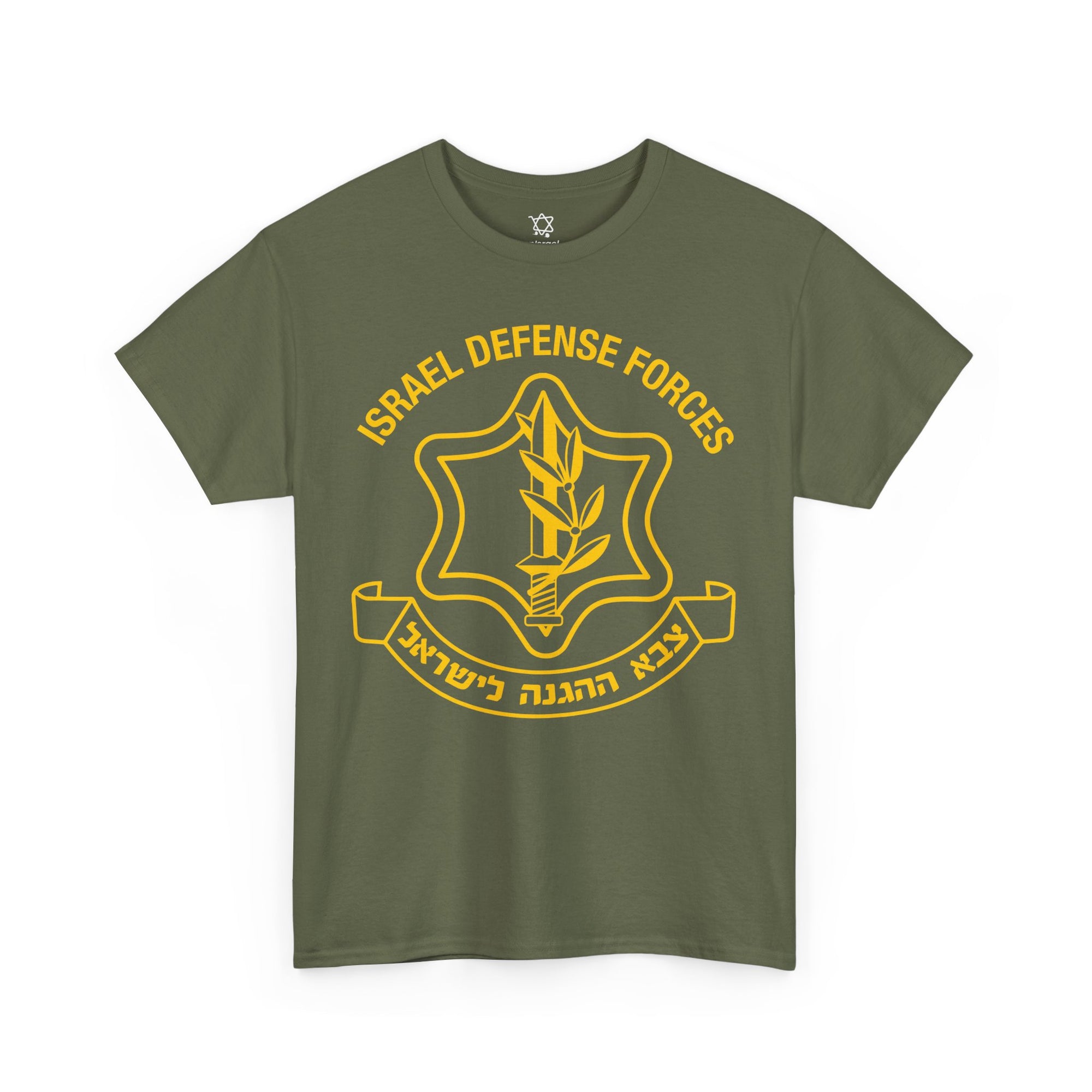
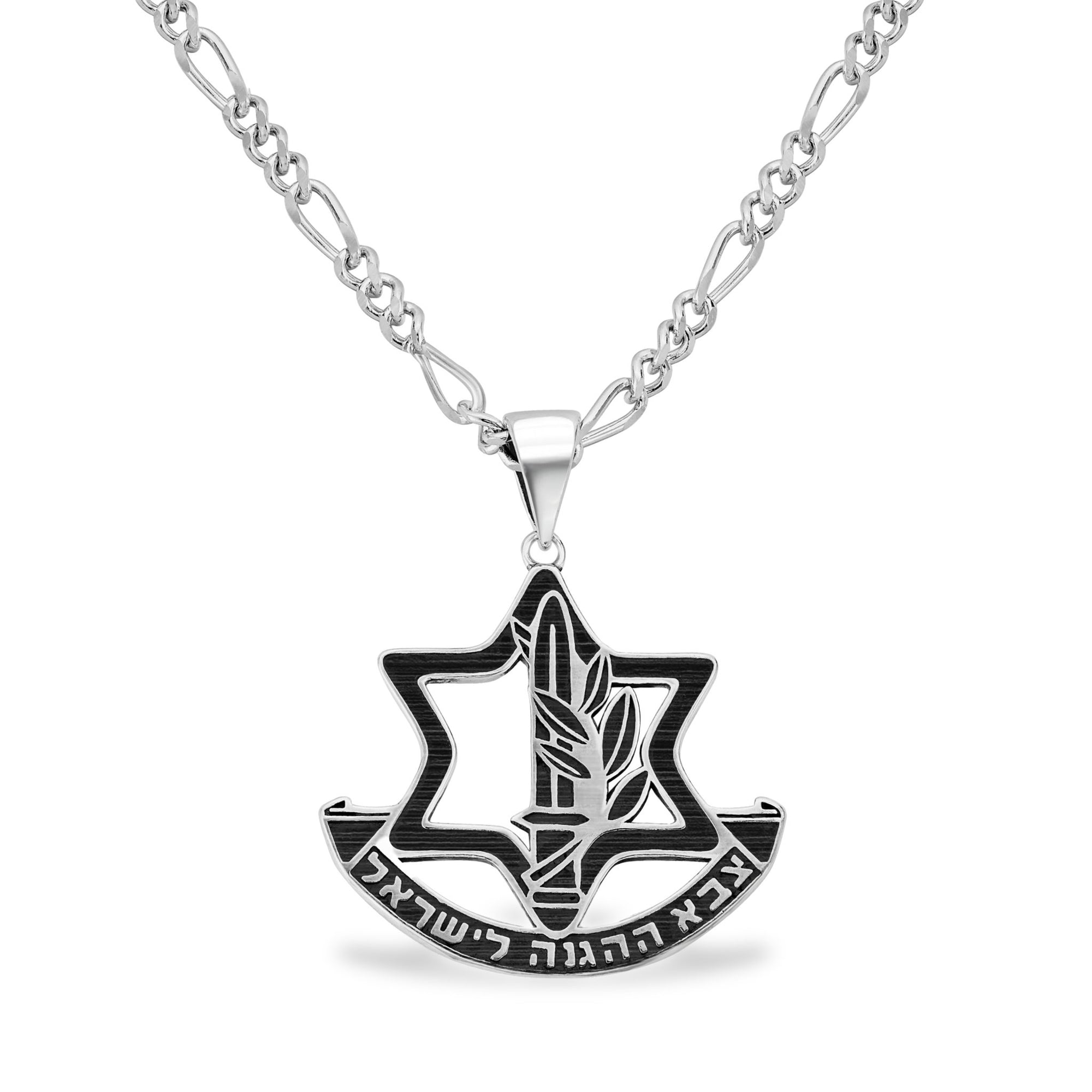
- IDF-Inspired Apparel: Clothing that honors Israel's defenders, emphasizing resilience and national defense.
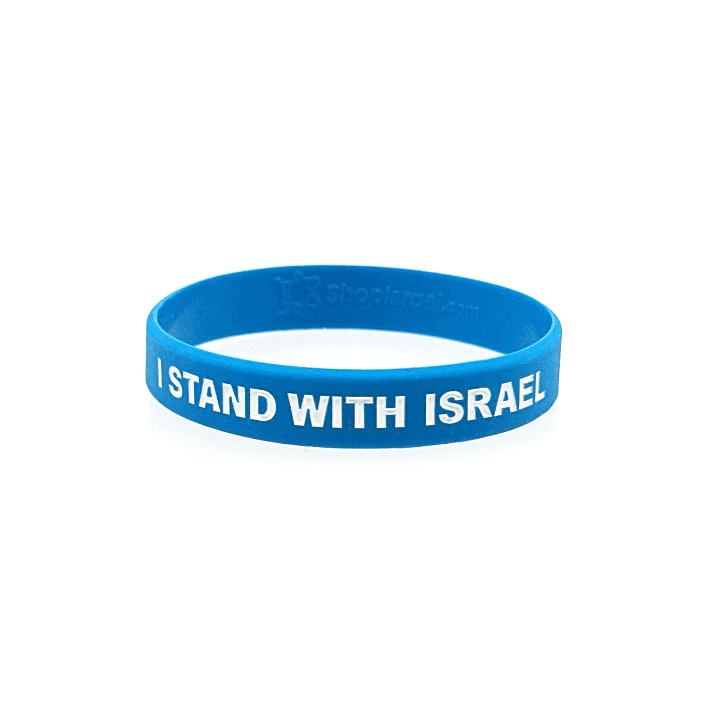
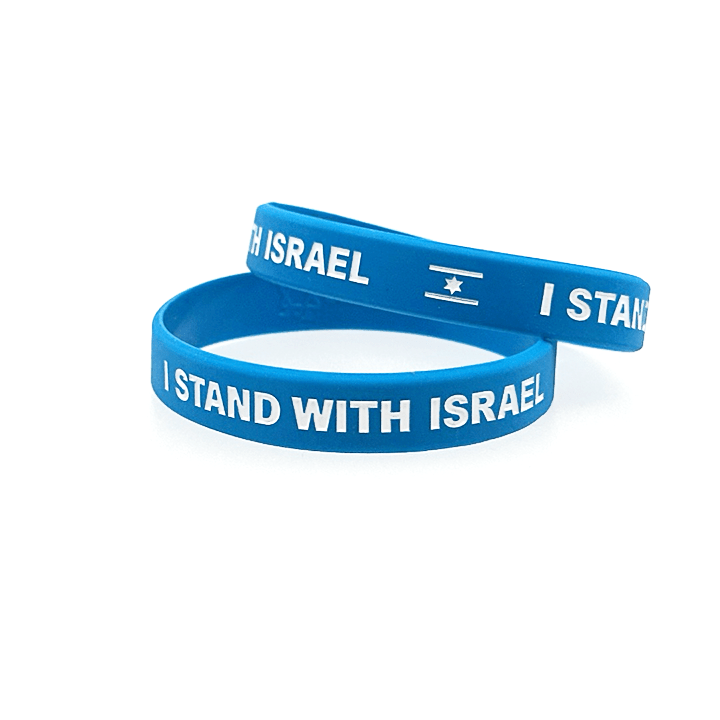
- Message Hoodies: Sweatshirts with bold statements like "I Am A Friend of Israel" that declare pride and steadfast support.
- Jerusalem-Themed Items: T-shirts and hats highlighting the spiritual and national importance of Israel’s capital.
- Children's Apparel: Clothing featuring Israeli symbols that foster a sense of identity and pride from a young age.
Fashion as a declaration of support for Israel
Wearing such symbols makes a statement of unwavering allegiance. These apparel choices symbolize not only cultural and religious pride but also emphasize Israel's right to exist peacefully and defend itself. Integrating Zionist symbols worn today into daily wear merges heritage with modern life, reinforcing Jewish identity among diaspora communities and supporters worldwide.
Zionist symbols worn today
Zionist symbols like the Star of David and Israeli flag motifs are more than decorative elements—they are emblems of resilience, progress, and community. From casual beach towels to streetwear and accessories, these symbols serve as approachable yet powerful declarations of support for Israeli culture, history, and its people’s ongoing strength.
Zionism: The Intersection of Fashion and Identity
What is Zionism and how is it related to identity?
Zionism is a movement advocating for the establishment and support of a Jewish homeland in Israel. It deeply ties into Jewish heritage and national pride by reinforcing both historical and religious connections to the land. This connection shapes Jewish and Israeli identity in powerful ways, offering a sense of belonging and collective aspiration that is shared across the diaspora and within Israel itself.
How does Zionism relate to Jewish and Israeli identity?
Zionism is more than a political movement; it is a cultural foundation that strengthens Jewish and Israeli identity. Early Zionist pioneers expressed this pride and connection through adopting elements from local traditions, such as wearing the keffiyeh among First and Second Aliyah—a symbol that once signified indigenous roots and the “New Jew” identity. Politicians and soldiers used fashion not only as practical attire but also as symbolic expressions of their commitment to the land and its people.
What impact does Zionism have on cultural pride?
Zionism fosters a strong sense of cultural pride reflected in apparel and accessories adorned with symbols like the Israeli flag clothing, the Star of David, and messages of peace and resilience. Wearing such items serves as a visible and continuous affirmation of Jewish heritage, showing solidarity with Israel’s history, struggles, and triumphs. For diaspora communities, these expressions in fashion help maintain a deep connection to their roots, inspiring both pride and unity.
These elements collectively illustrate how Zionism influences fashion to become a meaningful statement of identity and belonging, turning everyday clothing into expressions of commitment to Jewish heritage and Israel’s enduring spirit.
Appropriate Attire in Israel: Balancing Tradition and Modernity
What is appropriate to wear in Israel?
Appropriate clothing in Israel varies widely depending on where you are and the occasion. Urban centers like Tel Aviv showcase a trendy and casual style, where light, breathable fabrics such as cotton and linen dominate due to the country's warm Mediterranean climate. Israelis favor comfort but also express individuality through diverse modern fashion, including Israeli flag clothing and other symbols of Zionist pride.
How does modesty influence clothing choices?
Modesty plays a significant role, especially around religious sites like the Western Wall in Jerusalem. Visitors and locals aim to respect traditions by wearing clothing that covers shoulders, knees, and sometimes elbows. Many women choose skirts or dresses, while men often wear long pants and sleeved shirts in these sacred areas. Additionally, the use of the keffiyeh has evolved historically and culturally in the region, symbolizing various identities and connection to the land, reflecting complex dynamics between tradition, identity, and politics.
What climatic factors shape Israeli fashion?
Israel's hot summers and mild winters make lightweight, breathable clothes essential. Fabrics like organic cotton and flax are popular choices, aligning with both comfort and sustainability trends inspired by movements like the Peaces Austrian fashion label that advocate for eco-friendly and socially just fashion practices. Shade and sun protection accessories, like hats or scarves, also help navigate the strong sun while maintaining cultural sensitivity.
Israeli fashion ultimately blends respect for heritage with contemporary global trends, embracing both local and international influences. This makes attire a meaningful expression of identity and environment, further highlighted by the use of fashion as political protest and socially conscious fashion promoting peace and cultural pride.
The Contemporary Israeli Fashion Landscape
What are some popular Israeli clothing brands?
Israeli fashion boasts a vibrant array of brands suited to various tastes and lifestyles. Notable players include Castro, Golf, Renuar, Hoodies, and Printed. These brands encompass a broad spectrum—from casual everyday wear to stylish streetwear and elegant designs. Each reflects elements of Israeli culture and urban life, providing diverse options for those seeking clothing that resonates with their identity and modern Israeli spirit. For ways to wear your support for Israel through apparel, you might explore clothing featuring Israeli flag clothing and symbols of Zionist pride.
Does the Japanese brand Uniqlo have any connection to Israel?
Uniqlo, the well-known Japanese global retailer, does not have a historical or operational connection to Israel. It remains separate from Israeli fashion trends and industry. While Uniqlo's international presence is significant, its business and cultural activities are distinctly independent of Israel's unique fashion market. For more about the Uniqlo connection to Israeli fashion, you can explore further insights.
Style trends and brand diversity in Israel
Israeli brands often blend Middle Eastern influences and Western fashion sensibilities, resulting in a unique style palette. From eco-conscious lines emphasizing sustainability to apparel incorporating traditional symbols like the Star of David or Jerusalem motifs, the fashion scene in Israel is rich and varied. This diversity caters to local and diaspora communities eager to express solidarity, heritage, and patriotism through their clothing choices. Additionally, brands like Peaces Austrian fashion label focus on sustainable and socially just fashion practices that resonate with the values of many Israeli consumers.
Comparing Israeli brands with international names
Unlike dominant international fashion retailers, including Uniqlo, Israeli brands carry a more personal, cultural narrative in their products. This can range from political symbolism to reconnecting with Jewish heritage. Whereas international brands often prioritize global trends and mass appeal, Israeli labels focus on identity, Jewish pride, and the connection to the land, making their designs meaningful beyond mere fashion. Some Israeli fashion choices also engage with themes of peace and activism, as seen in the Dressed for Peace brand which promotes social consciousness and modern peace activism apparel.
| Aspect | Israeli Brands | Uniqlo | Cultural Connection |
|---|---|---|---|
| Market Presence | Strong in Israel and Jewish diaspora | Global distribution, no Israel ties | Israeli brands reflect local culture |
| Style Focus | Mix of traditional symbolism & modern trends | Casual, functional, international styles | Israeli brands emphasize heritage and patriotism |
| Brand Identity | Identity-driven, frequently patriotic | Commercial, trend-based | Israeli brands express cultural pride |
Fashion for Peace: Socially Conscious Zionist Apparel
Brands Promoting Peace and Sustainability
In the realm of Zionist apparel, brands like Dressed for Peace and Peaces stand out by blending fashion with meaningful social messages. Dressed for Peace, based in Berlin, uses organic and recycled cotton, dedicating approximately 90% of their shirts to organic materials. Their commitment extends beyond fabric; they ensure fair employment and responsible sourcing, verified by certifications such as OEKO-TEX and PETA Vegan logos. Meanwhile, Peaces, an Austrian label, champions sustainability and social justice by using organic wool, flax, and cotton, alongside innovative silk production that respects animal life. Both brands emphasize ecology and peace in their designs, harmonizing environmental care with cultural expression.
Using Fashion for Social Justice and Cultural Unity
Fashion has long been a platform for political and social commentaries. These conscientious brands advocate peace through clothing imprinted with symbolic messages like 'Peace is Possible' and peace doves. Wearing such apparel turns everyday garments into powerful declarations for justice, unity, and coexistence. By promoting themes that transcend borders, these fashion choices invite communities to reconnect with shared values, nurturing solidarity among supporters of Israel, the Jewish diaspora, and allies worldwide.
Jewish Heritage Expressed Through Peace-Themed Clothing
Peace-centered apparel provides a modern canvas to express Jewish heritage fashion and Symbols of Zionist pride. Incorporating Hebrew words like 'Shalom' (peace) and symbols such as the Star of David, these garments embody a proud cultural connection to Israel and Jewish history while advocating a future of harmony. Whether worn on hoodies, caps, or T-shirts, these designs enable supporters to visibly affirm their pride and commitment to coexistence. Through fashion steeped in heritage and social purpose, wearers carry forward Jewish tradition infused with the hope and resilience defining Israel’s enduring spirit.
Jewish Heritage and Pride Woven into Everyday Apparel
How Do Symbols Like the Star of David Appear in Accessories and Clothing?
Jewish heritage and pride find vibrant expression through symbols such as the Star of David, prominently featured in various apparel and accessories. From watches to phone cases and socks, these items allow supporters of Israel and Jewish identity to wear their pride with style. Wearing these symbols not only honors Jewish history but also stands as a testament to resilience and solidarity.
How Does Children's Apparel Help Instill Pride and Heritage?
Children’s clothing adorned with Israeli symbols carries more than decorative value—it nurtures a deep-rooted connection to Jewish heritage and national pride from an early age. By integrating symbols such as the Star of David into children's apparel, families encourage the continuity of Zionist identity and offer young generations a sense of belonging and cultural legacy.
In What Ways Is Cultural Identity Blended into Daily Life Through Fashion?
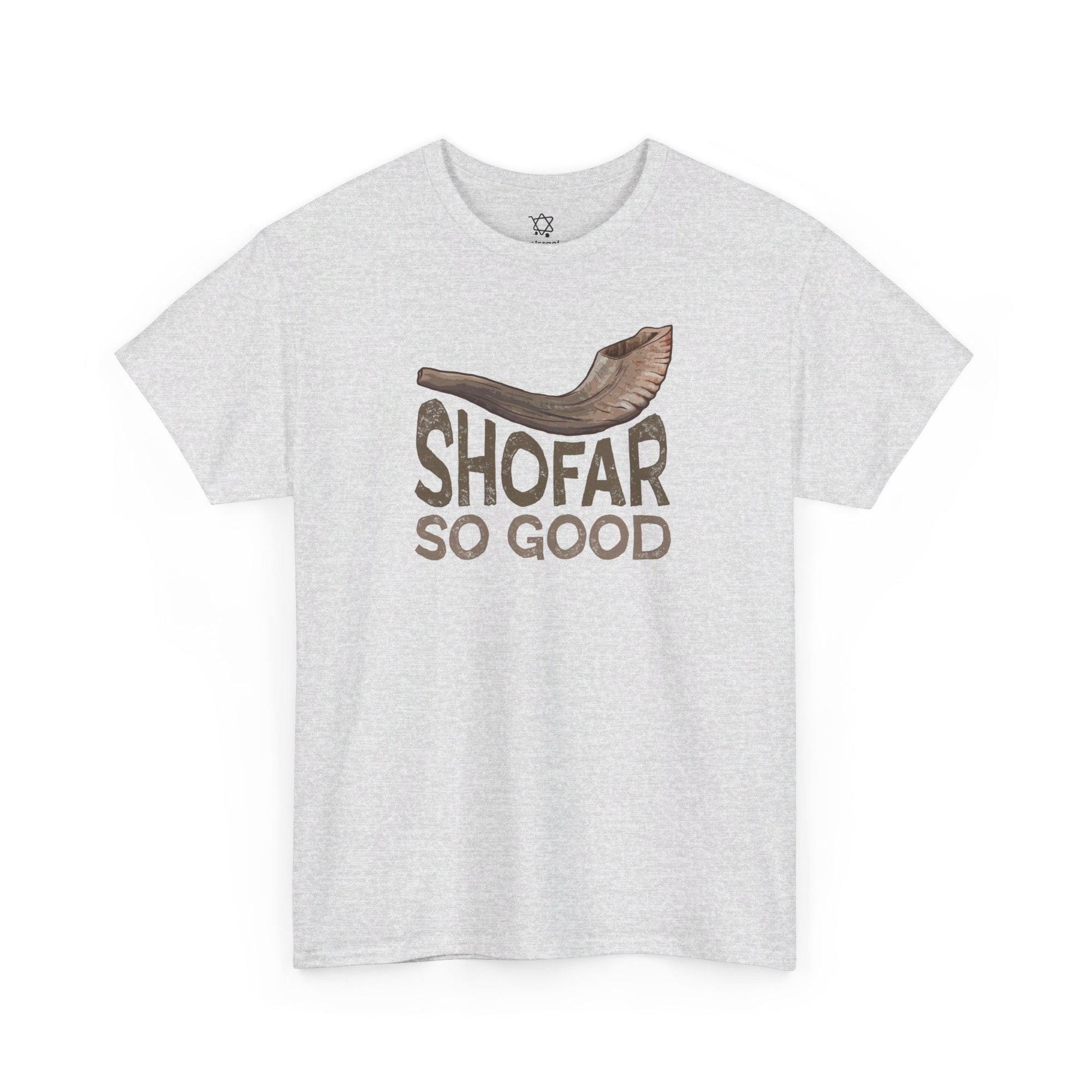
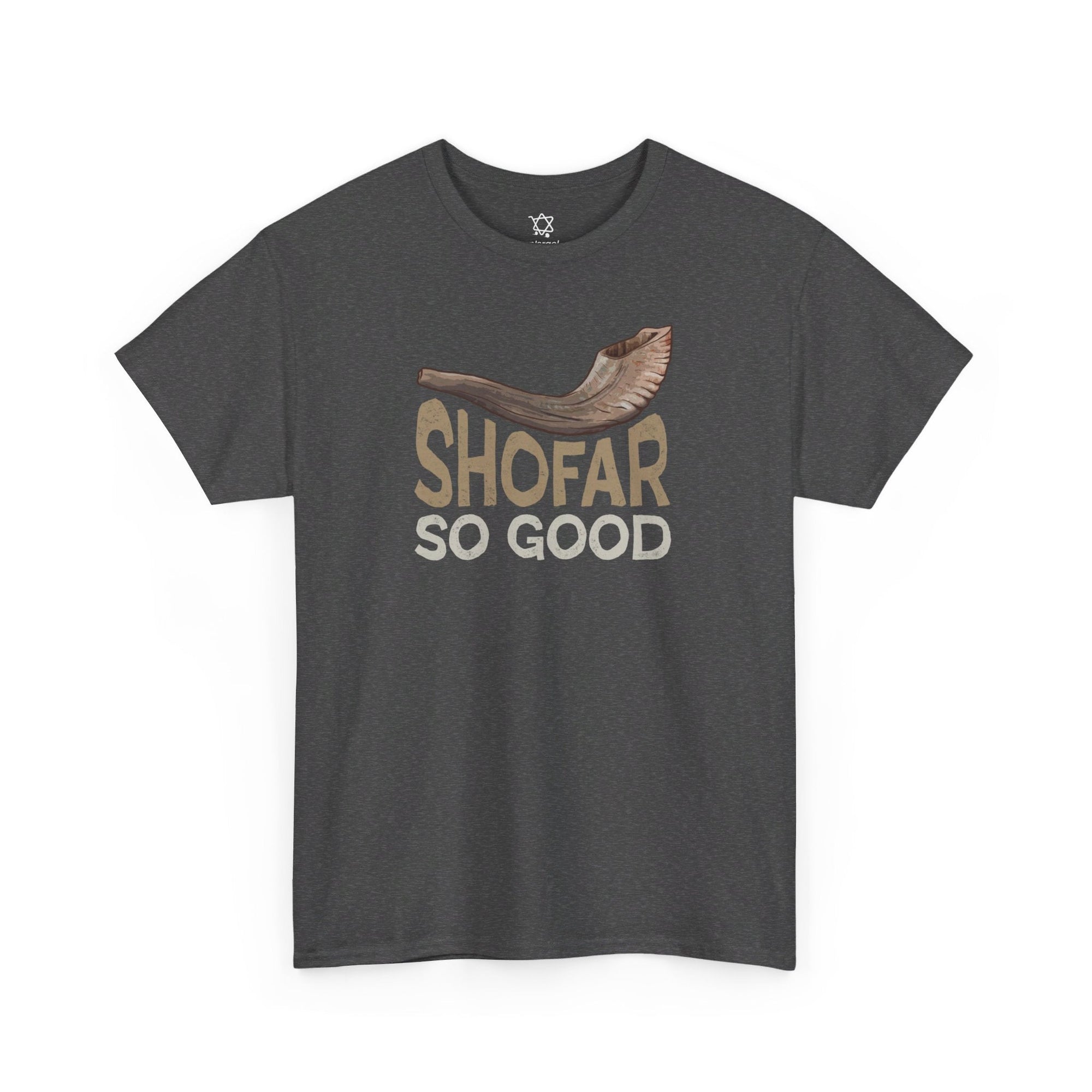
Fashion items like Star of David beach towels and Hebrew caps bearing the word "Shalom" blend cultural identity seamlessly into everyday life. Whether on casual outings or during leisure activities, these apparel and accessories serve as constant, proud reminders of Jewish faith, tradition, and connection to Israel. They also spark conversations and foster community among wearers and observers alike.
These expressions of Jewish heritage through clothing and accessories play a vital role in reinforcing cultural pride and support for Israel. They connect historical roots with modern lives, uniting communities through shared symbols and values.
Fashion Activism: Comparing Palestinian and Zionist Expressions
How Did the Keffiyeh Become a Palestinian Political Symbol?
Originally worn by Zionist leaders wearing keffiyeh and early Jewish settlers including members of Palmach and HaShomer keffiyeh use, the keffiyeh symbolized connection to the land and indigenous culture in early 20th century Zionism. Over time, especially after the Arab uprising 1929 and keffiyeh perception and rising Palestinian nationalism, it transformed into a powerful emblem of Palestinian identity. The black-and-white keffiyeh and Palestinian nationalism became widely recognized as a symbol of Palestinian resistance, especially after Yasser Arafat and the keffiyeh adoption elevated it to political prominence.
What Caused the Shift in the Keffiyeh’s Meaning?
The keffiyeh’s meaning evolved due to political tensions and symbolic adoption by Palestinian leaders. While once a shared item of clothing among local peoples and Zionist pioneers alike, political developments recast it primarily as a symbol of Palestinian nationalism and resilience. Today, in Israel, it has seen a cautious resurgence as a Keffiyeh resurgence in 21st century Israel as a cultural symbol post-Abraham Accords of 2020, though its layered history keeps its symbolism complex.
How Do Zionist and Palestinian Fashion Symbolize Identity and Resistance?
Zionist fashion frequently incorporates symbols like Israeli flag clothing, Star of David watch, and Hebrew words such as "Shalom," reflecting Jewish heritage and pride. IDF-inspired apparel honors defenders of Israel, while Jerusalem-themed items reinforce spiritual and national identity. Palestinian fashion notably uses traditional motifs including the keffiyeh’s fishnet and olive leaf patterns, Tatreez Embroidery Traditions, and gold jewelry to express cultural pride, heritage, and political resistance.
How Are Traditional Motifs Used to Express Cultural Identity?
Traditional Palestinian Tatreez Embroidery Traditions and keffiyeh designs preserve and communicate Palestinian history and community strength. Similarly, Zionist fashion embraces Hebrew inscriptions and the Star of David as markers of Jewish faith and resilience. These fashion statements serve not only as personal identity markers but also as tools of solidarity and political expression across both communities.
What Are Some Fashion Brands That Support Palestine?
Brands like PaliRoots, Wear The Peace, Anat International, and Darzah use fashion to support Palestinian causes by promoting cultural heritage and economic empowerment. Through their work, they transform clothing into activism, reinforcing Palestinian identity, resistance, and pride.
| Aspect | Palestinian Fashion | Zionist/Israeli Fashion | Shared Elements |
|---|---|---|---|
| Symbolic Items | Keffiyeh, Tatreez embroidery, gold jewelry | Star of David, Israeli flag, Hebrew inscriptions | Use of traditional motifs to express identity |
| Political Meaning | Palestinian resistance and cultural identity | Connection to land, Jewish heritage, defense | Reflection of community pride and heritage |
| Modern Usage | Political activism, cultural preservation | Support for Israel’s right to exist, heritage | Fashion as a medium for political and social causes |
Global Support and Corporate Stances in the Context of Zionist Fashion
Does Chanel support Israel or Palestine?
Chanel made a significant public statement of support for Israel by pledging $4 million in emergency humanitarian aid in response to the 2023 Hamas attacks. This corporate stance underscores a growing trend among global brands acknowledging and supporting Israel during critical times. Chanel’s involvement goes beyond fashion; it signals solidarity and humanitarian concern aligned with pro-Israel values.
Do Jews generally support LGBTQ+ pride?
Within the Jewish community, especially in Reform and progressive congregations, there is broad support for LGBTQ+ rights and inclusion. This acceptance often permeates cultural expressions and fashion, where LGBTQ+ pride symbols and messages are embraced. Such endorsements manifest in apparel and accessories that blend Jewish heritage with the celebration of diversity, reinforcing an inclusive Zionist identity.
How do corporate and community values impact fashion choices?
Corporate support like Chanel’s aligns fashion with political and humanitarian causes, influencing consumer preferences toward brands demonstrating solidarity with Israel. Likewise, Jewish community values shape fashion trends that emphasize themes of peace, resilience, heritage, and inclusion. The intersection of these forces creates a unique fashion culture where wearing Israeli flag clothing or messages of peace and pride becomes a powerful statement of identity and advocacy.
This evolving landscape reflects how fashion transcends style to become a platform for unity, social justice, and support for Israel, resonating deeply within the global Jewish and diaspora communities.
Embracing Peace and Identity Through Fashion: A Continuing Narrative
Fashion Woven with Zionist Spirit
From the early Zionist pioneers to today, clothing has been a powerful medium to express connection to the land and Jewish heritage. Iconic items like the keffiyeh were adopted by figures such as Chaim Weizmann and members of early Zionist military groups, symbolizing a deep bond with local traditions and the “New Jew” identity rooted in indigenous ties.
Clothing as a Bridge of Heritage and Peace
Today, fashion serves not only as an emblem of pride but also as a call for peace and resilience within the Jewish community. Israeli-themed apparel—bearing symbols such as the Star of David, Jerusalem motifs, or Hebrew words like “Shalom”—blends heritage, patriotism, and hope into everyday expressions.
Wearing Unity and Values
Brands supporting peace and ethical practices intertwine cultural identity with social justice. By donning these symbols, wearers unite history with modern ideals, fostering solidarity and a vision for coexistence. In this way, fashion becomes a living testament to enduring Zionist values, uniting diaspora and homeland through shared symbols of peace and pride.