

Introduction: Embracing Israeli Culture Through Fashion
The Significance of Israeli-Inspired Fashion
Israeli fashion represents more than style—it is a vibrant reflection of the country’s rich cultural heritage and resilient spirit. From traditional craftsmanship to innovative design, Israeli clothing captures the essence of its diverse influences and expresses deep patriotic pride.
Fashion as a Cultural and National Identity
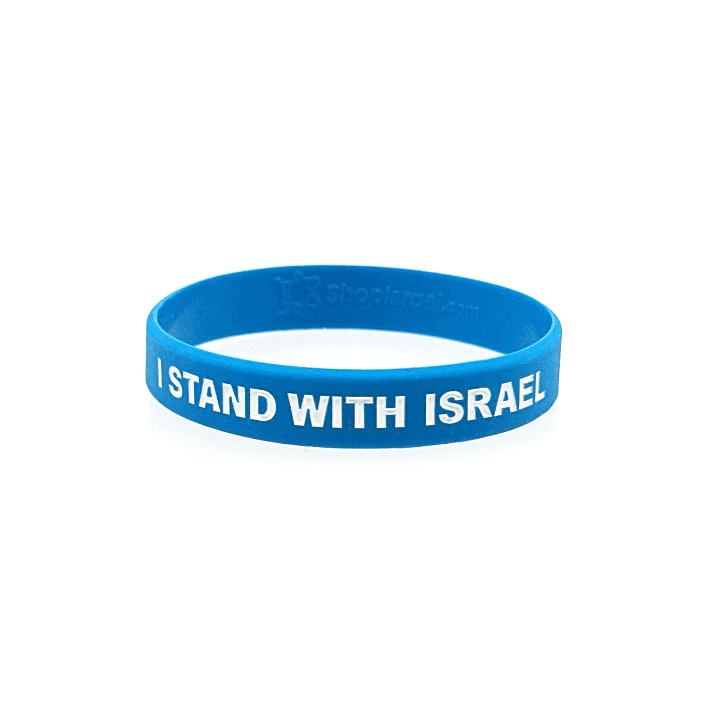
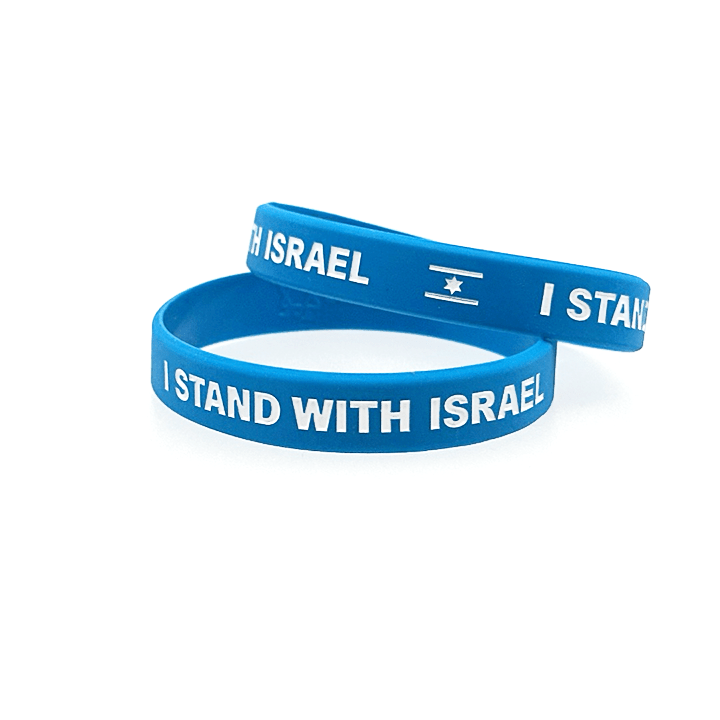
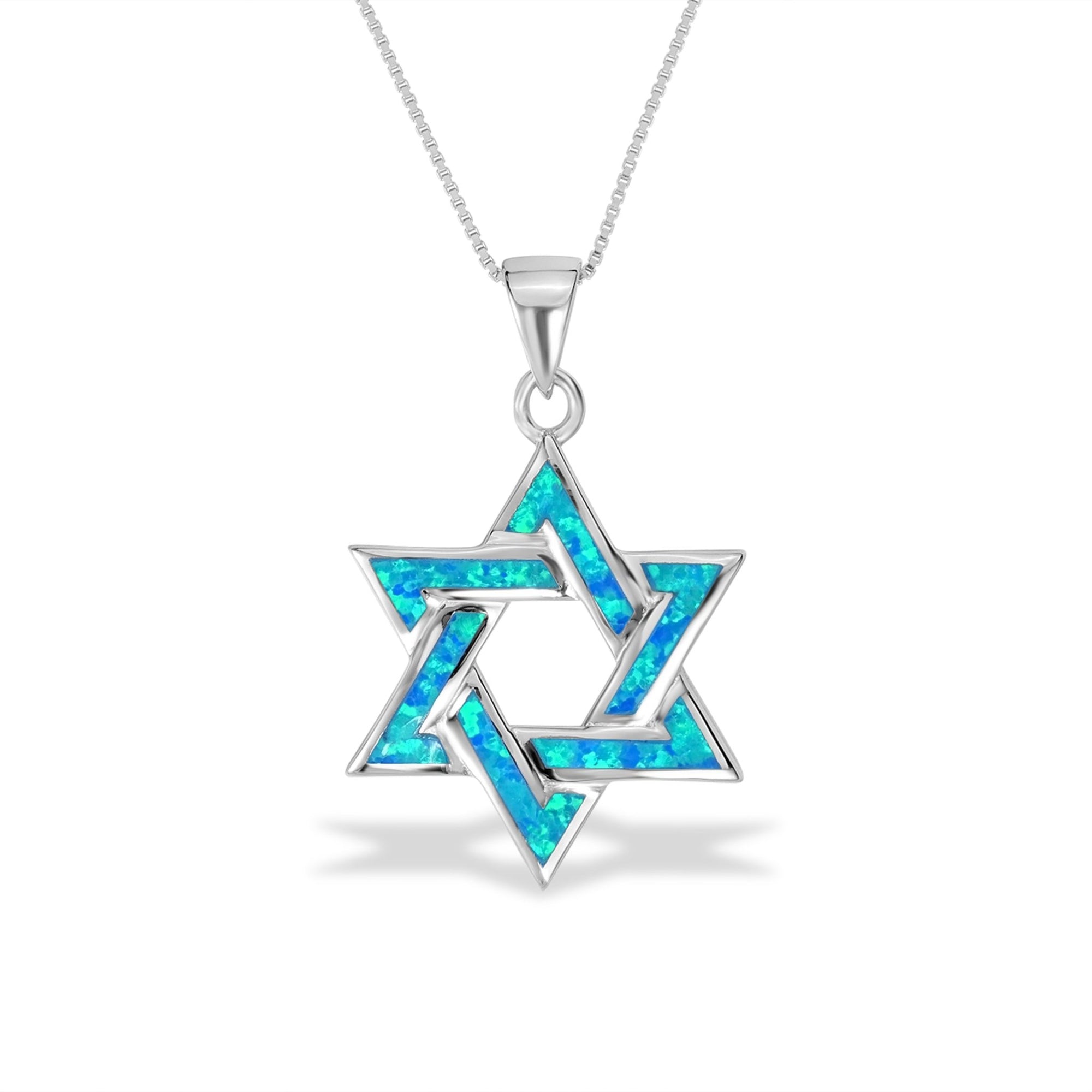
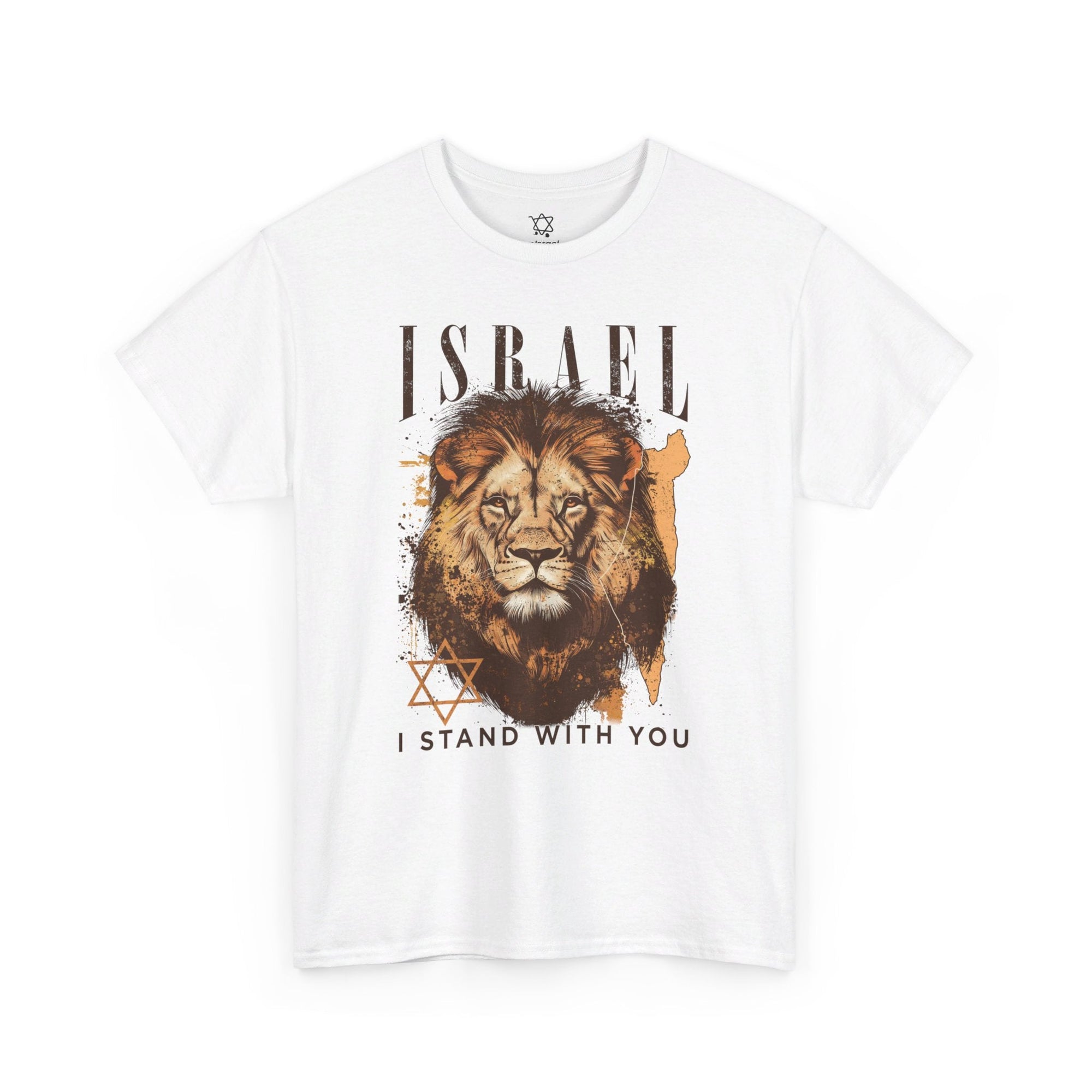
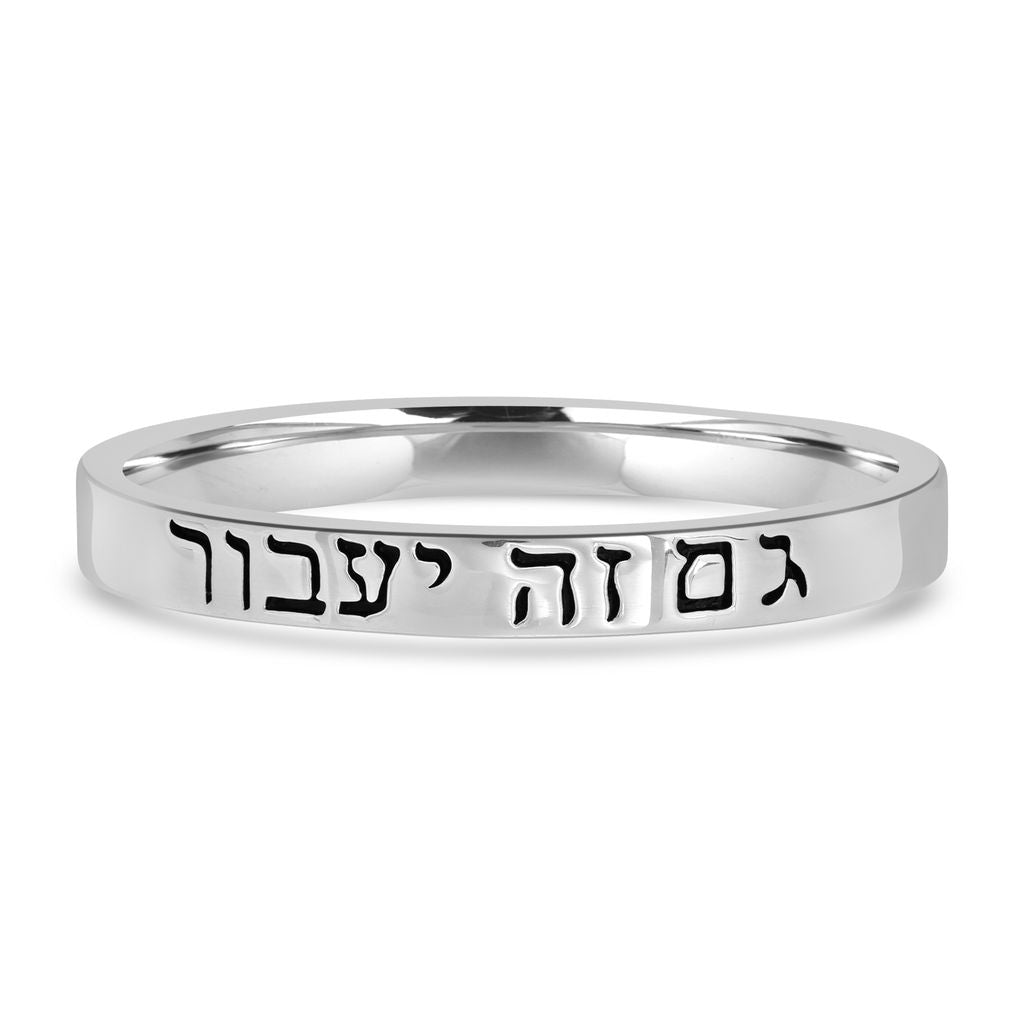
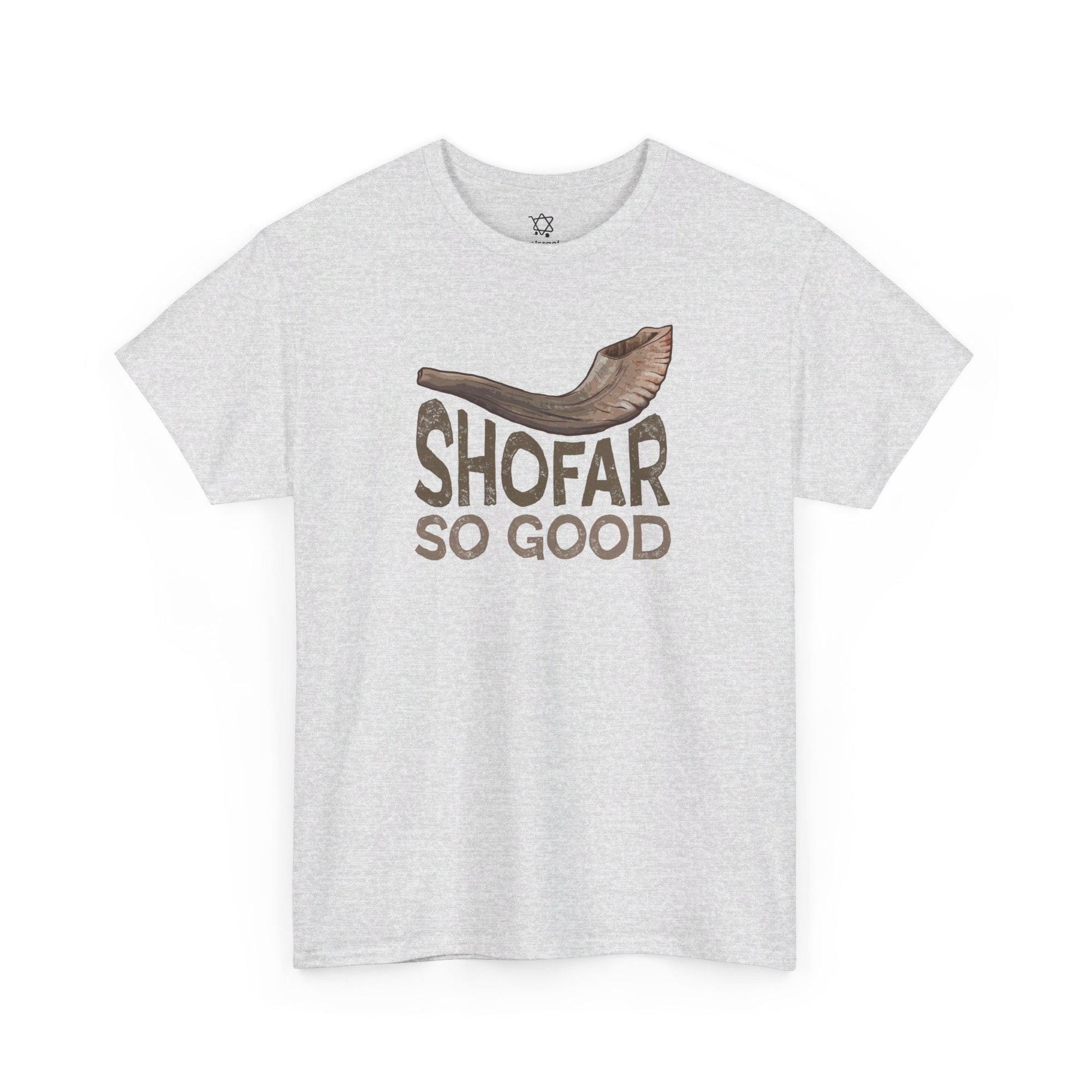
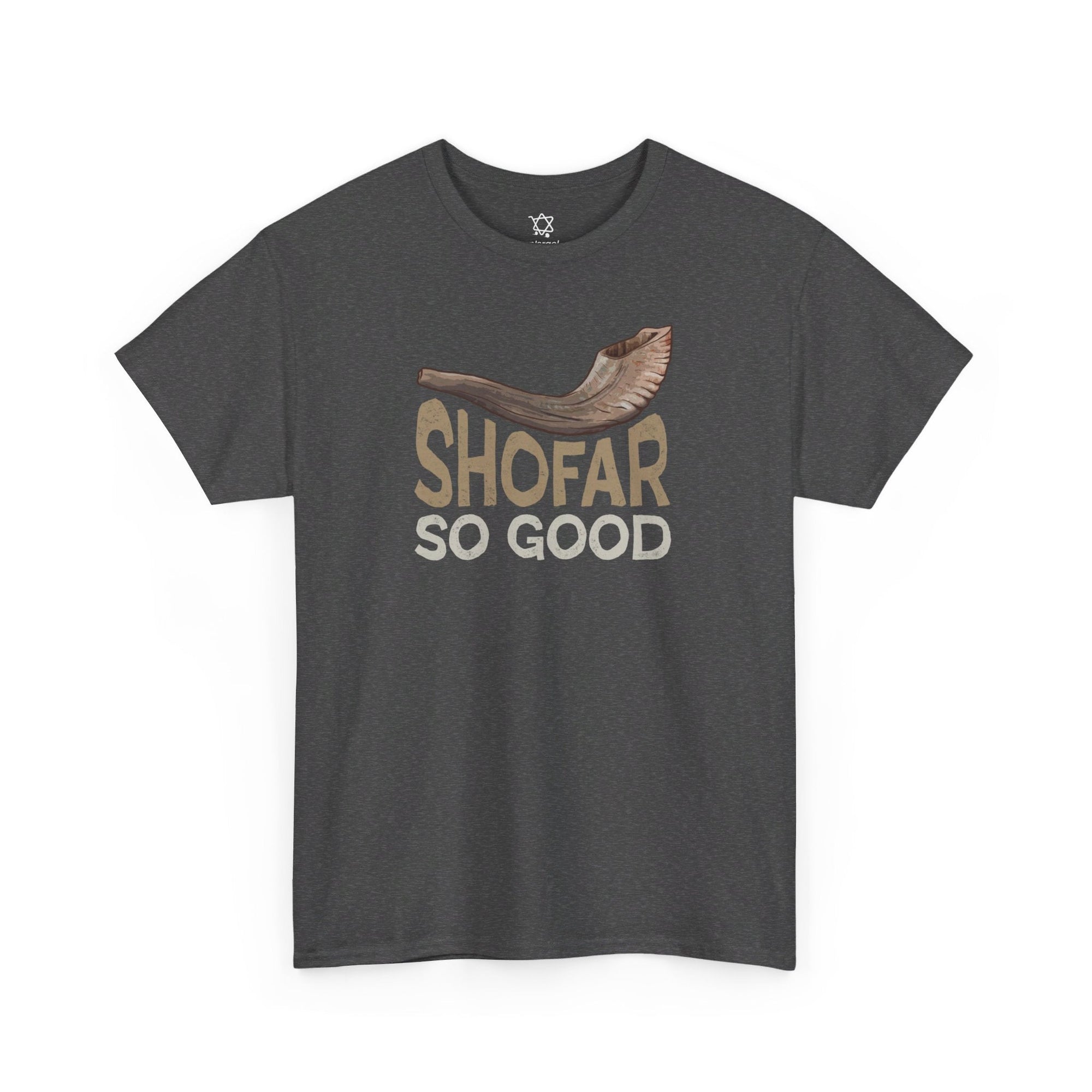
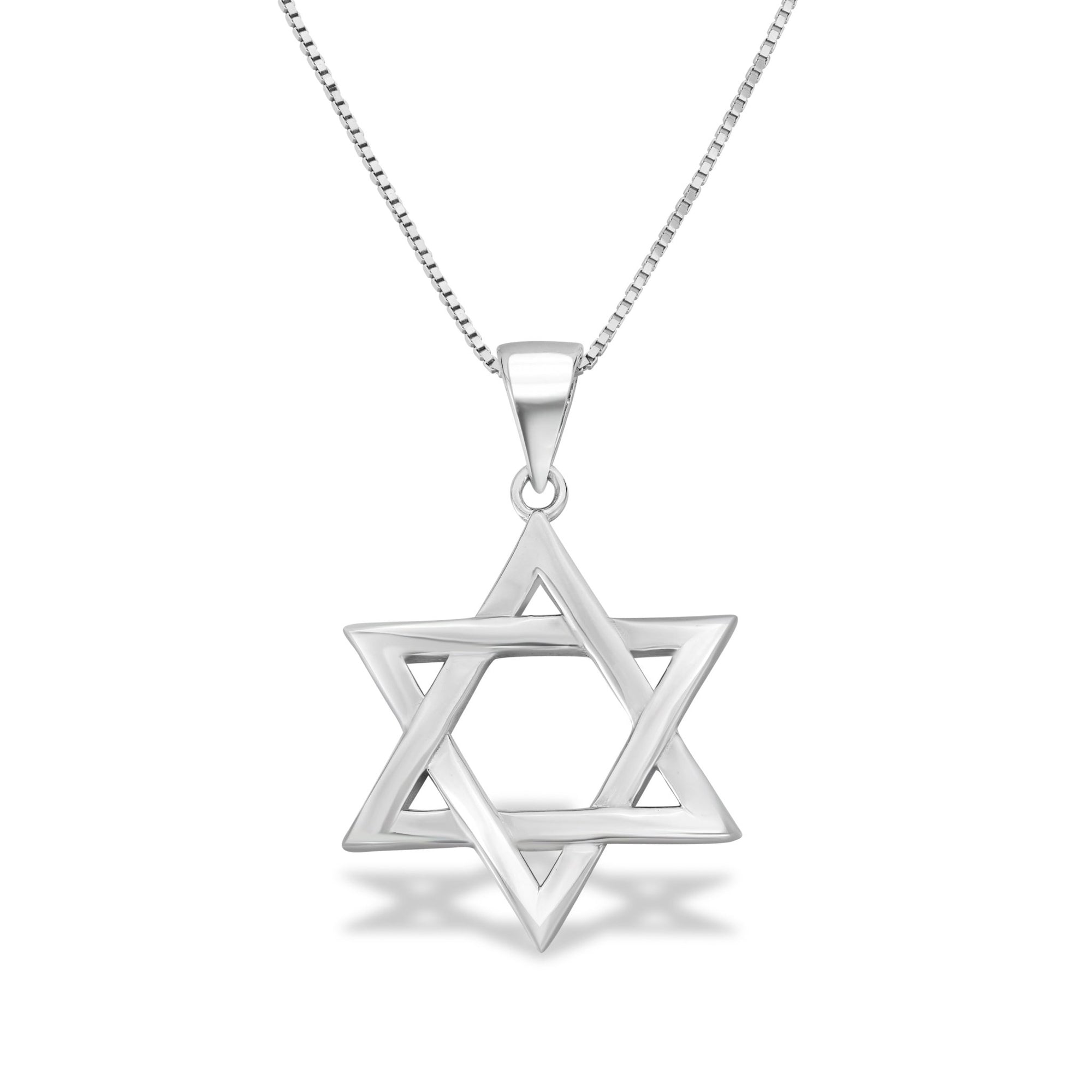
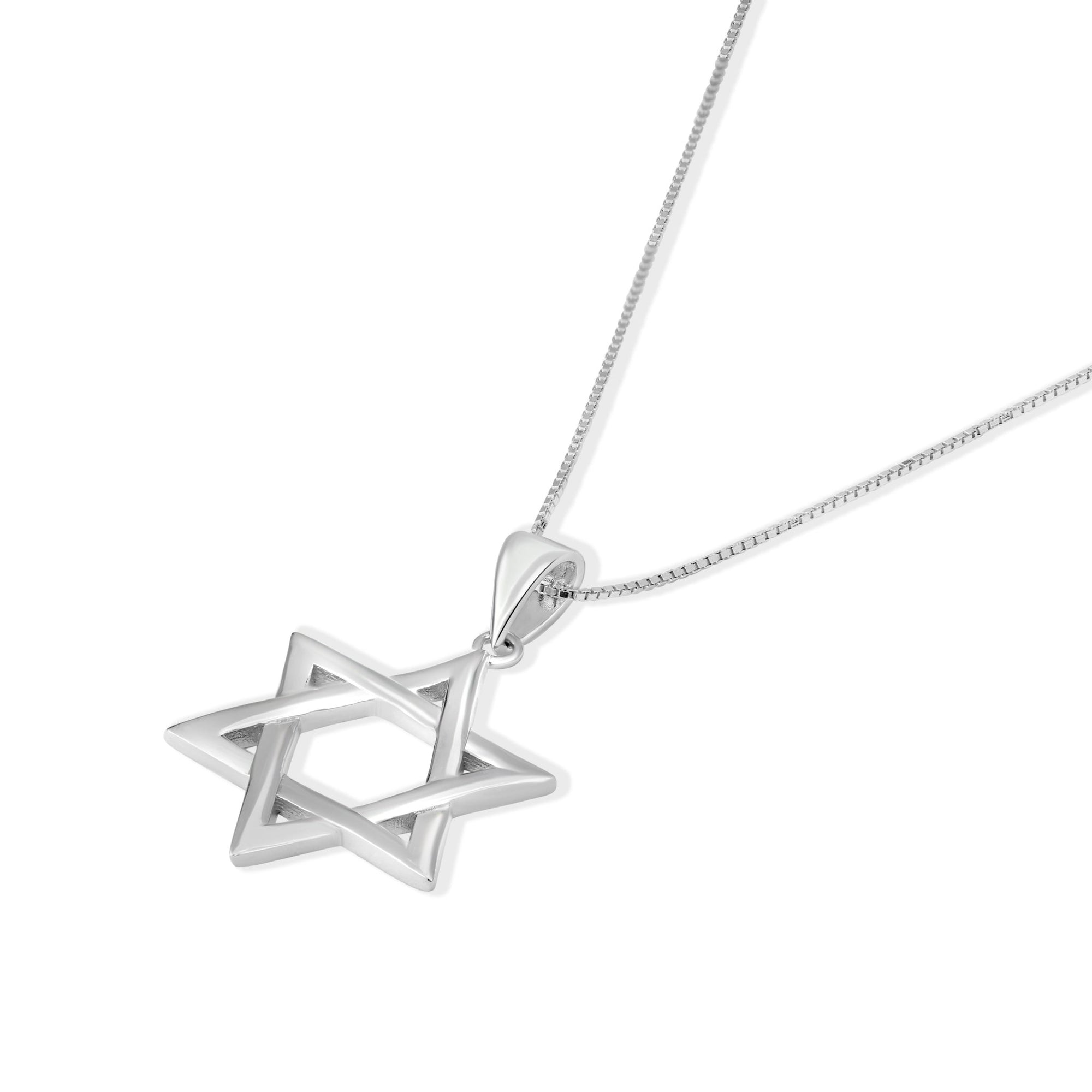
Fashion in Israel is intertwined with history, religion, and community. Wearing Israeli-themed apparel not only celebrates Jewish heritage but also serves as a powerful statement of solidarity and belonging, especially for those in the diaspora. Symbols like the Star of David and Hebrew script on garments bring ancient traditions into everyday life.
Contemporary Trends Highlighting Israeli Spirit
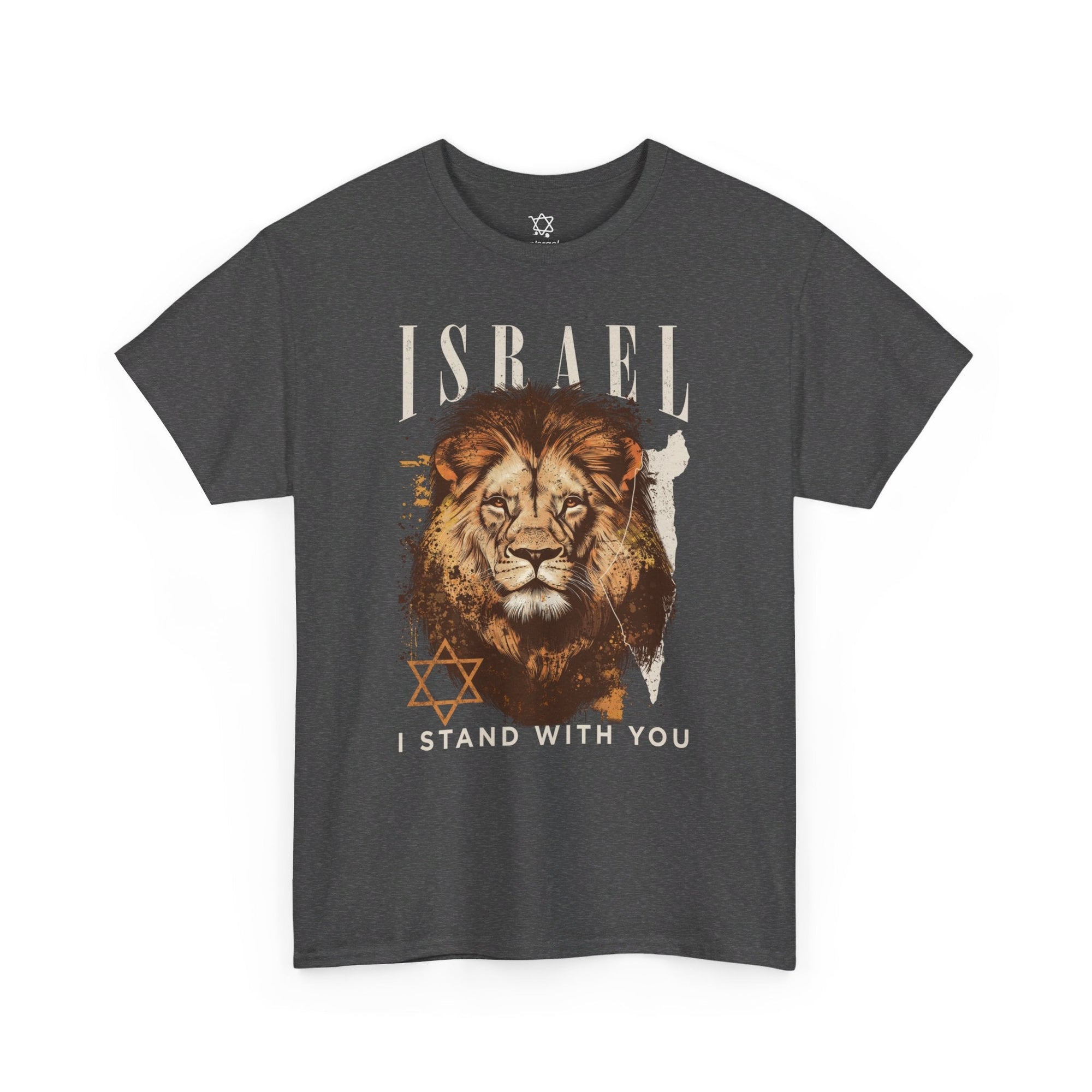
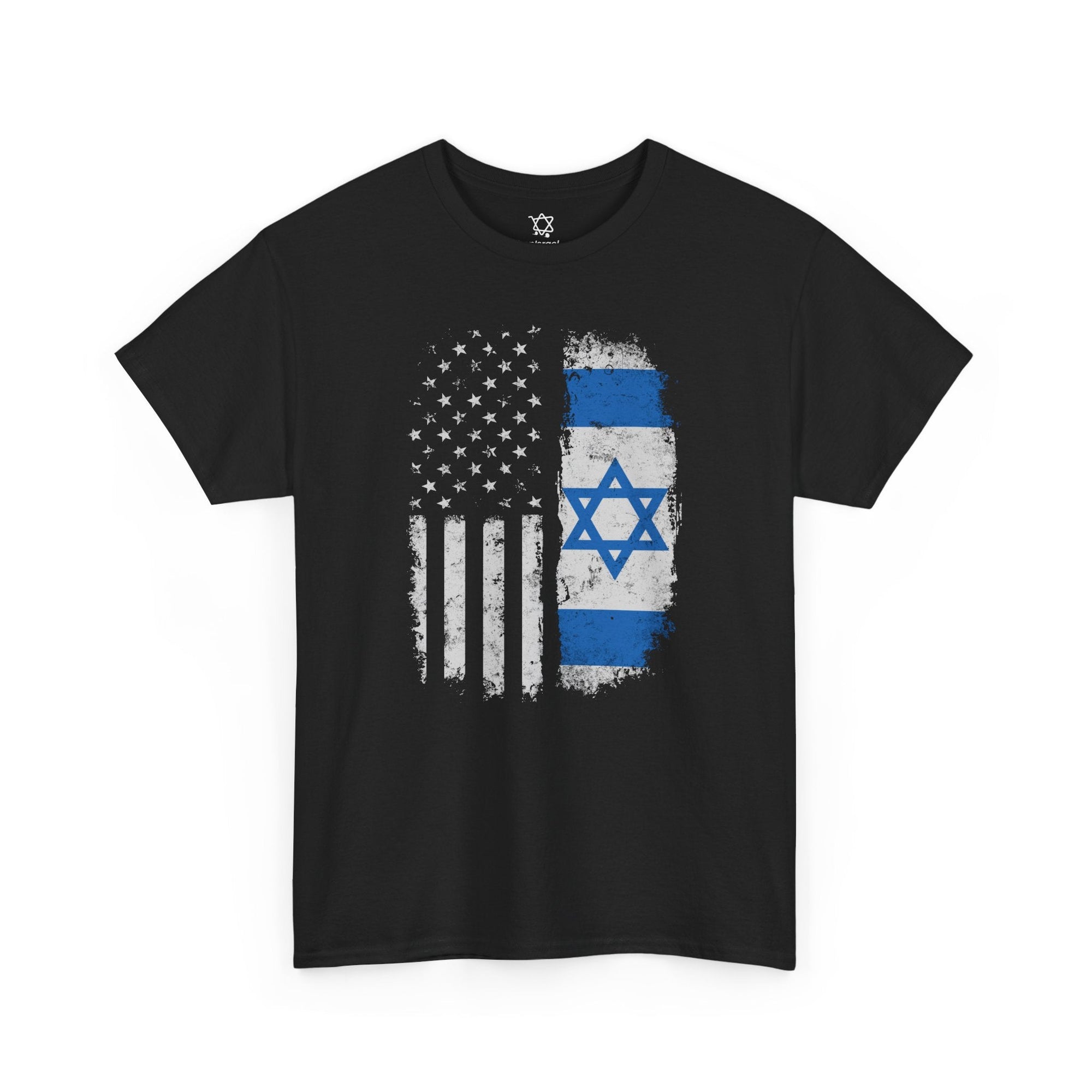
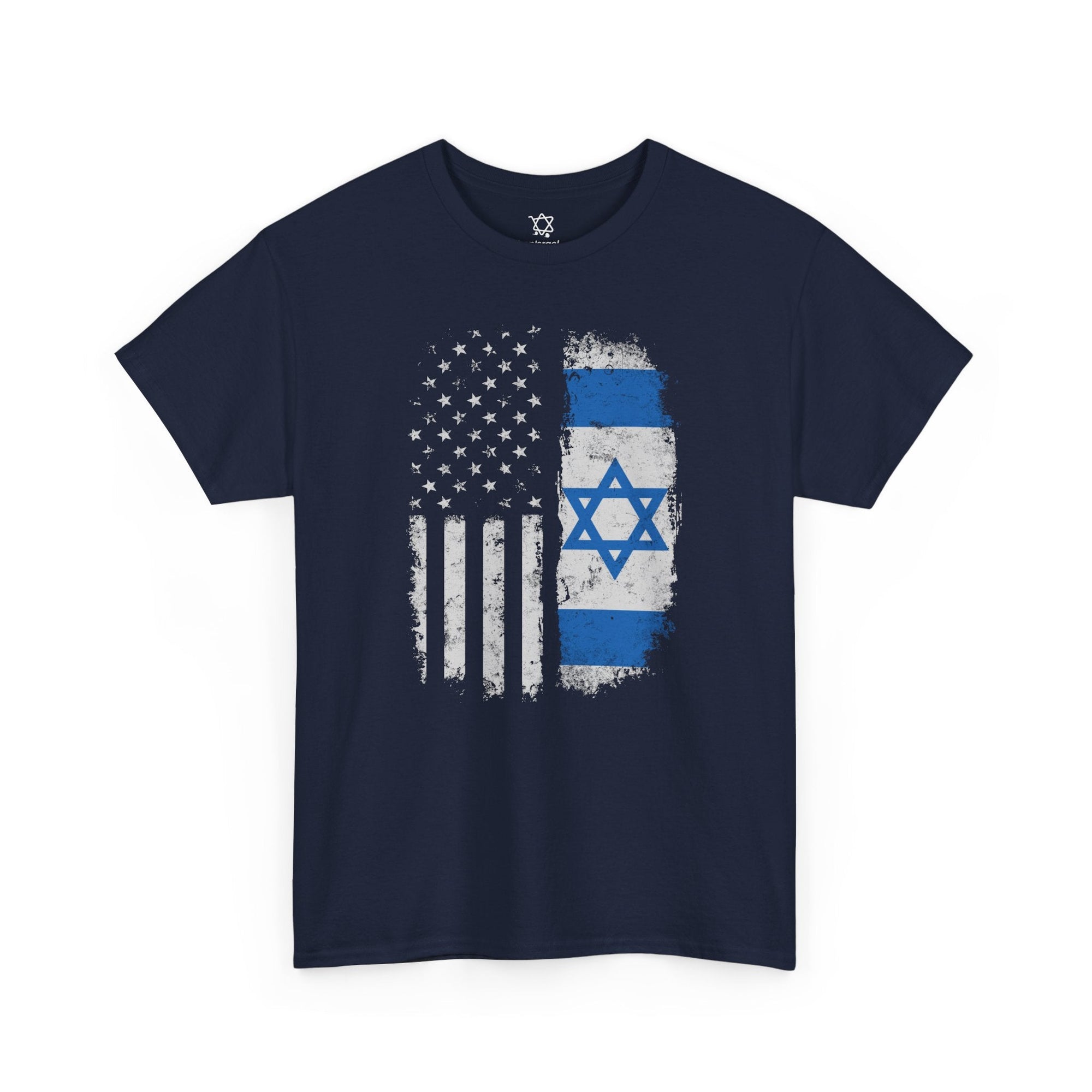
Modern Israeli designers and brands blend traditional motifs with current trends—whether through sustainable materials, symbolic embroidery, or political statements. Popular styles include eco-friendly textiles, statement T-shirts with messages of hope and resilience, and elegant pieces inspired by the desert landscape. These trends enable supporters worldwide to proudly showcase their connection to Israel through fashion.
From Ancient Traditions to Modern Expression: The Evolution of Israeli Clothing
What kind of clothing did the Israelites wear in biblical times?
In biblical times, the Israelites wore simple clothes crafted from natural materials like wool, linen, and animal skins. Their typical attire included tunics, skirts, and undergarments suited to the arid climate and practical for daily life. As their spiritual traditions developed, their clothing took on religious symbolism. For example, men began wearing the tallit, a prayer shawl with fringes called tzitzit, symbolizing commandments, and the kippah, a skullcap denoting reverence to God.
Jewish dress emphasized modesty, as seen in women's modest dresses and head coverings, especially in Orthodox communities. Clothing also distinguished Jewish identity, sometimes through mandated garments like dark blue robes or specific hats in various historical epochs. These elements served to uphold religious identity, cultural heritage, and a sense of holiness. For more about these styles, you can explore Israeli Traditional Clothing.
What is Israeli traditional clothing?
Israeli traditional clothing is a rich tapestry reflecting the varied cultural heritage of the Jewish people alongside other communities in Israel. Beyond religious garments like the kippah and tallit, traditional attire often includes the caftan, a robe worn during religious festivals, and the sabra dress, inspired by native-born Jewish settlers.
These garments often display symbolic colors and intricate embroidery that express religious and community identities. Regional customs add unique touches, with some groups featuring distinctive accessories or designs representing their heritage. Israeli traditional clothing embodies a proud cultural legacy, celebrating Jewish history and resilience. For more on Jewish Motif Clothing and related apparel, visit the linked store.
Jewish religious garments and their significance
Jewish religious attire plays a profound role in expressing faith and identity. The tallit reminds wearers of their spiritual duties through its fringes. The kippah signifies humility before God. Modest clothing reflects adherence to biblical laws, preserving sanctity and community values.
Together, these garments bridge biblical traditions with modern Jewish life, fostering unity and continuity within communities around the world. For a broader collection of Women Clothes Made in Israel and related items, see the dedicated page.
The Contemporary Israeli Wardrobe: Casual, Comfortable, and Culturally Rich
What is the general dress code in Israel?
Israelis typically embrace a casual and comfortable style for everyday wear, favoring t-shirts and jeans across most parts of the country. However, dress norms shift notably in religious areas such as Jerusalem. There, modesty is observed more strictly—women generally cover their knees, elbows, and sometimes hair, while men may be expected to wear a kippah when visiting Jewish sites. Ultra-Orthodox communities practice even more conservative dress, with women covering necklines, elbows, and wearing head coverings, and men adhering to traditional attire.
In Muslim neighborhoods, cultural traditions influence dress as well, with men often wearing long pants and women opting for veils or other coverings, reflecting local customs.
How can someone dress like an Israeli to blend in with locals?
To seamlessly blend into Israeli daily life, adopting the local preference for modest and practical clothing is key. In religious cities like Jerusalem, women should consider covering knees and elbows and, when appropriate, their hair. Men are advised to wear a kippah at Jewish holy sites as a sign of respect.
Outside these religious contexts, simple casual wear—like t-shirts paired with jeans or comfortable pants—dominates. Tourists often stand out if wearing shorts or revealing clothing, which are uncommon among locals who prioritize modesty and practicality due to cultural and climate factors.
Israelis also balance comfort with subtle cultural expressions, sometimes featuring Jewish symbols in streetwear or traditional motifs to honor their heritage while living a modern lifestyle. This blend offers visitors a meaningful glimpse into the rich cultural tapestry expressed through everyday fashion.
Symbolism and Sensitivity: Understanding Color and Message in Israeli Fashion
Are there any cultural or religious considerations when wearing red clothing in Israel?
In Israel, the cultural landscape around wearing red clothing is nuanced and community-specific. Traditional Jewish law advises caution with red attire, as it has historically been perceived as a non-Jewish color linked to impropriety. Particularly in ultra-Orthodox circles, red clothing may be discouraged or outright avoided to uphold standards of modesty (Tzniyut) and communal norms. Conversely, in more modern or liberal Orthodox and Chabad communities, red is generally accepted and seen as just another vibrant color, worn without stigma. The choice to wear red is thus deeply tied to one’s religious observance and cultural environment.
Fashion as a medium for political and cultural expression
Israeli fashion has become a powerful platform for expressing political stances and cultural pride. Designers and brands frequently incorporate symbols like the Star of David, pomegranates, and Hebrew inscriptions to blend Jewish heritage with contemporary style. Following recent conflicts, subtle messaging has grown prominent: gowns adorned with Stars of David and slogans like "Am Yisrael Chai" embody resilience and hope. Accessories such as yellow ribbon pins and dog tag necklaces symbolize solidarity and remembrance, showing how fashion extends beyond aesthetic to represent unity and activism.
How Israeli fashion balances tradition and modern messaging
Israeli style creatively balances tradition with modernity by weaving heritage elements into contemporary designs. Iconic fashion houses like Maskit fashion history honor traditional embroidery while setting global trends through desert-inspired earth tones. Modern designers subtly embed Jewish symbols in streetwear, allowing wearers to celebrate cultural identity in everyday attire. Sustainable brands emphasize ethical production but still respect cultural symbols, blending ancient values with forward-thinking innovation. This harmony allows Israeli fashion to speak authentically to both local communities and a global audience, fostering pride and connection through clothing and accessories.
Leading the Charge: Israeli Fashion Brands Shaping Modern Style
What clothing brands are popular and recognized in Israel?
Israel's fashion scene boasts a blend of well-established local names and emerging designers who epitomize both style and cultural identity. Popular local brands such as Golf, Castro, and Fox are household names offering casual and trendy pieces that resonate with Israelis of all ages. International names like Mango and Next complement the fashion landscape, making modern styles accessible in malls and online stores.
Which brands combine tradition with innovation?
Several Israeli brands excel at fusing heritage with contemporary design. Maskit fashion house history, Israel’s only heritage fashion house, founded in 1954 and revived in 2014, remains a symbol of traditional craftsmanship blended with modern aesthetics, often featuring desert-inspired earth tones. Designers like Israeli designers Noa Raviv and Alon Livne elevate Israeli couture by integrating artistic innovation with culturally meaningful motifs, such as pomegranates and tzitzit, subtly reflecting Jewish symbolism within modern streetwear.
How are sustainable and ethical fashion brands influencing the industry in Israel?
Sustainability is a growing priority among Israeli designers who emphasize ethical production and environmental responsibility. Tel Aviv-based brands like Tooshaya eco-friendly clothing, use natural fibers such as bamboo and wool, focusing on eco-friendly manufacturing. KitePride upcycled bags turns upcycled materials like parachutes and retired sails into stylish bags, showcasing innovation in sustainability. Pioneers like Danit Peleg 3D-printed fashion employ 3D-printed techniques to minimize waste, while Har recycled textiles fashion repurposes vintage textiles, demonstrating a commitment to regeneration and conscious fashion.
These brands not only represent the vibrant creativity of Israel’s fashion world but also foster national pride and cultural expression through attire that honors tradition, embraces modernity, and champions sustainability.
Fashion as Activism: Wearing Israeli Pride and Resilience
How Israeli designers use fashion to express national resilience
Israeli fashion designers often channel the nation's resilience and collective emotions into their work. Following recent conflicts, designers like Yaniv Persy bridal gown created garments that serve as poignant symbols of remembrance and hope. For instance, Persy's bridal gown, adorned with Stars of David fabric design and inscribed with "Am Yisrael Chai," was worn in a high-profile setting to honor victims and express national solidarity. Designers such as Alon Livne torn bandage dress have incorporated symbolic elements like torn bandage motifs, reflecting wounds and healing, which resonate deeply with the Israeli experience.
Examples of clothing and jewelry symbolizing solidarity
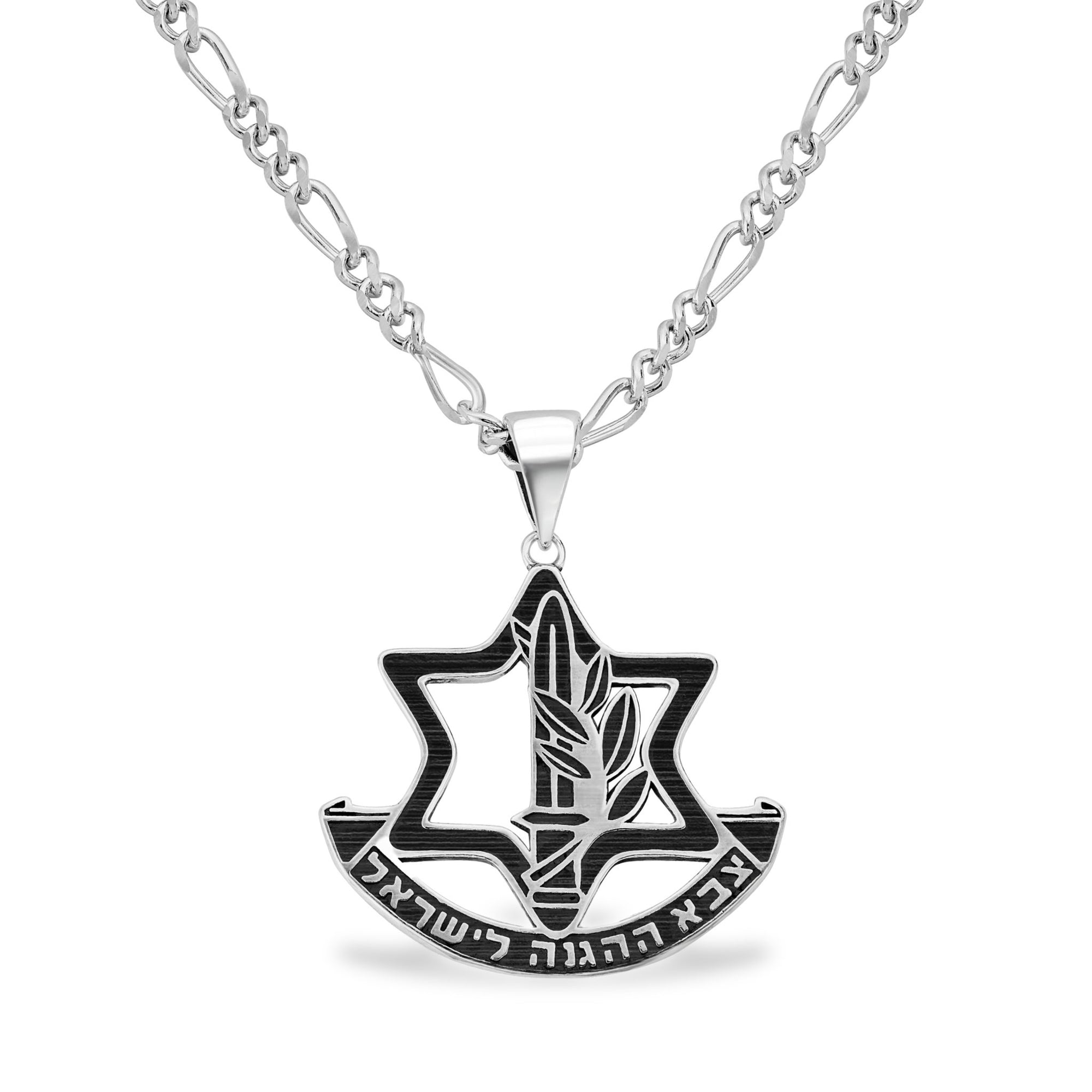
Fashion items and jewelry have become potent symbols of support and unity. Hostage dog tag necklaces and yellow ribbon pins carry messages of hope for those abducted or affected by conflict. Subtle yet powerful slogans like "Together we will win" and motifs featuring doves and olive branches infuse wearables with messages of peace and determination. Notable pieces include Noa Argamani yellow maxi dress and the 'Lavi of Zion' embroidered T-shirt featuring an embroidered lion with a crack in its heart, blending traditional symbols with contemporary calls for strength.
Fashion brands promoting Israeli pride and culture worldwide
Several Israeli brands extend their mission beyond aesthetics to foster pride and cultural connection. Olam Tova clothing line, for example, creates clothing and accessories featuring Hebrew words like "Shalom," Israeli flags, and political slogans that encourage open expression of Israeli identity globally. Brands such as Artëmer jewelry, Dodo Bar Or fashion, and Kobi Golan designs combine contemporary design with Middle Eastern influences, showcasing Israeli craftsmanship. Additionally, sustainable brands like Israeli-made backpacks by Kitepride support environmental and social causes while celebrating Israeli innovation and creativity. These labels collectively uphold Israel's cultural heritage and inspire solidarity among diaspora communities and supporters worldwide.
Shopping Israeli-Inspired Fashion Abroad: Accessibility and Cultural Connection
Where Can You Find Israeli Clothing Outside Israel?
Israeli-themed fashion is widely accessible to international buyers, especially through online platforms like Israeli Women's Clothing on Etsy and Judaica Webstore Israeli clothing collection. Etsy features over 1,000 women’s clothing items made in Israel, including kaftans, prayer shawls, and T-shirts with Hebrew inscriptions. Judaica WebStore offers an extensive range of apparel, such as T-shirts, hats, scarves, and children’s clothing, celebrating Israeli culture and Jewish heritage.
Which Apparel Styles Are Most Popular Among Diaspora Buyers?
Buyers abroad tend to favor clothing that features iconic Israeli and Jewish motifs, including the Star of David, menorahs, and biblical references. Popular styles range from casual T-shirts with slogans and Hebrew lettering to elegant kaftan dresses and prayer shawls. Items like Israeli-themed T-shirts sold on Israeli Women's Clothing on Etsy and Judaica Webstore Israeli clothing collection are especially popular as wearable statements of pride and identity.
How Does Wearing Israeli Fashion Help Foster Cultural Pride?
Wearing Israeli-inspired clothing abroad allows individuals to express solidarity with Israel and Jewish heritage in a tangible way. These garments serve as cultural ambassadors that connect diaspora communities to their roots. Clothing lines like Olam Tova clothing line emphasize pride through bold political and cultural messages, encouraging supporters to openly celebrate their Israeli identity. By choosing authentic Israeli-made or inspired apparel, wearers demonstrate unity, resilience, and a shared national spirit, strengthening communal bonds worldwide.
Conclusion: Integrating Israel’s Rich Fashion Heritage Into Your Modern Wardrobe
Embracing Cultural Identity Through Fashion Choices
Choosing clothing that reflects Israeli heritage is a powerful way to express pride in Jewish roots and Israeli culture. From the Star of David motifs on women’s kaftans to slogans championing Zionism, these fashion pieces serve as personal statements and symbols of solidarity with Israel.
The Fusion of Heritage and Innovation in Israeli-Inspired Clothing
Israeli fashion beautifully blends traditional elements like Maskit's heritage embroidery with contemporary design innovations seen in brands like Dani Peleg’s 3D-printed garments. This fusion not only honors past craftsmanship but also embraces modern sustainability and creativity.
Exploring Israeli Fashion Thoughtfully and Proudly
By supporting Israeli designers and brands, fans and members of the Jewish diaspora contribute to Israel’s vibrant cultural identity and resilience. Wearing these carefully crafted garments invites a dialogue of pride and activism, encouraging everyone to partake in a meaningful connection to Israel’s heritage and future.