

Embracing Israel's Rich Heritage Through Fashion
Israeli fashion is a vibrant celebration of culture, tradition, and national pride.
Rooted deeply in the nation's immigrant mosaic and shaped by the Middle Eastern landscape, Israeli clothing carries stories of resilience and identity. Early designs favored practicality, evolving from simple, climate-adapted garments to pieces rich with multicultural detail such as tallit-inspired stripes and Yemenite embroidery.
Today, designers blend this heritage with contemporary trends, creating fashion that honors the past while projecting Israel's modern spirit on global stages. From couture houses founded by pioneering European immigrants to innovative artists like Noa Raviv, Israeli fashion reflects a unique dialogue between history and creative expression.
Through garments and accessories that evoke shared experiences and values, fashion becomes a powerful medium for celebrating Jewish heritage and fostering solidarity within Israel and its diaspora. Each piece tells a story of hope, pride, and cultural continuity, enabling wearers to connect with their roots while embracing a forward-looking identity.
Key Facts on Israeli Fashion and Cultural Symbols
- Maskit, founded in 1954, served as Israel's only heritage fashion house, shaping national identity.
- Revived in 2014 by Sharon Tal, Maskit's contemporary line blends heritage craftsmanship with modern styles.
- Maskit's spring 2022 collection uses desert-inspired natural hues, influencing future international fashion trends around 2026.
- Israeli avant-garde designers like Noa Raviv and Alon Livne integrate art and innovation, elevating Israeli couture globally.
- Jewish symbols like pomegranates and tzitzit are incorporated subtly in modern streetwear, balancing tradition and contemporary fashion.
- Israeli fashion incorporates war-inspired symbols like yellow for hope and jewelry motifs for resilience**, reflecting national trauma and unity.
- Embroidery from Yemenite, Bukharan, and Uzbek communities enrich Israeli fashion with cultural narratives, fostering multicultural identity.
- Early Israeli fashion was characterized by utilitarian designs suited for desert climates, emphasizing practicality over form.
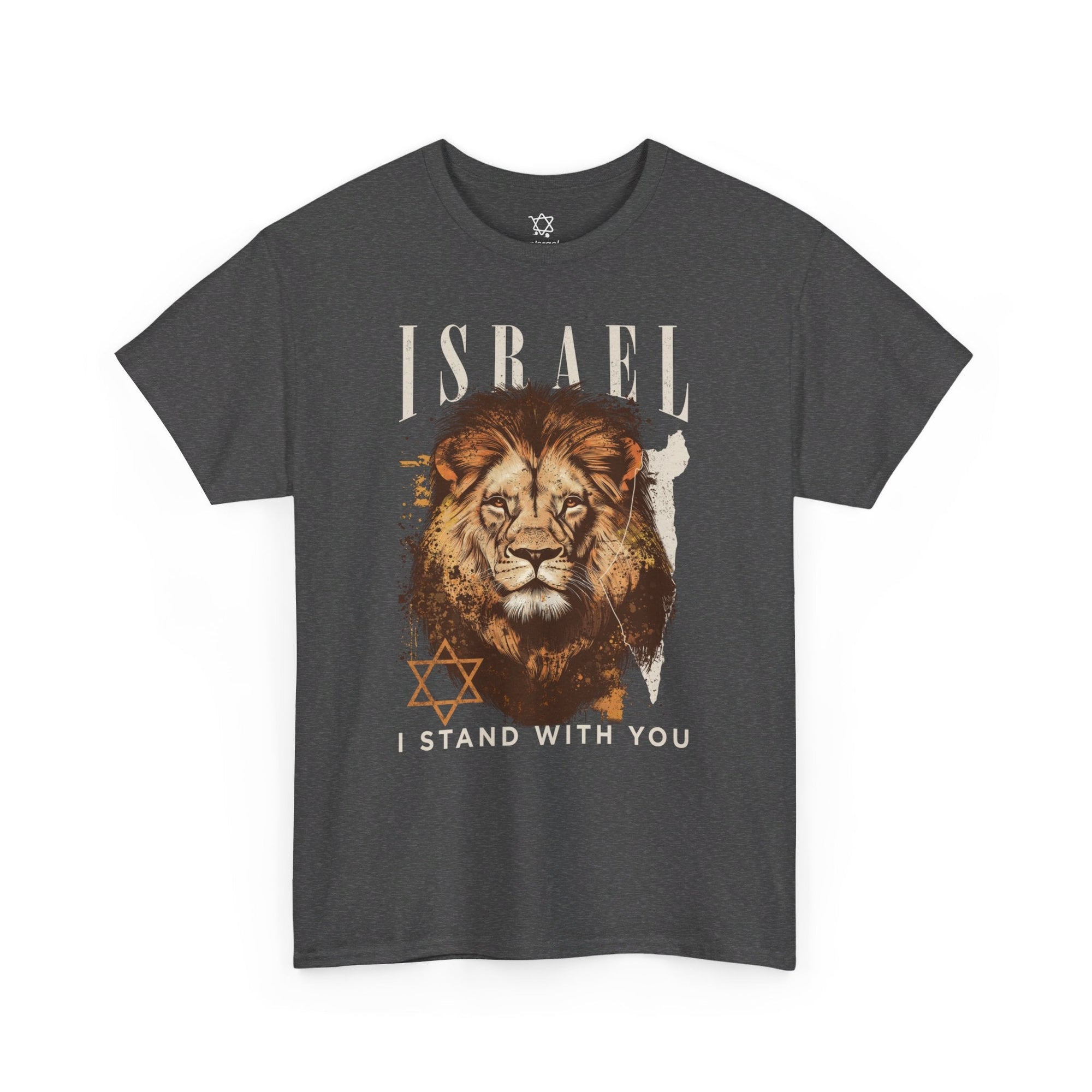
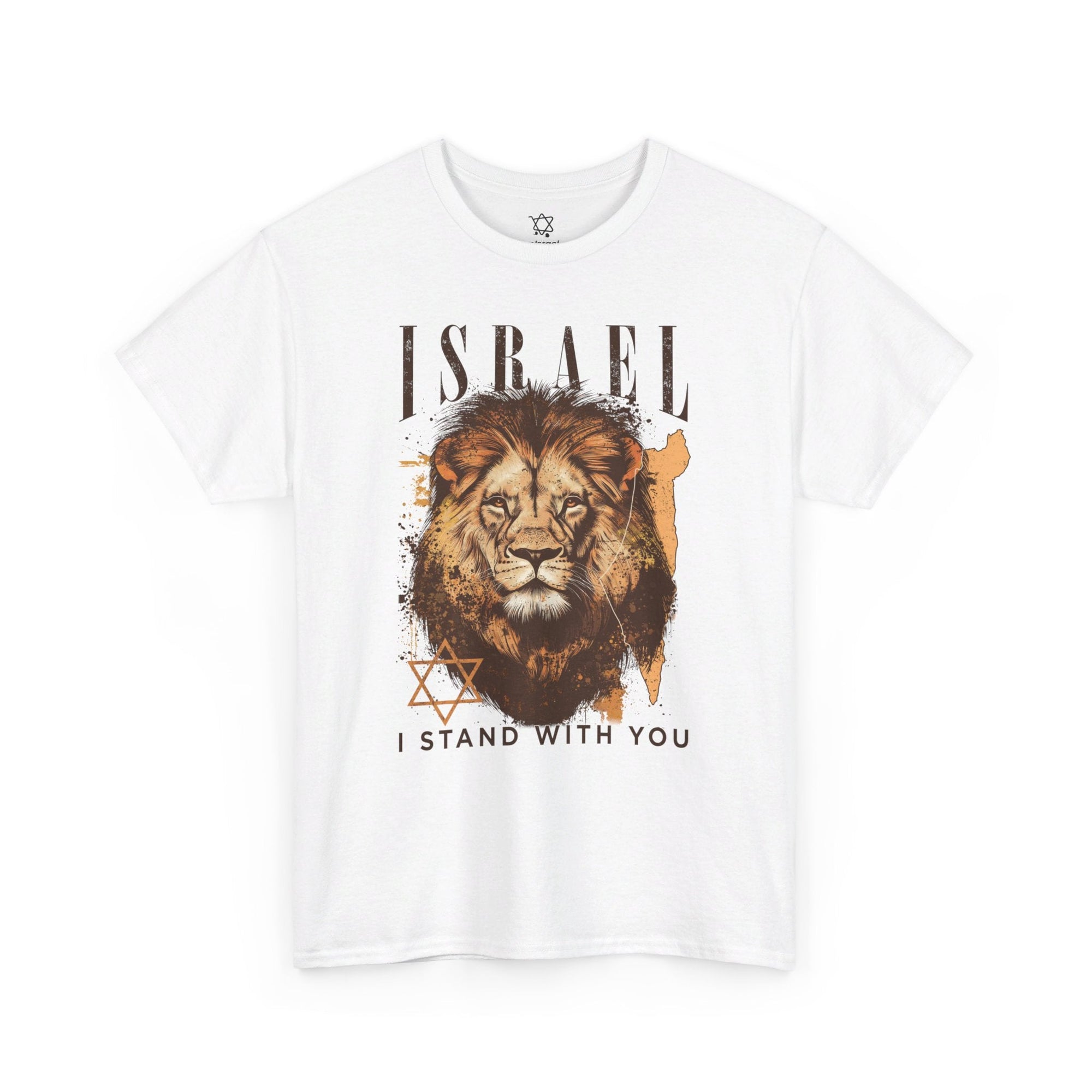
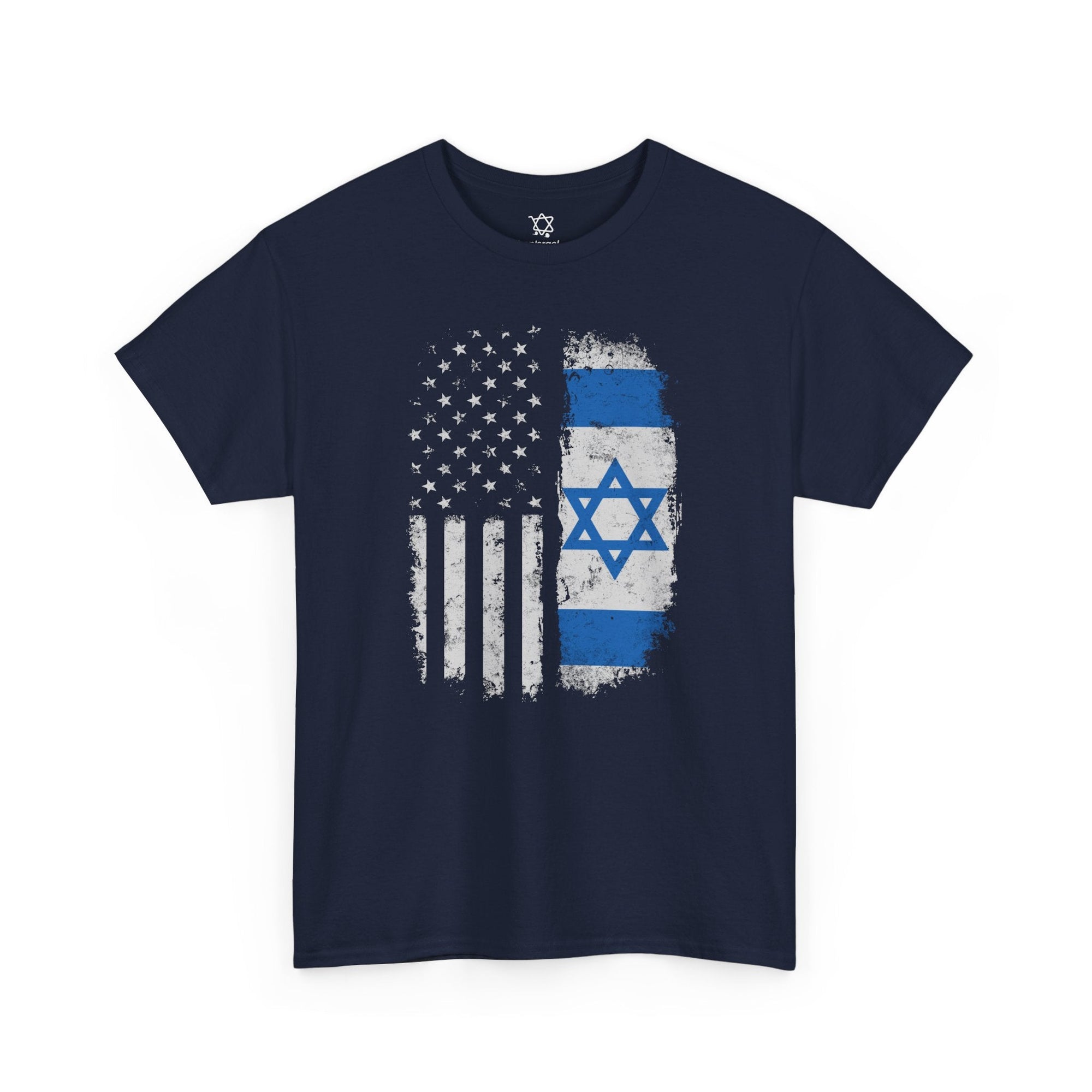
- Israel-themed apparel features symbols like the Star of David and biblical motifs, expressing national pride and spiritual connection.
- Proper care of Israel-themed clothing, such as washing inside out and storing away from sunlight, ensures longevity and vibrant symbolism.
1. Heritage Revival: Maskit's Contemporary Classic Line
What is Maskit's role in Israeli fashion history?
Maskit, founded in 1954 by Ruth Dayan, is Israel's only Maskit Israeli heritage fashion house. It played an important economic and cultural role by providing work for immigrant artisans and shaping Israeli fashion identity. The brand was a symbol of economic development during Israel's early years and became a representative of the country's diverse craftsmanship traditions.
How has Maskit been revived and modernized?
After closing in 1994, Maskit was revived in 2014 under Sharon Tal, who previously led embroidery at Alexander McQueen. This revival included launching a contemporary line called M by Maskit, blending heritage craftsmanship with modern styling. The brand expanded accessibility while maintaining its legacy of intricate beadwork and embroidery. Learn more at Maskit revival 2014 Sharon Tal.
What fashion trends does Maskit influence with its color palette?
Maskit's spring 2022 collection was inspired by Israel's desert and natural landscape colors, using natural hues like blush and sage green. These tones reflect the Israeli environment and are predicted to influence international fashion trends as early as 2026, bringing attention to Middle Eastern-inspired aesthetics. Details available at Maskit campaign natural tones blush sage green.
How does Maskit extend its influence internationally?
Maskit has gained international recognition, especially in New York, by opening a pop-up store in SoHo and establishing its only standalone retail location on Wooster Street. Celebrity endorsements from icons like Audrey Hepburn historically, and collaborations with Sarah Jessica Parker and Molly Rogers, further elevate its global profile. This positions Maskit as an ambassador for Israeli heritage fashion on the world stage. Read more at Maskit SoHo pop-up New York 2022.
2. Art-Infused Couture by Contemporary Israeli Designers
Who Are the Leading Figures in Israeli Avant-Garde Fashion?
Contemporary Israeli fashion is making bold statements on the world stage, with designers like Noa Raviv and Alon Livne at the forefront. Their creations are not merely clothes but works of art that express Israel's rich cultural heritage and its dynamic present.
How Do These Designers Incorporate Art and Innovation Into Their Collections?
Noa Raviv and Alon Livne blur the lines between fashion and art by integrating cutting-edge materials and artistic concepts into their designs. This includes experimenting with texture, form, and technology to produce high couture pieces that are both visually striking and conceptually profound.
Which Celebrities Have Helped Raise the Profile of Israeli Couture?
The international celebrity clientele for these designers acts as powerful ambassadors, showcasing Israeli couture at global events and red carpets. This has elevated Israel's visibility in the fashion arena, highlighting the country's innovative approach to design.
What Global Impact Is Israeli High Fashion Making?
Pushing boundaries beyond traditional fashion, Israeli designers are creating collections inspired by national identity, blending their immigrant and multicultural backgrounds with modern aesthetics. Their work signals a new wave of global high fashion that is both deeply personal and universally appealing.
This fusion of artistry and couture not only celebrates Israeli cultural identity but also cements Israel's place on the international fashion map, inspiring future trends and dialogue about heritage and innovation.
3. The Subtle Symbolism Style: Jewish Motifs in Modern Streetwear
What Jewish traditional symbols are featured in modern fashion?
Jewish fashion has thoughtfully integrated symbols like the pomegranate, a biblical motif traditionally adorning priestly robes, into contemporary accessories such as bags and jewelry. Additionally, fringes known as tzitzit—woven tassels adhered to garments as a sign of faith—feature discreetly, embodying religious heritage while fitting modern style (Jewish aesthetics in fashion).
How is the high-low cultural fusion embraced in Jewish fashion?
This style marries traditional Jewish modesty with contemporary streetwear trends. Garments maintain silhouette and modesty rules consistent with tzniut—avoiding revealing cuts—while blending casual and urban elements. This fusion creates a proud and humorous aesthetic that honors heritage while engaging mainstream fashion audiences (Jewish aesthetics in fashion.
Why do designers favor subtle religious references over overt iconography?
Fashion rooted in Jewish culture often avoids overt religious symbols to maintain broad appeal and avoid alienation in secular contexts. By employing discreet nods such as stylistic fringes, textured fabrics reminiscent of sacred scriptures, and understated motifs, designers balance cultural pride with inclusivity (Jewish aesthetics in fashion.
Which brands embody this nuanced style?
Brands like Yentacore exemplify this subtle symbolism approach, favoring minimal crucifix imagery and emphasizing materials and design details inspired by Ashkenazi tradition and migration histories. Their collections reflect sacred tradition with a refreshingly accessible and fashionable edge, resonating deeply with diasporic communities and admirers worldwide (Jewish aesthetics in fashion.
4. Resilience and Solidarity: War-Inspired Symbolic Apparel
How have messages of hope and resilience been incorporated into Israeli clothing designs?
Israeli fashion designers have profoundly responded to recent national traumas, especially the Hamas attacks, by embedding messages of hope, resilience, and pride in their clothing. For instance, Yaniv Persy’s bridal gown tribute was inscribed with the names of victims and hostages, symbolizing collective mourning and determination. These garments serve as wearable tributes that express solidarity and encourage national healing.
What is the significance of the color yellow in war-inspired Israeli fashion?
Yellow representing hostages has become a powerful symbolic color, prominently conveying optimism. Designers like Eli Tala's use of yellow have embraced yellow not only for its association with captivity but also for its cheerful aspect, blending sorrow with hope. This color's visual presence in apparel and accessories fosters communal connection and awareness during difficult times.
How do jewelry and accessories reflect wartime symbolism?
Jewelry and accessory designers have incorporated evocative motifs, such as dog tag necklaces and torn bandage designs, to honor Israel’s ongoing conflicts. These items carry poignant messages, including slogans like "Together we will win", serving as subtle yet profound symbols of resilience. They allow individuals to wear their support and commitment to peace in everyday life.
How have Israeli fashion brands responded to current events with meaningful collections?
Fashion brands like Stella and Lori fashion brand response have swiftly designed collections featuring symbolism such as doves with yellow hair and “Time for Peace” slogans. These timely responses underscore the fashion community’s role in promoting hope and unity during crisis. By capturing the spirit of the moment through apparel, these brands amplify voices of solidarity both within Israel and internationally.
5. Multicultural Embroidery and Textile Traditions
How Have Yemenite, Bukharan, and Uzbek Embroidery Influenced Israeli Fashion?
Israeli fashion is rich with the vibrant embroidery traditions brought by immigrant communities from Yemen, Bukharan, and Uzbekistan. These distinct needlework styles feature intricate patterns and bold colors that grace modern Israeli garments, beautifully connecting the wearer to their ancestral heritage. Artisans from these cultures contributed not only craftsmanship but also cultural narratives woven into fabric, making embroidery a living symbol of Israeli immigrant culture in fashion.
What Role Do Arab Keffiyeh Patterns and Tallit-Inspired Stripes Play?
The Arab keffiyeh patterns and the Tallit-inspired fashion elements have been thoughtfully incorporated into Israeli textiles. These elements go beyond decoration; they express the country's layered identity, blending Jewish religious symbolism with Middle Eastern aesthetics. Designers utilize keffiyeh motifs in scarves, jackets, and dresses, while tallit-inspired stripes subtly adorn apparel and accessories, reflecting reverence for tradition and embracing cultural fusion.
How Does Multicultural Textile Art Reflect Israel’s Immigrant Identity?
Israel’s fashion is a vivid tapestry of its immigrant population, each wave contributing unique textile arts. Incorporating diverse embroidery and patterns communicates a narrative of unity and shared history in a multicultural society. The melding of these influences affirms pride in a collective identity, making clothing and fabrics a canvas where The Israel Museum's fashion artifacts come alive.
In What Ways Are These Traditions Applied in Modern Apparel and Home Fashion?
Contemporary Israeli designers and artisans apply these rich textile traditions to create apparel, accessories, and home décor items that resonate with both heritage and modern sensibilities. Embroidered blouses, beaded handbags, and decorative cushions are examples of how traditional motifs are reinterpreted for today’s fashion lovers and diaspora supporters. This fusion allows individuals worldwide to wear and display symbols of Israeli fashion and national emotion.
6. Minimalist Pioneering Aesthetic: Earth Tones and Utilitarian Design
How did early Israeli fashion reflect utilitarianism influenced by the desert climate?
Early Israeli fashion was deeply shaped by the country's harsh and arid desert environment. The pioneering settlers favored practical, loose-fitting clothing that could withstand the extreme heat and demanding physical labor. Utilitarianism was the guiding principle, with garments designed primarily for function over form, emphasizing simplicity and durability.
What characterized the simple silhouettes and materials suitable for high temperatures?
Clothing featured straightforward silhouettes—often unstructured and loose—to allow freedom of movement and ventilation. Cotton was a popular material due to its breathability and comfort in high temperatures. Earth tones dominated the palette, reflecting the natural desert surroundings and aligning with the pioneering ethos of connection to the land, a theme prevalent in Early Israeli desert climate clothing.
How has the minimalist earth-tone style seen a revival?
In recent years, there has been a resurgence of interest in the minimalist aesthetic rooted in early Israeli fashion. Designers are reinterpreting the iconic earth-tone wool desert coats and simple cotton tunics, blending heritage with contemporary sensibilities. This revival celebrates practicality combined with elegance, tying back to the pioneering spirit while appealing to today's fashion-conscious and environmentally aware consumers, reminiscent of the style embraced by the Maskit Israeli heritage fashion house.
Why does this practical yet stylish fashion resonate with modern sustainability trends?
The utilitarian designs naturally align with sustainability values: garments emphasize quality, durability, and timeless style rather than fleeting trends. Their minimalist approach reduces waste and promotes mindful consumption, resonating strongly with modern consumers committed to ethical fashion. This fusion of heritage and sustainability positions the minimalist pioneering style as both a cultural symbol and a relevant lifestyle choice for global audiences, echoing the ethos found in Jewish aesthetics in fashion.
7. Popular Israel-Themed Everyday Apparel and Accessories
T-shirts, Hoodies and Hats Featuring Israeli Flags and Jerusalem Landmarks
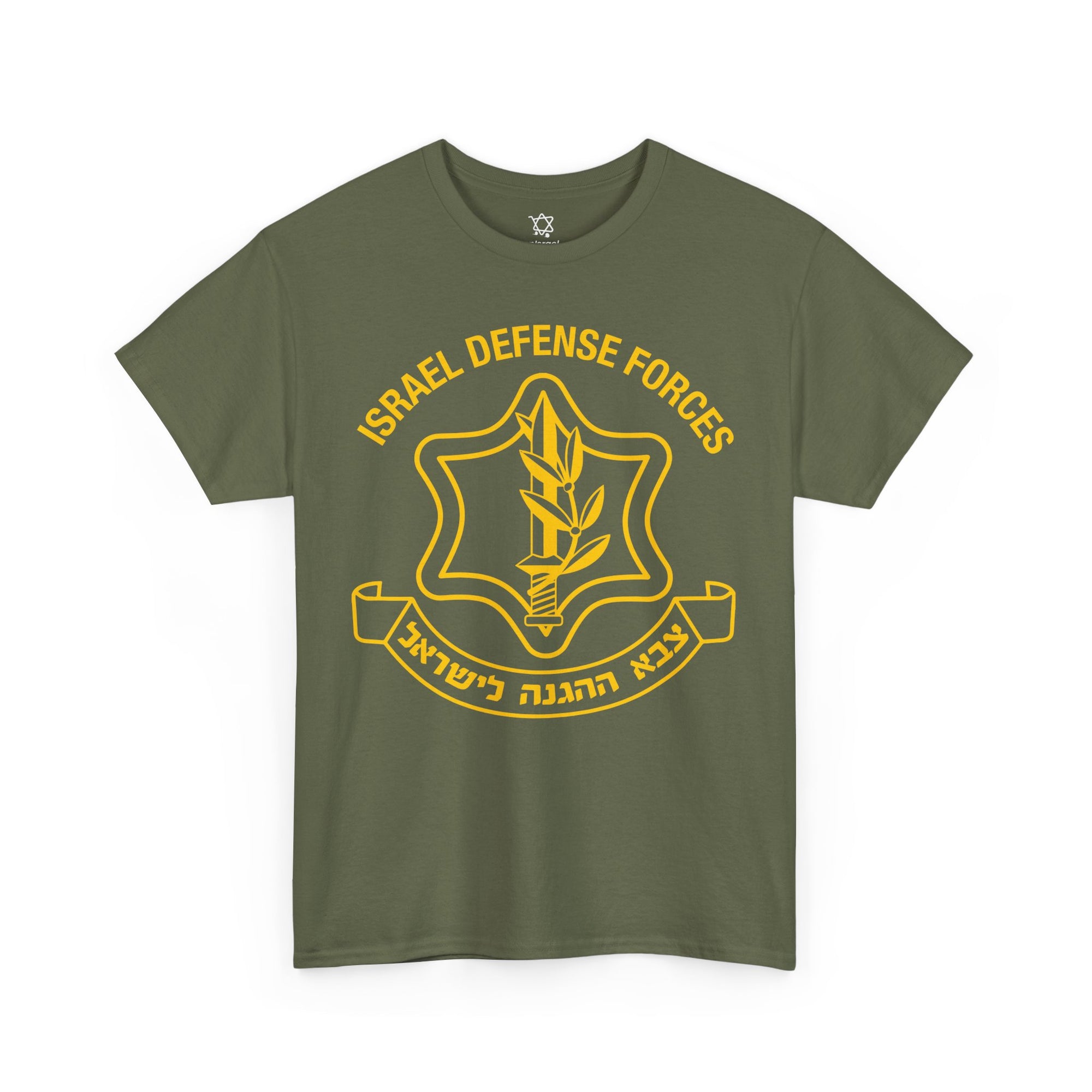
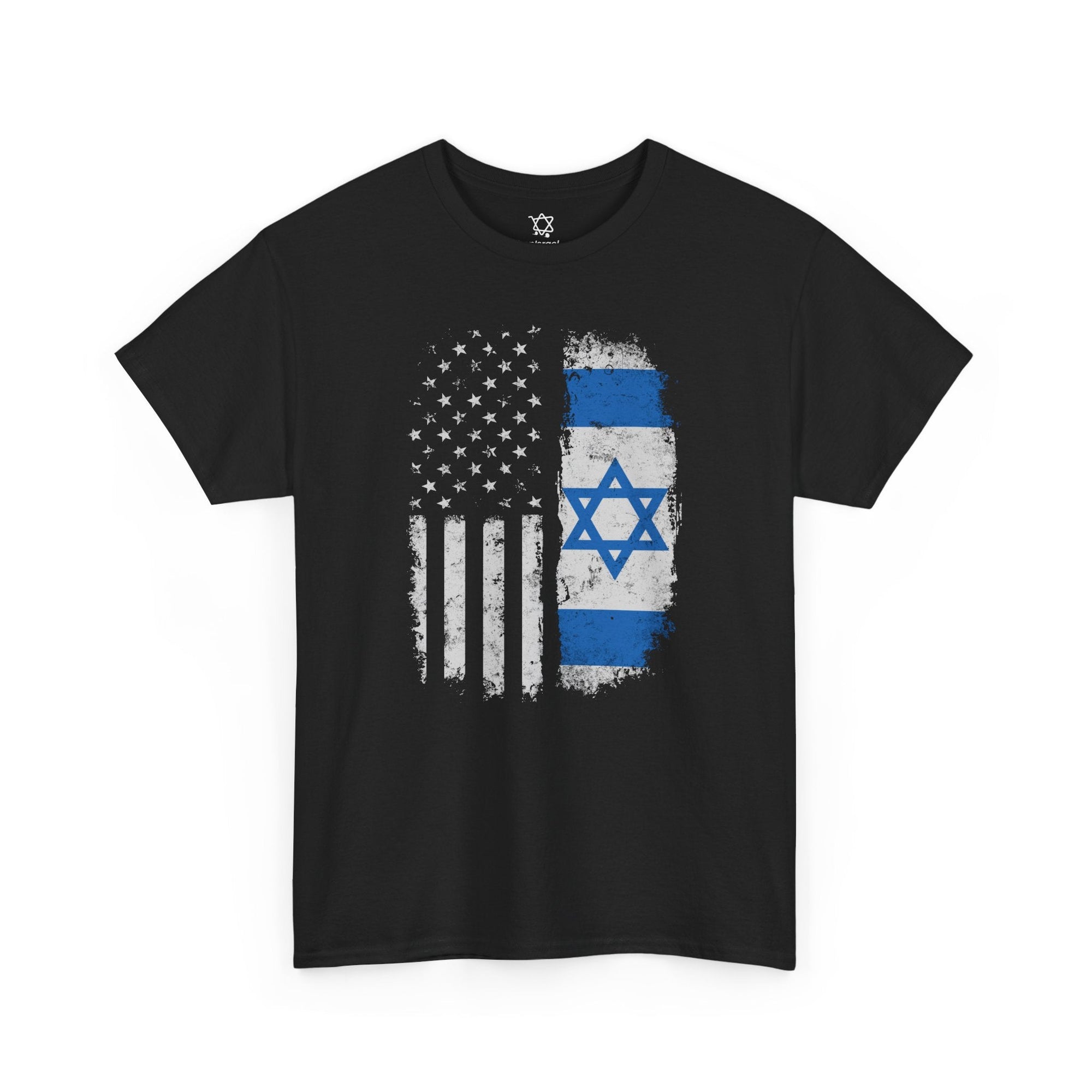
Israeli-themed clothing like T-shirts, hoodies, and hats prominently display symbols such as the blue and white Israeli flag and iconic Jerusalem landmarks. These items serve as wearable expressions of patriotism and connection to the homeland, making them favorites among supporters worldwide, especially in the diaspora community.
Jewelry Including Star of David Necklaces and Hamsa Amulets
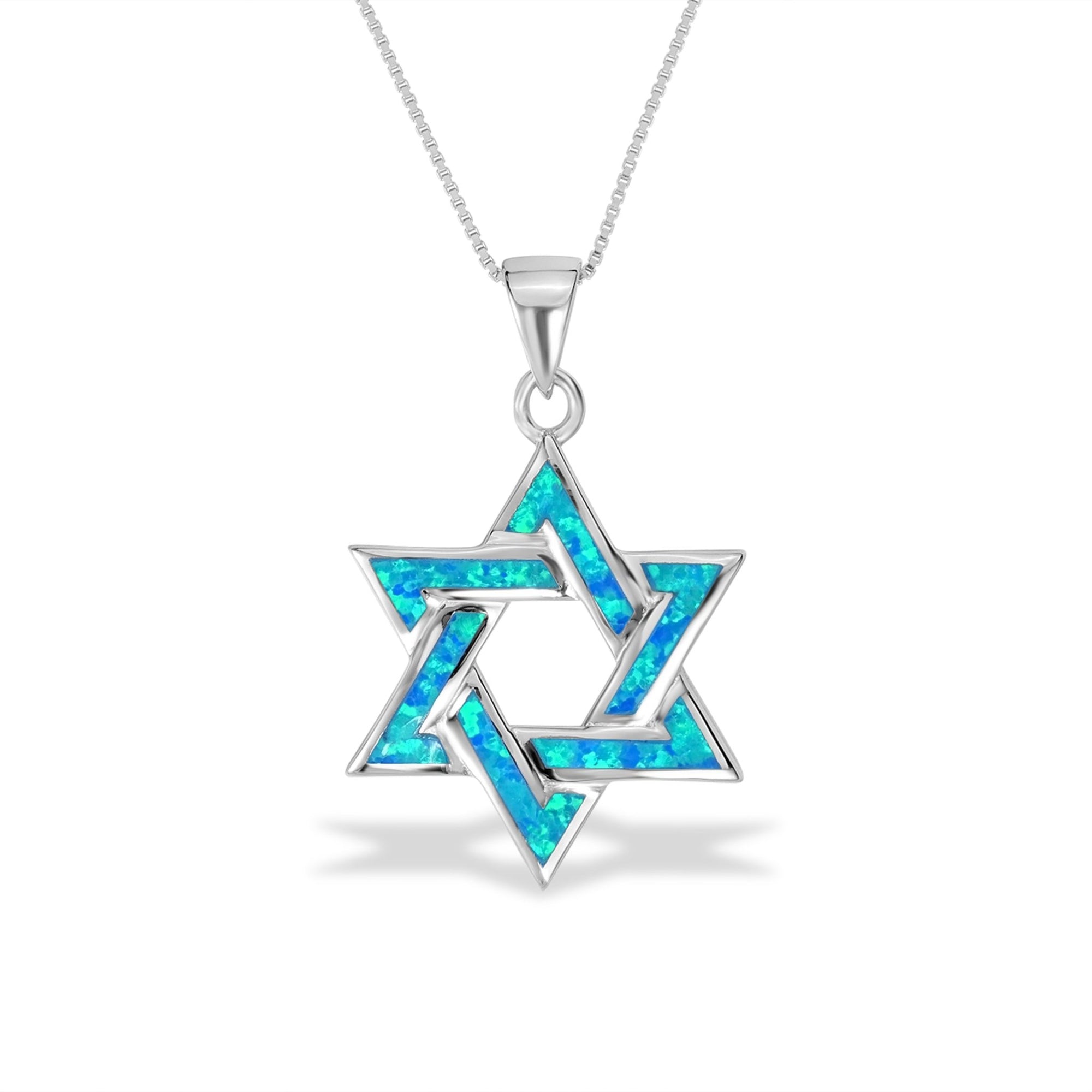
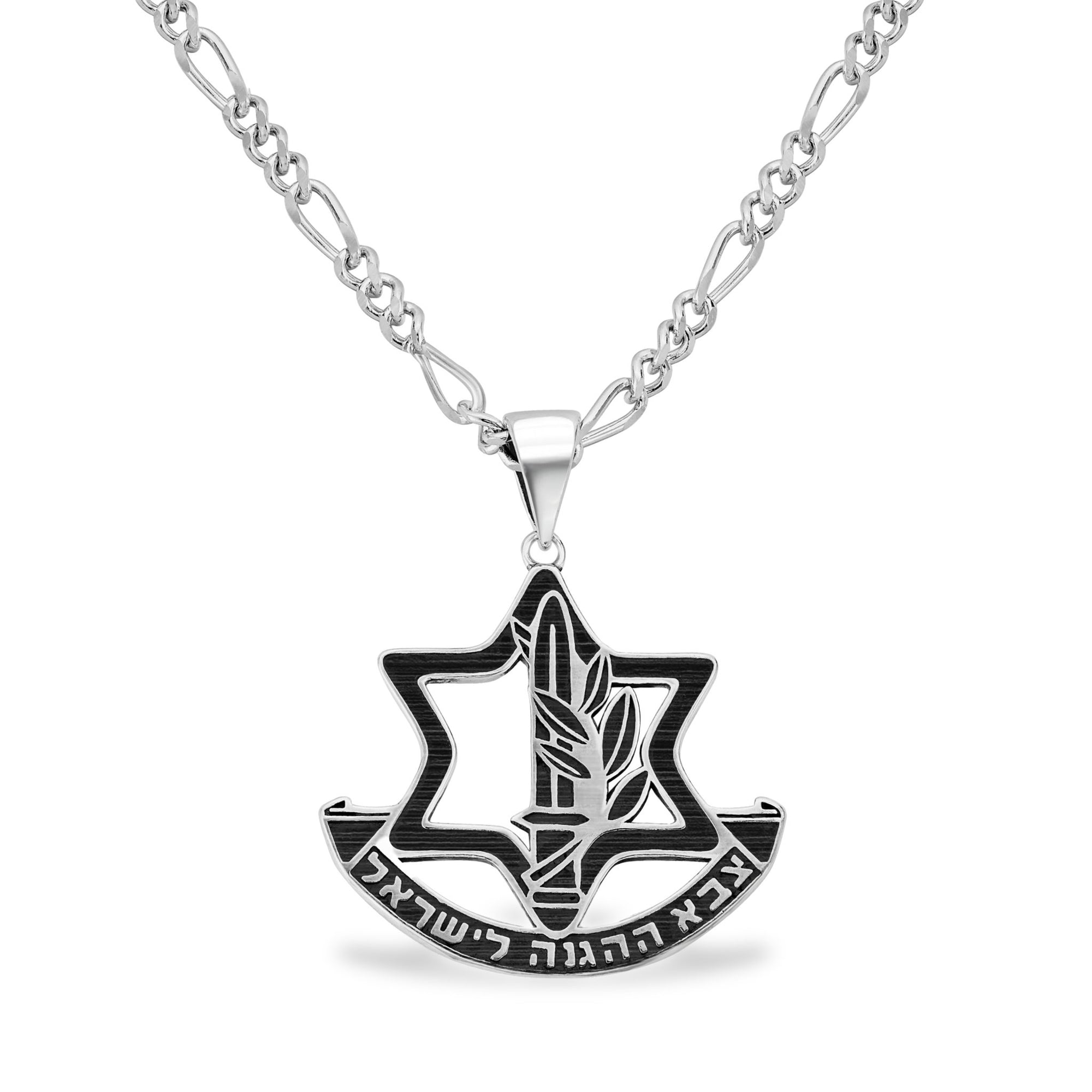
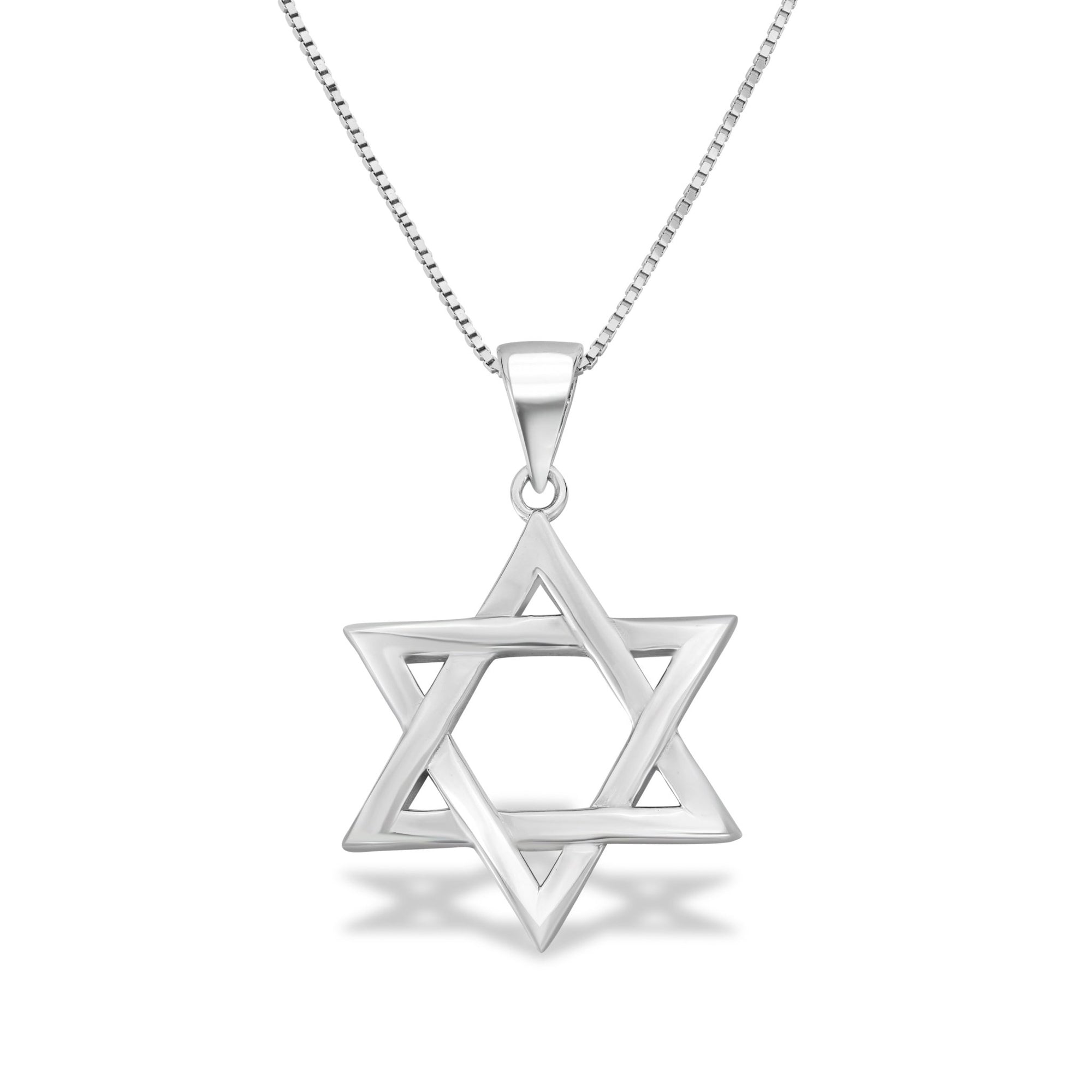
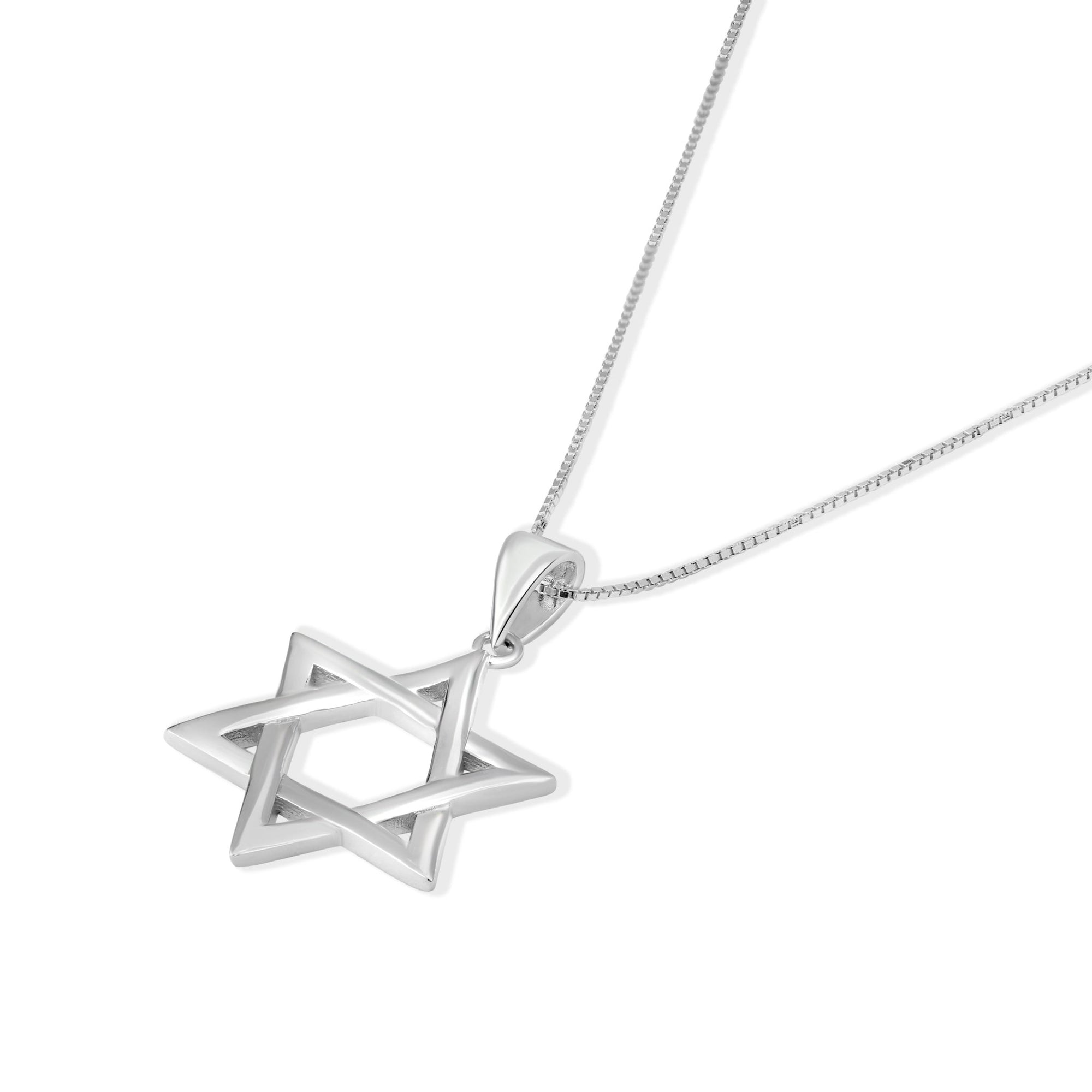
Jewelry featuring Jewish symbols, such as Star of David necklaces and Hamsa amulets, combines cultural heritage with personal style. These pieces offer a subtle yet powerful way to showcase Jewish identity, spirituality, and protection, resonating deeply with those who wear them.
Scarves and Bags Incorporating Hebrew Inscriptions and Biblical Motifs
Scarves and bags often incorporate Hebrew lettering and biblical motifs like pomegranates and olive branches, connecting wearers to their rich Jewish heritage. These accessories blend tradition with contemporary fashion, inspired by heritage brands like Maskit Israeli heritage fashion house that revive artisanal embroidery and natural tones reflecting the Israeli landscape.
How These Items Foster Pride, Community and Cultural Solidarity
Wearing Israel-themed apparel and accessories creates a strong sense of belonging and pride. They serve as visual affirmations of Jewish history, faith, and resilience. In times of national challenge, these items become symbols of solidarity, hope, and cultural pride, strengthening bonds across Israeli and diaspora communities worldwide as reflected in Israeli fashion and national emotion and Jewish aesthetics in fashion.
Symbolism and Meaning Behind Israel-Themed Fashion
What are the key themes and messages behind Israel-themed clothing and accessories?
Israel-themed fashion speaks deeply to national pride and Jewish heritage. Clothing and accessories commonly showcase symbols such as the Star of David and menorah—icons that resonate with spiritual and historical significance across Jewish and Israeli culture.
Early Israeli fashion also celebrated cultural identity through garments rich with biblical and historical references. Linen tunics and priestly vestments were not just practical but carried a sacred meaning tied to Jewish tradition. Patterns inspired by Yemenite embroidery in Israeli dress and Arab keffiyeh patterns reflect Israel's multicultural mosaic, honoring the various communities that compose the nation's fabric.
How do religious and historical symbols feature in Israeli fashion?
Jewish religious motifs appear subtly and boldly alike. Items often include pomegranates, representative of fertility and righteousness in the Bible, and fringes (tzitzit) that symbolize commandments. The balance between modesty and modernity is evident in both traditional and contemporary Israeli apparel, connecting wearers with ancient traditions while embracing present-day style.
What cultural significance do colors like white, blue, and purple hold?
Colors carry profound meaning in Israel-themed fashion. White and blue are direct nods to the Israeli flag and the tallit (prayer shawl), representing purity, faith, and national identity. Purple historically signals royalty and divinity, recalling the priestly robes described in sacred texts. Designers utilize these hues to infuse their work with layers of symbolic resonance.
How is cultural identity and spiritual pride expressed through apparel?
Israeli fashion is more than clothing—it's a medium for expressing allegiance and continuity. Wearing apparel embedded with meaningful symbols and colors fosters a visible connection to Jewish heritage and the State of Israel. This expression of pride speaks to diasporic communities as well, who use fashion to celebrate their roots and convey solidarity with Israel's history and future.
| Aspect | Symbol/Color | Cultural Significance |
|---|---|---|
| National Symbolism | Star of David | Jewish identity and protection |
| Religious Iconography | Menorah, Pomegranates | Spiritual legacy and biblical tradition |
| Colors | White and Blue | Purity, faith, Israeli flag and tallit inspiration |
| Colors | Purple | Royalty, divinity, priestly heritage |
| Textile Patterns | Yemenite embroidery | Multicultural heritage and craftsmanship |
| Garment Elements | Tzitzit (fringes) | Commandments, modesty, tradition |
Expressing Support and Identity Through Israel-Themed Merchandise
How can wearing Israel-themed merchandise express support for Israeli culture and heritage?
Wearing Israel-themed clothing and accessories is a powerful way to display pride in Israeli identity and heritage. These items are not just fashion statements; they embody deep cultural roots, history, and shared values, drawing from The Israel Museum's fashion artifacts and the rich Israeli immigrant culture in fashion.
What role does Israel-themed fashion play in community-building and solidarity?
Israel-themed merchandise helps build a sense of belonging among diaspora communities and supporters worldwide. It acts as a visual bond connecting individuals who cherish Israeli culture and Jewish heritage, similar to how Jewish aesthetics in fashion blend tradition and identity. During turbulent times or commemorative events, attire featuring symbolic colors in Israeli fashion fosters solidarity, reminding wearers and onlookers of unity and resilience.
How are visual statements of support expressed internationally through fashion?
In global settings, Israel-themed clothing serves as a symbol of pride, hope, and cultural identity. The use of symbolic colors such as the Israeli blue and white or meaningful motifs derived from Judaica and traditional textiles, communicate allegiance and reverence. This visual vocabulary encourages dialogue, cultivates awareness, and invites curiosity about Israel’s rich historical tapestry.
How do Israel-themed items promote cultural awareness?
Israel-themed apparel and gifts educate others by showcasing iconic symbols and traditional designs inspired by Israel’s diverse immigrant communities and landscapes. They reflect the multicultural nature of Israeli society—mixing modern fashion with ancient heritage, as seen in the Maskit Israeli heritage fashion house revival. Wearing such merchandise creates opportunities for conversations surrounding Israeli history, Jewish customs, and contemporary cultural expression.
Table: Expressions and Impact of Israel-Themed Merchandise
| Expression Type | Purpose | Cultural Impact |
|---|---|---|
| Apparel (T-shirts, Hoodies) | Public demonstration of identity | Fosters solidarity and pride |
| Jewelry (Star of David, Pomegranates) | Personal connection to heritage | Exhibits sacred symbolism with style |
| Accessories (Kippahs, Scarves) | Religious and cultural affiliations | Honors tradition with modern appeal |
| Fashion Collaborations (Maskit revival) | Heritage meets contemporary style | Brings Israeli heritage global attention |
By choosing to wear Israel-themed clothing, supporters actively engage in a visual and emotional dialogue about their roots, identity, and hopes for Israel’s future — making fashion a meaningful vehicle for cultural pride and unity.
Caring for Your Israel-Themed Clothing
How can customers care for and maintain Israel-themed clothing to ensure longevity?
Israel-themed apparel carries meaningful cultural and national symbolism, making it important to preserve its beauty and message through proper care. To extend the life of these garments, always follow the care instructions provided on the garment's label.
Best practices for maintaining and extending the life of Israel-themed apparel
Wash your clothing inside out using cold water. This helps protect the colors and prints from fading. Use mild detergents free of bleach or harsh chemicals, as these can damage intricate designs. For delicate patterns or embroidery, hand washing is ideal. Alternatively, use your washing machine’s gentle cycle to minimize wear.
Proper washing and drying techniques
Avoid high heat when drying. Air drying is the best option to maintain the garment’s shape and vibrant colors. If you must use a dryer, choose a low heat setting to prevent shrinkage and fading. Avoid wringing or twisting the clothing, which can deform delicate fabrics.
Storage tips to keep garments vibrant and intact
Store Israel-themed clothing in a cool, dry place away from direct sunlight, which can fade colors and weaken fibers over time. Folding garments carefully or hanging them on padded hangers prevents creasing and stretching.
By respecting these care guidelines, supporters and members of the diaspora can ensure their Israel-inspired fashion remains a proud, lasting expression of heritage and solidarity, drawing inspiration from The Israel Museum's fashion artifacts, Jewish aesthetics in fashion, and Maskit Israeli heritage fashion house.
Israel-Themed Fashion: A Vibrant Expression of Heritage and Hope for 2026
Defining Styles of Israeli Fashion in 2026
Israeli fashion today thrives on a rich blend of heritage and modern creativity. From utilitarian earth-tone wool coats inspired by early pioneers’ needs to couture that reflects immigrant cultures, fashion in Israel constantly celebrates its multicultural roots. Contemporary designers like Noa Raviv and Alon Livne lead the charge, blending traditional embroidery, tallit-inspired stripes, and even keffiyeh patterns with cutting-edge designs.
Cultural and Symbolic Resonance
Clothing is more than fashion—it’s a statement of identity and resilience. Israeli apparel incorporates symbols of hope, pride, and remembrance. Use of colors like yellow honors hostages and conveys solidarity. Designs including hearts, lions with cracked hearts, and olive branches express a collective yearning for peace and national unity.
Embracing These Styles
For diaspora communities and supporters, Israeli fashion offers a compelling way to show pride and connection. The surge in heritage-focused brands like Maskit, with its natural desert-inspired hues, and jewelry featuring biblical motifs such as pomegranates, bridges tradition with contemporary grace.
Fashion as a Bridge
Israeli fashion powerfully unites heritage and modern expression. It honors tradition while inspiring hope, making it a meaningful choice for those seeking to celebrate Jewish pride and cultural identity in their wardrobes today and beyond.
Wear your answer
However the celebrities land, you can make your own support visible.
• Pomegranate Necklace
• All Black Star of David Necklace
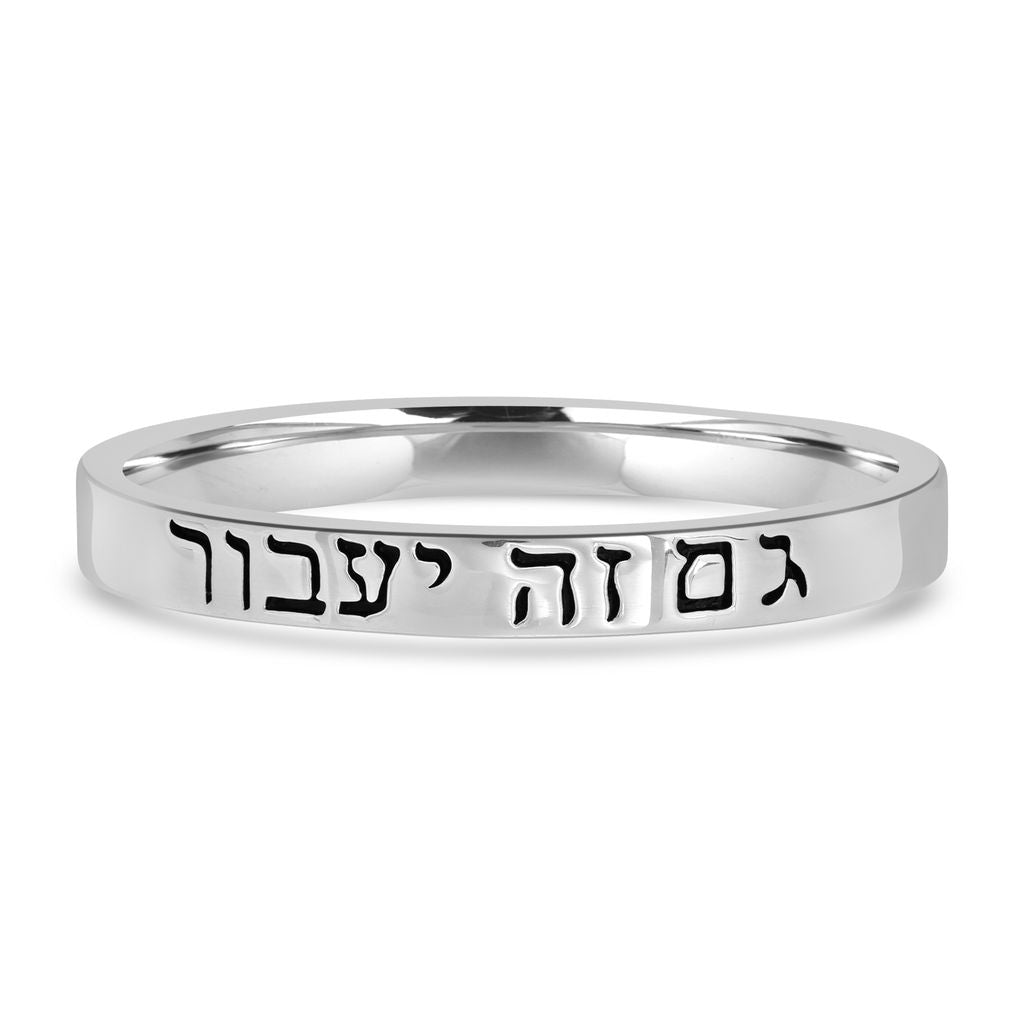
• This Too Shall Pass Band Ring
Related: Does Drake Support Israel?