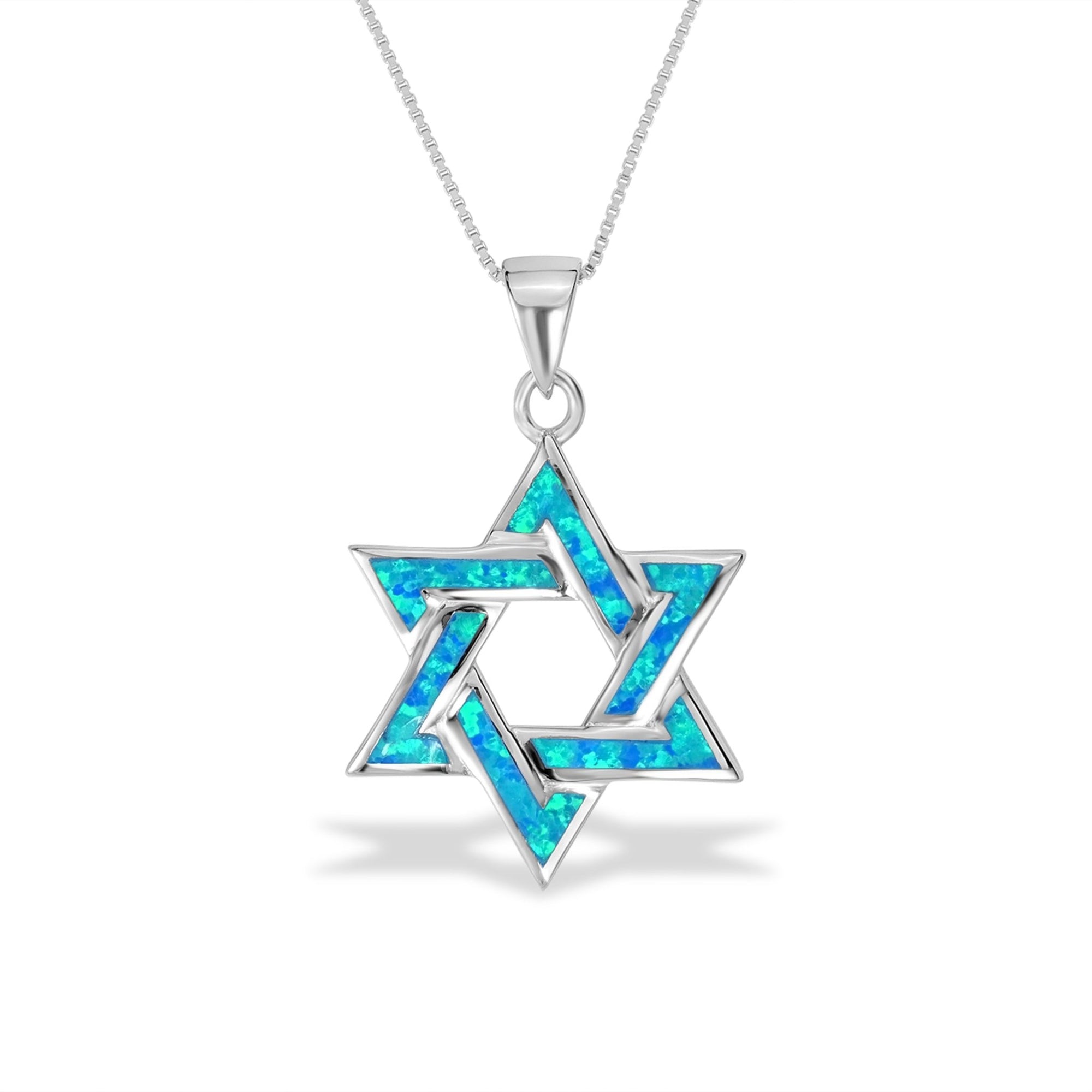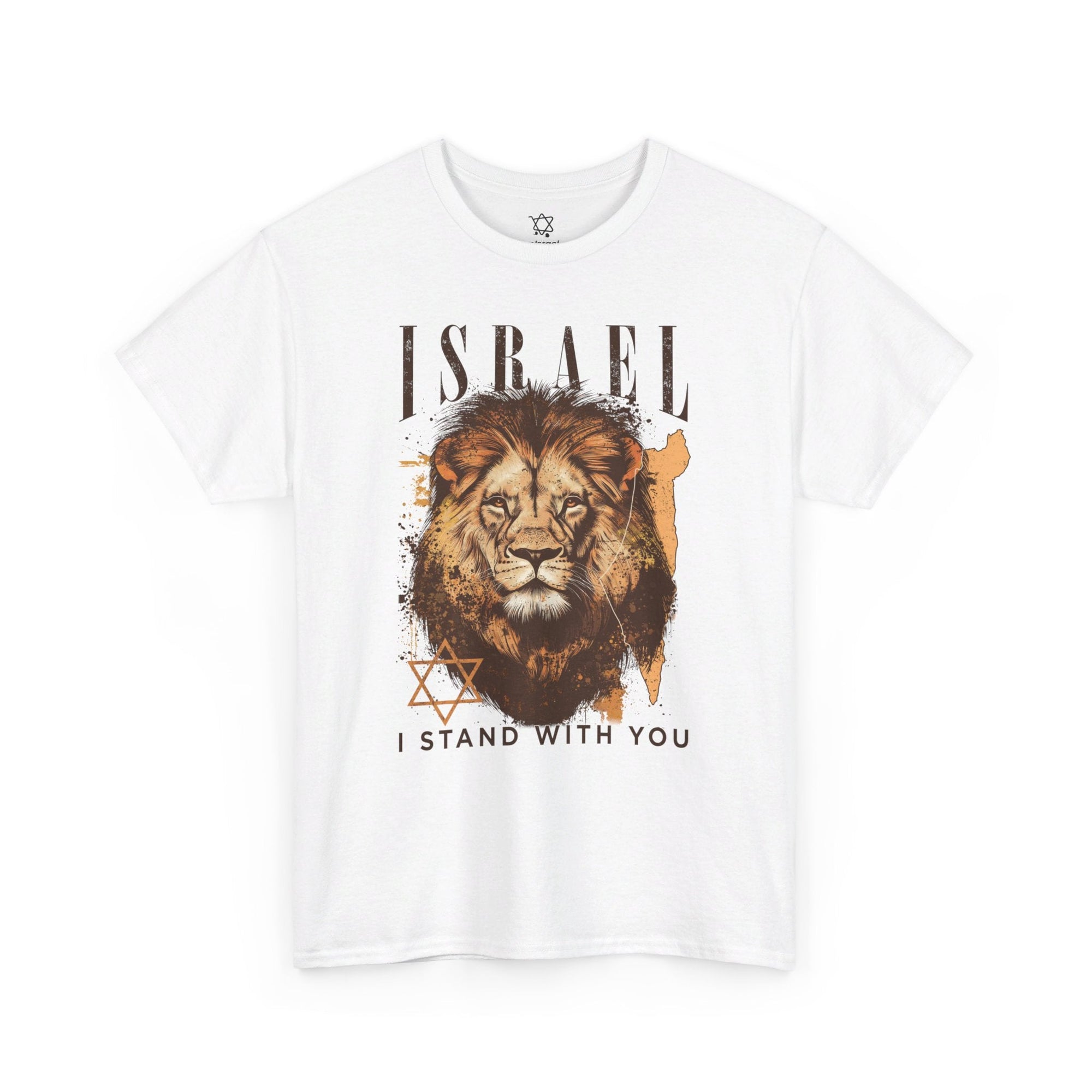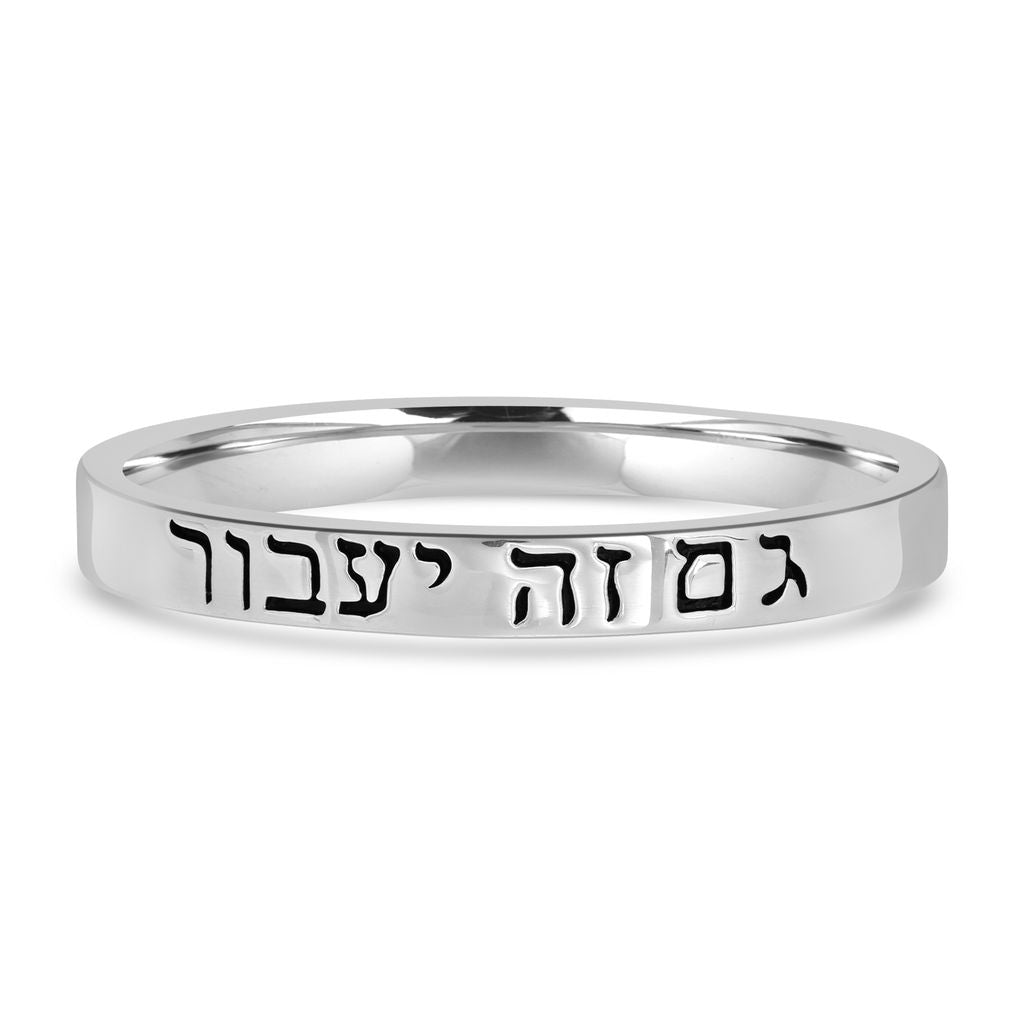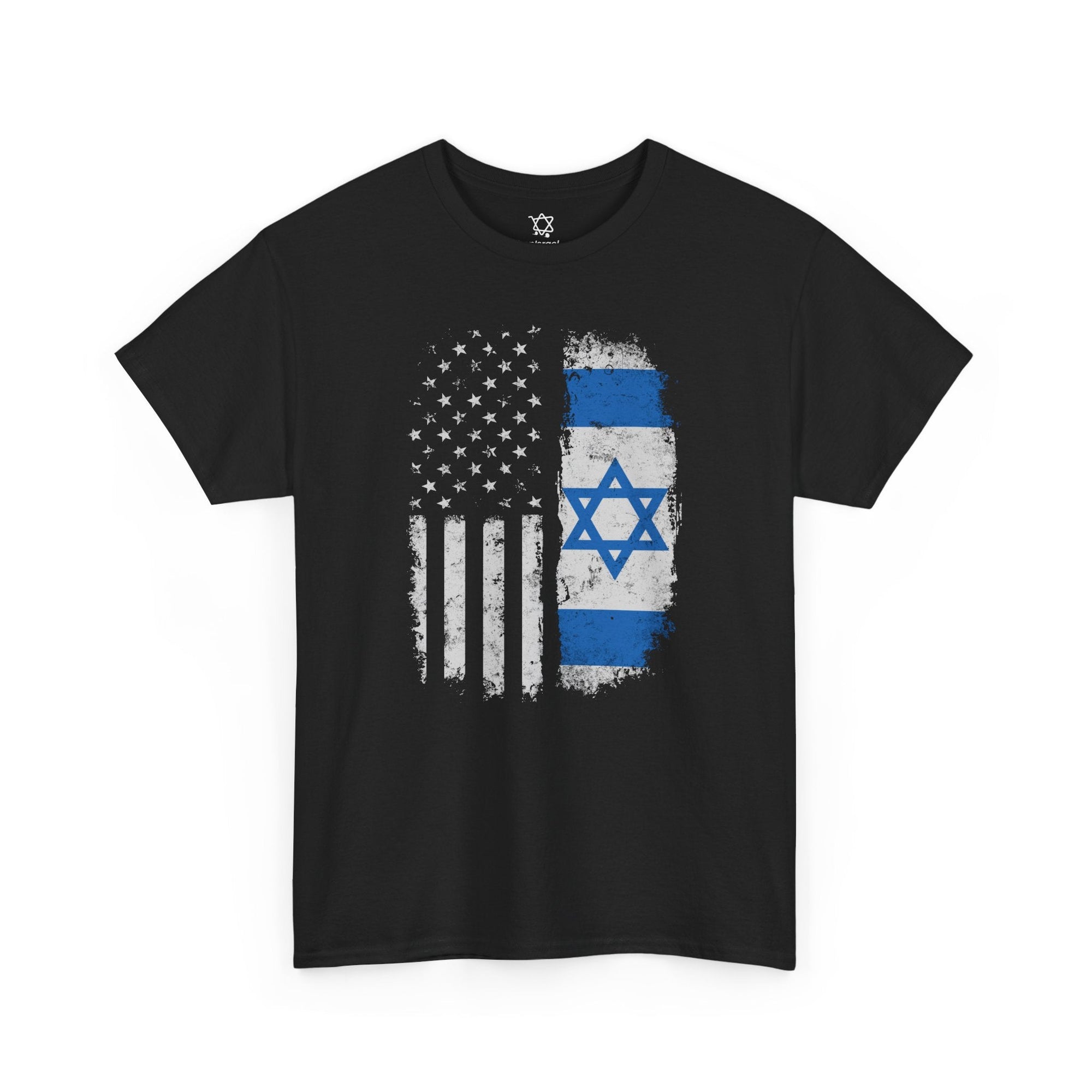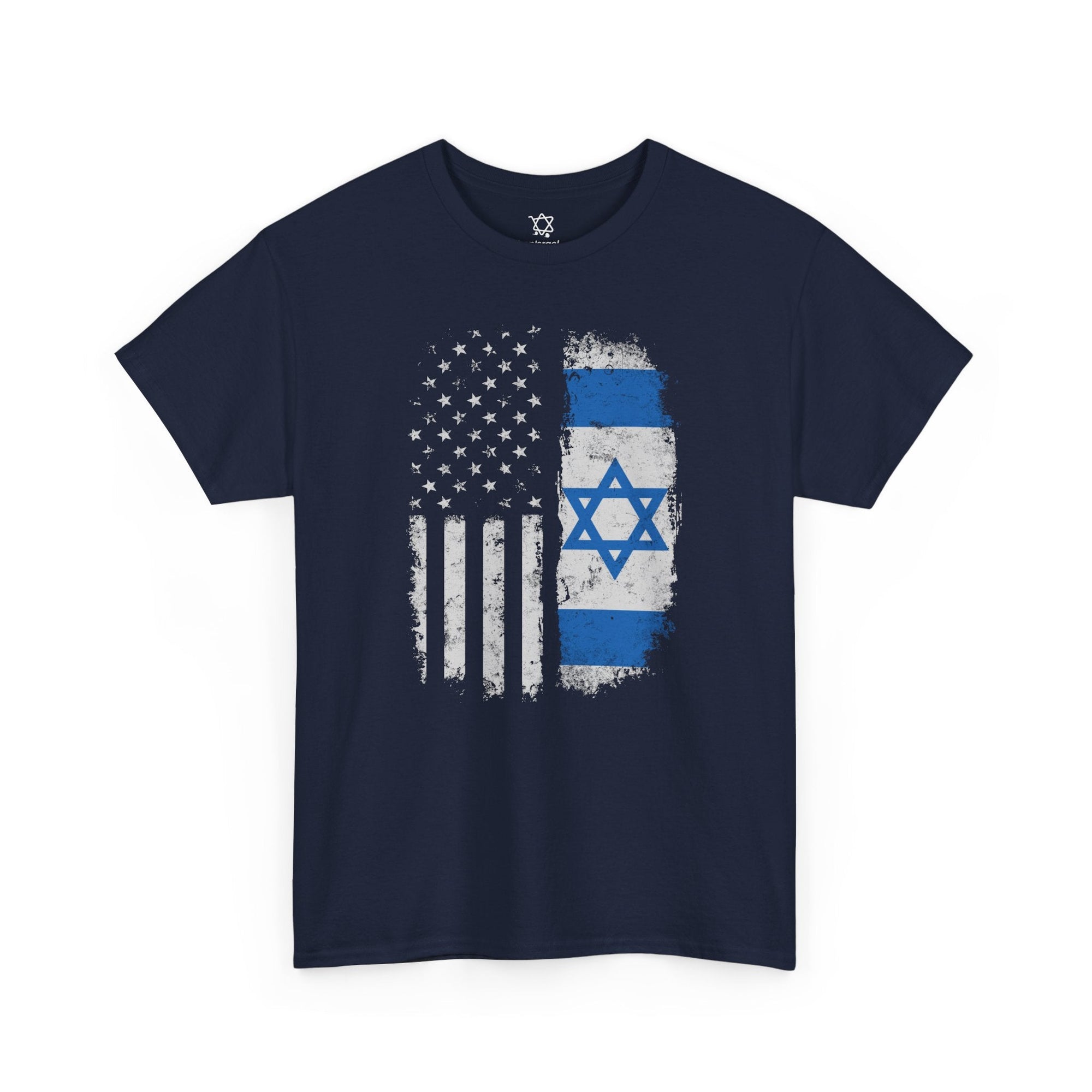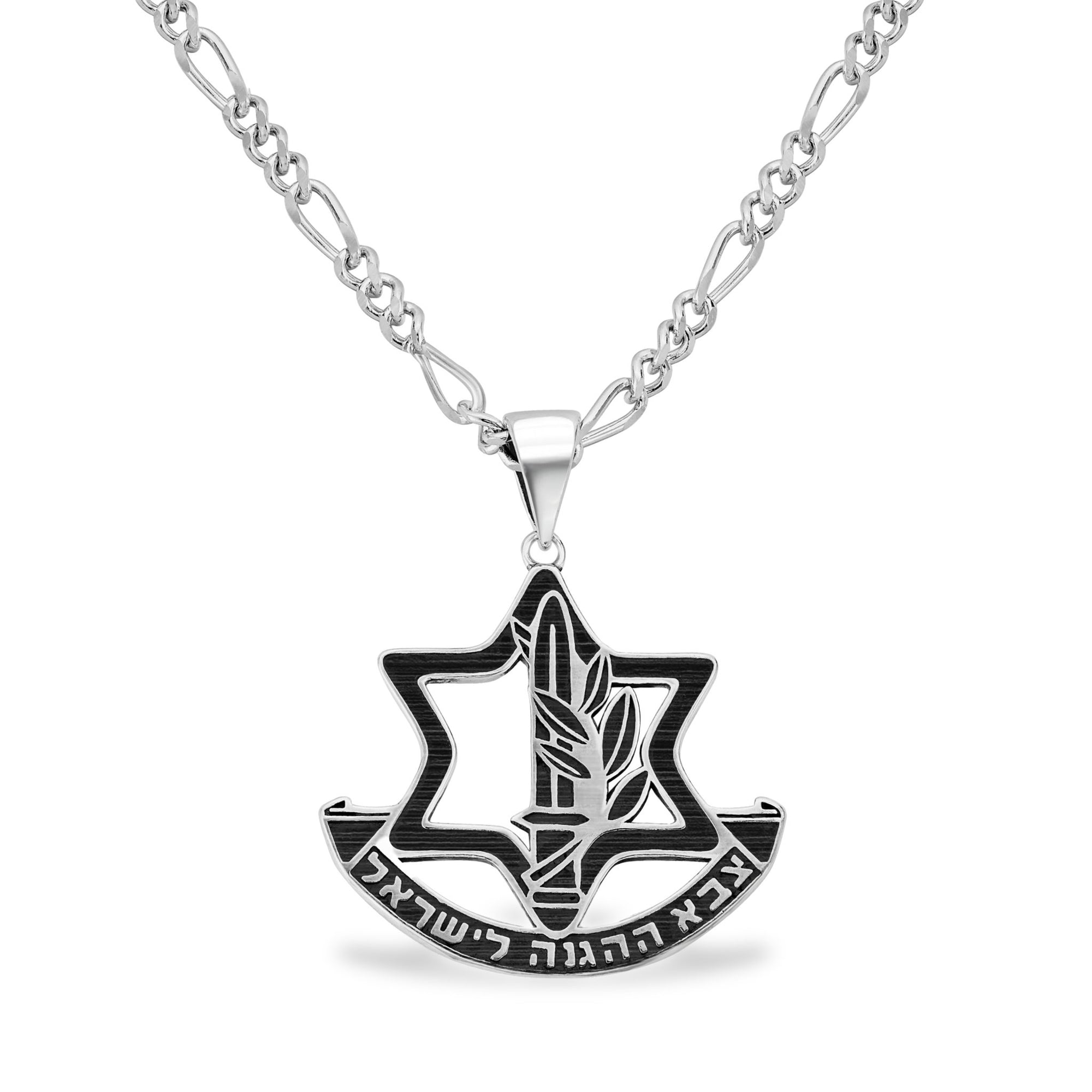


Short answer: Wearing Israel-themed accessories with confidence comes down to knowing what the symbol on your body actually means. A Star of David pendant carries a documented path from 17th-century Jewish identifier to the emblem of the 1897 Zionist Congress to the flag adopted by the State of Israel in 1948. A hamsa is not exclusively Jewish at all: it is a shared Jewish, Muslim, and broader Middle Eastern protective symbol with contested origins. Once you can speak to that history instead of just liking the look, the piece stops being decoration and starts being something you can wear with your chin up.
Where the Star of David actually comes from
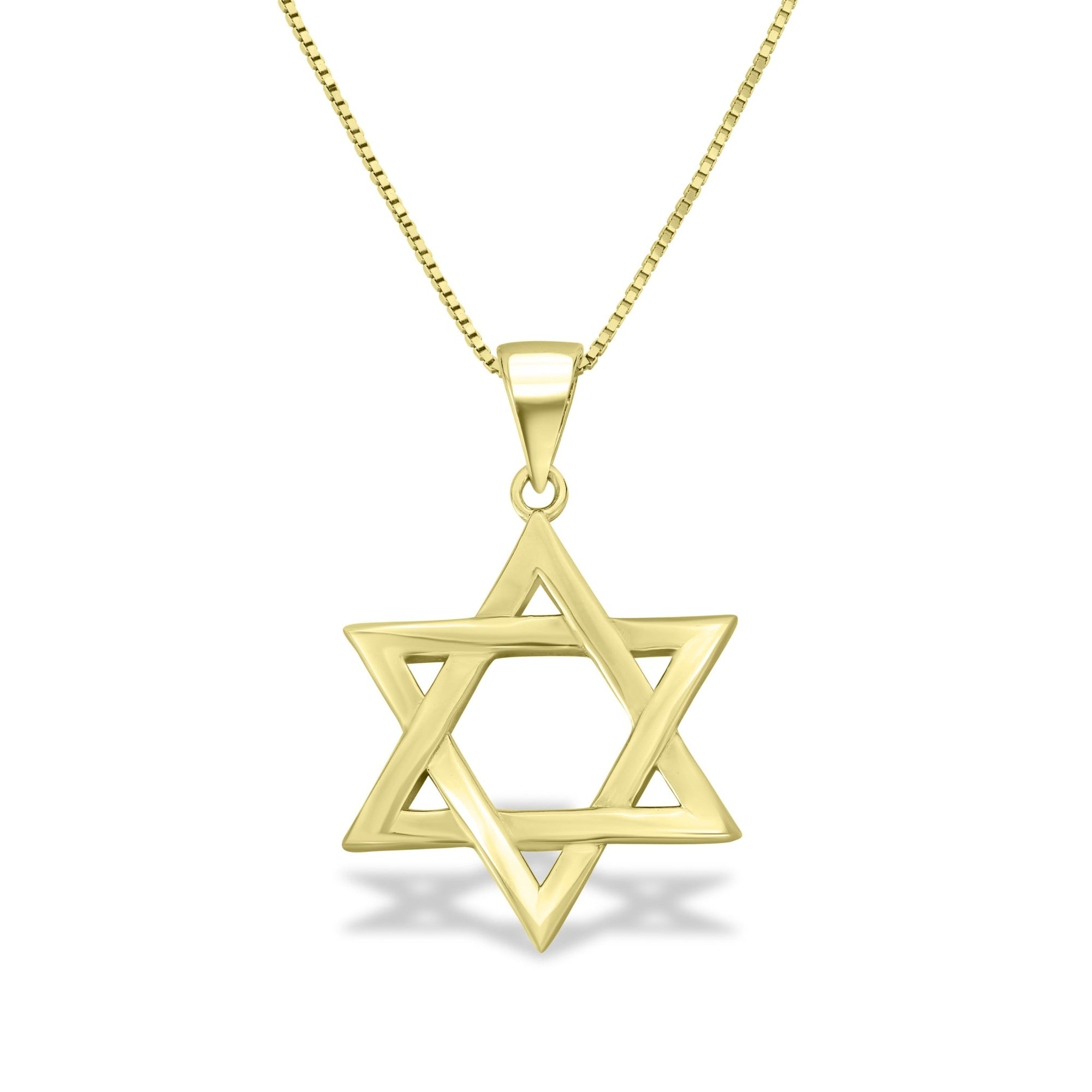
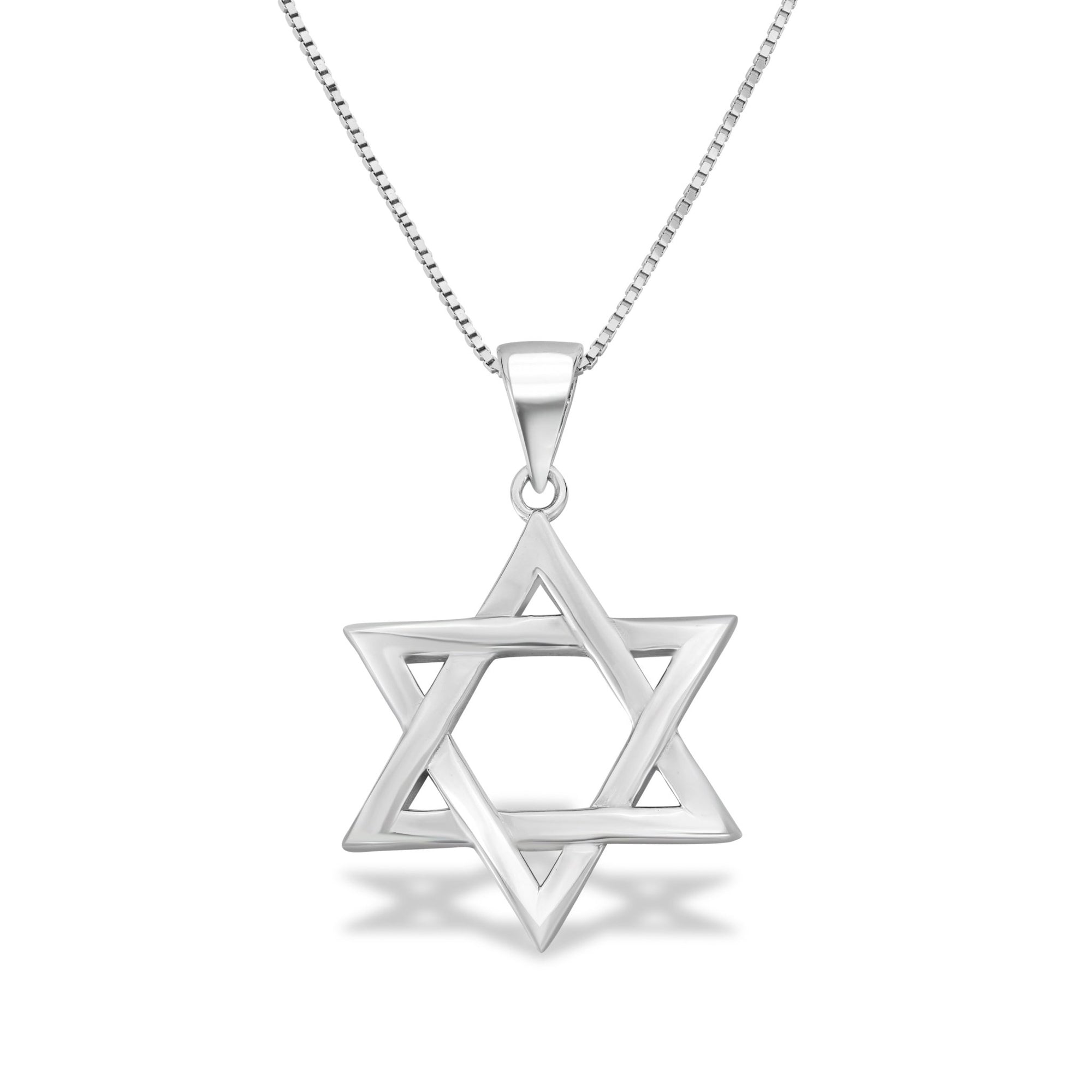
The six-pointed star (Magen David, "Shield of David") shows up across many cultures as a geometric hexagram long before it belonged to anyone in particular. Its specific tie to Jewish identity is usually traced to 17th-century Prague, where it became associated with Jewish communal life well before it meant anything national (Wikipedia; My Jewish Learning). The turn toward a national symbol came later: the First Zionist Congress in Basel adopted it as its central emblem in 1897, and it has carried that dual meaning, Jewish identity plus Zionist and later Israeli nationhood, ever since (Wikipedia). That is not a marketing story. It is roughly three centuries of documented use, which is exactly why the symbol still lands with weight on a necklace or ring today.
Why the blue and white, and what the hamsa really is
The Israeli flag's blue-and-white palette, which shows up across most Israel-themed accessories, is not an arbitrary color choice either. The design originated with the village of Rishon LeZion in 1885 and was formalized by David Wolffsohn at the 1897 Zionist Congress, drawing directly on the stripes of a tallit, the Jewish prayer shawl. The blue itself traces back to tekhelet, a biblically referenced indigo dye historically used in tzitzit, the ritual fringes tied to a tallit's corners (Wikipedia). The flag became official on October 28, 1948, but its stripes were quietly encoding a prayer garment for more than sixty years before that.
The hamsa deserves a more careful word. It is often sold alongside Star of David pieces, but it is not a specifically Jewish symbol, and treating it as one misses the point of what makes it interesting. Its origins are genuinely contested among Islamic, Christian, and pre-religious sources: Arabic tradition ties the open hand to Fatima, daughter of the Prophet Muhammad, while Jewish tradition ties it to Miriam, sister of Moses. In medieval Spain, Sephardic Jewish and Muslim communities both embraced the amulet, at times pairing it with the Star of David for protection (My Jewish Learning; Wikipedia). Wearing a hamsa as part of Jewish or Israeli identity is entirely legitimate, it has real history there, but the honest version of that history is "shared symbol with deep roots on both sides," not "exclusively Jewish charm."
Wearing the story, not just the shape
None of this history requires a lecture every time someone asks about your necklace. It just means you have a real answer instead of an "I liked how it looked" shrug, and that is where confidence actually comes from with symbolic jewelry. A Star of David pendant can be a quiet nod to a 130-year-old national emblem. A hamsa can be a nod to a protective tradition that Jewish and Muslim communities in Spain once shared side by side. Either way, the piece is doing more work than most jewelry does, and knowing that changes how it sits on you.
If you want to build a piece around that history rather than buy something generic, Shop Israel's Star of David jewelry collection is a straightforward place to start: necklaces, rings, and earrings built around the same emblem that has carried Jewish and Israeli identity since the 1897 Zionist Congress, in styles ranging from understated to statement-making.
Related
- Symbolism Behind Israeli Jewelry Designs You Should Know
- Incorporating Israel-Themed Accessories Into Your Daily Look
- 6 Unique Jewelry Designs Inspired by Israeli Culture and Symbols
Last updated July 2026.