

Short answer: Jewish holiday dress is not just custom, it carries documented symbolism worth building a wardrobe around: white clothing and the kittel on Rosh Hashanah and Yom Kippur signal purity and renewal, everyday modest dress (kippot, hair coverings) reflects the laws of tzniut, and Star of David or hamsa jewelry ties directly back to well-recorded Jewish and Israeli history. Building a holiday look around these pieces is less about trend-chasing and more about wearing something that actually means something.
Why white shows up so often on the High Holidays
The clearest, best-documented dress custom in the Jewish calendar is the wearing of white on Rosh Hashanah and Yom Kippur. In Ashkenazi tradition, many married men (along with the Seder leader, the cantor, and the bridegroom on his wedding day) wear a kittel, a simple white linen or cotton robe. On Yom Kippur specifically, the whiteness is tied to the biblical image of sins becoming "white as snow," and the garment is read as a symbol of purity, equality, and spiritual renewal, all worshippers, regardless of means, appear the same. That single, sourced custom explains why white clothing in general (shirts, dresses, accessories) feels so natural for High Holiday dressing: it is not a fashion trend, it is a centuries-old visual shorthand for starting the year clean.
It is worth being precise here rather than sweeping: this white-garment custom is specifically tied to Rosh Hashanah, Yom Kippur, and a handful of other significant moments (weddings, the Seder). It is not a universal dress code across every Jewish holiday, Purim costumes and Sukkot dress follow very different customs. Treat the kittel and the "white as snow" imagery as the anchor for the fall holidays, not a blanket rule for the whole calendar.
Modesty, identity, and everyday holiday dressing
Alongside the High Holiday white-clothing custom, Jewish dress more broadly is shaped by tzniut, the laws of modesty. In observant communities this shows up in visible, everyday ways: men commonly wear a kippah and, in stricter communities, avoid short sleeves; married Orthodox women are required to cover their hair in public, traditionally with snoods, falls, or hats. Standards loosen in Conservative practice and are largely absent in Reform Judaism, so this is a spectrum, not a single rule, but it explains why kippot and head coverings are such recognizable, meaningful pieces of Jewish identity dressing well beyond the holidays themselves.
One popular claim worth softening rather than repeating as fact: that Israeli fashion evolved in a documented arc "from kibbutz uniform to modern individuality." What is actually verifiable is narrower. On early kibbutzim, through roughly the 1970s, members did not individually own tools or even clothing, a communal-property norm rooted in an equality ethos, not a formally documented "uniform." That is a real and interesting fact, but no reputable source traces a clear line from that practice to today's Israeli fashion scene, so it is best treated as historical texture rather than a settled fashion-history narrative.
What Star of David and hamsa jewelry actually mean
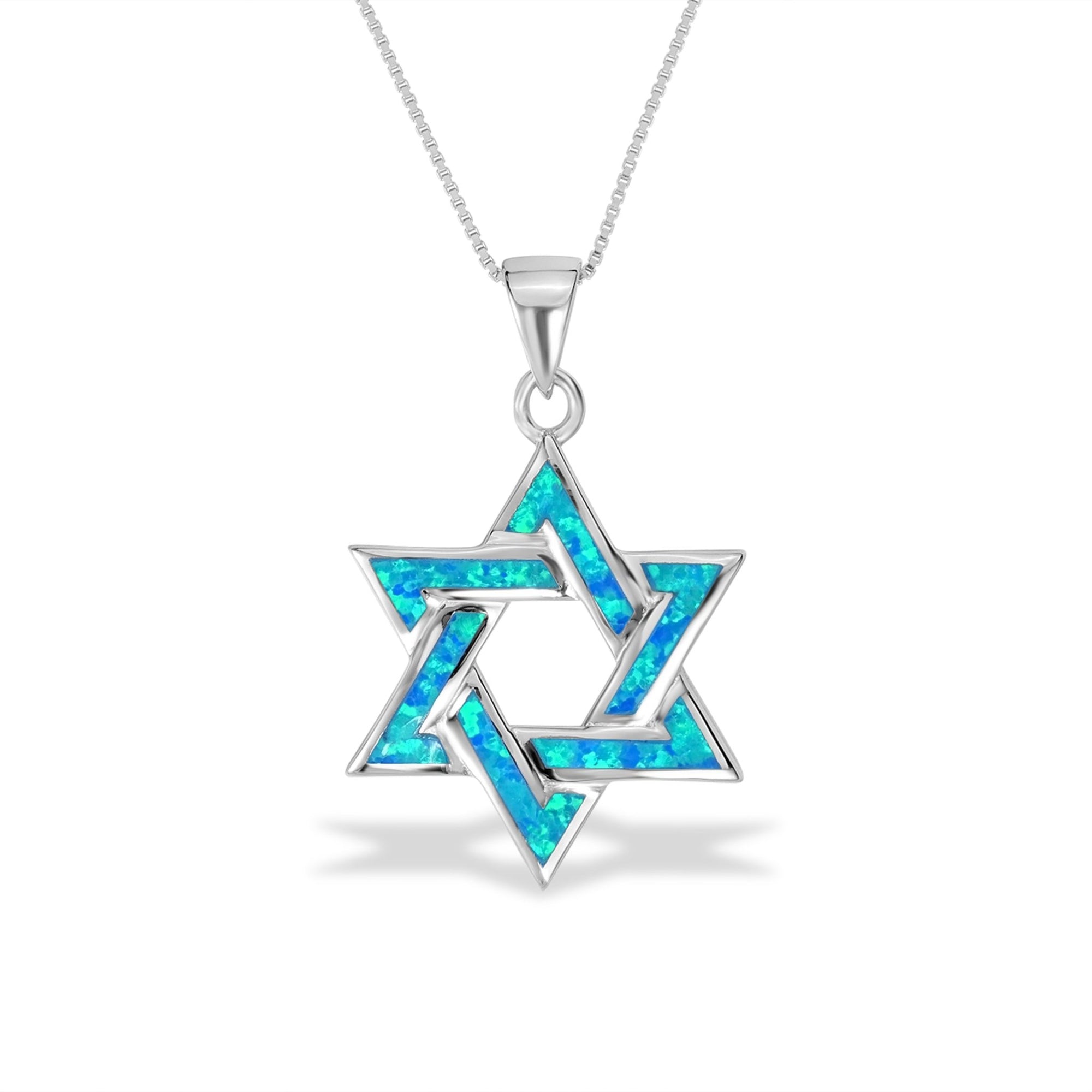
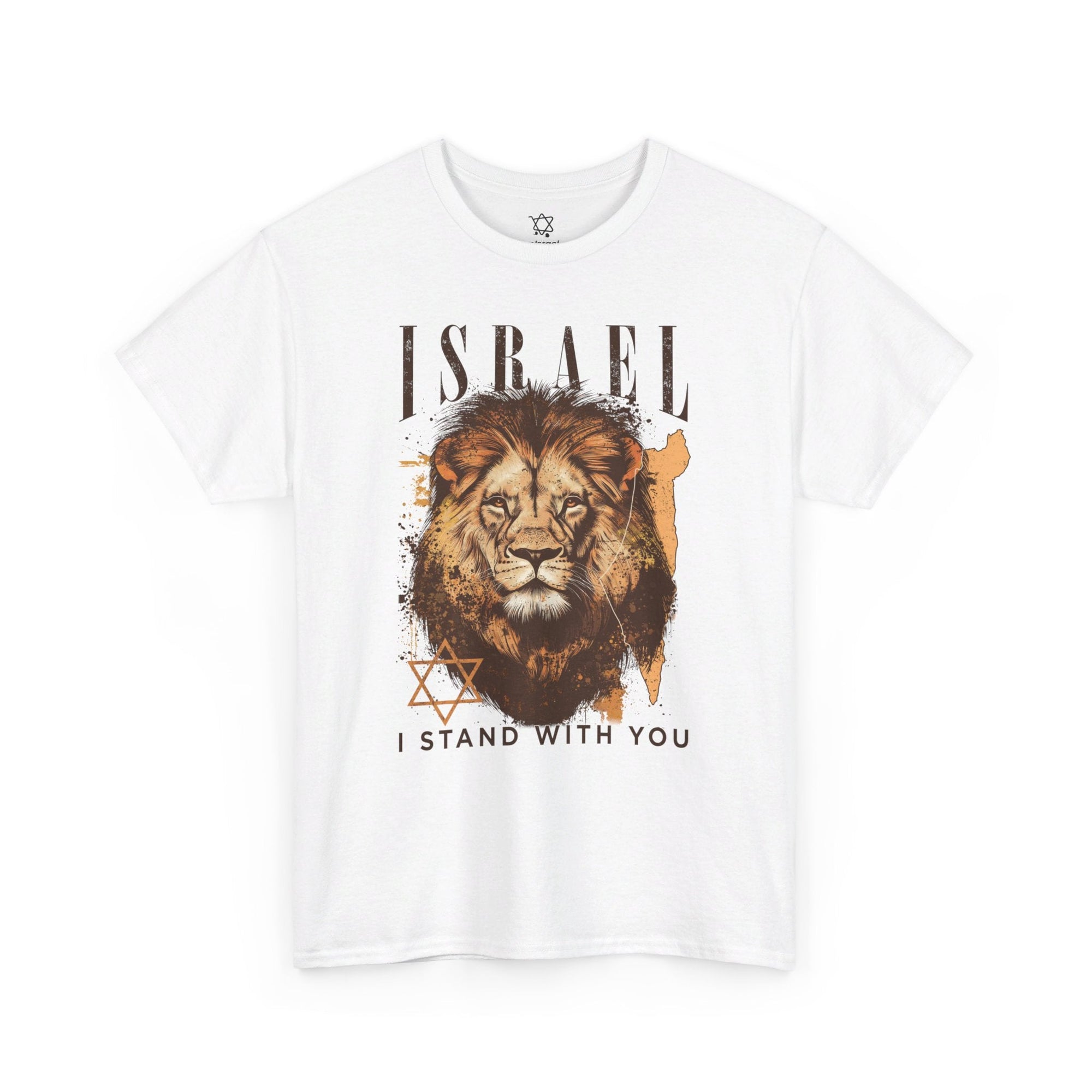
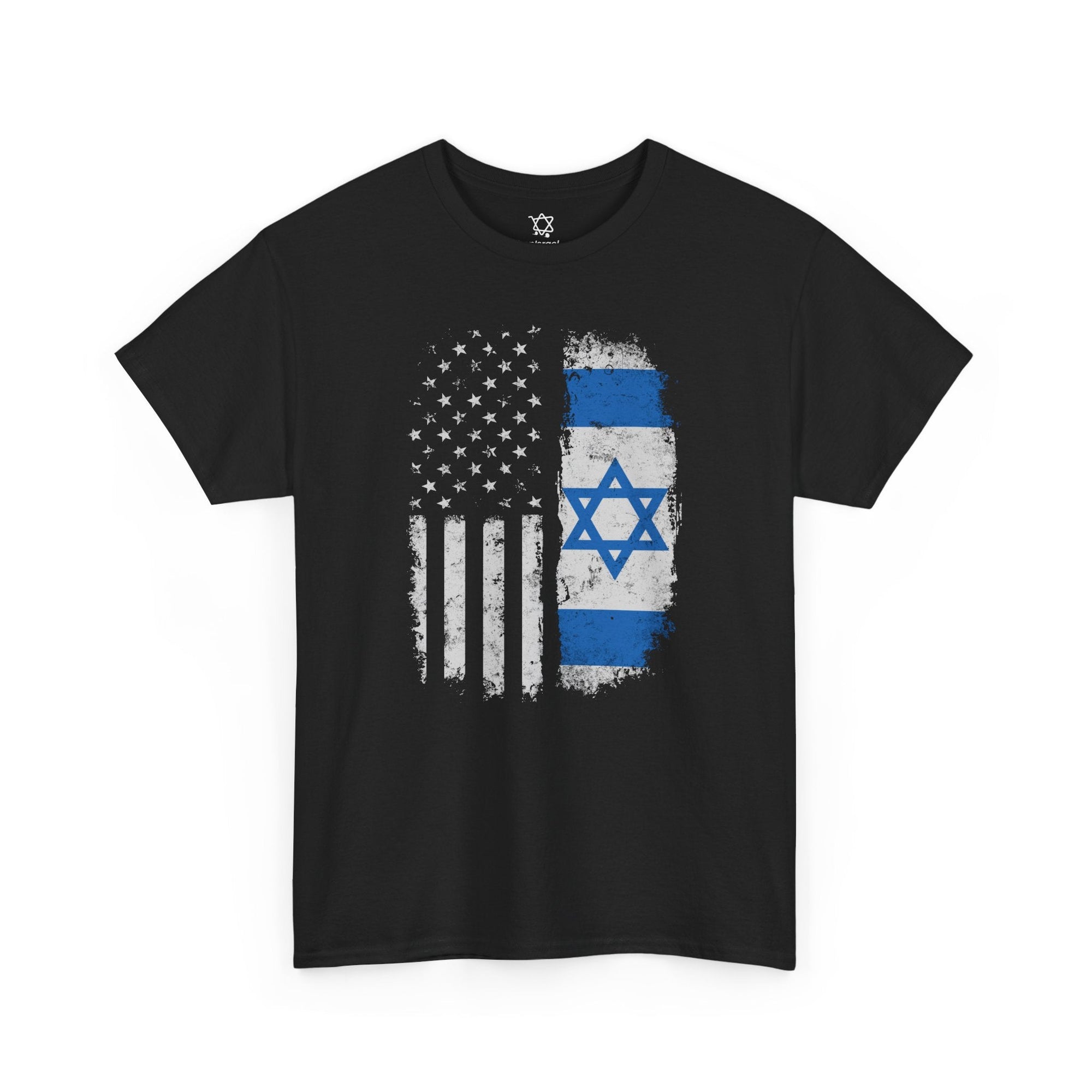
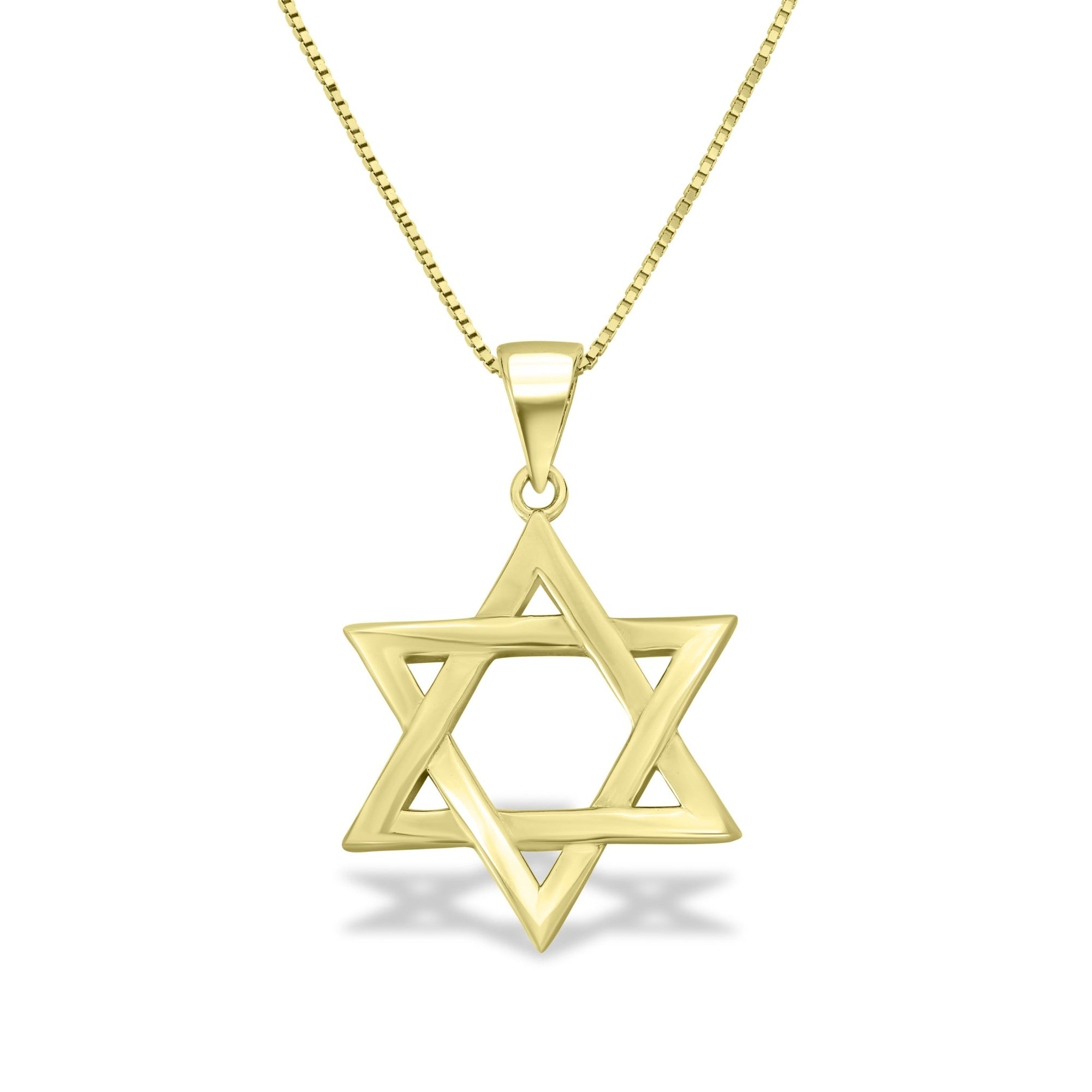
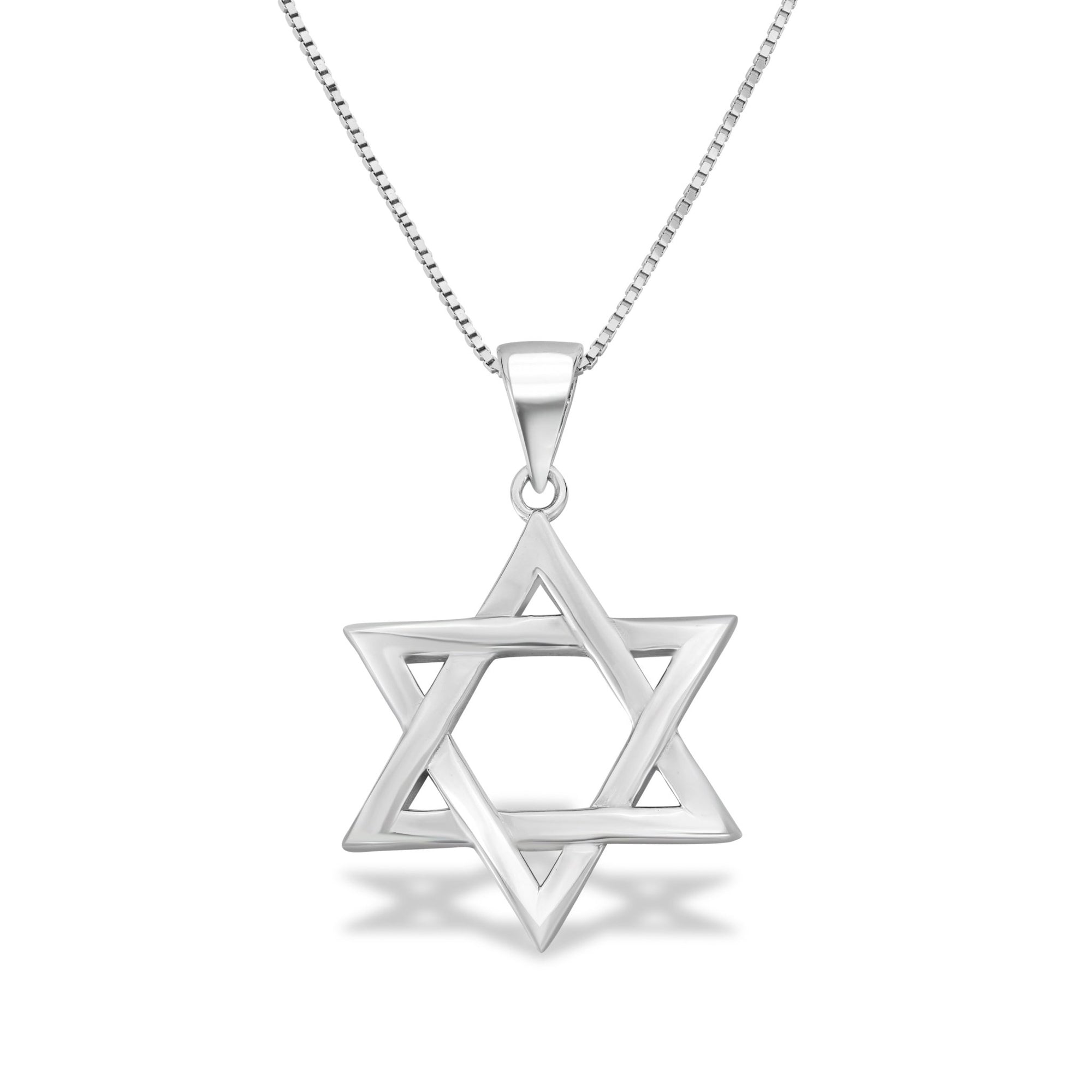
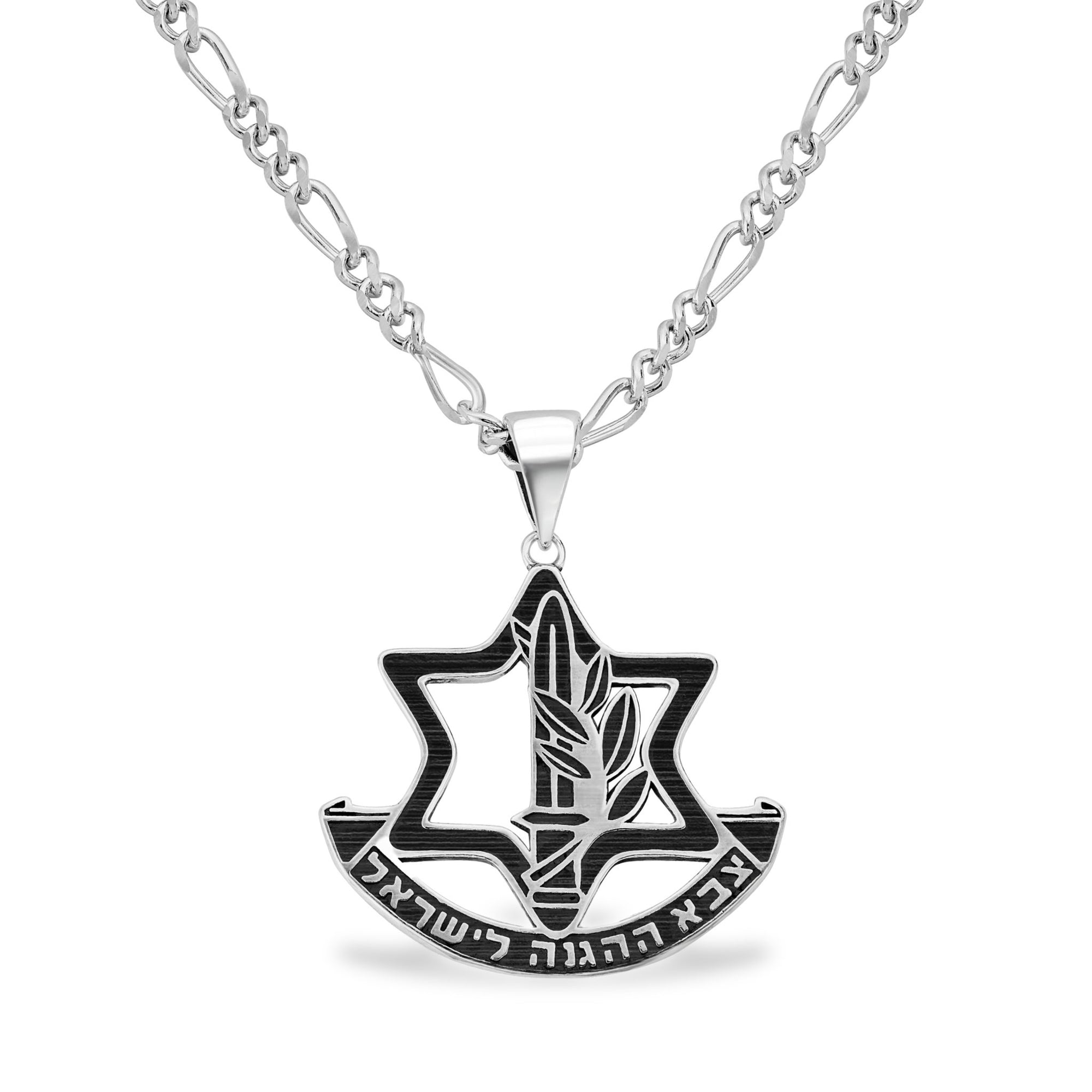
For gift-giving and holiday dressing, the two most meaningful Israel-themed pieces are the Star of David and the hamsa, and both have real, citable histories. The Star of David was selected by the First Zionist Congress in 1897 for its flag, with Zionist leader David Wolffsohn explaining the choice as representing the tallit (prayer shawl), a distinctly Jewish symbol rather than a purely religious one. In 1948 the blue Star of David was adopted on Israel's national flag, cementing it as the most recognizable symbol of both Jewish identity and Israeli statehood, which is exactly why it appears so often in holiday jewelry today.
The hamsa (open-hand symbol) has an even older documented history: hand imagery appears in Iron Age Judean tombs dating back roughly to 800 BCE, one of the earliest markers of the hand-as-protective-symbol tradition. Sephardic Jewish communities were early adopters, working the hamsa into Kabbalistic manuscripts, ketubot (marriage contracts), and Torah accessories, with the hand shape also read as the Hebrew letter Shin, standing for Shaddai, a name of God. That layered history is what makes hamsa jewelry more than decoration: it is a symbol with roots in protection, faith, and Sephardic tradition.
Bringing it into your holiday wardrobe
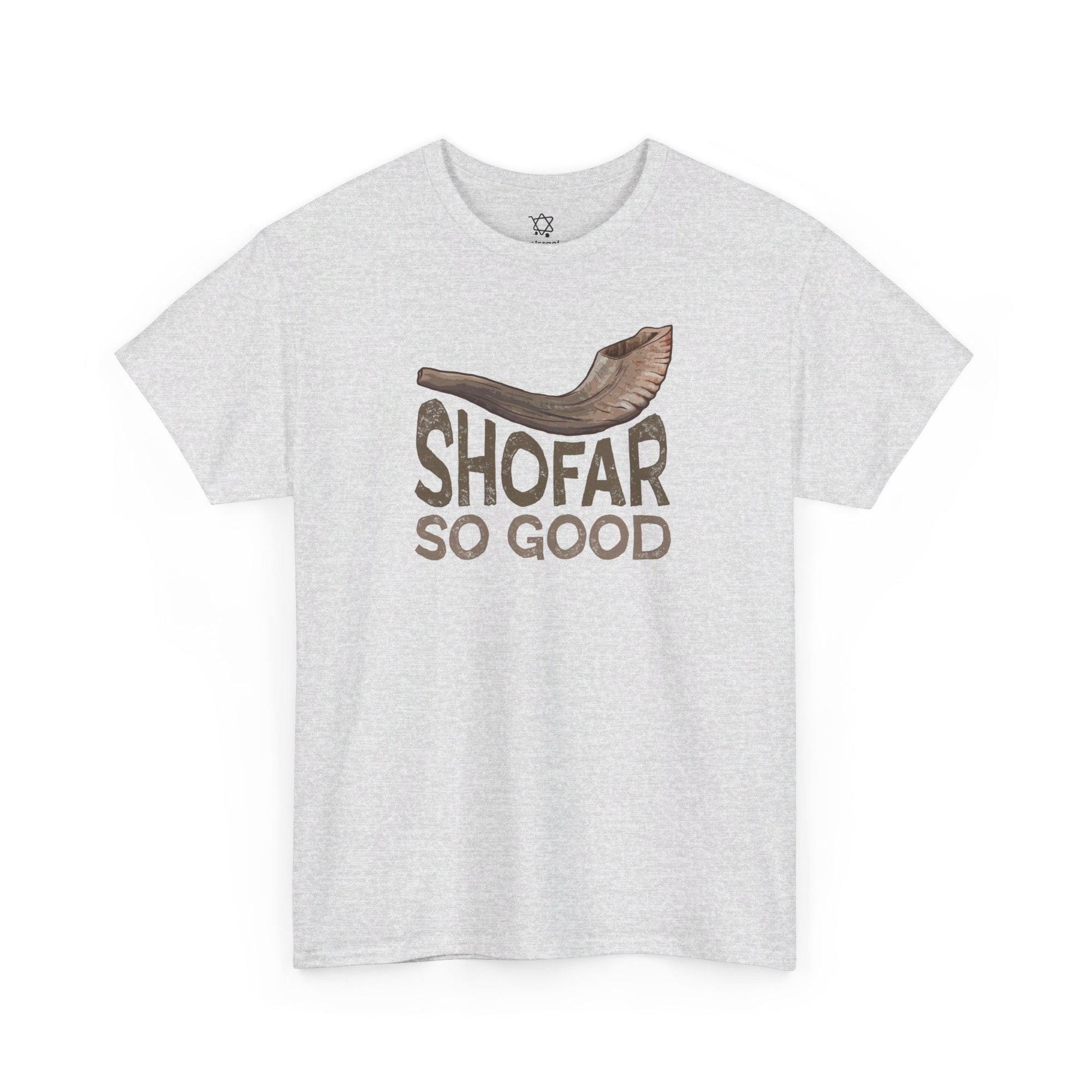
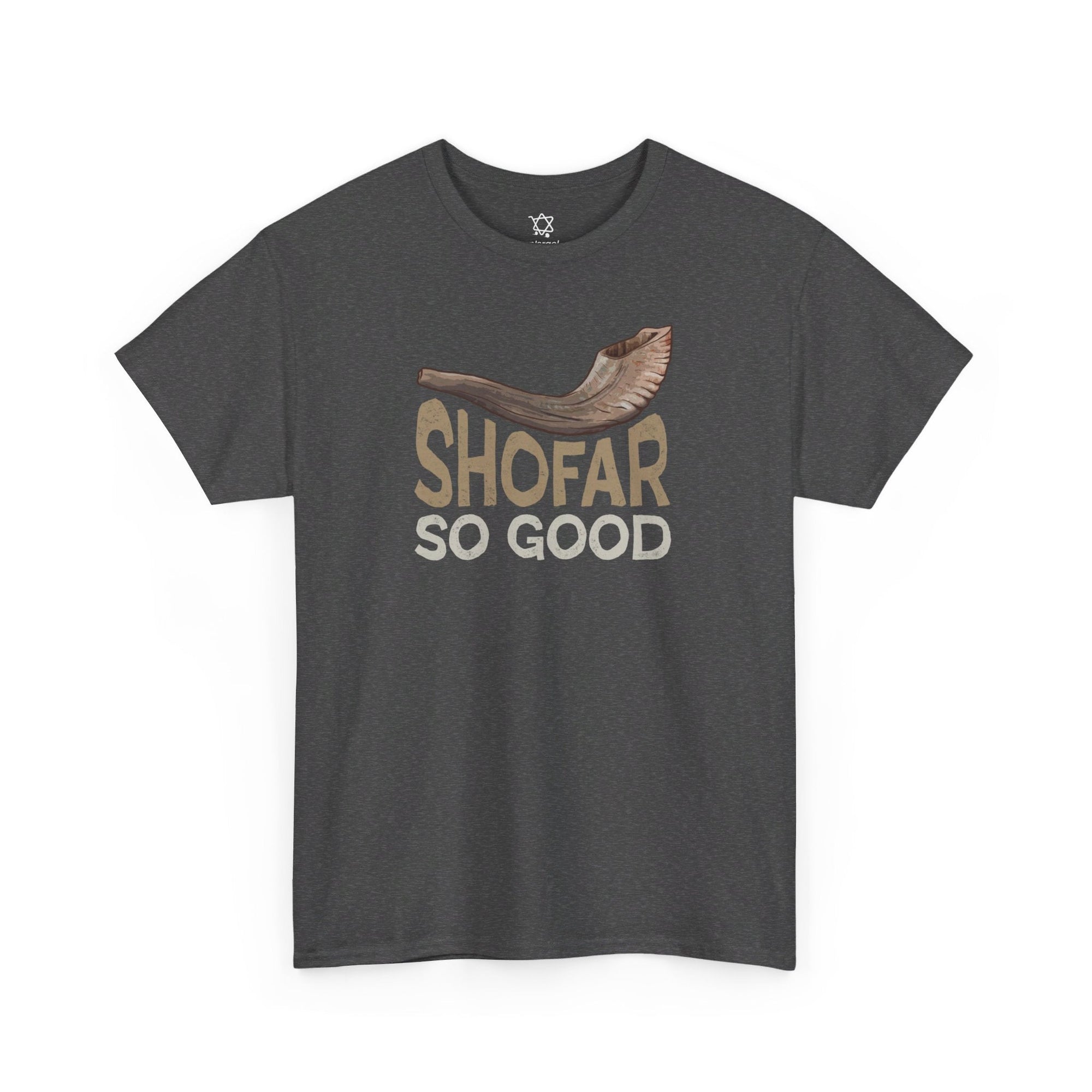
Once you know the meaning behind the pieces, building a holiday look gets simple. For Rosh Hashanah and Yom Kippur, lean into white and clean lines, echoing the kittel's symbolism of renewal, and layer in a piece of jewelry that carries its own story rather than a generic accessory. Shop Israel's Star of David jewelry collection is a natural place to start: it holds sourced-history pieces like the Star of David necklace and matching rings and earrings that connect a holiday outfit directly to the 1897 Zionist Congress and the 1948 flag adoption described above, rather than just adding sparkle for its own sake.
Related
- Symbolism Behind Israeli Jewelry Designs You Should Know
- Celebrate Jewish Holidays with Exclusive Israel-Themed Apparel
- Jewish Holiday Israel Merchandising Trends and Traditions
Last updated July 2026.