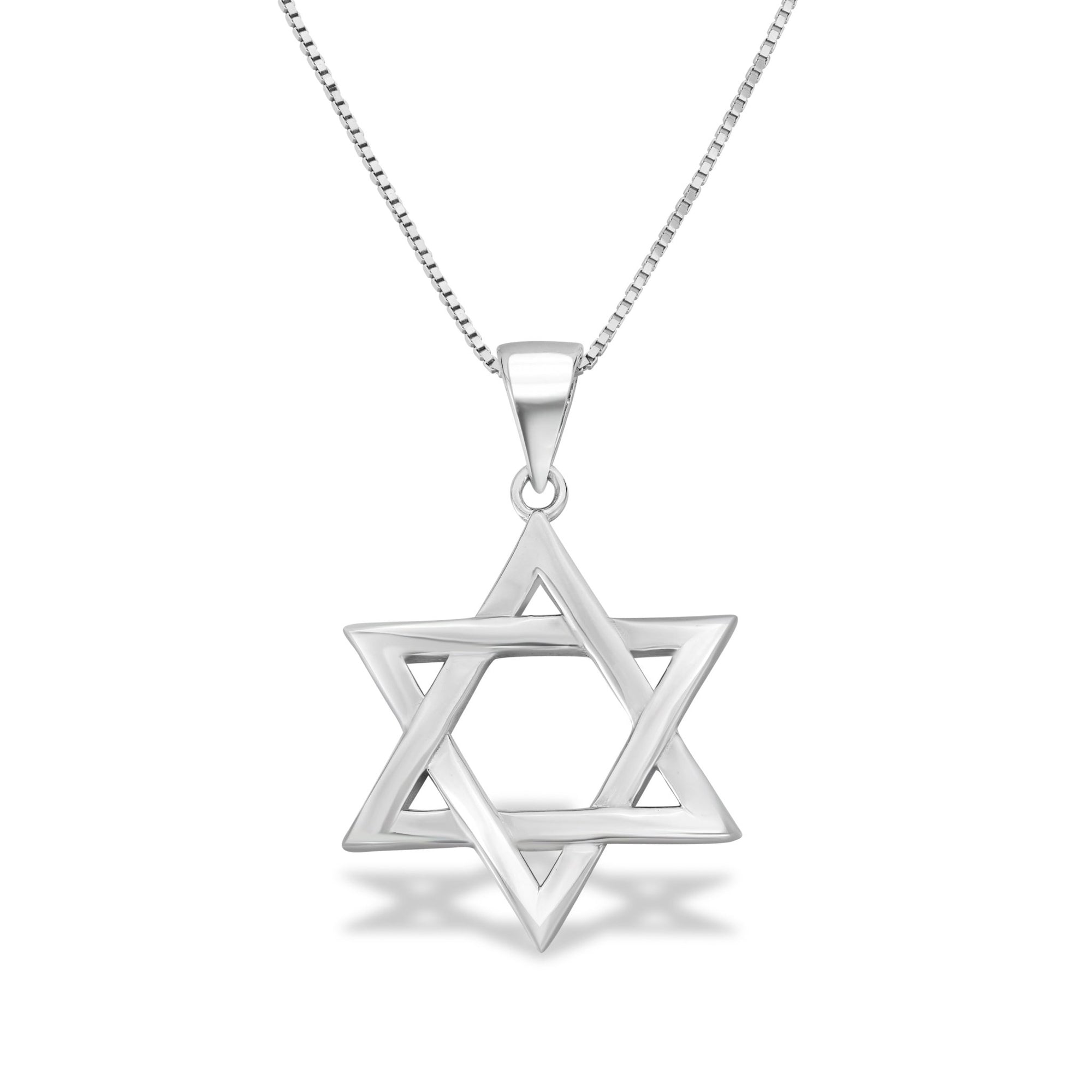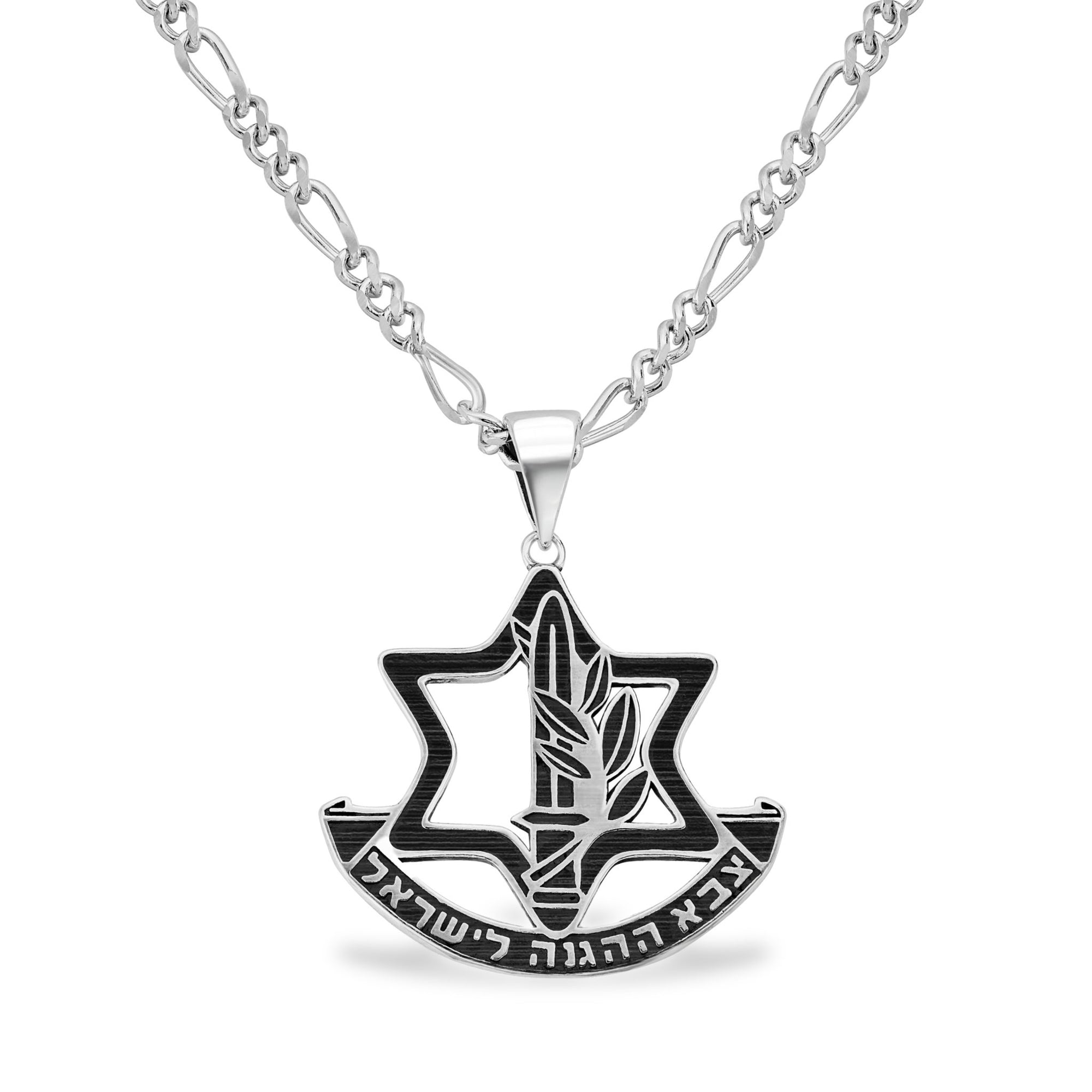


Short answer: The stories behind Israel-themed jewelry and gifts are real, not just marketing language. Chai pendants carry an actual numerical meaning rooted in Hebrew letters, the hamsa traces back to protective amulets used across the region since antiquity, and Jerusalem's hand-painted ceramics come from a specific, documented immigrant history. When customers say a piece "means something," there is usually a verifiable story behind that feeling.
What the symbols actually mean
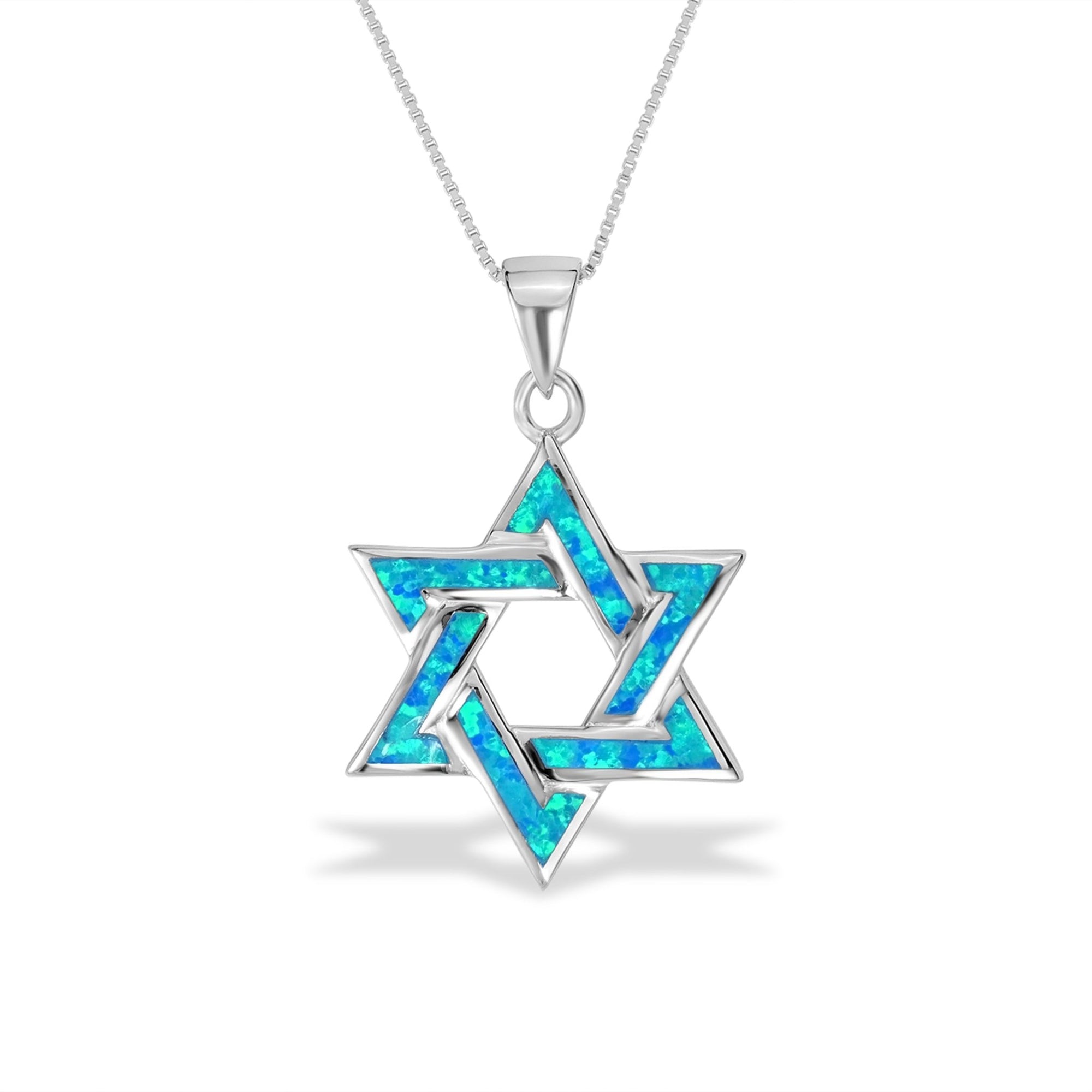
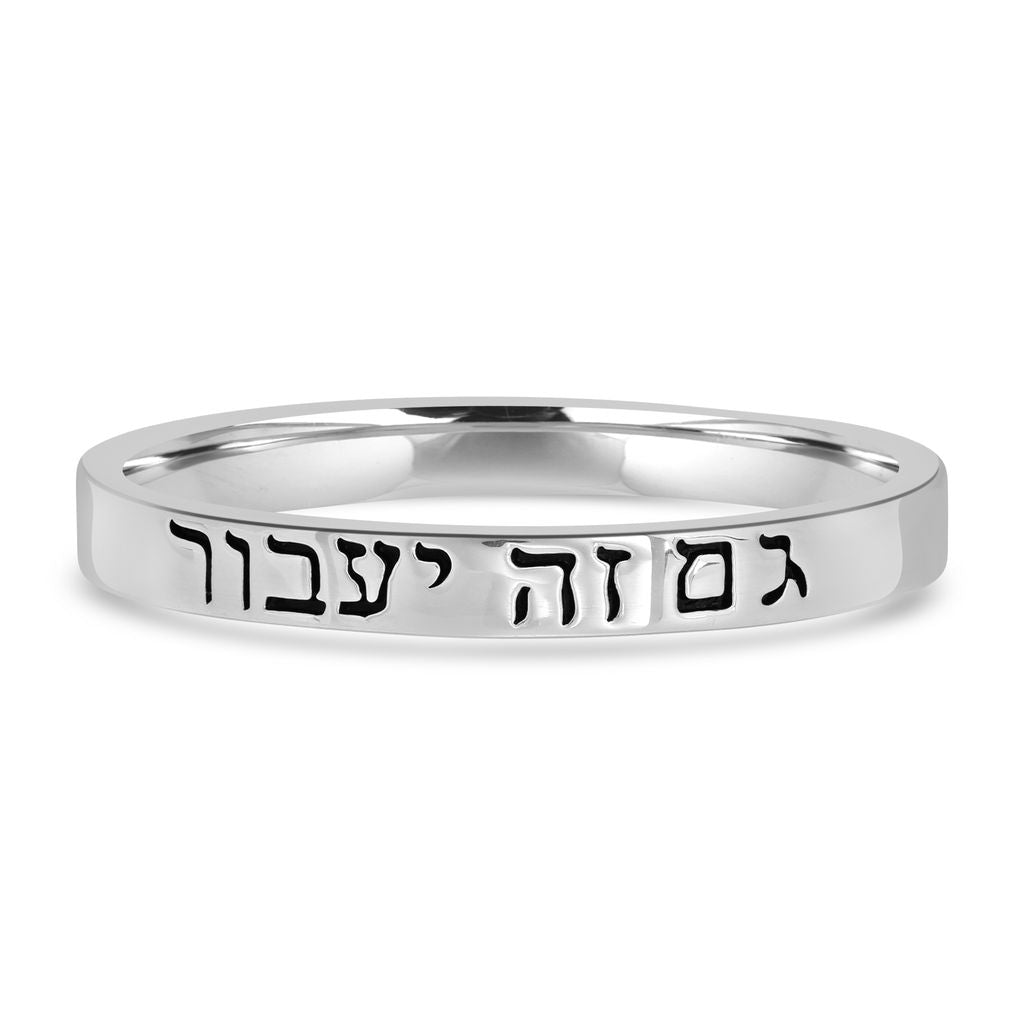
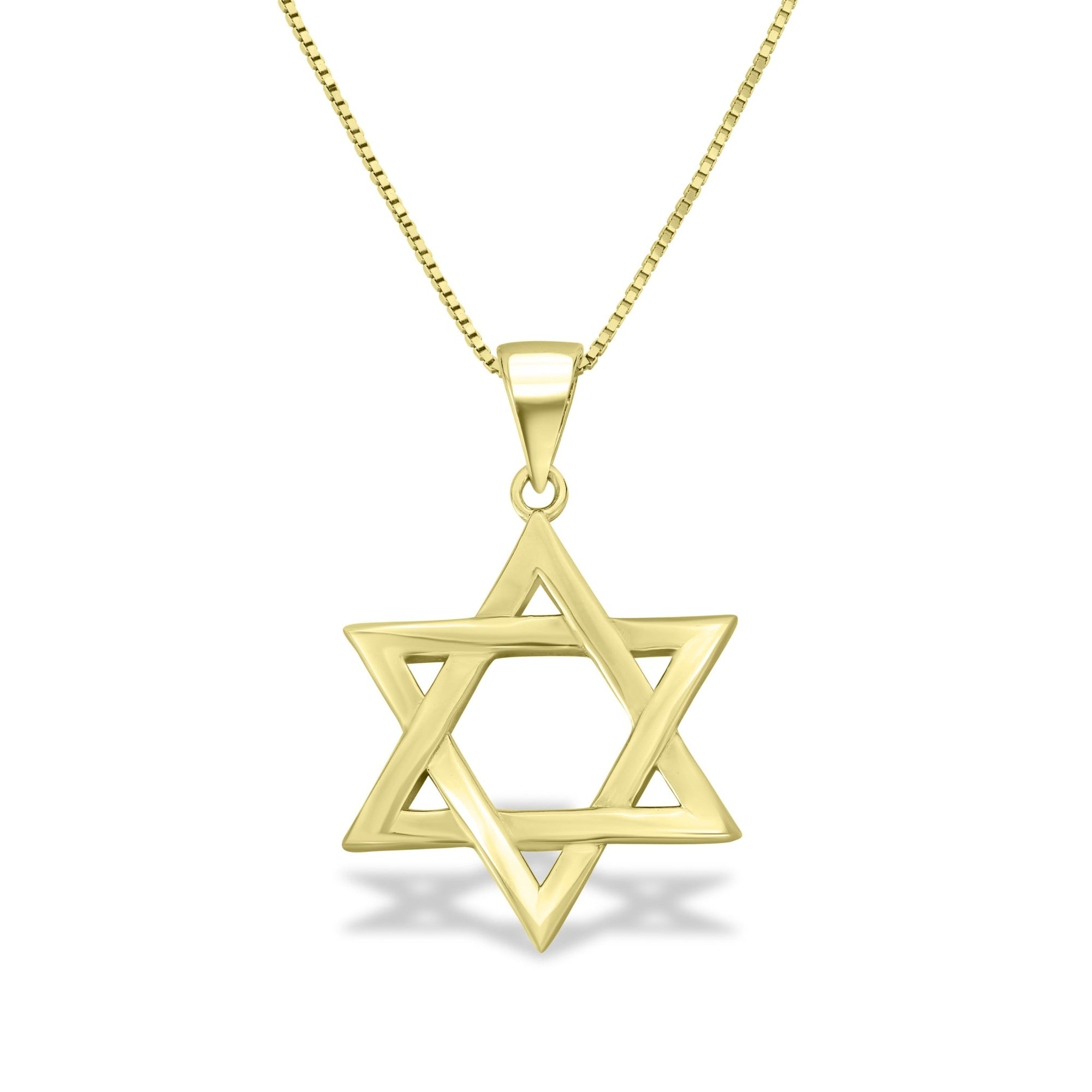
The Chai symbol, so common on necklaces and bracelets, is formed from two Hebrew letters, chet and yud. Their numerical values add up to 18, which is why Jewish tradition attaches special weight to gifts and donations given in multiples of that number, as a way of wishing someone "life" (My Jewish Learning). It is not a decorative invention; it is gematria, the centuries-old Hebrew practice of assigning meaning to letters through their numeric value.
The hamsa, the open-hand motif that shows up on necklaces, wall art, and home decor, has an even longer history. The design appears on ancient Israelite tombs dating back roughly 2,800 years, and it was later adopted across Jewish, Muslim, and Christian communities in the region as a protective symbol against the evil eye (Wikipedia, Hamsa). That shared, cross-cultural root is part of why the hamsa remains one of the most requested motifs in Israeli-made jewelry today.
A newer tradition worth knowing honestly
Not every craft associated with Israel is ancient, and that is not a knock against it. Jerusalem's hand-painted ceramics, the blue-and-white pottery patterns customers often pair with Judaica gifts, trace back to 1917 to 1919, when Armenian genocide survivor David Ohannessian relocated to Jerusalem to restore tiles on the Dome of the Rock. He brought fellow Armenian painters and potters from Kutahya, Turkey, whose workshops founded the tradition still practiced in Jerusalem's Armenian Quarter today (Wikipedia, Armenian ceramics in Jerusalem). That makes it a moving, century-old artisan story worth telling accurately, a craft born out of survival and resettlement, rather than an unbroken ancient lineage. The honesty of that history does not make the pieces less meaningful; if anything, it gives customers a truer story to pass along with the gift.
Why "Am Yisrael Chai" resonates right now
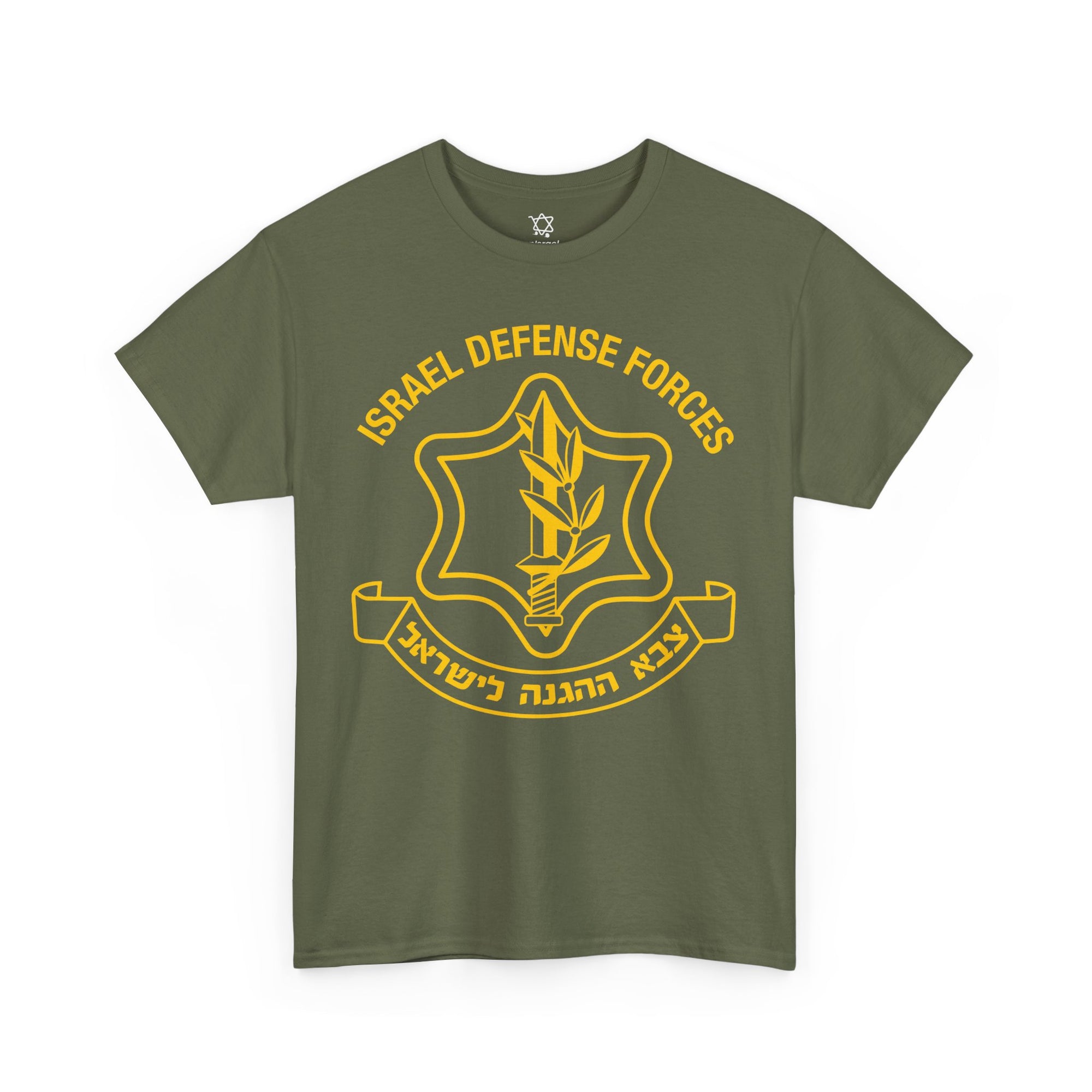
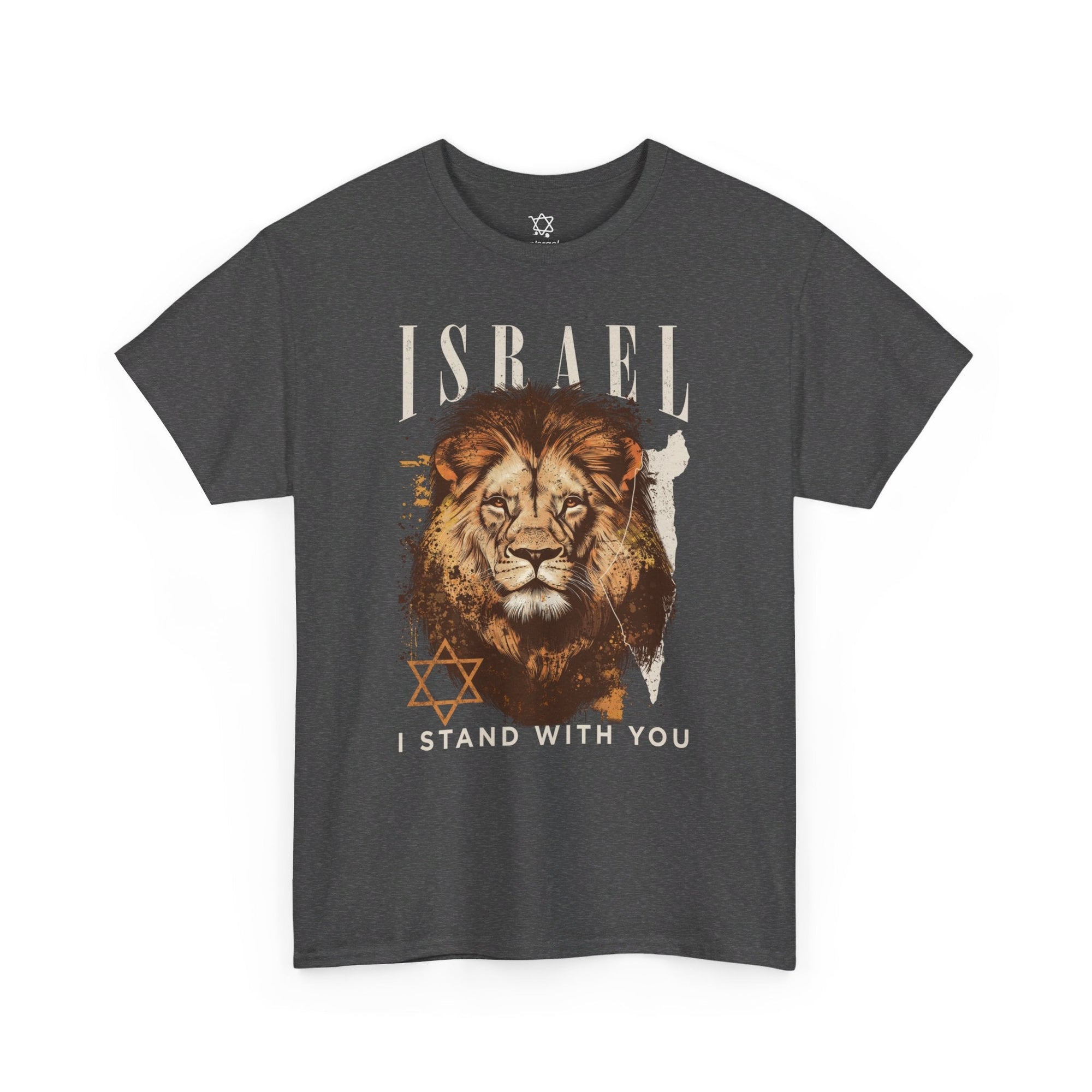
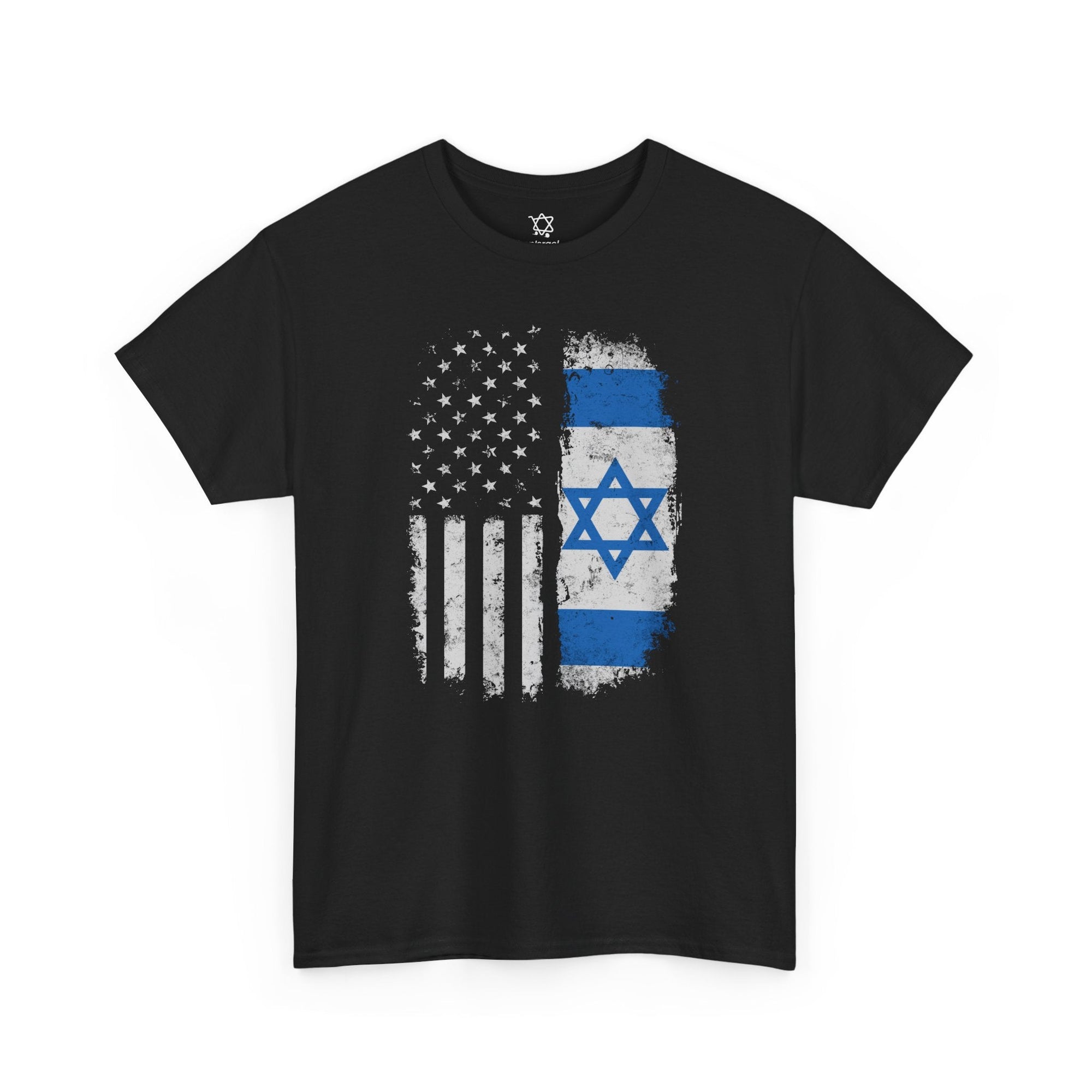
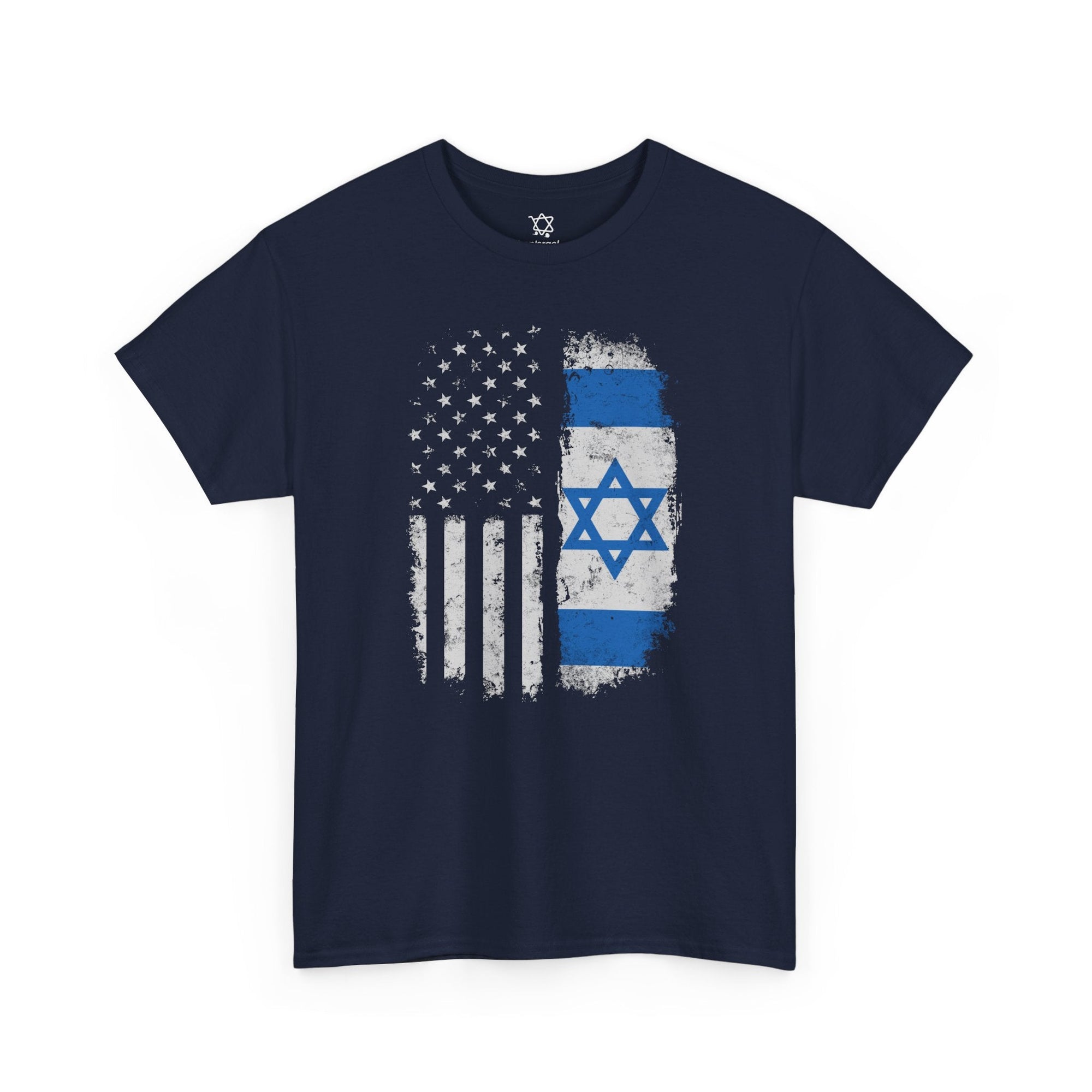
Few phrases have moved as fast from song lyric to everyday apparel and jewelry as "Am Yisrael Chai," meaning "the people of Israel live." The phrase has roots in early Zionist usage as far back as 1895, but it became a rallying cry when songwriter Shlomo Carlebach debuted his melody at a New York rally for Soviet Jewry on April 4, 1965 (Wikipedia, Am Yisrael Chai). In the days after the October 7, 2023 attack on Israel, the phrase surged again: artists including Benny Friedman and Eyal Golan released new songs by that name within the same week, and it spread widely on apparel, jewelry, and signage as a shorthand for solidarity, a resurgence that has carried through into recent Eurovision broadcasts. That history is worth knowing before wearing the words, because it turns a phrase on a t-shirt into a link to a specific, decades-long chain of Jewish resilience.
Choosing a piece that carries the story
Customers who reach out about Israel-themed gifts are usually not shopping for decoration. They want something that says who they are, or that tells someone else they are thought of and supported. That is easier to do when the piece has a real story attached, a Chai pendant that nods to gematria and the number 18, a hamsa that draws on centuries of protective tradition across the region, or an Am Yisrael Chai design that connects a 1965 rally song to a post-October 7 wave of solidarity. Shop Israel's Am Yisrael Chai collection gathers pieces built around exactly that phrase, for anyone who wants to wear or gift something with a documented history rather than a generic slogan. Buying directly from Israeli-focused sellers also generally supports smaller, independent makers working in this space, even if no single campaign or statistic captures that impact.
Related
- Real Customer Stories About Their Israel Merchandise Experiences
- Symbolism Behind Israeli Jewelry Designs You Should Know
- Creative Gift Ideas for Israel Advocates and Supporters
Last updated July 2026.