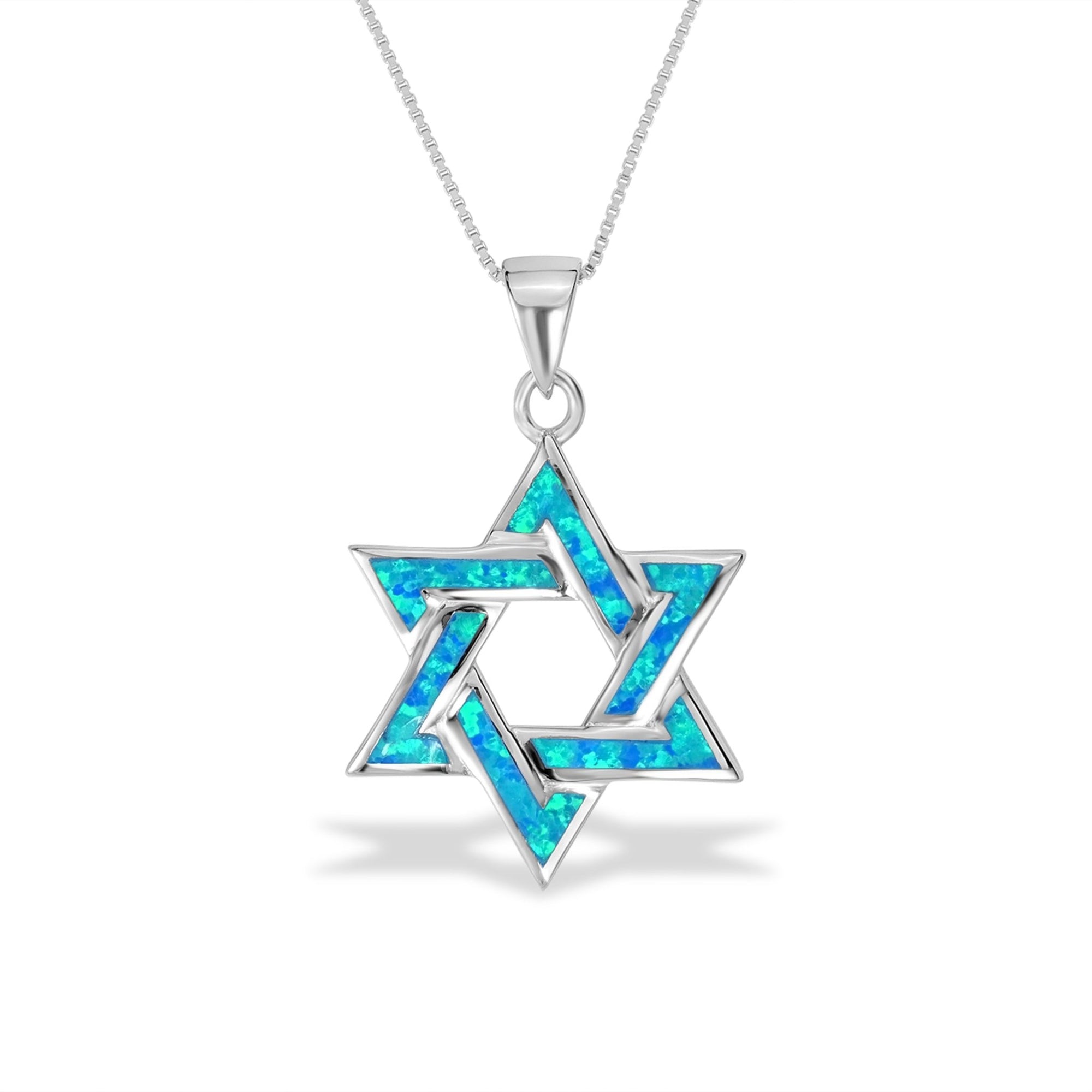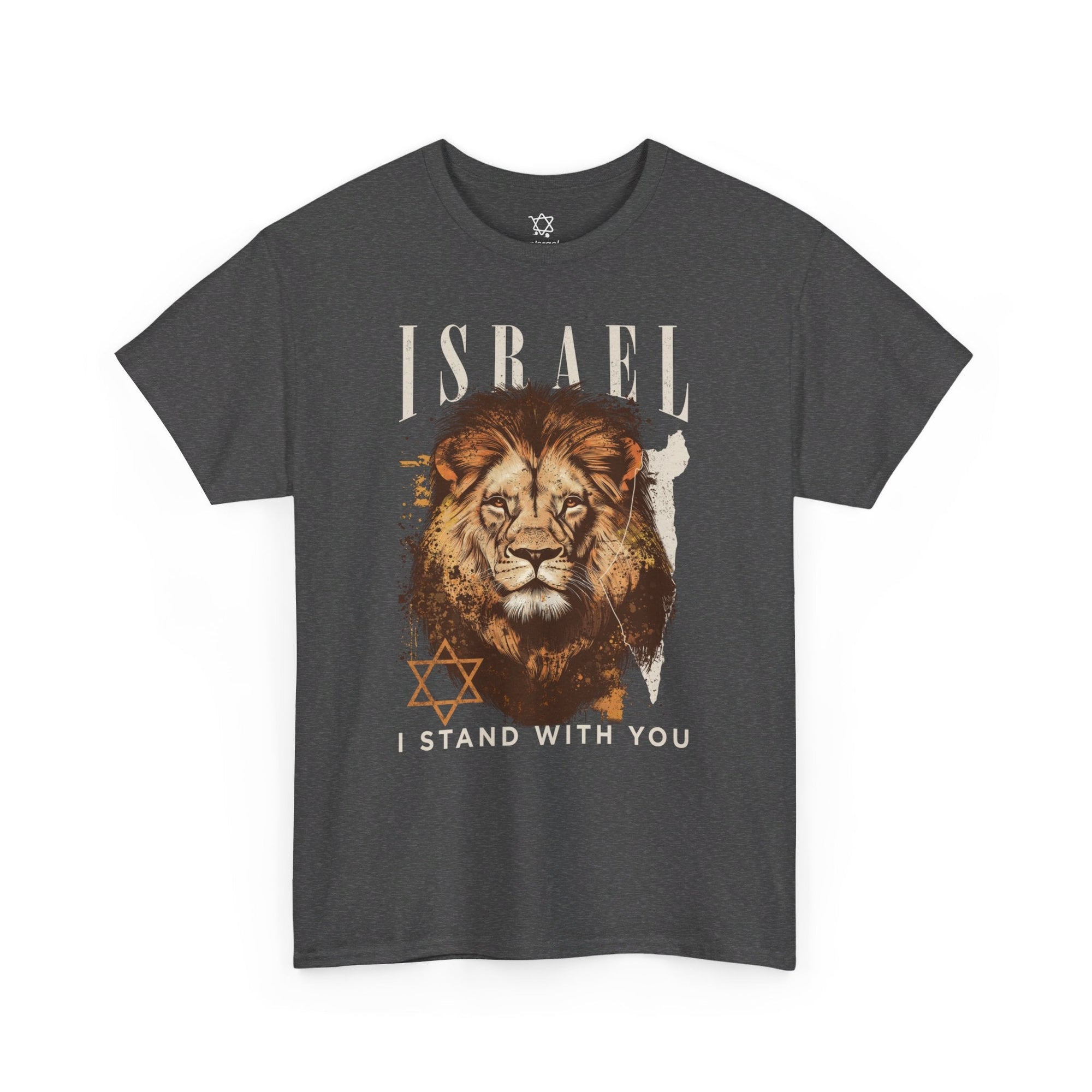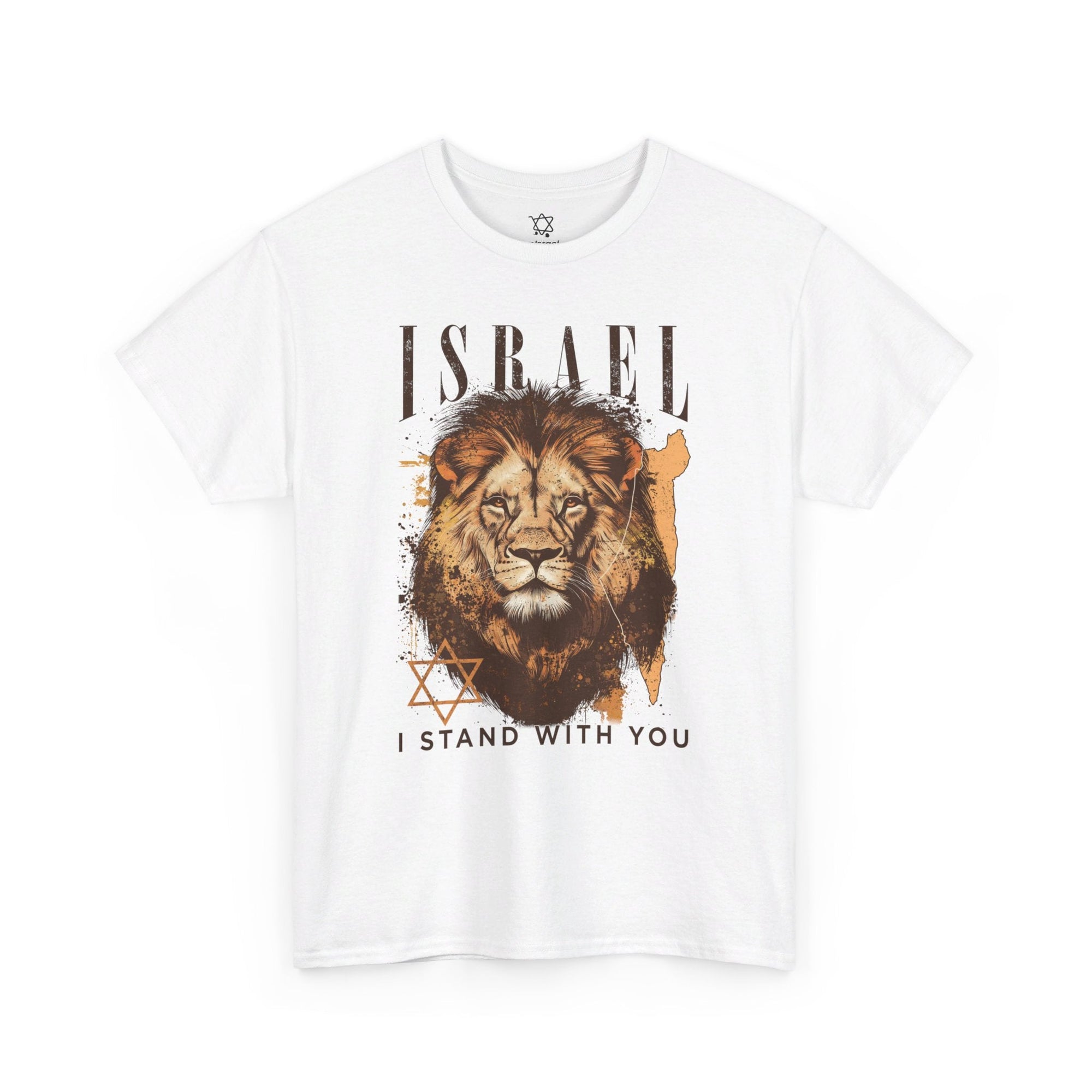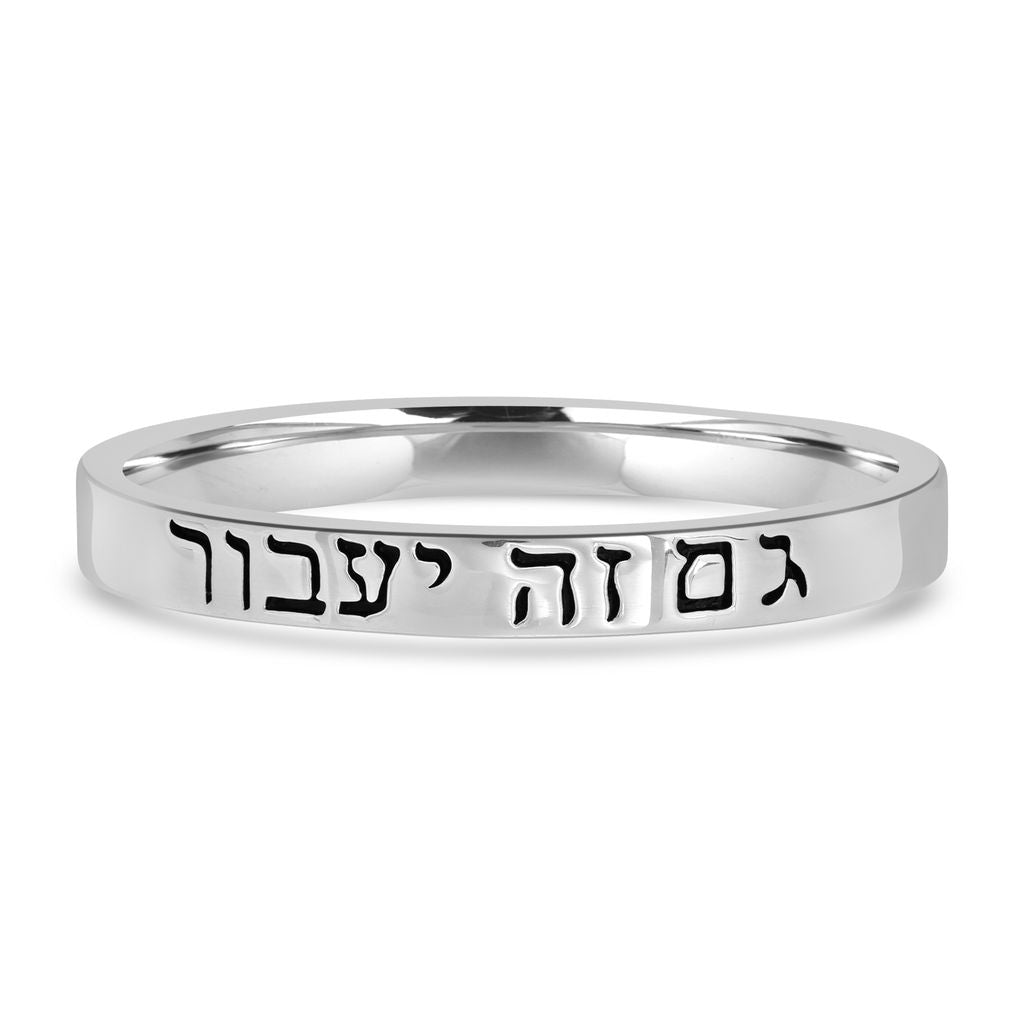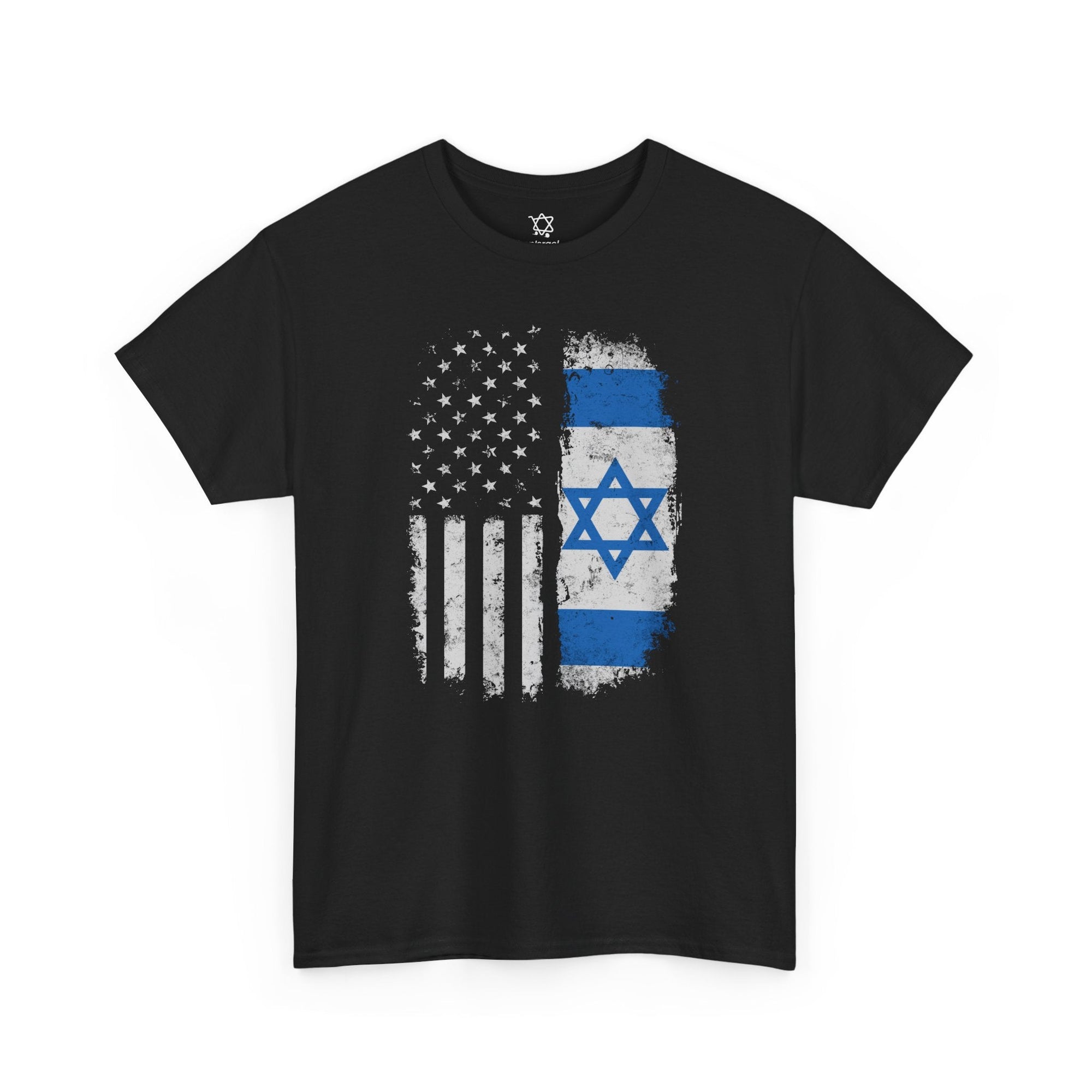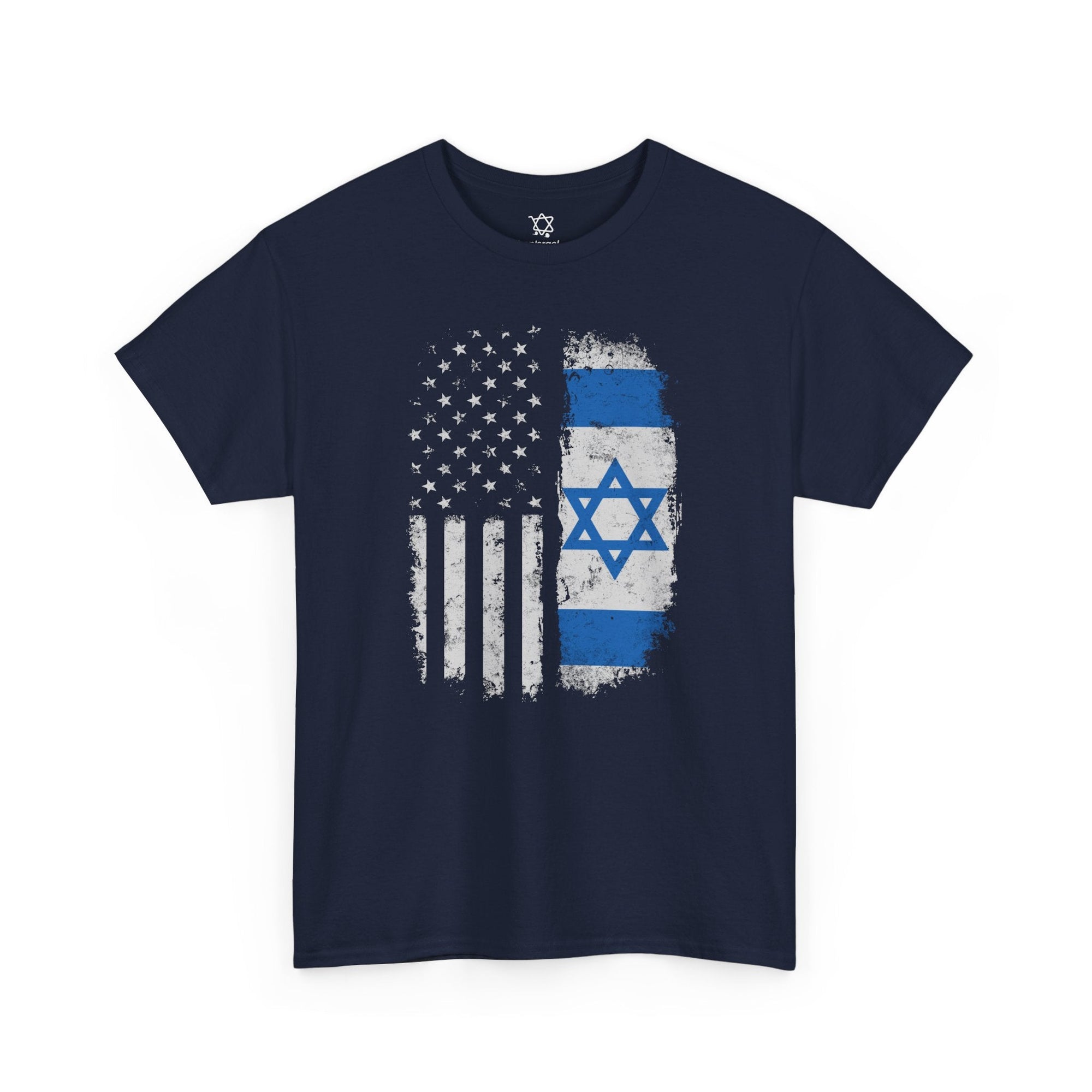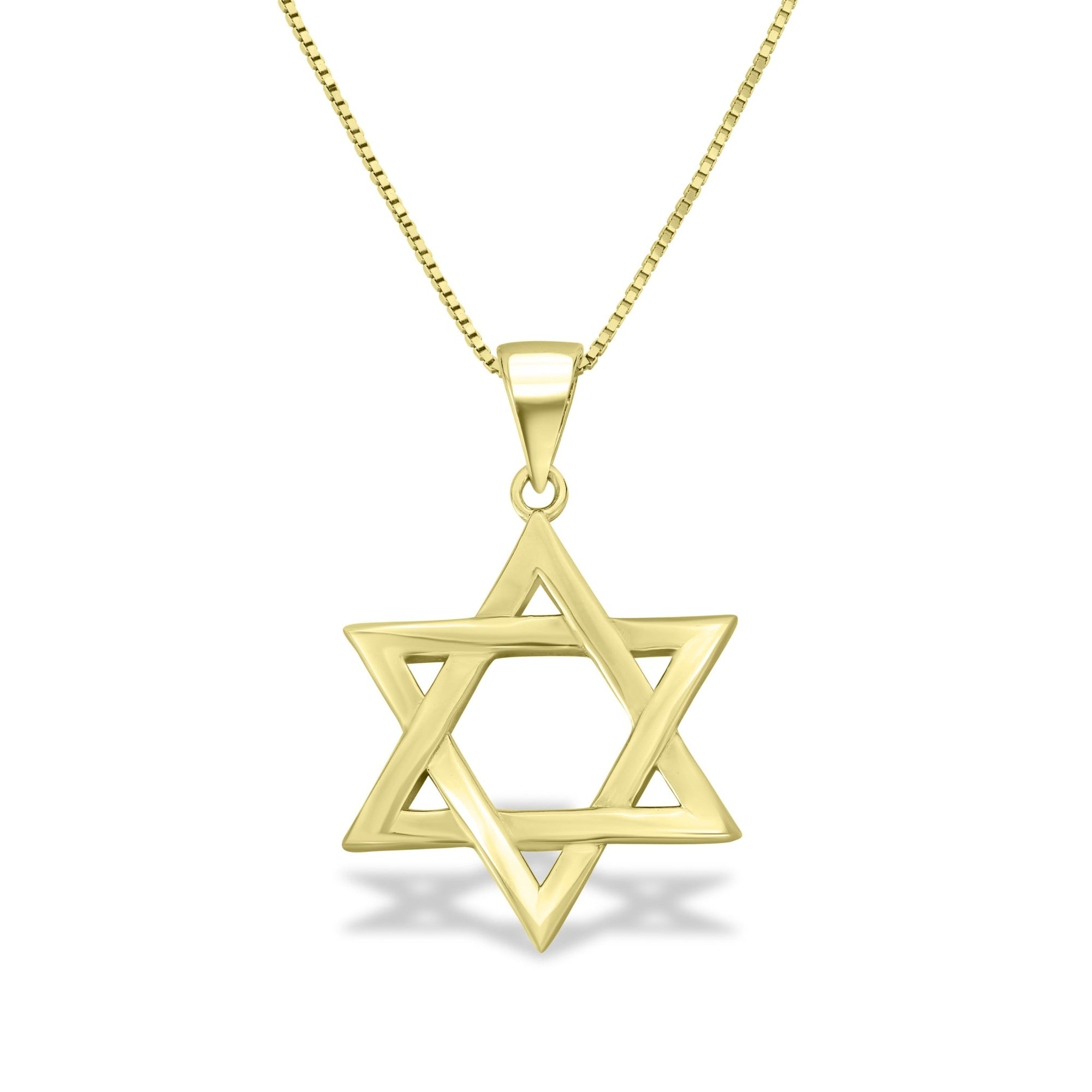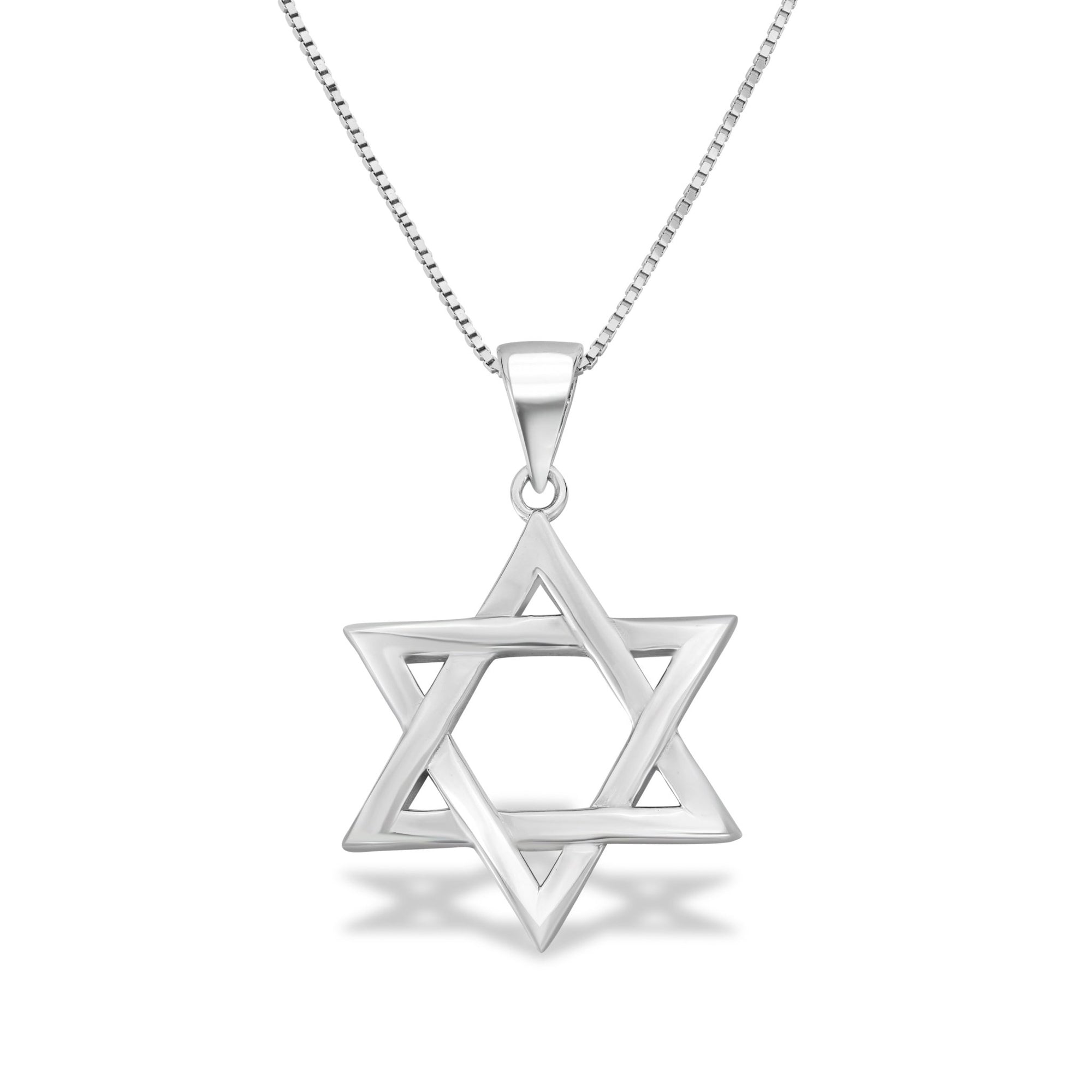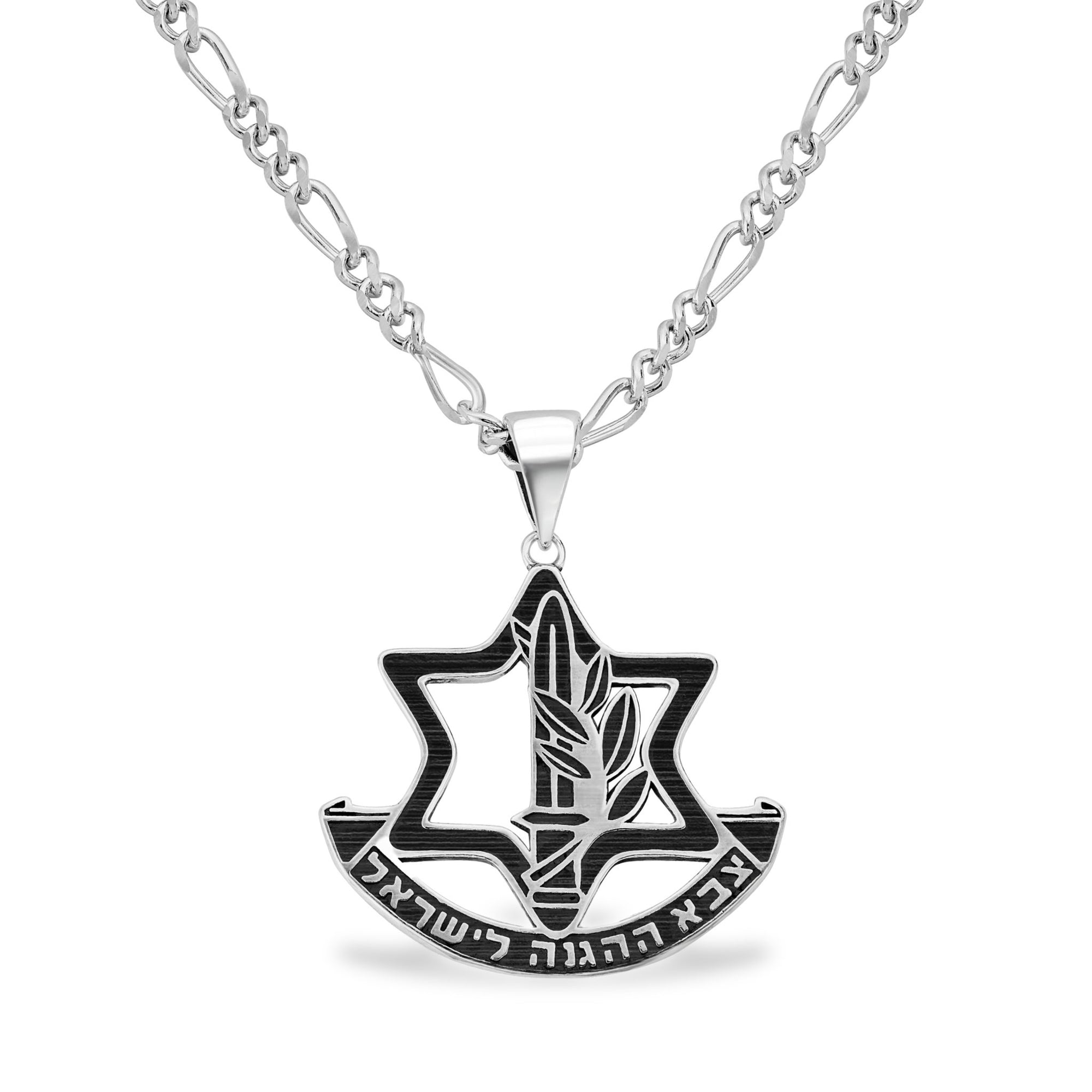


Short answer: Israel-themed accessories, Star of David pendants, chai necklaces, hamsa charms, and blue-and-white pieces, work into daily fashion the same way any meaningful jewelry does: as a small, personal signal rather than a costume. Each motif carries real history (the Star of David from the 1897 Zionist Congress, the hamsa from ancient Israelite tombs, blue-and-white from the biblical tallit), and since the October 7, 2023 Hamas attack, more Jews and allies than ever have started wearing them openly as everyday statements of pride and solidarity.
Why these accessories are having a moment
The instinct to wear a Star of David or chai pendant is not new, but the scale of it is. Following the October 7, 2023 attack on Israel, jewelers on both sides of the Atlantic reported sharp jumps in demand for Jewish-symbol jewelry. London retailer Aurum + Grey told The Jewish Chronicle that Star of David pendant sales rose 600%, while D&M Cohen Jewellers reported a 300% increase in chai and Magen David necklaces. The Times of Israel documented the same pattern in the US, with both religious and secular Jews, and non-Jewish allies, choosing to wear their identity visibly rather than tuck it away. Judaica retailers saw a similar surge that Hanukkah, with sellers describing customers looking for what Jewish Insider called "a little Jewish joy" during a hard year. In that context, a necklace or bracelet stops being purely decorative and becomes a quiet, daily way of saying who you are and where you stand.
What each symbol actually means
Knowing the backstory makes the accessory more meaningful to wear, and it is worth getting right. The Star of David (Magen David) was formally adopted as the emblem of the Zionist movement at the First Zionist Congress in Basel in 1897, and it became the centerpiece of Israel's flag in 1948, according to the Judaica Webstore Blog. It also carries a somber history: during the Holocaust, Nazi authorities forced Jews in occupied Europe to wear a yellow Star of David badge as a mark of persecution (Study.com), which is part of why so many people now choose to wear it by choice, on their own terms.
The hamsa, an open-palm symbol of protection sometimes called the Hand of Miriam, is older still. Hamsa imagery appears on ancient Israelite tombs dating back to roughly the 8th century BCE, making it one of the oldest continuously used Jewish symbols in jewelry today (Judaica Webstore Blog; Israeli Center of Judaica).
The chai symbol spells out the Hebrew word for "life." Its two letters, chet and yud, add up numerically to 18, which is why Jewish monetary gifts are traditionally given in multiples of 18, per a summary cross-checked against Aish and Reform Judaism. It sits alongside the Star of David and hamsa as one of the most common motifs in Jewish jewelry.
"Shalom," another popular engraving, is worth describing precisely: it is Hebrew for peace or wholeness, and also doubles as a greeting for both hello and goodbye (Wikipedia / Ancient Hebrew Research Center). It is a word engraved into a piece, not a standalone graphic symbol the way a Star of David or hamsa is. And blue-and-white color palettes, whether on a flag pin or a woven bracelet, trace back to the tallit (prayer shawl), whose white cloth and blue thread come from a biblical commandment in Numbers 15:38-39, a tradition carried forward when the Zionist Congress adopted the same colors in 1897 (ONE FOR ISRAEL).
Wearing them well, every day
The easiest way to bring these pieces into a daily wardrobe is to let one item do the talking. A single Star of David necklace layered under a plain crewneck, a hamsa charm on a bracelet stack, or a chai pendant worn solo all read as intentional rather than themed. Blue-and-white accents work the same way in accessories like tote bags, phone cases, or a simple pin. For anyone building out a rotation, Shop Israel's Jewish symbols jewelry collection groups Star of David, hamsa, and chai pieces together, making it easy to pick one anchor piece and add to it over time rather than wearing everything at once.
Related
- Symbolism Behind Israeli Jewelry Designs You Should Know
- How to Wear Israel-Themed Accessories With Confidence
- Express Your Heritage With Israel-Themed Everyday Accessories
Last updated July 2026.