

Short answer: Six Israeli and Jewish motifs anchor most meaningful jewelry today: the Star of David, the Hamsa hand, the Chai symbol, the Lion of Judah, the pomegranate, and Eilat stone. Each has a real, checkable history rooted in the Hebrew Bible, Jewish folk custom, or modern Israeli statehood, which is what separates a piece with actual meaning from one that just looks nice.
Where these six symbols actually come from
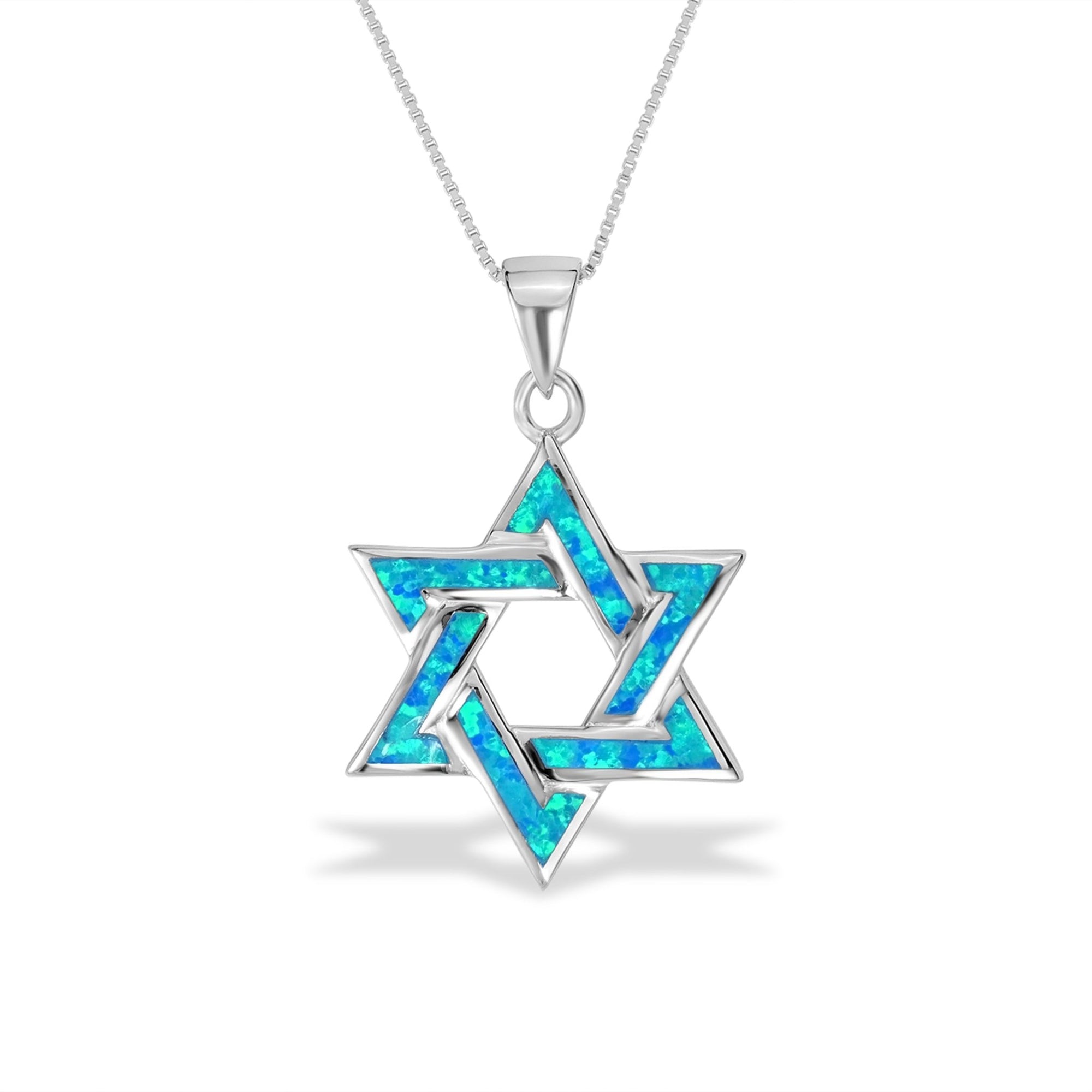
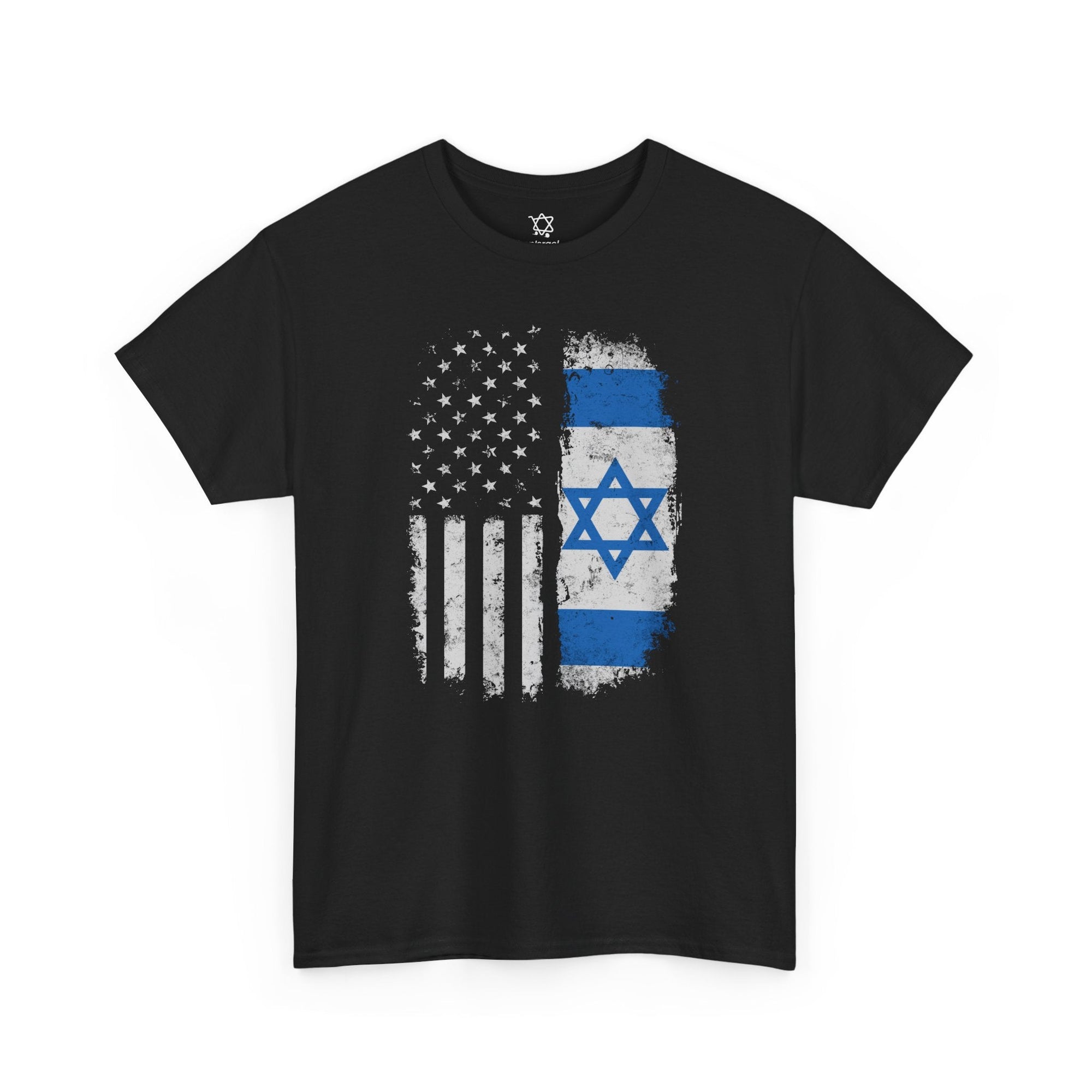
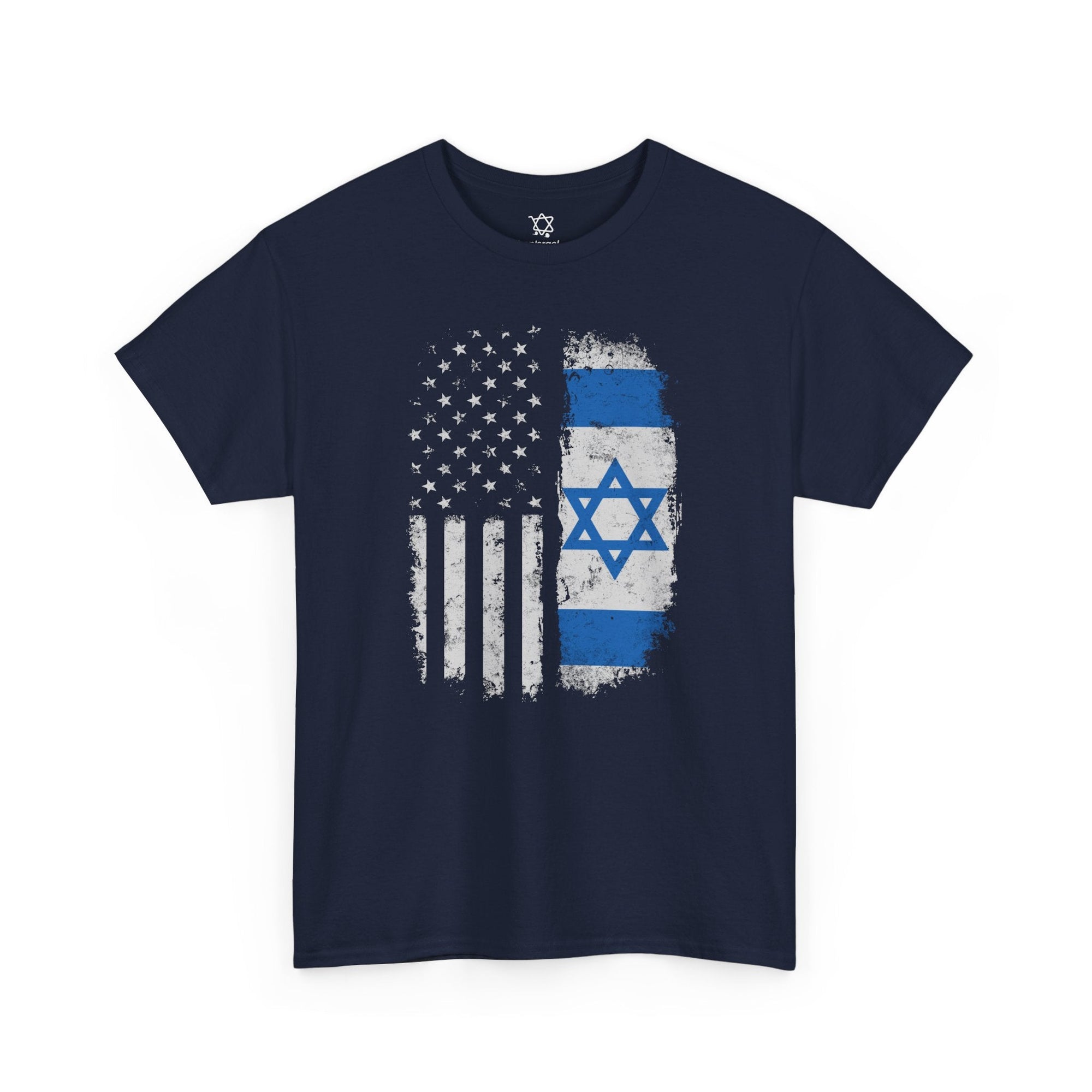
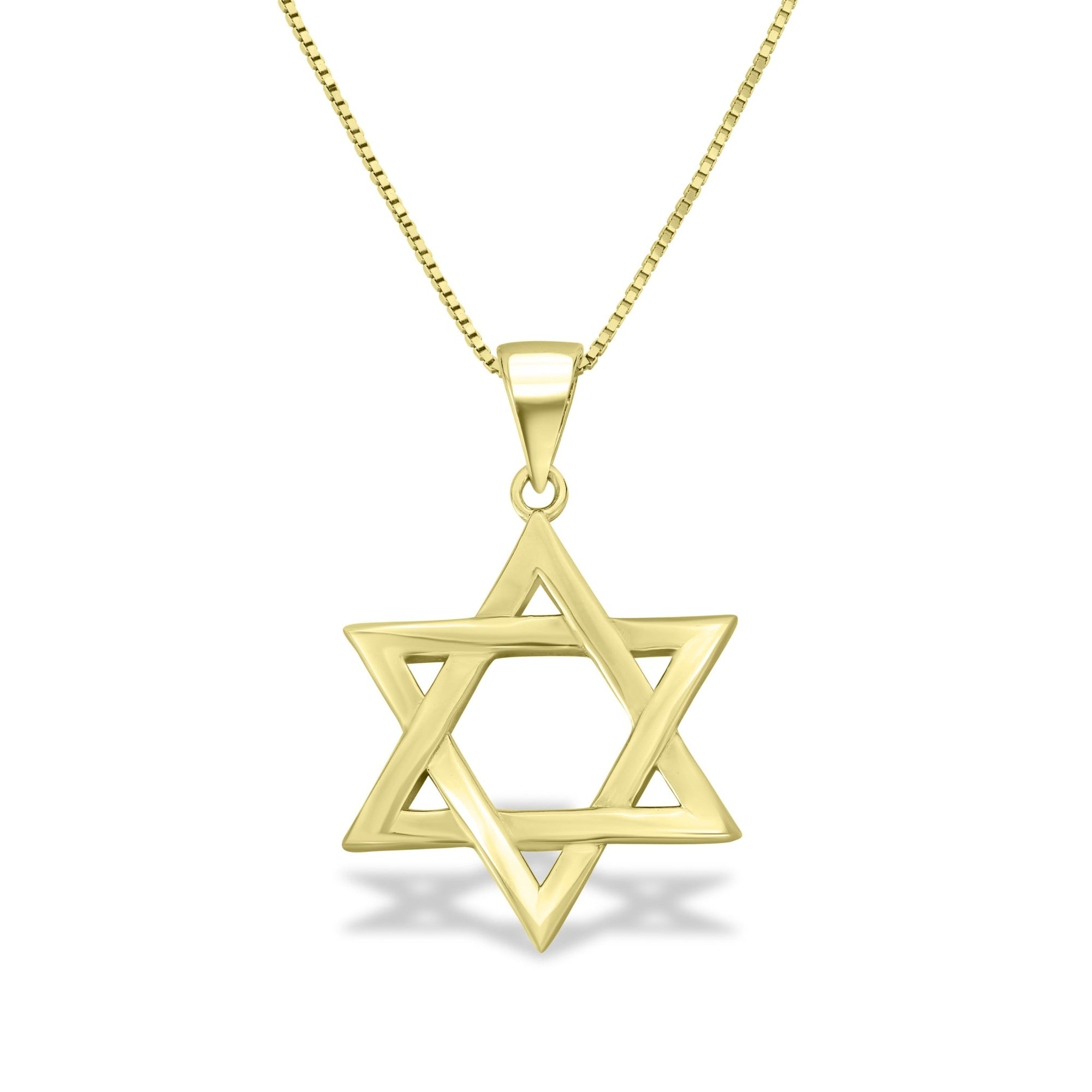
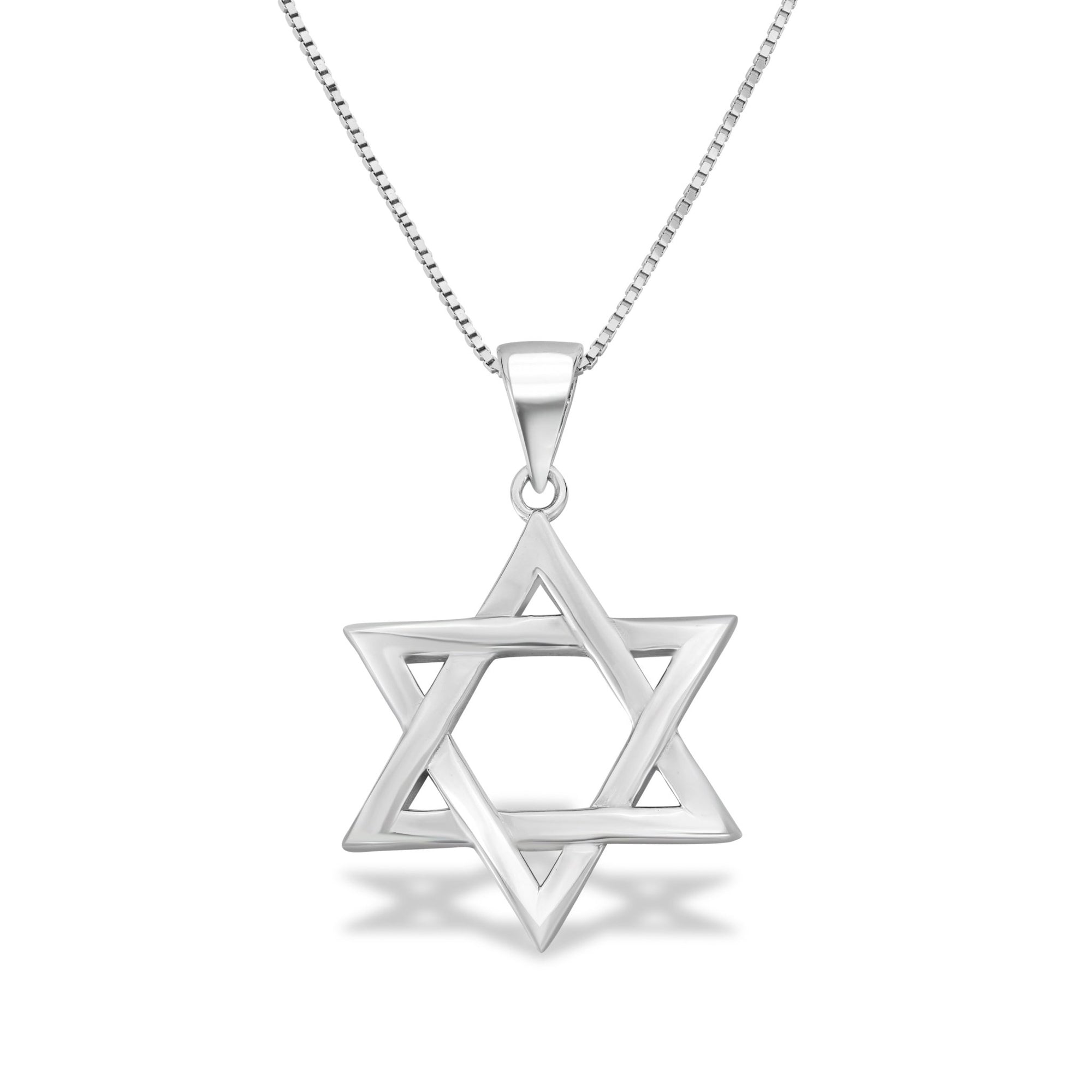
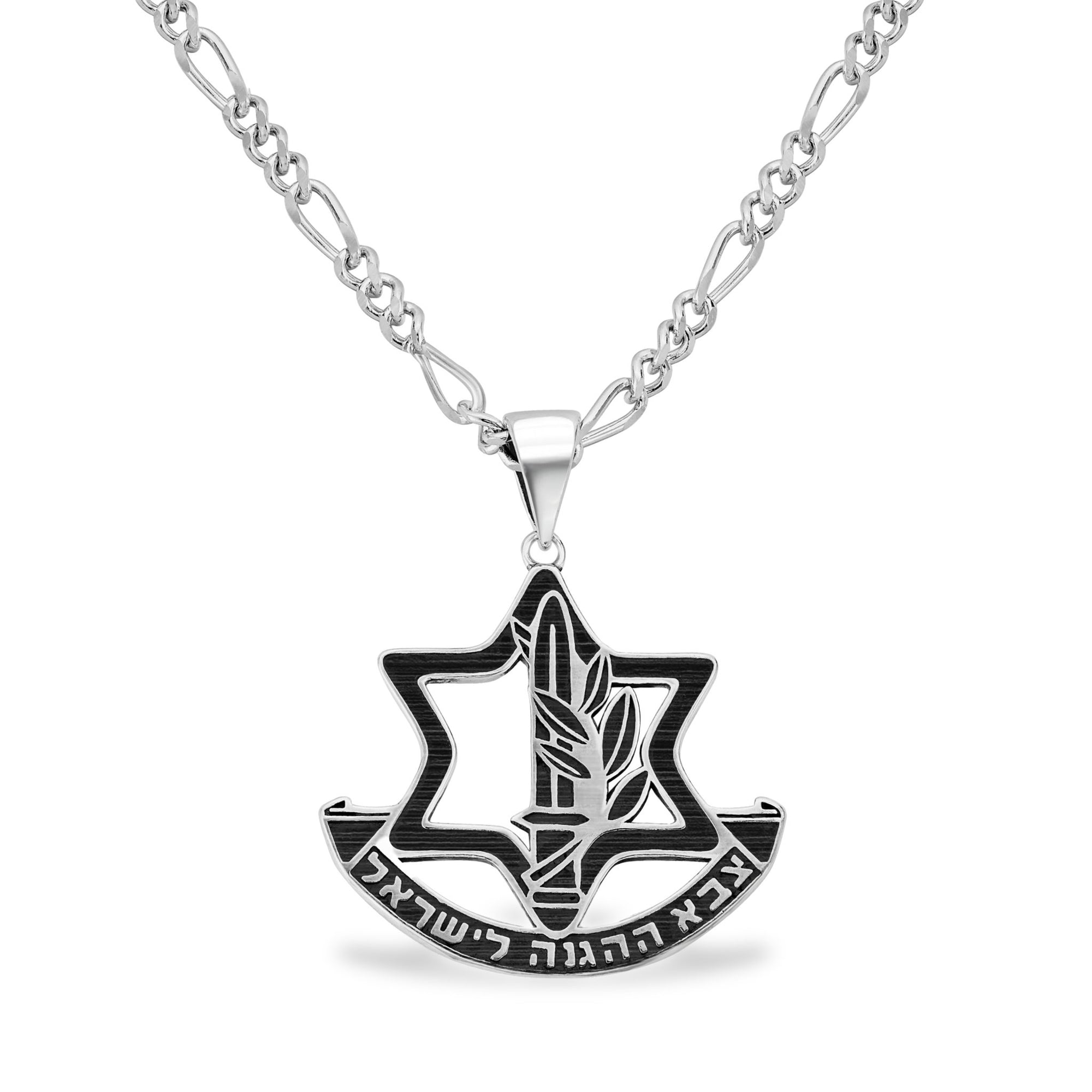
The Star of David (the six-pointed hexagram) became the official emblem of the Zionist movement at the First Zionist Congress in Basel in 1897, and in 1948 it took its place at the center of the Israeli flag, framed by two blue stripes evoking the tallit, or prayer shawl (Wikipedia, "Star of David"). That is the star most "Jewish star" necklaces and rings reference today: part ancient community symbol, part modern national one.
The Hamsa, the open palm worn as protection against the "evil eye," goes back further still, to Near Eastern antiquity, with roots in Mesopotamian and Egyptian hand amulets. Jewish, Muslim, and Christian communities across the Middle East and North Africa all adopted versions of it independently. In Jewish tradition, the five fingers are tied to the Hebrew letter Shin, and the custom is especially strong among Sephardic Jews (Wikipedia, "Hamsa").
Chai, formed from the Hebrew letters Chet and Yod and meaning "living," carries the gematria value 18. That number shows up constantly in Jewish gift-giving, tzedakah (charity) is traditionally given in multiples of 18, which is part of why Chai pendants remain a go-to for bar and bat mitzvah and wedding gifts (Wikipedia, "Chai (symbol)").
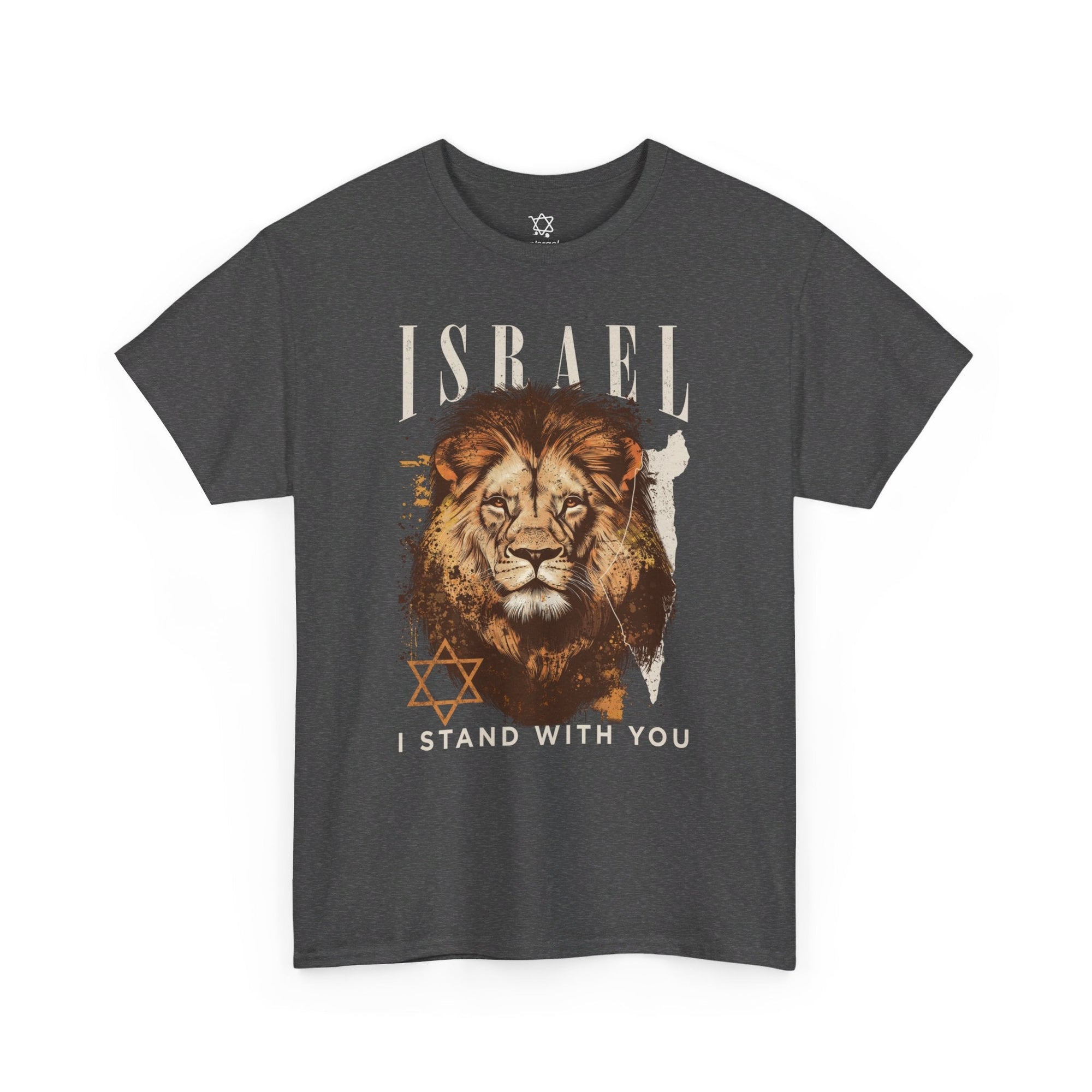
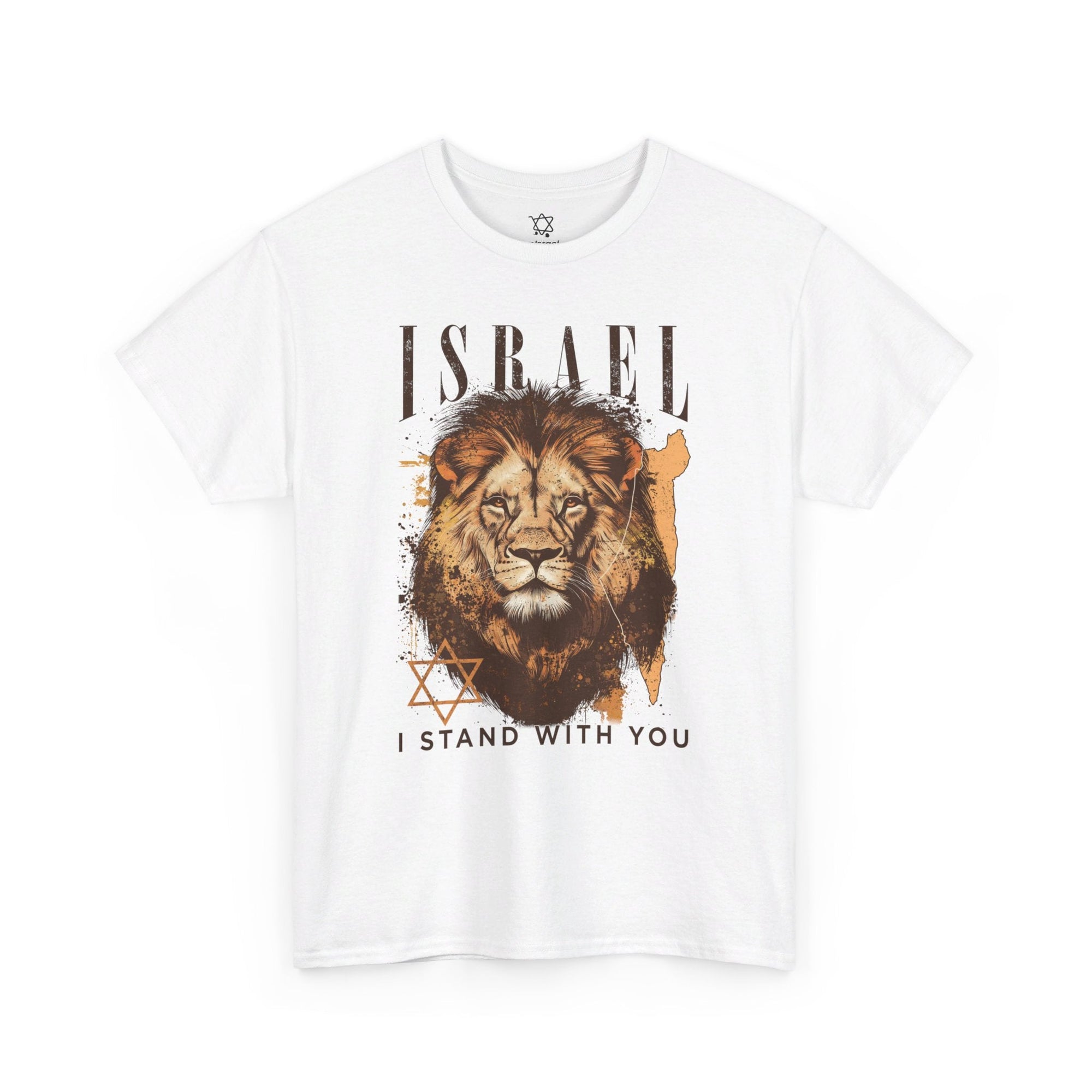
The Lion of Judah traces to Genesis 49, Jacob's blessing of his son Judah as "a young lion." It became both a tribal and civic symbol when it was formally worked into the Emblem of Jerusalem in 1950 (Wikipedia, "Lion of Judah").
The pomegranate is named in Deuteronomy 8:8 as one of the Seven Species of the Land of Israel, and it decorated the hem of the high priest's robe, the Temple's pillars, and ancient coinage, imagery that carries straight into today's pomegranate pendants and rings (Wikipedia, "Seven species").
What the pieces are actually made of
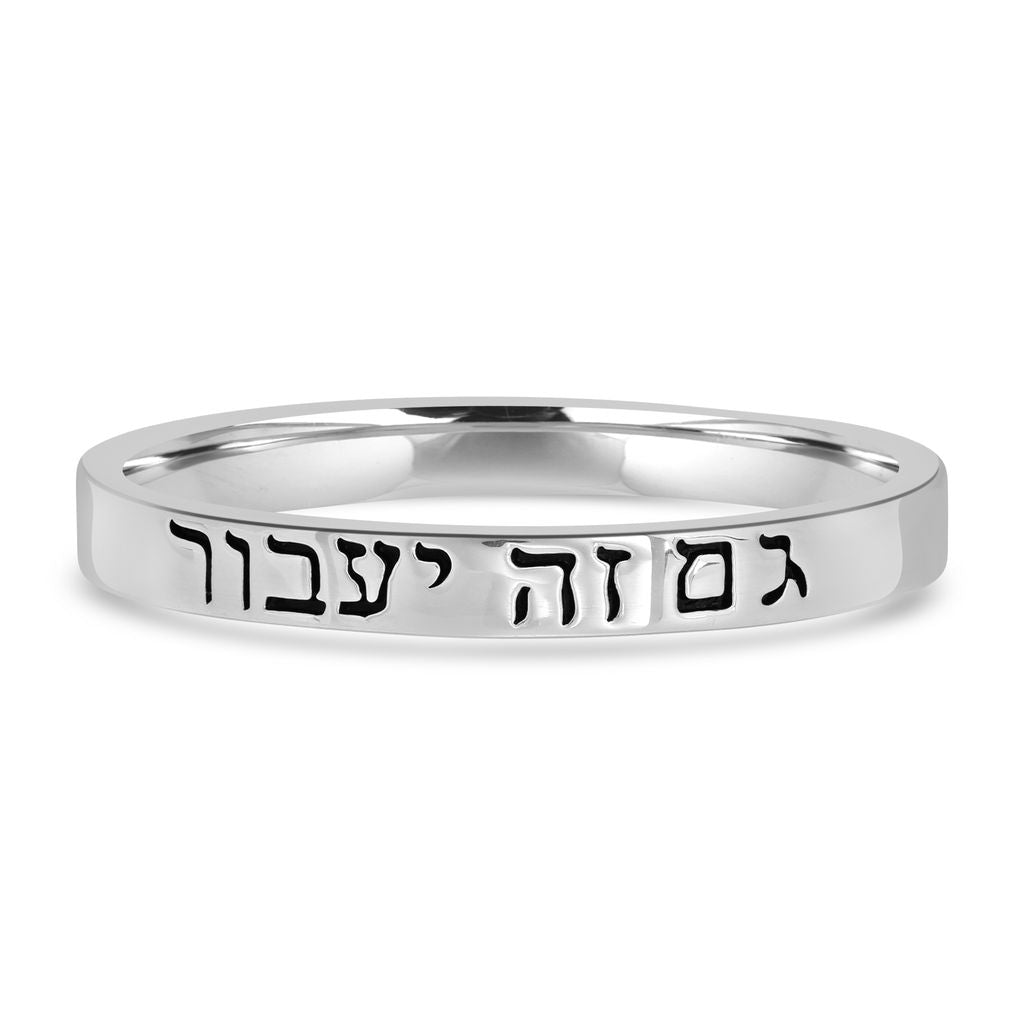
Most Israeli-inspired jewelry today is worked in standard 925 sterling silver or 14kt and 18kt gold, materials chosen for durability and finish rather than any particular local sourcing story. When a piece wants to claim a genuine tie to the land itself, the honest choices are Eilat stone and Jerusalem stone. Eilat stone, a blue-green blend of malachite, azurite, turquoise, and chrysocolla mined near Eilat and the Timna Valley, is recognized as Israel's national stone and is sometimes called "King Solomon's stone" (Wikipedia, "Eilat stone"). Jerusalem stone, the pale limestone that has faced the city's buildings under a construction ordinance dating to 1918, shows up in Judaica like menorahs and seder plates and, less commonly, in jewelry (Wikipedia, "Jerusalem stone").
Worth a caveat here: some pieces are marketed with stones like amethyst or lapis lazuli tied to Israel's ancient priestly breastplate (the Hoshen), the twelve-stone piece described in Exodus as representing the twelve tribes. That association is real in Jewish tradition, but it is symbolic, not geographic. Amethyst is mined in Brazil, Uruguay, Zambia, and similar sources, not Israel, and lapis lazuli has historically come from Afghanistan. Translators also disagree on exactly which Hebrew stone name maps to which modern gem, the Hebrew term achlamah is rendered "amethyst" in the ancient Greek Septuagint but read by some modern scholars as red jasper, so any breastplate identification is best treated as traditional rather than settled fact.
Choosing a piece that means something
Once you know the backstory, picking a piece stops being about which design looks best on a rack and starts being about which story you want to carry. A Star of David necklace makes sense as an everyday statement of Jewish and Israeli identity. A Hamsa leans toward protection and well-wishing, which is why it works well as a gift for someone starting something new. A Chai pendant fits a milestone, a bar mitzvah, a wedding, a new baby, precisely because of that 18 connection. If you want to browse pieces built around these motifs rather than just read about them, Shop Israel's Star of David jewelry collection collects rings, necklaces, and earrings built around the symbol, alongside sterling silver and gold options across the wider line.
Related
- Symbolism Behind Israeli Jewelry Designs You Should Know
- Jewelry Inspired by Icons of Israeli Culture and Symbolism
- Top Israel-Themed Jewelry Pieces for Everyday Style
Last updated July 2026.