

Short answer: The symbols behind Israeli and Jewish jewelry, the Star of David, the Hamsa, the word "Chai," the Tree of Life, and the pomegranate, each have a real, documented history in Jewish text, mysticism, or shared regional folk custom. Not all of them are ancient in the way people assume: the Star of David's specifically Jewish meaning dates to the 17th century, not biblical times, while the Hamsa is a protective folk symbol used across Jewish, Muslim, and Christian communities of the Middle East and North Africa. What is unmistakably current is the demand: sales of Star of David jewelry rose sharply after October 7, 2023, as Jewish people around the world reached for a visible way to show pride and solidarity.
Where these symbols actually come from
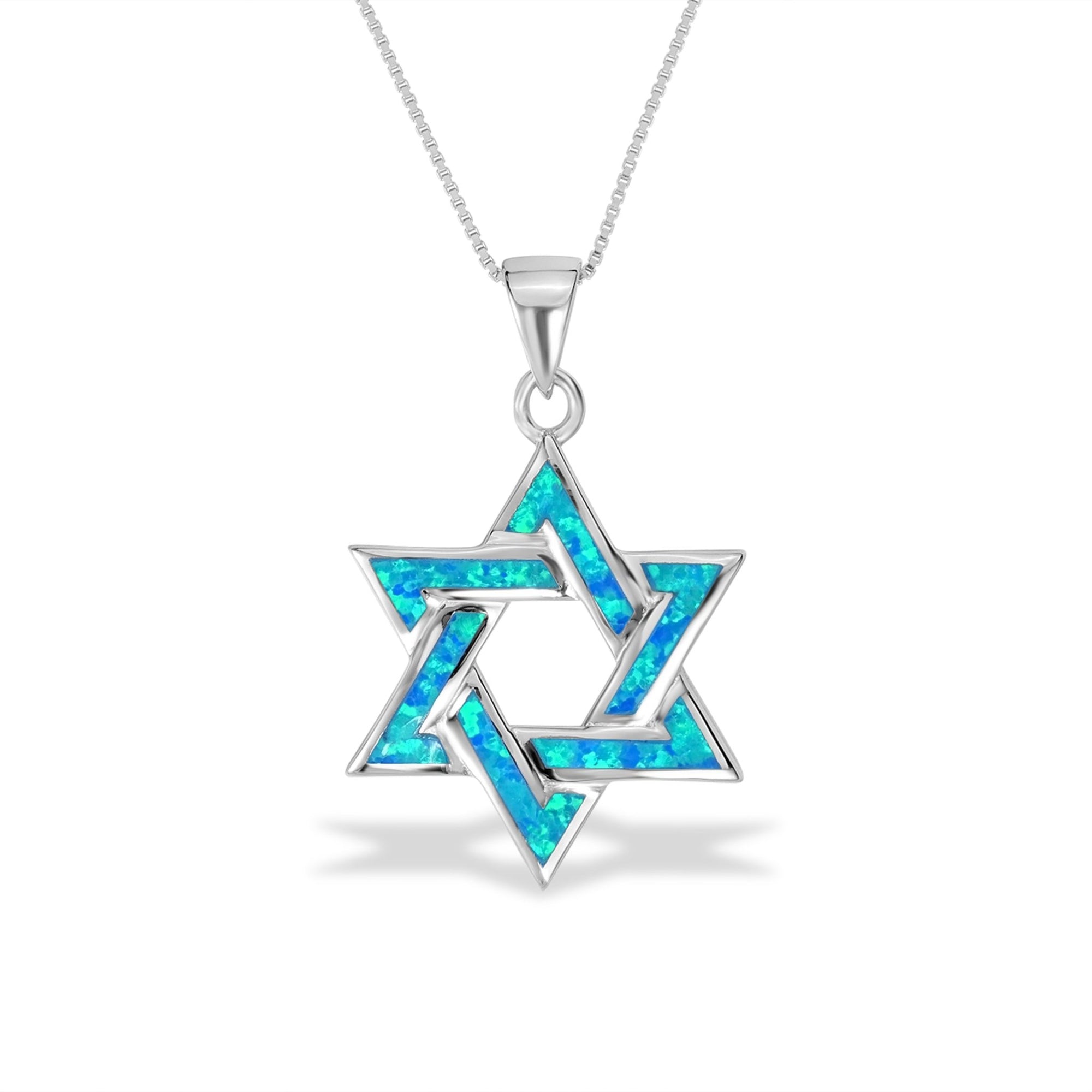
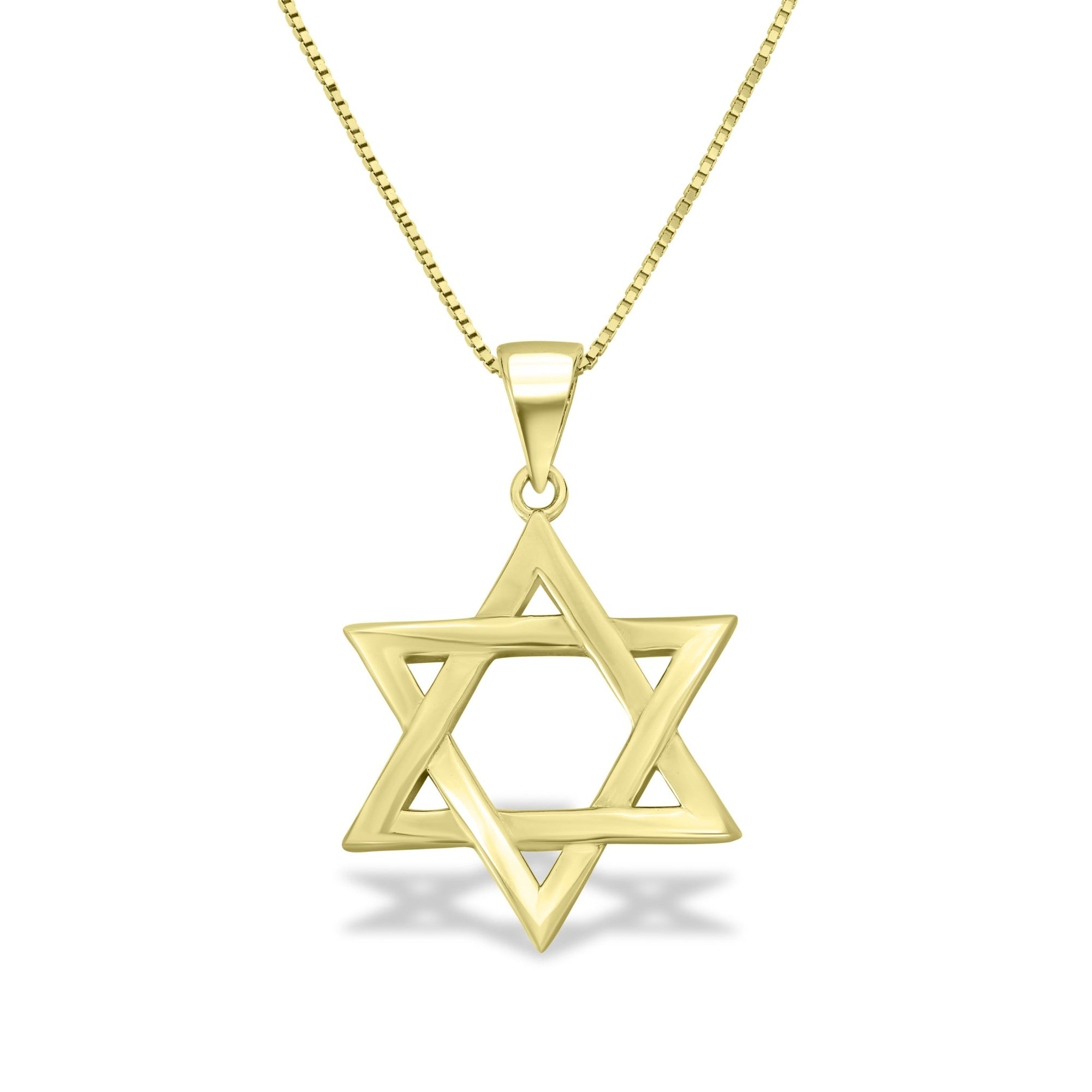
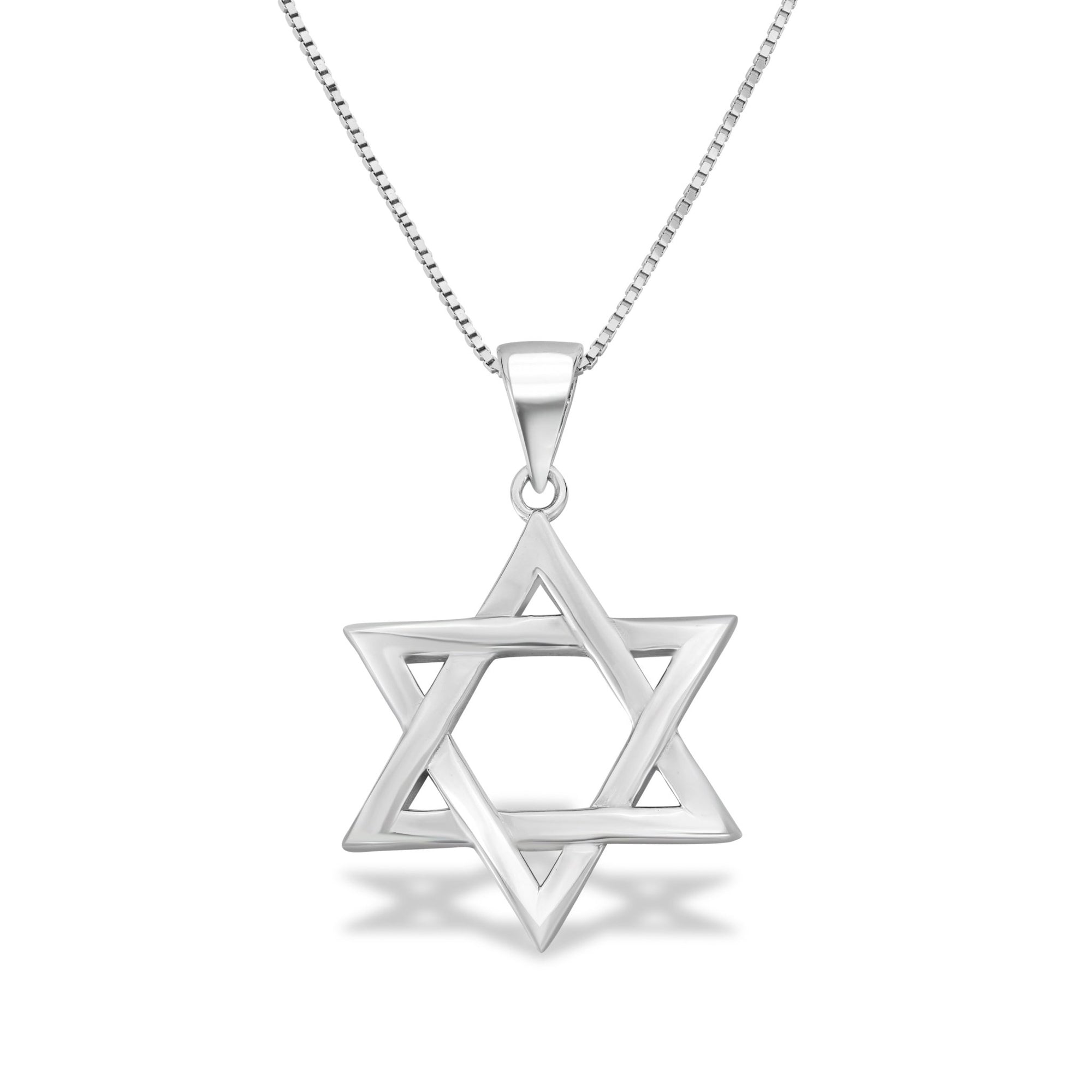
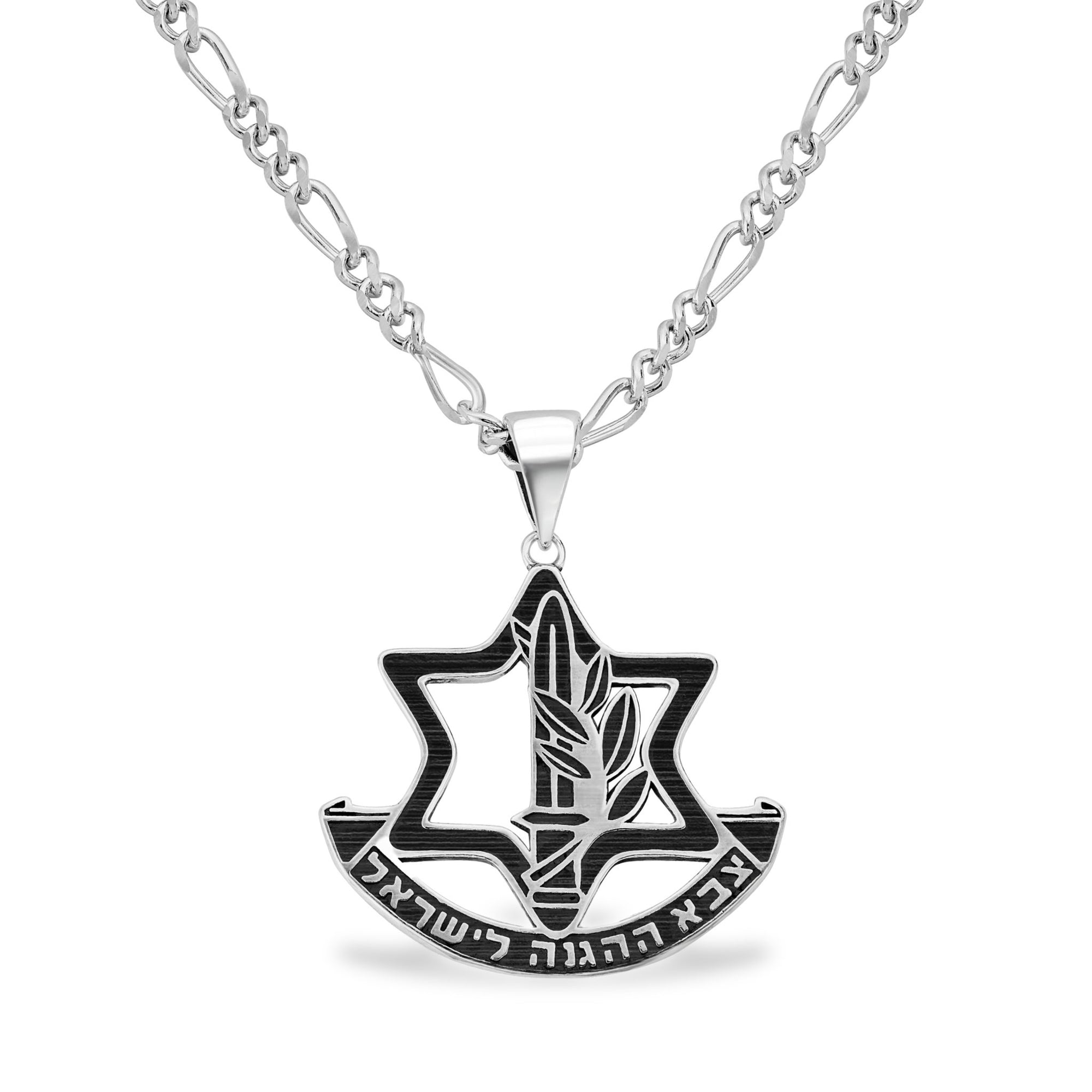
The Star of David (Magen David) is the symbol most people associate with Jewish jewelry, but its history is more recent than the "ancient" label suggests. The earliest solid documentation of the hexagram as a marker of Jewish identity comes from the 17th century, when Vienna's Jewish quarter was marked with a hexagram and Prague's Jewish community adopted it as an official communal seal, after which it spread across Jewish communities in Europe, the Middle East, and North Africa (My Jewish Learning; Judaica Webstore). The First Zionist Congress formally adopted it as the movement's emblem in 1897, and it became the centerpiece of Israel's flag in 1948. In between, Nazi authorities forced Jews in occupied Europe to wear a yellow Star of David badge, an episode that layered meanings of martyrdom and defiant survival onto a symbol that already carried religious and national weight.
The Hamsa, the open-hand pendant seen everywhere from Tel Aviv boutiques to Brooklyn jewelry counters, is often marketed as distinctly Jewish, but it is more accurately a shared regional symbol against the "evil eye," used across Jewish, Muslim, and Christian communities. Within Jewish tradition it carries its own interpretation: the five fingers are sometimes read as a reference to the five books of the Torah, or to the biblical description of God's "strong hand and outstretched arm" during the Exodus (Unpacked, OpenDor Media; Alef Bet).
Other motifs are older or more textually rooted. "Chai," the Hebrew word for "life," is written with two letters whose numerical value (gematria) is 18, which is why 18 and its multiples are treated as a meaningful, celebratory number in Jewish life, from charitable gift amounts to birthday and anniversary framing (Onecklace). The Tree of Life (Etz Chaim) draws on the Book of Proverbs, where it is linked to wisdom, and on Kabbalah, where it represents the ten sefirot through which the divine is understood to manifest in creation (Judaica Webstore). And the pomegranate, one of the biblical Seven Species associated with the land of Israel, is traditionally said in folk teaching (not a fixed halachic count) to hold 613 seeds echoing the 613 mitzvot, and more broadly stands for abundance and righteousness (My Jewish Learning; Tyferet).
Why demand for this jewelry has surged since October 7
The most verifiable recent story in this space is not ancient at all. Following the October 7, 2023 Hamas attack on Israel, multiple UK and US jewelers and retailers reported sharp increases in sales of Star of David and other Judaica jewelry, with reported gains ranging from roughly 60 percent to several hundred percent depending on the retailer, as buyers sought a visible, wearable way to express Jewish pride and solidarity (The Jewish Chronicle; Jewish News UK). Several designers also directed a share of proceeds to Israel-related relief and evacuee-support causes during this period. It is a real, dateable shift, and one that gives this jewelry a more current, honest resonance than a vague "millennia of unbroken tradition" claim ever could.
Choosing a piece that carries this meaning
Once you know the story behind a symbol, wearing it or giving it as a gift becomes a more deliberate choice rather than a decorative one. A Star of David pendant carries the weight of 1897 Zionism, 1948 statehood, and a post-October 7 wave of visible pride, all in one small piece of metal. A Hamsa speaks to shared regional protection and, within Jewish tradition, to Torah and Exodus. Shop Israel's Jewish symbols jewelry collection groups pieces built around these exact motifs, Star of David, Hamsa, Chai, and Tree of Life designs, so it is easy to choose a piece that matches the specific meaning you or the person you are gifting to want to carry.
Related
- 6 Unique Jewelry Designs Inspired by Israeli Culture and Symbols
- Jewelry Inspired by Icons of Israeli Culture and Symbolism
- Jewelry Gift Guide: Perfect Picks for Israel Enthusiasts
Last updated July 2026.