

Short answer: The Dead Sea is the lowest exposed point on Earth's surface (historically about 430 meters below sea level, and closer to 438 meters as the lake recedes) and one of the saltiest bodies of water on the planet. What makes it matter for skincare is not only how salty it is but its unusual mineral ratio: it is dominated by magnesium chloride rather than the sodium chloride of ordinary seawater, and it holds the highest bromide concentration of any water on Earth (source: Wikipedia, Dead Sea). The best skincare evidence is specific: a peer-reviewed dermatology study found that bathing in magnesium-rich Dead Sea salt measurably strengthens the skin barrier, boosts hydration, and calms inflammation in dry skin (source: Proksch et al., International Journal of Dermatology).
Where the Dead Sea sits, and why it is so salty
The Dead Sea lies at the lowest point on Earth's land surface. Its shoreline sat roughly 430 meters below sea level historically, and as the lake continues to recede it measured about 439.78 meters below sea level in 2025 (source: Wikipedia, Dead Sea). It is bordered by Jordan to the east and by Israel and the West Bank to the west, which places this natural resource in the heart of the region and is part of why Israeli Dead Sea skincare carries a real sense of national pride and a legitimate export story.
It is also one of the saltiest bodies of water anywhere. A 2011 measurement put its salinity at about 34.2%, roughly 9.6 times saltier than average ocean water (about 3.5%) (source: Wikipedia, Dead Sea). You will sometimes see "29%" repeated in marketing copy, but the measured figure is closer to 34%. That extreme concentration is why swimmers float so easily on the surface, and why the water leaves a fine mineral film on the skin.
The minerals, and what the science really shows
Here is where the Dead Sea earns its reputation. By weight of anhydrous chlorides, Dead Sea salt is about 50.8% magnesium chloride, 30.4% sodium chloride, 14.4% calcium chloride, and 4.4% potassium chloride, and it carries the highest bromide ion concentration of any water on Earth (source: Wikipedia, Dead Sea). The distinctive part is that ratio. Ordinary seawater is dominated by sodium chloride (common table salt), while Dead Sea water leans heavily on magnesium. These same ions appear in other waters too, so the real story is not "minerals found nowhere else," it is the unusual proportions and that record-high bromide.
The strongest clinical evidence points to magnesium. In a 2005 study published in the International Journal of Dermatology, Proksch and colleagues had participants soak one forearm in a 5% magnesium-rich Dead Sea salt solution and the other in tap water. The salt-bathed skin showed significantly improved barrier function, better hydration, and reduced roughness and redness (a marker of inflammation), which the authors credited to magnesium's role in binding water, supporting cell growth, and repairing the barrier (source: Proksch et al., PubMed).
The other well-documented tradition is for psoriasis, through a combination of mineral salt bathing and sunlight. Because the Dead Sea sits so low, its sunlight is naturally filtered, and the long practice of climatotherapy there pairs mineral bathing with careful sun exposure. A Cochrane review found low-quality evidence that salt bathing combined with UVB light may reduce psoriasis severity more than UVB alone (source: Wikipedia, Balneotherapy). Beyond magnesium and salt-plus-sun, the soothing roles often attributed to calcium, potassium, and bromide are traditional and plausible rather than clinically proven, so it is fair to treat them as heritage wisdom rather than settled science.
Bringing Dead Sea minerals into your routine
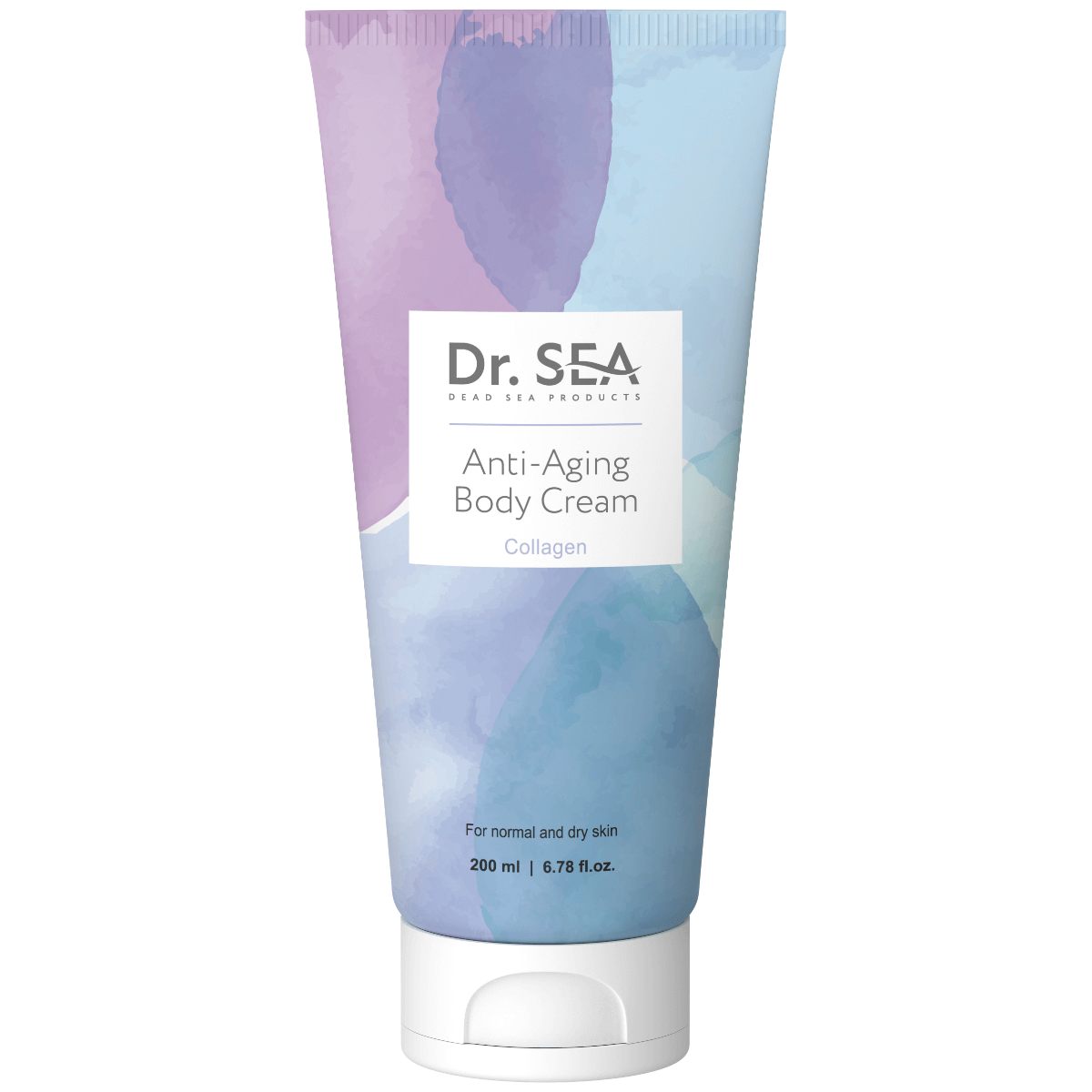
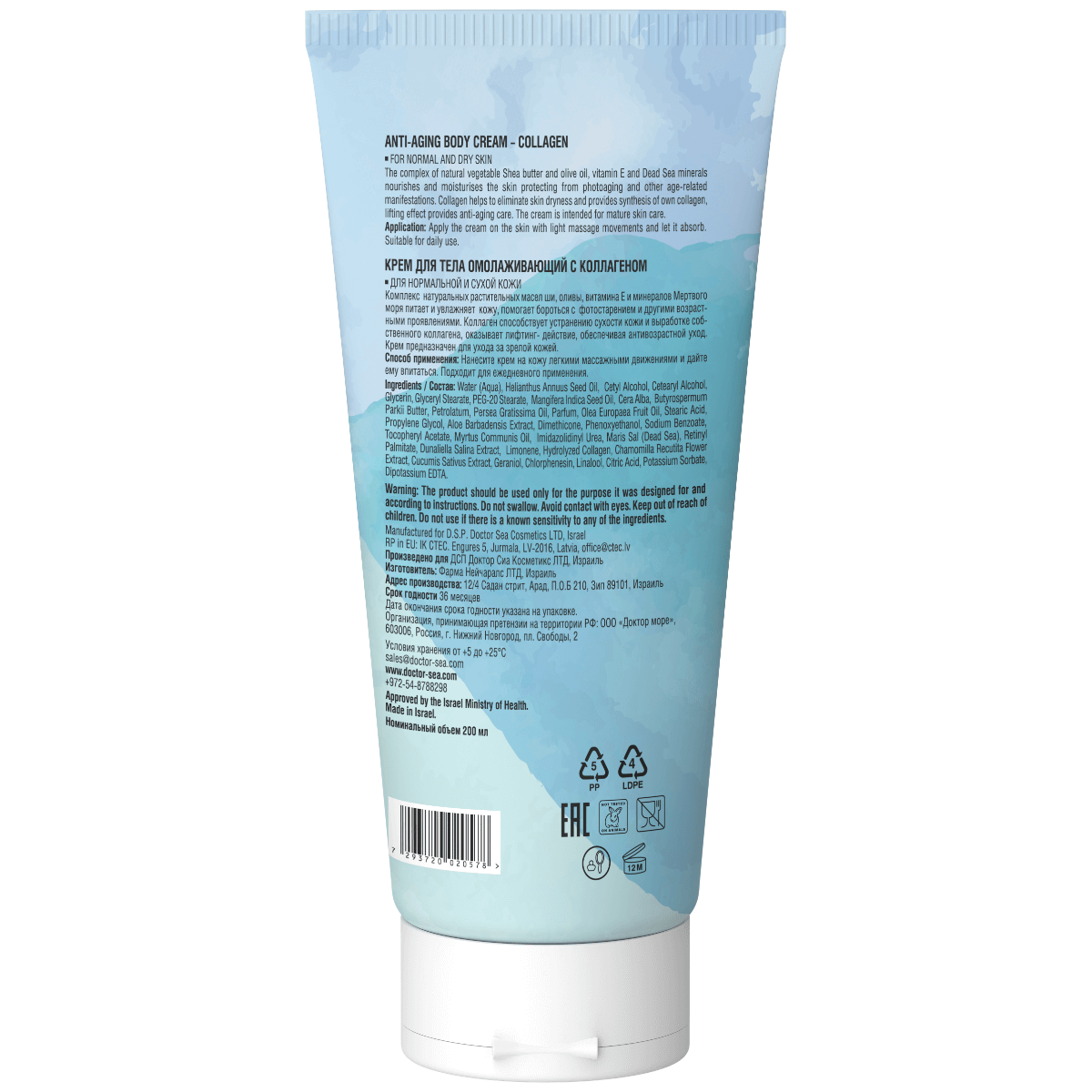
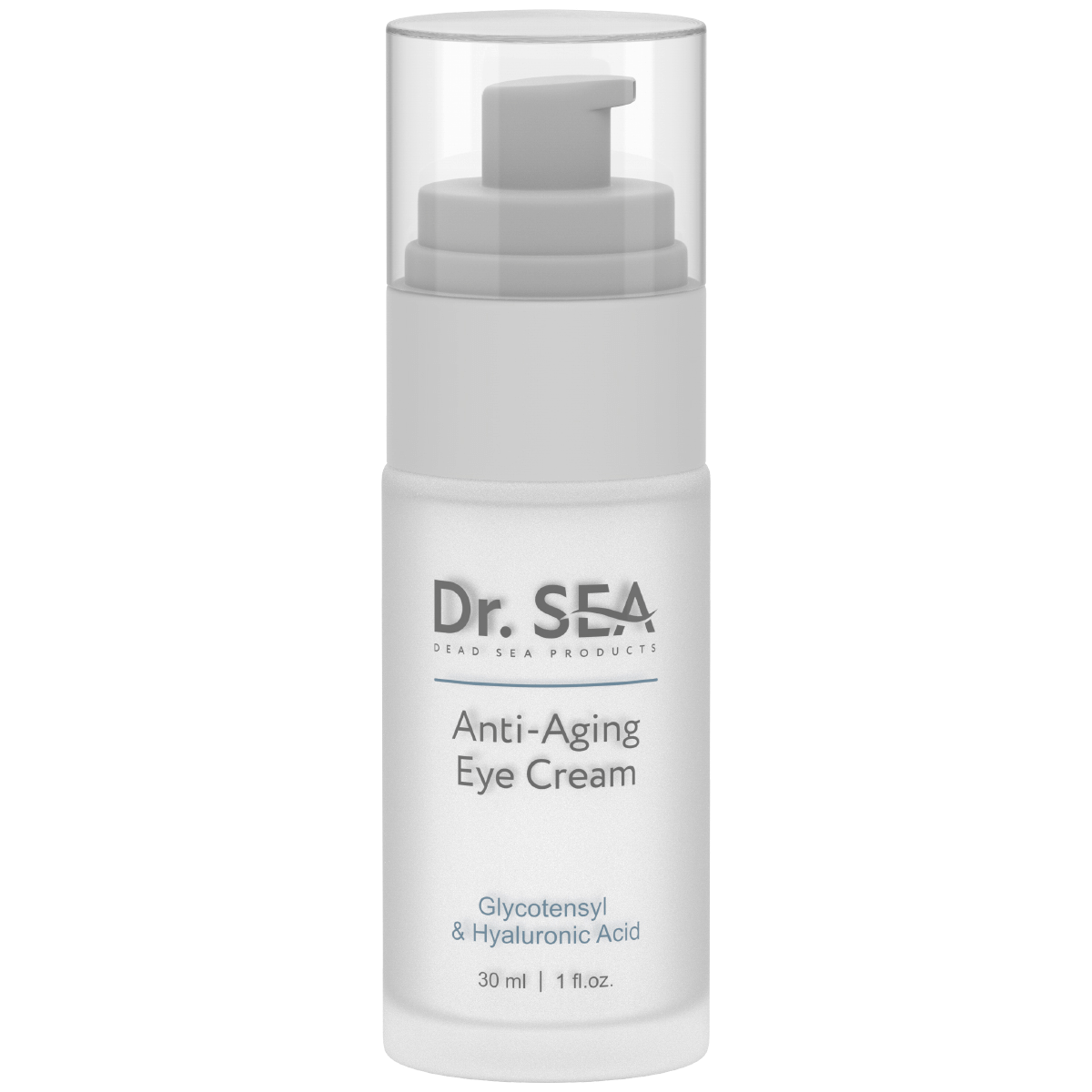
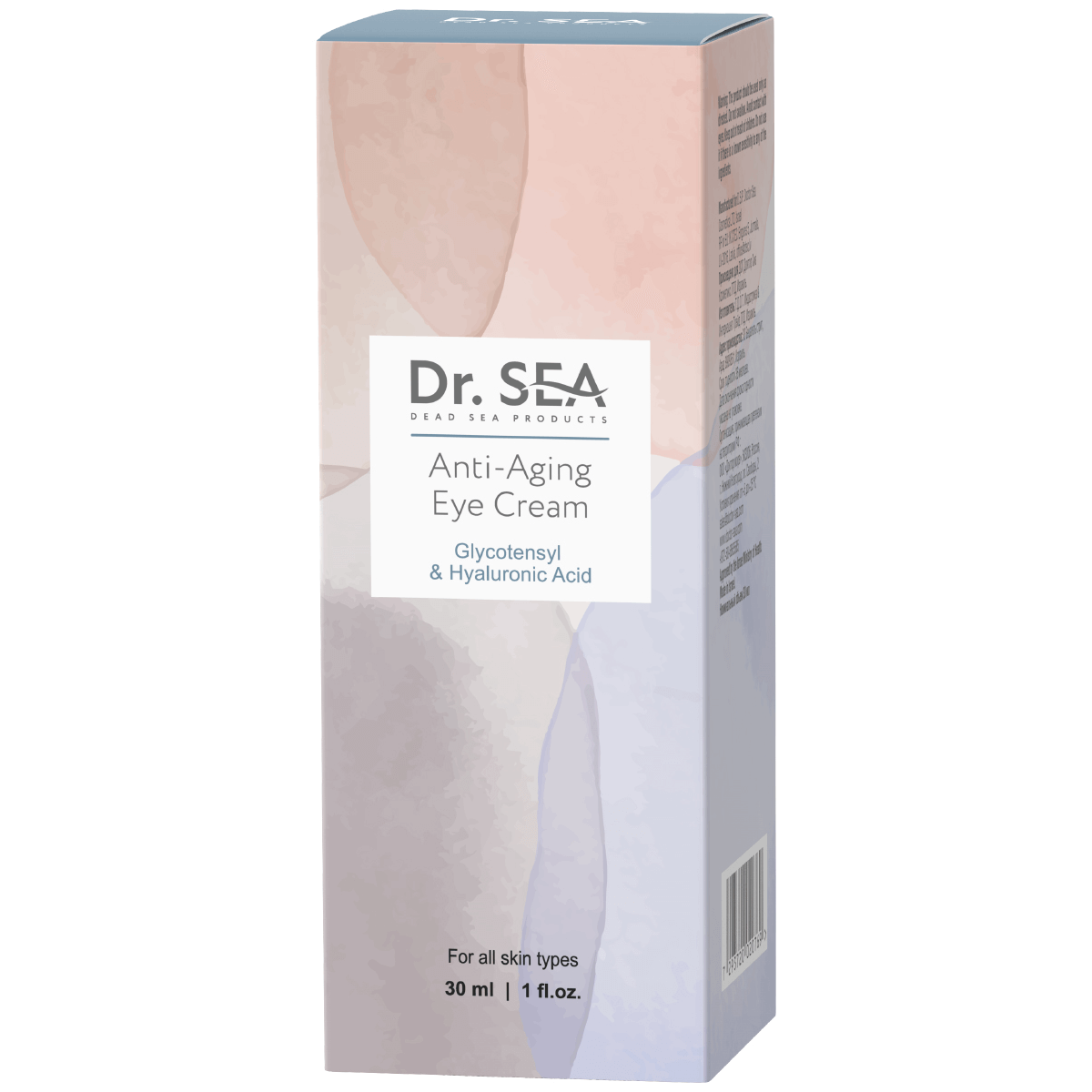
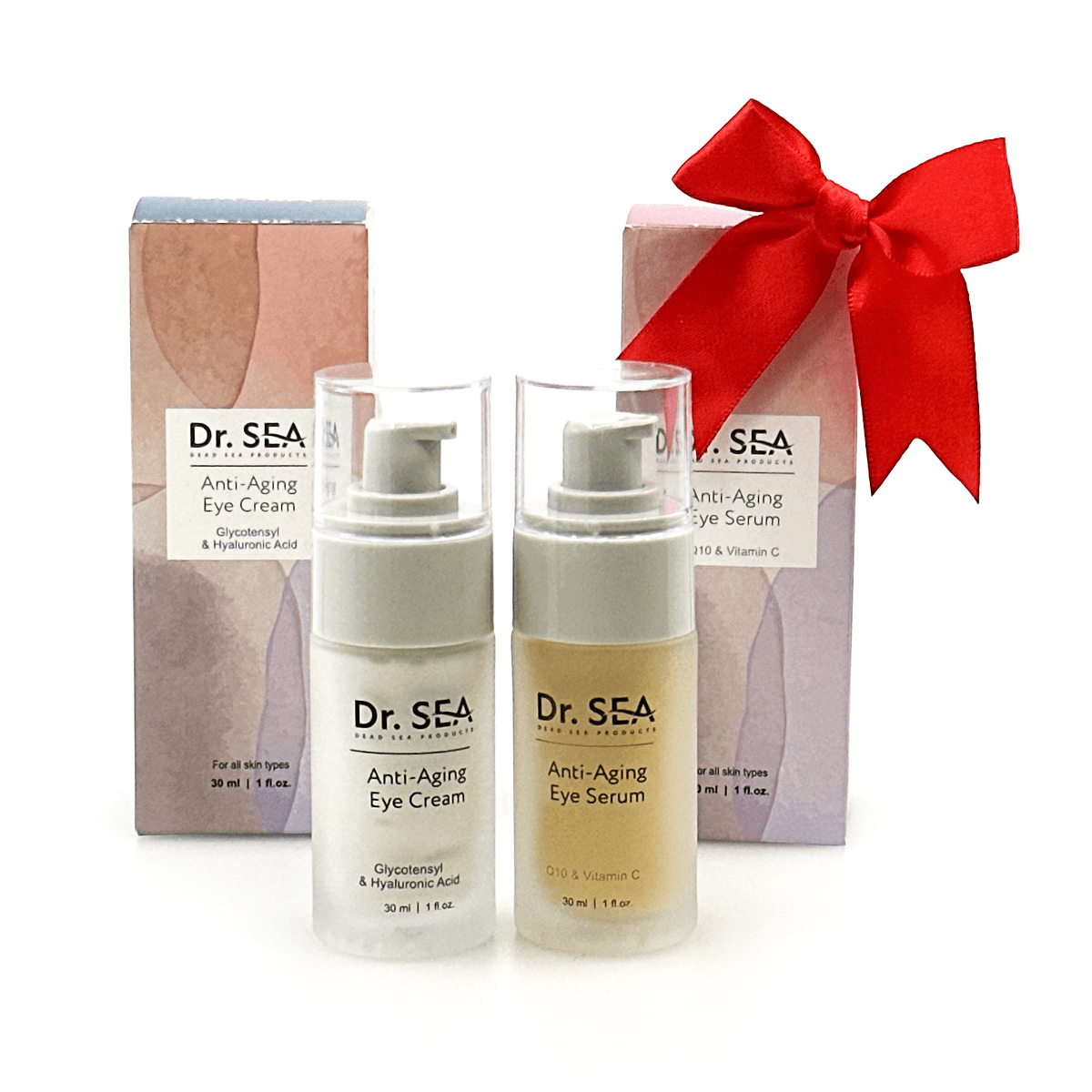
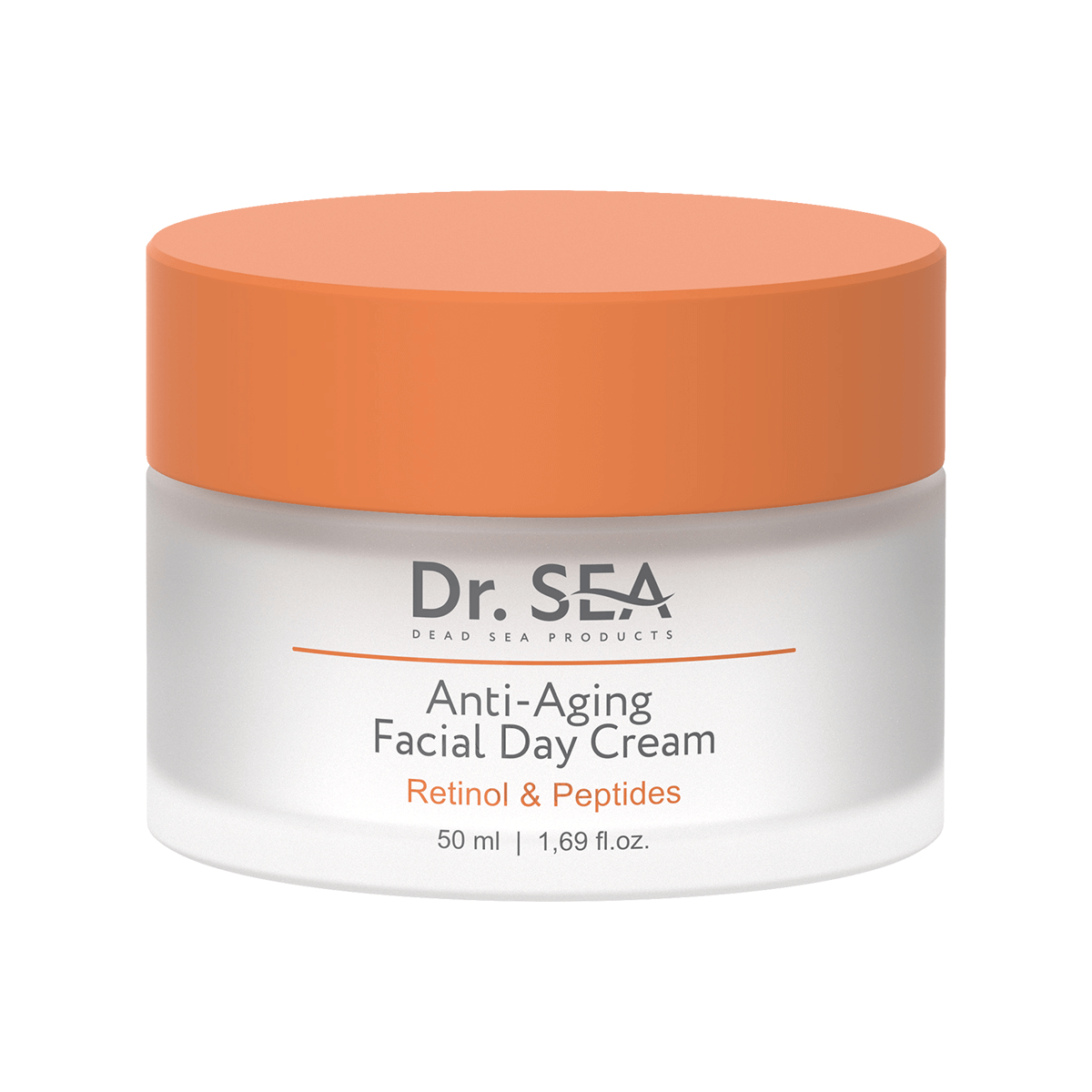
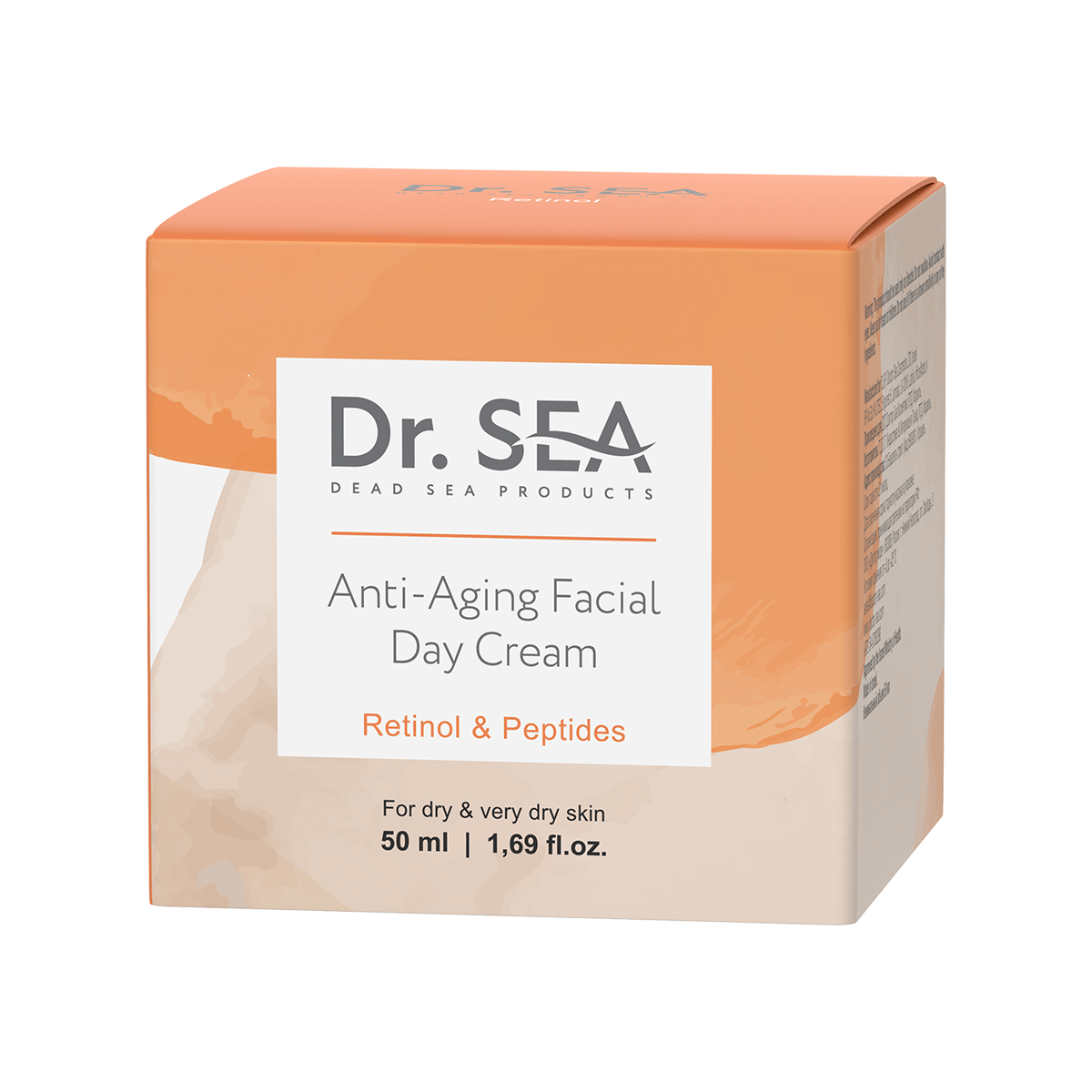
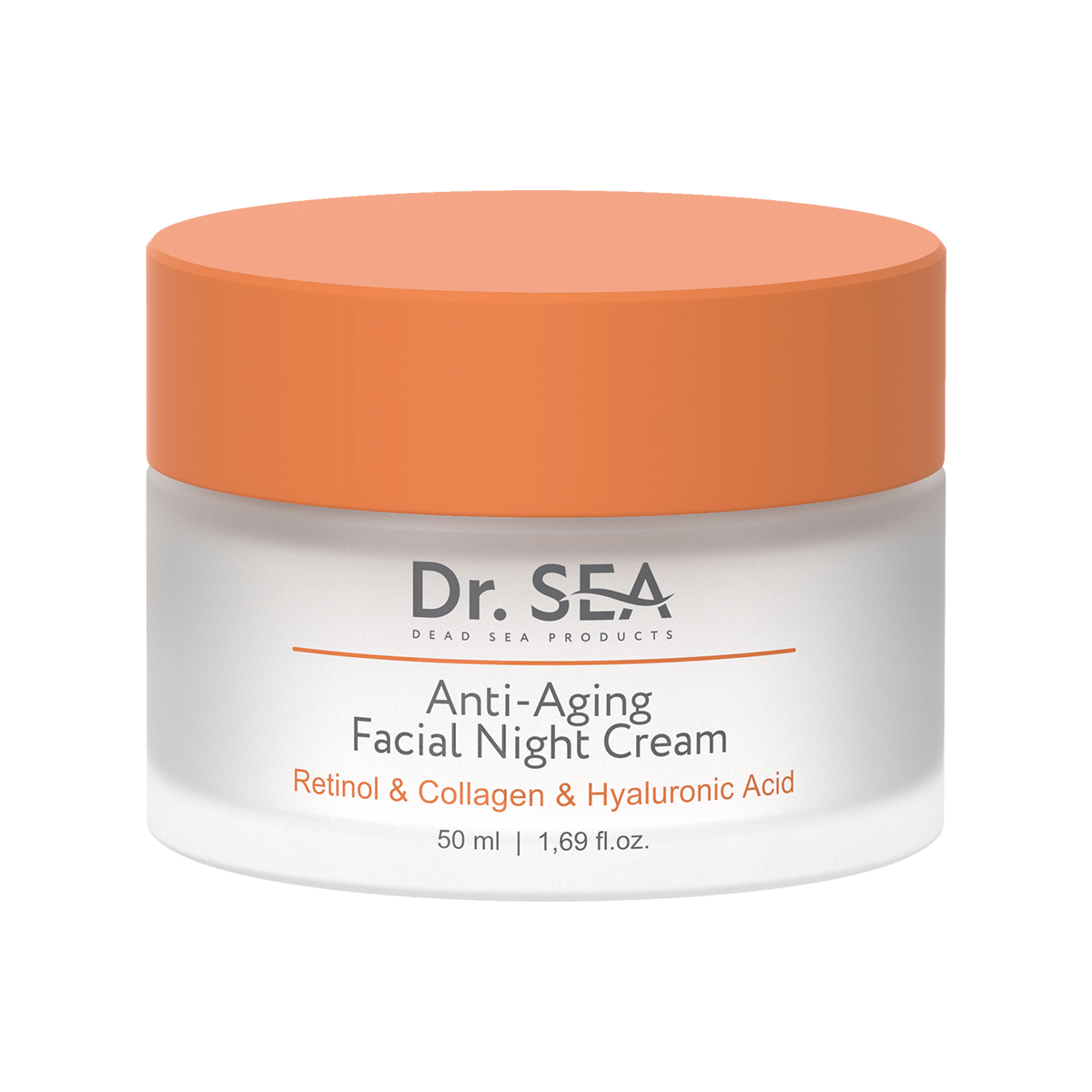
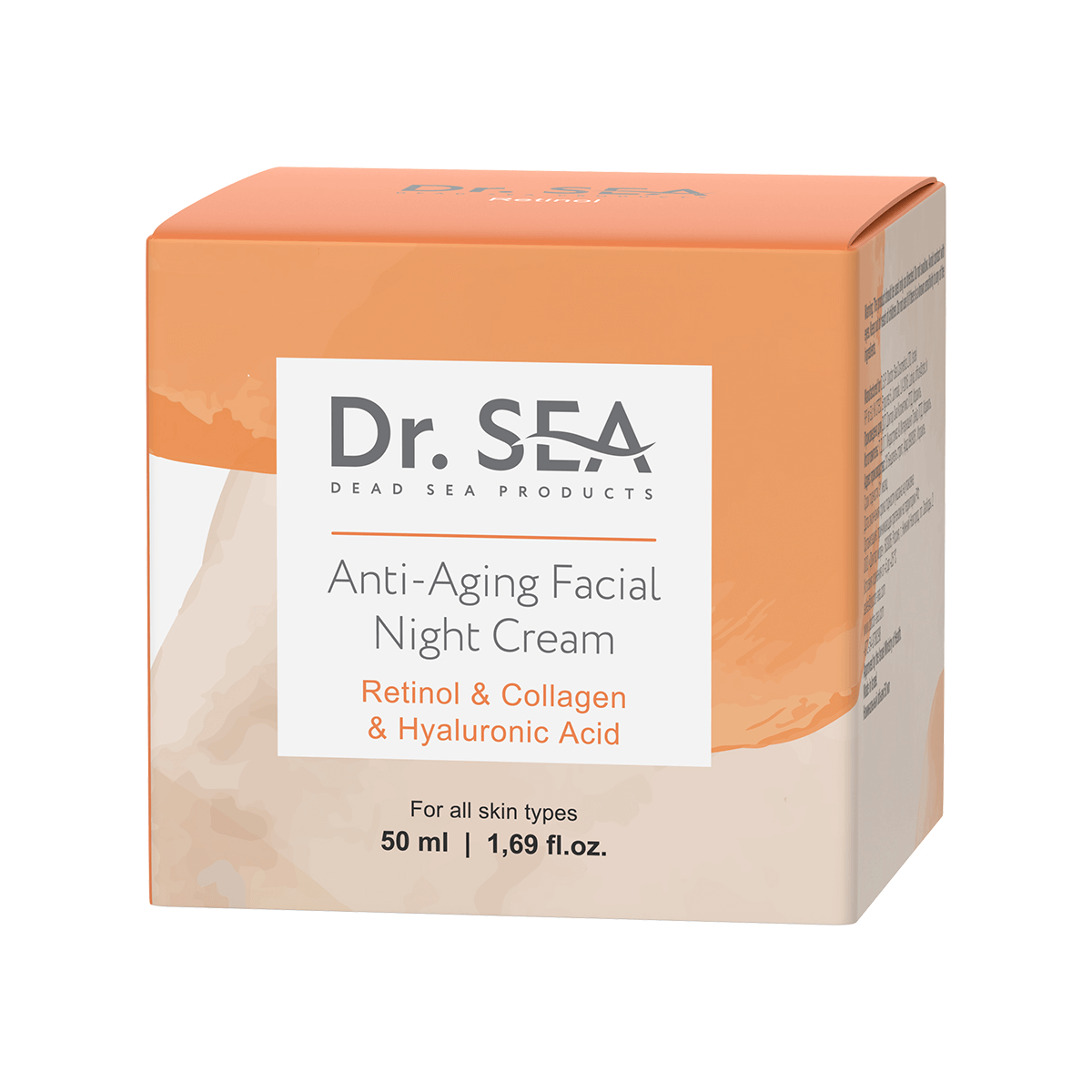
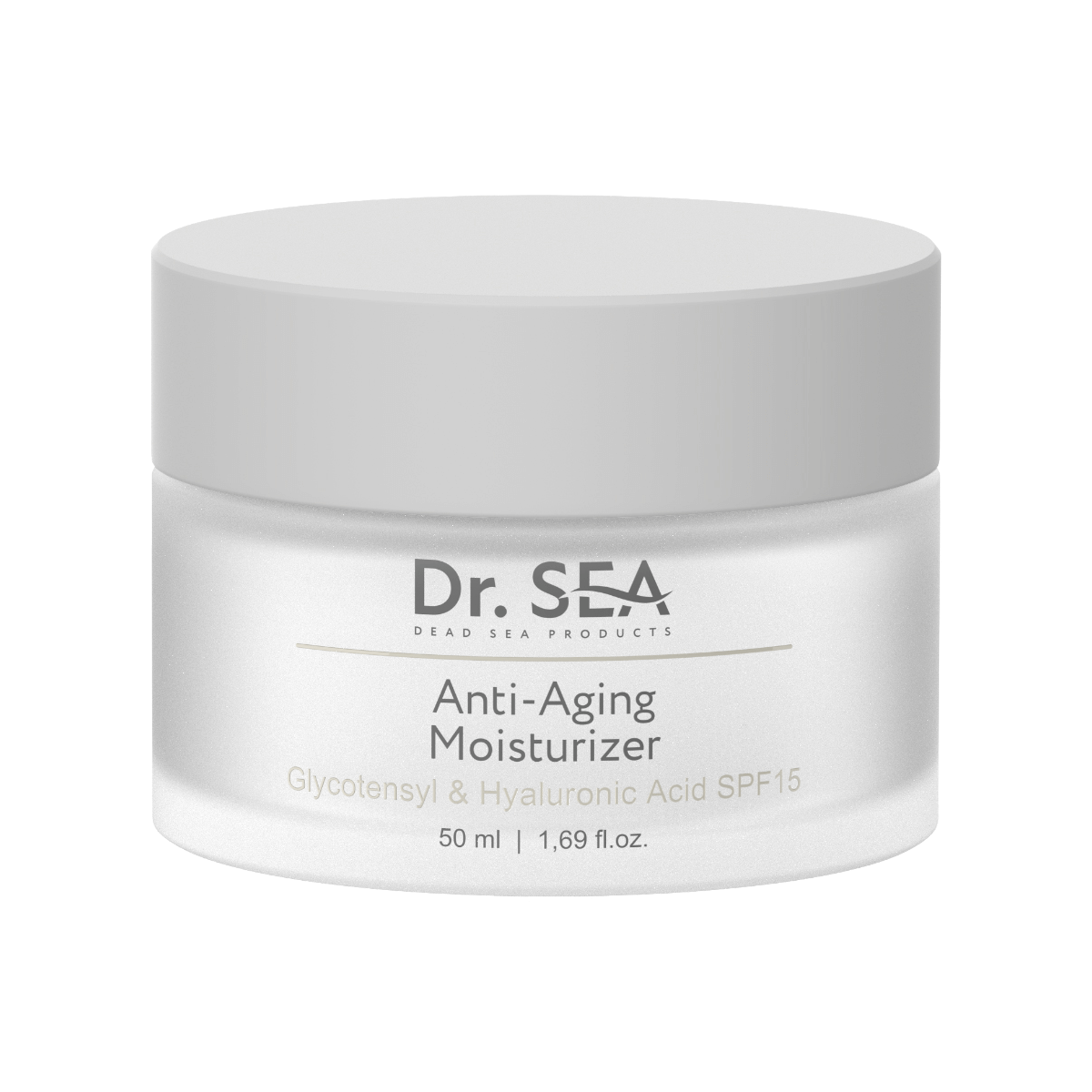
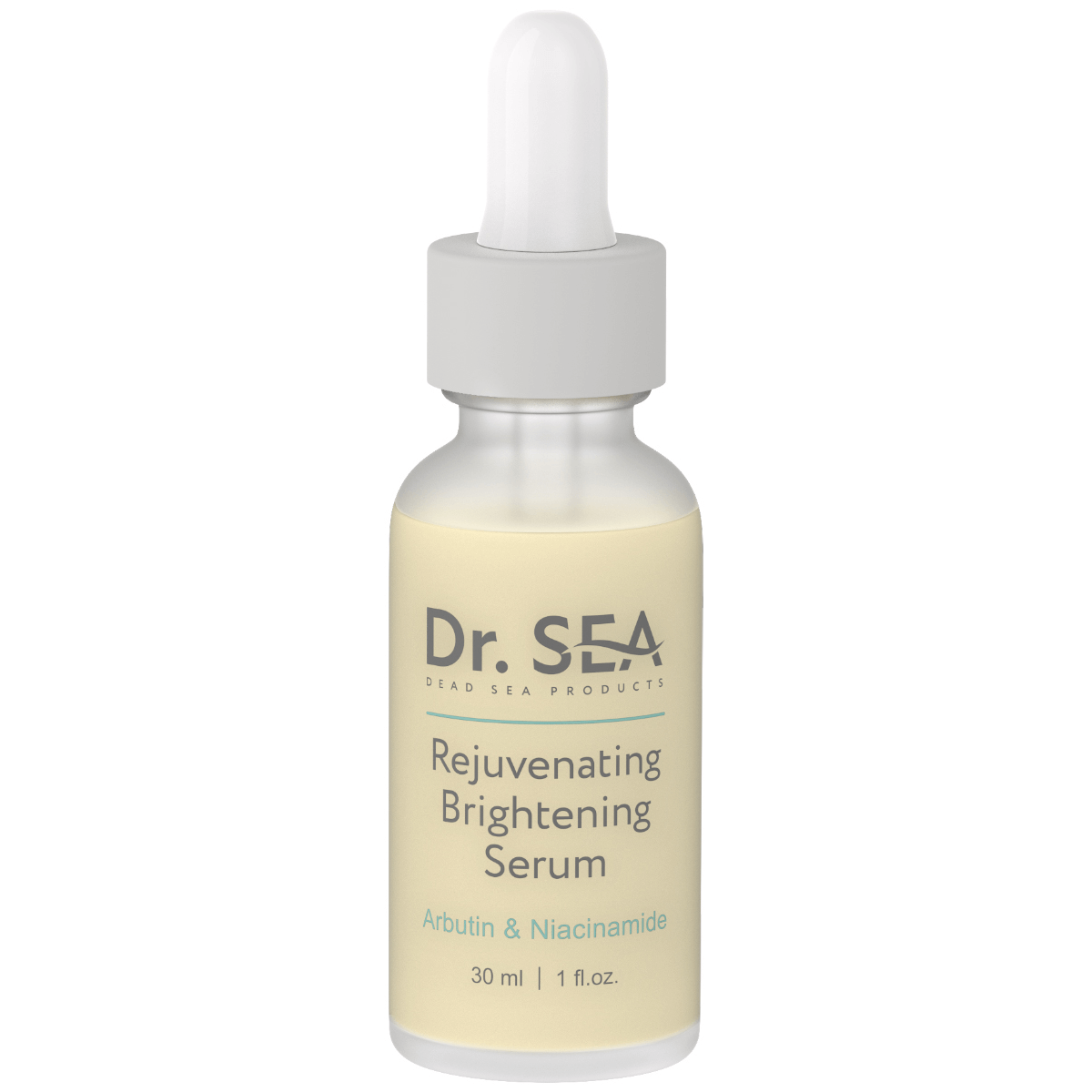
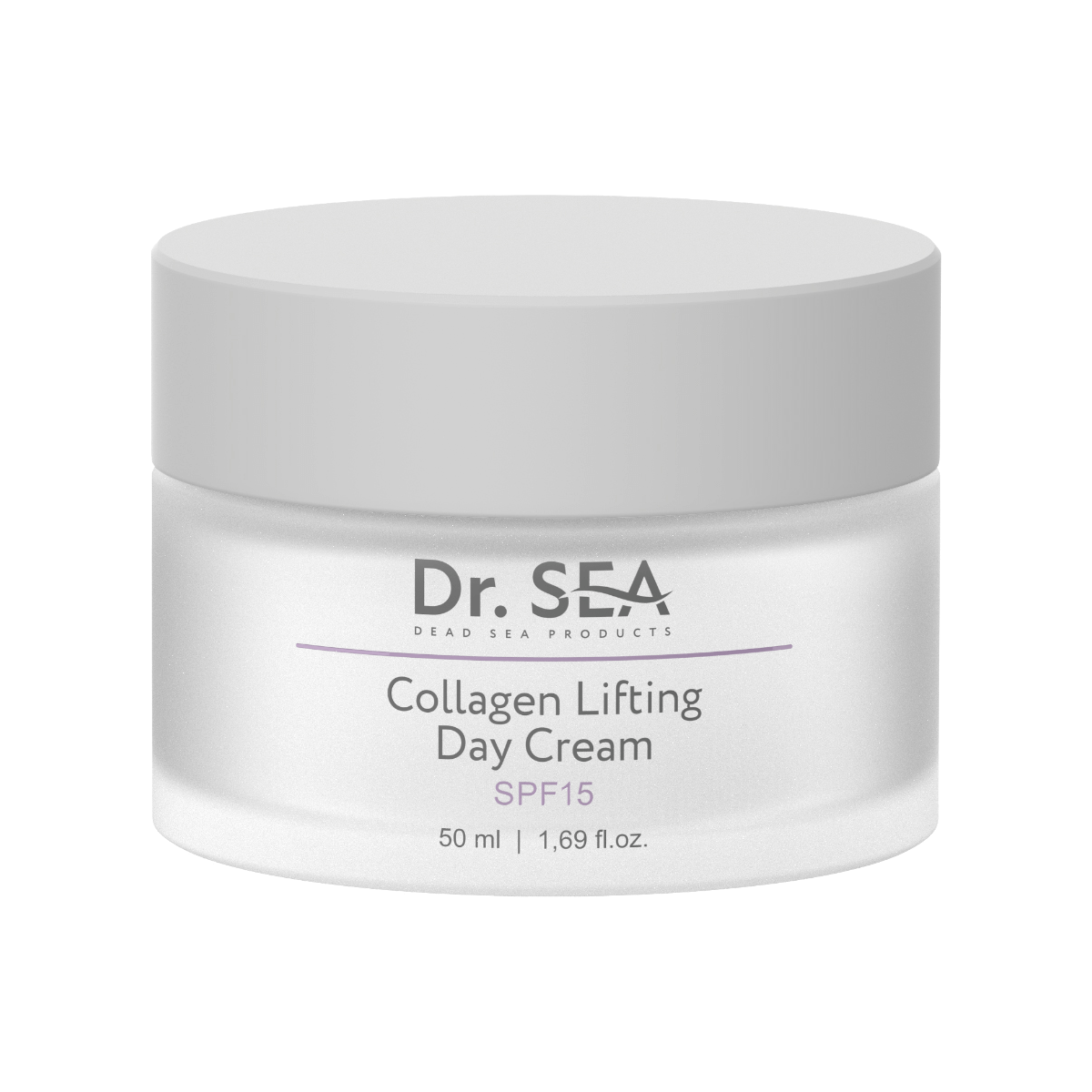
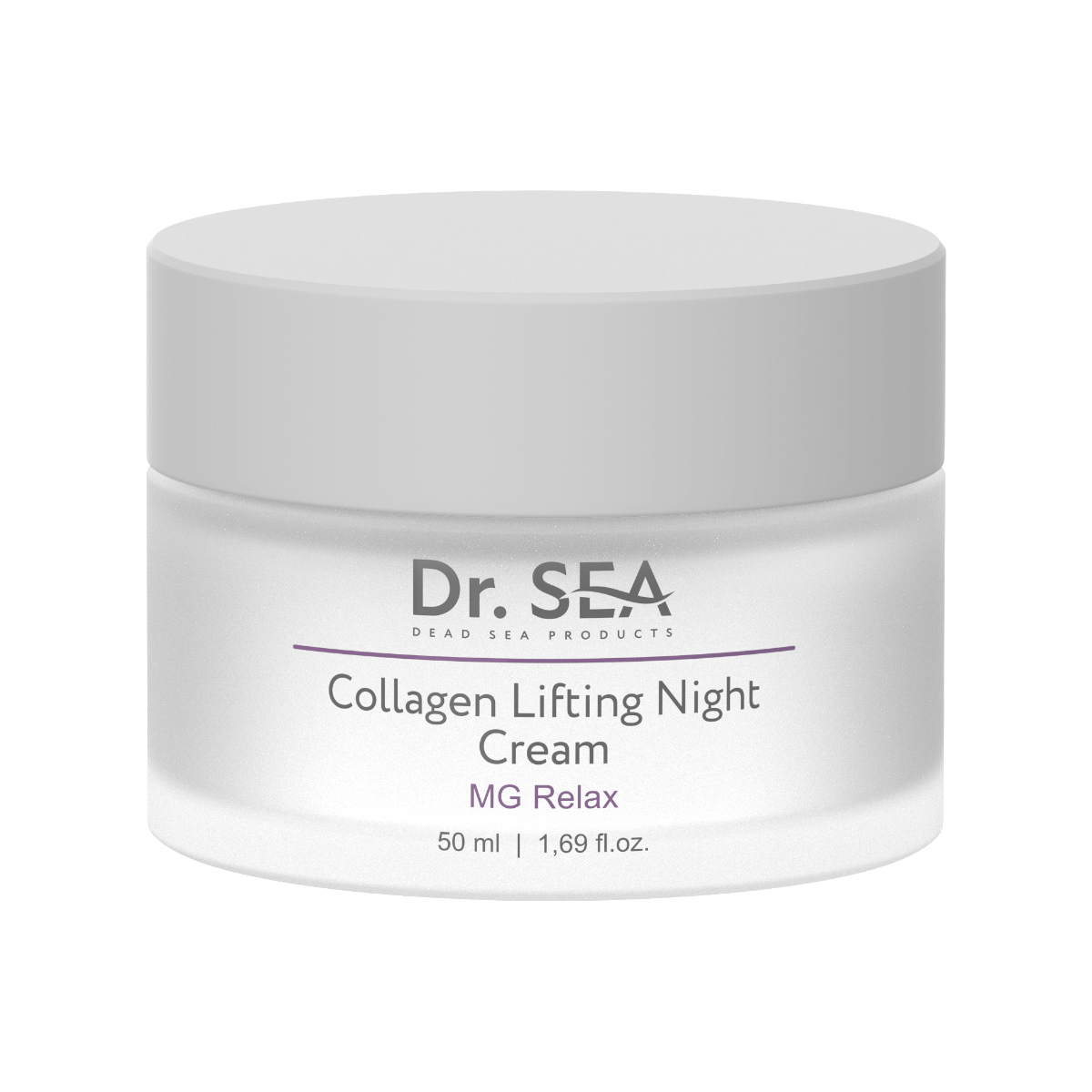
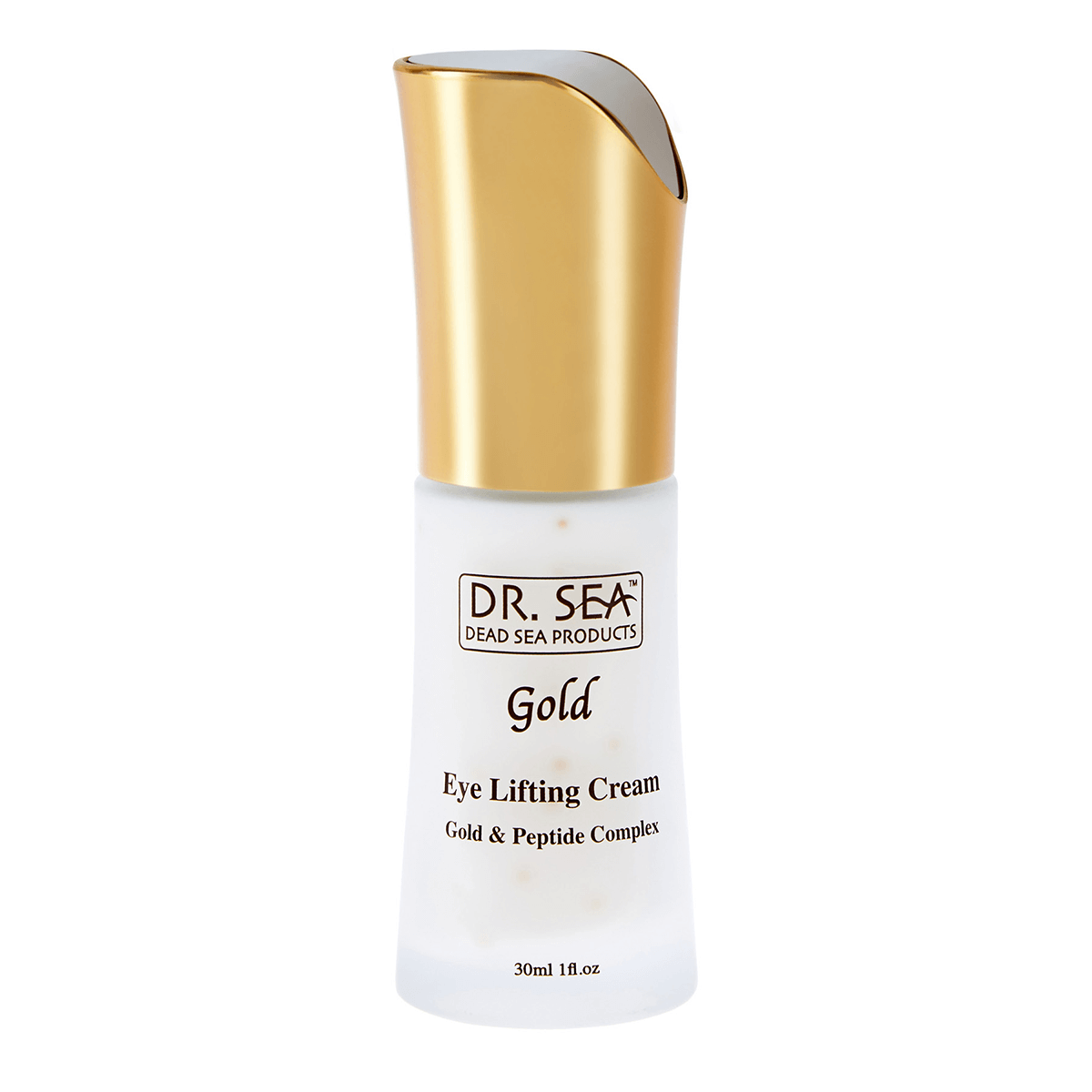
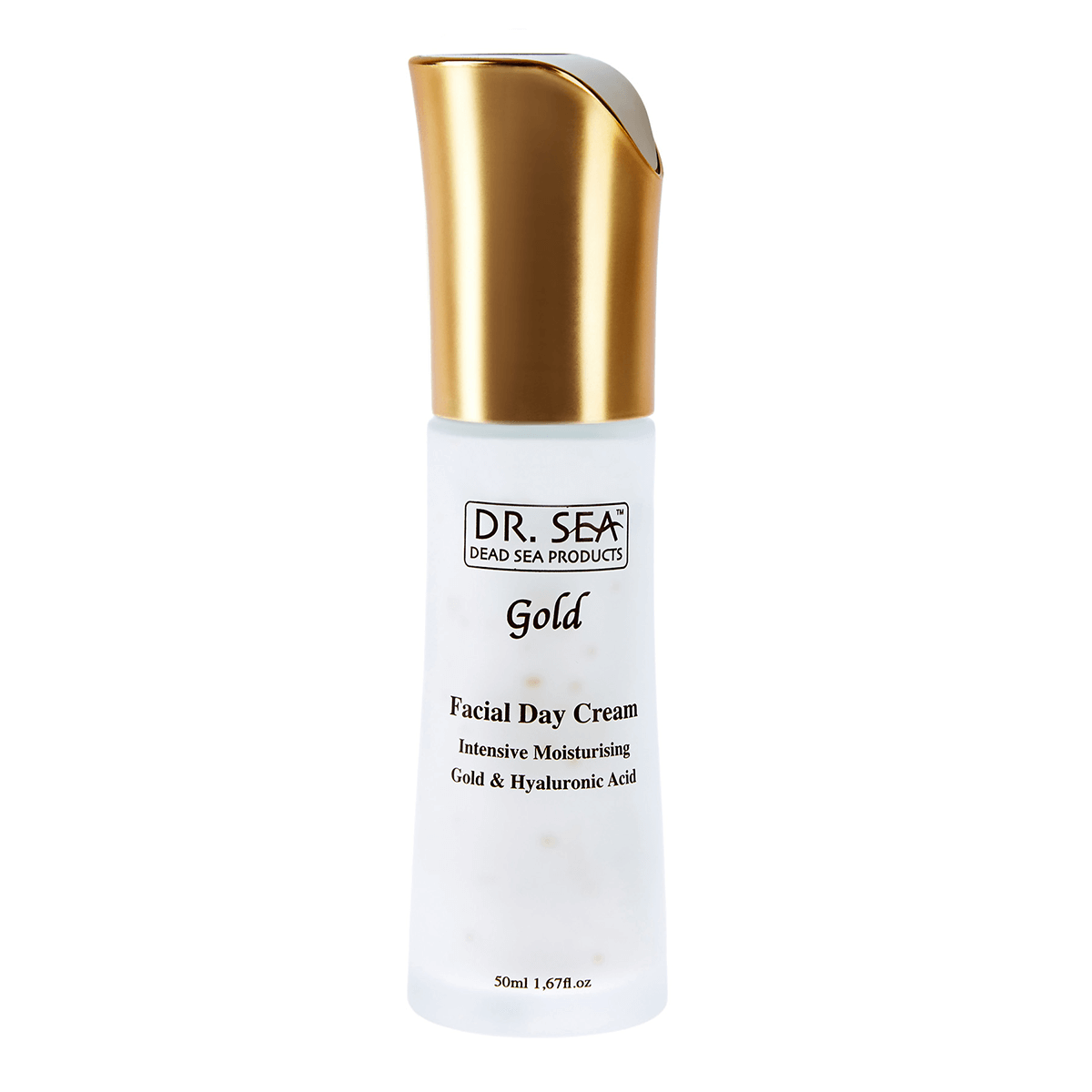
You do not need to travel to the shoreline to use Dead Sea minerals. The same magnesium-rich salt and mineral mud that people have bathed in for generations now come formulated into everyday skincare: bath salts and muds, hydrating serums, and moisturizers built around that distinctive mineral profile. If you have dry or easily irritated skin, the barrier-and-hydration evidence behind magnesium is the most grounded reason to give them a try.
Our Dead Sea collection gathers authentic mineral skincare sourced from the region, from mineral mud and bath salt to face serums and anti-aging creams, so you can bring a piece of Israel's most famous natural resource into your daily routine. Choosing it is also a small, direct way to support Israeli makers.
Related
- The benefits of Dead Sea salt
- Why Dead Sea minerals make the best skincare products
- Benefits of Dead Sea skincare products from Israel
Last updated July 2026.