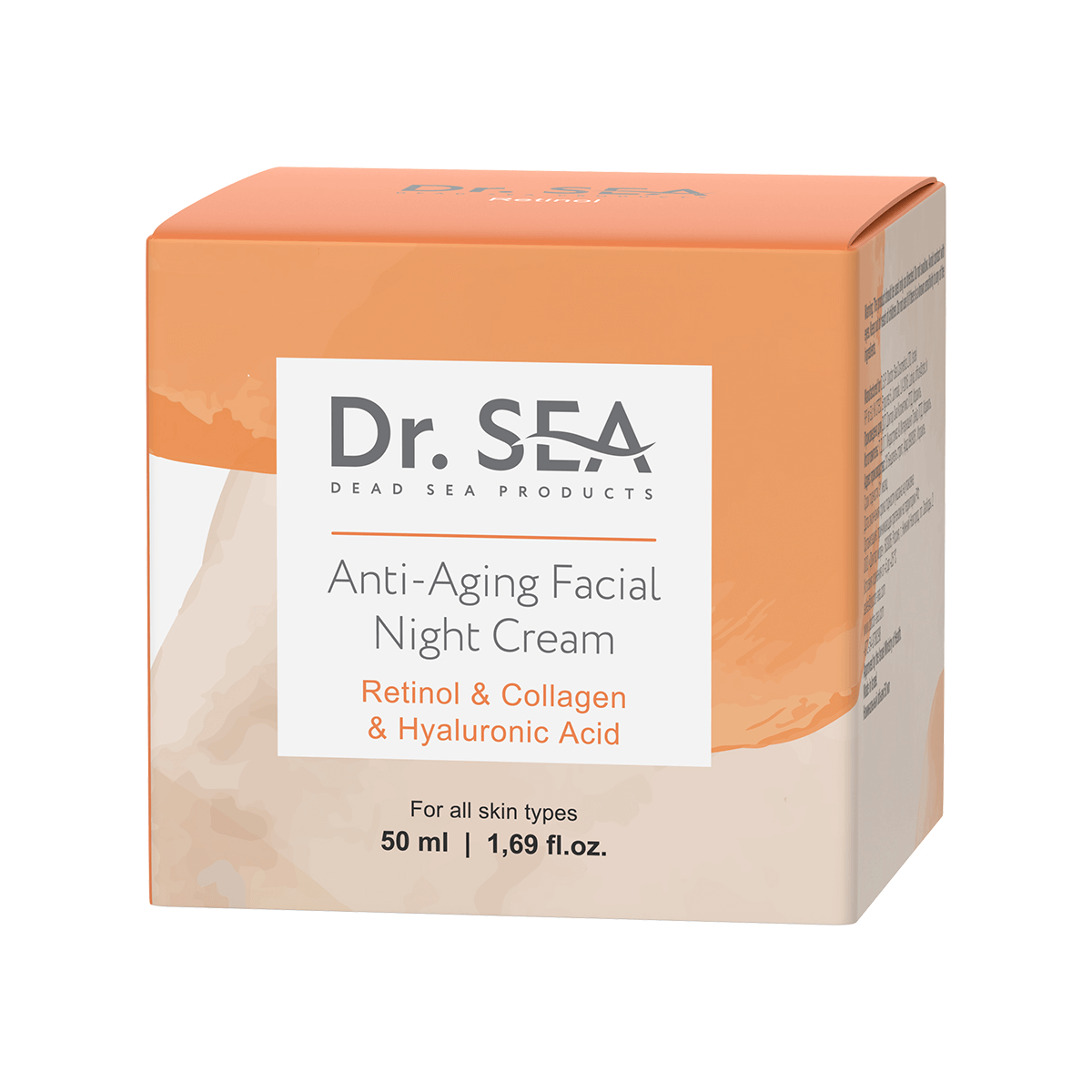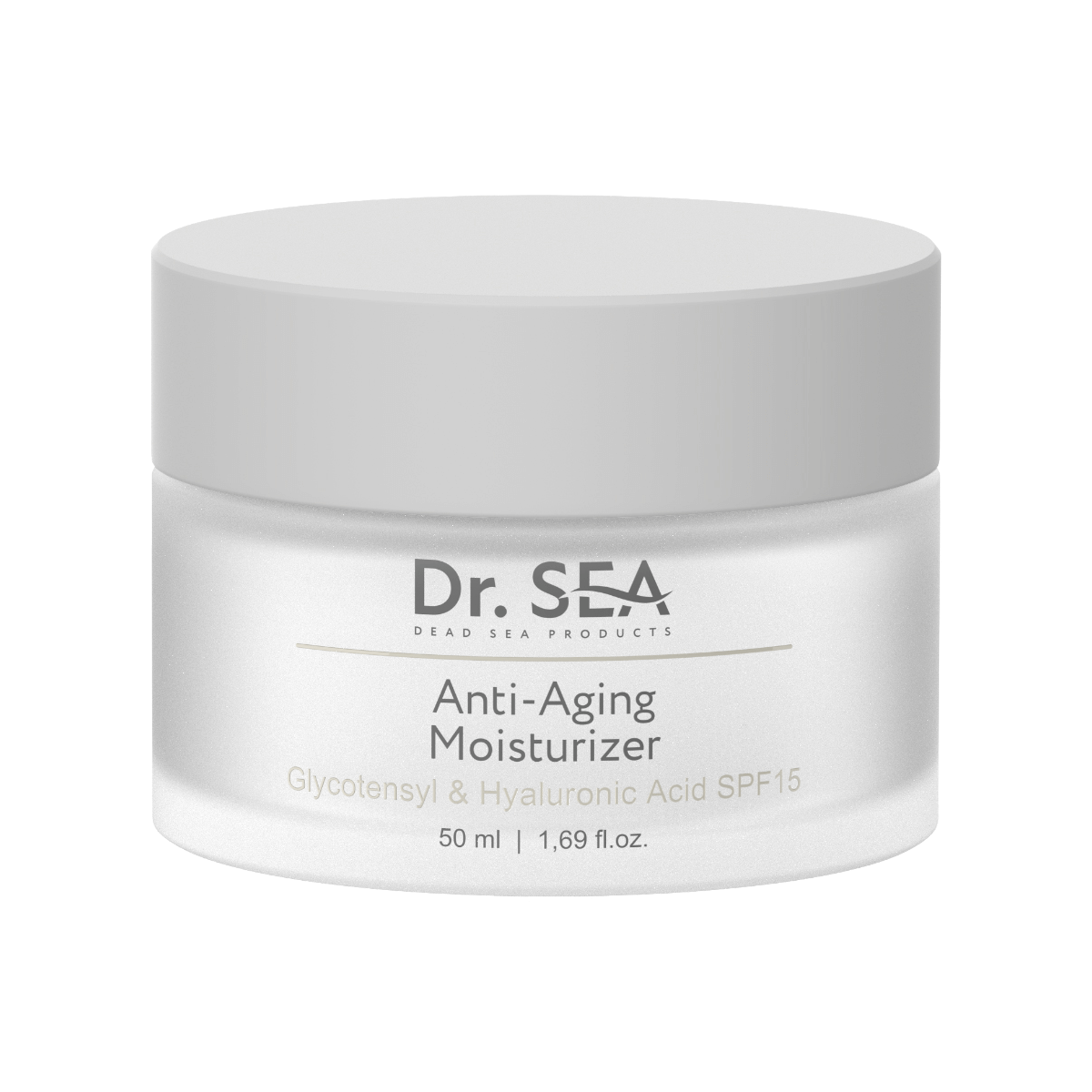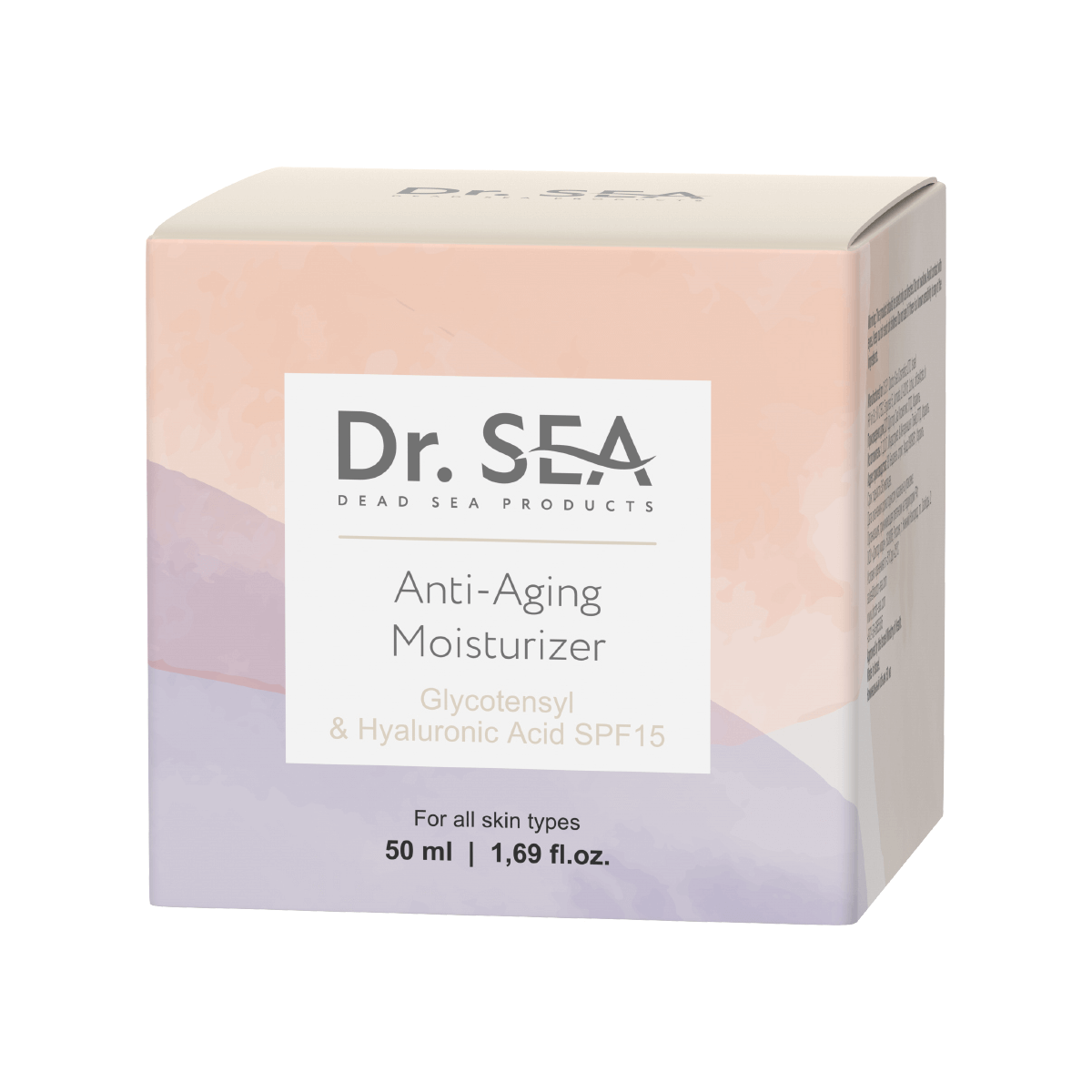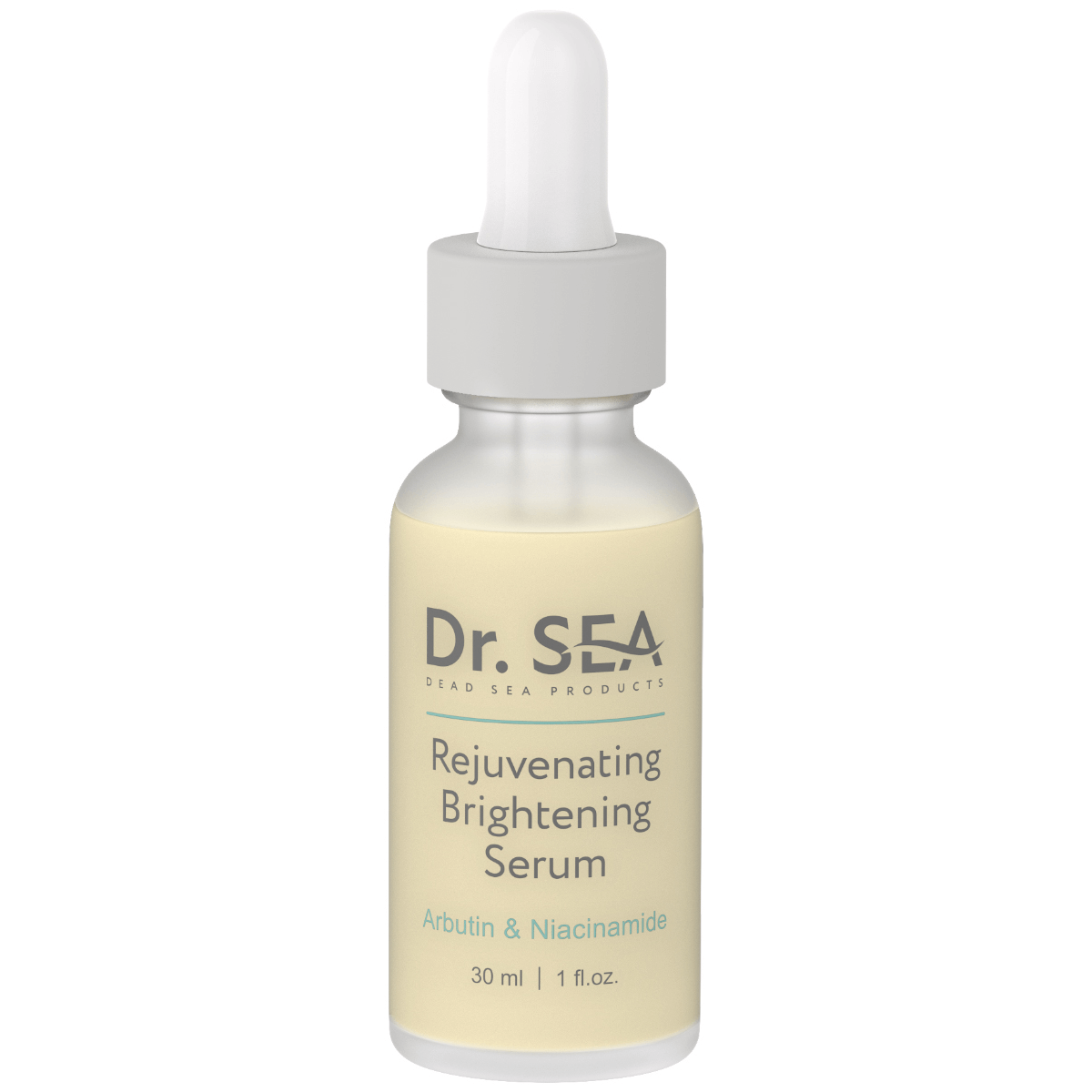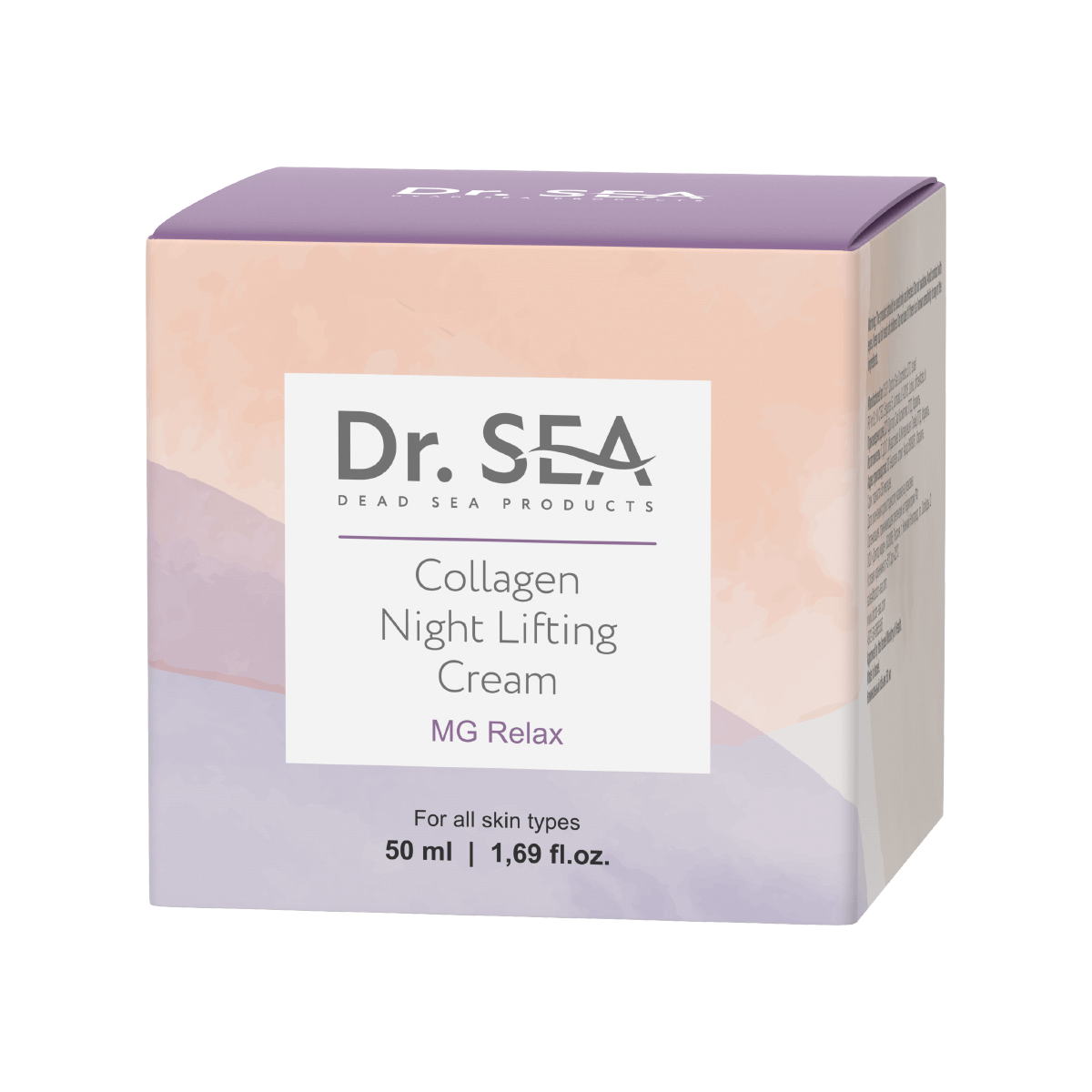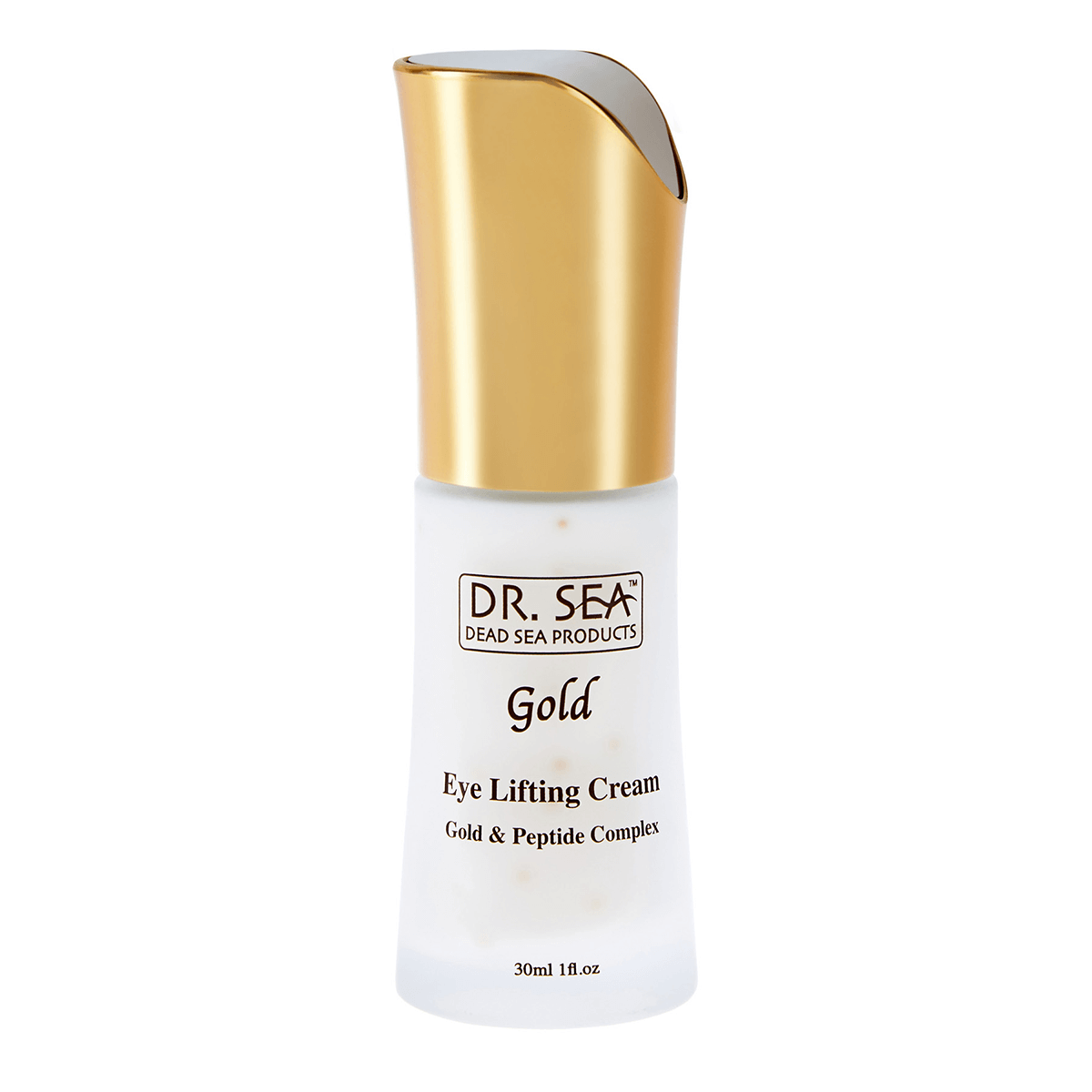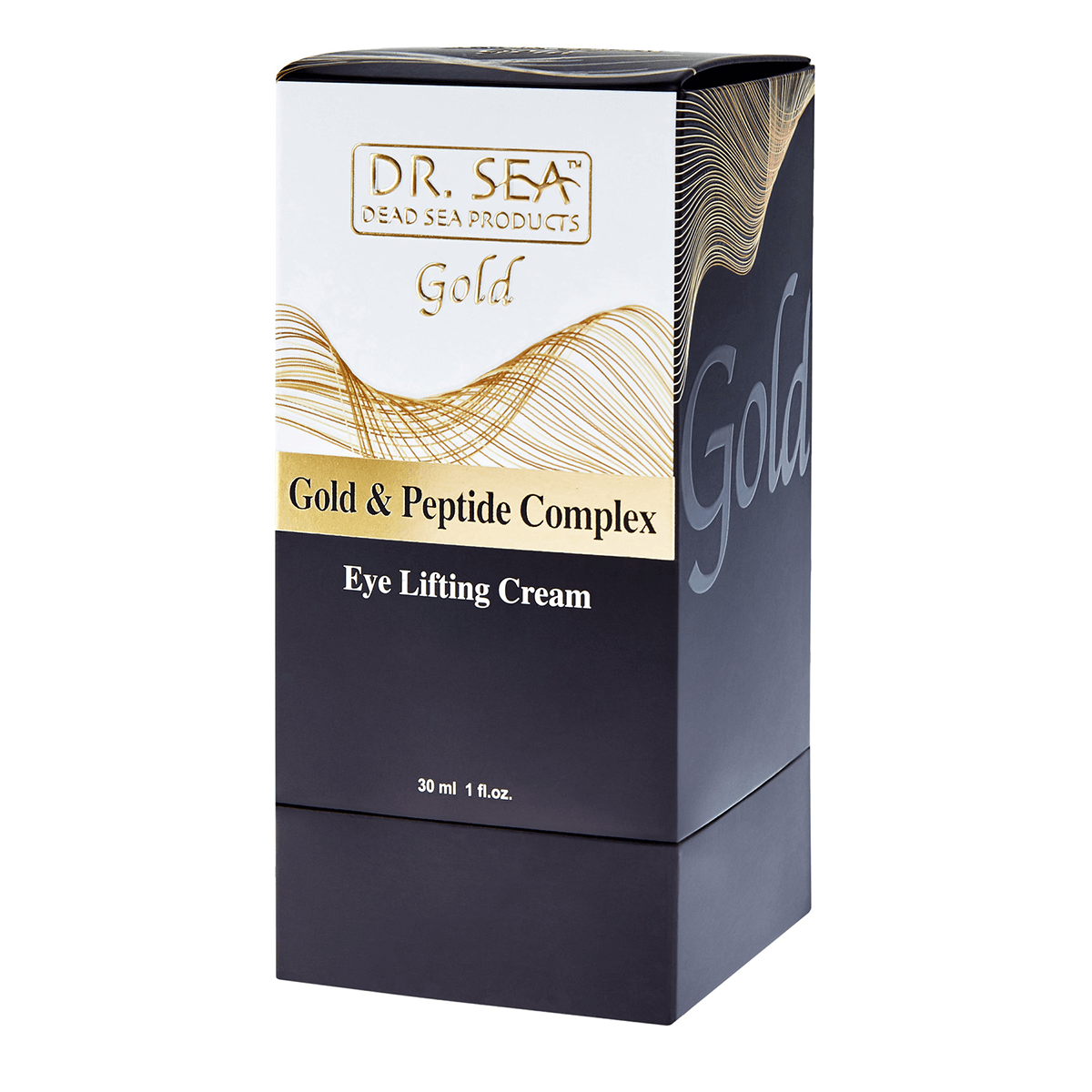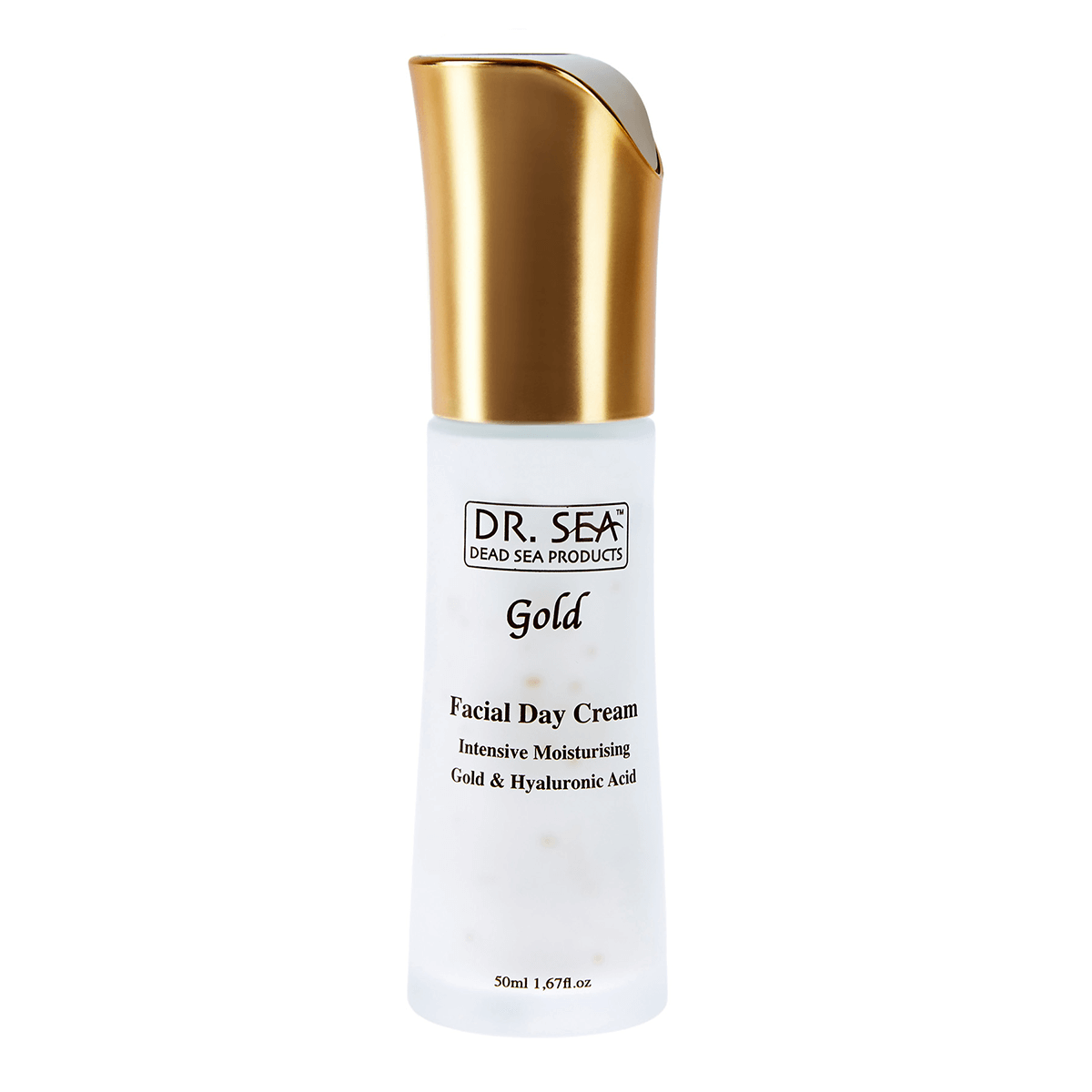


Short answer: Dead Sea skincare products are built on the water and salt of the Dead Sea, a hypersaline lake on Israel's eastern border. What makes them distinctive is chemistry, not marketing. Dead Sea salt is unusually low in ordinary table salt (sodium chloride) and unusually rich in magnesium, potassium, calcium, and bromide. Magnesium is the mineral most consistently tied to skin benefit: a controlled clinical study found that bathing in a magnesium-rich Dead Sea salt solution improved skin barrier function, boosted hydration, and reduced roughness and redness in dry skin. Israel is a major home of the Dead Sea cosmetics industry, with the brand AHAVA (founded in Israel in 1988) building its lines directly on Dead Sea mud and minerals.
The Chemistry That Sets Dead Sea Salt Apart
Most sea salt is about 85% sodium chloride, the same compound as the salt on your table. Dead Sea salt is only around 30.5% sodium chloride. The rest is a mineral mix dominated by magnesium (as magnesium chloride), plus potassium, calcium, and the highest bromide concentrations of any water on Earth, according to Wikipedia's overview of Dead Sea salt. That is a genuinely different profile from ordinary sea salt, and it is the reason Dead Sea minerals get their own category in skincare.
The lake itself is extreme. It sits at roughly 430 to 440 meters below sea level, the lowest land elevation on Earth, with a salinity around 34.2%, about 9.6 times saltier than ocean water, which is what produces its famous buoyancy (Wikipedia: Dead Sea). One point worth keeping straight: the 30.5% figure describes sodium chloride's share within the salt, not the salinity of the water. The water is very salty; the salt is unusually diverse.
What the Science Says About Skin Benefits
The strongest evidence for Dead Sea minerals centers on magnesium, which binds water and supports the skin's permeability barrier. The most cited study is a 2005 controlled trial published in the International Journal of Dermatology (Proksch et al.). Volunteers bathed one forearm in a 5% magnesium-rich Dead Sea salt solution and the other in tap water. The salt-treated skin showed significantly improved barrier function, better hydration, and less roughness and redness in dry, atopic skin, an effect the authors attributed to magnesium's ability to bind water and aid barrier repair. You can read the abstract on PubMed, and the finding is summarized alongside the mineral profile on Wikipedia.
Beyond hydration, the National Psoriasis Foundation recognizes Dead Sea salt, and research notes that its high magnesium may improve skin hydration and reduce inflammation, while bromide and magnesium may ease inflammatory and allergic skin reactions. There is also a separate, well-established regional therapy: at on-site clinics, the unique attenuation and spectrum of UV light near the Dead Sea support effective photoclimatherapy for psoriasis, because reduced solar radiation at the low elevation allows longer, safer sunbathing (Wikipedia: Dead Sea). That climatotherapy is distinct from topical cosmetics, but it is part of why the region earned its skincare reputation in the first place.
To keep expectations honest: reviewers point out that magnesium-rich Epsom salt can deliver comparable magnesium at lower cost, so the case for Dead Sea products rests on their fuller multi-mineral profile and heritage rather than magnesium alone.
Israel and the Dead Sea Cosmetics Industry
Israel's role here is real and long-standing. The Dead Sea forms part of Israel's eastern border, shared with Jordan and the West Bank, and the region was one of the world's first health resorts. In antiquity it supplied minerals, asphalt, balms, and cosmetics; asphalt from the area was even used in Egyptian mummification (Wikipedia: Dead Sea). Israeli companies later industrialized those minerals into modern skincare. The clearest verified example is AHAVA Dead Sea Laboratories, founded in Israel in 1988 and formulating products from Dead Sea mud and mineral compounds including calcium, magnesium, and potassium. Other names are widely known in this category, but AHAVA is the anchored, source-confirmed case. It is fair to say Israel is a major producer of Dead Sea cosmetics, and honest to add that no source crowns a single country the definitive global leader.
Bringing Dead Sea Minerals Into Your Routine
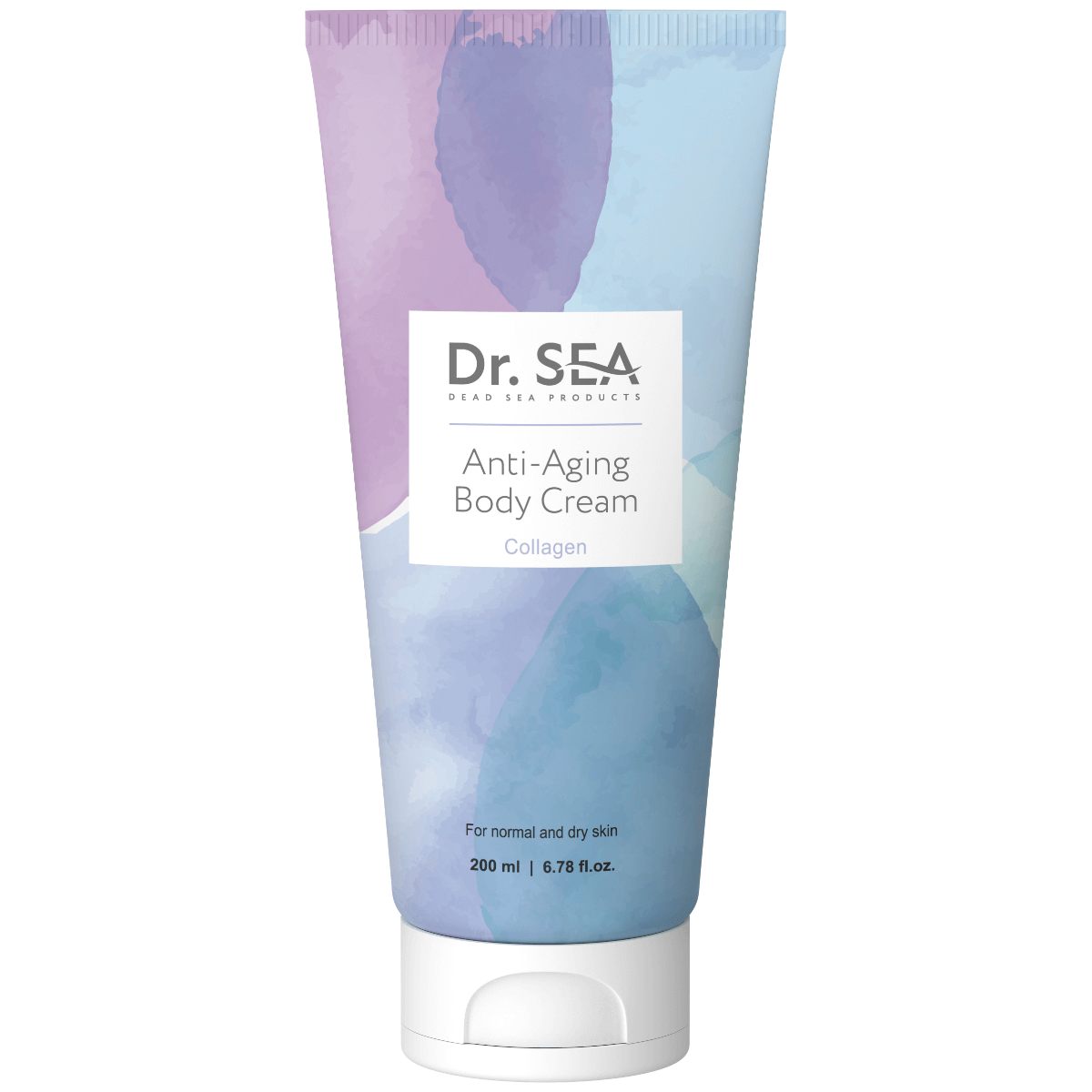
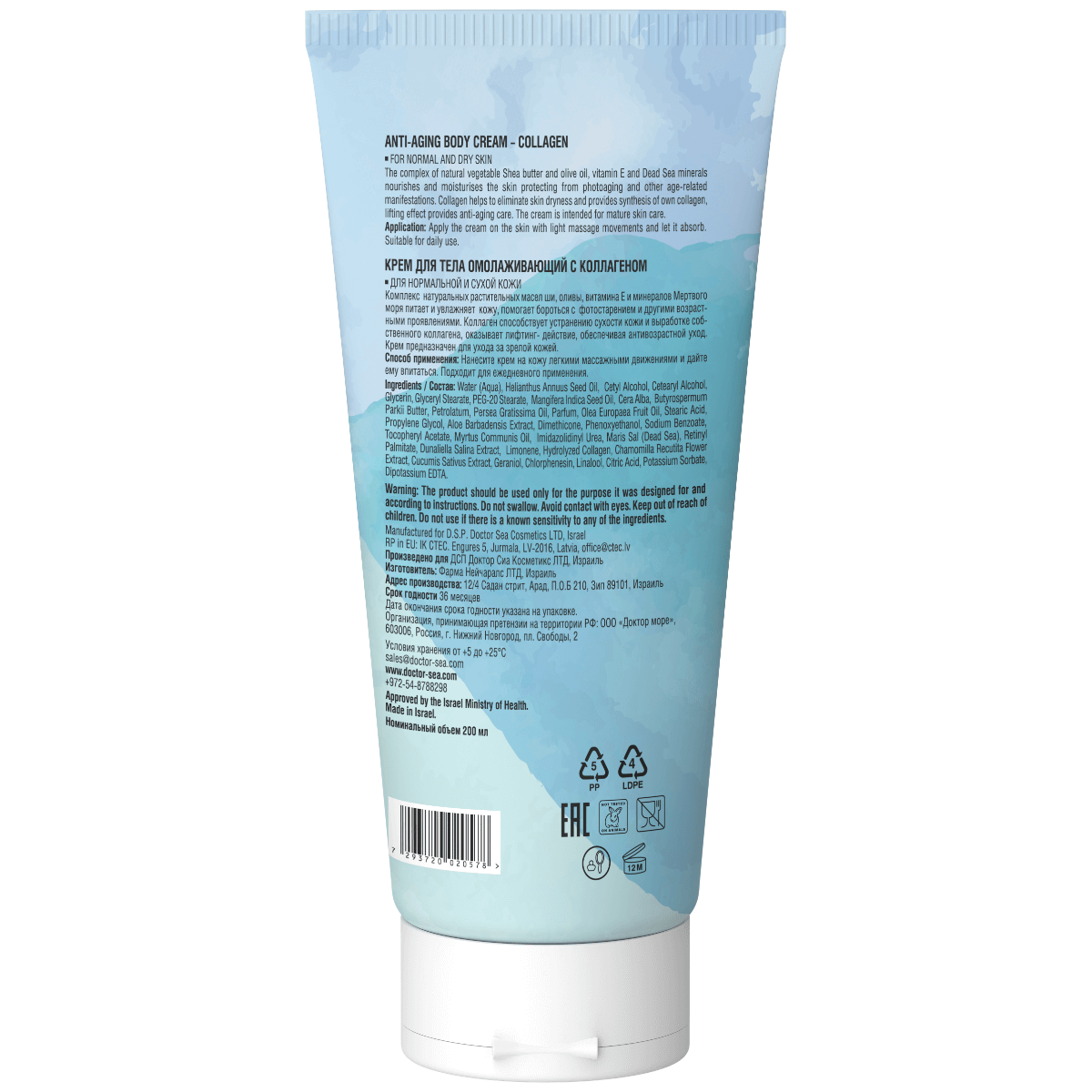
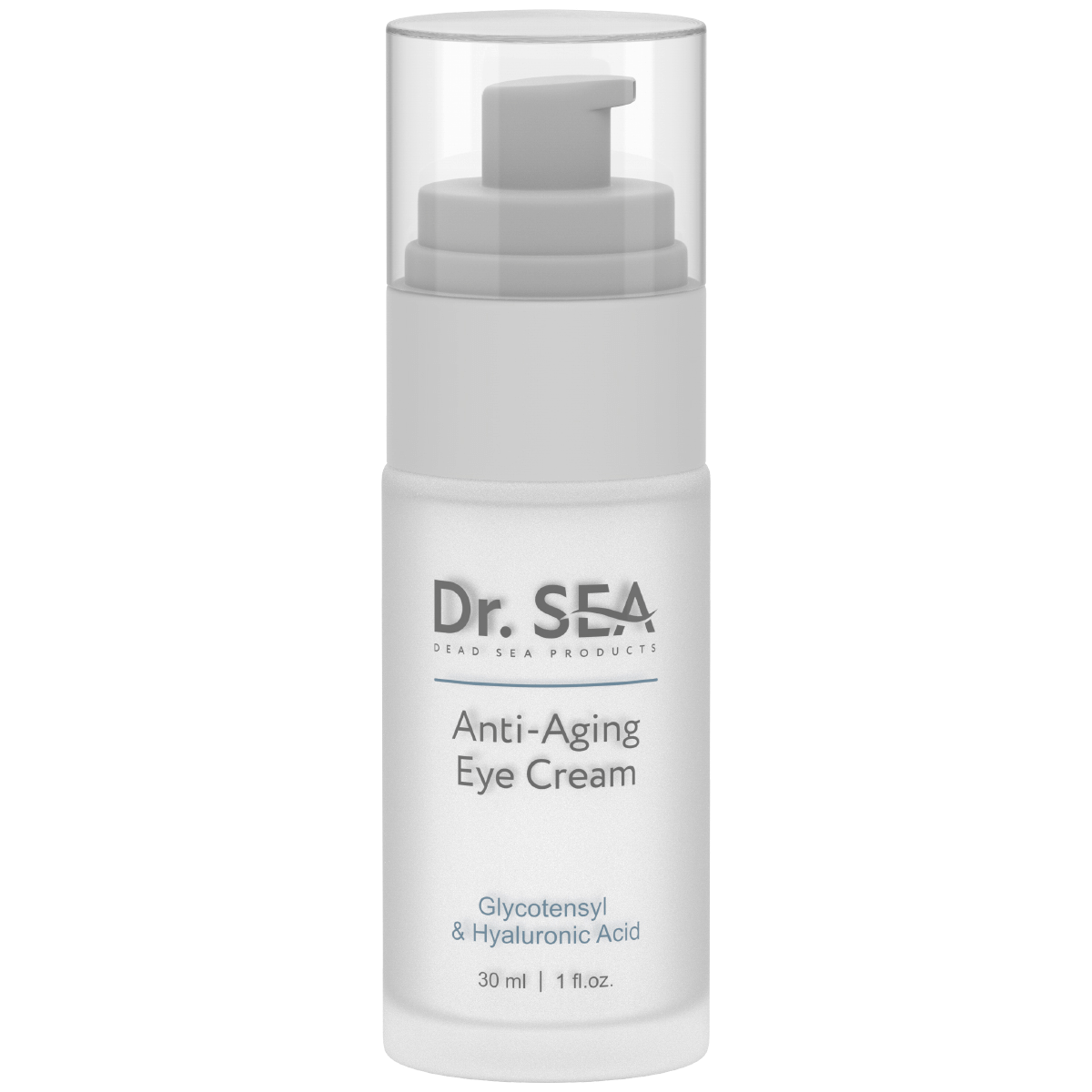
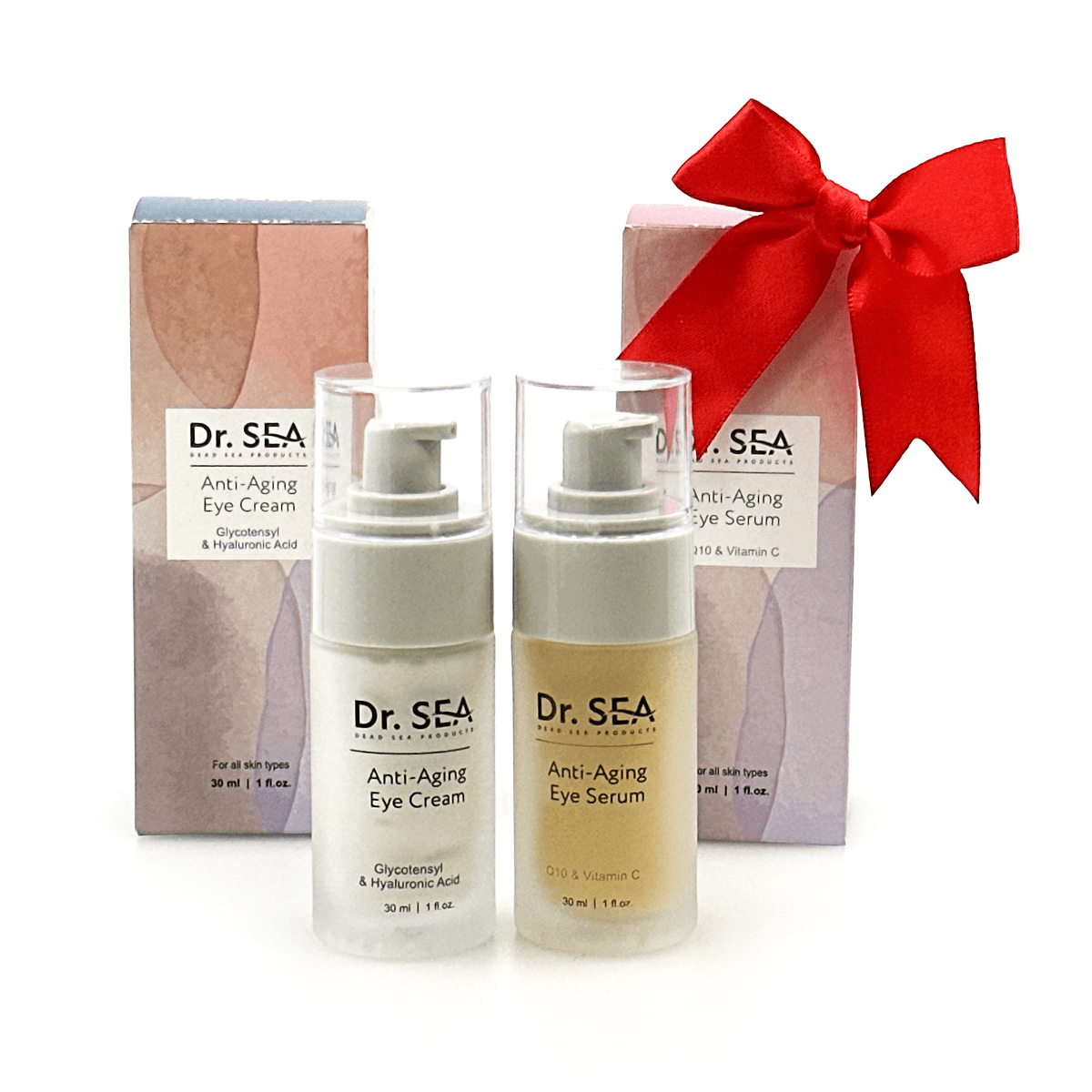
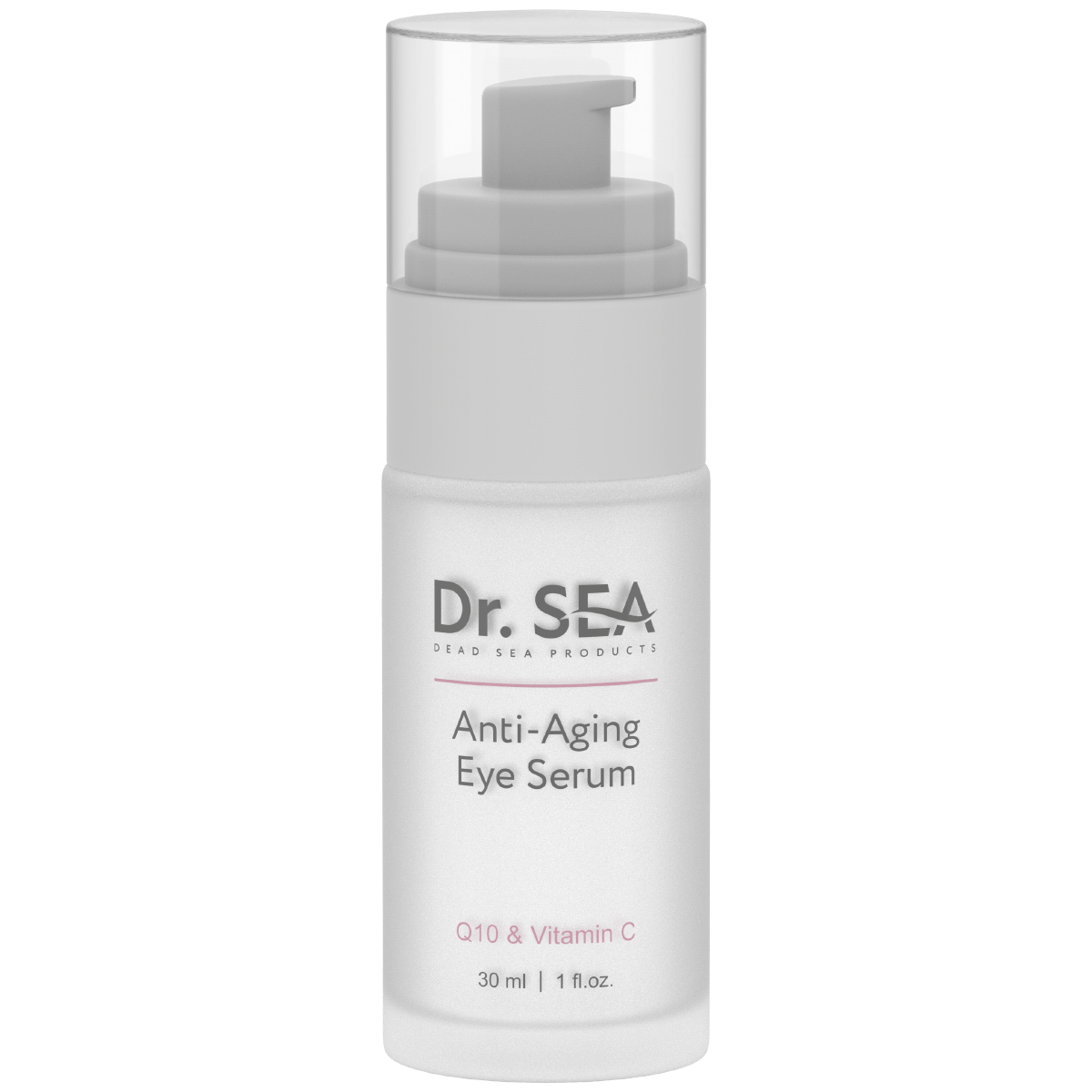
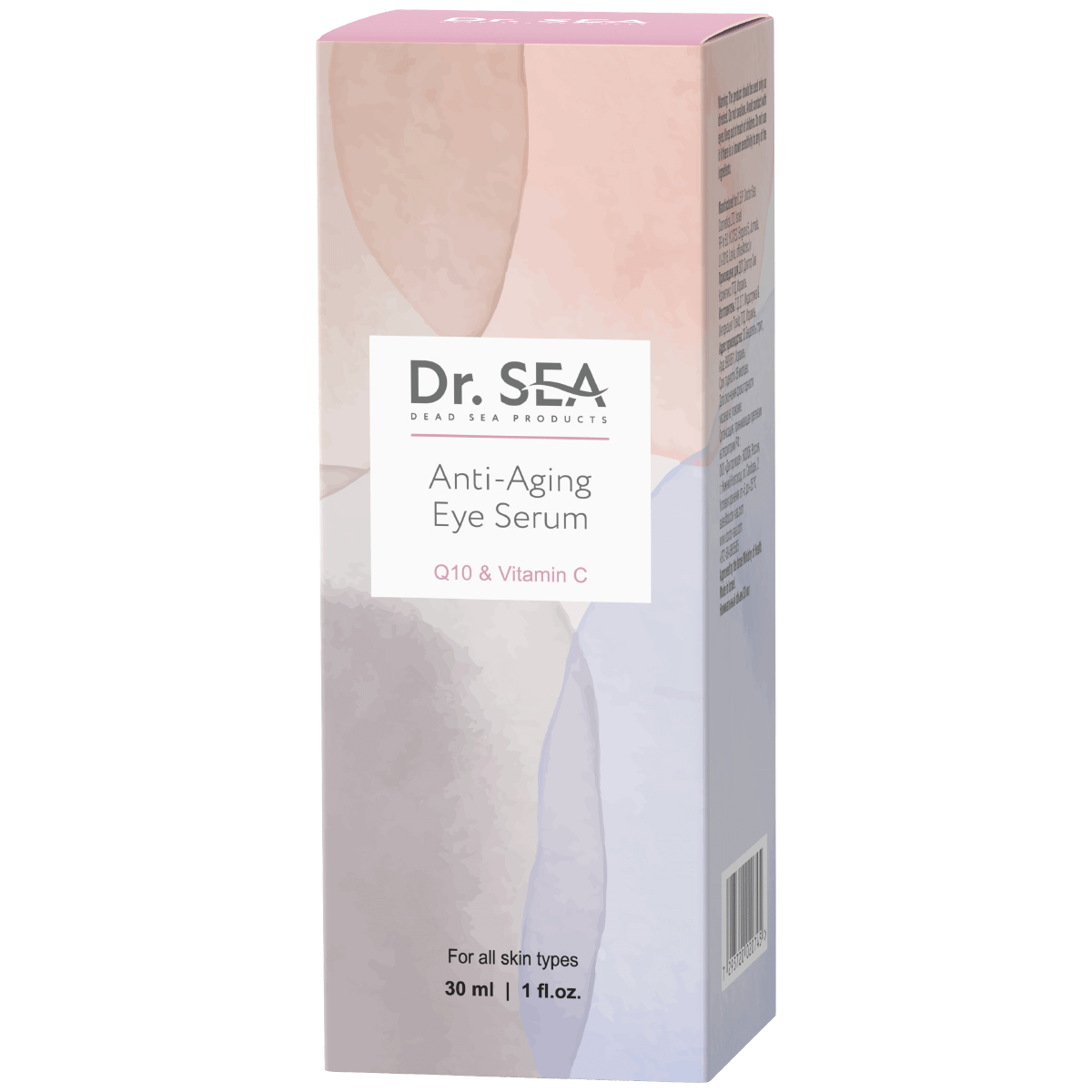
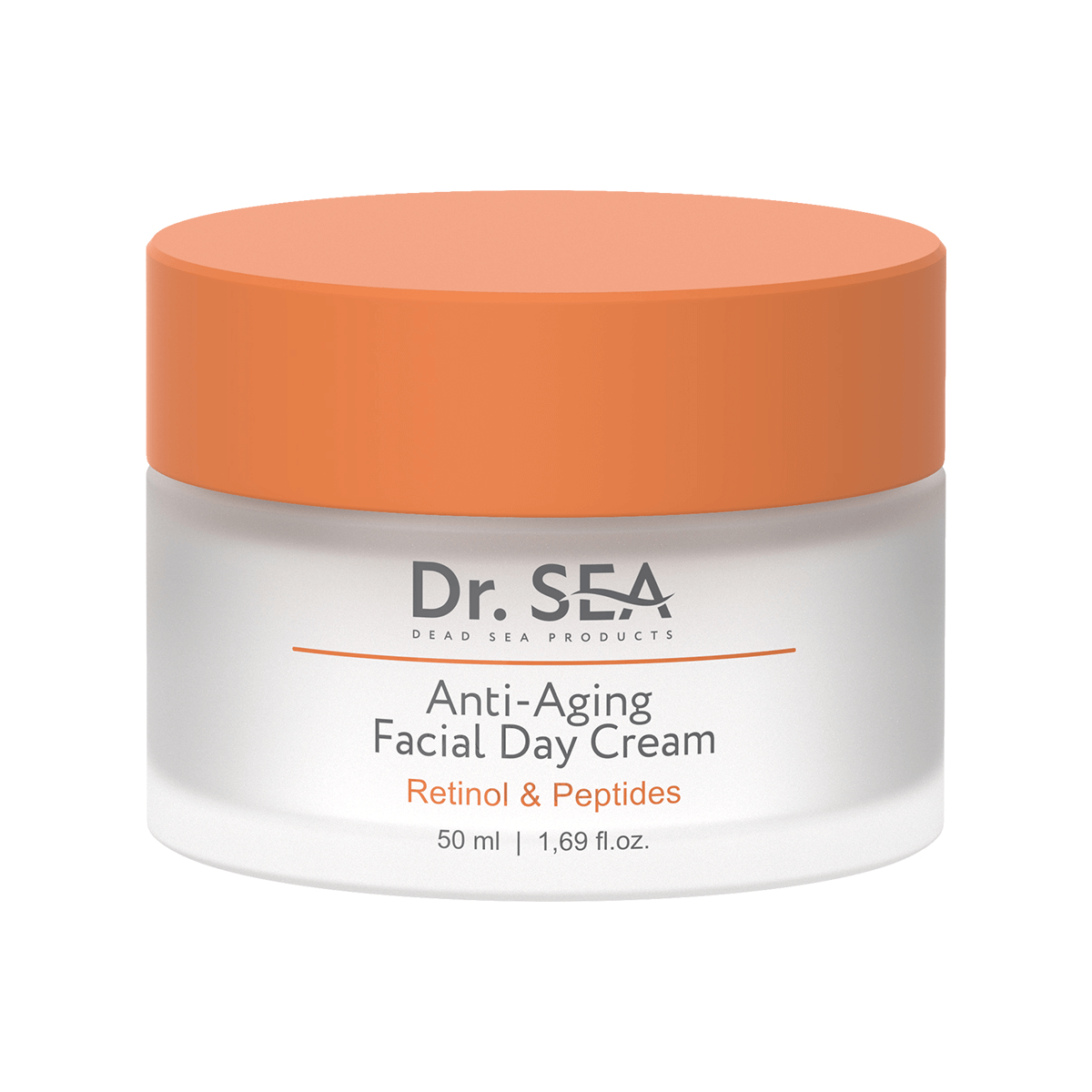
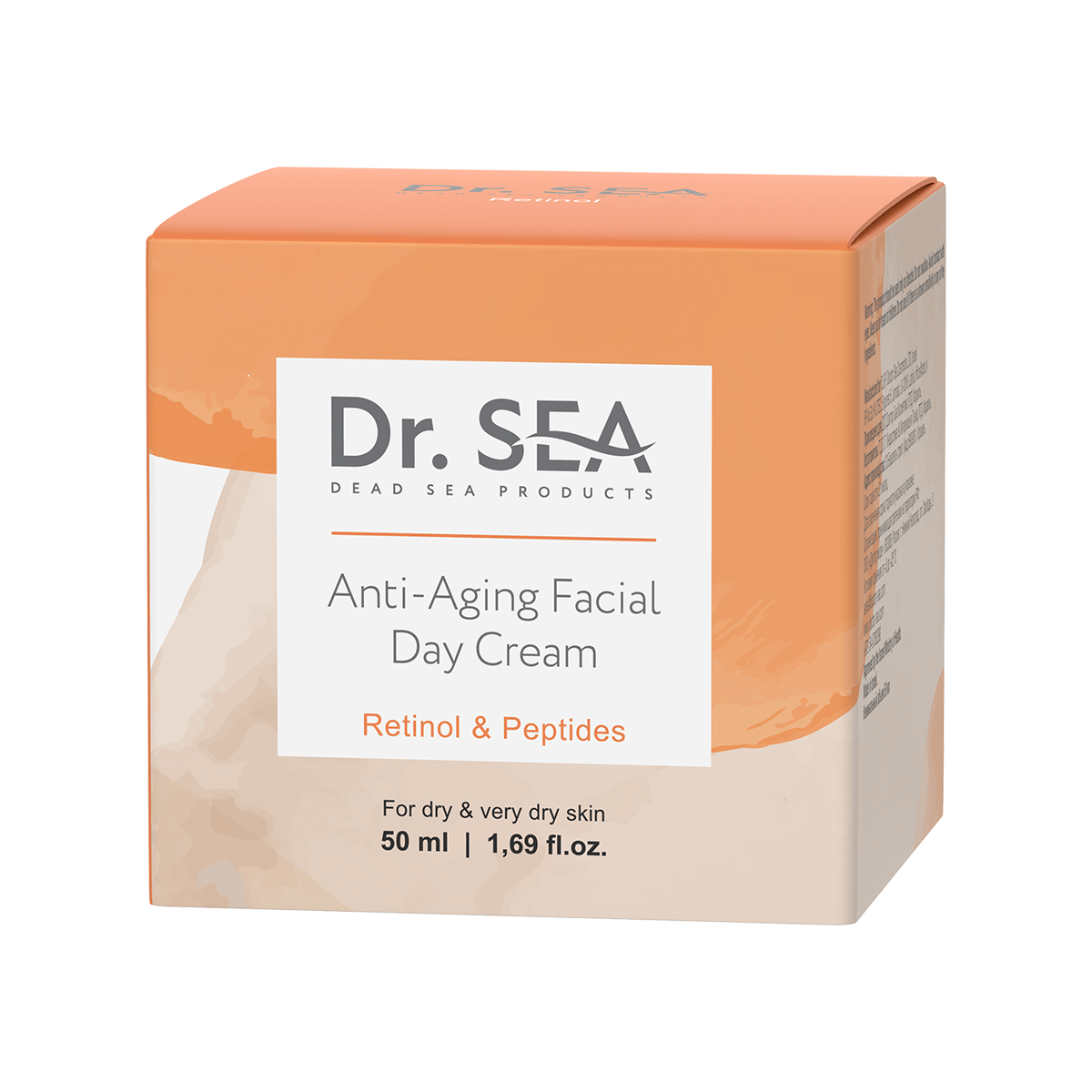
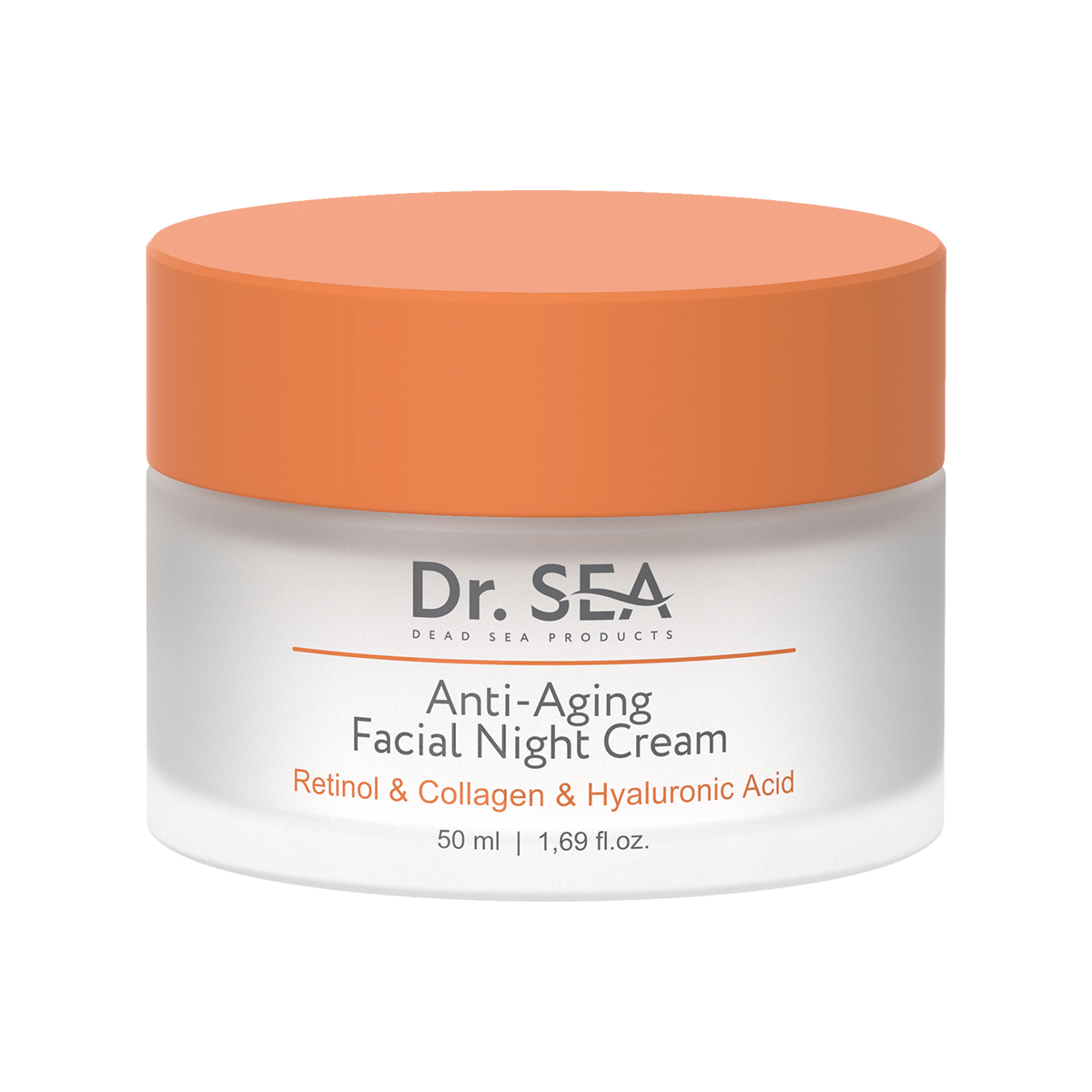
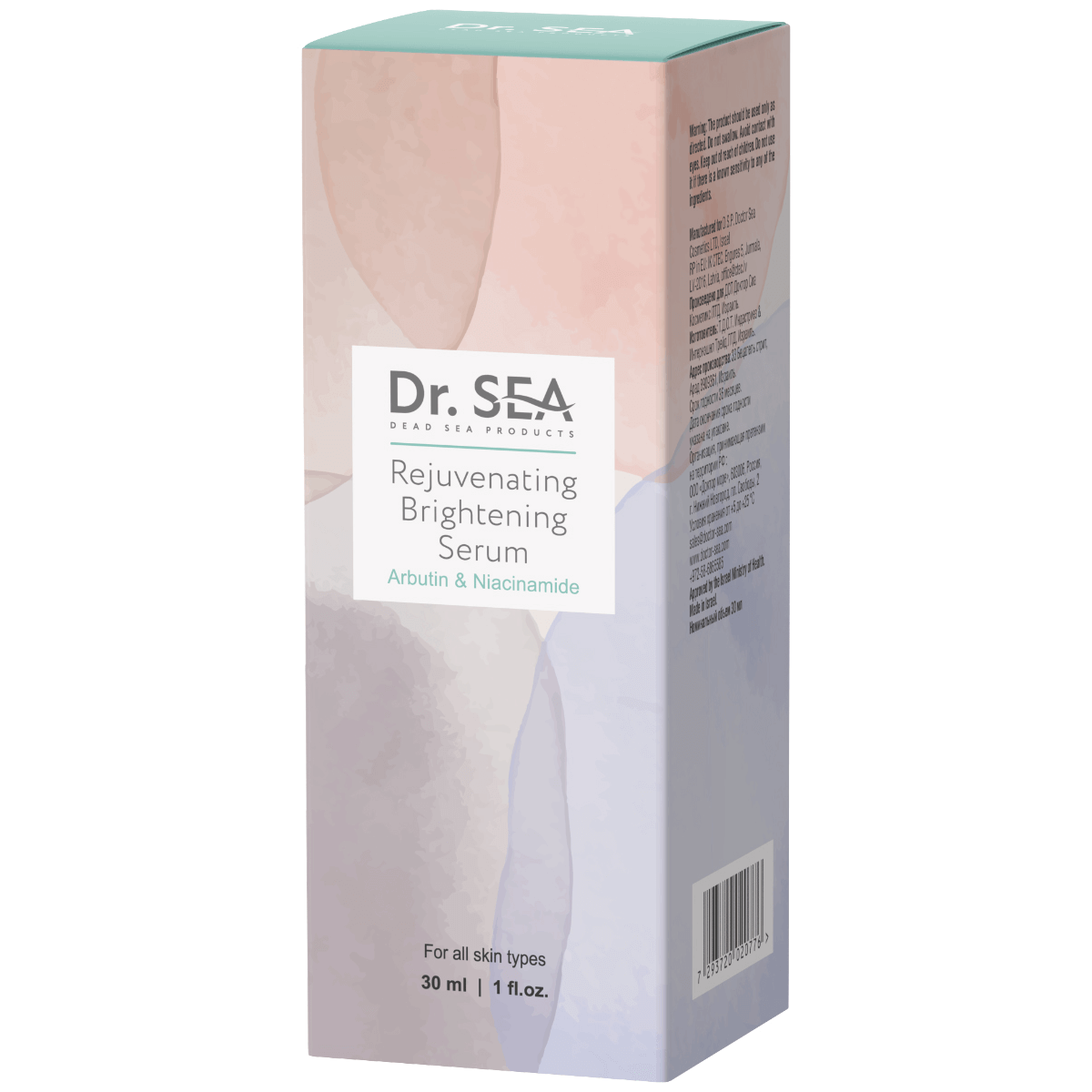
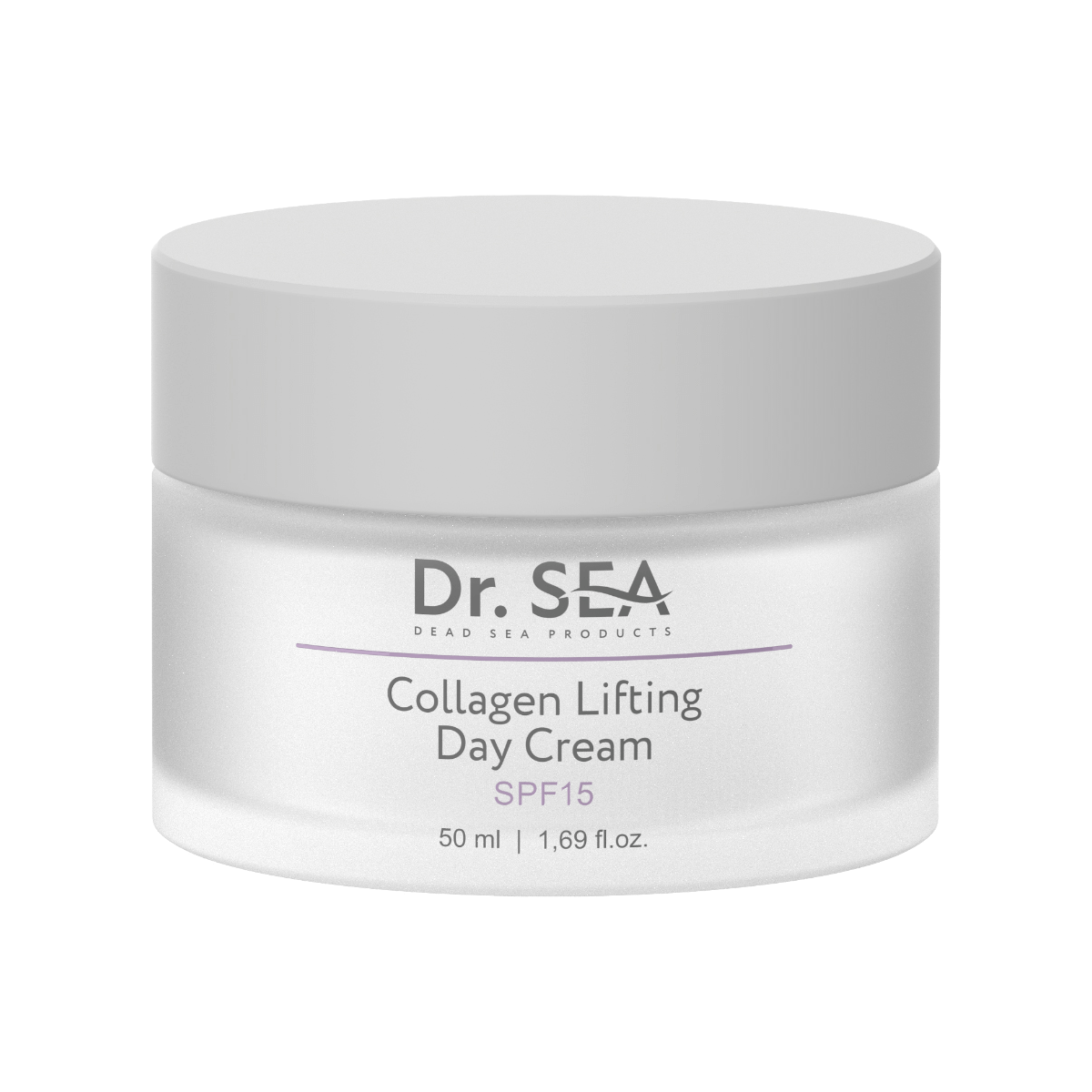
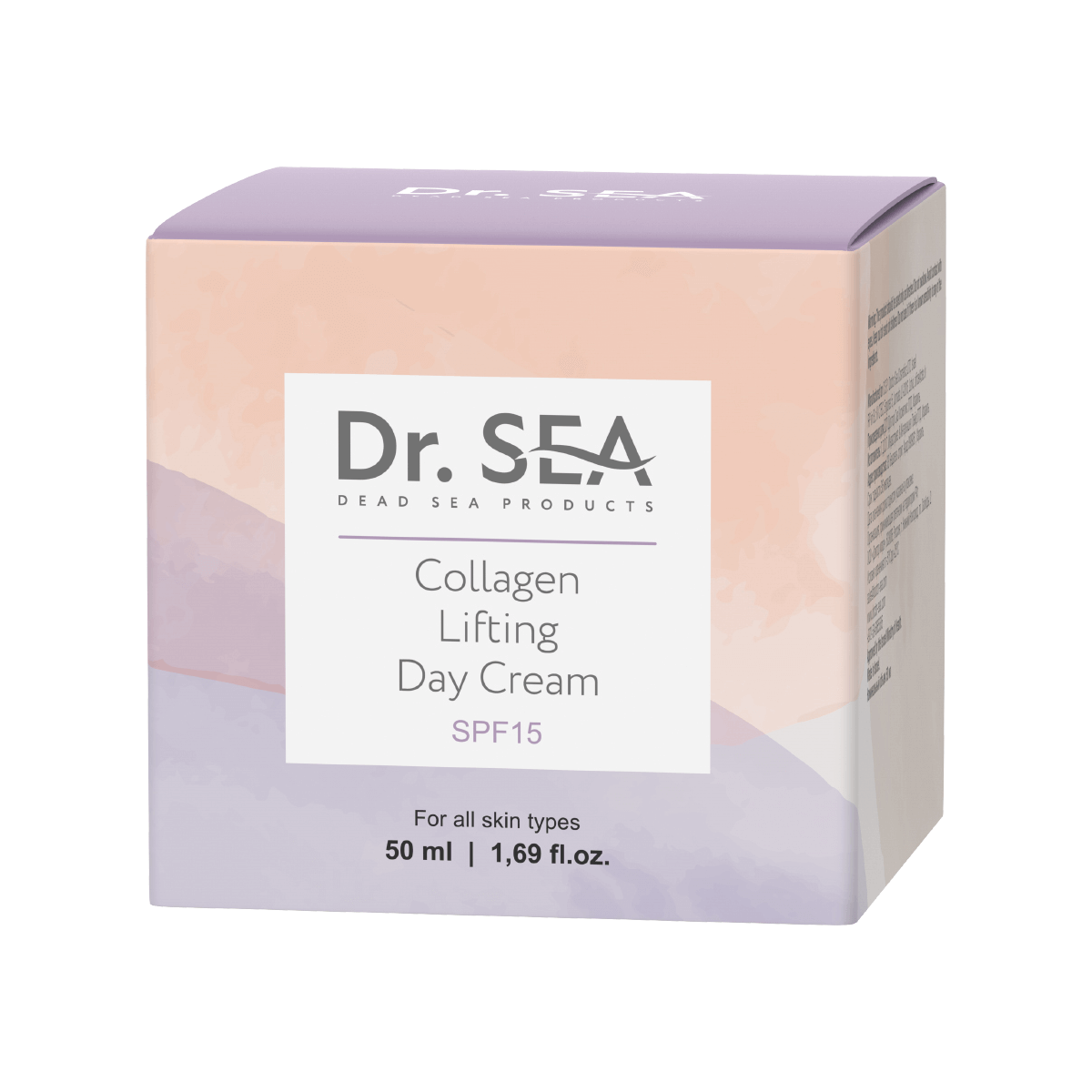
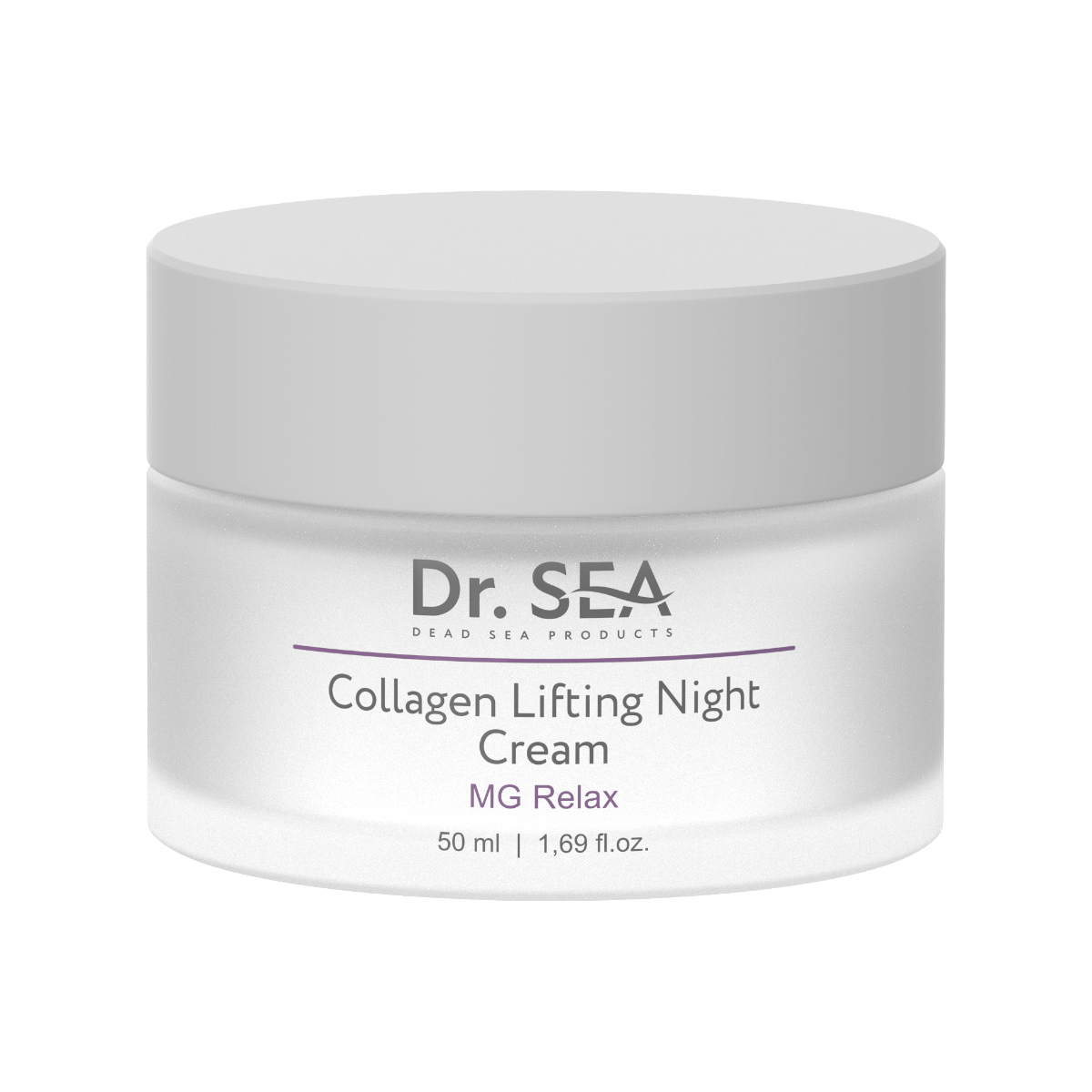
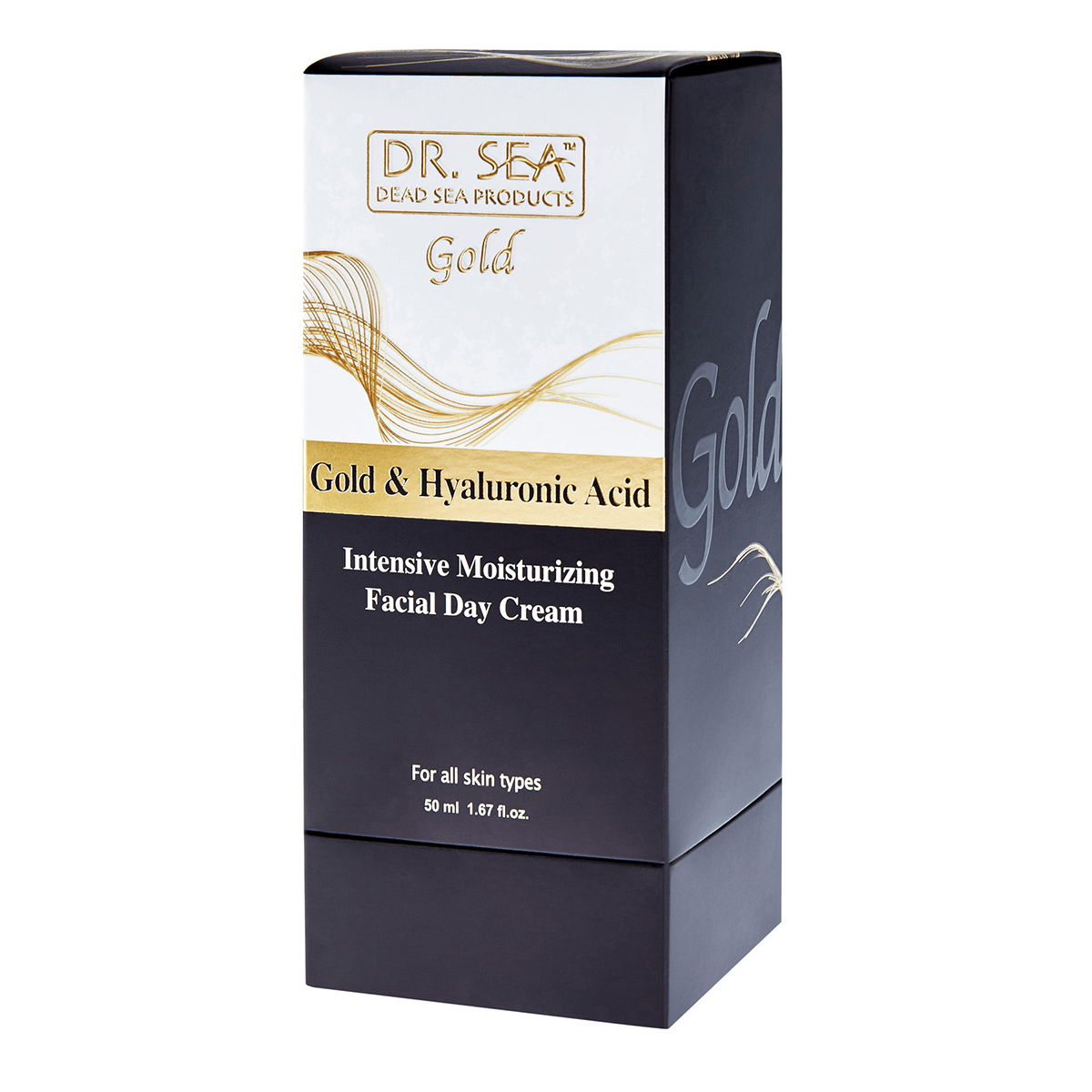
If you want to try the ingredient that the research actually points to, look for products that lead with Dead Sea salt and mud rather than superlatives. Our Dead Sea collection gathers mineral-based skin and body care, face serums, and moisturizers formulated around the same magnesium-rich, bromide-rich profile described above. Think of it as a way to keep the heritage and the mineral chemistry in your bathroom, dry skin routines included.
A practical note for shoppers: magnesium and hydration are the claims with the best support, so treat those as the reason to buy. Cleansers, mud masks, and moisturizers are the most natural entry points, and consistency matters more than any single dramatic result.
Related
- The Benefits of Dead Sea Salt
- Why Dead Sea Minerals Make the Best Skincare Products
- Benefits of Using Israeli Dead Sea Skincare Products
Last updated July 2026.