

Short answer: The Dead Sea, the lowest exposed land on Earth at roughly 430 meters below sea level on the border of Israel, Jordan, and the West Bank, holds water about 9.6 times saltier than the ocean, with a mineral mix dominated by magnesium, potassium, and calcium chlorides rather than ordinary table salt. Peer-reviewed dermatology research links these minerals, magnesium in particular, to better skin hydration, stronger barrier function, and less roughness and inflammation, and the National Psoriasis Foundation recognizes Dead Sea salts as an effective aid for psoriasis. Israel sits at the center of this industry: Ahava, founded in 1988 and based in Lod, is the only cosmetics company licensed by the Israeli government to mine raw materials directly at the Dead Sea.
What makes Dead Sea minerals different
The Dead Sea is a genuine geographic outlier. It is the lowest land-based elevation on the planet, sitting about 430 to 440 meters below sea level, and its water is so dense (around 1.24 kilograms per liter) that bathers float without effort (Wikipedia: Dead Sea). At roughly 34 percent salinity, it is close to 9.6 times saltier than the ocean.
The composition is what matters most for skin. Ordinary sea salt is about 85 percent sodium chloride, the same compound as table salt. Dead Sea salt is only about 30 percent sodium chloride. The rest is a blend of magnesium chloride (roughly half of the dissolved salts), calcium chloride (about 14 percent), and potassium chloride, plus the highest bromide concentration of any body of water on Earth (Wikipedia: Dead Sea). That magnesium-heavy profile, not the saltiness alone, is what the dermatology literature keys on.
What the dermatology research actually shows
The strongest evidence comes from a controlled University of Kiel study published in the International Journal of Dermatology in 2005. Researchers had participants bathe one forearm in a magnesium-rich Dead Sea salt solution and the other in tap water. The Dead Sea side showed significantly improved skin barrier function and hydration and reduced roughness and inflammation in people with atopic (dry, eczema-prone) skin. The authors credited magnesium salts, which bind water and help repair the skin's permeability barrier (PubMed: Proksch et al., 2005).
Beyond hydration, the National Psoriasis Foundation recognizes the Dead Sea and Dead Sea salts as an effective treatment for psoriasis, reflecting a long clinical tradition of Dead Sea balneotherapy and climatotherapy where mineral bathing, sunlight, and the low-elevation, lower-burn UV conditions are used together (Wikipedia: Dead Sea salt). Put plainly, the science supports hydration, barrier support, and relief for dry and psoriasis-prone skin. Broader cosmetic promises, the miracle anti-aging language, go beyond what the peer-reviewed evidence has actually established.
Why Israel is central to Dead Sea skincare
Israel's role here is specific, not just marketing. The Dead Sea's western shore is Israeli, and a government licensing regime controls who may extract its raw materials. Ahava, founded in 1988 and headquartered in Lod, is the clearest documented example: as of 2010 it was the only cosmetics company licensed by the Israeli government to mine raw materials directly at the sea, building creams, cleansers, and body products around calcium, magnesium, and potassium drawn from Dead Sea water (Wikipedia: Ahava).
The minerals matter to Israel well beyond cosmetics. Industrial extraction of potash and bromine from the Dead Sea generates roughly 3 billion US dollars a year for the Israeli economy (Wikipedia: Dead Sea). The resource is also finite and changing: the sea's surface area fell from about 1,050 square kilometers in 1930 to roughly 605 square kilometers by 2016, and the water level has been dropping more than a meter per year, which shapes how carefully the mineral supply is now managed.
Bringing the Dead Sea into your routine
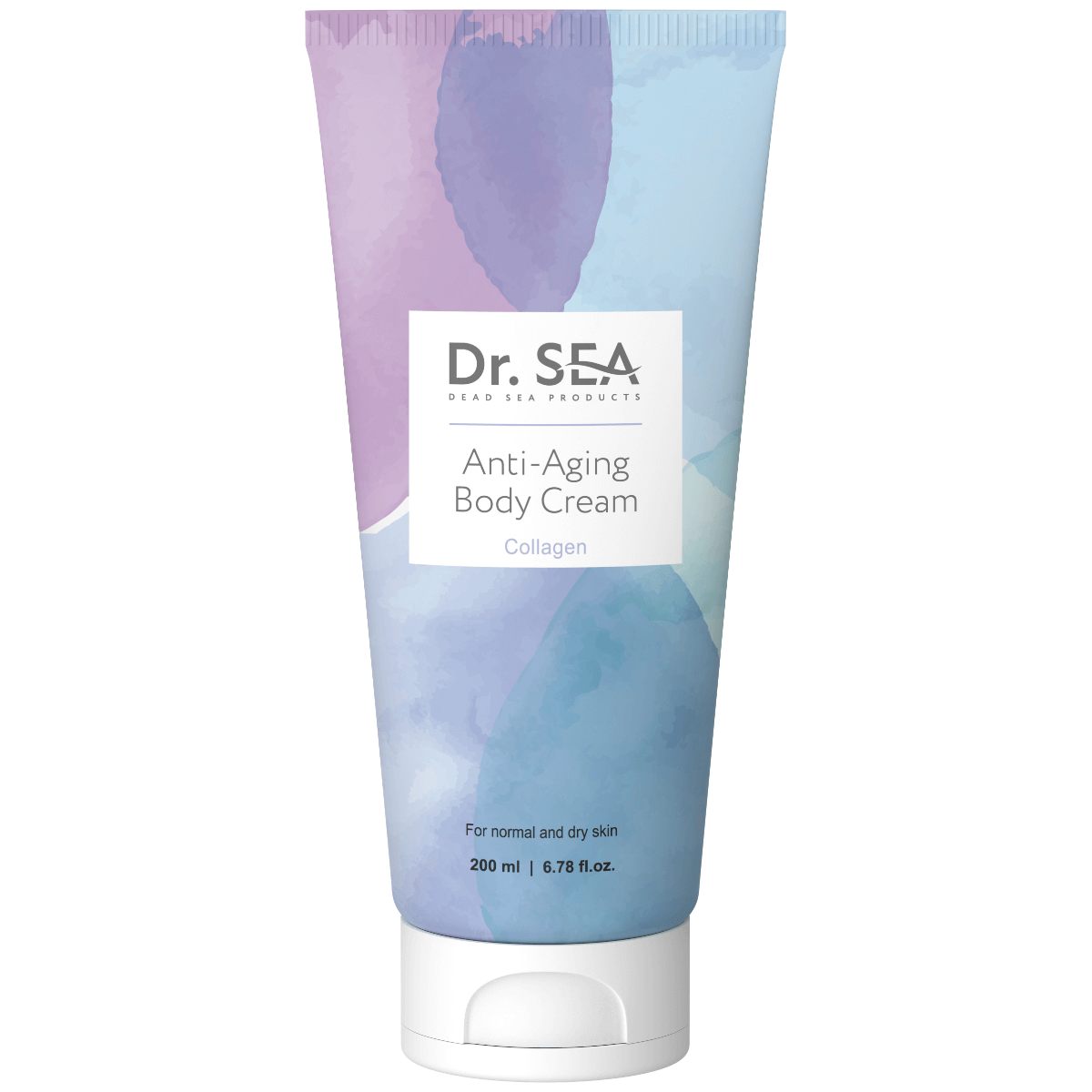
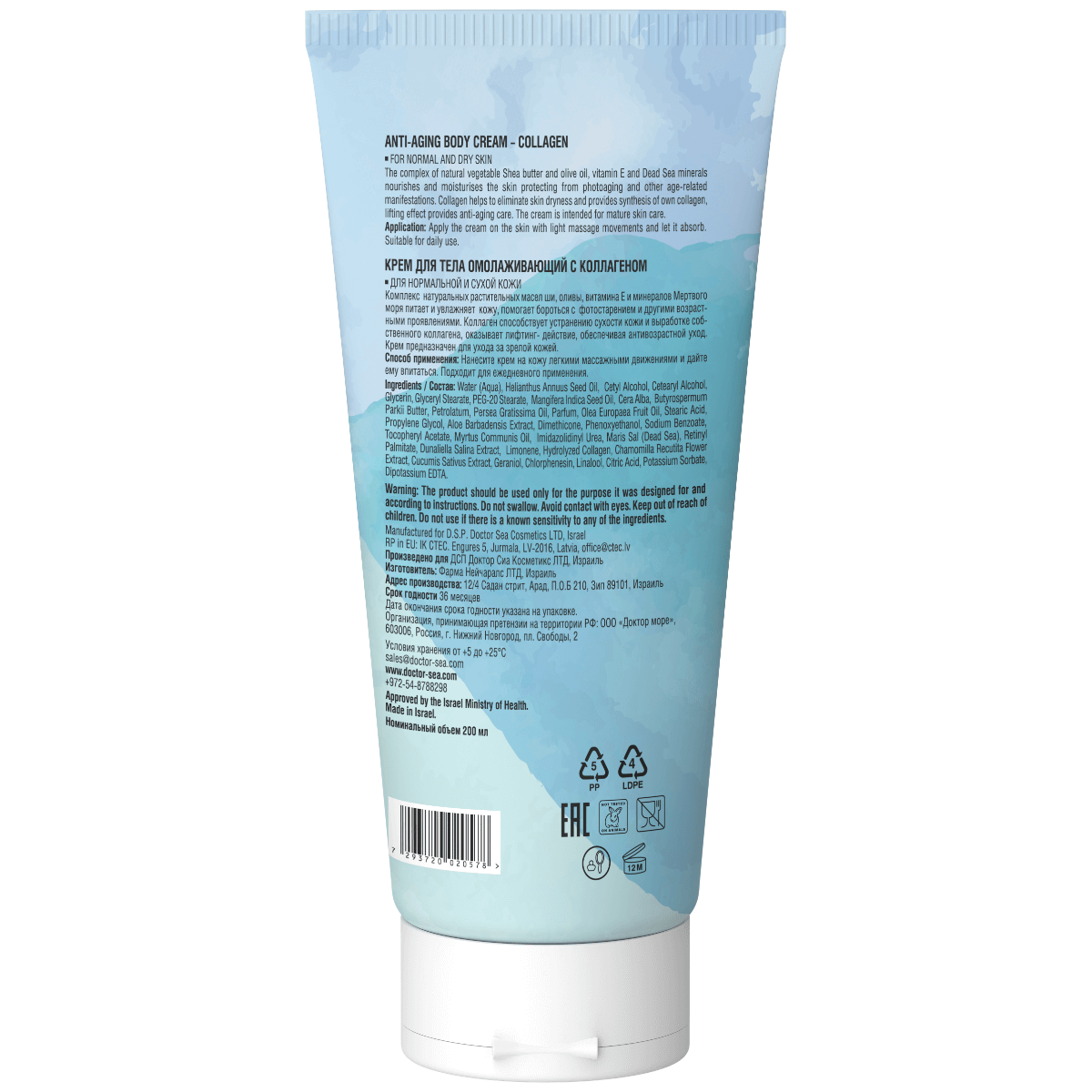
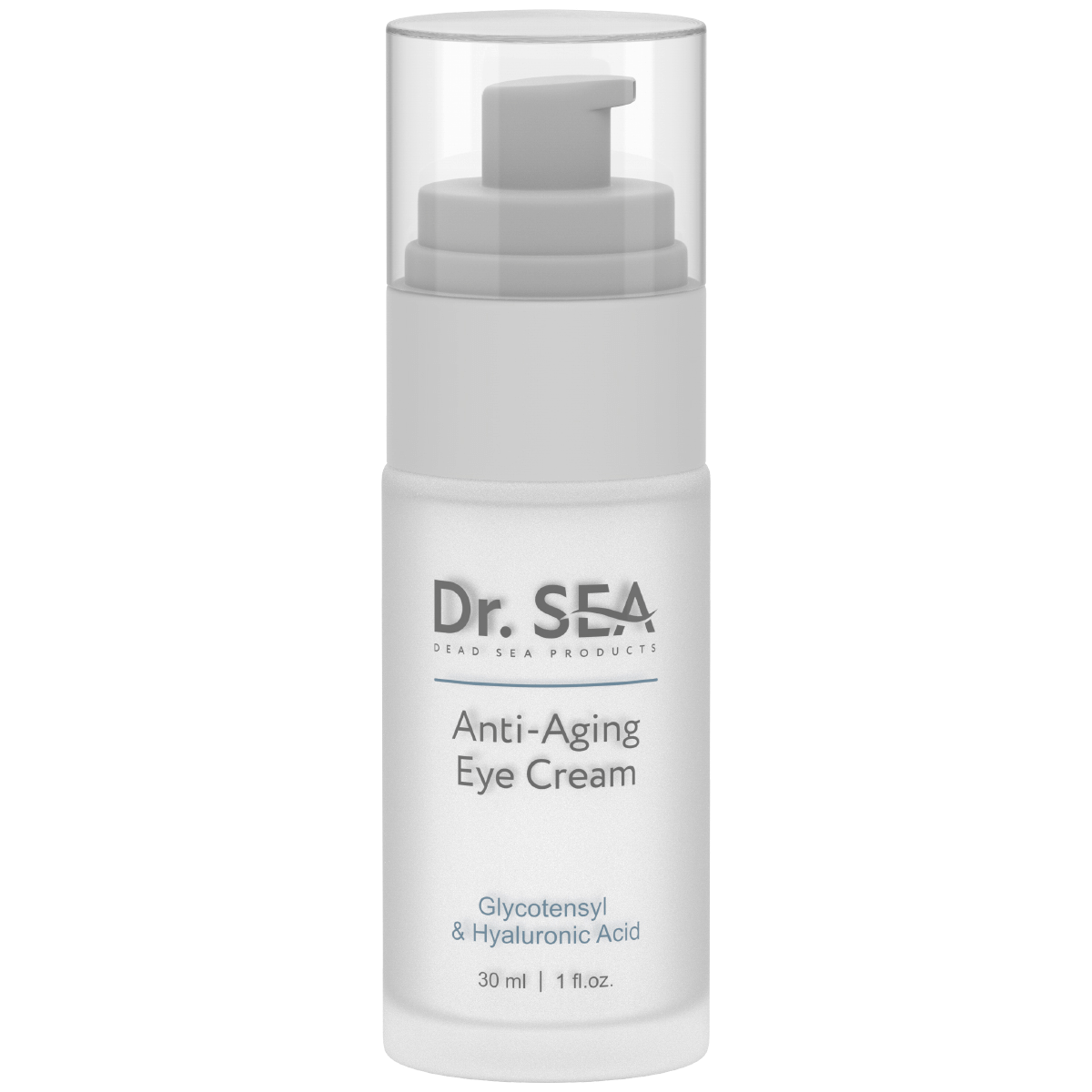
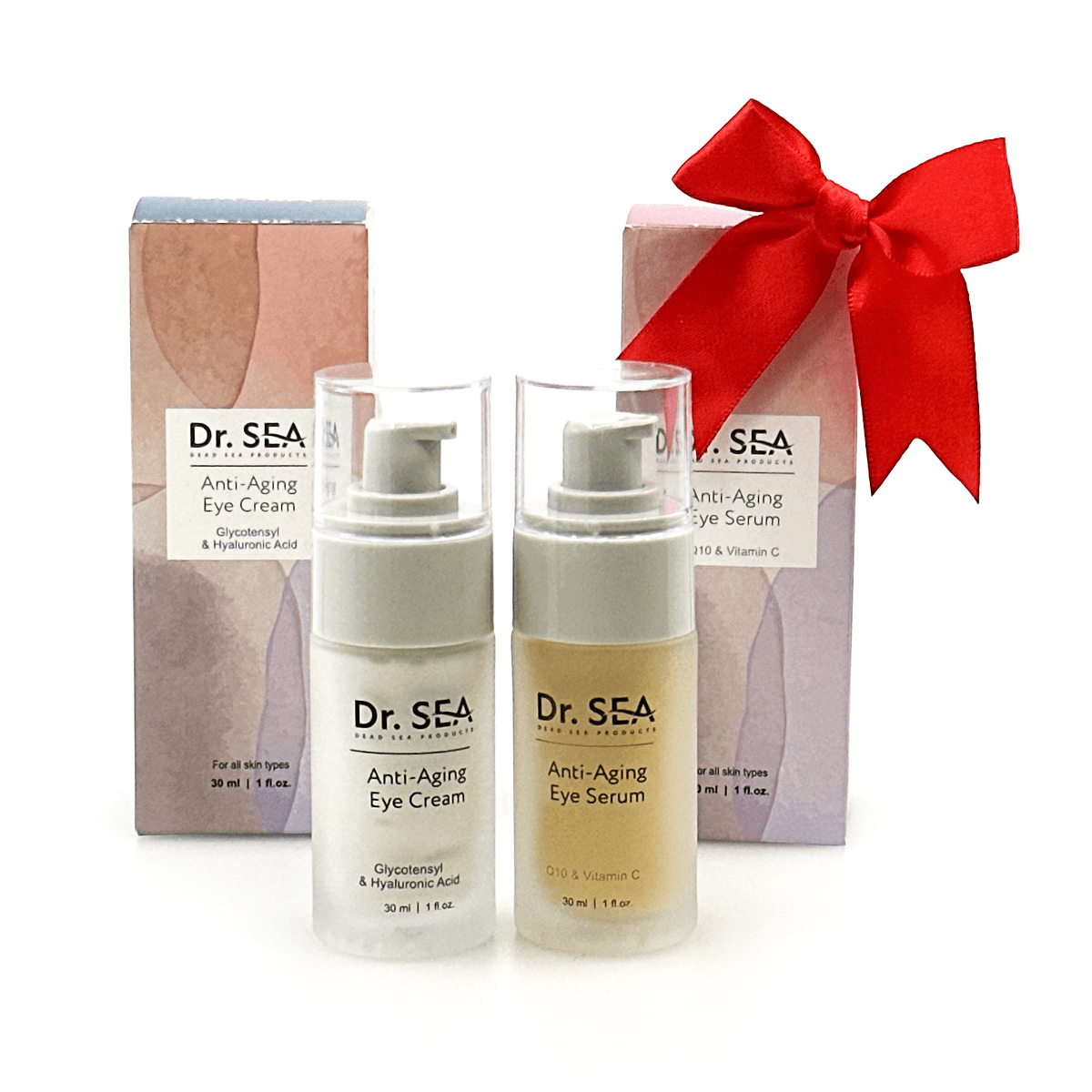
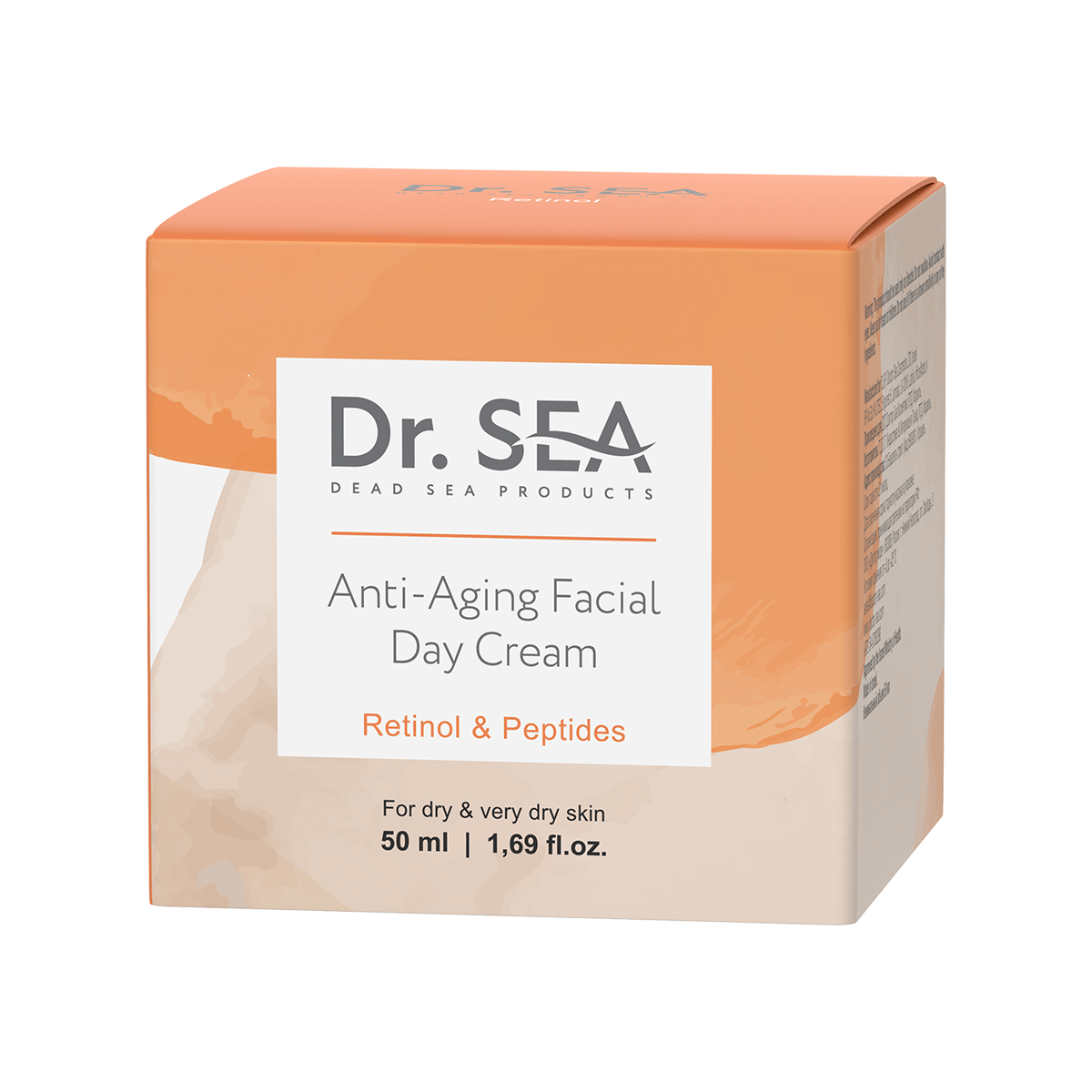
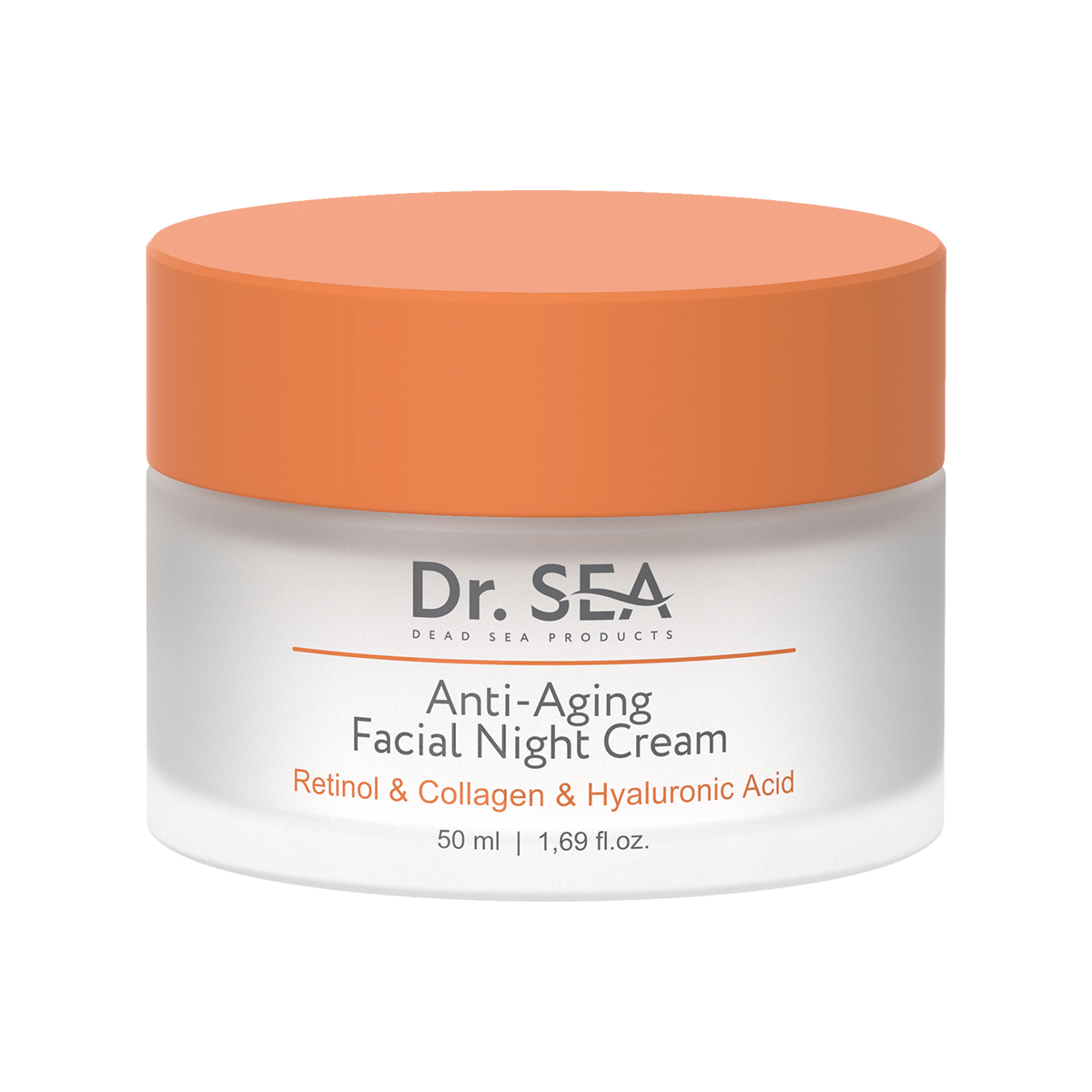
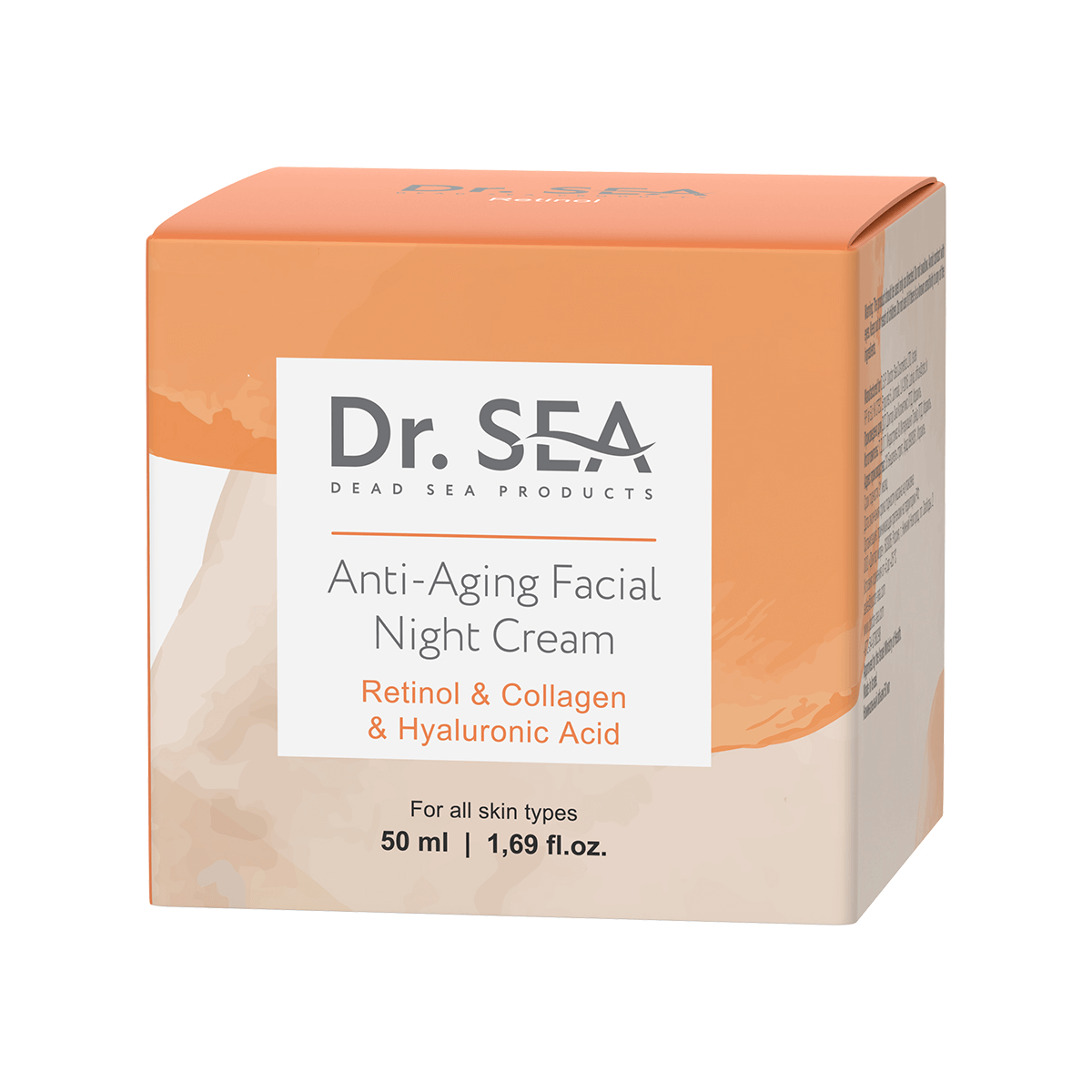
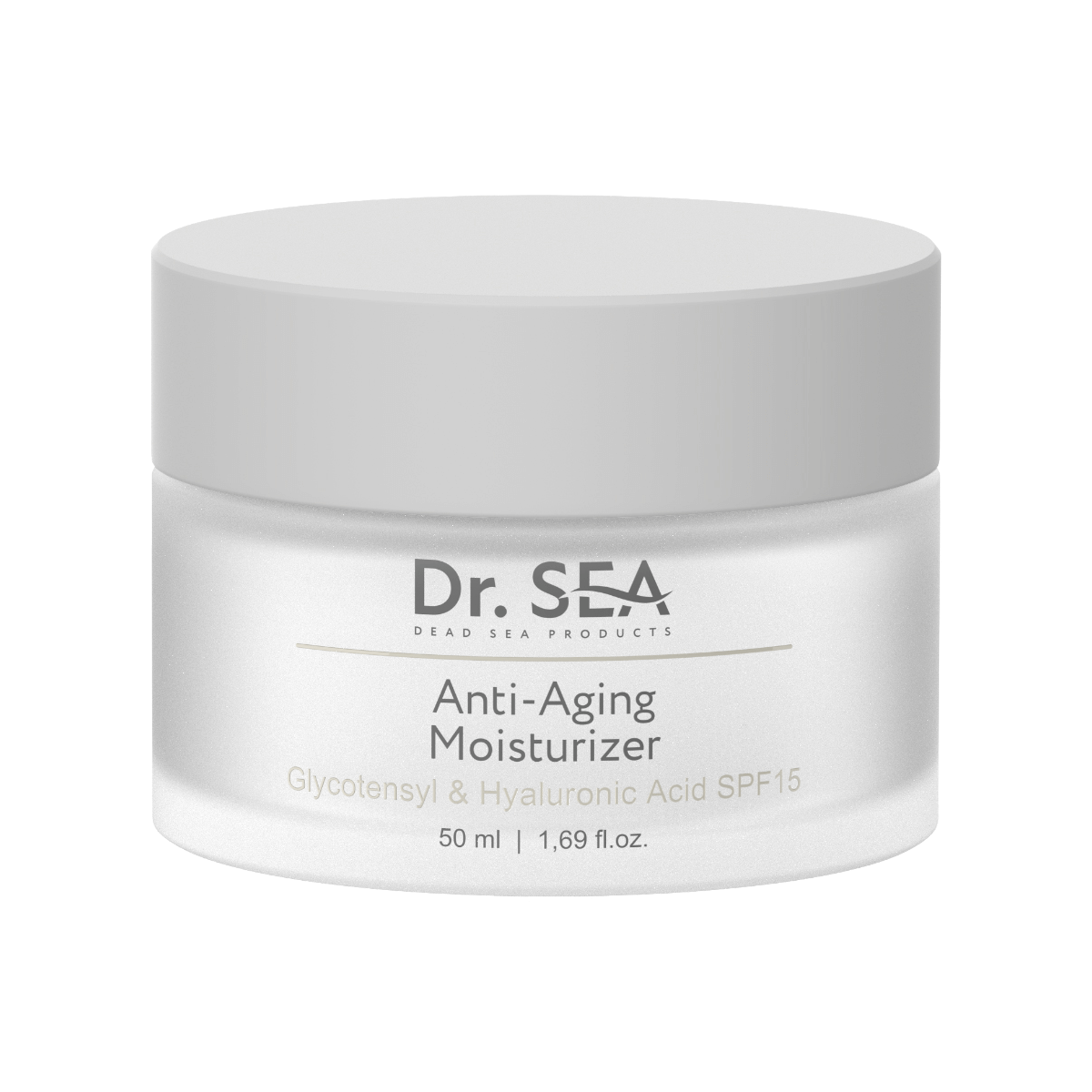
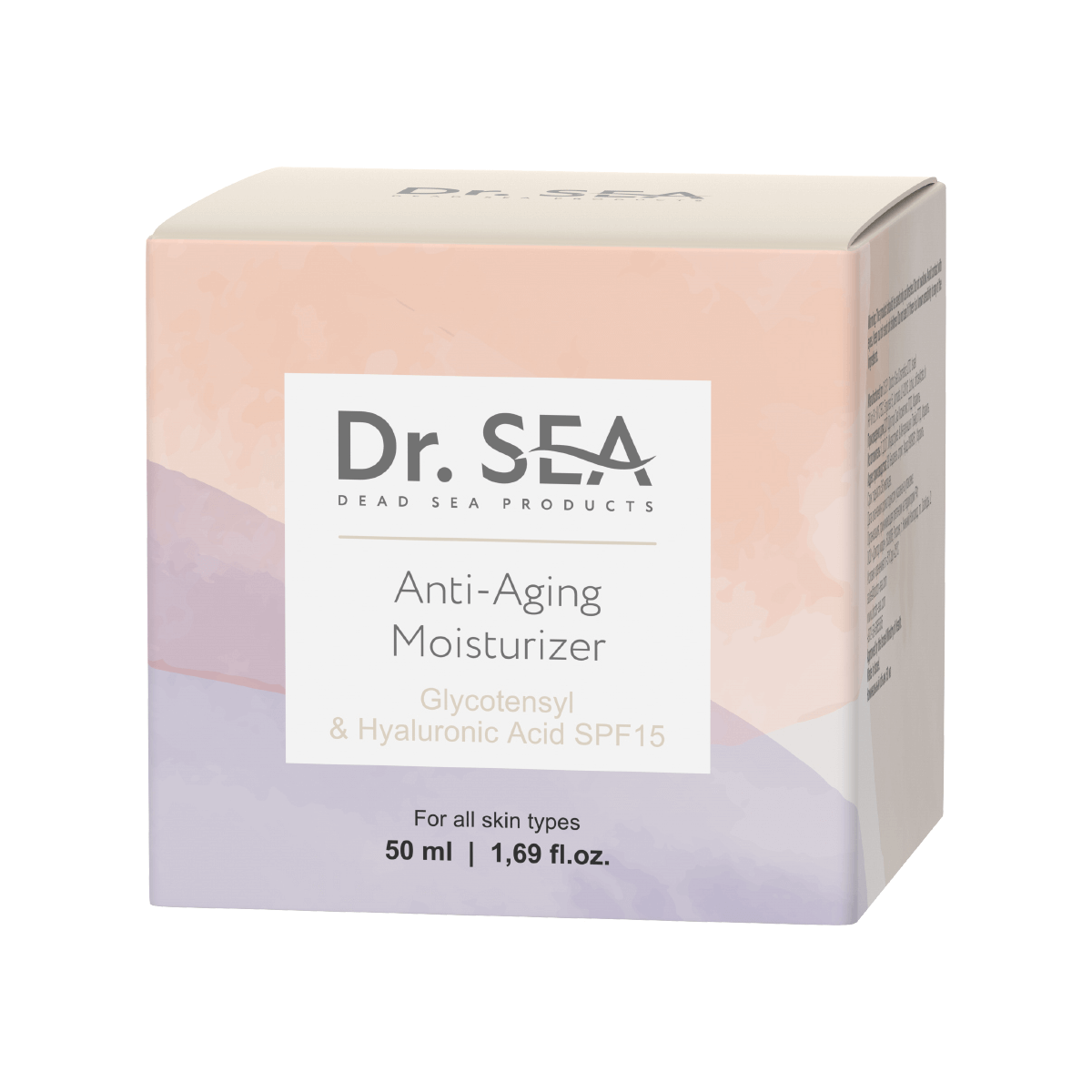
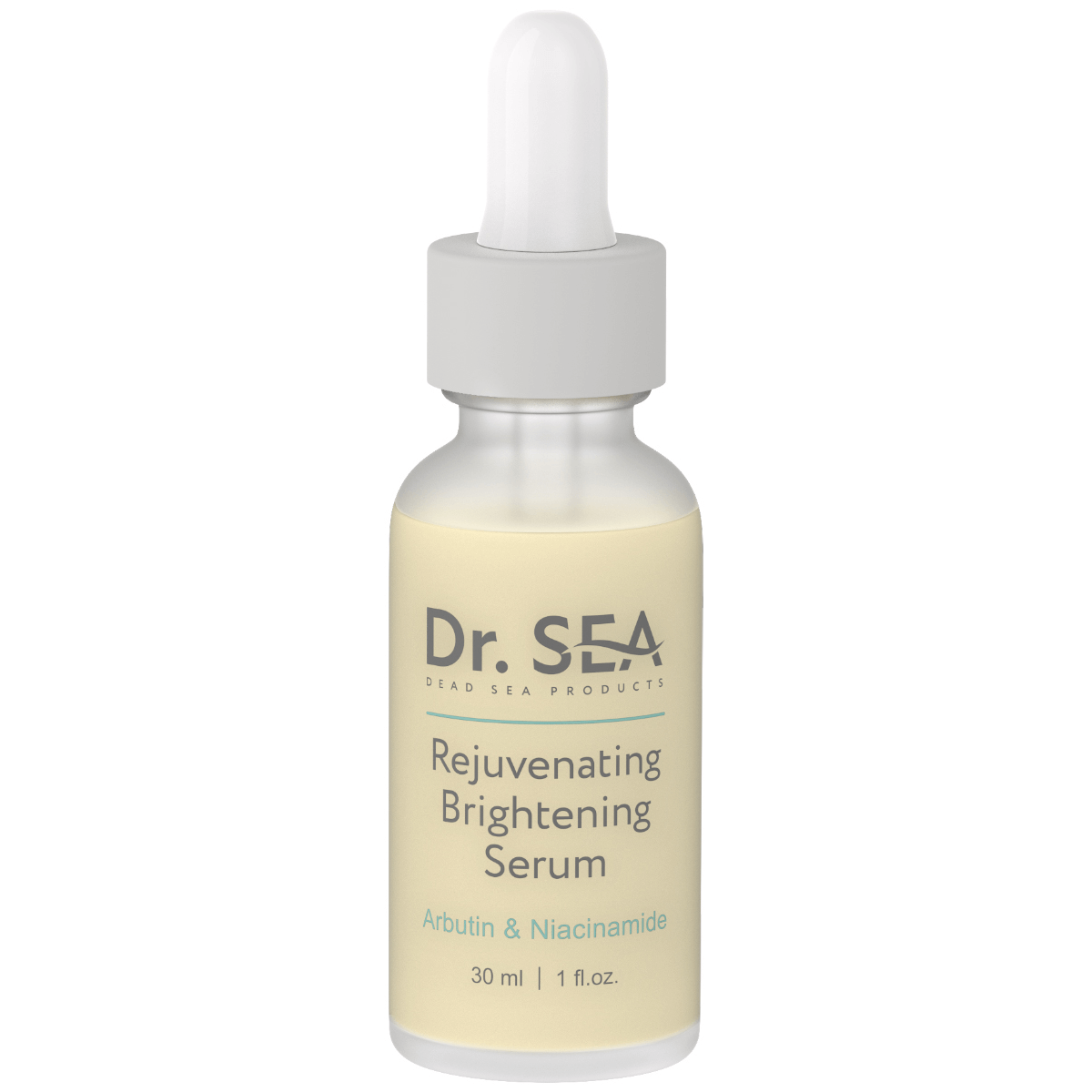
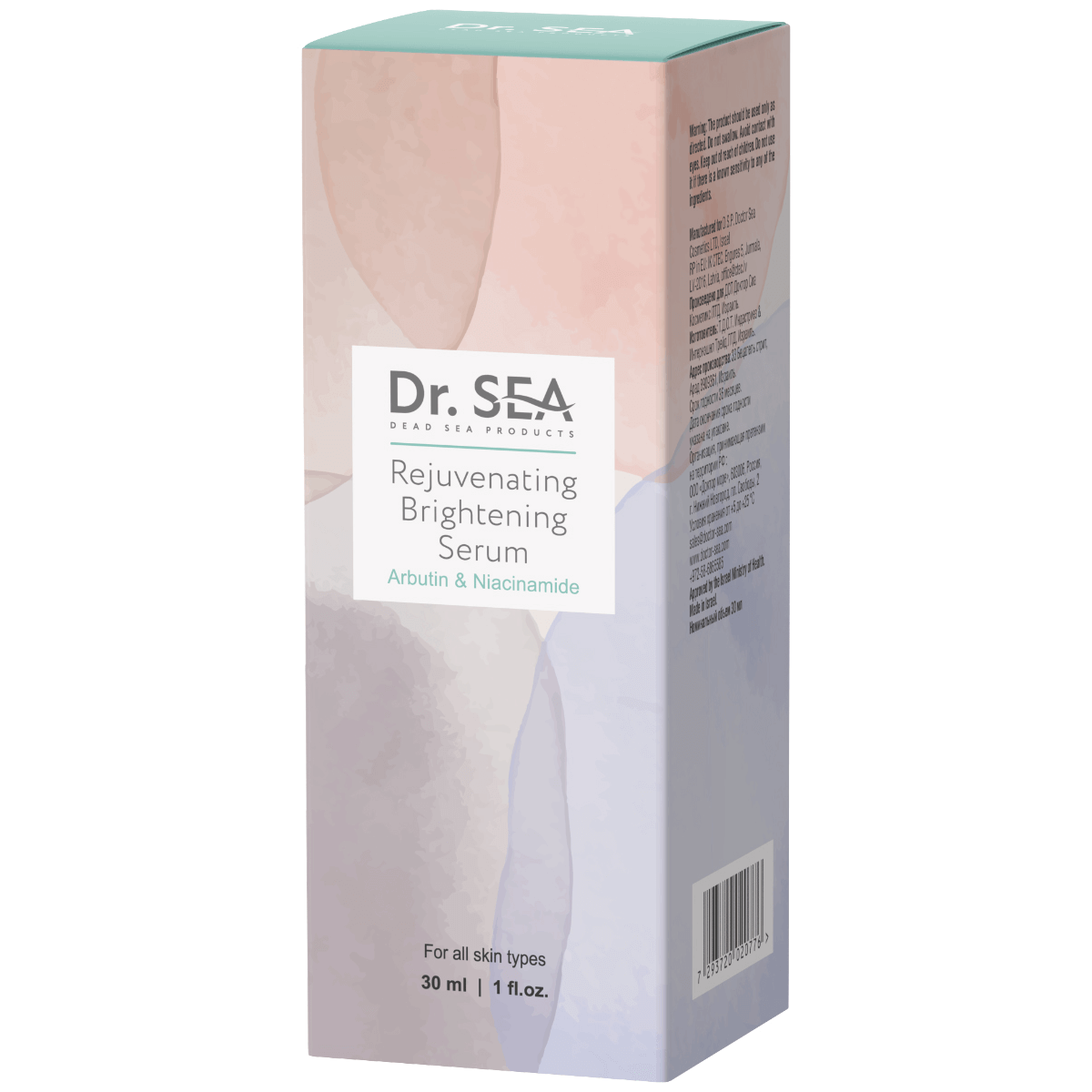
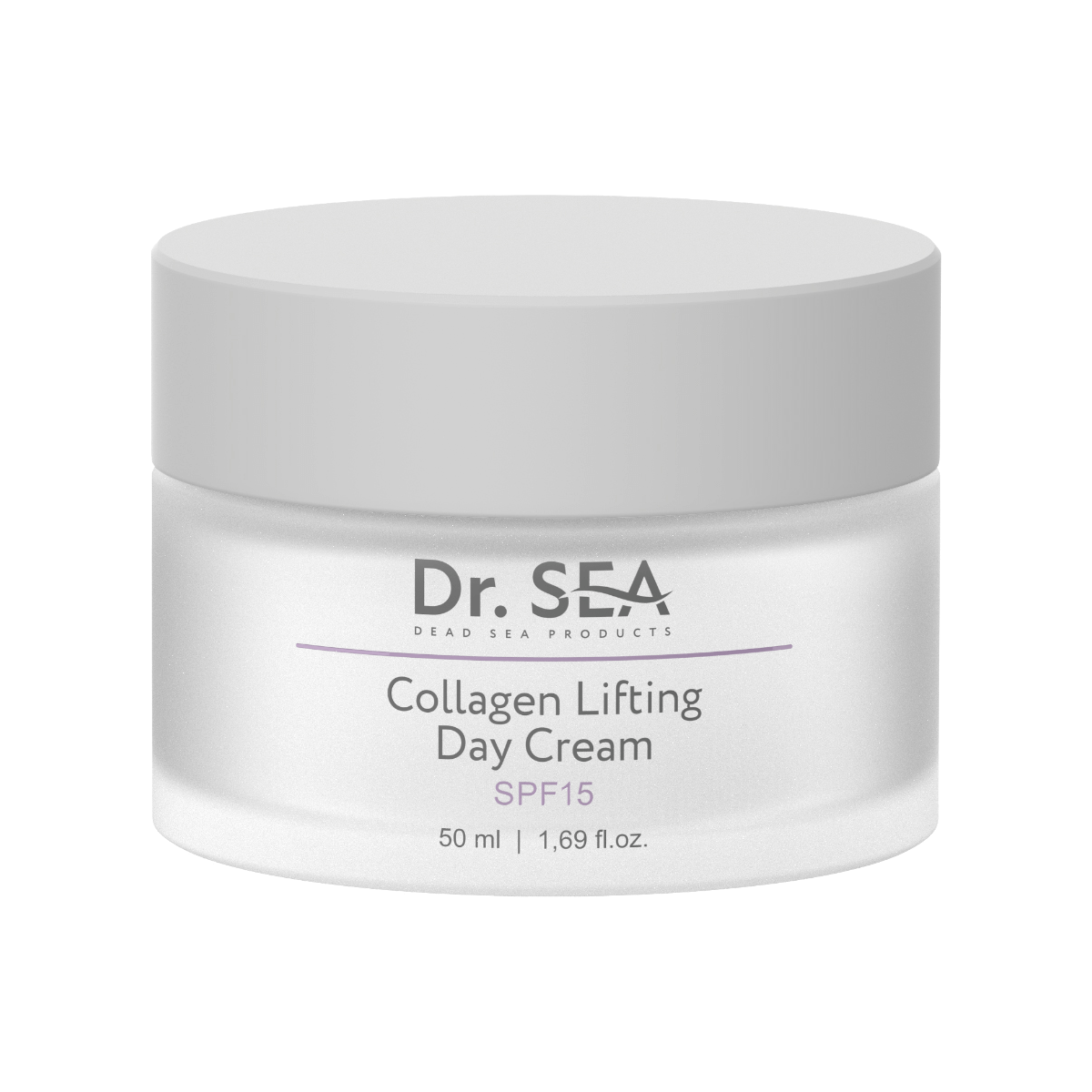
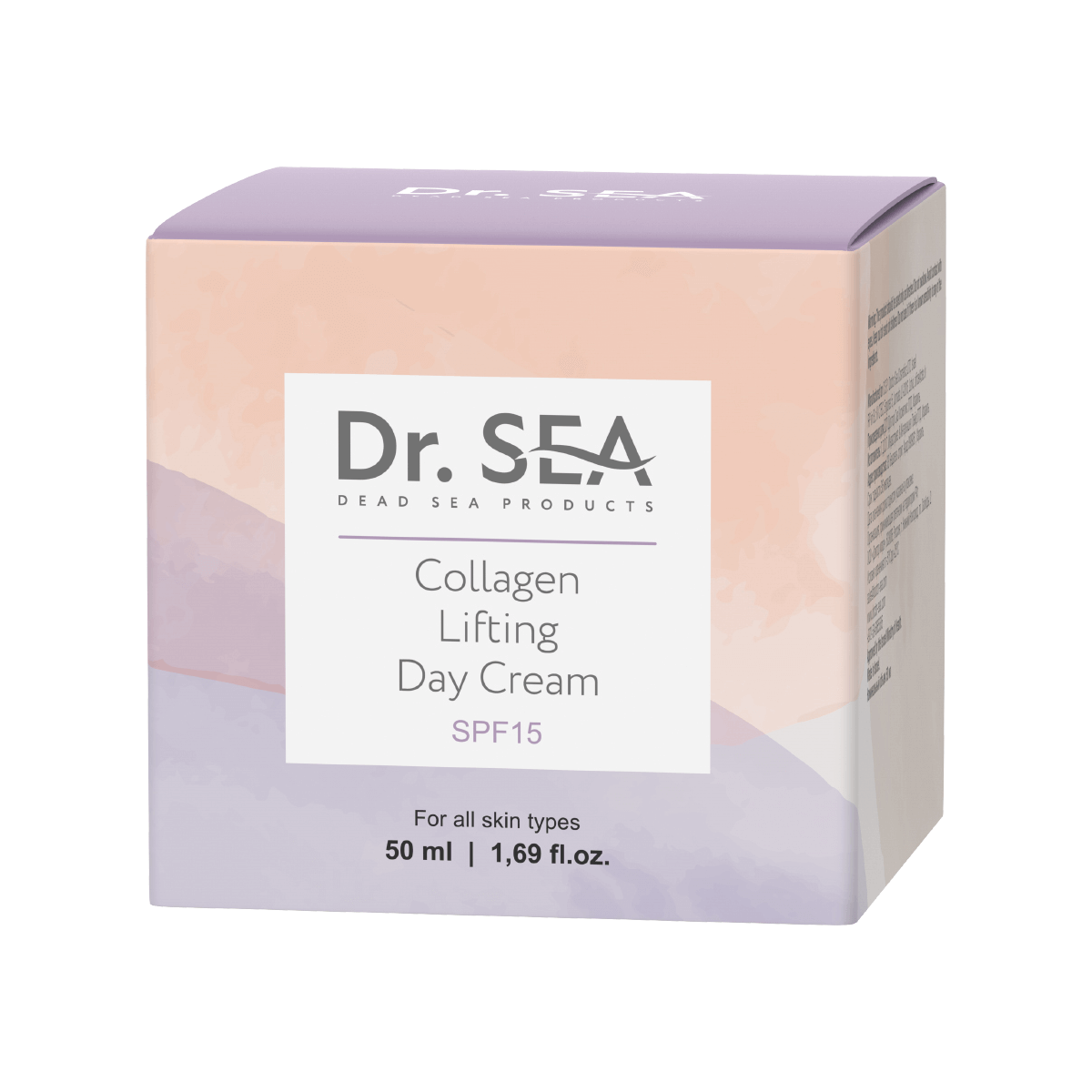
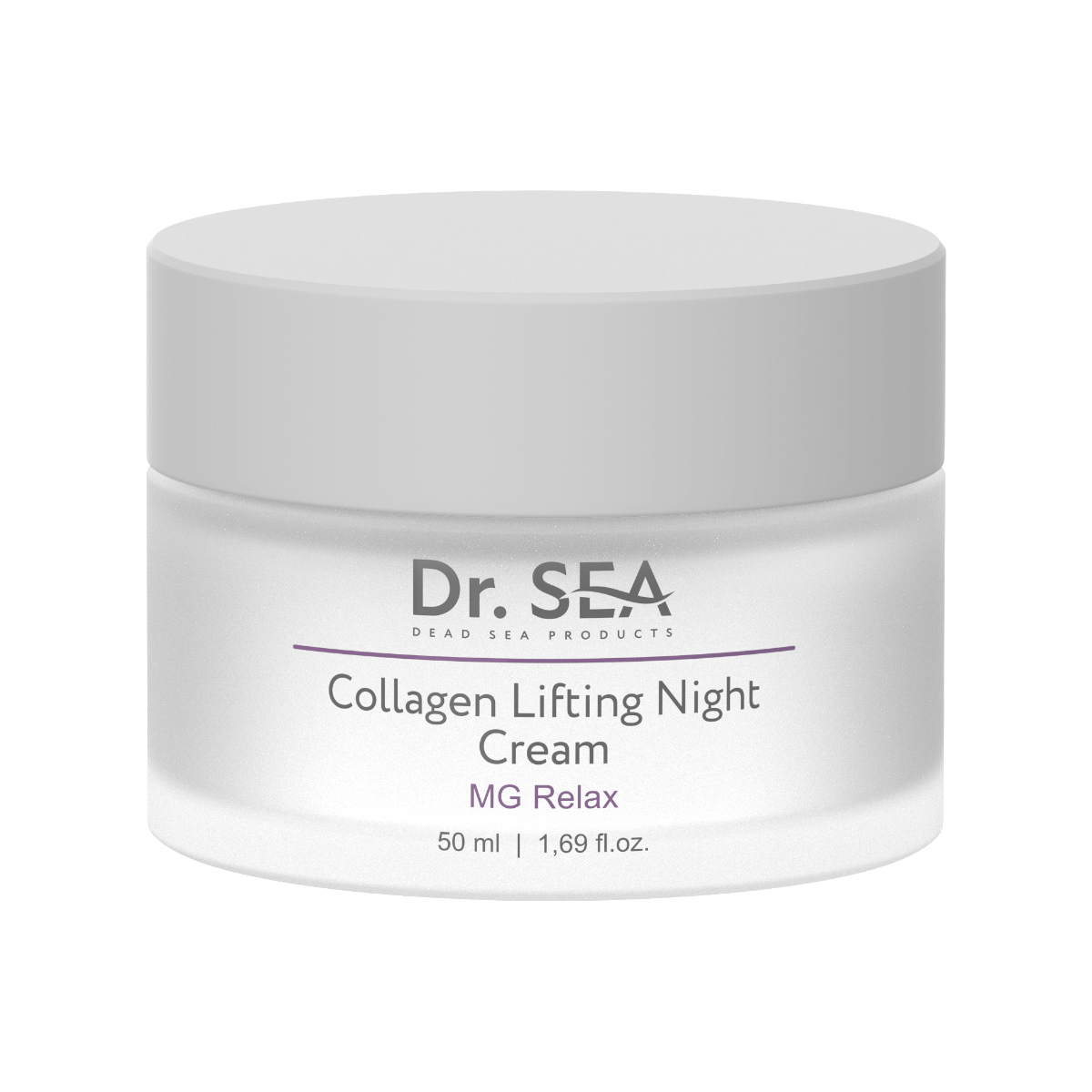
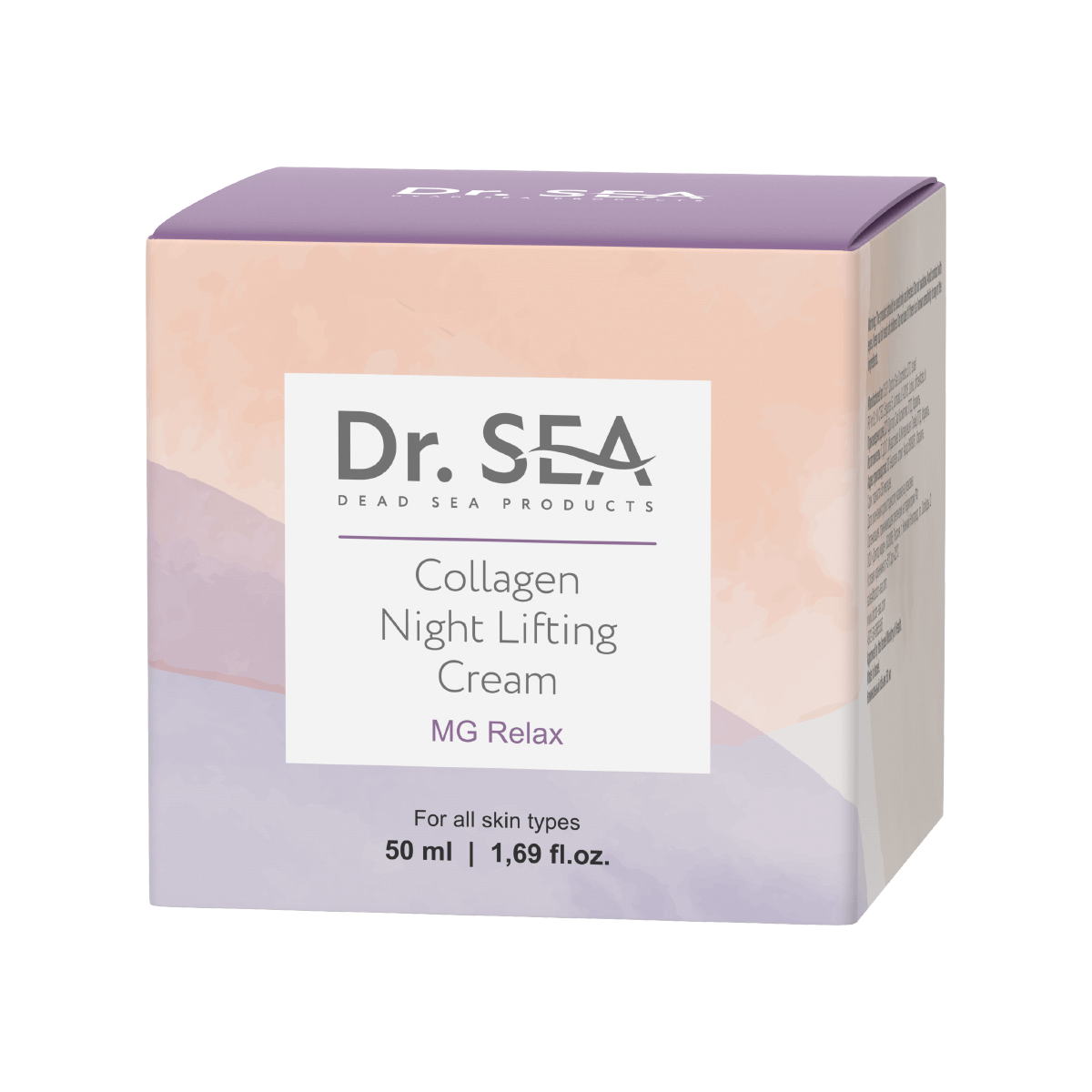
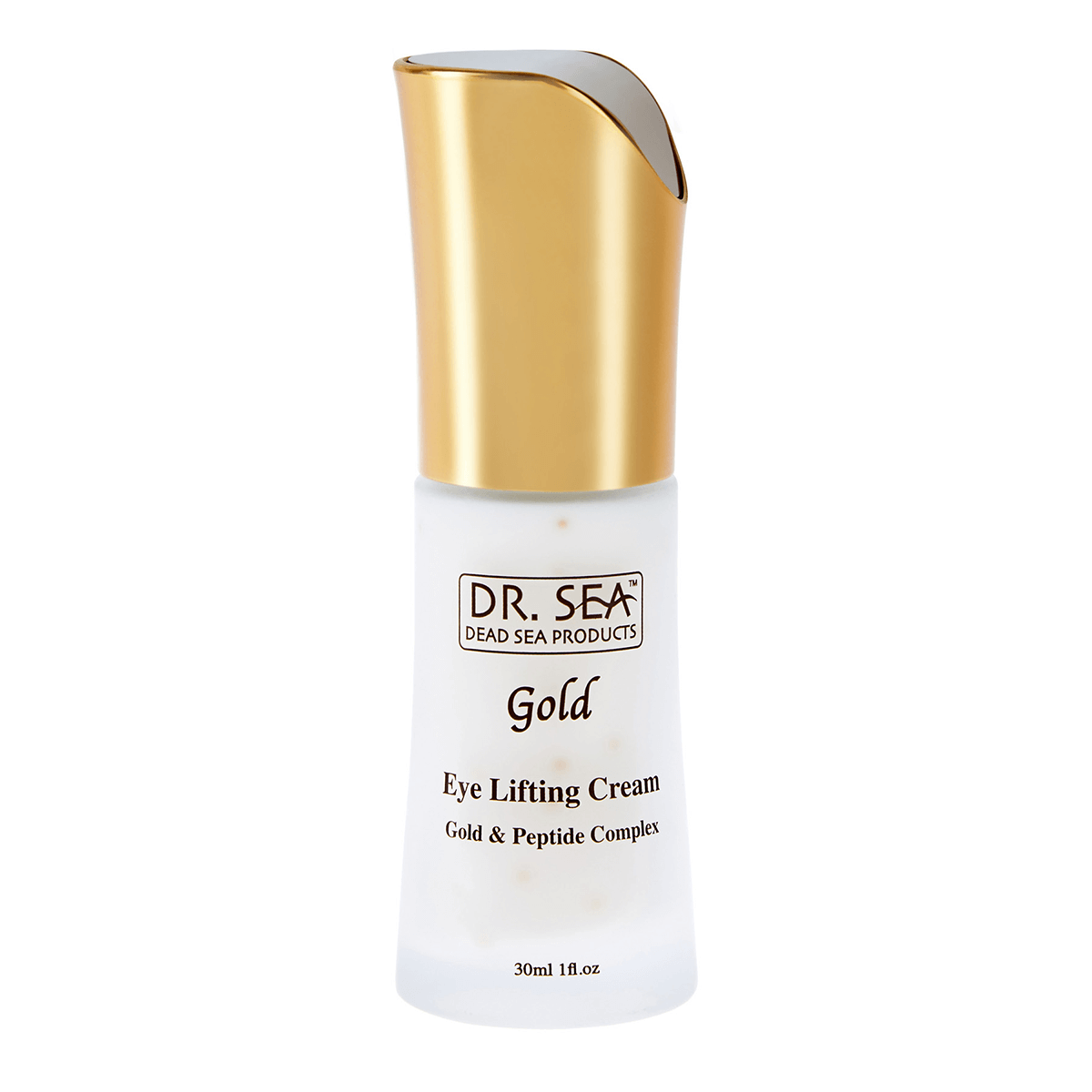
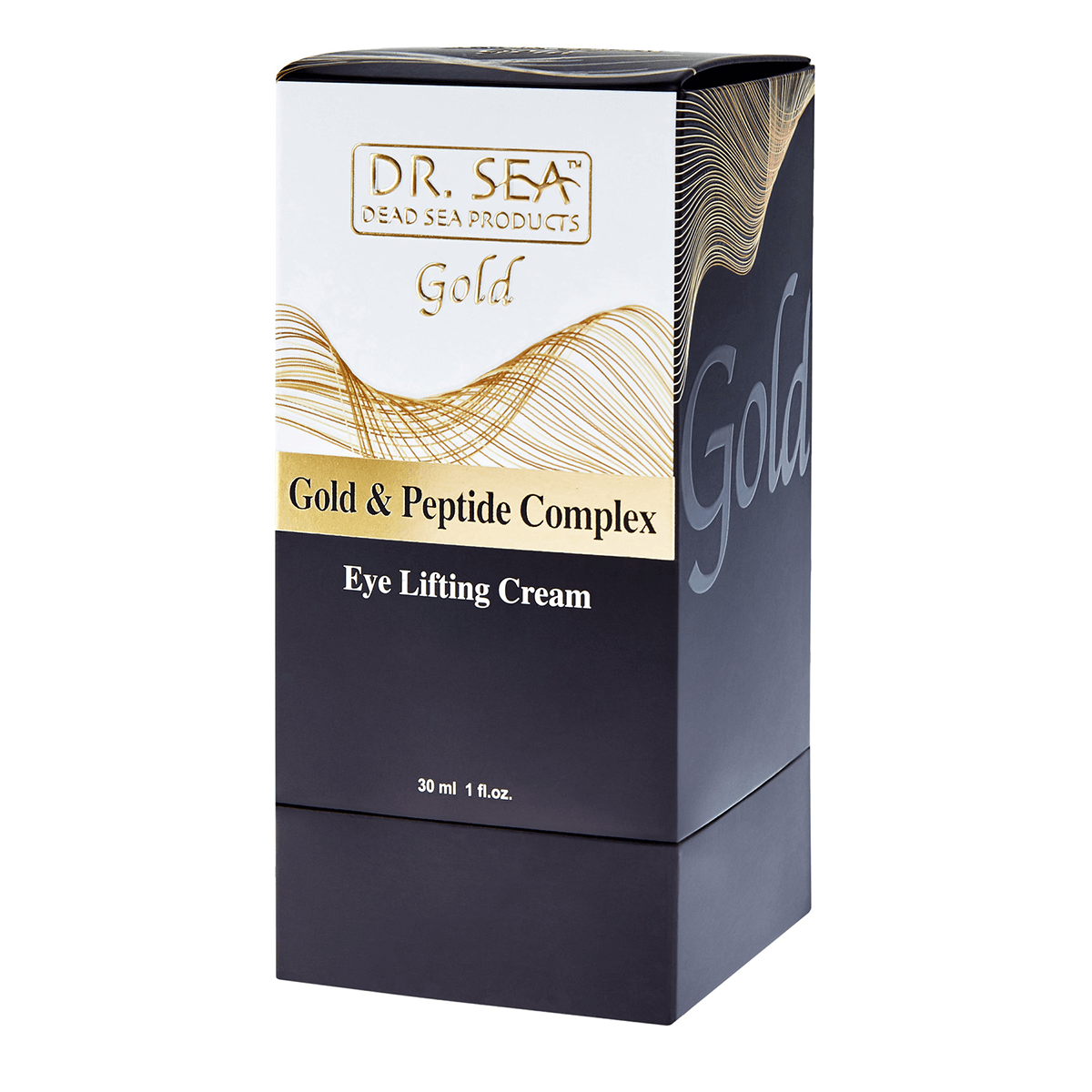
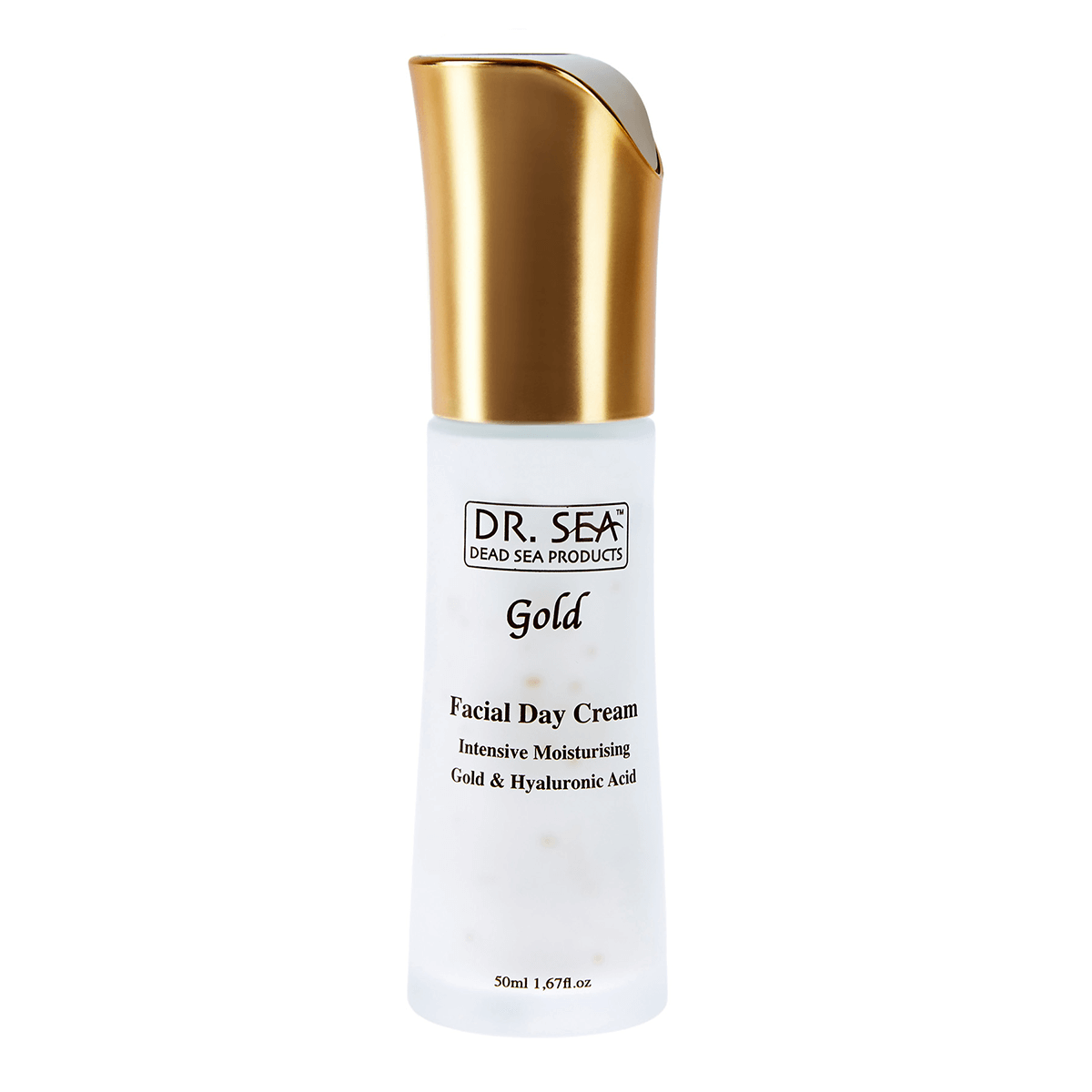
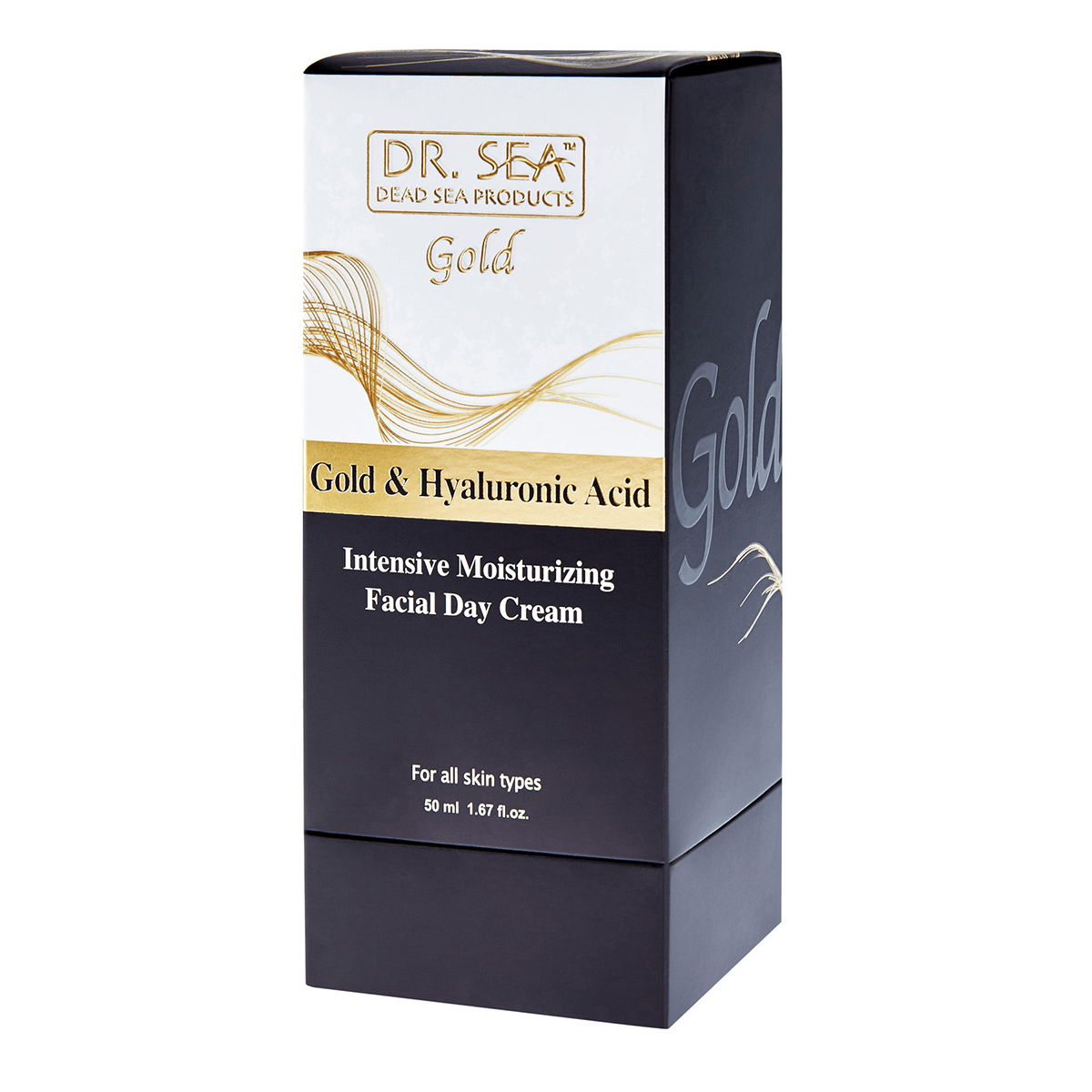
If you want to feel the difference the research describes, the practical path is a mineral mud, a bath salt, or a moisturizer that actually carries Dead Sea minerals rather than a generic sea salt scent. Our Dead Sea skincare collection gathers mineral mud, Dead Sea salt, and mineral-based face and body care sourced from Israel, so you are working with the magnesium and bromide-rich profile the studies point to, not table-salt filler.
Set expectations the way the science does. These products are genuinely useful for hydration, for supporting a compromised skin barrier, and for people with dry, eczema-prone, or psoriasis-prone skin. Treat them as steady, mineral-backed skincare, and be skeptical of any single product promising overnight, ageless transformation.
Related
- Benefits of Dead Sea Skincare Products from Israel
- Why Dead Sea Minerals Make the Best Skincare Products
- Dead Sea Cosmetics: Israel's Secret Skincare Treasures
Last updated July 2026.