

Short answer: The Dead Sea is unlike any other water on Earth, and that is chemistry, not marketing. Its water is roughly 9.6 times saltier than the ocean and unusually rich in magnesium, calcium, potassium, and bromide (it holds the highest bromide concentration of any water on the planet), a mineral profile very different from ordinary sea salt. Peer-reviewed research backs the core skincare claim: bathing in a magnesium-rich Dead Sea salt solution improved skin barrier function, raised hydration, and reduced inflammation in people with dry, sensitive skin. The wellness tradition is genuinely ancient, but a few popular claims (Cleopatra rituals, "detox") are folklore rather than documented science.
The chemistry that makes the Dead Sea different
Most of what you rub into your skin from a regular beach is sodium chloride, plain table salt. Dead Sea salt is a different animal. According to Wikipedia's Dead Sea entry, the water reaches about 34.2% salinity (roughly 9.6 times saltier than the ocean), and its dissolved salts are dominated by magnesium chloride (about 50.8%) and calcium chloride (about 14.4%), with sodium chloride making up only around 30.4% and potassium chloride about 4.4%. It also carries the highest bromide concentration of any water on Earth.
The setting explains the concentration. The Dead Sea sits about 430 meters (roughly 1,440 feet) below sea level, the lowest land elevation anywhere on the planet, and it is the deepest hypersaline lake in the world. Water flows in, but with no outlet it can only evaporate, leaving minerals behind to build up over millennia. That geography, tucked inside Israel along the Judean Desert, is why a jar of Dead Sea salt is not interchangeable with sea salt scooped off any coastline.
What the research actually shows (and what it does not)
The ingredient with the most direct skin evidence is magnesium. A controlled study by Proksch and colleagues, published in the International Journal of Dermatology in 2005, had participants soak one forearm in a 5% magnesium-rich Dead Sea salt solution for 15 minutes while the other forearm sat in tap water. The salt-treated skin showed significantly improved barrier function, better hydration, and reduced roughness and redness, a marker of inflammation. You can read the abstract on PubMed. The researchers attributed the effect to magnesium binding water and supporting the skin's repair processes, and notably they studied atopic (dry, eczema-prone) skin, exactly the kind of skin that struggles to hold moisture.
Being straight about the limits matters just as much as the wins. "Detox" is not a scientifically supported mechanism for salt or minerals, so it is fair to skip it entirely. As for psoriasis, a Cochrane review cited by Wikipedia's balneotherapy article found only low-quality evidence that salt bathing combined with UVB light may reduce severity compared with UVB alone, and broader claims for treating skin conditions have limited high-quality support. In other words, the honest headline is hydration, a stronger skin barrier, and calmer, less inflamed skin, not a cure. Zinc, sometimes listed on labels, is present only in trace amounts and is not one of the defining Dead Sea minerals.
An ancient tradition worth the pride
People have been coming to this shore for a very long time. Around 350 BC, Aristotle recorded the water's strange properties, noting that a bound man or beast thrown in floats without sinking, one of the earliest written observations of its mineral-dense water (see Wikipedia's History of the Dead Sea). The region has drawn visitors from around the Mediterranean for thousands of years and is often described as one of the world's first health resorts. The frequently repeated Cleopatra beauty-ritual story is charming, but it belongs in the "legend" column rather than documented history. The real heritage, an ancient natural wonder inside Israel with legitimate science behind it, is impressive enough on its own.
From the shore to your bathroom shelf
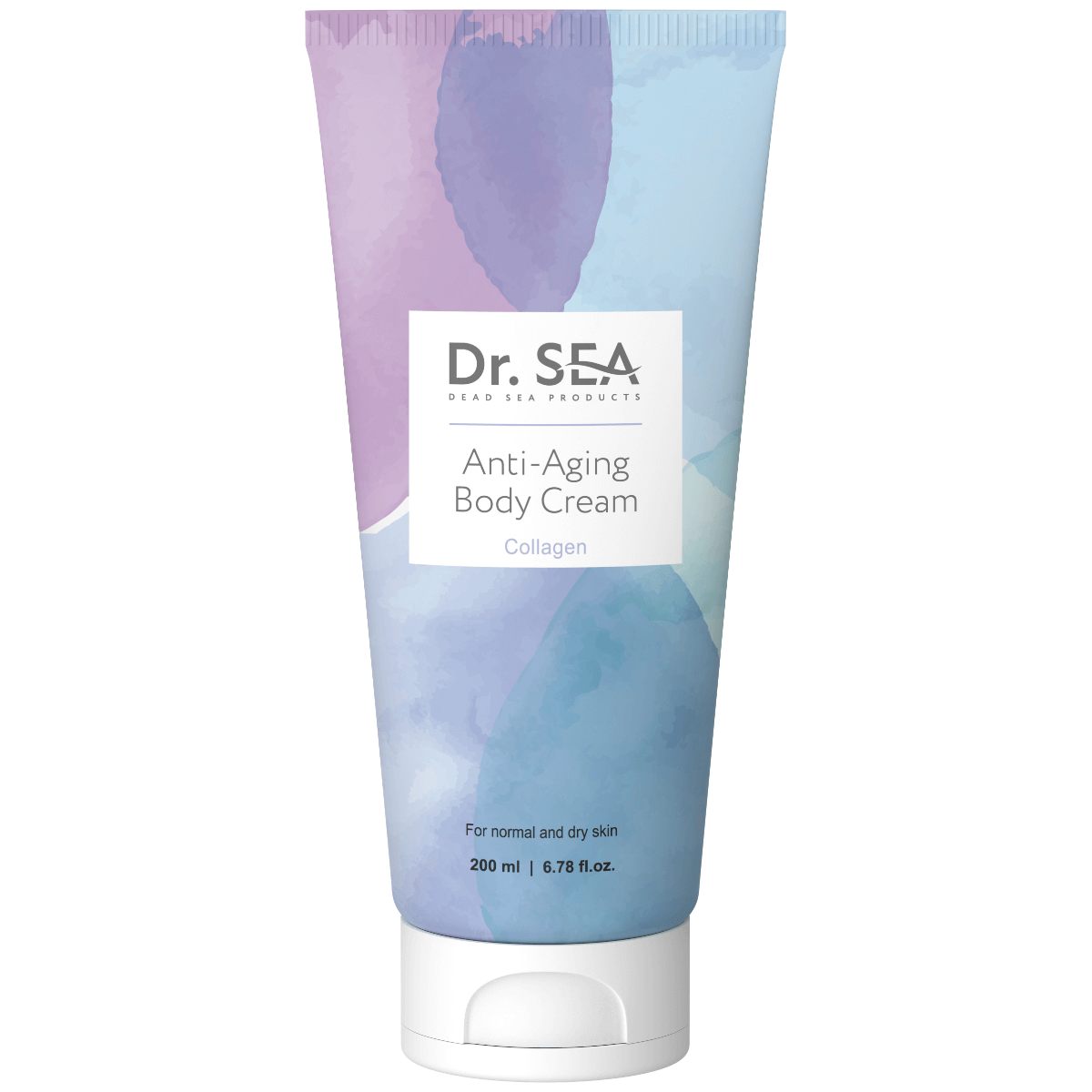
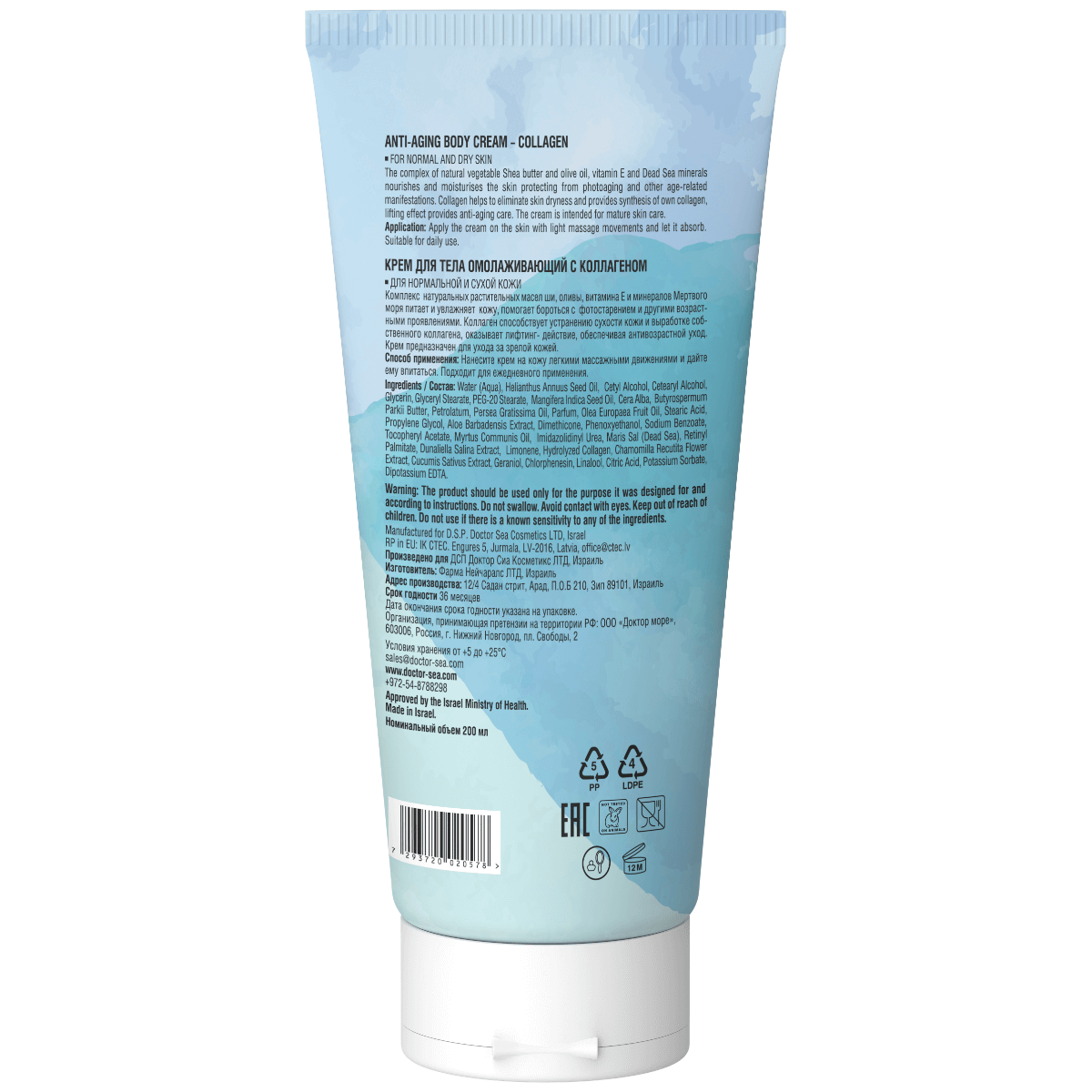
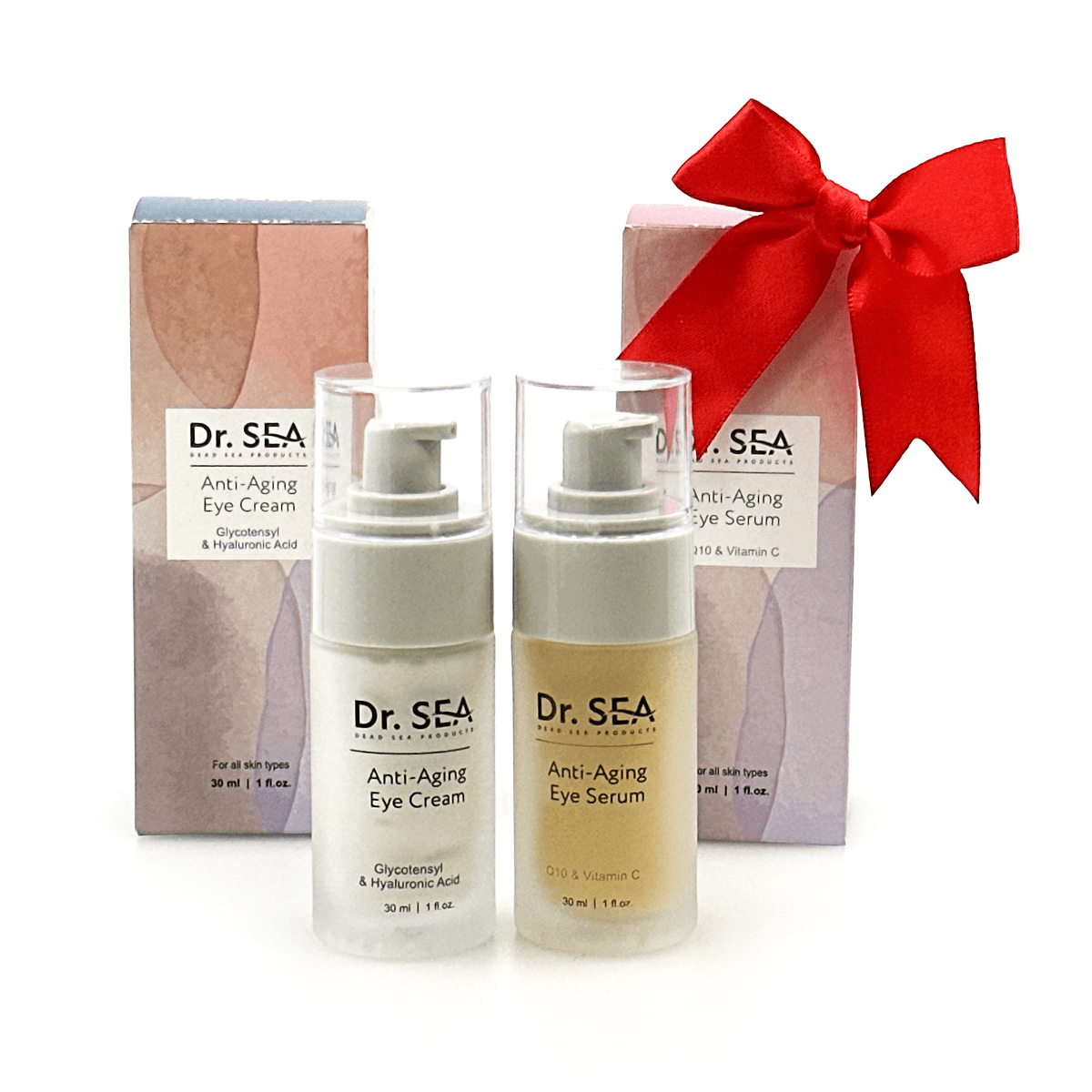
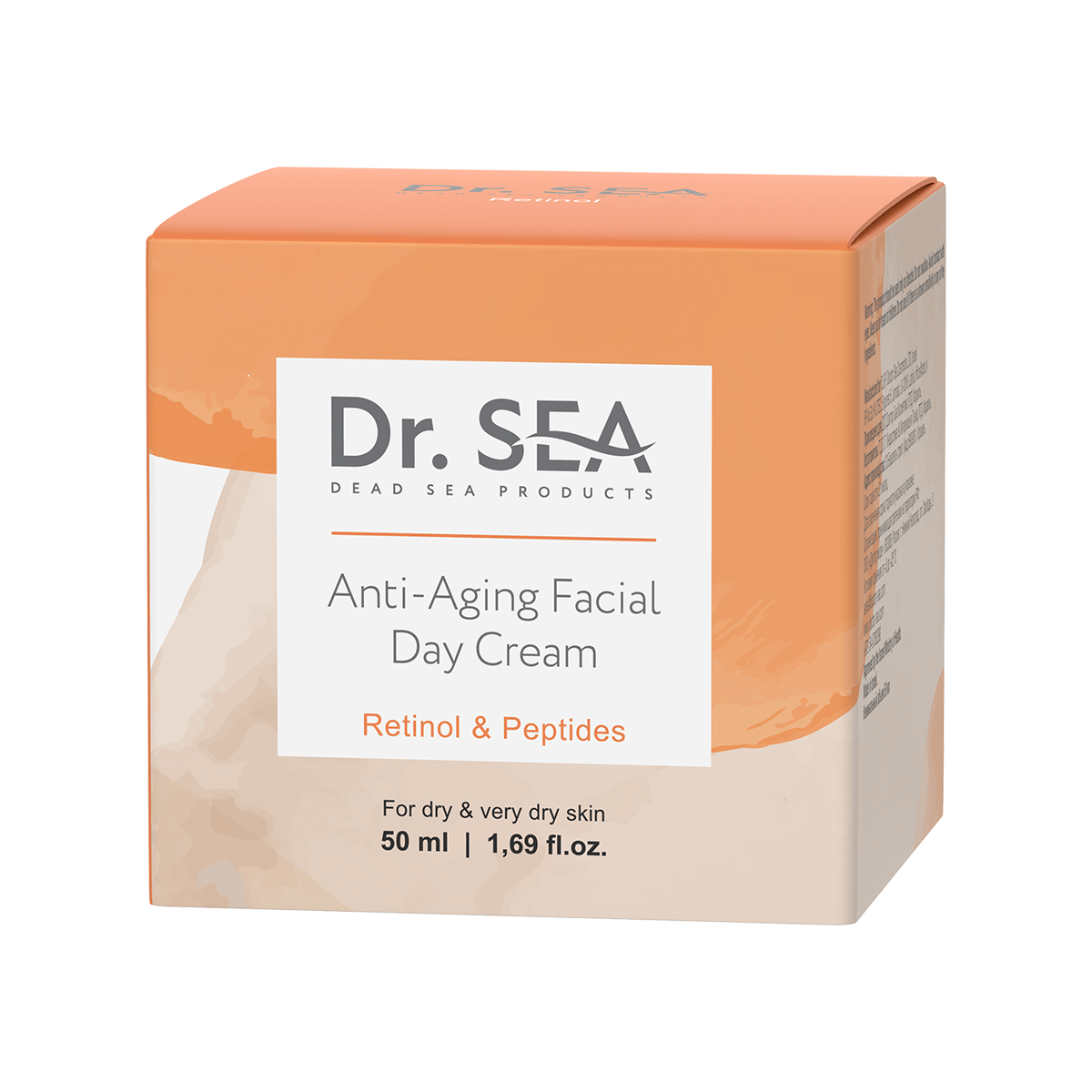
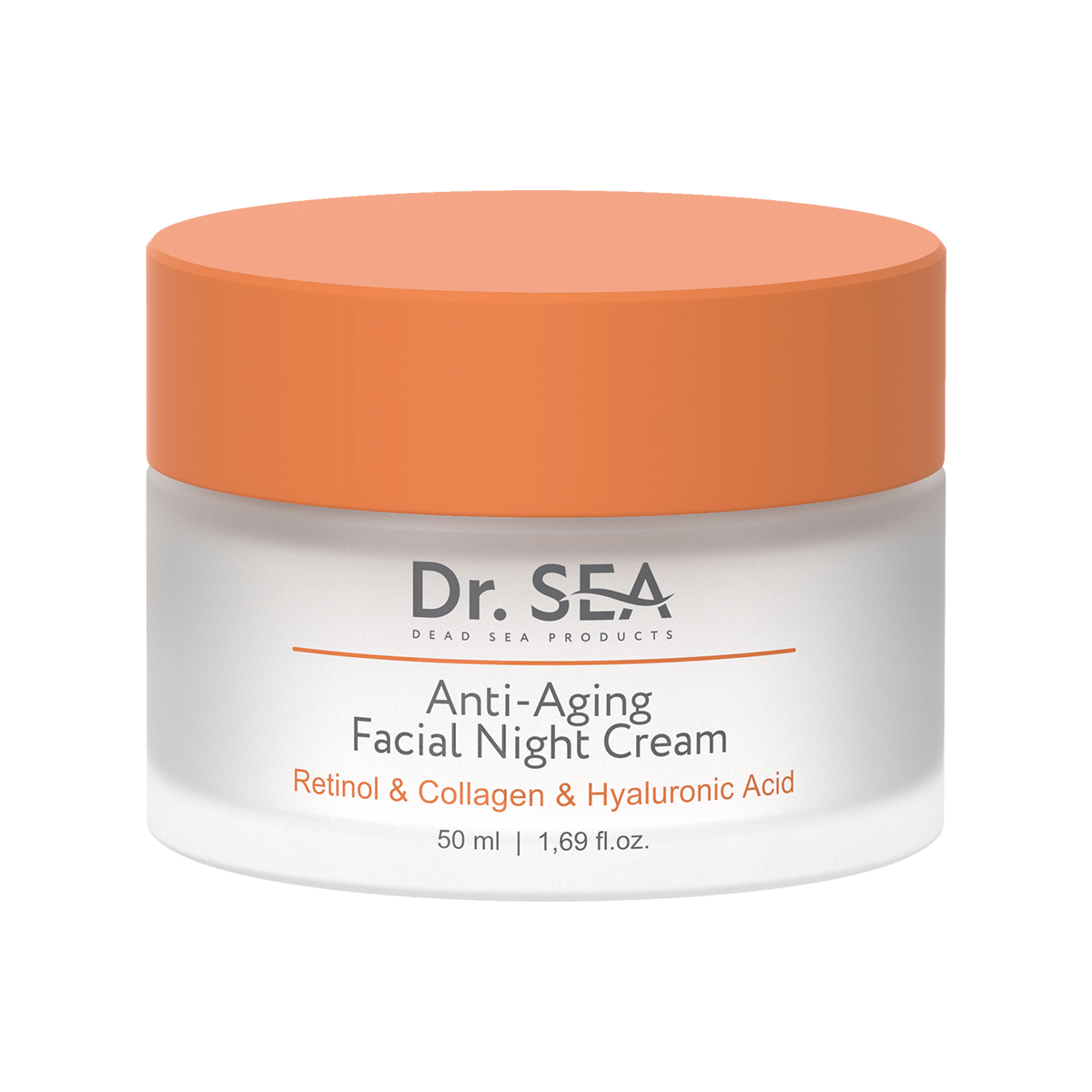
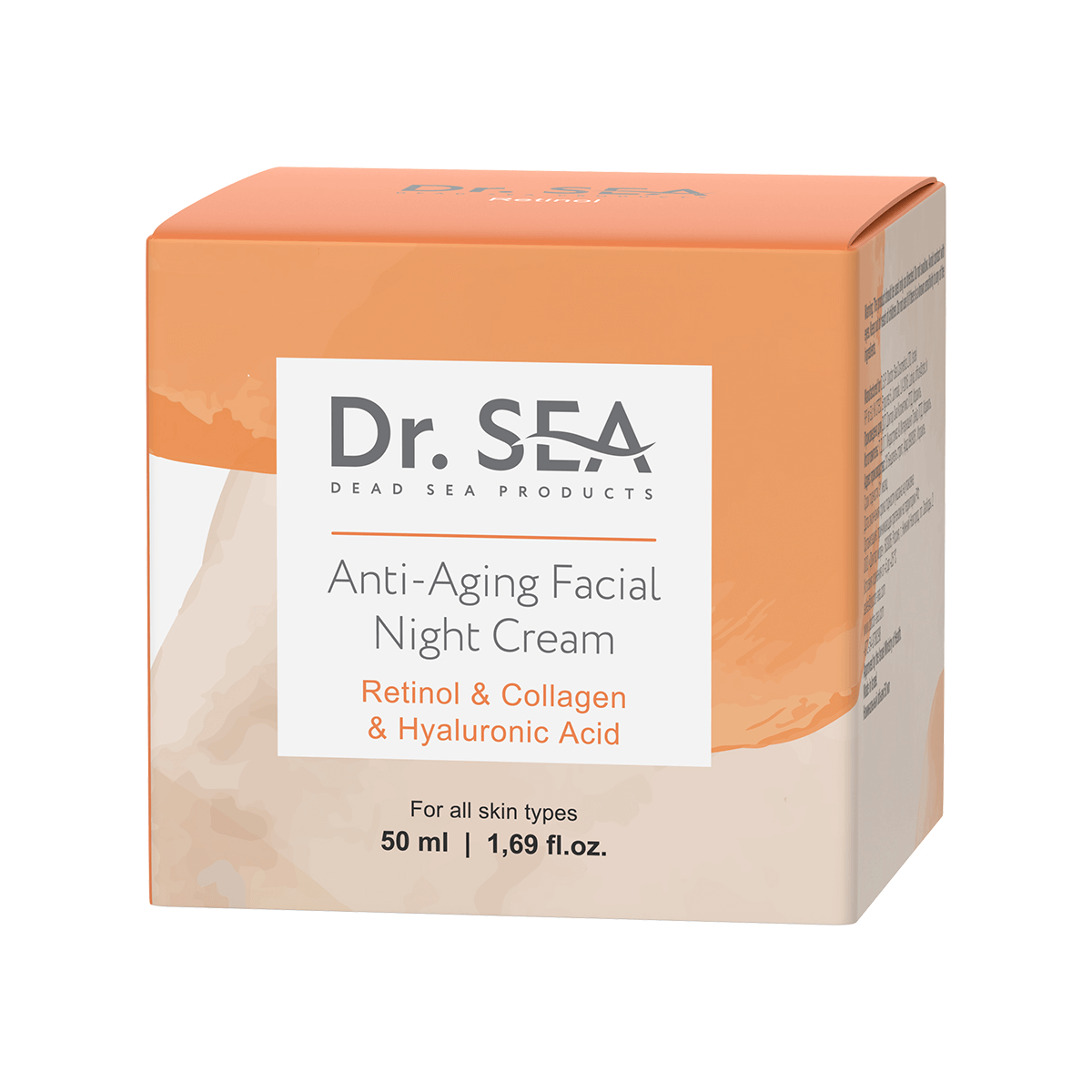
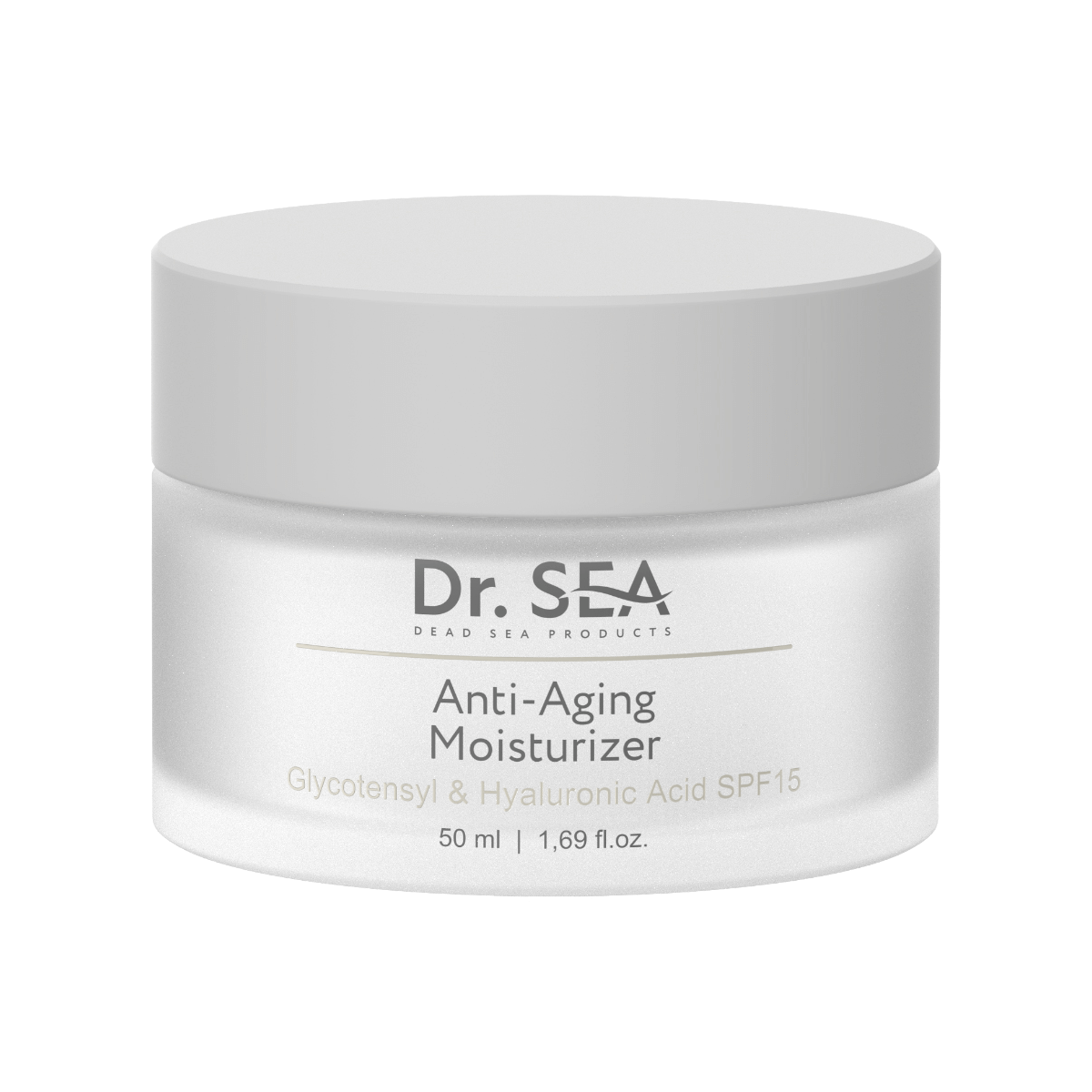
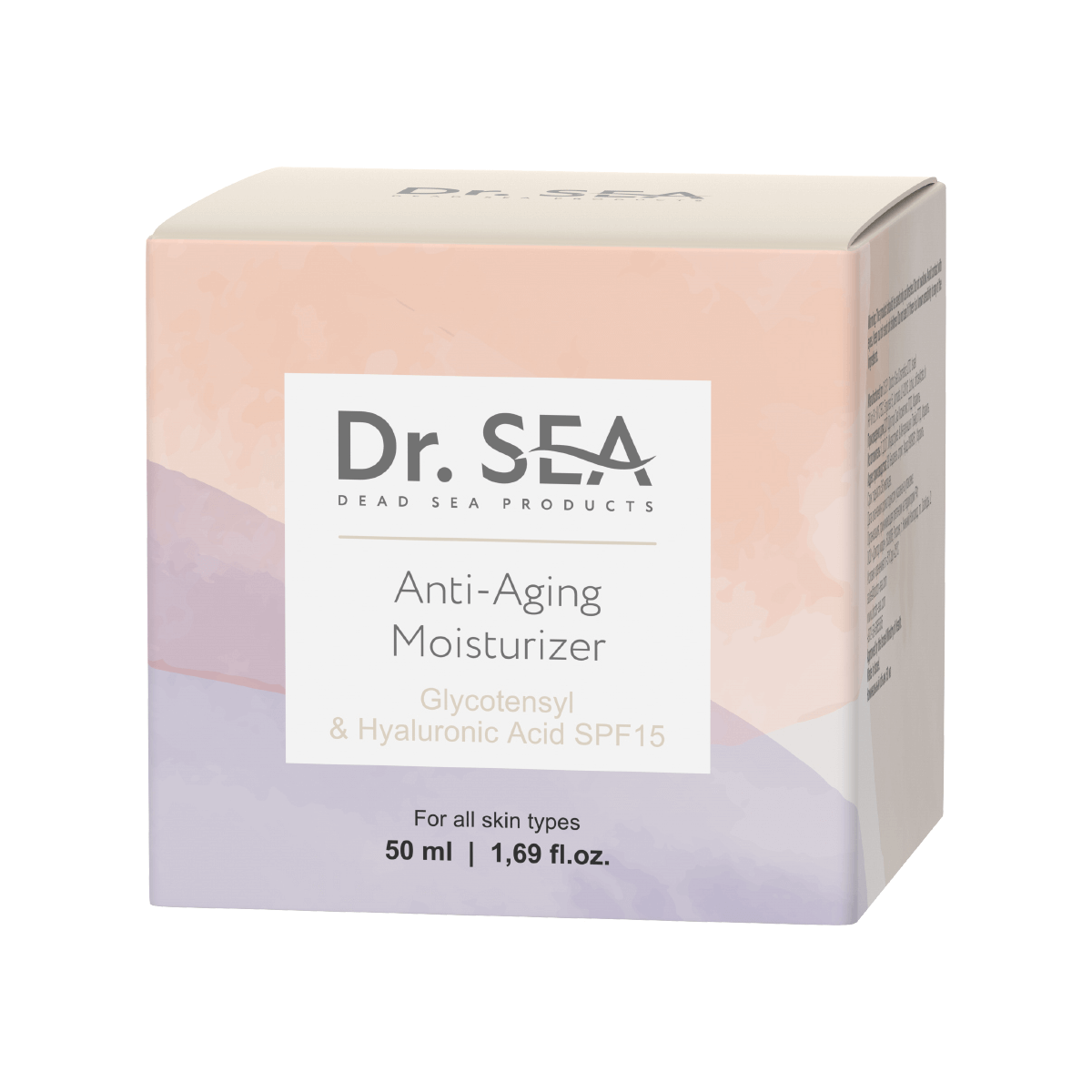
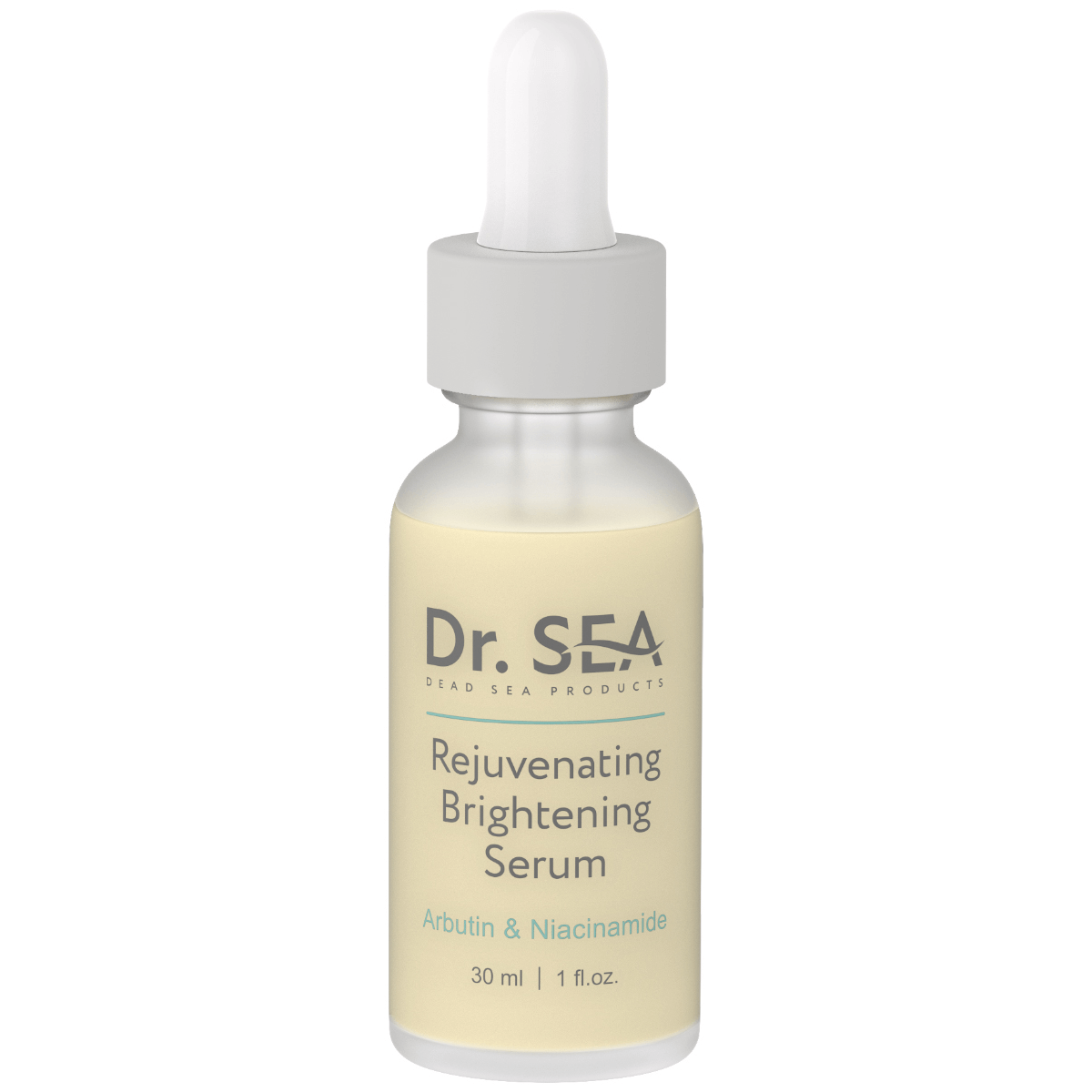
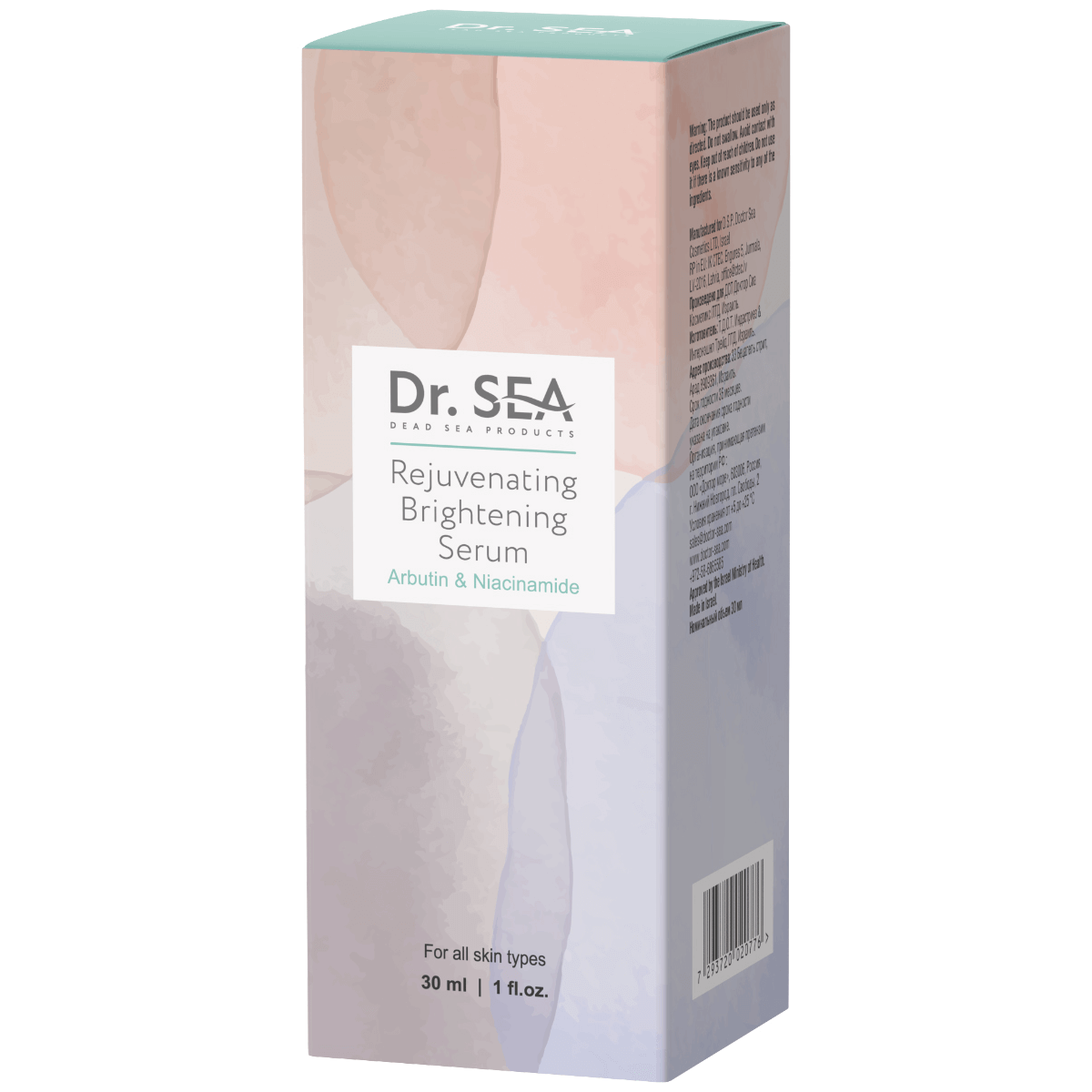
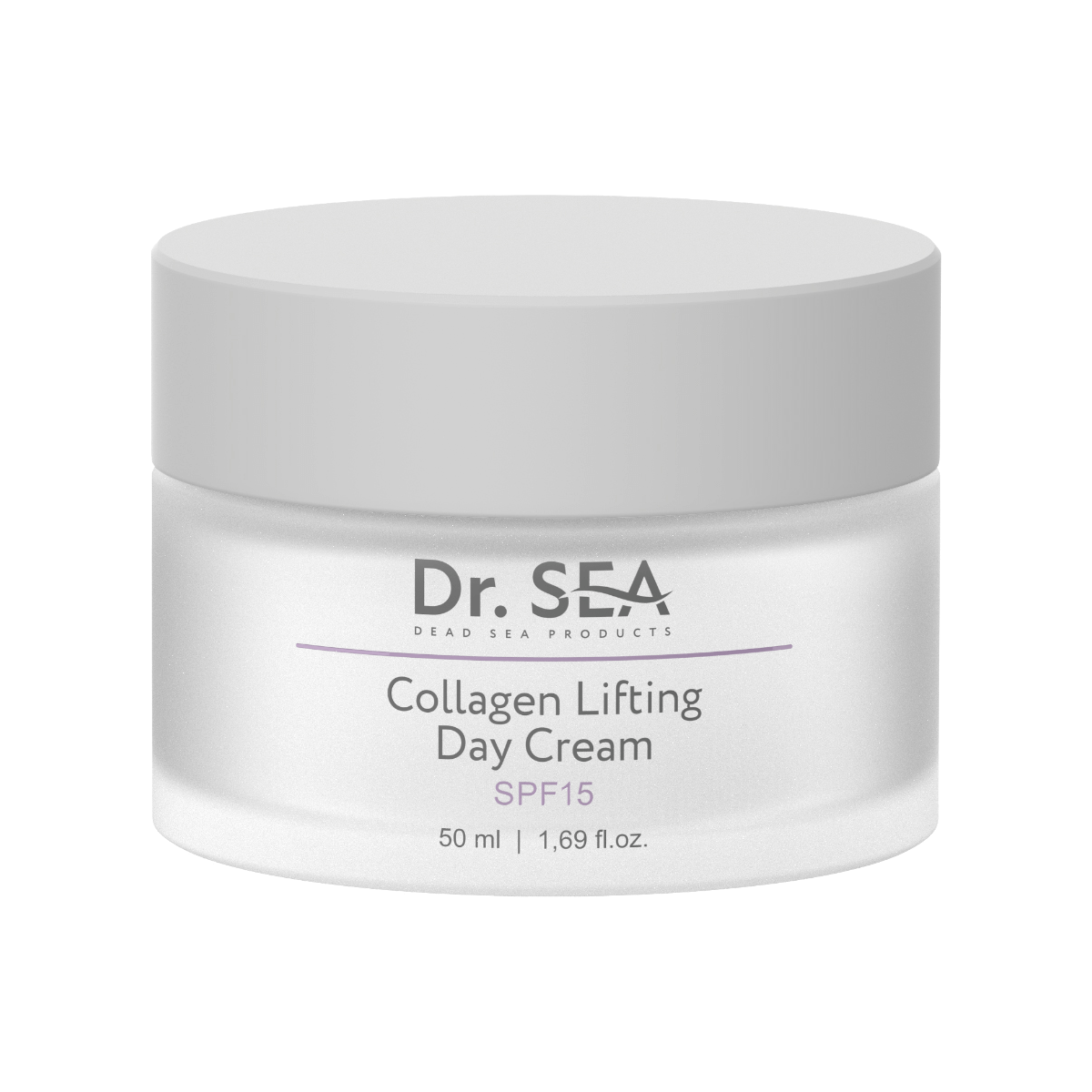
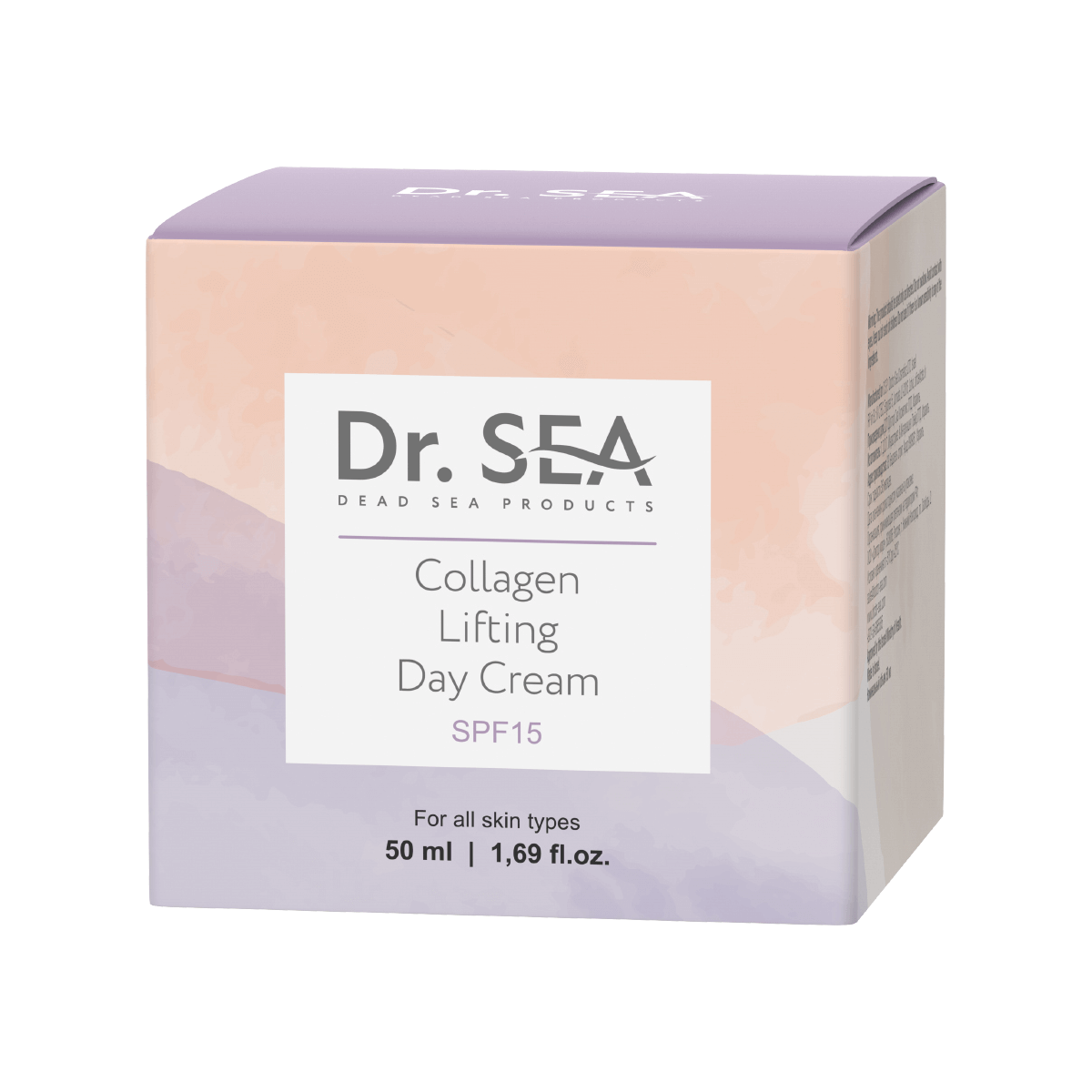
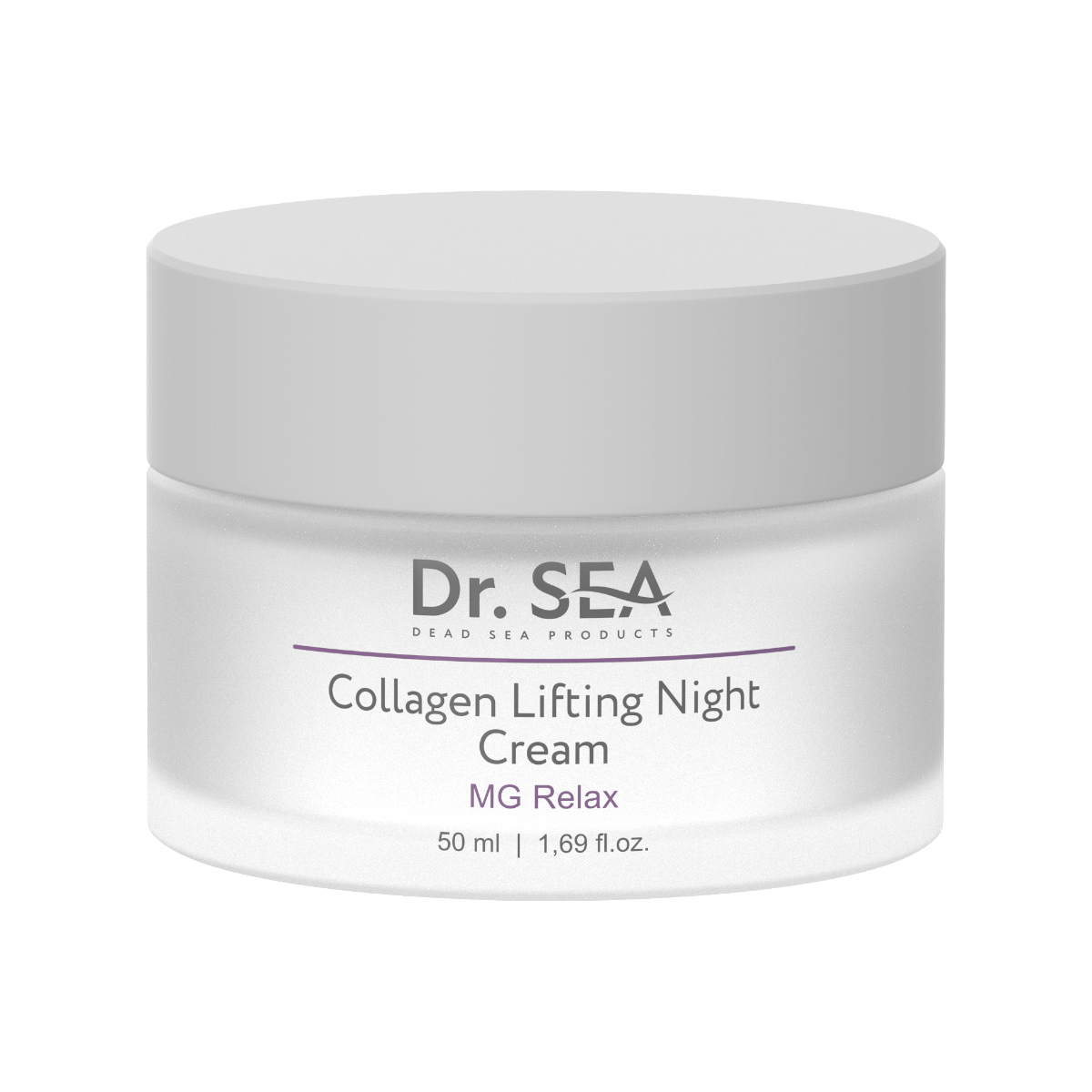
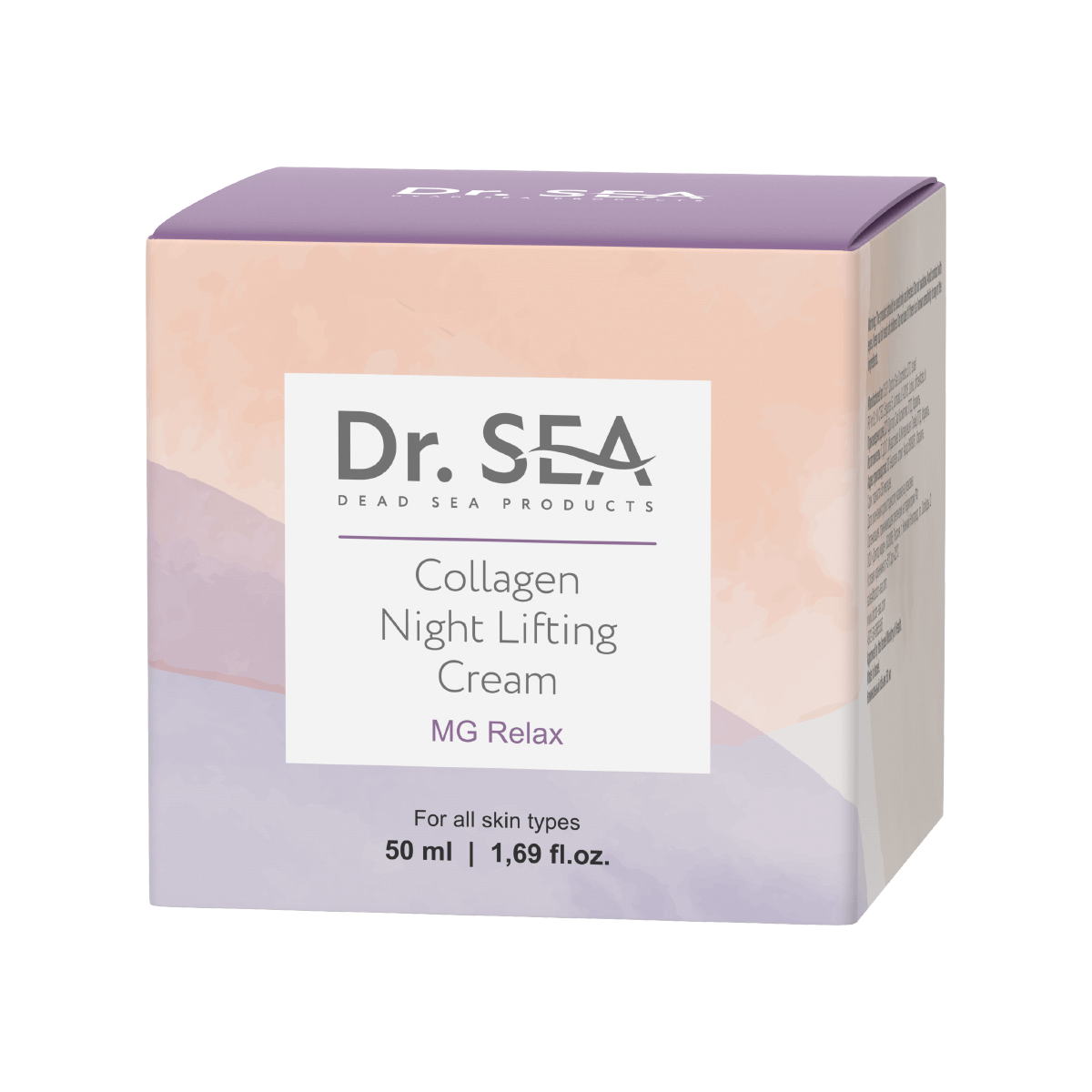
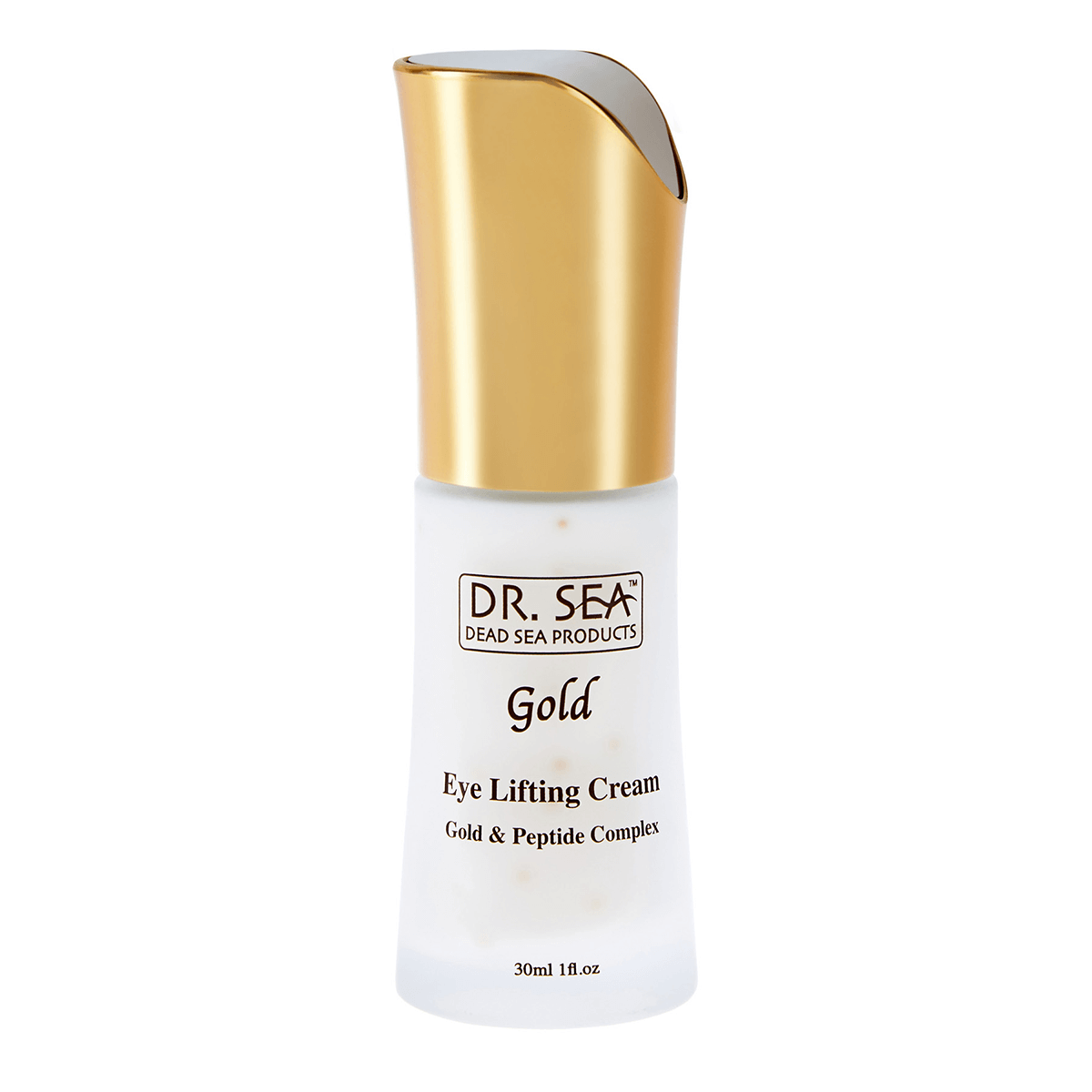
The practical takeaway is simple: if you want the studied benefits, look for products built around genuine Dead Sea minerals, above all magnesium, along with calcium, potassium, and bromide, rather than generic "sea salt." That is the whole idea behind our Dead Sea collection, sourced from the mineral-richest body of water on Earth and made for skin that wants real hydration and a reinforced barrier, not marketing hype.
Bring it home: a good place to start is straight-up Dead Sea salt for a mineral soak that echoes the very solution studied in the research, then build out to serums and creams as your routine grows. Every purchase also supports Israeli-made goods, a small, tangible way to stand with Israel while you take care of your skin.
Related
- Benefits of Dead Sea skincare products from Israel
- Why Dead Sea minerals make the best skincare products
- The power of Dead Sea minerals in natural skincare
Last updated July 2026.