

Short answer: The Dead Sea sits at the lowest point on Earth's land surface (about 439.78 meters below sea level as of 2025) and is roughly 9.6 times as salty as the ocean, but its dissolved salts are dominated by magnesium, calcium, potassium, and bromide rather than the ordinary table salt of seawater. Authentic Israeli Dead Sea skincare draws its mud and minerals directly from the sea's shore. The strongest published evidence is for magnesium-rich Dead Sea salt improving skin hydration and barrier function in dry, atopic skin, with salt bathing plus UVB helping psoriasis. Broader anti-aging and healing claims are cosmetic marketing rather than settled science.
What makes the Dead Sea's minerals different
The Dead Sea is a terminal, hypersaline lake bordered by Jordan, the West Bank, and Israel, and its surface sits at about -439.78 meters (-1,443 ft), the lowest land-based elevation on Earth (Wikipedia: Dead Sea). Thousands of years of evaporation have concentrated its minerals to a measured salinity of about 34.2% (recorded in 2011), which makes it roughly 9.6 times as salty as the ocean, where salinity runs near 3.5% (Wikipedia: Dead Sea).
The real difference is the chemistry. Where ordinary seawater is dominated by sodium chloride, the Dead Sea's dissolved salts are roughly 50.8% magnesium chloride, 30.4% sodium chloride, 14.4% calcium chloride, and 4.4% potassium chloride, and the water holds the highest bromide concentration of any body of water on Earth (Wikipedia: Dead Sea). That magnesium-, calcium-, potassium-, and bromide-rich profile is the genuine basis for Dead Sea skincare. It is worth noting that the sea is shrinking: its surface area is now about 554 km2, down from 1,050 km2 in 1930, and the water level is dropping more than a meter a year, mainly because Jordan River inflow is diverted upstream (Wikipedia: Dead Sea).
What the research actually supports
The best-documented cosmetic benefit points to magnesium. A controlled 2005 study (Proksch et al., International Journal of Dermatology) found that bathing in a 5% magnesium-rich Dead Sea salt solution improved skin hydration and barrier function and significantly reduced skin roughness and redness in people with dry, atopic skin, compared with tap water. The authors attributed the effect chiefly to magnesium (Int J Dermatol, Proksch 2005).
For psoriasis, a Cochrane review found low-quality evidence that salt bathing combined with UVB phototherapy may relieve severity compared with UVB alone. More broadly, most balneotherapy studies carry methodological flaws, so firm efficacy claims beyond these specific uses are not well supported (Wikipedia: Balneotherapy). That is why the region draws therapeutic tourism, thanks to its mineral waters, lower UV radiation, and higher atmospheric pressure.
It is also worth being clear about where marketing outruns evidence. The familiar per-mineral lines on product pages (calcium "promotes cell regeneration," potassium "maintains hydration," sodium "aids exfoliation," minerals "accelerate healing" and deliver "youthful vitality") are traditional and cosmetic claims, not conclusions drawn from these reputable sources. Magnesium's hydration and skin-barrier effect in dry, atopic skin is the one mineral-specific mechanism with a solid study behind it.
Bringing authentic Dead Sea care into your routine
"Authentic" simply means the ingredients are actually sourced from the Dead Sea rather than a generic salt blend. The clearest documented example is Ahava (Ahava Dead Sea Laboratories), an Israeli company founded in 1988 that began as a single tourist stand selling body scrub and grew into a cosmetics maker built on Dead Sea mud and minerals like calcium, magnesium, and potassium (Wikipedia: Ahava). As of 2010 it held the exclusive Israeli government license to commercially mine raw mud and minerals at the sea, which shows how authentic sourcing works in practice: the material comes straight from the shore (Wikipedia: Ahava).
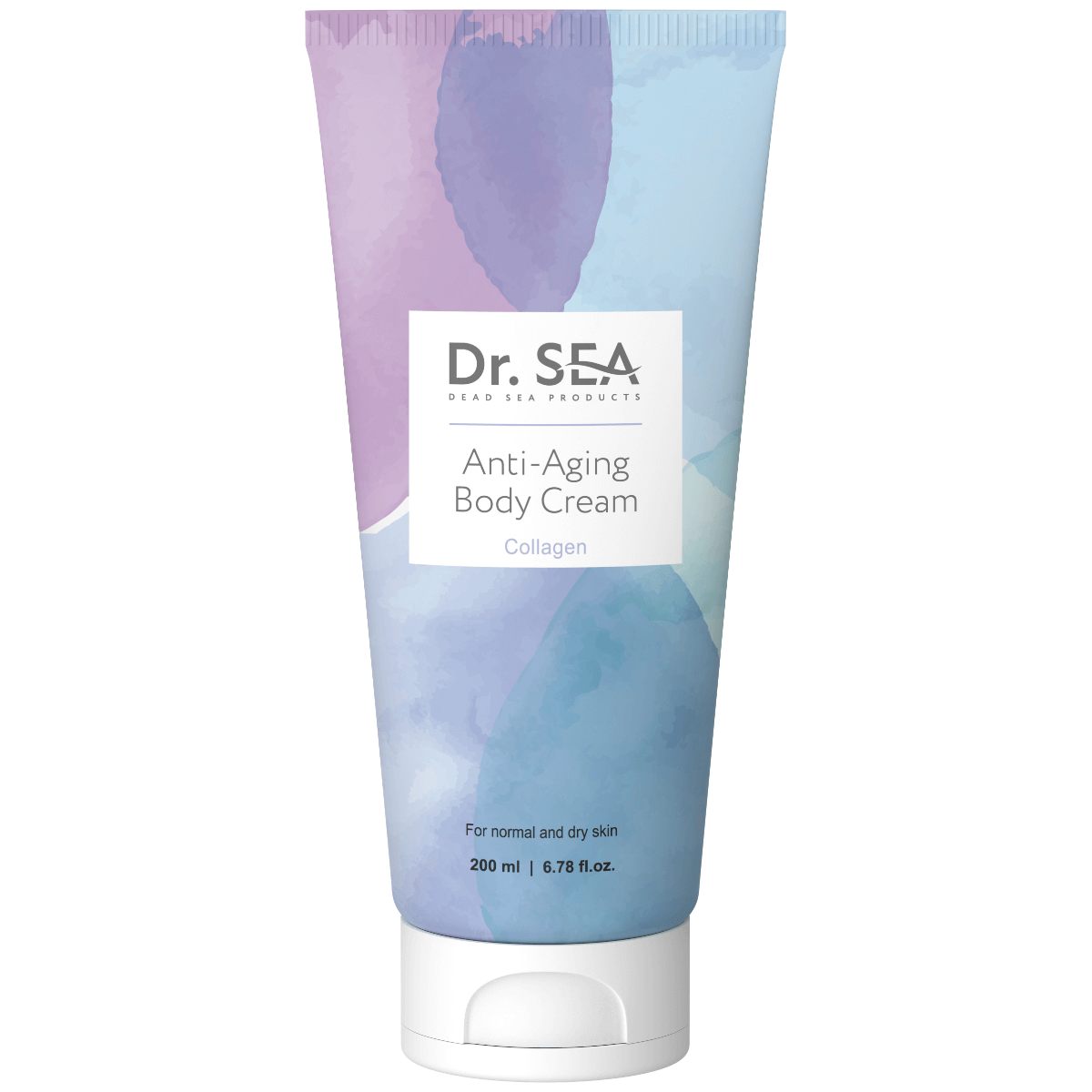
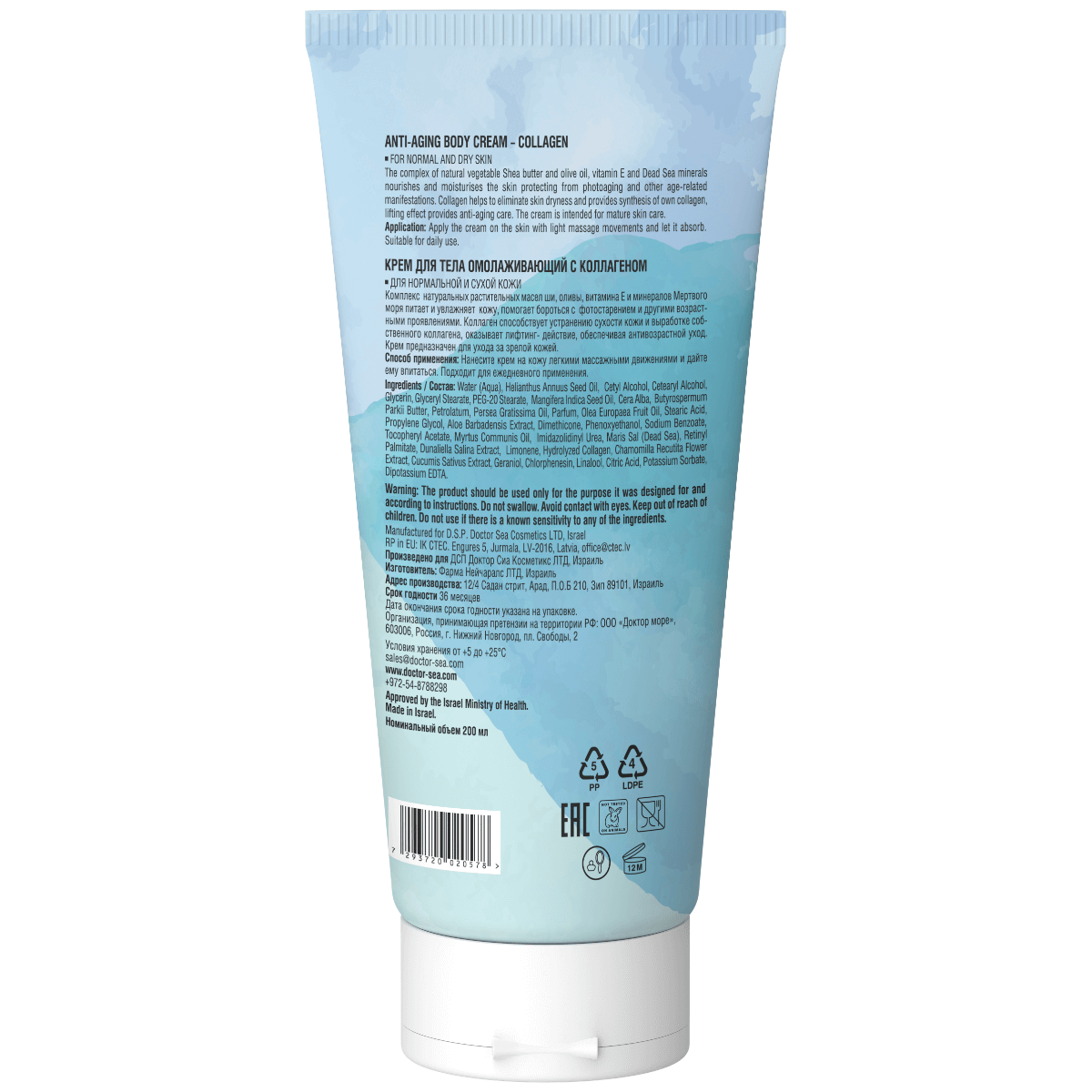
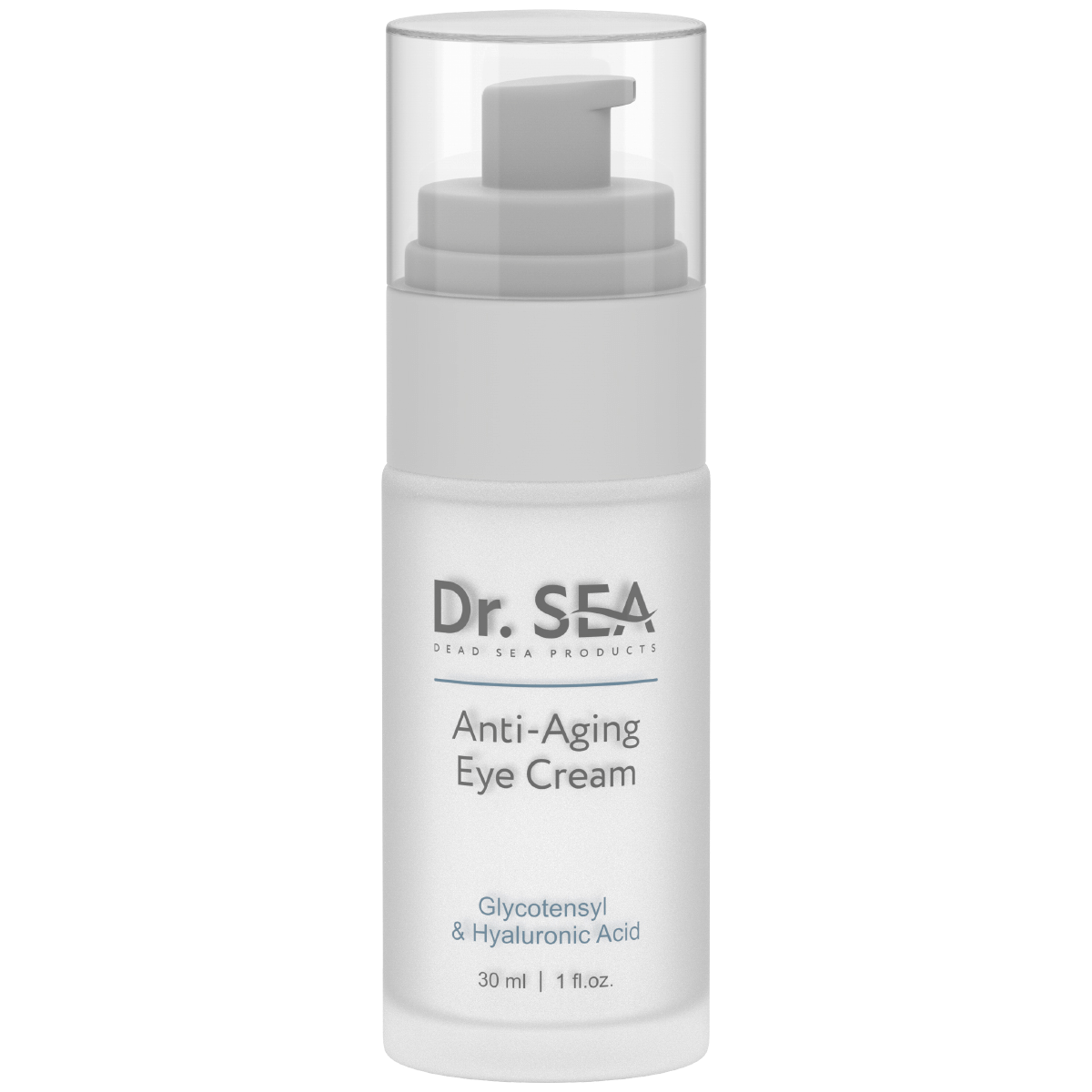
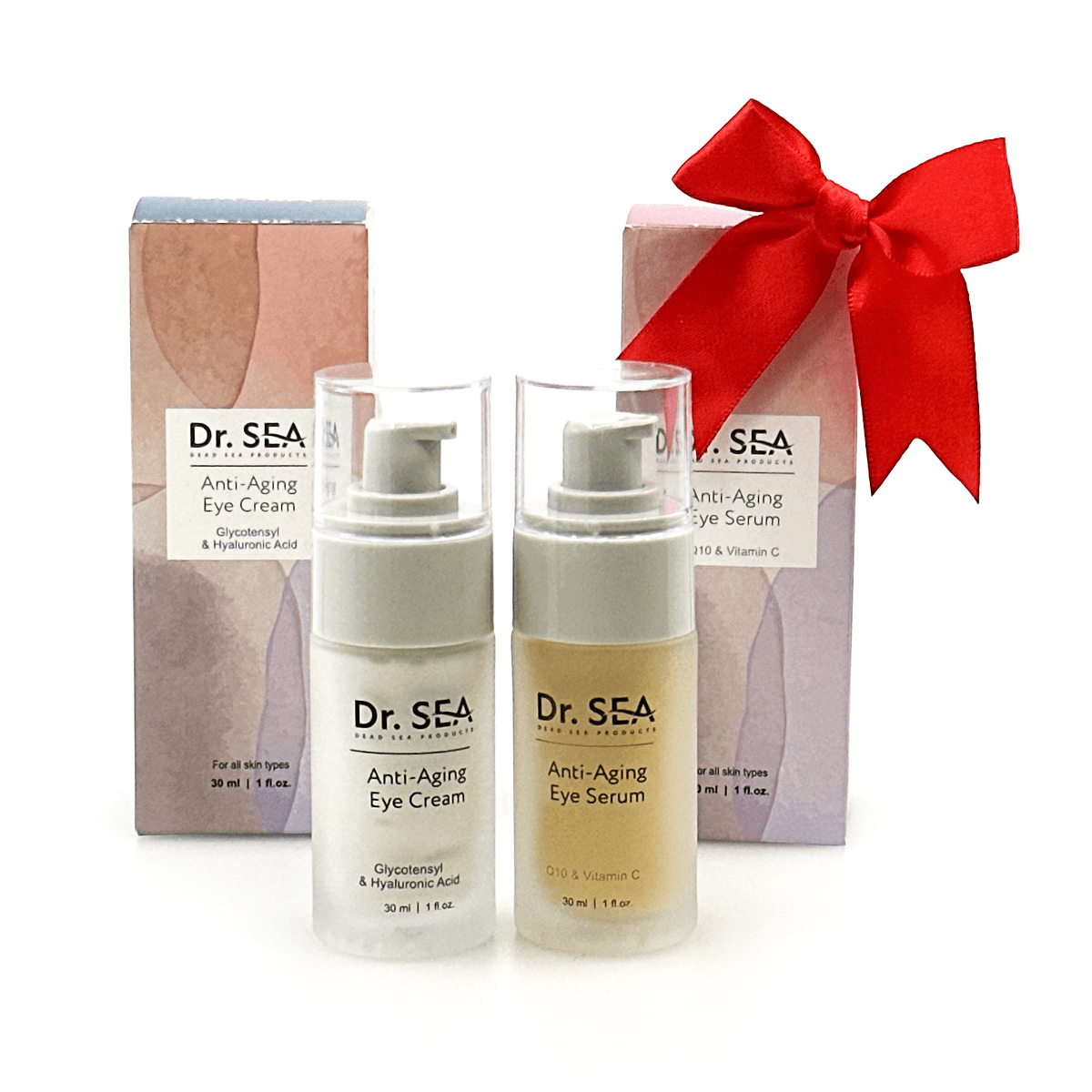
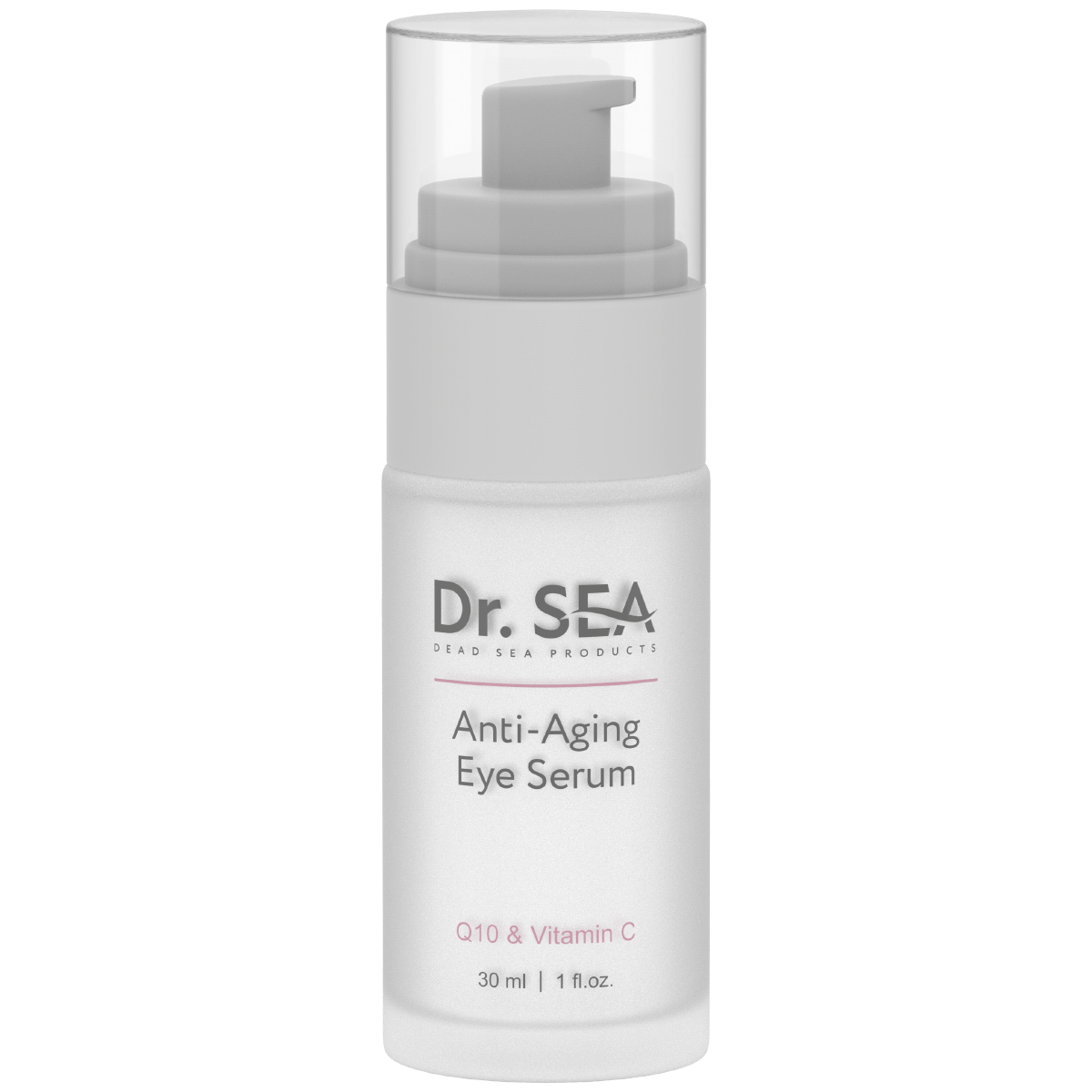
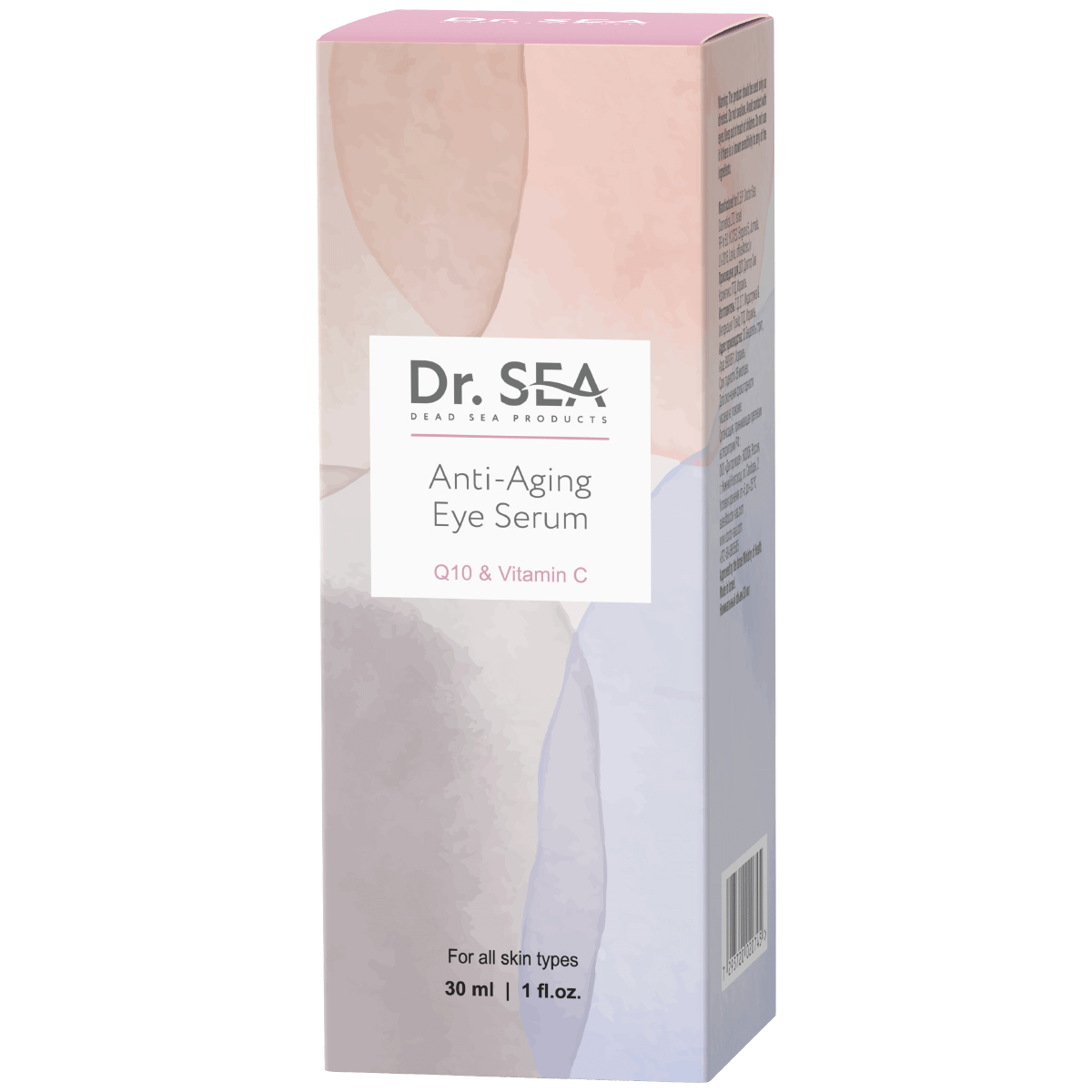
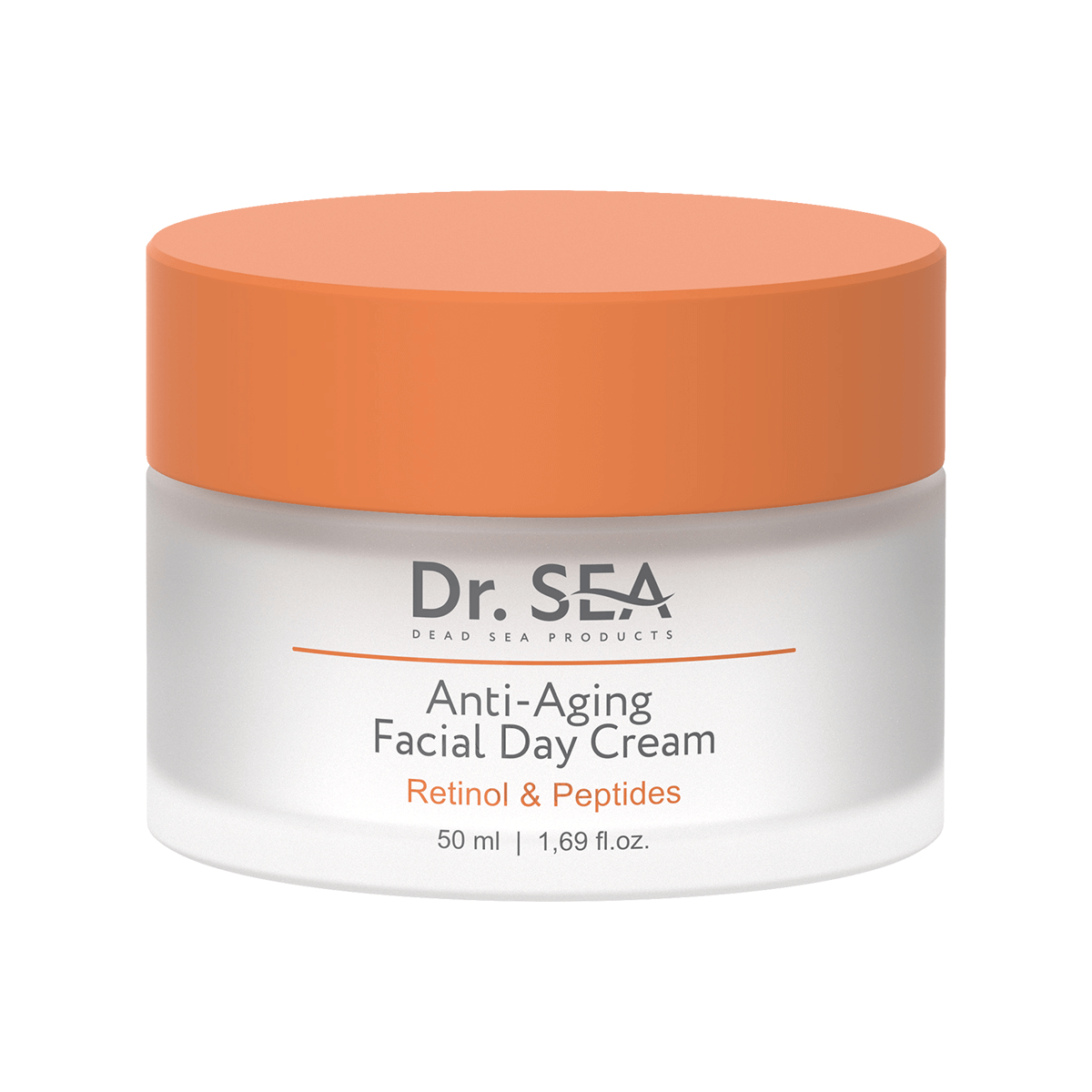
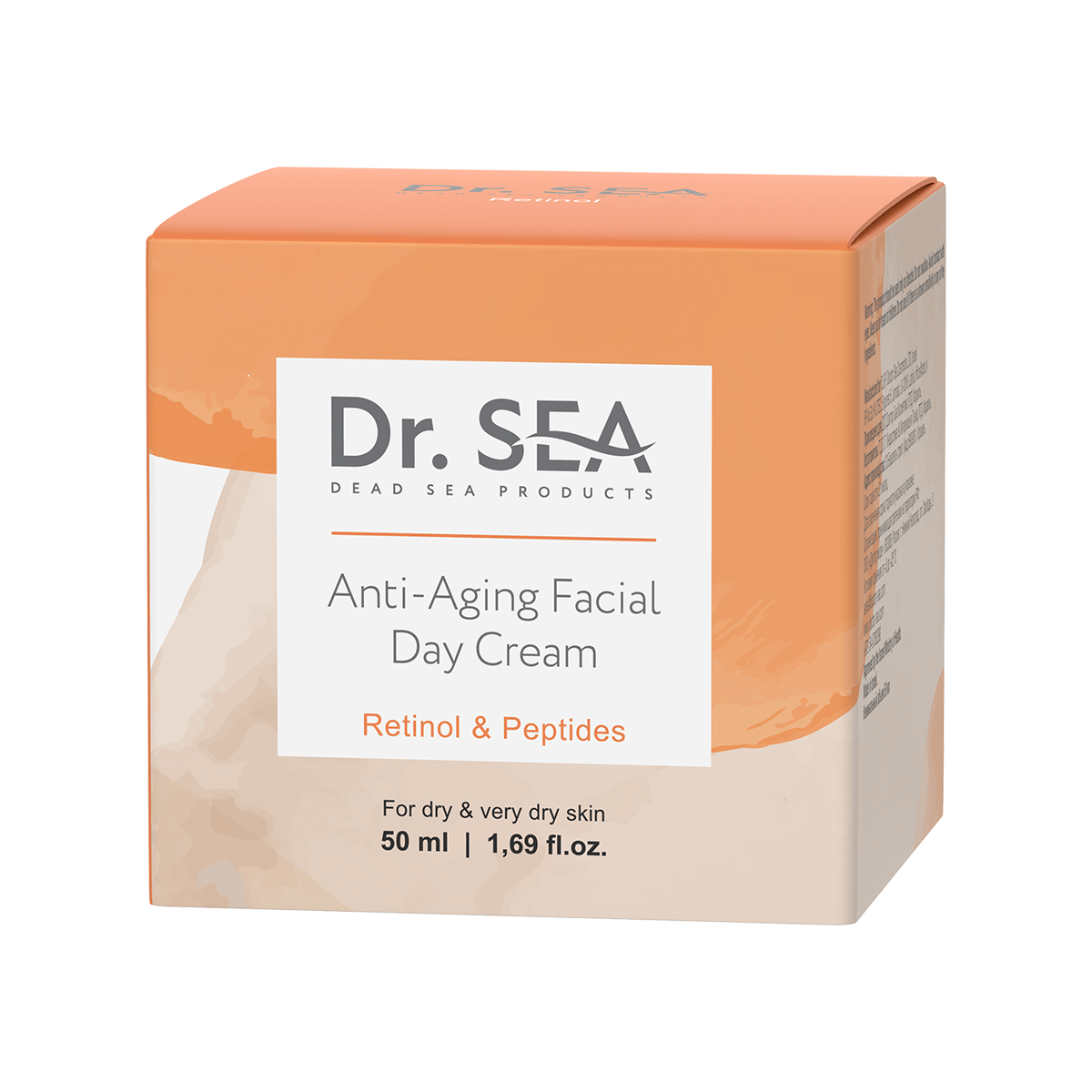
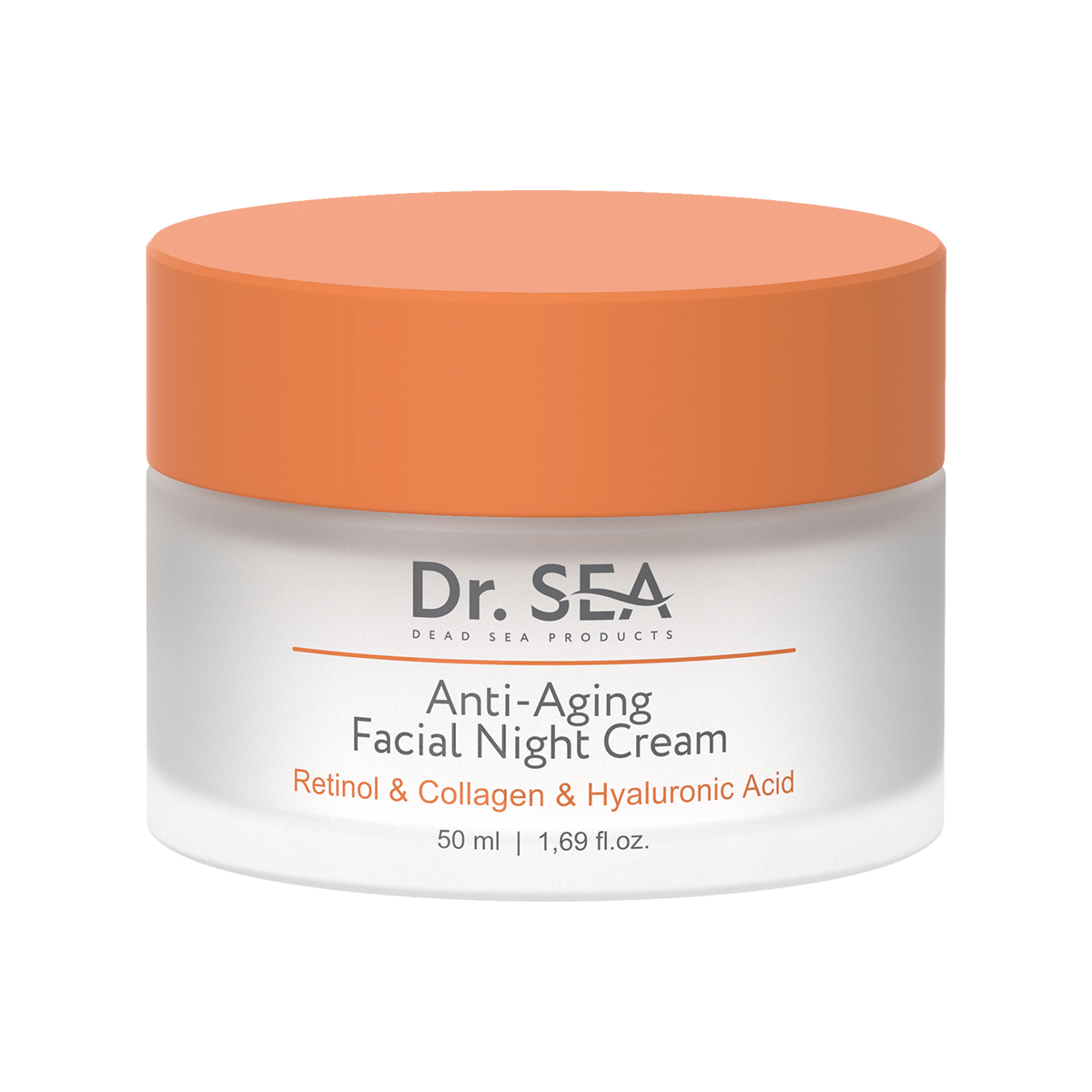
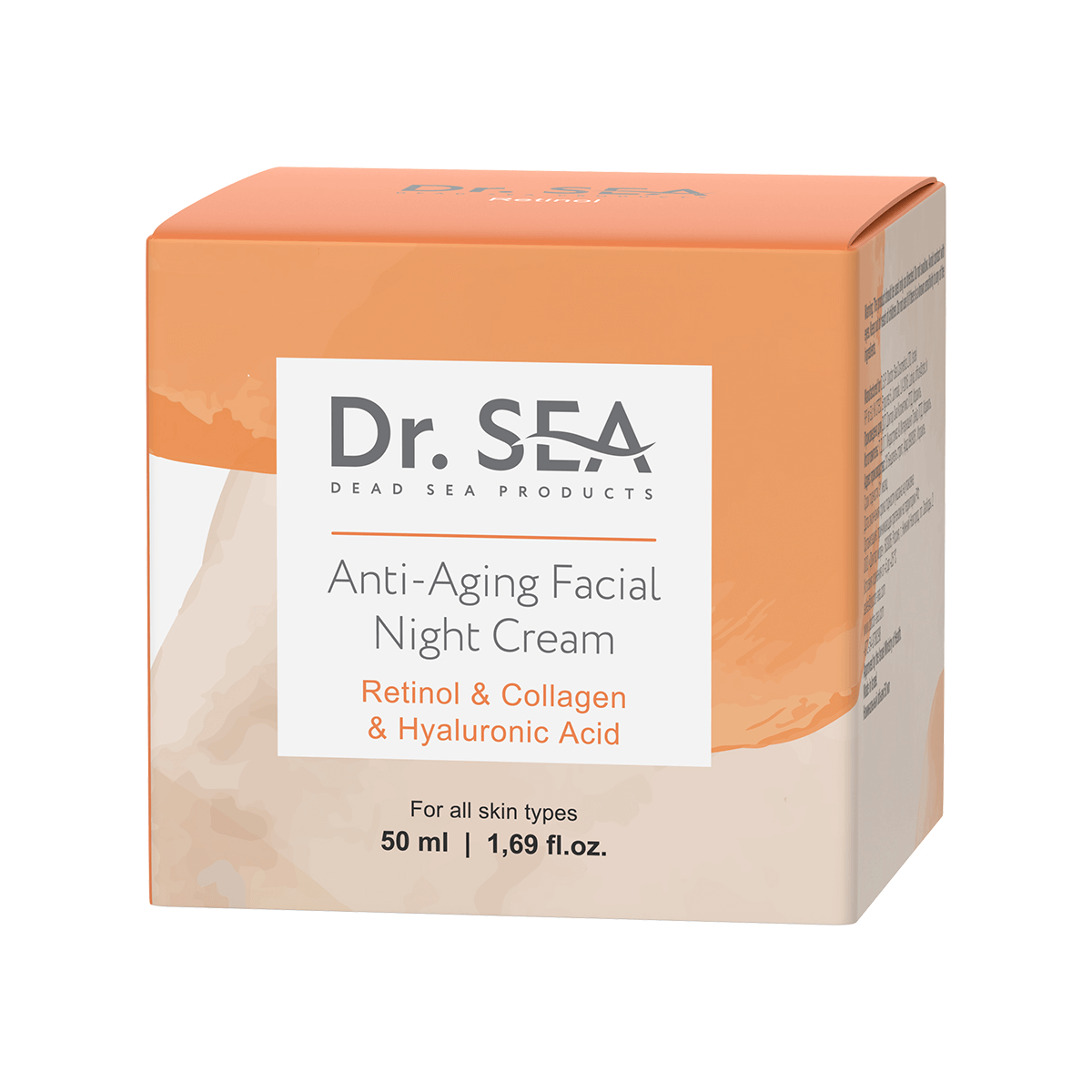
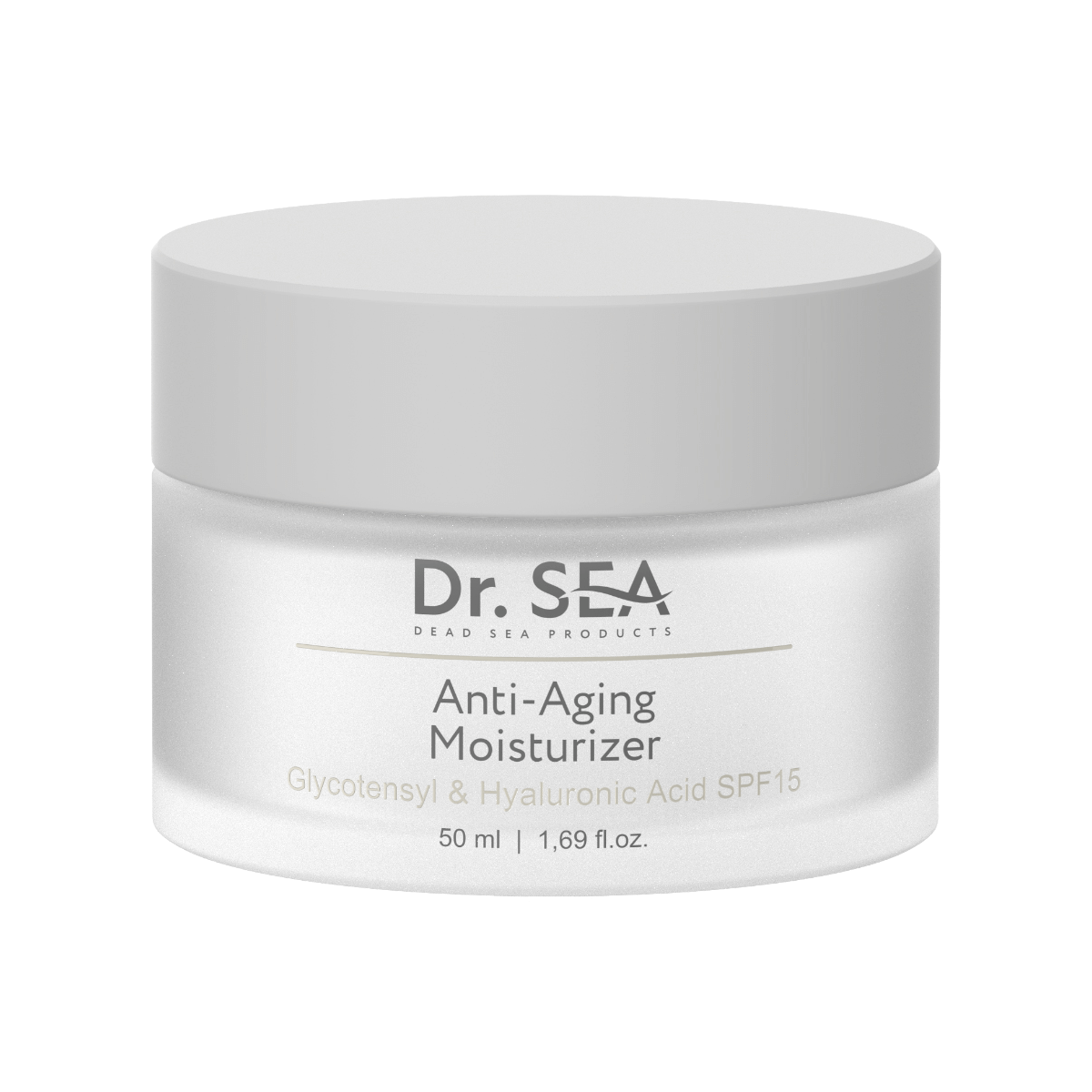
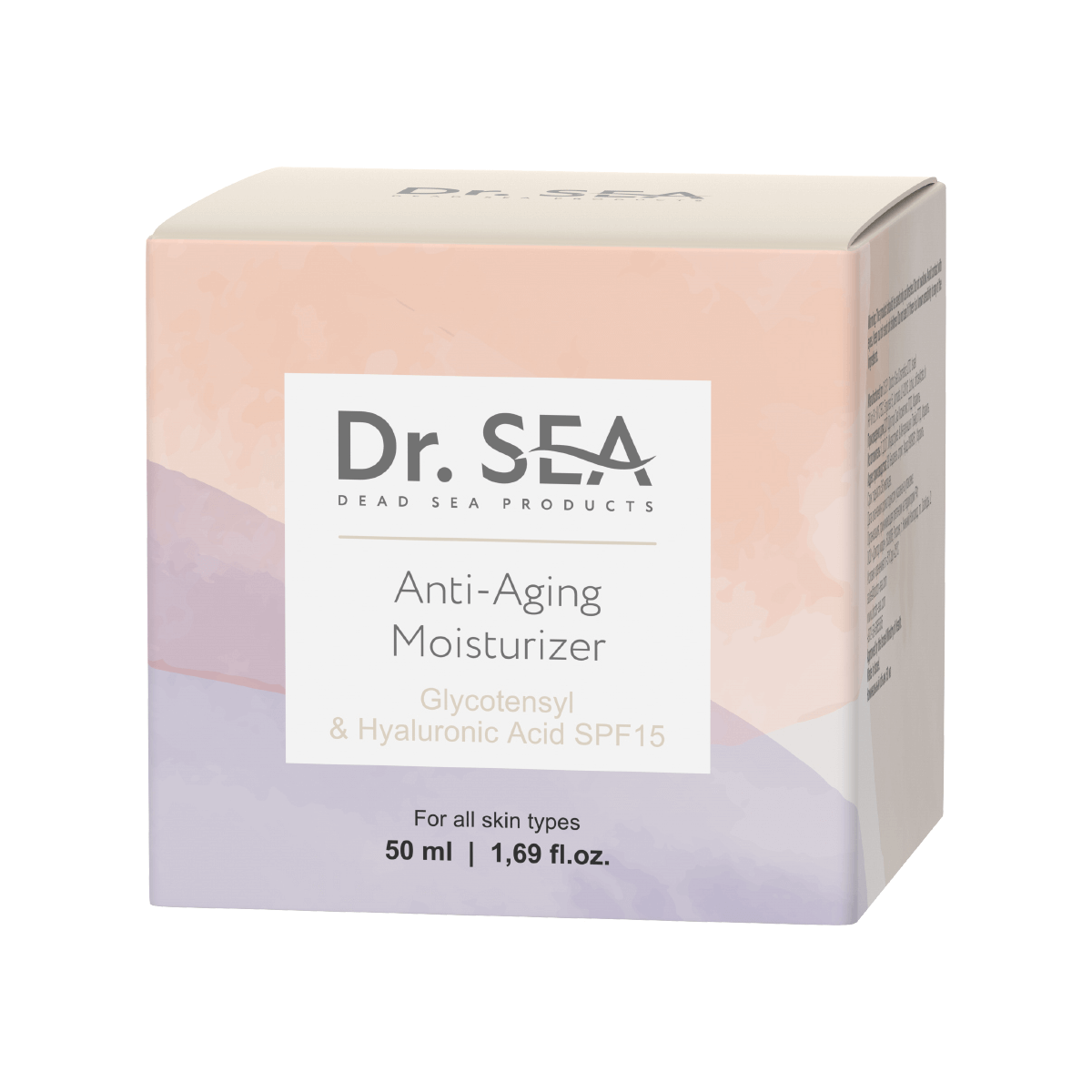
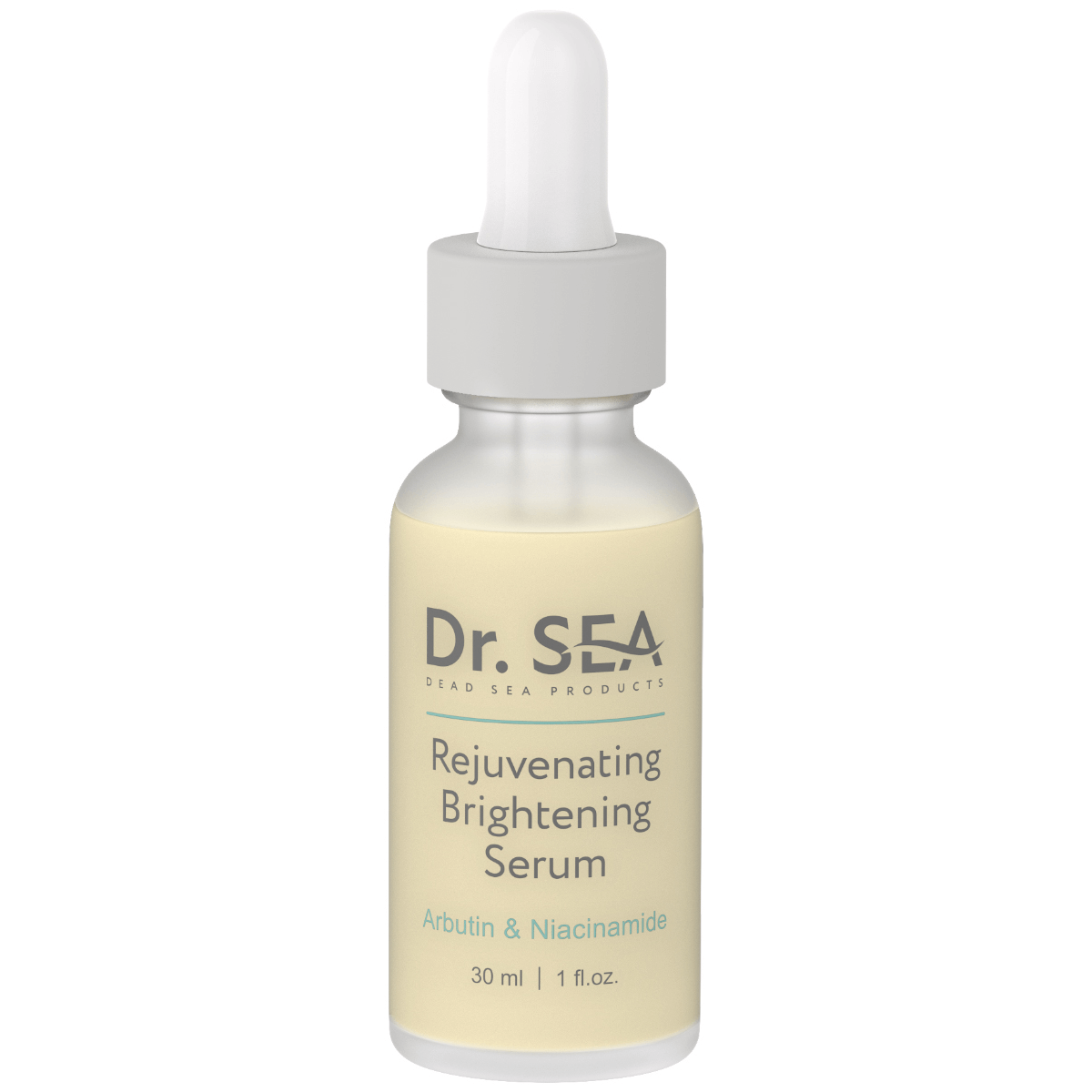
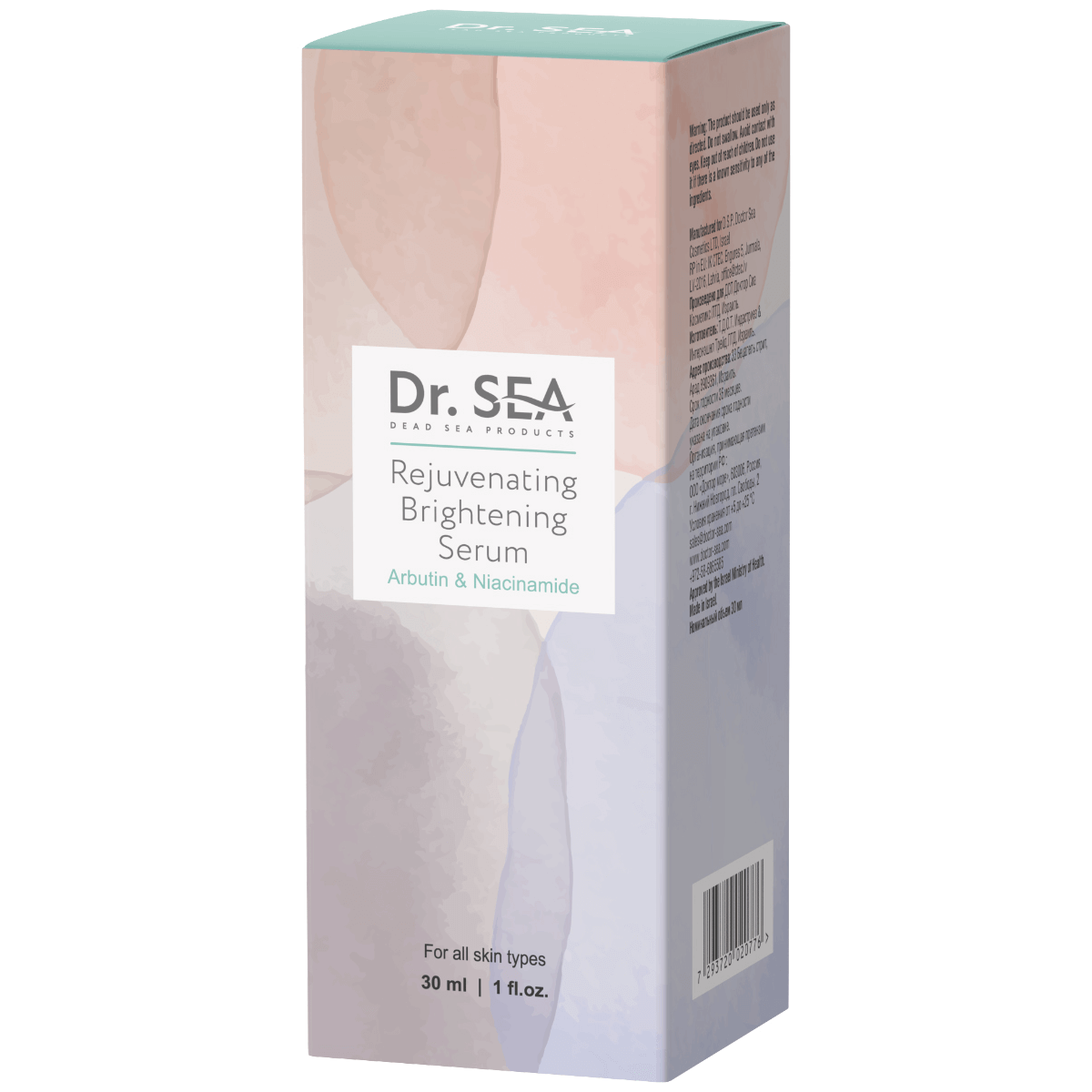
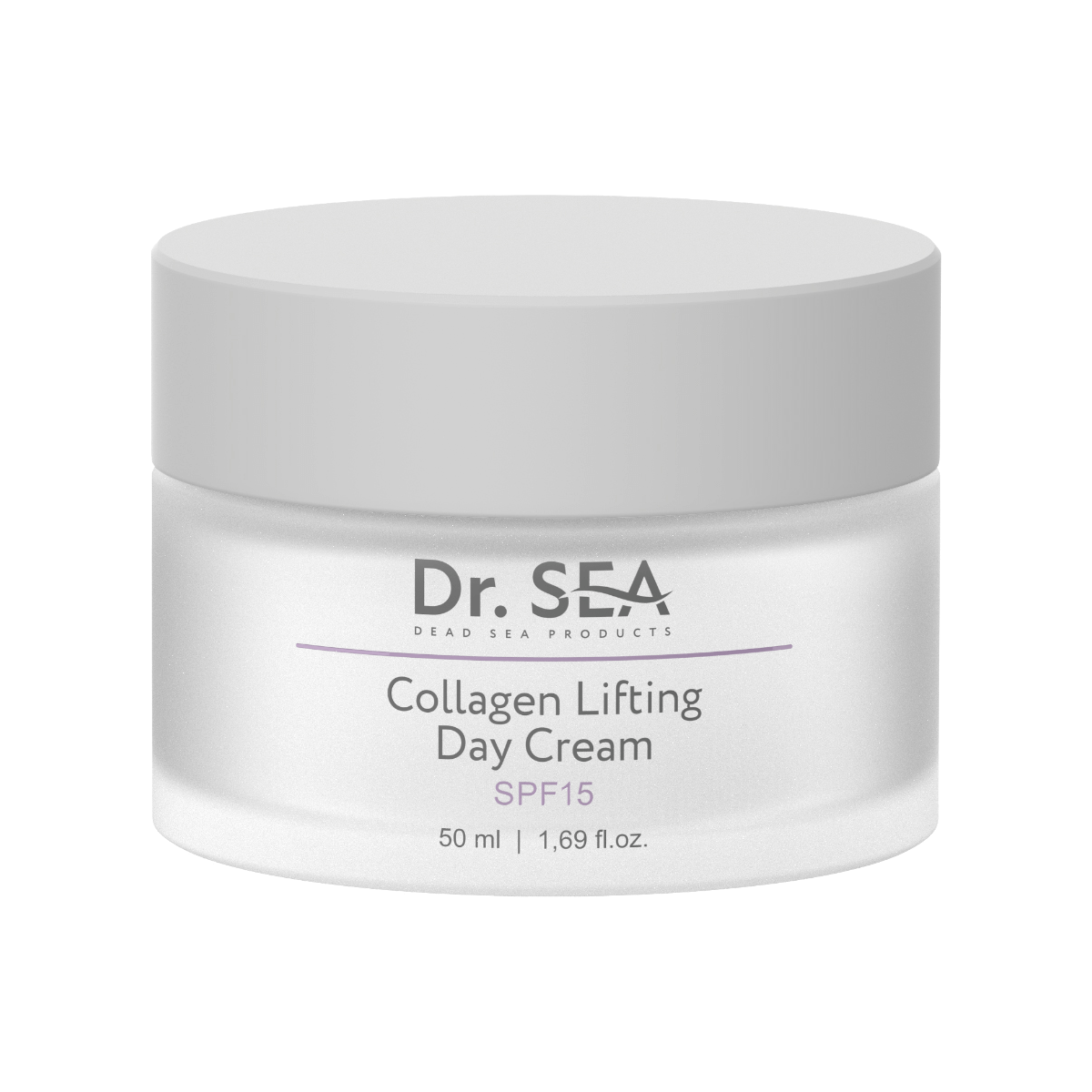
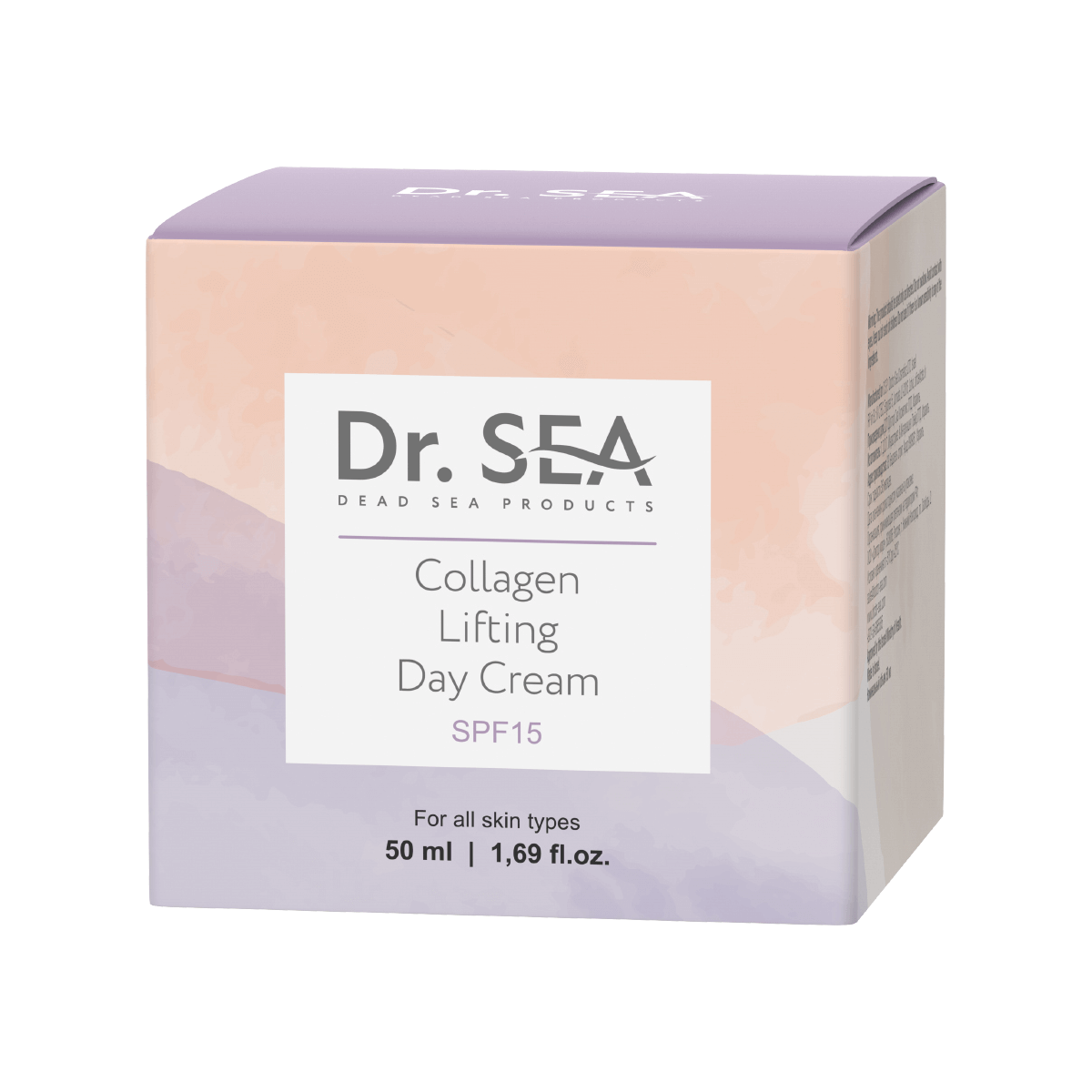
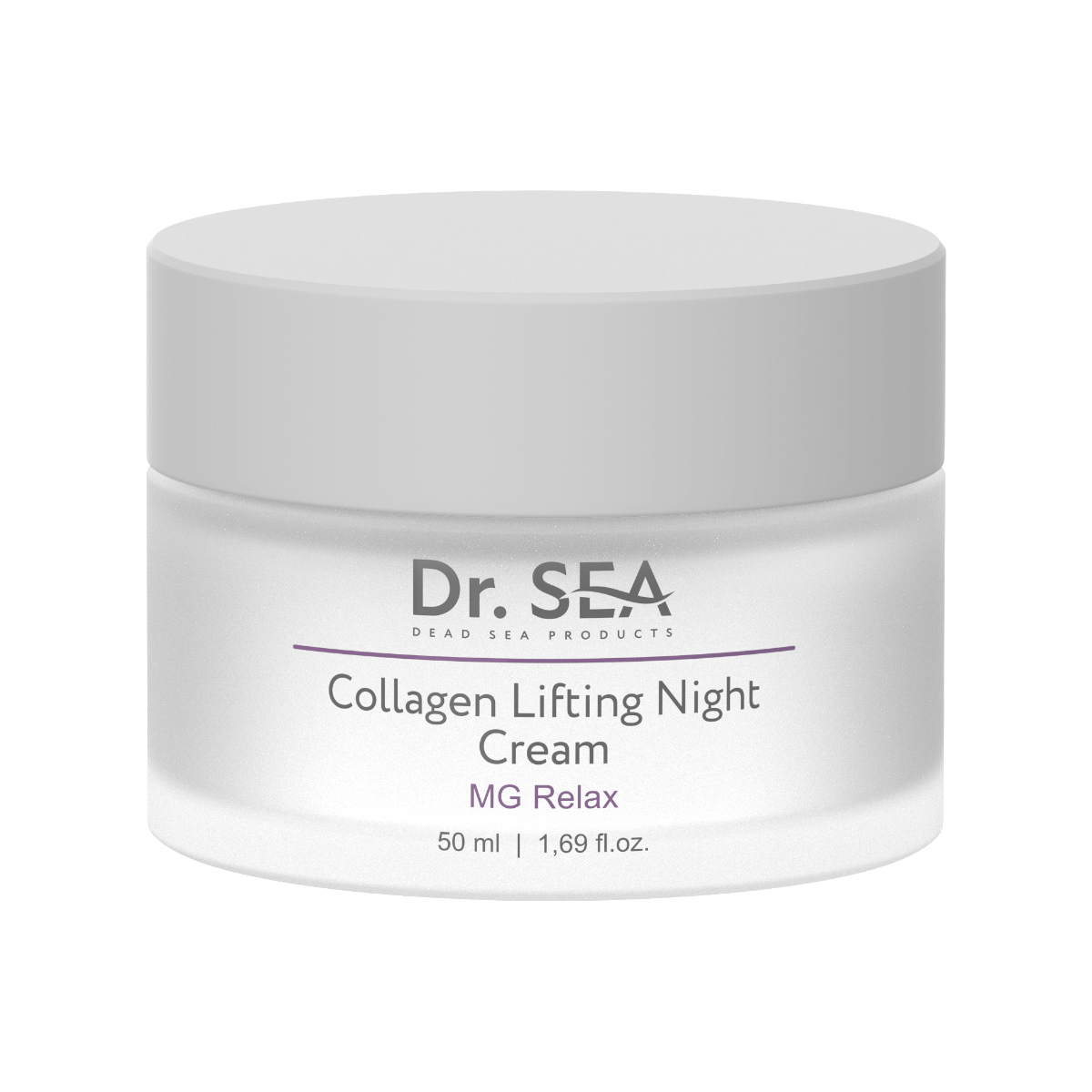
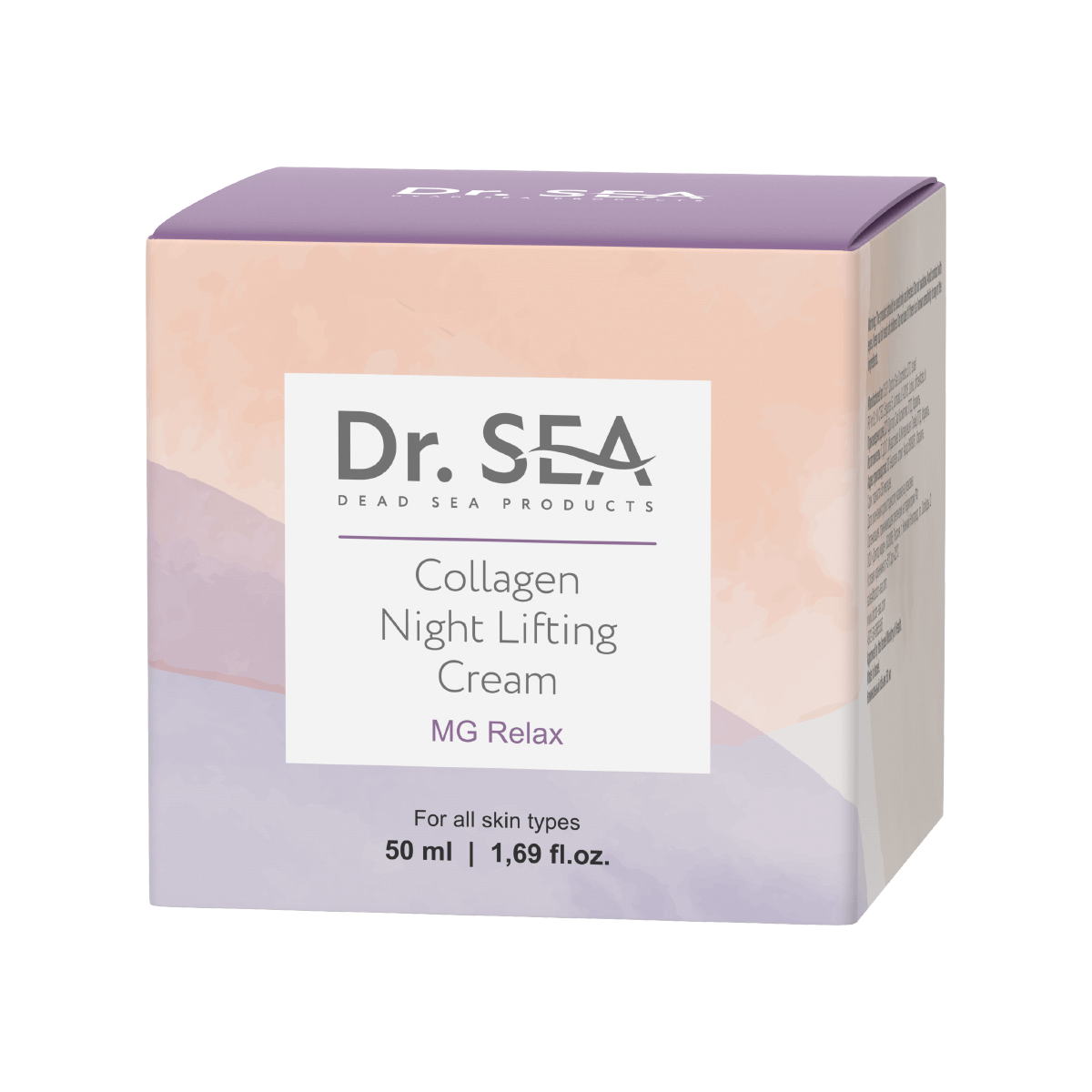
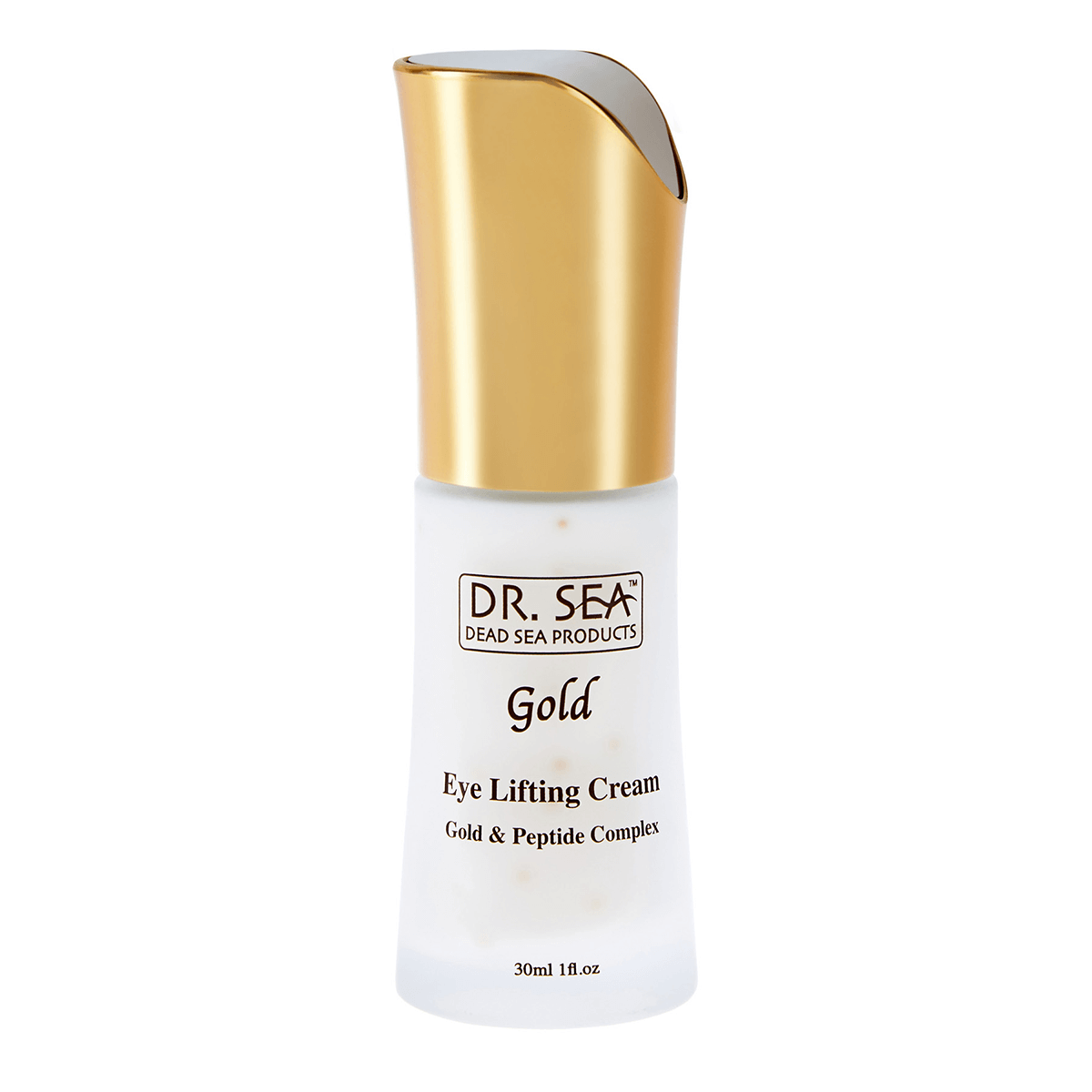
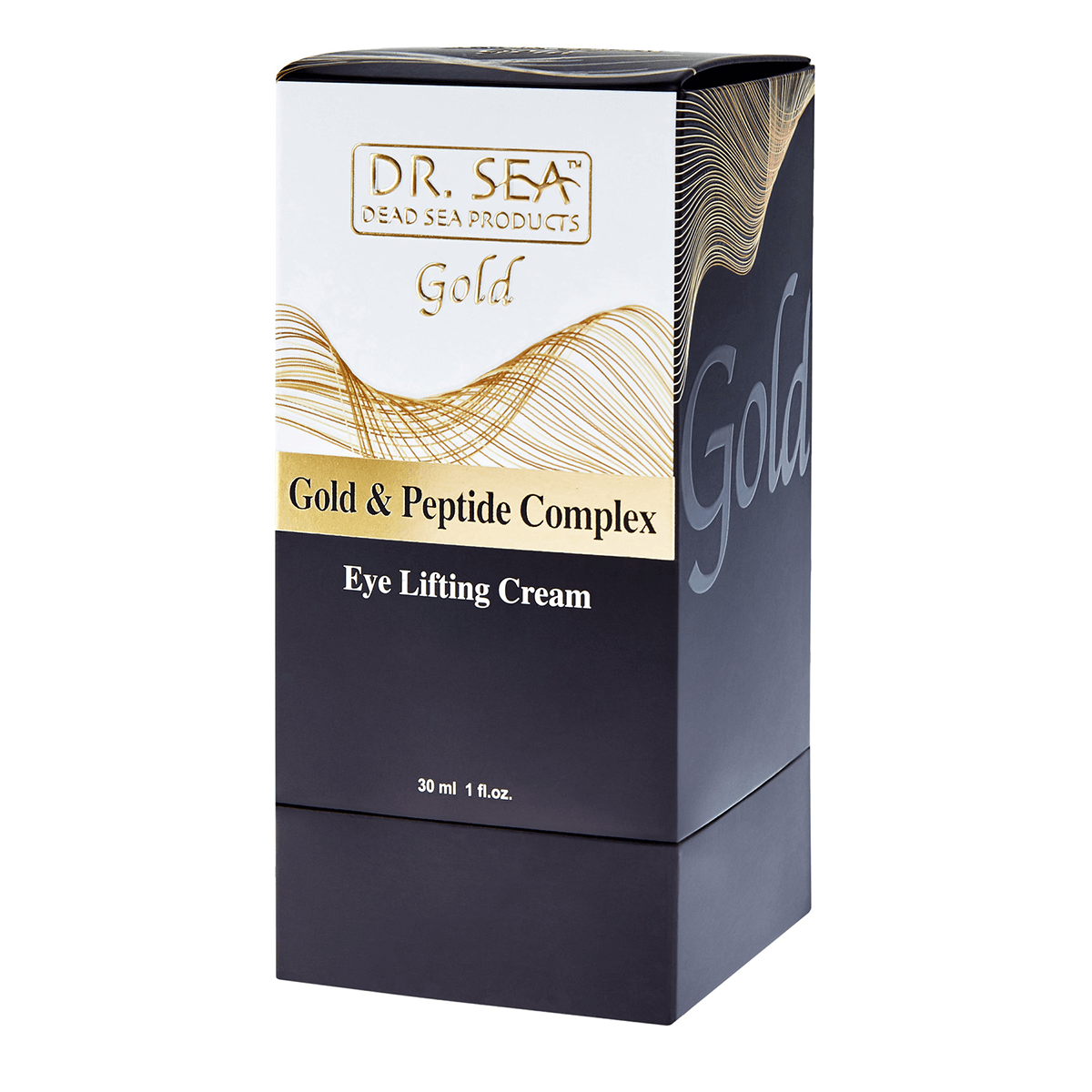
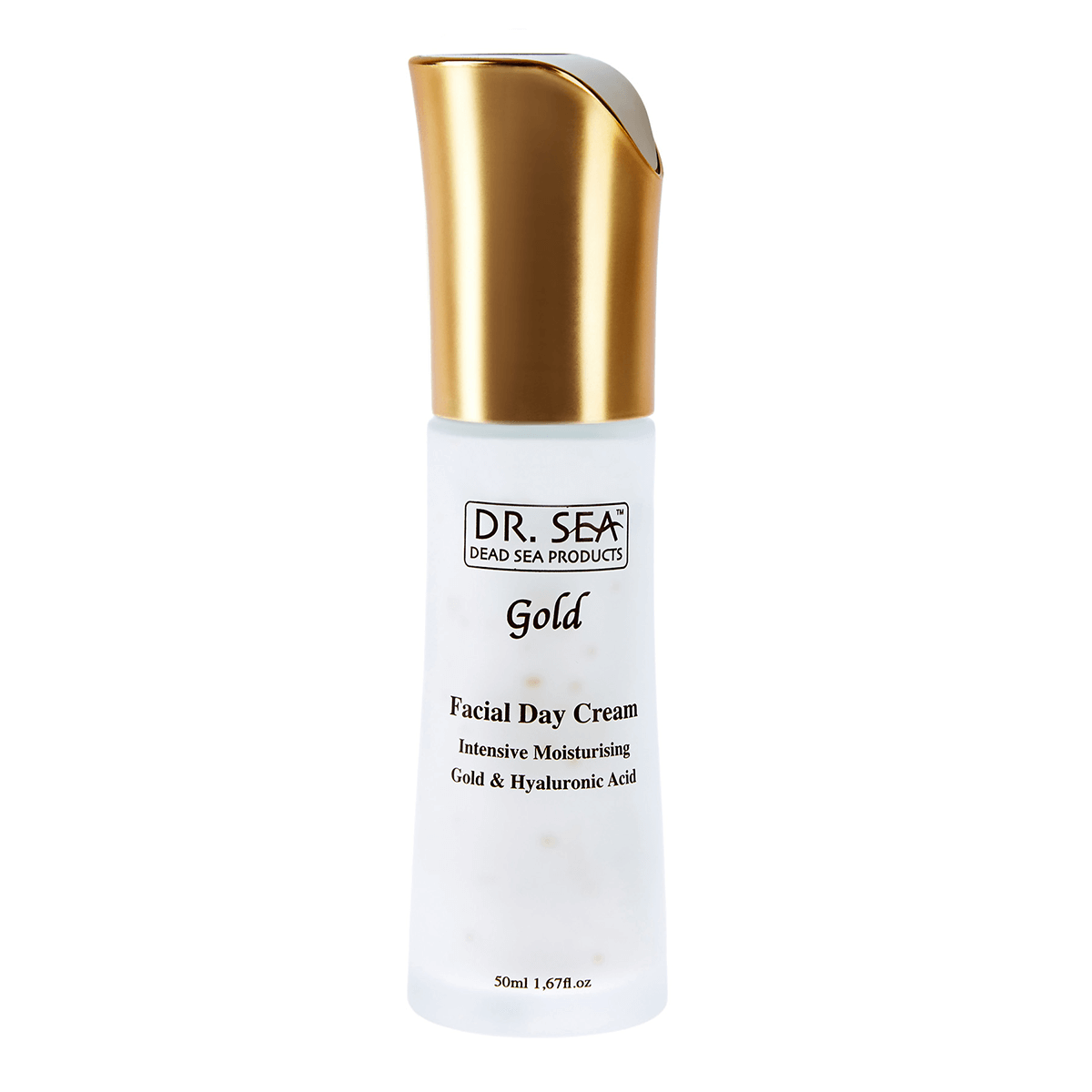
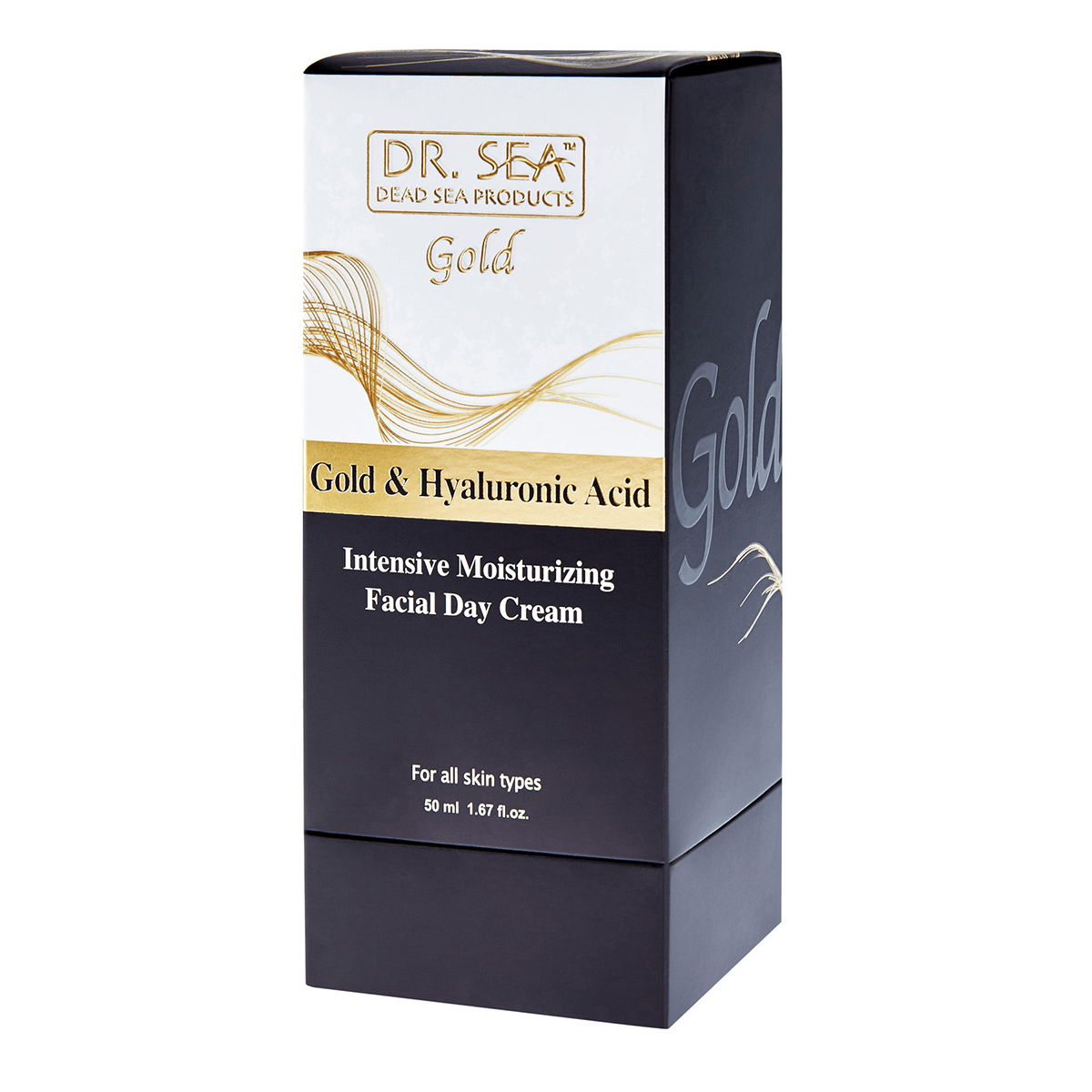
If you want to try that mineral profile at home, our Dead Sea collection brings together mud, salt, serums, and moisturizers made with minerals from the sea itself. A sensible way to shop: lead with hydration for dry or rough skin (where the magnesium evidence is strongest), treat the per-mineral promises as tradition rather than medicine, and enjoy the ritual for what it is. It is a genuine piece of Israel's landscape, packaged for your bathroom shelf.
Related
- Benefits of Dead Sea skincare products from Israel
- Why Dead Sea minerals make the best skincare products
- The benefits of Dead Sea salt
Last updated July 2026.